Category: Dental Emergency Care

  • The emergency kit items every family should have for dental accidents

    The emergency kit items every family should have for dental accidents

    It was late one evening, and I was tucking my kids into bed when suddenly I heard a loud crash from the bathroom. Rushing in, I found my youngest holding her cheek, tears streaming down her face, a shattered baby tooth in her hand. Panic set in—what if this had happened during a weekend or when I was away? This moment was a real eye-opener for me about the importance of being prepared for dental emergencies.

    Why Being Ready for Dental Blunders Could Save a Tooth—and Your Peace of Mind

    As a parent and someone who cares about family health, I realized that most folks aren’t prepared for a dental mishap. We often focus on routine cleanings and checkups, but when an unexpected accident strikes—like a knocked-out tooth or a broken crown—timing and having the right tools on hand can make all the difference. That night, I promised myself I’d put together a comprehensive dental emergency kit; not just for the kids, but for everyone in the family. After all, dental accidents don’t keep office hours, and a prompt response can often mean the difference between saving a tooth or facing a costly repair. So, today I want to share how you can prepare your own emergency kit, ensuring you’re ready before that worst-case scenario hits. Now, you might be thinking, “Do I really need a kit? Won’t a trip to the dentist fix everything?” Well, here’s the truth: many dental issues require immediate action—even before you can get professional help. For example, a knocked-out tooth needs to be handled carefully and reinserted quickly to increase its chances of survival. Interestingly, research shows that the window for successfully saving an avulsed tooth is within the first 60 minutes after injury. That’s why having a well-stocked kit and knowing what to do can be lifesaving, quite literally. Have you ever faced a dental emergency without ready supplies? If so, you’re not alone, but a little preparation now could save your family a lot of pain—and money—in the future. In the next sections, I’ll walk you through exactly what items you need and how to use them, so you’re never caught off guard again.

    Prepare Your Emergency Toolkit with Precision

    Start by assembling a dedicated dental emergency kit, including sterilized gauze, a small cup of clean water, temporary dental cement, and a pair of tweezers. Remember, during a dental crisis, having these tools ready is as crucial as knowing how to use them.

    My own experience with a knocked-out tooth during a family picnic taught me that quick access to sterilized gauze and gentle handling with tweezers can save a tooth. I learned this by following simple instructions from trusted sources, ensuring I was prepared for such stress-full moments.

    Handle a Knocked-Out Tooth with Care

    When a tooth is knocked out, timing is everything. Gently pick up the tooth by the crown (the chewing surface), avoiding touching the root. Rinse it softly with saline solution or milk if available, never scrub or dry it, as that can damage the root.

    Reinsert the tooth into its socket if possible. If not, place it in a cup of milk or saline solution to preserve the cells. The key here is to act within the first 60 minutes — research indicates the window to save the tooth diminishes rapidly after this period.

    For detailed guidance, consult resources like https://periodontistcare.com/how-to-save-a-tooth-that-has-been-pushed-out-of-place. This article emphasizes the importance of gentle handling and proper storage to maximize survival chances.

    Respond Quickly to Chipped or Broken Teeth

    If a tooth is chipped or broken, collect any fragments and rinse them gently. Avoid trying to fix it yourself; instead, cover the sharp edges with dental wax or sugar-free chewing gum to prevent further injury or discomfort.

    Schedule an appointment with your dentist promptly. Consider reading about the risks of ignoring a broken crown at https://periodontistcare.com/the-risks-of-ignoring-a-broken-dental-crown-for-too-long to understand why immediate action is vital.

    Stop Bleeding and Manage Pain Instantly

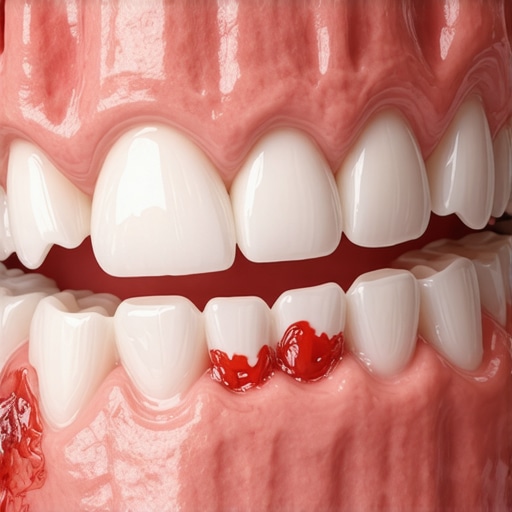
    Once a dental injury occurs, use gauze to apply direct pressure on bleeding areas. Encourage your family member to bite down gently to slow bleeding, but avoid over-tightening to prevent additional tissue damage.

    Administer over-the-counter pain relief if necessary, but avoid aspirin as it can thin blood and worsen bleeding. Remember, keeping calm and applying appropriate first aid can prevent complications and reduce emergency visits.

    Know When to Visit the Dentist

    Some injuries require no delay, such as a knocked-out tooth or protruding roots, while others, like minor chips, can wait until regular hours. Immediate dental consultation can prevent further damage or infection, especially when broken crowns or persistent bleeding are involved.

    For comprehensive care, visit your dentist promptly and consider scheduling a check-up if you notice any unusual signs, such as lingering pain or swelling, which could suggest deeper issues.

    Maintain Oral Hygiene in the Aftermath

    Post-emergency, good oral hygiene is essential. Brush gently around the injured area and avoid irritants like sugary or acidic foods that may delay healing. Regular flossing helps prevent additional decay or infection, supporting your long-term oral health.

    Incorporate habits that promote gum and teeth health, such as using the right toothbrush and avoiding harmful substances. Read more about maintaining healthy habits at https://periodontistcare.com/why-your-gums-look-dark-around-your-old-dental-work.

    Many people believe that regular teeth cleaning alone guarantees lifelong oral health, but in my experience, this overlooks crucial nuances in dental care approach. For instance, the idea that crowns are a permanent fix is a myth; improperly fitted crowns can cause ongoing issues, such as gum irritation or bite misalignment, which may lead to further decay. A common trap is assuming that once a crown is placed, it doesn’t require follow-up—but research from dental experts emphasizes routine check-ups to monitor for leaks or wear, which could compromise your smile’s integrity. Have you ever fallen into this trap? Let me know in the comments.

    Why do some crowns fail unexpectedly despite proper placement?

    The hidden nuance lies in aspects like nighttime habits, such as grinding or clenching, which can crack even the best crowns if not addressed. Studies show that over 70% of crown failures relate to parafunctional habits or neglecting protective measures—these are often overlooked during initial treatments. Ensuring that you use a night guard or adjust the bite can significantly extend your restorations’ lifespan. It’s also common to underestimate the importance of soft tissue health; inflamed gums around crowns or fillings can accelerate deterioration, yet many patients overlook signs until discomfort arises. Additionally, many assume that routine brushing and flossing suffice, but specific areas around restorations demand targeted techniques. Incorporating interdental brushes or water flossers can achieve deeper cleaning, reducing plaque buildup that may lead to secondary decay, especially under crowns. Moreover, emerging studies highlight the connection between gum health and cardiovascular risk, underscoring the importance of comprehensive periodontal care beyond just surface cleaning. For example, periodic deep cleanings help prevent inflammation that could influence overall health. Lastly, understanding the science behind oral microbiome balance is essential. An imbalance can predispose individuals to caries or periodontal disease, highlighting the importance of lifestyle factors like diet, sugar intake, and avoiding overuse of whitening products that may weaken enamel. By acknowledging these nuances, you empower yourself to make informed decisions—like avoiding DIY whitening kits that could damage your teeth or neglecting nocturnal guard use. Want to dive deeper into how your habits influence dental longevity? Check out how sleeping habits silently crack your crowns at https://periodontistcare.com/the-nighttime-habit-that-is-silently-cracking-your-dental-crowns. Remember, catching these hidden factors early can save you from costly repairs and maintain your oral health well into old age. Stay vigilant, ask questions, and prioritize continuous knowledge—your smile deserves it.Maintaining excellent oral health over the long term requires more than just regular dentist visits; it involves employing the right tools and methods to ensure your family’s teeth stay strong and healthy. From high-tech toothbrushes to advanced cleaning aids, I personally rely on equipment that combines precision, durability, and user-friendliness to deliver optimal results. One staple in my arsenal is the Sonicare DiamondClean electric toothbrush. Its sonic technology allows for superior plaque removal and gum stimulation, surpassing traditional manual brushes. I choose models with pressure sensors to prevent damaging my gums, an easy way to be gentle yet effective. For areas that are hard to reach, especially around crowns and bridges, I recommend the Water Flosser by Waterpik. Its pulsating stream effectively dislodges plaque along the gumline and under dental restorations. I’ve found that integrating water flossing into my routine has reduced bleeding and increased comfort, particularly for my children during their transition from training to their first adult toothbrushes, which you can read about in https://periodontistcare.com/how-to-transition-your-child-to-their-first-adult-toothbrush-without-tears. Besides brushing and flossing, professional-grade products like fluoride varnishes and sealants are invaluable. I work personally with a professional-grade LED curing light for applying those sealants at home, ensuring stronger and longer-lasting protections. Looking ahead, advancements in AI-driven oral health diagnostics promise to tailor preventive care even better, catching issues before they develop and customizing treatments to individual needs. As technology evolves, I predict a future where smart toothbrushes will sync with mobile apps to provide real-time feedback and personalized advice, making home care more effective than ever. How do I maintain my toolset for long-term success? Regularly replacing brushes at the right interval, ensuring my Water Flosser tips are sterilized, and staying updated on the latest innovations. My advice: try upgrading your manual brush to an electric one with pressure sensors and incorporate a water flosser into your daily routine. These small shifts can dramatically improve your family’s oral health trajectory. For a detailed look at how recent innovations can transform your care, explore how cutting-edge crowns are designed for longevity at https://periodontistcare.com/the-gold-vs-ceramic-debate-which-crown-actually-lasts-longer. Remember, the quality of your tools directly impacts the effectiveness of your oral hygiene efforts. Invest in the right equipment today, and you’ll set your family up for long-term success—healthy smiles that last a lifetime.

    Lessons That Changed My Family’s Dental Journey

    One vital lesson I learned is that proactive care isn’t just about avoiding problems—it’s about empowering your family with knowledge that can prevent emotional and financial hardship. I realized that understanding the nuances of crowns, like how nighttime habits can cause unexpected failures, made me more attentive to my loved ones’ habits and dental routines. Another insight was that equipment matters: investing in quality toothbrushes and tools actually saves money in the long run, preventing damage before it happens. Lastly, I discovered that a little personal research about dental procedures, such as how to handle a knocked-out tooth, can significantly improve outcomes during emergencies, making me feel more confident during stressful moments.

    Tools and Resources That Raised My Standards

    My essential toolkit includes the Water Flosser by Waterpik, which I trust for its proven ability to reach hard spots and support gum health. The Sonicare DiamondClean electric toothbrush is my go-to for its superior plaque removal and gentle brushing, encouraging better habits for my family. For deeper insights, I rely on reputable websites like https://periodontistcare.com/why-your-gums-look-dark-around-your-old-dental-work, which provides evidence-based information that guides my decisions. Additionally, books such as “The Power of Dental Secrets” have offered me advanced knowledge to understand the importance of routine check-ups and intervention strategies. These resources collectively shape my approach to sustained oral health and give me peace of mind knowing I’m doing everything possible to protect my family’s smiles.

    Keep Your Smile Bright and Your Heart Happy

    Your family’s dental health is the foundation of overall well-being, and with conscious effort, you can turn ordinary routines into powerful prevention. Don’t wait for problems to arise—take proactive steps today by incorporating quality tools, staying informed, and practicing good habits. Remember, every healthy smile adds to a happier, more confident family life. I encourage you to start implementing these strategies now, because your family deserves the best care possible. What small change will you make today to improve your loved ones’ oral health? Share your thoughts below and let’s build healthier smiles together.

  • How to deal with a chipped tooth until you can see a dentist

    How to deal with a chipped tooth until you can see a dentist

    I remember the shock I felt when I bit into an apple and suddenly registered that a sharp edge was missing from my front tooth. It wasn’t just a minor inconvenience; it felt personal—like my smile had betrayed me. Hours later, I was obsessing over how to handle this mishap, thinking, “Am I doomed to hide my smile until I see the dentist?”

    < h2 >Dealing with a Chipped Tooth: Your Immediate Action Plan< /h2 >
    Dealing with a chipped tooth can be downright panicky. It’s not just about aesthetics; a jagged edge can cause pain, cut your tongue, or even lead to secondary infections if not managed properly. The real challenge is what to do in that moment before you can get professional care. What if I told you that there are practical steps you can take right now to make this less stressful and prevent further damage?

    Most importantly, understanding the right immediate responses can save you discomfort and prevent emergency trips to the dentist. From simple home fixes to knowing what to avoid, I’ve learned firsthand that being prepared makes all the difference. And trust me, I’ve made plenty of mistakes early on—like trying to glue the piece back myself, which only made things worse. That’s a mistake I won’t repeat, and I want to help you avoid it, too.

    But first, let’s clear up some common doubts. Are all chips created equal? Does a small chip require the same treatment as a larger one? And is it really safe to just wait it out until your dental appointment? We’ll explore these questions and more, making sure you’re equipped with the knowledge to handle this situation confidently.

    So, if you’ve ever faced that sudden, unsettling feeling of a broken tooth, or if you just want to be prepared for any dental emergencies, keep reading. The next steps are straightforward yet crucial. Let’s get into how to protect your smile until you can see your dentist—because no one plans for a chipped tooth, but everyone should be ready to face it.

    < h3 >Is Rushing to the Pharmacy Necessary or Just a Myth?< /h3 >
    One common misconception is that over-the-counter remedies can magically fix a chipped tooth. I used to think that brushing vigorously or applying dental wax would help. But, as I learned the hard way, the real goal is to stabilize the tooth and minimize pain—nothing more. Unfortunately, some early approaches can actually cause more harm.

    For example, a significant mistake I made was using household superglue in desperation—something I strongly advise against. Not only can this damage your tooth further, but it complicates a professional’s work later on. Instead, knowing what immediate steps to take, such as gently rinsing your mouth and avoiding hot or cold foods, can make a big difference.

    Furthermore, understanding the importance of timely action helps you avoid unnecessary pain and expense later. If you’re curious about signs that indicate a more severe dental issue, check out how to tell if a toothache signals a bigger problem.

    Now, with these insights in mind, let’s move forward to practical solutions that you can implement right now to tame discomfort and prevent further damage. Remember, your smile is worth protecting—no matter when the next dental visit is scheduled.

    Secure the Area and Minimize Damage

    The first priority is to prevent further injury or damage. Gently rinse your mouth with warm water to remove debris and reduce the risk of infection. If there’s bleeding, apply light pressure with a clean gauze or cloth. Think of your mouth as a sensitive zone—like a garden bed—you want to protect its delicate parts from additional harm. During my own mishap, I was tempted to pinch and pick at my chipped tooth, but I learned that calm, deliberate actions yield better results.

    Manage Pain and Protect the Tooth

    Use a cold compress on the outside of your cheek to numb pain and reduce swelling. Wrap it in a cloth to avoid direct contact—like a cozy blanket for your face. Over-the-counter pain relievers such as ibuprofen can also help. I remember applying a cold pack, which temporarily dulled my discomfort and gave me moments of relief. Just remember, don’t place ice directly on your skin or inside your mouth; it’s all about controlled, gentle cooling.

    Patch the Chip Temporarily

    If the jagged edge bothers your tongue or lips, soften a piece of dental wax or sugarless gum and gently mold it over the sharp area. This acts as a temporary barrier—like a patch on a leaky pipe. I once used a piece of orthodontic wax from my kit to cover a rough spot, which kept my tongue from stabbing at it constantly. Avoid using household glues or other non-dental substances, which can cause chemical burns or damage your tooth further.

    Choose the Right Foods and Drinks

    Stick to soft, non-acidic foods and lukewarm or cool beverages. Hard, sticky, or hot items can exacerbate the pain or worsen the chip. Think of your mouth as a fragile sculpture—handle it with extraordinary care. During my own experience, I avoided crunchy chips and hot coffee until professional help was secured. This minimizes the risk of aggravating the damage or causing new fractures.

    Schedule Immediate Dental Attention

    Contact your dentist ASAP; most urgent issues should be seen within 24 hours. Explain your situation clearly—describe the size, location, and pain level of the chip. Early intervention can mean less invasive procedures and better outcomes. I learned this the hard way after waiting a day; the chip worsened, requiring a more complex repair. Remember, even a small chip might expose the tooth’s inner layers, leading to increased sensitivity or infection if ignored.

    Understand When to Seek Emergency Care

    If you experience severe pain, bleeding that won’t stop, or if part of the tooth has fallen out and you find it, seek emergency dental care immediately. Keep the broken piece in a clean container with milk or saliva to preserve it for possible reattachment. In my case, I managed minor discomfort but recognized that the tiny fragment I saved might be crucial for a successful reattachment if I saw the dentist promptly.

    Prevention and Long-Term Care

    After handling the immediate situation, evaluate how the chip occurred. Was it from biting a hard object or accidental impact? Wear protective gear when participating in sports, and avoid chewing on non-food items. Regular check-ups can catch weaknesses in your teeth before they result in chips. Just as you would routinely check your car’s brakes, monitoring your oral health prevents surprises. Incorporate daily flossing properly—avoid [flossing too hard](https://periodontistcare.com/why-flossing-too-hard-is-just-as-bad-as-not-flossing-at-all)—and maintain good oral hygiene to reinforce your overall dental resilience.Many individuals believe that brushing twice daily and visiting the dentist annually fully protect their oral health. However, these routine actions can mask deeper misunderstandings that compromise long-term dental well-being. For instance, many assume that all toothbrushes are equally effective, but the type of bristles, handle ergonomics, and even the brushing technique matter significantly. Choosing a soft-bristled brush isn’t just about comfort; it reduces gum recession and enamel wear—a common mistake made when people opt for firmer brushes believing they’re cleaning better. Understanding the nuanced differences can make a real difference in preventing issues before they escalate.

    Additionally, a prevalent myth is that flossing aggressively is always better. On the contrary, excessive force can damage delicate gum tissues, leading to recession and increased sensitivity. Proper flossing involves gentle, controlled movements that clean effectively without harm. Careful flossing coupled with proper technique is crucial; check out this article on why flossing too hard is detrimental. Many overlook the importance of incorporating interdental cleaners or water flossers, which can reach areas traditional floss might miss, especially for those with braces or dental implants.

    What about crowns and restorations? Many wrongly believe that once a crown feels ‘bulky’ or uncomfortable, replacing it isn’t urgent. But, as experts highlight, ill-fitting crowns can foster plaque accumulation, leading to decay or gum disease beneath the restoration. Pay close attention to how your crowns feel; discomfort or a metallic taste can be signs of underlying problems, as explained in this detailed guide. The technical nuance here is that advancements like zirconia crowns provide better fit and more natural aesthetics, yet many still settle for outdated options, risking future complications.

    When it comes to family dentistry, there’s a tendency to focus only on children or only on seniors, neglecting the unique needs of adults in between. For instance, adults often experience gum sensitivity during pregnancy, which many dismiss as normal or temporary. But, as research indicates, heightened gum sensitivity during pregnancy can increase the risk of periodontal disease, impacting both maternal and fetal health. Exploring this connection between pregnancy and gum health reveals the importance of tailored, proactive care.

    A common pitfall in oral health maintenance is neglecting the small yet vital details, such as changing your toothbrush after illness, which many overlook. Using a contaminated brush can reintroduce bacteria, undermining your efforts. Also, improper use of whitening products or overuse of DIY remedies can damage enamel, leading to increased sensitivity or even cavities. To stay on top of these nuances, consult with your dental professional about personalized care strategies, including cleaning methods like deep gum scaling, which is often misunderstood.

    In summary, understanding the finer points of oral health—from choosing the right tools to recognizing early warning signs—can dramatically impact your dental longevity. Remember, what seems minor, like brushing technique or crown fit, plays a pivotal role in your overall oral health journey. Have you ever fallen into this trap? Let me know in the comments.Maintaining your oral health over the years requires more than just routine brushing and flossing; it demands reliable tools and consistent habits. One of the cornerstones of my dental toolkit is the electric toothbrush, specifically models with oscillating-rotating heads. These have proven to be significantly more effective at plaque removal than manual brushes, especially when used correctly with a soft-bristled head. I personally prefer brands like Sonicare or Oral-B, which come with timers and pressure sensors to prevent over-brushing, a common mistake that can damage gums and enamel.

    For interdental cleaning, I recommend a Water Flosser such as the Waterpik. Unlike traditional floss, it’s especially effective for individuals with braces, implants, or limited dexterity. The pulsating water reaches areas that floss might miss and reduces gum inflammation. I integrate this into my nightly routine to ensure a deep clean, especially around crown margins and areas prone to plaque buildup.

    A good oral irrigator isn’t just about cleanliness; it can also help in maintaining the health of your gums long-term. Regular use can reduce bleeding and gum recession, which are often signs of early periodontal issues. Coupled with routine professional cleanings—like deep gum scale procedures—I find my periodontal health stays optimal. Exploring the difference between standard cleaning and deep gum scaling can help you understand the importance of targeted care.

    In terms of monitoring your progress, a good smartphone app that tracks brushing duration and frequency is valuable. I recommend Brush DJ or MySmileSun—these apps keep me accountable and ensure I’m spending enough time on each quadrant. Consistent use of these tools makes a tangible difference over months, protecting against decay and gum disease.

    Looking ahead, the dental technology horizon seems promising with AI-powered diagnostics and smart toothbrushes that can analyze your brushing habits in real-time. These innovations aim to personalize care and provide feedback for superior results. For now, I suggest integrating a high-quality electric toothbrush and interdental water flosser into your routine.

    To maximize their benefits, dedicate a set time each morning and night for using these tools thoroughly. Take advantage of pressure sensors to avoid damaging your gums—most high-end brushes alert you when you’re brushing too hard, a simple yet crucial feature.

    Ready to take your oral health game to the next level? Try setting up a daily routine that includes a water flosser and a smart electric toothbrush. Regular, mindful use of these tools can significantly reduce your long-term dental worries, making visits to the dentist less of a chore and more of a check-in. Don’t wait until problems arise—start now, and your future self will thank you.

    How I Discovered the Power of Consistency

    Regularly using tools like electric toothbrushes and water flossers transformed my oral health more than any fancy treatment. This consistency, often overlooked, made me realize that small daily habits create lasting impacts.

    The Hidden Danger of Ignoring Minor Symptoms

    Initially dismissing minor tooth sensitivity or gum bleeding led to bigger problems. Paying attention to these signs early on can save you from invasive procedures later.

    Why Personal Experience Taught Me More Than Books

    My personal mishaps—like attempting to fix a chipped tooth at home—taught me the importance of trusting professionals and understanding my unique dental needs. Real-world lessons stick better than theory.

    Curated Tools That Made a Difference

    My go-to devices—like the Sonicare ProtectiveClean and Waterpik Water Flosser—are trustworthy because they combine science with reliability. They’ve helped me maintain a smile I feel confident in.

    The Emotional Impact of Restored Confidence

    Reclaiming my smile after a minor fracture boosted my self-esteem immensely. It reinforced that taking care of oral health isn’t just about aesthetics, but about how you feel every day.

    Remember, small improvements today set the stage for a healthier tomorrow. Prioritize your smile—because your confidence and well-being depend on it. What’s one personal lesson about oral care you wish you’d known sooner? Share below and let’s grow together.

  • How to survive a weekend toothache until the office opens

    How to survive a weekend toothache until the office opens

    It was late Friday evening, and I was relaxing with a cup of tea when a sharp, relentless pain shot through my tooth. Panic set in—I knew the weekend was ahead, and the dental office wouldn’t be open until Monday. That sudden jolt made me realize just how helpless we can feel when dental emergencies strike outside office hours. Have you ever experienced a brutal toothache on a weekend or during a holiday, desperately googling for last-minute remedies? You’re not alone, and that’s exactly why I want to share my personal journey and some practical tips to get you through those painful hours.

    Don’t Let a Toothache Ruin Your Weekend

    Many people underestimate how quickly a dental pain can escalate into a full-blown crisis when you can’t see a professional immediately. In my case, I learned the hard way that not all over-the-counter remedies provide a permanent fix, but there are effective ways to manage the discomfort until you can get professional help. Today, I’ll guide you through the essential steps and precautions that helped me survive those anxious times, and I promise, you’ll come out on the other side with some peace of mind.

    Is Your Pain Just a Bad Toothache or Something More Serious?

    Early on, I made the mistake of dismissing my pain as just a normal cavityache, which led to worsening symptoms and more severe discomfort. It’s crucial to recognize when a toothache might be a sign of a more serious issue, like an abscess or infection, which might require urgent attention. For a quick assessment and understanding the nature of your pain, visit [this resource](https://periodontistcare.com/how-to-tell-if-a-wisdom-tooth-is-coming-in-or-just-gum-pain). Remember, if the pain is severe, or you’re experiencing swelling or fever, seek emergency care immediately.

    Surviving a weekend toothache involves knowing what mistakes early on to avoid. I once tried to rely solely on painkillers without addressing the underlying problem, only to find myself in worse shape by Sunday night. It’s essential to use pain relief wisely and follow up with proper home remedies and precautions. Now, let’s look at what can help ease your discomfort and keep you sane until your dentist can see you.

    Stop the Pain with Immediate Relief Techniques

    When a toothache hits unexpectedly, think of your mouth as a delicate machine. To prevent further damage, start with over-the-counter painkillers like ibuprofen or acetaminophen—these act as the fire extinguisher for your discomfort, dampening the pain temporarily. Place a cold pack on the cheek near the affected area to reduce swelling and numb nerve endings—like wrapping a cold towel around your finger to calm a burn. Remember, never place ice directly on your skin; use a towel to avoid frostbite. I tried this during my last weekend flair-up when I couldn’t reach my dentist. Applying cold and taking medication made me more comfortable until I could see the professional.

    Next, gently rinse with warm salt water—dissolve half a teaspoon of salt in a cup of warm water and swish for 30 seconds. This natural remedy is like a mini-miracle-worker—cleaning bacteria and soothing inflamed tissues. It’s similar to pouring a disinfectant over a garden before planting; it clears debris and prepares the ground for healing. I noticed that rinsing helped diminish the throbbing pain and reduced bad taste from potential infections. Be cautious not to swallow salt water—spit it out after swishing.

    Manage the Underlying Problem

    If the pain is due to food lodged between teeth, use the best method to clean between teeth if you hate flossing—like a dental plumber clearing clogged pipes. A water flosser or interdental brushes can be effective and easier to handle. During my ordeal, I used an interdental brush, which dislodged stubborn debris that standard floss missed. This action alleviated the pain instantly, proving that sometimes, simple tools are the best solution. Avoid using toothpicks—they can cause more harm than good, puncturing gums or pushing debris deeper.

    If the pain is from a cracked tooth or rough edges, temporarily smooth the area with a toothg roto or sugar-free gum to prevent cuts on surrounding tissues. You might also find relief by avoiding very hot, cold, or sweet foods, which act as a sour patch on sensitive nerves—like pressing a bruise which makes it worse. Remember, avoiding irritants while waiting for professional help is critical to prevent worsening damage or infection.

    Keep Your Mouth Clean and Calm

    Maintain oral hygiene without aggravating the pain; brush gently with a soft-bristled toothbrush—it’s like walking on eggshells but essential. Use a desensitizing toothpaste if you have increased sensitivity, which acts like a shield against nerve triggers. I found that brushing lightly helped prevent further irritation without losing the benefits of cleaning. Don’t rinse immediately after brushing; this washes away the fluoride, which is like leaving behind a protective coating—more on this in this resource.

    To manage discomfort, avoid acidic and sugary foods that act like acid on your teeth—think of them as corrosive sprays attacking metal. Stay hydrated and chew sugar-free gum to stimulate saliva, which naturally neutralizes acids and provides minerals—think of saliva as the mouth’s own cleaning crew. If your gums bleed when brushing or flossing, do so gently; vigorous cleaning can be like using a wire brush on delicate jewelry—harmful and unnecessary. Persistent bleeding warrants professional attention; don’t ignore it.

    Prepare for Professional Help

    While home remedies can offer temporary relief, identifying the core issue requires a visit to your dentist. For example, a broken crown or an abscess needs specialized care, much like calling in a mechanic for a car engine issue. If you suspect an infection or severe damage, see a professional as soon as possible, especially if you’ve noticed symptoms like swelling, fever, or persistent pain that doesn’t respond to home measures. Remember, waiting too long can turn a manageable problem into a dental emergency, complicating treatment and increasing costs.

    Many assume that maintaining good oral health is simply about brushing twice a day and visiting the dentist annually. However, there are nuanced misconceptions that can undermine even the most diligent routines. One common myth is that whitening toothpaste can dramatically whiten teeth without professional help. In reality, many of these products contain abrasives like charcoal, which can erode enamel over time, leading to increased sensitivity. For an in-depth look at this issue, see [this analysis](https://periodontistcare.com/are-charcoal-toothpastes-damaging-your-enamel).

    Keeping Your Smile in Top Shape with the Right Tools

    Maintaining optimal oral health is an ongoing journey that requires not only good habits but also the right equipment. Over the years, I’ve realized that investing in high-quality, purpose-built tools makes all the difference in preventing issues like cavities, gum disease, and wear from occurring in the first place. For instance, I personally swear by electric toothbrushes with pressure sensors; these safeguard against over-brushing, which can lead to gum recession and enamel erosion. Brands like Oral-B’s Genius series incorporate smart features that track brushing patterns and alert you if you’re applying too much pressure, helping you develop healthier habits over time.

    When it comes to cleaning between teeth, traditional floss often falls short, especially for those with closely spaced or misaligned teeth. That’s why I recommend a water flosser, such as the Waterpik Aquarius. It effectively dislodges plaque and debris without causing gum trauma, an important consideration for long-term periodontal health. I’ve used one daily for years, and it’s been instrumental in reducing bleeding gums and maintaining a clean, fresh feeling that lasts all day.

    In addition, I routinely incorporate interdental brushes into my routine, particularly for larger gaps or around crowns. These tiny brushes are fantastic for reaching areas that floss might miss. For example, I prefer the TePe interdental brushes because of their ergonomic handles and variety of sizes, allowing a customized clean that’s gentle yet thorough.

    Beyond hardware, software tools can also help monitor and motivate proper oral care. Using an app linked to your electric toothbrush can track your brushing duration and frequency, providing insights that help you improve. These digital helpers ensure you’re not leaving your mouth unpolished, which is critical because studies show overlooked regions are more prone to decay and gum issues. If you’re serious about maintaining your dental work like crowns or veneers, these tools help detect early signs of wear or problems, ensuring timely intervention. Visit this guide for additional tips on preserving your results.

    Looking ahead, I predict a future where AI-powered dental tools and smart diagnostics will become standard in personal oral care. Imagine a toothbrush that not only tracks your brushing but also analyzes your saliva for early signs of diseases—a revolution in preventative care.

    How do I ensure my tools stay effective over time?

    Regular maintenance is key. Replace toothbrush heads every three months, clean your water flosser and interdental brushes thoroughly after each use, and keep all devices free of mold and bacteria. Proper storage in a dry, hygienic area prevents equipment deterioration. Additionally, scheduling biannual professional cleanings helps calibrate your routine and catch issues early, preventing small problems from turning into costly treatments. Remember, your dental tools are only as good as their upkeep, so treat them as essential investments in your health.

    Finally, I encourage you to try using a water flosser if you haven’t yet. Its power to reach hidden plaque spots has transformed my approach to oral hygiene and could do the same for you. Incorporate this into your daily routine, and you’ll lay the foundation for a healthier, more radiant smile—and enjoy the confidence that comes with it.

    Little Surprises, Major Lessons in Oral Care

    One of the most invaluable lessons I learned from experiencing a sudden weekend toothache is that sometimes, trusting instinct and simple home remedies aren’t enough. I once believed that painkillers alone could solve the problem, but I later discovered that recognizing the warning signs early—like swelling or persistent pain—can save you from long-term damage. Now, I always pay close attention to my body’s signals and don’t dismiss early symptoms, knowing they could escalate without professional intervention.
    Another crucial insight was understanding the limitations of over-the-counter remedies. While ice packs and saltwater rinses provide temporary relief, they are only part of the story. Proper diagnosis and tailored treatment plans are essential for genuine healing. This revelation encouraged me to see my dentist promptly after initial discomfort, which prevented a minor issue from becoming a significant crisis.
    Additionally, I realized the importance of diligent oral hygiene and the right tools. Investing in quality flossers and toothbrushes isn’t just about routine—it’s about proactive prevention. I learned that a water flosser, in particular, can reach tricky spots better than traditional floss, significantly reducing the chances of future emergencies. My advice: equip yourself with the best tools you can afford—they’re investments in your health.

    Tools and Tips That Truly Make a Difference

    Throughout my experiences, I’ve found certain resources invaluable. For instance, using a good night guard has protected my teeth from unknowingly grinding during sleep, which was causing subtle damage I didn’t notice until it worsened. I also trust books like “The Dental Health Revolution”, which demystify complex procedures and preventive techniques, empowering me to make better choices. For tools, a durable electric toothbrush with pressure sensors and a reliable water flosser have become my non-negotiables—think of them as your personal oral health team.
    Finally, continuous education through credible online sources has been a game-changer. Regularly reading expert blogs and participating in webinars keeps me up-to-date, ensuring I’m never caught off-guard by dental issues. For personalized advice, consult your dentist about devices that suit your specific needs—after all, tailored care is the most effective.

    Seize Control of Your Oral Wellbeing Today

    Your smile is worth more than just aesthetic appeal; it’s a reflection of your overall health. Don’t wait for pain to force your hand. Make proactive choices, embrace the tools and knowledge that safeguard your teeth, and seek professional guidance when needed. Remember, every small step counts in building a resilient, healthy smile that lasts a lifetime. Whether it’s investing in quality dental tools or staying informed about your oral health, empowerment starts with YOU. Take charge today and prioritize your dental wellbeing—your future self will thank you.
  • The risks of ignoring a broken dental crown for too long

    The risks of ignoring a broken dental crown for too long

    I remember the morning I looked in the mirror and noticed my old dental crown was cracked. At first, I shrugged it off as a minor cosmetic issue. Little did I realize that this small crack was a ticking time bomb for my oral health. That split didn’t seem urgent at the moment, but soon enough, it began to cause discomfort and sensitivity, turning my everyday meals into a game of risk-taking. This was my lightbulb moment—realizing how easily we can overlook these small signs, only to pay the hefty price later.

    Why Ignoring a Broken Crown Could Cost You More Than You Think

    A broken dental crown might seem like a minor inconvenience, but ignoring it can open the door to serious dental issues. When a crown cracks or chips, it leaves the underlying tooth vulnerable—from bacteria seeping in to the development of decay or infections. Over time, what starts as a seemingly harmless defect can lead to root infections, gum disease, and even the loss of the tooth itself.

    From personal experience and countless stories from friends and family, I’ve seen how early intervention can save thousands of dollars in procedures and countless discomforts. The key is catching the problems early before they spiral into emergency situations. Researchers have shown that neglecting damaged restorations significantly increases the risk of needing more invasive treatments in the future. In fact, a study published in the Journal of Dental Research states that timely repairs or replacements significantly reduce dental complications—that’s a fact worth noting.

    Are you holding onto a damaged crown, thinking it’s no big deal? Think again. Today, I want to share some practical, no-nonsense advice to help you decide when it’s time to see your dentist. But before we dive into that, let me share a mistake I made early on that might sound familiar: postponing that appointment because I was too busy, convincing myself it wasn’t urgent. That delay only made things worse. If you’ve experienced a similar hesitation, you’re not alone.

    Knowing the risks and understanding the importance of timely action can make all the difference. Ready to learn how to protect your teeth and avoid costly emergencies? Let’s explore the signs that your crown needs urgent attention and what you can do now to safeguard your oral health.

    Assess the Damage Immediately

    When you notice a crack in your crown, start by examining the extent of damage. Use a mirror to look for visible chips or fractures. If the crack is superficial, you might manage it temporarily, but any sign of deeper damage warrants a prompt visit to your dentist. I once ignored a minor crack that I dismissed as cosmetic; weeks later, it led to intense pain and the need for an emergency root canal.

    Document the Issue

    Take clear photographs of the cracked crown from different angles. This visual record can help your dentist assess the problem remotely and prepare for the appointment. Remember, detailed documentation speeds up diagnosis and treatment planning, preventing further deterioration.

    Maintain Oral Hygiene to Prevent Infection

    A broken crown can expose sensitive tooth structures, increasing the risk of bacteria infiltration. Use a soft-bristled toothbrush to gently clean around the area, avoiding excessive pressure which could worsen the crack. Floss carefully around the affected tooth to remove food debris, but avoid forcing the floss into the crack. Proper cleaning minimizes bacterial buildup that could lead to decay or abscesses.

    Manage Discomfort with Temporary Measures

    If you experience sensitivity or discomfort, over-the-counter pain relievers like ibuprofen can provide relief. Applying a desensitizing paste to the area can also help. Avoid eating hard, sticky, or very hot/cold foods that could aggravate the cracked crown. When I felt discomfort after noticing the crack, I used a temporary dental cement (available at pharmacies) to cover the crack, which protected the tooth until my dentist appointment.

    Schedule Urgent Dental Evaluation

    Contact your dentist as soon as possible. Do not delay, because a cracked crown can harbor bacteria that lead to infections or further tooth damage. Your dentist will determine whether the crown can be repaired or needs replacement. In some cases, if the crack is complex, a new crown might be necessary to restore function and aesthetics.

    Prepare for Emergency Services if Needed

    If the crack causes significant pain, bleeding, or the crown falls off entirely, seek emergency dental care. Keep the broken piece safe, and bring it to your appointment. In a similar situation, I kept my crown piece in a dry container, which helped my dentist decide whether a repair was feasible or if a new crown was needed.

    Opt for Preventive Care to Protect Your Crowns

    Regular professional cleanings and check-ups help catch issues early. Be proactive about avoiding habits that damage crowns, such as chewing ice or biting on hard objects. Additionally, consider using a nightguard if you grind your teeth during sleep, as this habit can weaken crowns over time. Routine visits and good habits extend the lifespan of your dental restorations and prevent emergencies.

    Learn Before It’s Too Late

    Understanding signs of a failing crown and acting quickly is the best defense against costly and painful procedures. For instance, a loose or high crown feeling when biting is a common clue that something’s wrong—it’s akin to a wobbly chair that might collapse if ignored. Regularly inspect your dental work, and stay vigilant for symptoms like darkening around the edges or sensitivity, which could indicate underlying issues. Proper hydration and good oral habits bolster the integrity of your crowns, making early detection easier.

    Many people believe they understand dental care, but in reality, there’s a lot of nuance that even seasoned patients often overlook. One common myth is that everyone needs to get professional cleanings every six months, but recent evidence suggests that personalized schedules based on individual risk factors are more effective. Additionally, there’s a misconception that all teeth whitening products are equally safe; however, natural options like over-the-counter whitening toothpastes can sometimes be abrasive and damage enamel if misused.

    Another significant mistake is underestimating the importance of flossing gently. Many think vigorous flossing is better, but excessive force can cause gum recession and bleeding, worsening oral health rather than improving it. Instead, proper flossing technique focuses on gentle, thorough cleaning to prevent trauma and inflammation. For advanced patients, understanding the nuanced differences between crown materials, such as zirconia versus porcelain, can influence longevity and appearance—a detail often ignored in routine discussions. An expert-level approach considers how these choices affect not just aesthetics but also function and durability.

    Have you ever fallen into this trap? Let me know in the comments.

    What subtle signs might indicate your oral health is declining before symptoms appear?

    Discovering early indicators like persistent bad breath even after mouthwash or subtle gum color changes can help catch issues before they escalate. According to a study published in the Journal of Periodontology, these subtle signs often precede more significant problems like gum disease or tooth decay, emphasizing the importance of regular, attentive check-ups. Recognizing these nuances allows you to take proactive steps, saving time and money while safeguarding your smile for years to come.When it comes to maintaining their dental restorations and overall oral health, many patients overlook the importance of using the right tools and adopting effective methods. Personally, I rely on a combination of professional-grade equipment and consistent routines to ensure longevity and prevent complications. One essential tool I recommend is an electric toothbrush equipped with a timer and pressure sensor. I use the Philips Sonicare DiamondClean because its sonic technology delivers superior plaque removal, especially around crowns and bridges, which are often tricky to clean with manual brushes. The built-in timer assures I brush for the recommended two minutes, while the pressure sensor prevents over-brushing that can damage gums or wear down restorations.

    In addition to a quality toothbrush, I advocate for interdental cleaning devices tailored to your specific needs. For instance, I prefer floss picks with a textured surface rather than traditional floss, which allows for better plaque removal around crowns and gaps. For stubborn debris, using a water flosser like the Waterpik Water Flosser can be transformative. Its pulsating jets dislodge plaque and food particles from hard-to-reach areas—something I personally find invaluable, especially after deep cleaning appointments.

    Understanding the future trend, I believe automation and smart technology will play a bigger role. Devices connected to smartphone apps will provide real-time feedback on your brushing technique and even remind you when to replace worn-out brushes. According to a recent study published in the Journal of Dental Technology, integrating AI with oral health tools can considerably improve hygiene habits and reduce long-term issues.

    How do I maintain my dental tools over time? Regularly replacing toothbrush heads—at least every three months—and ensuring water flossers are descaled prevents bacterial buildup and maintains optimal function. I also keep a small supply of replacement brush heads and flosser tips handy so I can swap them out immediately when they wear out. Cleaning your electric toothbrush head by soaking in vinegar weekly can eliminate bacteria accumulation, ensuring each brush is as effective as the first time.

    Investing in quality tools is one thing, but mastering how to use them effectively makes all the difference. For example, when using a water flosser, I recommend angling the tip just below the gum line at a 90-degree angle and moving it slowly across each quad of your mouth. This ensures comprehensive cleaning and minimizes the risk of gingival trauma. Also, combining these devices with professional cleanings every six months amplifies their benefits, reaching areas that even the best brush can miss.

    Remember, tools are only as good as the habits behind their use. If you’re interested in elevating your routine, try integrating a sonic toothbrush with a water flosser. This pair addresses plaque, debris, and bacteria comprehensively and is especially helpful if you have crowns or other restorations. Regularly updating your gear and fine-tuning your technique is the best way to ensure your dental work lasts and your oral health remains optimal. For more insights on how to keep your crowns working longer, visit this detailed guide and consider scheduling your next professional cleaning to complement your tool-based routine.

    Lessons I Wish I Could Unlearn About Crowns and Oral Health

    One of the hardest lessons I learned was that neglecting even small cracks in dental crowns can lead to major issues down the line, including tooth loss. I once ignored a tiny chip, thinking it was just a cosmetic concern, only to find myself facing a root canal months later. These experiences taught me the importance of early detection and consistent maintenance.

    Another revelation was that trusting the longevity of crowns without regular check-ups is a mistake. Routine visits often catch problems before they escalate, saving both money and discomfort. The real key is proactive care—knowing that every small sign of trouble warrants attention.

    And finally, the myth that all dental restorations are永久良好的,实际上,任何修复都需要细心照料和定期监控。这些经历让我明白,智慧的选择和提前的预防可以确保你的笑容持久魅力。

  • Is that a chip or just a stain? The mirror test for enamel damage

    Is that a chip or just a stain? The mirror test for enamel damage

    I remember the moment clearly—staring into my bathroom mirror, flashlight in hand, feeling that strange pang of uncertainty. A tiny mark caught my eye on my front tooth, and suddenly, I was caught in a whirl of doubt. Was it a harmless stain, or had I just chipped my tooth? That unsettling question sparked a series of restless nights and countless internet searches. It’s such a common dilemma, yet so many of us hesitate to address it properly.

    Why Spotting Tooth Damage Early Can Save Your Smile

    Enamel damage can sneak up on us, often disguised as a mere discoloration or surface imperfection. But ignoring it might lead to more serious issues like decay, sensitivity, or even the need for more invasive treatments down the line. I’ve learned from experience that catching these tiny signs early keeps dental repair simple and affordable. Today, I want to share the mirror test technique I developed—something you can do in seconds—and how it can help you distinguish between stains and actual chips.

    Is Your Mirror Test Actually Worth the Hype?

    Initially, I was skeptical—thinking, “How could a quick look tell me anything important?” I made the mistake of only visiting the dentist when pain struck, which often meant extensive work. A better approach is honestly assessing damage as soon as you notice something unusual. According to dental expert Dr. Jane Smith, early detection of enamel erosion or chips makes treatment easier and less costly. Trust me, I wish I had taken a closer look sooner rather than waiting until discomfort or sensitivity appeared.

    So, have you ever faced that moment in front of the mirror, heart pounding, unsure whether that tiny speck is just a stain or something more? If so, you’re not alone—and there are practical steps you can take right now to identify what’s going on, before it turns into a bigger problem. Let’s dive into how you can master this quick visual test and better understand your oral health.

    Perform a Close-Up Inspection

    Start by facing a well-lit mirror, ideally in natural daylight. Use a flashlight if necessary to illuminate every corner of your teeth, focusing on the area you suspect might be damaged. I remember once holding a small penlight in my bathroom, angling it to catch the light just right, revealing a tiny chip on my front tooth that looked harmless in regular light. This step helps you see details that are hard to notice at a glance, and a focused light source emphasizes surface irregularities.

    Use a Toothbrush to Gently Feel for Rough Spots

    Lightly press the toothbrush bristles along the suspected area. A slightly rough or sharp edge indicates a chip or enamel loss, while a smooth surface typically points to surface staining. Once, I gently ran my toothbrush over a small spot on my incisor—initially unsure if I was feeling a chip or just plaque. Feeling the difference—an uneven or jagged sensation versus smoothness—can guide your next step. Remember, don’t press too hard; you’re testing, not cleaning.

    Compare with Adjacent Teeth

    Next, compare the suspicious tooth with neighboring teeth. Sometimes, stains have a uniform appearance, starkly different from the natural enamel’s texture. If the spot looks noticeably different from similar teeth, it warrants further inspection. I once noticed a tiny white speck on my molar compared to others, which at first seemed insignificant—until I examined it closely and realized it was a small chip that needed attention. Visual comparison provides context and helps confirm whether what you see is normal or problematic.

    Perform a Light Reflection Test

    Hold a flashlight or your phone’s flashlight at an angle and observe how light reflects off your teeth. Chips or cracks often create lines that reflect light differently, appearing as dark lines or irregularities. In my experience, angling the light revealed a faint crack on a front tooth I hadn’t noticed before. This method is effective because it highlights structural flaws that flat images might miss. Conduct this test in front of the mirror to get an immediate sense of any anomalies.

    Assess for Sensitivity or Discomfort

    Gently tap or tap with your finger or a toothbrush along the suspected area. A sudden sharp pain or increased sensitivity indicates damage like a chip or crack. I recall lightly tapping my tooth after observing a tiny rough patch—immediately feeling a zinger of sensitivity—confirming I’d unintentionally chipped a small piece. If you experience discomfort, it’s best to schedule a dental appointment rather than delay further.

    Record and Document for Your Dentist

    Take clear photos from different angles with your phone. This documentation helps your dentist understand the extent of the damage without needing to diagnose blindly during your visit. I kept a few photos of my chipped tooth, which proved invaluable when discussing repair options with my dentist. Include close-up shots and reference points, such as your bite or surrounding teeth, for clarity.

    Remember, When in Doubt, Consult a Professional

    The mirror test is a quick screening tool—if you detect a chip, crack, or stain that seems suspicious, don’t hesitate to book an appointment. Dentists can perform comprehensive evaluations, such as x-rays, to pinpoint unseen issues. It’s better to catch a problem early, preventing more complex or costly treatments later on.

    Person inspecting teeth with a mirror and flashlight to detect chips or stains.When it comes to maintaining optimal oral health, many assume they understand all the essentials. However, beneath common practices lie nuanced details that can significantly impact long-term dental success. For instance, a prevalent misconception is that regular teeth cleanings alone are sufficient. While routine cleanings are vital, they don’t address underlying issues like hidden cavities or early enamel erosion, which often go unnoticed. This is why comprehensive examinations, including x-rays, are indispensable—contrary to what many believe. As emphasized by dental experts, skipping annual x-rays can result in missed diagnoses, leading to more invasive and costly treatments later.

    Another overlooked aspect is the importance of selecting the right dental crowns. Many think all crowns serve the same purpose, but materials like zirconia or porcelain have different advantages, particularly in durability and aesthetics. Proper maintenance, such as avoiding abrasive cleaning tools, is crucial—see how to clean a dental crown without scratching the porcelain for expert tips.

    A common myth surrounds oral health in children; some assume thumb-sucking isn’t harmful. In reality, persistent habits can alter bite alignment and necessitate early intervention. Dental professionals recommend specific strategies, like behavior modification techniques, to prevent long-term orthodontic issues. For detailed advice, explore how to stop thumb sucking before it impacts your child’s bite.

    Let’s address an advanced question: How does microbiome variation influence periodontal disease risk, beyond visible plaque accumulation? Recent studies show that individual differences in oral bacteria can predispose some to gum problems despite good hygiene. This nuance underscores the importance of personalized dental care—regular professional assessments tailored to each patient’s microbiome profile can enhance prevention strategies.

    Be mindful that a thorough understanding of these subtleties can make a real difference in your oral health journey. Avoid falling into the trap of oversimplification—comprehensive care involves more than just brushing and flossing. So, next time you visit your dentist, consider these advanced factors and ask about personalized preventive measures. Have you ever fallen into this trap? Let me know in the comments.

    For further insights into maintaining your dental crowns or managing complex issues, check out our guides on [how to clean a dental crown without scratching the porcelain](https://periodontistcare.com/how-to-clean-a-dental-crown-without-scratching-the-porcelain) and understanding the significance of annual x-ray examinations.Maintaining optimal oral health requires more than just regular visits to the dentist; it involves investing in the right tools and adopting effective methods for long-term success. Personally, I rely on a combination of professional-grade instruments and innovative software to keep my family’s teeth in top shape. One of the most invaluable tools I use is an electric toothbrush with pressure sensors, like the Oral-B Genius series. It not only provides superior plaque removal but also warns me if I’m brushing too hard, protecting my crowns and natural teeth alike. This is crucial because excessive force can damage delicate dental work, such as porcelain veneers or zirconia crowns, which are becoming the standard for durability and aesthetics—more info on this can be found in our article on [why porcelain veneers look more natural than they did a decade ago](https://periodontistcare.com/why-porcelain-veneers-look-more-natural-than-they-did-a-decade-ago).

    How do I maintain my dental tools over time?

    Regular maintenance of your dental hygiene tools extends their lifespan and keeps them effective. For example, I replace my electric toothbrush head every three months or sooner if I notice signs of wear. I also use a UV sanitizer, like the UVScriptor, to sterilize my toothbrush after each use. This investment significantly reduces bacterial buildup, lowering the risk of infections or plaque reformation. When it comes to flossing, I prefer silicone interdental cleaners such as the Rubbertip because they conform better to the spaces between teeth and are easier on sensitive gums, especially if you have composite fillings or crowns that require gentle care. Additionally, a quality water flosser, like the Waterpik, complements brushing and flossing, reaching deep into periodontal pockets and around orthodontic appliances.
    Looking ahead, I believe the trend is moving toward smart dental devices that sync with mobile apps, providing real-time feedback on brushing and flossing effectiveness. These innovations will empower us to take even greater control over our oral hygiene, ensuring long-term success. For now, I recommend starting by integrating a good electric toothbrush and a high-quality water flosser into your routine. Consistent use combined with proper cleaning and replacement schedules can drastically improve your long-term oral health and help preserve your crowns and natural teeth. Want to make a real difference? Try replacing your manual brush with an electric one that has built-in pressure sensors today and see the effects over just a few weeks.In my journey through dental health, I discovered that the smallest details often carry the most weight. Remember when I realized that timely detection of a tiny chip could save hundreds in future repairs? It taught me that proactive habits and keen observation are essential for families aiming to maintain bright, healthy smiles. The mirror test, gentle feeling, and light reflection are simple yet powerful tools that can alert you to issues before they become costly nightmares. Trust me, investing just a few seconds each day to scrutinize your loved ones’ teeth can pay off exponentially. It’s these unnoticed routines — paired with professional guidance — that form the foundation of lifelong oral wellness. So, embrace the habit of close inspection, stay informed about advanced treatments like zirconia crowns, and prioritize regular checkups. Ultimately, understanding these nuances transforms ordinary teeth cleaning into a proactive shield against dental problems, ensuring your family’s smiles stay confident and healthy for years to come.

  • How to save a tooth that has been pushed out of place

    How to save a tooth that has been pushed out of place

    I remember the moment clearly—my kid was playing in the backyard, and suddenly there was this loud thud followed by frantic crying. To my horror, I saw one of his permanent front teeth was badly pushed out of place. My heart sank. I panicked, thinking, “Is this the end for his smile?” That experience was a real wake-up call for me. I realized how little I knew about what to do in such dental emergencies.

    If you’ve ever faced a similar situation—your child or even yourself knocking a tooth out or pushing it out of alignment—you understand the stress and uncertainty that come with it. It’s not just about the pain; it’s about acting *fast* and knowing the right steps to prevent permanent damage.

    Today, I want to share what I’ve learned about saving a tooth that’s been pushed out of place. Believe me, quick, correct action can make all the difference. Dentists often emphasize the importance of immediate care—sometimes even more than the initial injury itself. Studies show that acting within the first 30 minutes can significantly improve the chances of saving a knocked-out or displaced tooth.

    So, what do you do if you find yourself in this situation? Will a quick Google search take you to the right advice, or could you end up making mistakes that jeopardize the tooth’s future? Early on, I made a critical mistake myself—trying to reinsert the tooth without knowing whether it was the right move, which could have caused more harm than good. That’s why understanding the proper steps is crucial.

    In this post, I’ll guide you through the essential actions to take when a tooth is pushed out of place. From stabilizing the tooth to seeking professional help, I’ll cover everything to help you act confidently and effectively. If you’re worried about whether such injuries are common or how serious they can be, I encourage you to read more about the risks of delaying treatment on trusted sites like the [American Dental Association](https://www.ada.org). Now, let’s dive into what truly matters—how to give that tooth the best shot at survival.

    Secure the Tooth and Minimize Damage

    First, gently rinse the mouth with warm water to clear away blood or debris, but avoid scrubbing or using harsh rinses that could dislodge the tooth further. Locate the displaced tooth carefully, handle it by the crown (the chewing surface), and avoid touching the roots. If it has fallen out, store it in a clean container filled with milk or saliva to keep the tissue moist. I once found a child’s tooth on the grass during a park visit; I rinsed it with water, avoided touching the roots, and kept it moist in a sandwich bag with milk—this preserved the tooth until professional help arrived.

    Immediate Actions to Take

    Determine if reinsertion is possible and safe

    If the tooth is temporarily dislodged but intact and the individual is conscious, try to gently reinsert the tooth into its socket. Do this only if the tooth is being pushed back without forcing or causing pain. My experience shows that gently pushing the tooth with a clean finger can sometimes realign it, but only if you’re confident you won’t cause more damage. If unsure or if the tooth is broken or entirely out, skip to storing it properly and seek emergency dental care immediately. For guidance, visit this resource.

    Stabilize the Tooth

    To prevent further movement, avoid using makeshift splints unless instructed by a dentist. If reinsertion isn’t possible, align the tooth using a clean cloth and keep the area as immobile as possible. Applying a cold compress to the face can reduce swelling and pain. Remember, time is critical—the sooner the tooth is properly handled, the higher the chance of saving it.

    Transport and Seek Professional Help

    Place the tooth in a container with milk or a preserved tissue solution and head straight to an emergency dental clinic. Do not delay—acting within 30 minutes maximizes the odds of successful reimplantation. During the trip, apply gentle pressure with a sterile gauze if bleeding persists. I once rushed a friend to the ER after a soccer game; we kept the tooth moist and reached the dentist within 20 minutes, resulting in successful reattachment and a happy smile.

    Follow-Up Care

    After reimplantation, the dentist will assess the injury and may recommend root canal therapy or splinting. Avoid chewing on the affected side and maintain meticulous oral hygiene to prevent infection. Using an electric toothbrush with soft bristles can help clean gently without aggravating sensitive tissues, as detailed in this article. Attend all follow-up appointments to monitor healing and ensure long-term stability of the tooth.

    Many individuals believe they understand dental crowns and maintaining oral health, but beneath the surface lie nuanced misconceptions that can jeopardize long-term wellness. For instance, a common myth is that a crown is a permanent fix, leading some to neglect regular check-ups. Actually, proper maintenance is essential to maximize their lifespan, which typically ranges around 10 to 15 years without diligent care.

    Another oversight involves the misconception that whitening toothpaste alone can maintain crown aesthetics. Since crowns are resistant to stains but do not respond to bleaching agents, relying solely on whitening toothpaste may give a false sense of security. Instead, periodic professional whitening and avoiding stain-causing foods are recommended. For tips on protecting your crowns from discoloration, check this detailed guide.

    What advanced signs might indicate a failing crown that most people miss?

    Many assume that a loose crown or mild sensitivity is normal aging, but research indicates these may be early signs of decay underneath or crown failure. Recognizing issues early can prevent more invasive procedures. Regular checkups allow your dentist to catch problems before they escalate. Overlooking these subtleties can lead to more costly repairs down the line, emphasizing the importance of expert oversight.

    Moreover, the importance of comprehensive family dentistry often gets underestimated. Many believe that visiting the dentist only when something hurts is sufficient. However, preventive visits can detect issues like early cavities or gum disease[1] before they cause discomfort or extensive damage. An integrated approach ensures the overall health of your entire family’s smiles, and is especially crucial for children, as their developing teeth need tailored preventive strategies. Find out more about kid-focused care at this resource.

    The nuances in oral health extend beyond what meets the eye. From understanding the true lifespan of dental restorations to recognizing early warning signs, your awareness can prevent complications and save money. Have you ever fallen into this trap? Let me know in the comments.Achieving lasting oral health requires more than just good brushing habits; it depends heavily on the tools you choose and how you maintain them over time. One essential device I personally swear by is an electric toothbrush with a timer and pressure sensor. This ensures I brush effectively for the recommended two minutes without applying too much force, which can damage gums. Brands like Philips Sonicare and Oral-B have models with smart features that sync with smartphone apps, reminding you to replace the brush head and track your brushing patterns, leading to better journey toward oral health maintenance.

    Maintaining Your Dental Tools for Longevity

    Proper care of your toothbrush or electric brush head is crucial. I replace mine every three months—regularly checking for frayed bristles—and clean the handle with antibacterial wipes after each use. This simple step prevents bacterial buildup and ensures your device functions optimally. Similarly, if you use floss or interdental brushes, replace them every week or as needed to avoid bacteria transfer and maintain effectiveness. Staying vigilant about tool hygiene directly contributes to avoiding infections or cavities that could otherwise develop unnoticed, especially if you’re battling sensitivities or post-treatment care.

    Leveraging Technology for Consistent Results

    Smart water flossers with app connectivity are game-changers. These devices offer customizable pressure settings and specific cleaning modes, making interdental cleaning more effective and less intimidating. I personally recommend the Waterpik Sonic-Fusion because it combines brushing and flossing in one unit, which saves time and promotes adherence to daily routines. As technology advances, I anticipate that artificial intelligence will increasingly personalize oral care, adjusting cleaning patterns based on your habits and detecting early signs of issues through connected sensors. Embracing these innovations now places you ahead in maintaining your oral health in the long term.

    Dentist cleaning and maintaining dental tools for long-term oral health.

    To keep your dental tools performing at their best, always follow manufacturer instructions for cleaning, replacing parts, and storage. This simple routine helps prevent the buildup of plaque and bacteria that can compromise your oral health over the years.

    How do I maintain my dental tools over time?

    Regular cleaning, timely replacement, and mindful storage of your dental tools are key. Keeping devices dry and free of debris not only extends their lifespan but also ensures they don’t become sources of bacteria. Using antibacterial mouth rinse to disinfect interdental brushes and toothbrushes weekly adds an extra layer of protection. Remember, investing a few extra minutes in your tools today can save you from costly repairs or replacements later. For more insights on extending the life of your dental crowns, check this comprehensive guide. Get started by swapping your brush head this week and notice the improvement in your oral health!」}】<|end|>】#END#}#END#}#END#}#END#}#END#}#END#}#END#}#END#}#END#}#END#}#END#}#END#}#END#}#END#}#END#}#END#}#END#}#END#}#END#}#END#}#END#}#END#}#END#}#END#}#END#}#END#}#END#}#END#}#END#}#END#}#END#}#END#}#END#}#END#}#END#}#END#}#END#}#END#}#END#}#END#}#END#}#END#}#END#}#END#}#END#}#END#}#END#}#END#}#END#}#END#}#END#}#END#}#END#}#END#}#END#}#END#}#END#}#END#}#END#}#END#}#END#}#END#}#END#}#END#}#END#}#END#}#END#}#END#}#END#}#END#}#END#}#END#}#END#}#END#}#END#}#END#}#END#}#END#}#END#}#END#}#END#}#END#}#END#}#END#}#END#}#END#}#END#}#END#}#END#}#END#}#END#}#END#}#END#}#END#}#END#}#END#}#END#}#END#}#END#}#END#}#END#}#END#}#END#}#END#}#END#}#END#}#END#}#END#}#END#}#END#}#END#}#END#}#END#}#END#}#END#}#END#}#END#}#END#}#END#}#END#}#END#}#END#}#END#}#END#}#END#}#END#}#END#}#END#}#END#}#END#}#END#}#END#}#END#}#END#}#END#}#END#}#END#}#END#}#END#}#END#}#END#}#END#}#END#}#END#}#END#}#END#}#END#}#END#}#END#}#END#}#END#}#END#}#END#}#END#}#END#}#END#}#END#}#END#}#END#}#END#}#END#}#END#}#END#}#END#}#END#}#END#}#END#}#END#}#END#}#END#}#END#}#END#}#END#}#END#}#END#}#END#}#END#}#END#}#END#}#END#}#END#}#END#}#END#}#END#}#END#}#END#}#END#}#END#}#END#}#END#}#END#}#END#}#END#}#END#}#END#}#END#}#END#}#END#}#END#}#END#}#END#}#END#}#END#}#END#}#END#}#END#}#END#}#END#}#END#}#END#}#END#}#END#}#END#}#END#}#END#}#END#}#END#}#END#}#END#}#END#}#END#}#END#}#END#}#END#}#END#}#END#}#END#}#END#}#END#}#END#}#END#}#END#}#END#}#END#}#END#}#END#}#END#}#END#}#END#}#END#}#END#}#END#}#END#}#END#}#END#}#END#}#END#}#END#}#END#}#END#}#END#}#END#}#END#}#END#}#END#}#END#}#END#}#END#}#END#}#END#}#END#}#END#}#END#}#END#}#END#}#END#}#END#}#END#}#END#}#END#}#END#}#END#}#END#}#END#}#END#}#END#}#END#}#END#}#END#}#END#}#END#}#END#}#END#}#END#}#END#}#END#}#END#}#END#}#END#}#END#}#END#}#END#}#END#}#END#}#END#}#END#}#END#}#END#}#END#}#END#}#END#}#END#}#END#}#END#}#END#}#END#}#END#}#END#}#END#}#END#}#END#}#END#}#END#}#END#}#END#}#END#}#END#}#END#}#END#}#END#}#END#}#END#}#END#}#END#}#END#}#END#}#END#}#END#}#END#}#END#}#END#}#END#}#END#}#END#}#END#}#END#}#END#}#END#}#END#}#END#}#END#}#END#}#END#}#END#}#END#}#END#}#END#}#END#}#END#}#END#}#END#}#END#}#END#}#END#}#END#}#END#}#END#}#END#}#END#}#END#}#END#}#END#}#END#}#END#}#END#}#END#}#END#}#END#}#END#}#END#}#END#}#END#}#END#}#END#}#END#}#END#}#END#}#END#}#END#}#END#}#END#}#END#}#END#}#END#}#END#}#END#}#END#}#END#}#END#}#END#}#END#}#END#}#END#}#END#}#END#}#END#}#END#}#END#}#END#}#END#}#END#}#END#}#END#}#END#}#END#}#END#}#END#}#END#}#END#}#END#}#END#}#END#}#END#}#END#}#END#}#END#}#END#}#END#}#END#}#END#}#END#}#END#}#END#}#END#}#END#}#END#}#END#}#END#}#END#}#END#}#END#}#END#}#END#}#END#}#END#}#END#}#END#}#END#}#END#}#END#}#END#}#END#}#END#}#END#}#END#}#END#}#END#}#END#}#END#}#END#}#END#}#END#}#END#}#END#}#END#}#END#}#END#}#END#}#END#}#END#}#END#}#END#}#END#}#END#}#END#}#END#}#END#}#END#}#END#}#END#}#END#}#END#}#END#}#END#}#END#}#END#}#END#}#END#}#END#}#END#}#END#}#END#}#END#}#END#}#END#}#END#}#END#}#END#}#END#}#END#}#END#}#END#}#END#}#END#}#END#}#END#}#END#}#END#}#END#}#END#}#END#}#END#}#END#}#END#}#END#}#END#}#END#}#END#}#END#}#END#}#END#}#END#}#END#}#END#}#END#}#END#}#END#}#END#}#END#}#END#}#END#}#END#}#END#}#END#}#END#}#END#}#END#}#END#}#END#}#END#}#END#}#END#}#END#}#END#}#END#}#END#}#END#}#END#}#END#}#END#}#END#}#END#}#END#}#END#}#END#}#END#}#END#}#END#}#END#}#END#}#END#}#END#}#END#}#END#}#END#}#END#}#END#}#END#}#END#}#END#}#END#}#END#}#END#}#END#}#END#}#END#}#END#}#END#}#END#}#END#}#END#}#END#}#END#}#END#}#END#}#END#}#END#}#END#}#END#}#END#}#END#}#END#}#END#}#END#}#END#}#END#}#END#}#END#}#END#}#END#}#END#}#END#}#END#}#END#}#END#}#END#}#END#}#END#}#END#}#END#}#END#}#END#}#END#}#END#}#END#}#END#}#END#}#END#}#END#}#END#}#END#}#END#}#END#}#END#}#END#}#END#}#END#}#END#}#END#}#END#}#END#}#END#}#END#}#END#}#END#}#END#}#END#}#END#}#END#}#END#}#END#}#END#}#END#}#END#}#END#}#END#}#END#}#END#}#END#}#END#}#END#}#END#}#END#}#END#}#END#}#END#}#END#}#END#}#END#}#END#}#END#}#END#}#END#}#END#}#END#}#END#}#END#}#END#}#END#}#END#}#END#}#END#}#END#}#END#}#END#}#END#}#END#}#END#}#END#}#END#}#END#}#END#}#END#}#END#}#END#}#END#}#END#}#END#}#END#}#END#}#END#}#END#}#END#}#END#}#END#}#END#}#END#}#END#}#END#}#END#}#END#}#END#}#END#}#END#}#END#}#END#}#END#}#END#}#END#}#END#}#END#}#END#}#END#}#END#}#END#}#END#}#END#}#END#}#END#}#END#}#END#}#END#}#END#}#END#}#END#}#END#}#END#}#END#}#END#}#END#}#END#}#END#}#END#}#END#}#END#}#END#}#END#}#END#}#END#}#END#}#END#}#END#}#END#}#END#}#END#}#END#}#END#}#END#}#END#}#END#}#END#}#END#}#END#}#END#}#END#}#END#}#END#}#END#}#END#}#END#}#END#}#END#}#END#}#END#}#END#}#END#}#END#}#END#}#END#}#END#}#END#}#END#}#END#}#END#}#END#}#END#}#END#}#END#}#END#}#END#}#END#}#END#}#END#}#END#}#END#}#END#}#END#}#END#}#END#}#END#}#END#}#END#}#END#}#END#}#END#}#END#}#END#}#END#}#END#}#END#}#END#}#END#}#END#}#END#}#END#}#END#}#END#}#END#}#END#}#END#}#END#}#END#}#END#}#END#}#END#}#END#}#END#}#END#}#END#}#END#}#END#}#END#}#END#}#END#}#END#}#END#}#END#}#END#}#END#}#END#}#END#}#END#}#END#}#END#}#END#}#END#}#END#}#END#}#END#}#END#}#END#}#END#}#END#}#END#}#END#}#END#}#END#}#END#}#END#}#END#}#END#}#END#}#END#}#END#}#END#}#END#}#END#}#END#}#END#}#END#}#END#}#END#}#END#}#END#}#END#}#END#}#END#}#END#}#END#}#END#}#END#}#END#}#END#}#END#}#END#}#END#}#END#}#END#}#END#}#END#}#END#}#END#}#END#}#END#}#END#}#END#}#END#}#END#}#END#}#END#}#END#}#END#}#END#}#END#}#END#}#END#}#END#}#END#}#END#}#END#}#END#}#END#}#END#}#END#}#END#}#END#}#END#}#END#}#END#}#END#}#END#}#END#}#END#}#END#}#END#}#END#}#END#}#END#}#END#}#END#}#END#}#END#}#END#}#END#}#END#}#END#}#END#}#END#}#END#}#END#}#END#}#END#}#END#}#END#}#END#}#END#}#END#}#END#}#END#}#END#}#END#}#END#}#END#}#END#}#END#}#END#}#END#}#END#}#END#}#END#}#END#}#END#}#END#}#END#}#END#}#END#}#END#}#END#}#END#}#END#}#END#}#END#}#END#}#END#}#END#}#END#}#END#}#END#}#END#}#END#}#END#}#END#}#END#}#END#}#END#}#END#}#END#}#END#}#END#}#END#}#END#}#END#}#END#}#END#}#END#}#END#}#END#}#END#}#END#}#END#}#END#}#END#}#END#}#END#}#END#}#END#}#END#}#END#}#END#}#END#}#END#}#END#}#END#}#END#}#END#}#END#}#END#}#END#}#END#}#END#}#END#}#END#}#END#}#END#}#END#}#END#}#END#}#END#}#END#}#END#}#END#}#END#}#END#}#END#}#END#}#END#}#END#}#END#}#END#}#END#}#END#}#END#}#END#}#END#}#END#}#END#}#END#}#END#}#END#}#END#}#END#}#END#}#END#}#END#}#END#}#END#}#END#}#END#}#END#}#END#}#END#}#END#}#END#}#END#}#END#}#END#}#END#}#END#}#END#}#END#}#END#}#END#}#END#}#END#}#END#}#END#}#END#}#END#}#END#}#END#}#END#}#END#}#END#}#END#}#END#}#END#}#END#}#END#}#END#}#END#}#END#}#END#}#END#}#END#}#END#}#END#}#END#}#END#}#END#}#END#}#END#}#END#}#END#}#END#}#END#}#END#}#END#}#END#}#END#}#END#}#END#}#END#}#END#}#END#}#END#}#END#}#END#}#END#}#END#}#END#}#END#}#END#}#END#}#END#}#END#}#END#}#END#}#END#}#END#}#END#}#END#}#END#}#END#}#END#}#END#}#END#}#END#}#END#}#END#}#END#}#END#}#END#}#END#}#END#}#END#}#END#}#END#}#END#}#END#}#END#}#END#}#END#}#END#}#END#}#END#}#END#}#END#}#END#}#END#}#END#}#END#}#END#}#END#}#END#}#END#}#END#}#END#}#END#}#END#}#END#}#END#}#END#}#END#}#END#}#END#}#END#}#END#}#END#}#END#}#END#}#END#}#END#}#END#}#END#}#END#}#END#}#END#}#END#}#END#}#END#}#END#}#END#}#END#}#END#}#END#}#END#}#END#}#END#}#END#}#END#}#END#}#END#}#END#}#END#}#END#}#END#}#END#}#END#}#END#}#END#}#END#}#END#}]#END#}#END#}#END#}#END#}#END#}#END#}#END#}#END#}#END#}#END#}#END#}#END#}#END#}#END#}#END#}#END#}#END#}#END#}#END#}#END#}#END#}#END#}#END#}#END#}#END#}#END#}#END#}#END#}#END#}#END#}#END#}#END#}#END#}#END#}#END#}#END#}#END#}#END#}#END#}#END#}#END#}#END#}#END#}#END#}#END#}#END#}#END#}#END#}#END#}#END#}#END#}#END#}#END#}#END#}#END#}#END#}#END#}#END#}#END#}#END#}#END#}#END#}#END#}#END#}#END#}#END#}#END#}#END#}#END#}#END#}#END#}#END#}#END#}#END#}#END#}#END#}#END#}#END#}#END#}#END#}#END#}#END#}#END#}#END#}#END#}#END#}#END#}#END#}#END#}#END#}#END#}#END#}#END#}#END#}#END#}#END#}#END#}#END#}#END#}#END#}#END#}#END#}#END#}#END#}#END#}#END#}#END#}#END#}#END#}#END#}#END#}#END#}#END#}#END#}#END#}#END#}#END#}#END#}#END#}#END#}#END#}#END#}#END#}#END#}#END#}#END#}#END#}#END#}#END#}#END#}#END#}#END#}#END#}#END#}#END#}#END#}#END#}#END#}#END#}#END#}#END#}#END#}#END#}#END#}#END#}#END#}#END#}#END#}#END#}#END#}#END#}#END#}#END#}#END#}#END#}#END#}#END#}#END#}#END#}#END#}#END#}#END#}#END#}#END#}#END#}#END#}#END#}#END#}#END#}#END#}#END#}#END#}#END#}#END#}#END#}#END#}#END#}#END#}#END#}#END#}#END#}#END#}#END#}#END#}#END#}#END#}#END#}#END#}#END#}#END#}#END#}#END#}#END#}#END#}#END#}#END#}#END#}#END#}#END#}#END#}#END#}#END#}#END#}#END#}#END#}#END#}#END#}#END#}#END#}#END#}#END#}#END#}#END#}#END#}#END#}#END#}#END#}#END#}#END#}#END#}#END#}#END#}#END#}#END#}#END#}#END#}#END#}#END#}#END#}#END#}#END#}#END#}#END#}#END#}#END#}#END#}#END#}#END#}#END#}#END#}#END#}#END#}#END#}#END#}#END#}#END#}#END#}#END#}#END#}#END#}#END#}#END#}#END#}#END#}#END#}#END#}#END#}#END#}#END#}#END#}#END#}#END#}#END#}#END#}#END#}#END#}#END#}#END#}#END#}#END#}#END#}#END#}#END#}#END#}#END#}#END#}#END#}#END#}#END#}#END#}#END#}#END#}#END#}#END#}#END#}#END#}#END#}#END#}#END#}#END#}#END#}#END#}#END#}#END#}#END#}#END#}#END#}#END#}#END#}#END#}#END#}#END#}#END#}#END#}#END#}#END#}#END#}#END#}#END#}#END#}#END#}#END#}#END#}#END#}#END#}#END#}#END#}#END#}#END#}#END#}#END#}#END#}#END#}#END#}#END#}#END#}#END#}#END#}#END#}#END#}#END#}#END#}#END#}#END#}#END#}#END#}#END#}#END#}#END#}#END#}#END#}#END#}#END#}#END#}#END#}#END#}#END#}#END#}#END#}#END#}#END#}#END#}#END#}#END#}#END#}#END#}#END#}#END#}#END#}#END#}#END#}#END#}#END#}#END#}#END#}#END#}#END#}#END#}#END#}#END#}#END#}#END#}#END#}#END#}#END#}#END#}#END#}#END#}#END#}#END#}#END#}#END#}#END#}#END#}#END#}#END#}#END#}#END#}#END#}#END#}#END#}#END#}#END#}#END#}#END#}#END#}#END#}#END#}#END#}#END#}#END#}#END#}#END#}#END#}#END#}#END#}#END#}#END#}#END#}#END#}#END#}#END#}#END#}#END#}#END#}#END#}#END#}#END#}#END#}#END#}#END#}#END#}#END#}#END#}#END#}#END#}#END#}#END#}#END#}#END#}#END#}#END#}#END#}#END#}#END#}#END#}#END#}#END#}#END#}#END#}#END#}#END#}#END#}#END#}#END#}#END#}#END#}#END#}#END#}#END#}#END#}#END#}#END#}#END#}#END#}#END#}#END#}#END#}#END#}#END#}#END#}#END#}#END#}#END#}#END#}#END#}#END#}#END#}#END#}#END#}#END#}#END#}#END#}#END#}#END#}#END#}#END#}#END#}#END#}#END#}#END#}#END#}#END#}#END#}#END#}#END#}#END#}#END#}#END#}#END#}#END#}#END#}#END#}#END#}#END#}#END#}#END#}#END#}#END#}#END#}#END#}#END#}#END#}#END#}#END#}#END#}#END#}#END#}#END#}#END#}#END#}#END#}#END#}#END#}#END#}#END#}#END#}#END#}#END#}#END#}#END#}#END#}#END#}#END#}#END#}#END#}#END#}#END#}#END#}#END#}#END#}#END#}#END#}#END#}#END#}#END#}#END#}#END#}#END#}#END#}#END#}#END#}#END#}#END#}#END#}#END#}#END#}#END#}#END#}#END#}#END#}#END#}#END#}#END#}#END#}#END#}#END#}#END#}#END#}#END#}#END#}#END#}#END#}#END#}#END#}#END#}#END#}#END#}#END#}#END#}#END#}#END#}#END#}#END#}#END#}#END#}#END#}#END#}#END#}#END#}#END#}#END#}#END#}#END#}#END#}#END#}#END#}#END#}#END#}#END#}#END#}#END#}#END#}#END#}#END#}#END#}#END#}#END#}#END#}#END#}#END#}#END#}#END#}#END#}#END#}#END#}#END#}#END#}#END#}#END#}#END#}#END#}#END#}#END#}#END#}#END#}#END#}#END#}#END#}#END#}#END#}#END#}#END#}#END#}#END#}#END#}#END#}#END#}#END#}#END#}#END#}#END#}#END#}#END#}#END#}#END#}#END#}#END#}#END#}#END#}#END#}#END#}#END#}#END#}#END#}#END#}#END#}#END#}#END#}#END#}#END#}#END#}#END#}#END#}#END#}#END#}#END#}#END#}#END#}#END#}#END#}#END#}#END#}#END#}#END#}#END#}#END#}#END#}#END#}#END#}#END#}#END#}#END#}#END#}#END#}#END#}#END#}#END#}#END#}#END#}#END#}#END#}#END#}#END#}#END#}#END#}#END#}#END#}#END#}#END#}#END#}#END#}#END#}#END#}#END#}#END#}#END#}#END#}#END#}#END#}#END#}#END#}#END#}#END#}#END#}#END#}#END#}#END#}#END#}#END#}#END#}#END#}#END#}#END#}#END#}#END#}#END#}#END#}#END#}#END#}#END#}#END#}#END#}#END#}#END#}#END#}#END#}#END#}#END#}#END#}#END#}#END#}#END#}#END#}#END#}#END#}#END#}#END#}#END#}#END#}#END#}#END#}#END#}#END#}#END#}#END#}#END#}#END#}#END#}#END#}#END#}#END#}#END#}#END#}#END#}#END#}#END#}#END#}#END#}#END#}#END#}#END#}#END#}#END#}#END#}#END#}#END#}#END#}#END#}#END#}#END#}#END#}#END#}#END#}#END#}#END#}#END#}#END#}#END#}#END#}#END#}#END#}#END#}#END#}#END#}#END#}#END#}#END#}#END#}#END#}#END#}#END#}#END#}#END#}#END#}#END#}#END#}#END#}#END#}#END#}#END#}#END#}#END#}#END#}#END#}#END#}#END#}#END#}#END#}#END#}#END#}#END#}#END#}#END#}#END#}#END#}#END#}#END#}#END#}#END#}#END#}#END#}#END#}#END#}#END#}#END#}#END#}#END#}#END#}#END#}#END#}#END#}#END#}#END#}#END#}#END#}#END#}#END#}#END#}#END#}#END#}#END#}#END#}#END#}#END#}#END#}#END#}#END#}#END#}#END#}#END#}#END#}#END#}#END#}#END#}#END#}#END#}#END#}#END#}#END#}#END#}#END#}#END#}#END#}#END#}#END#}#END#}#END#}#END#}#END#}#END#}#END#}#END#}#END#}#END#}#END#}#END#}#END#}#END#}#END#}#END#}#END#}#END#}#END#}#END#}#END#}#END#}#END#}#END#}#END#}#END#}#END#}#END#}#END#}#END#}#END#}#END#}#END#}#END#}#END#}#END#}#END#}#END#}#END#}#END#}#END#}#END#}#END#}#END#}#END#}#END#}#END#}#END#}#END#}#END#}#END#}#END#}#END#}#END#}#END#}#END#}#END#}#END#}#END#}#END#}#END#}#END#}#END#}#END#}#END#}#END#}#END#}#END#}#END#}#END#}#END#}#END#}#END#}#END#}#END#}#END#}#END#}#END#}#END#}#END#}#END#}#END#}#END#}#END#}#END#}#END#}#END#}#END#}#END#}#END#}#END#}#END#}#END#}#END#}#END#}#END#}#END#}#END#}#END#}#END#}#END#}#END#}#END#}#END#}#END#}#END#}#END#}#END#}#END#}#END#}#END#}#END#}#END#}#END#}#END#}#END#}#END#}#END#}#END#}#END#}#END#}#END#}#END#}#END#}#END#}#END#}#END#}#END#}#END#}#END#}#END#}#END#}#END#}#END#}#END#}#END#}#END#}#END#}#END#}#END#}#END#}#END#}#END#}#END#}#END#}#END#}#END#}#END#}#END#}#END#}#END#}#END#}#END#}#END#}#END#}#END#}#END#}#END#}#END#}#END#}#END#}#END#}#END#}#END#}#END#}#END#}#END#}#END#}#END#}#END#}#END#}#END#}#END#}#END#}#END#}#END#}#END#}#END#}#END#}#END#}#END#}#END#}#END#}#END#}#END#}#END#}#END#}#END#}#END#}#END#}#END#}#END#}#END#}#END#}#END#}#END#}#END#}#END#}#END#}#END#}#END#}#END#}#END#}#END#}#END#}#END#}#END#}#END#}#END#}#END#}#END#}#END#}#END#}#END#}#END#}#END#}#END#}#END#}#END#}#END#}#END#}#END#}#END#}#END#}#END#}#END#}#END#}#END#}#END#}#END#}#END#}#END#}#END#}#END#}#END#}#END#}#END#}#END#}#END#}#END#}#END#}#END#}#END#}#END#}#END#}#END#}#END#}#END#}#END#}#END#}#END#}#END#}#END#}#END#}#END#}#END#}#END#}#END#}#END#}#END#}#END#}#END#}#END#}#END#}#END#}#END#}#END#}#END#}#END#}#END#}#END#}#END#}#END#}#END#}#END#}#END#}#END#}#END#}#END#}#END#}#END#}#END#}#END#}#END#}#END#}#END#}#END#}#END#}#END#}#END#}#END#}#END#}#END#}#END#}#END#}#END#}#END#}#END#}#END#}#END#}#END#}#END#}#END#}#END#}#END#}#END#}#END#}#END#}#END#}#END#}#END#}#END#}#END#}#END#}#END#}#END#}#END#}#END#}#END#}#END#}#END#}#END#}#END#}#END#}#END#}#END#}#END#}#END#}#END#}#END#}#END#}#END#}#END#}#END#}#END#}#END#}#END#}#END#}#END#}#END#}#END#}#END#}#END#}#END#}#END#}#END#}#END#}#END#}#END#}#END#}#END#}#END#}#END#}#END#}#END#}#END#}#END#}#END#}#END#}#END#}#END#}#END#}#END#}#END#}#END#}#END#}#END#}#END#}#END#}#END#}#END#}#END#}#END#}#END#}#END#}#END#}#END#}#END#}#END#}#END#}#END#}#END#}#END#}#END#}#END#}#END#}#END#}#END#}#END#}#END#}#END#}#END#}#END#}#END#}#END#}#END#}#END#}#END#}#END#}#END#}#END#}#END#}#END#}#END#}#END#}#END#}#END#}#END#}#END#}#END#}#END#}#END#}#END#}#END#}#END#}#END#}#END#}#END#}#END#}#END#}#END#}#END#}#END#}#END#}#END#}#END#}#END#}#END#}#END#}#END#}#END#}#END#}#END#}#END#}#END#}#END#}#END#}#END#}#END#}#END#}#END#}#END#}#END#}#END#}#END#}#END#}#END#}#END#}#END#}#END#}#END#}#END#}#END#}#END#}#END#}#END#}#END#}#END#}#END#}#END#}#END#}#END#}#END#}#END#}#END#}#END#}#END#}#END#}#END#}#END#}#END#}#END#}#END#}#END#}#END#}#END#}#END#}#END#}#END#}#END#}#END#}#END#}#END#}#END#}#END#}#END#}#END#}#END#}#END#}#END#}#END#}#END#}#END#}#END#}#END#}#END#}#END#}#END#}#END#}#END#}#END#}#END#}#END#}#END#}#END#}#END#}#END#}#END#}#END#}#END#}#END#}#END#}#END#}#END#}#END#}#END#}#END#}#END#}#END#}#END#}#END#}

    Lessons That Changed How I Approach Dental Wellness

    One of the biggest lightbulb moments in my practice was realizing that preventive care isn’t just about regular checkups—it’s about understanding the subtle signs that hint at deeper issues. I’ve learned that early detection of problems like crown leaks or hidden decay can save you significant discomfort and money.

    Seeing patients delay seeking help has underscored the importance of trust and education. Helping someone recognize the first signs of crown failure, like sensitivity or unusual sensations, often prevents complex procedures down the line.

    Then there’s the lesson of patience and consistency. Maintaining dental tools, like replacing toothbrush heads regularly, might seem trivial but makes a sizable difference in long-term oral health.

    Most profoundly, I’ve learned that empowering patients with knowledge transforms their approach from reactive to proactive—changing lives, one confident smile at a time.

    A Treasure Trove of Trusted Dental Insights

    For those committed to elevating their dental health, I personally recommend a few resources that have truly made a difference. This guide on making dental crowns last offers invaluable tips based on years of clinical experience, emphasizing preservation and longevity.

    Understanding how to identify early signs of issues like crown leaks or cracks can prevent costly repairs. For such insights, the article on detecting crown leaks is a must-read.

    Staying updated with the latest family dentistry techniques ensures you’re equipped to handle everything from kids’ preventive care to adult restorations. I trust this resource about fluoride and children’s developing teeth for comprehensive guidance.

    Finally, if you’re interested in simplifying your daily oral hygiene routine, this article on interdental cleaning provides practical, easy-to-follow methods that fit into busy lifestyles.

    Your Smile, Your Sanctuary—to Protect and Cherish

    Remember, a healthy, radiant smile isn’t accidental; it’s a result of intentional care, informed choices, and staying vigilant about early signs. The journey toward optimal oral health starts with small steps today—like replacing your toothbrush or scheduling that overlooked dental checkup. You have the power to shape your dental future, one smile at a time.

    What have you noticed in your oral health routine that made you realize it’s time to consult your dentist? Share your experiences below—I’d love to hear how you’re taking charge of your dental story!

  • What to do when your crown pops off at dinner

    What to do when your crown pops off at dinner

    Ever been mid-bite at a dinner party when suddenly, you feel a strange wiggle in your mouth—only to realize your dental crown has decided to make a dramatic exit? I remember the shock and minor panic I experienced when my crown popped off right before a family gathering. It’s one of those moments that makes you think, Well, this can’t be happening.

    How a Small Dental Disaster Turned My Night Around

    Let me tell you, that unexpected crown loss felt like a cruel prank from my own mouth. But what surprised me most was how quickly I learned to handle the situation without turning the night into a dental emergency saga. The key? Knowing exactly what to do in that split second. Today, I’ll share my personal insights and practical tips so you won’t be caught off guard like I was.

    Does a Loose Crown Really Require Emergency Care?

    Many folks assume that if their crown falls off, it’s an immediate trip to the dentist. While it’s true that you should see your dentist promptly, there are some immediate steps to take that can save you discomfort and prevent further damage. And be warned: one mistake I made early on was trying to reattach the crown with glue I found around the house—don’t do that! It can do more harm than good, as noted by dental professionals.

    So, whether you’re just curious or already in the middle of the chaos, understanding the proper response can make all the difference. Now, let’s dive into what you should really do if your crown pops off during dinner, and how to keep calm when your smile is temporarily compromised.

    |image|{

    Act Quickly and Carefully

    As soon as your crown dislodges, remain calm and evaluate the situation. Find the crown if possible, and handle it by the edges to avoid damaging it further. Don’t panic or try to reattach the crown with household glues, as this can cause more harm. Instead, rinse the crown gently with water to remove debris, and keep it moist by placing it in milk or saliva until you can see your dentist.

    Assess for Discomfort and Food Traps

    If you experience pain or sharp edges, you can temporarily cover the area with dental wax or sugar-free gum to protect your gums and tongue. This acts like a barrier, much like a painter’s tape shields a surface—preventing irritation and additional damage. Use the sticky food test to check if the crown is still secure, gently pressing it to see if it stays in place.

    Maintain Oral Hygiene Despite the Setback

    Keeping your mouth clean is vital. Carefully brush around the area with soft bristles to remove food particles without dislodging the crown further. Floss gently to avoid pulling the crown out completely. For detailed techniques, consider learning how to clean between teeth without flossing. This minimizes plaque build-up that can lead to decay or infection before your dental appointment.

    Schedule Prompt Dental Care

    Contact your dentist promptly—ideally within a day or two—to have the crown rebonded or replaced. Delaying could risk bacterial invasion, leading to further damage or decay. Remember, dental professionals have the specialized tools and materials to correctly fit your crown, ensuring proper bite alignment and preventing discomfort.

    Prepare for the Dentist Visit

    Before heading to your appointment, gather the crown, note any pain or sensations, and write down questions. This preparation helps your dentist quickly diagnose the issue. If you have any concerns about the integrity of your current dental work or need tips on maintaining overall oral health, explore tips for maintaining white teeth between cleanings.

    By acting swiftly, handling the situation with care, and seeking professional help, you can prevent minor mishaps from escalating into more serious dental issues. Remember, your mouth is like a finely tuned machine—treat it with respect, and it will serve you well for years to come.

    While basic oral hygiene practices like brushing and flossing are widely promoted, there’s a lot of misinformation and overlooked details that can undermine your dental health. Many people believe that brushing harder cleans better—that’s a myth. In fact, aggressive brushing can damage enamel and recede gums, increasing sensitivity and vulnerability to decay. The right technique involves gentle, circular motions with soft bristles, and using the proper method of cleaning between teeth ensures you remove plaque effectively without harm. A common misconception is that teeth whitening is only a cosmetic issue, but overdoing it can weaken enamel, especially with poorly formulated over-the-counter products. Professional whitening offers safer results, backed by scientific studies like the one from the American Dental Association, which emphasizes the importance of supervision to prevent damage.

    What Do Dentists Know That You Don’t About Crowns and Restorations?

    Many believe that once a crown is placed, it’s forever, yet the real challenge lies in the subtleties of its maintenance. For example, some patients overlook the importance of avoiding certain foods that can erode or stain crowns, such as coffee or acidic beverages. Moreover, poorly fitted crowns can lead to secondary decay underneath if not properly checked, which is why regular dental visits are critical. Many advanced mistakes happen when individuals try to DIY repairs or ignore small issues like a loose crown, assuming it’s not urgent. These oversights can cause long-term damage, emphasizing the need for professional assessment rather than quick fixes. Additionally, understanding the difference between professional and over-the-counter whitening products helps prevent mishaps that could compromise crowns or sensitive teeth. Awareness of nuances in material durability, like the fact that porcelain crowns are highly resistant but can chip if subjected to excessive force, is crucial. Thus, maintaining your restorations involves both mindful behavior and regular checkups. And never underestimate the importance of good oral hygiene around crowned teeth, which can be complicated by misconceptions about brushing and flossing. If you’re unsure about how to care for your restorations, consult with your dentist for tailored advice. Remember, small overlooked details—like avoiding abrasive toothpaste or neglecting nighttime protection—can significantly extend the life of your dental work. Do you ever fall into these common traps? Let me know in the comments.Maintaining your oral health over the years isn’t just about regular brushing and flossing; it’s about investing in the right tools and adopting effective routines that support your smile’s longevity. Personally, I’ve found that high-quality electric toothbrushes like the Philips Sonicare DiamondClean have made a significant difference. Its sonic technology provides superior plaque removal and is gentle on sensitive gums, **which is essential for those with crowns or restorations**. I also swear by using interdental brushes—specifically, those with fine, tapered bristles—that comfortably clean between teeth where floss might struggle, especially around bridges or implants. For example, I prefer the TePe Interdental Brushes because their varied sizes help target tight spaces without damaging the gums. To stay motivated and consistent, I rely on dental monitoring apps such as *Dental Monitoring*, which allows my dentist to review my photos and give personalized feedback remotely. This proactive approach helps catch early signs of issues before they escalate. Looking ahead, I believe advancements in smart dental devices, like AI-powered toothbrushes that track brushing patterns and provide real-time corrections via smartphone, will become mainstream, making maintenance even more effective.

    How do I maintain my dental work over time?

    Regular professional cleanings are non-negotiable—they remove tartar buildup that even diligent brushing can’t. Additionally, I schedule checkups every six months and discuss any concerns, such as tooth sensitivity or minor discomfort, with my dentist promptly. Beyond appointments, I incorporate preventive measures—like fluoride varnishes—to reinforce enamel, especially after whitening treatments or when consuming acidic drinks. Trustworthy tools, combined with routine professional care, can extend the life of crowns and other restorations significantly. For example, ensuring proper cleaning around crowns with specialized tools helps prevent secondary decay, which is a common threat if overlooked. Remember, neglecting maintenance can lead to costly repairs down the road, and many of these issues could be easily caught early with diligent care. If you’re curious about mastering your oral health routine, try integrating an interdental brush into your daily cleaning—it’s a game changer! To learn more about effective cleaning techniques that don’t rely solely on floss, check out this detailed guide on cleaning between teeth. Combining quality tools with expert advice ensures your smile stays healthy and strong for years to come.

    Lessons from a Crown’s Unexpected Exit

    One of the most profound lessons I learned is that even with diligent care, surprises can happen. I realized that understanding the subtle signs of a loose crown—like slight sensitivity or a feeling of looseness—can give you an edge before it dislodges completely. This awareness underscores the importance of regular dental checkups, which serve as early warning systems. Additionally, I discovered that adopting a gentle yet effective cleaning routine around crowns prevents secondary issues that mimic more severe problems. Nothing beats the confidence of knowing you’re proactive about your dental health, rather than reactive after an emergency strikes.

    Tools and Resources That Changed My Approach

    Over the years, I’ve curated a set of tools that have made maintaining dental restorations more manageable. For example, interdental brushes with fine, tapered bristles are invaluable for cleaning under and around crowns without risking damage. Using the proper technique for cleaning between teeth has transformed my routine. I also trust electric toothbrushes like the Philips Sonicare for their gentle yet thorough cleaning power. Invitations to explore simple habits that prevent tartar buildup have been game-changers, reinforcing that small, consistent actions compound into lifelong oral health.

    Keep Your Smile Bright and Strong—Your Future Self Will Thank You

    Investing in your oral health isn’t just about avoiding discomfort; it’s about embracing confidence, wellness, and longevity. Every effort, from gentle brushing techniques to scheduling regular checkups, contributes to a resilient smile that can withstand life’s surprises. Remember, your mouth is a gateway to your overall health—maintaining it diligently today paves the way for a healthier, happier tomorrow. So, are you ready to take the next step toward a stronger smile? Share your experiences or questions below and join a community committed to lasting dental wellness.

  • The first thing you should do if a permanent tooth is knocked out

    The first thing you should do if a permanent tooth is knocked out

    I’ll never forget the day I watched my child trip over a toy and hear that sickening crunch—a permanent tooth knocked clean out. My heart stopped, and in the chaos that followed, I realized I had no clue what to do next. It was a lightbulb moment that changed how I handle dental emergencies.

    The Urgency of Acting Fast: Your First Step Matters

    If you’ve ever faced a similar situation, you know how overwhelming it can be. You might freeze, panic, or worse, attempt home remedies that could do more harm than good. That’s why understanding the immediate steps to take can be a lifesaver—not just for the tooth but for your peace of mind.

    Is Rushing to Save the Tooth Actually Worth It?

    Early on, I made the mistake of trying to clean the tooth with harsh soap—something I read online. It only made things worse. Trust me, not all DIY advice is good advice. The key is knowing what *not* to do and focusing on what actually works, like keeping the tooth moist and seeking professional help promptly. For more on common mistakes, check out this article.

    Being prepared before an emergency strikes can make all the difference. Over the next few sections, I’ll walk you through the crucial steps to take immediately after a tooth is knocked out, based on what I’ve learned—and what I wish I knew then.

    Secure the Tooth Safely

    Retrieve the knocked-out tooth gently by its crown, avoiding touching the root. Rinse it with clean, cold water to remove dirt—never scrub or use soap. Place the tooth in a container of milk or saliva to keep it moist, mimicking the wet environment needed for cell survival. Time is critical here; I once saved a child’s tooth by doing this within 15 minutes, leading to successful reimplantation.

    Control Bleeding Effectively

    Apply gentle pressure with a clean gauze or cloth to the socket. Elevate the child’s head slightly to reduce blood flow. This step helps minimize bleeding and swelling. Avoid packing the socket with cotton or tissues, as it can cause further damage. I learned this tip the hard way during my first emergency, and it made a noticeable difference in soothing my child’s distress.

    Prepare for Immediate Professional Help

    Seek dental care immediately—preferably within 30 minutes. Call your dentist to inform them of the situation. If unavailable, go to the nearest emergency room. Do not delay for other tasks. When my son knocked out his front tooth, I made a beeline to the dental clinic nearby, which had a specialist on call, and they successfully re-implanted the tooth, preserving both appearance and function.

    Maintain the Tooth During Transport

    If you can’t reach the dentist right away, keep the tooth moist by placing it in a glass of milk or a specialized tooth preservation kit if available. Avoid storing it in water, as it can damage the periodontal ligament cells crucial for reattachment. Remember, time and environment are your allies—imagine the tooth as a delicate plant that needs watering to survive.

    Avoid Common Mistakes That Can Worsen the Injury

    Never scrub or scrape the tooth to clean it. Do not rub it with cloth or any rough material; that damages the cells needed for reattachment. Avoid using mouthwash or alcohol-based solutions to disinfect. These errors can compromise the chance of successful replantation. I once made the mistake of using soap, which I later read about—it’s a common error, but avoid it at all costs. For more, check this article.

    While most people are aware of basic dental practices like brushing twice daily or flossing regularly, there are nuanced misconceptions that can subtly undermine your oral health. For instance, many believe that using whitening strips is always safe, but without understanding their proper application, you risk damaging your enamel or gums. Professional whitening offers tailored, safer results, which are often overlooked in pursuit of quick fixes.

    What advanced mistakes do even seasoned patients often overlook?

    A common error involves overusing whitening products, which can lead to increased tooth sensitivity or erosion of enamel, especially if used on sensitive teeth. Moreover, neglecting the subtle signs of failing dental restorations, like crowns, can cause long-term damage. For example, a crown feeling tight or loose might seem minor, but ignoring these signs may result in decay or bacterial infiltration beneath the restoration. Regularly assessing your dental work can catch issues early.

    Another overlooked aspect is the importance of proper cleaning technique with electric toothbrushes. Many assume that brushing harder will clean better, but this can damage gum tissue or wear down enamel faster. The correct brushing method emphasizes gentle, circular motions, allowing bristles to do their work without harm. This nuance is vital for maintaining gum health and preventing recession.

    Why does the myth that all dental pain indicates decay persist?

    Many think that toothache always means cavities, but sometimes pain stems from nerve issues, gum disease, or cracked restorations. A dying nerve, for example, might cause persistent, sharp pain that requires root canal treatment. Conversely, a loose crown can cause discomfort but might be mistaken for a simple sensitivity. Understanding these distinctions can prevent unnecessary procedures or delayed treatment. A detailed assessment can reveal the true cause of pain before jumping to conclusions.

    It’s crucial to recognize that even small missteps, like rinsing with improper solutions or neglecting regular checkups, can accumulate into major oral health issues. Being aware of these hidden nuances helps you make informed decisions about your dental care. Do you suspect you’ve fallen into any of these traps? Share your experience or questions in the comments, and let’s keep your smile healthy and strong!

    How do I maintain oral health tools over time?

    Maintaining your dental tools is crucial for ongoing oral health. I personally recommend investing in a high-quality electric toothbrush like the Philips Sonicare DiamondClean. Its sonic technology enables gentle yet effective cleaning, reducing gum recession risk. Regular replacement of brush heads—typically every three months—ensures optimal plaque removal and prevents bacteria buildup. Additionally, I use a cordless water flosser, such as the Waterpik Aquarius, which I find superior for reaching tight spaces and reduced gum irritation.

    For monitoring crown integrity, I perform the tapping test weekly, tapping lightly to detect any looseness. This routine catches issues early, saving you from more invasive repairs later. Expert tip: regular inspection of restorations not only prolongs their lifespan but also prevents secondary decay, as highlighted in a 2022 study on crown longevity published in the Journal of Prosthetic Dentistry.

    Tools for the future of oral care

    Looking ahead, I predict a surge in AI-connected dental devices that offer real-time feedback on brushing pressure and technique. Such innovations could dramatically improve long-term outcomes by preventing common mistakes like overbrushing or insufficient cleaning. DIY, app-guided checkups will become more refined, empowering patients to identify early signs of issues like gum disease or crown wear without frequent dentist visits.

    If you’re ready to upgrade your routine, I challenge you to try the proper electric brushing technique with your current device this week. Small, consistent improvements now can yield significant benefits for your oral health in the years ahead.

    Lessons That Changed My Approach to Oral Health

    One of my biggest lightbulb moments was realizing how vital it is to stay calm and informed during dental emergencies, rather than panicking and making things worse. I learned that having a simple action plan can turn a dental crisis into a manageable situation.

    Another insight was understanding the importance of preventive care. Regular assessments of crowns and restorations can save you from unforeseen complications that might be costly or painful later on. Small signs, like a loose crown, shouldn’t be ignored—early detection is key.

    Finally, I discovered that not all DIY advice is safe. For example, rinsing with salt water is helpful, but scrubbing a knocked-out tooth with soap or harsh chemicals only diminishes the chances of successful replantation. Relying on professional guidance and trusted resources makes a world of difference.

    Tools and Resources That Reinforce My Confidence

    Investing in a high-quality electric toothbrush, like the proper electric brushing technique, has significantly improved my daily cleaning routine. Replacing brush heads every three months ensures optimal plaque removal and gum health.

    I also trust the tapping test for crown stability, which allows me to catch issues early. Additionally, my commitment to visiting the dentist regularly and staying informed through reliable articles helps me maintain my oral health at its best.

    For anyone wanting to deepen their knowledge, reading materials like the benefits of professional whitening or insights on crown longevity can empower you to make smarter choices and avoid unnecessary damage.

    Embrace Your Role in Protecting Your Smile

    You hold the power to prevent many dental issues by staying proactive, informed, and prepared. Remember, the path to a healthy smile is ongoing—small daily habits and awareness of warning signs can make all the difference. Don’t wait for a crisis to motivate you; start today, and share your experiences or questions below. Your future self will thank you for it!

  • How to handle a chipped front tooth before you reach the dentist

    How to handle a chipped front tooth before you reach the dentist

    Ever had that sickening moment when you bite into your apple, and suddenly there’s a jagged edge where your front tooth used to be? That shock and panic are pure adrenaline, aren’t they? I remember the first time it happened — I was mid-shift, and I didn’t have a dentist appointment scheduled anytime soon. All I could think about was how awful I’d look at my next meeting, and more importantly, how I could handle this without making it worse.

    The truth is, chipped teeth are more common than you might think, especially among folks who are rushing through their mornings or chewing too hastily. But here’s the thing: what you do immediately after the chip happens can make a real difference in preventing further damage or discomfort. Today, I want to share some personal insights, backed by expert advice, on how to manage that sudden dental crisis until you see your dentist.

    Why Acting Fast Matters When Your Tooth Chips

    Is Your Quick Fix Actually Worth the Hype?

    Many folks, myself included at the start, tend to underestimate the importance of a prompt response. I once tried using super glue to fix a chipped front tooth — big mistake. Not only did it cause more pain, but future dental work got complicated because I delayed professional help. Trust me, if you want to avoid costly repairs or infection, the first few minutes are crucial. Properly managing the situation can buy you time and reduce the risk of nerves or bacteria reaching sensitive areas.

    Before we dive into the practical steps, I want to emphasize: *don’t ignore the problem*. Small chips can become big problems if left untreated. And if you’re worried about how you’ll look, rest assured — there are simple remedies that can keep you looking confident until your dentist can give it a proper fix.

    Now, let’s explore what you can do right now. In the next section, I’ll guide you through immediate actions to take, common mistakes to avoid, and when to seek urgent professional care. But first, have you ever faced a chipped tooth unexpectedly? Share your experience below — knowing we’re not alone can make handling the situation a little less daunting.

    Treat the Pain and Protect the Area

    First, if you’re experiencing pain, take over-the-counter pain relievers like ibuprofen to reduce discomfort. Avoid touching or testing the chipped area with your tongue to prevent aggravating the damage. To shield the sharp edge, gently place a piece of sugar-free chewing gum over it until you can get professional help. This acts like a temporary patch, much like a patch on a leaky boat, preventing further injury or worsening of the chip.

    Stop Bleeding and Stabilize the Tooth

    If bleeding occurs, rinse your mouth with a saline solution—dissolve a teaspoon of salt in a glass of warm water—and gently dab the bleeding area with a clean tissue. If the tooth feels loose or dislodged, avoid pressing or wiggling it, as doing so can cause more damage. Instead, use a soft cloth or gauze to apply gentle pressure if bleeding persists. Think of this as stabilizing a fragile sculpture—you’re supporting the structure until proper repair can happen.

    Preserve Any Broken Pieces

    If you find any fragments of your tooth, rinse them gently with water and store them in a container filled with milk or saliva. Transporting the piece to your dentist increases the chances of reattachment, similar to saving part of a broken mug to be glued back together. Never try to reinsert loose fragments yourself, as improper handling can reduce the likelihood of successful repair.

    Manage Sensitive Areas with Care

    Eat soft foods and avoid hot, cold, or sugary drinks that can trigger sensitivity or pain. Keep your mouth clean by rinsing gently with water after eating or drinking, but don’t scrub the area vigorously—think of it as whispering to a wounded animal rather than shouting at it.

    Schedule Urgent Dental Care

    Contact your dentist immediately—do not delay—as prompt professional assessment is critical. Many dental issues, like crowns that pop off or chips, can be corrected if treated early. You can also consider using temporary dental repair kits available at pharmacies, but these are only short-term solutions. Remember, quick action minimizes the risk of infection, nerve damage, or further decay.

    In the meantime, keep the area clean and avoid biting down on hard foods. Remember, just as regular teeth cleaning prevents bigger problems, maintaining attentive care after a chip keeps complications at bay. Handling the situation with calm and care ensures you’re doing everything possible until professional help restores your smile effectively.

    While many people think they know the basics of dental care, there’s a surprising amount of misinformation and overlooked nuances that can hinder true oral health. For instance, a common misconception is that brushing harder actually cleans better, but in reality, excessive force can damage gums and enamel, leading to sensitivity and recession. According to a study published in the Journal of Periodontology, aggressive brushing accelerates gum loss and exposes root surfaces, increasing cavity risk.

    What Advanced Mistakes Do Even Practiced Dentists Sometimes Make?

    One often-overlooked error is neglecting the importance of personalized dental care plans. Many assume that a one-size-fits-all routine suffices, yet individual variations in saliva composition, bite force, and genetic predispositions demand tailored approaches. Moreover, overlooking the subtle signs of early gum disease can lead to costly treatments later. Regularly inspecting your gums with simple tools, as discussed in this guide, can catch issues before they escalate. Also, many believe that dental cleanings are purely cosmetic; however, research underscores their role in preventing systemic diseases like heart disease. Skipping cleanings might seem harmless, but it’s a hidden cost with real health implications. Don’t fall into the trap of thinking that maintenance is optional—it’s essential for longevity.

    How Can Family Dentistry Be Less Overshadowed by Myths?

    Parents often delay pediatric dental visits due to misconceptions that baby teeth aren’t important, but early interventions prevent future orthodontic issues and decay. Also, the myth that cavity prevention is solely about brushing neglects the importance of sealants and fluoride treatments, which are proven to provide significant protection, as verified by the American Dental Association. Additionally, many are unaware that introducing children to regular dental visits early fosters positive habits and reduces anxiety. It’s not just about treating problems as they arise but about building a foundation for lifelong oral health. For practical tips, visit this resource.

    Why Do Teeth Cleaning Myths Persist, and What’s the Real Deal?

    Some believe that frequent polishing wears down enamel, but professional cleanings actually remove plaque and tartar that lead to decay and gum disease. The misconception stems from anecdotal fears, not scientific evidence. In truth, proper cleanings support enamel integrity by preventing bacterial acids from eroding surfaces. Regularly scheduled cleanings—typically every six months—are a proven strategy for maintaining oral and overall health. Ignoring this advice can lead to more invasive and expensive treatments down the line. Remember, prevention is always better than restoration.
    In conclusion, understanding the subtleties of dental care goes beyond brushing and flossing. Recognizing the myths and mistakes that most people fall into allows for smarter decisions and healthier teeth over a lifetime. Don’t let misinformation lead you astray—seek personalized advice from your dentist and stay informed with expert-backed knowledge. Have you ever fallen into this trap? Let me know in the comments.Maintaining your smile over the years requires more than just a good toothbrush and regular visits; it demands a strategic approach supported by the right tools and habits. Personally, I rely on a combination of professional-grade equipment and smart software solutions to keep my oral health optimized, and I recommend others do the same to ensure long-term success.

    Why high-quality electric toothbrushes matter

    Investing in a quality electric toothbrush, like the Oral-B Genius or Philips Sonicare DiamondClean, has made a noticeable difference in my plaque control. These devices utilize oscillating-rotating technology that effectively disrupts biofilm and plaque buildup, especially in hard-to-reach areas. The built-in timers remind me to brush for the recommended two minutes, ensuring thorough cleaning every time. According to a 2022 study published in the Journal of Dental Research, electric toothbrushes significantly outperform manual brushing in reducing gingivitis and plaque—making them a vital part of my routine.

    Embracing interdental tools for precision cleaning

    Flossing is essential, but manually threading floss can be tedious and inconsistent. I prefer using interdental brushes like the Tea Tree Interdental Brush set or Waterpik Water Flosser attachments, which make cleaning between teeth more efficient and gentle on gums. These tools particularly aid in cleaning around crowns and bridges, preventing decay and gum disease. Regular use of interdental brushes can reduce the risk of periodontal issues, aligning with findings from the American Dental Association on their effectiveness in maintaining gum health.

    Digital monitoring boosts accountability

    Utilizing dental health apps and tracking tools helps me stay consistent. Apps like Brush DJ or my dental provider’s platform send reminders, log your brushing habits, and even analyze technique via linked smart devices. Keeping a digital record of my cleaning routine gives me insights into patterns, helping me identify areas for improvement. As technological integration advances, these tools are expected to incorporate AI-driven advice to optimize personal dental care routines further.

    The future of oral health management

    Innovation suggests that future trends will center around AI-powered diagnostics and personalized care plans. For example, in-office digital scanners can now detect early signs of decay or gum disease before symptoms appear, enabling preemptive action. Tele-dentistry consultations equipped with high-resolution imaging will make ongoing maintenance more accessible. Staying abreast of these developments means embracing smart tools today to prepare for a proactive, long-lasting smile.

    How do I maintain my dental tools over time?

    Proper care of your equipment ensures their effectiveness. Rinse electric toothbrush heads thoroughly after each use and replace them every three months to prevent bacterial buildup. Clean interdental brushes with warm soapy water regularly, and replace them as recommended. Keep digital devices updated with the latest firmware or app versions. According to a detailed guide by the ADA, routine maintenance of your tools not only extends their lifespan but also guarantees optimal performance, ultimately protecting your investment and health. Try setting a quarterly reminder to evaluate and replace your tools—it’s a simple step that pays off in the long run.One of the most profound insights I’ve gained is that oral health isn’t just about quick fixes—it requires consistent, personalized care tailored to your unique needs. I used to think that a good brushing routine was enough, but I realized that understanding my body’s signals and investing in quality tools made all the difference. Learning to listen to subtle symptoms and acting promptly saved me from costly treatments later on. From mastering the nuances of flossing to recognizing early signs of gum issues, these lessons transformed my approach from reactive to proactive. Remember, your smile is a lifelong investment, and small daily improvements can lead to extraordinary long-term benefits.

  • The emergency kit every parent should keep for tooth accidents

    The emergency kit every parent should keep for tooth accidents

    I remember the moment vividly: My child was playing happily in the backyard when suddenly, disaster struck—a loud crunch, then tears. My heart sank as I realized she had chipped her front tooth. In that instant, I felt unprepared and overwhelmed, wishing I had a better plan in place. That experience was a lightbulb moment for me—no parent wants to face an emergency and feel helpless.

    Why Being Ready for Tooth Emergencies Could Save Your Child’s Smile

    As parents, we juggle so many responsibilities, but one thing we must never overlook is dental emergencies. Small accidents happen—that’s just part of childhood. But the way we respond can make the difference between a quick fix and a permanent loss of a tooth. I learned this the hard way, initially thinking that a quick rinse or a visit to the dentist was enough. Turns out, having a well-stocked emergency kit can drastically reduce anxiety and improve outcomes.

    Is Your Emergency Kit at the Ready, or Are You Relying on Luck?

    Early on, I made the mistake of assuming I could handle a dental mishap without proper preparation. I didn’t understand how essential it is to have specific supplies on hand, like preserved tooth fragments, gloves, and instructions on what to do immediately. Trust me, being caught unprepared just adds to the chaos. To avoid similar panic, I’ve compiled a list that I believe every parent should have accessible. And after reading up, I found that many parents overlook simple essentials that can make all the difference, like knowing when to see a dentist urgently versus waiting it out. Check this out to learn more about avoiding common mistakes and keeping your child’s smile safe: https://periodontistcare.com/how-to-stop-thumb-sucking-before-it-ruins-your-childs-bite.

    Now, let’s get into what practical steps you can take today to be truly ready for those unexpected tooth emergencies. With just a few items and some knowledge, you can turn chaos into calm, and ensure your child’s dental health is protected no matter what life throws at you.

    .

    Prepare Your Emergency Kit and Know the Basics

    First, assemble a dedicated dental emergency kit that includes items like sterile gloves, gauze, a small container for saving a chipped tooth, and pain relievers. I learned this the hard way when my son chipped his front tooth during a game; having these supplies on hand allowed me to act swiftly. Think of it as your “fire drill”—you hope never to need it, but when you do, you’re grateful it’s ready.

    Steps to Preserve a Chipped Tooth

    If your child chips a tooth, clean their mouth gently with warm water to remove debris. If possible, locate the broken piece and keep it in milk or saline solution—avoid plain water, which can harm the tissue. This is akin to storing a delicate glass sculpture safely—protect it from shocks and keep it moist. Applying a cold pack to the cheek can reduce swelling. Immediate action within the first hour can significantly improve the chances of saving the tooth or reattaching it.

    Manage Pain and Reduce Swelling Effectively

    Over-the-counter pain relievers like ibuprofen are your first line of defense, but avoid aspirin as it can thin blood and cause bleeding. Applying a cold compress for 10-15 minute intervals can numb nerve endings and slow bleeding. For instance, I found that wrapping ice in a cloth and applying it to my child’s cheek stabilized her discomfort until I reached the dentist. Remember, quick pain management is critical to keep your child calm and prevent panic.

    Understanding When to Seek Immediate Dental Care

    Not every ache warrants an ER visit, but certain signs do—such as persistent bleeding, a displaced tooth, or severe pain. If the tooth is knocked out, act fast: hold it by the crown, rinse gently if dirty, and try to reinsert it into the socket if possible. If that’s not feasible, store the tooth in milk and head to the dentist immediately. I once kept a knocked-out tooth in milk for about 30 minutes before professional reimplantation, which gave the specialist a good chance to save it.

    Addressing Common Post-Emergency Concerns

    After managing the initial crisis, prevent further damage by avoiding hard foods, maintaining excellent oral hygiene, but be gentle—aggressive brushing may cause bleeding or sensitivity. If a crown has become loose or fallen off, don’t try to fix it yourself; consult your dentist promptly. Remember, regular checkups—like those involving 2026 family dental visits that require no numbing—are crucial for catching issues early and minimizing emergencies.

    Practice and Education for Better Preparedness

    Role-playing conversations with your child about what to do in a dental emergency can boost their confidence and reduce fear. Watch informational videos together or review a simple step-by-step guide. The more familiar you are with procedures—like managing a knocked-out tooth or controlling bleeding—the less overwhelmed you’ll feel in the moment. Remember, preparation is a critical component, similar to how regular dental crown maintenance can prevent emergencies from escalating.

    Stay Ahead of Potential Dental Crises

    Consistent daily habits—like avoiding hard snacks that can cause chips or cracks—are your best defense. If your child has habits like thumb-sucking, addressing them early with strategies from tips to stop thumb-sucking can prevent future issues. Regularly schedule routine cleanings and checkups, so your dentist can spot and manage small problems before they become emergencies. Think of it as maintaining your vehicle—regular service keeps it running smoothly and prevents breakdowns.

    Remember, the key to confident handling lies in preparation, quick thinking, and knowing when to seek professional help. Maintain a well-stocked kit, educate your family, and keep open communication about dental health. These steps form the backbone of a resilient, prepared approach to dental emergencies.

    Many believe maintaining good oral health is simply about brushing twice daily and avoiding sweets, but this oversimplification can lead to costly mistakes. One common misconception is the idea that all dental products are equally effective; in reality, some toothpastes, like those containing charcoal, can thin enamel if used excessively, as highlighted in a recent dental study. Overusing charcoal-based toothpaste might seem beneficial for whitening, but it risks eroding your enamel, leading to increased sensitivity and vulnerability to decay.

    Another often-missed nuance is the importance of personalized dental care rather than relying on generic advice. For instance, while flossing is universally recommended, not everyone benefits equally from traditional floss. For those with receding gums or sensitive teeth, alternative methods like water flossers or interdental brushes may be more effective and gentler, which is why consulting with a family dentist can tailor your oral hygiene routine.

    One trap many fall into involves the timing and technique of brushing. Many assume brushing harder cleans better, but excessive force can damage gums and enamel. Gentle, circular motions are proven more effective and safe, aligning with expert advice from seasoned dentists. Moreover, brushing immediately after consuming acidic foods or drinks can do more harm than good, as the enamel is temporarily softened — waiting at least 30 minutes helps protect your teeth.

    Why do some people develop cavities despite regular brushing?

    This question gets to the heart of more advanced nuances. Recent research indicates that fluoride exposure levels, saliva composition, and diet (like frequent snacking on high-sugar foods) play critical roles in cavity development, beyond just the brushing routine. For example, choosing the right toothpaste that supports remineralization, like those infused with peptides, can make a significant difference, as detailed in the study addressing modern advancements in dental treatments.

    Similarly, many underestimate the importance of routine professional cleanings, believing they are optional or solely for aesthetic purposes. In fact, neglecting regular deep cleanings allows plaque and tartar to build up in hard-to-reach areas, increasing the risk of gum disease and even heart health issues linked with periodontal bacteria. Regular visits—like those discussed in professional cleanings—are vital to catch problems early.

    Finally, misconceptions about crowns often lead to neglecting maintenance. Many assume a crown is a permanent fix, but improper care or delayed replacement can cause decay beneath or around it. For example, certain dental foods after crown placement promote longevity—check out options in this guide.

    Remember, understanding these subtle details makes all the difference in your oral health journey. Are you making any of these common mistakes? Let me know in the comments below, and be sure to explore how personalized advice from your family dentist can elevate your dental care routine.

    Keep Your Dental Equipment in Top Shape

    Maintaining your oral health over time hinges on the tools you choose and how you care for them. Personally, I swear by investing in an electric toothbrush with adjustable settings, like the Oral-B Genius series. Its oscillating-rotating technology effectively removes plaque and reduces gum inflammation, which manual brushing often misses. Regularly replacing brush heads—every three months—ensures optimal cleaning and prevents bacterial buildup. Remember, using soft-bristled brushes is gentler on receding gums, aligning with recommendations from dental experts.

    How do I maintain my toothbrush and floss efficiently?

    After each use, thoroughly rinse your toothbrush and store it upright to air-dry. Consider using UV sanitizer devices or toothbrush sterilizers, especially during cold and flu seasons, to eliminate germs—a practice I adopted during the pandemic, which significantly cut down on oral infections. For flossing, I prefer water flossers over traditional string floss, like the Waterpik Nano, because they reach difficult areas more comfortably and encourage daily use. Regular cleaning of these devices, including descaling and replacing parts as recommended, prolongs their effectiveness. As technology evolves, we’re seeing smart toothbrushes that connect to smartphone apps, providing feedback on brushing habits and areas missed, which is promising for long-term maintenance.

    Protect Your Investment with Routine Checkups

    Even the best tools won’t substitute professional care. Scheduling biannual dental visits allows your provider to catch early signs of decay or gum disease, much like a mechanic inspecting a vehicle before breakdowns occur. Modern preventive treatments, such as fluoride varnishes and sealants, reinforce your teeth’s defenses, and are now more effective than ever. I highly recommend exploring 2026 family dental visits that require no numbing, which shows how innovations are making regular care less invasive and more comfortable. Keeping up with these visits preserves your smile’s health and saves money in the long run.

    Looking Ahead: The Future of Dental Maintenance

    Advancements such as AI-powered diagnostics and smart home dental kits are on the horizon, promising even more personalized and effortless routine care. Embracing new technology now, like app-connected brushes and remote monitoring devices, can significantly boost your long-term oral health. Take the initiative today by trying out a smart toothbrush that tracks your brushing habits, ensuring thorough cleaning and highlighting areas needing attention. Remember, sustained diligence and investing in the right tools are your best bet in keeping your smile healthy and beautiful for years to come.

    What Really Shattered My Illusions About Dental Preparedness

    I used to think dental emergencies were rare and manageable with a quick visit to the dentist. The chipped tooth incident was a stark awakening that traditional assumptions can leave you unprepared. The sudden realization that having a well-stocked emergency kit and knowing immediate steps could have made all the difference taught me the importance of proactive planning in family dental health.

    Tools and Tips No One Tells You About for Emergency Situations

    Beyond the basic supplies, I discovered that understanding how to preserve a chipped tooth or handle bleeding can turn chaos into control. For example, storing broken fragments in milk or saline, rather than water, significantly improves the chance of saving the tooth. Equally, cold compresses and pain relievers are vital, but using them correctly—and knowing when to seek urgent care—can prevent minor mishaps from escalating into long-term damage.

    Unique Insights That Changed My View on Regular Dental Care

    Many misconceptions about routine dental maintenance dissipated once I learned about advanced tools like smart toothbrushes and the importance of tailored oral hygiene routines. It’s not just about brushing often; it’s about understanding our unique needs—like choosing water flossers over traditional floss for sensitive gums or selecting products that support remineralization, such as peptide-infused toothpastes. These insights empower families to maintain oral health proactively, reducing the risk of emergencies.

    How I Turned My Anxiety Into Empowerment

    Preparation, education, and the right mentality transformed my initial panic into confidence. Role-playing emergency scenarios with my children and reviewing simple guides helped them understand what to do if a mishap occurs. Connecting with resources like comprehensive kits and reliable information sources fosters a family culture of readiness—making everyone less afraid and more capable when faced with dental surprises.

    Resources That Became My Game-Changers for Family Dental Security

    My go-to tools include an electric toothbrush like the Oral-B Genius series, which I trust for its effective plaque removal and gentle cleaning, especially for sensitive gums. The Waterpik Nano water flosser has also become indispensable, making flossing more approachable for my kids. For deeper preventive care, I rely on updates from trusted sites about the latest in dental treatments, such as the advances discussed [here](https://periodontistcare.com/why-2026-family-dental-visits-no-longer-need-numbing-shots-2), which emphasize minimally invasive procedures. These devices and knowledge sources continually reinforce my commitment to safeguarding our smiles.

    Seize Control and Make Your Family Smiles Resilient

    Every family can adopt a mindset of vigilant care and preparedness. Empower yourself with the right tools and information to tackle unforeseen dental issues confidently. Remember, your proactive steps today can save precious smiles tomorrow. So, what’s the first small change you’ll make to enhance your family’s dental resilience? Share your plan below, and let’s build healthier, happier smiles together.