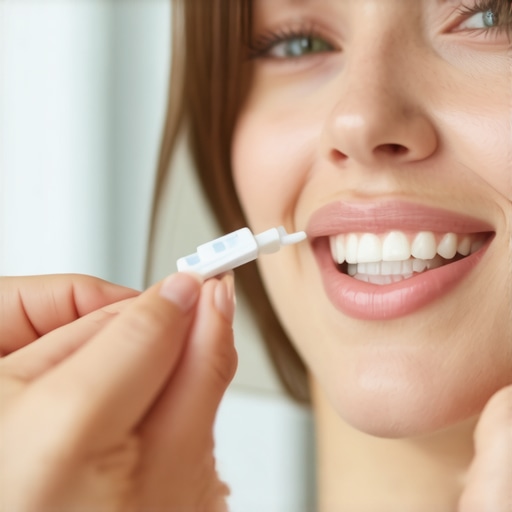
Ever had that sickening moment when you bite into your apple, and suddenly there’s a jagged edge where your front tooth used to be? That shock and panic are pure adrenaline, aren’t they? I remember the first time it happened — I was mid-shift, and I didn’t have a dentist appointment scheduled anytime soon. All I could think about was how awful I’d look at my next meeting, and more importantly, how I could handle this without making it worse.
The truth is, chipped teeth are more common than you might think, especially among folks who are rushing through their mornings or chewing too hastily. But here’s the thing: what you do immediately after the chip happens can make a real difference in preventing further damage or discomfort. Today, I want to share some personal insights, backed by expert advice, on how to manage that sudden dental crisis until you see your dentist.
Why Acting Fast Matters When Your Tooth Chips
Is Your Quick Fix Actually Worth the Hype?
Many folks, myself included at the start, tend to underestimate the importance of a prompt response. I once tried using super glue to fix a chipped front tooth — big mistake. Not only did it cause more pain, but future dental work got complicated because I delayed professional help. Trust me, if you want to avoid costly repairs or infection, the first few minutes are crucial. Properly managing the situation can buy you time and reduce the risk of nerves or bacteria reaching sensitive areas.
Before we dive into the practical steps, I want to emphasize: *don’t ignore the problem*. Small chips can become big problems if left untreated. And if you’re worried about how you’ll look, rest assured — there are simple remedies that can keep you looking confident until your dentist can give it a proper fix.
Now, let’s explore what you can do right now. In the next section, I’ll guide you through immediate actions to take, common mistakes to avoid, and when to seek urgent professional care. But first, have you ever faced a chipped tooth unexpectedly? Share your experience below — knowing we’re not alone can make handling the situation a little less daunting.
Treat the Pain and Protect the Area
First, if you’re experiencing pain, take over-the-counter pain relievers like ibuprofen to reduce discomfort. Avoid touching or testing the chipped area with your tongue to prevent aggravating the damage. To shield the sharp edge, gently place a piece of sugar-free chewing gum over it until you can get professional help. This acts like a temporary patch, much like a patch on a leaky boat, preventing further injury or worsening of the chip.
Stop Bleeding and Stabilize the Tooth
If bleeding occurs, rinse your mouth with a saline solution—dissolve a teaspoon of salt in a glass of warm water—and gently dab the bleeding area with a clean tissue. If the tooth feels loose or dislodged, avoid pressing or wiggling it, as doing so can cause more damage. Instead, use a soft cloth or gauze to apply gentle pressure if bleeding persists. Think of this as stabilizing a fragile sculpture—you’re supporting the structure until proper repair can happen.
Preserve Any Broken Pieces
If you find any fragments of your tooth, rinse them gently with water and store them in a container filled with milk or saliva. Transporting the piece to your dentist increases the chances of reattachment, similar to saving part of a broken mug to be glued back together. Never try to reinsert loose fragments yourself, as improper handling can reduce the likelihood of successful repair.
Manage Sensitive Areas with Care
Eat soft foods and avoid hot, cold, or sugary drinks that can trigger sensitivity or pain. Keep your mouth clean by rinsing gently with water after eating or drinking, but don’t scrub the area vigorously—think of it as whispering to a wounded animal rather than shouting at it.
Schedule Urgent Dental Care
Contact your dentist immediately—do not delay—as prompt professional assessment is critical. Many dental issues, like crowns that pop off or chips, can be corrected if treated early. You can also consider using temporary dental repair kits available at pharmacies, but these are only short-term solutions. Remember, quick action minimizes the risk of infection, nerve damage, or further decay.
In the meantime, keep the area clean and avoid biting down on hard foods. Remember, just as regular teeth cleaning prevents bigger problems, maintaining attentive care after a chip keeps complications at bay. Handling the situation with calm and care ensures you’re doing everything possible until professional help restores your smile effectively.
While many people think they know the basics of dental care, there’s a surprising amount of misinformation and overlooked nuances that can hinder true oral health. For instance, a common misconception is that brushing harder actually cleans better, but in reality, excessive force can damage gums and enamel, leading to sensitivity and recession. According to a study published in the Journal of Periodontology, aggressive brushing accelerates gum loss and exposes root surfaces, increasing cavity risk.
What Advanced Mistakes Do Even Practiced Dentists Sometimes Make?
One often-overlooked error is neglecting the importance of personalized dental care plans. Many assume that a one-size-fits-all routine suffices, yet individual variations in saliva composition, bite force, and genetic predispositions demand tailored approaches. Moreover, overlooking the subtle signs of early gum disease can lead to costly treatments later. Regularly inspecting your gums with simple tools, as discussed in this guide, can catch issues before they escalate. Also, many believe that dental cleanings are purely cosmetic; however, research underscores their role in preventing systemic diseases like heart disease. Skipping cleanings might seem harmless, but it’s a hidden cost with real health implications. Don’t fall into the trap of thinking that maintenance is optional—it’s essential for longevity.
How Can Family Dentistry Be Less Overshadowed by Myths?
Parents often delay pediatric dental visits due to misconceptions that baby teeth aren’t important, but early interventions prevent future orthodontic issues and decay. Also, the myth that cavity prevention is solely about brushing neglects the importance of sealants and fluoride treatments, which are proven to provide significant protection, as verified by the American Dental Association. Additionally, many are unaware that introducing children to regular dental visits early fosters positive habits and reduces anxiety. It’s not just about treating problems as they arise but about building a foundation for lifelong oral health. For practical tips, visit this resource.
Why Do Teeth Cleaning Myths Persist, and What’s the Real Deal?
Some believe that frequent polishing wears down enamel, but professional cleanings actually remove plaque and tartar that lead to decay and gum disease. The misconception stems from anecdotal fears, not scientific evidence. In truth, proper cleanings support enamel integrity by preventing bacterial acids from eroding surfaces. Regularly scheduled cleanings—typically every six months—are a proven strategy for maintaining oral and overall health. Ignoring this advice can lead to more invasive and expensive treatments down the line. Remember, prevention is always better than restoration.
In conclusion, understanding the subtleties of dental care goes beyond brushing and flossing. Recognizing the myths and mistakes that most people fall into allows for smarter decisions and healthier teeth over a lifetime. Don’t let misinformation lead you astray—seek personalized advice from your dentist and stay informed with expert-backed knowledge. Have you ever fallen into this trap? Let me know in the comments.Maintaining your smile over the years requires more than just a good toothbrush and regular visits; it demands a strategic approach supported by the right tools and habits. Personally, I rely on a combination of professional-grade equipment and smart software solutions to keep my oral health optimized, and I recommend others do the same to ensure long-term success.
Why high-quality electric toothbrushes matter
Investing in a quality electric toothbrush, like the Oral-B Genius or Philips Sonicare DiamondClean, has made a noticeable difference in my plaque control. These devices utilize oscillating-rotating technology that effectively disrupts biofilm and plaque buildup, especially in hard-to-reach areas. The built-in timers remind me to brush for the recommended two minutes, ensuring thorough cleaning every time. According to a 2022 study published in the Journal of Dental Research, electric toothbrushes significantly outperform manual brushing in reducing gingivitis and plaque—making them a vital part of my routine.
Embracing interdental tools for precision cleaning
Flossing is essential, but manually threading floss can be tedious and inconsistent. I prefer using interdental brushes like the Tea Tree Interdental Brush set or Waterpik Water Flosser attachments, which make cleaning between teeth more efficient and gentle on gums. These tools particularly aid in cleaning around crowns and bridges, preventing decay and gum disease. Regular use of interdental brushes can reduce the risk of periodontal issues, aligning with findings from the American Dental Association on their effectiveness in maintaining gum health.
Digital monitoring boosts accountability
Utilizing dental health apps and tracking tools helps me stay consistent. Apps like Brush DJ or my dental provider’s platform send reminders, log your brushing habits, and even analyze technique via linked smart devices. Keeping a digital record of my cleaning routine gives me insights into patterns, helping me identify areas for improvement. As technological integration advances, these tools are expected to incorporate AI-driven advice to optimize personal dental care routines further.
The future of oral health management
Innovation suggests that future trends will center around AI-powered diagnostics and personalized care plans. For example, in-office digital scanners can now detect early signs of decay or gum disease before symptoms appear, enabling preemptive action. Tele-dentistry consultations equipped with high-resolution imaging will make ongoing maintenance more accessible. Staying abreast of these developments means embracing smart tools today to prepare for a proactive, long-lasting smile.
How do I maintain my dental tools over time?
Proper care of your equipment ensures their effectiveness. Rinse electric toothbrush heads thoroughly after each use and replace them every three months to prevent bacterial buildup. Clean interdental brushes with warm soapy water regularly, and replace them as recommended. Keep digital devices updated with the latest firmware or app versions. According to a detailed guide by the ADA, routine maintenance of your tools not only extends their lifespan but also guarantees optimal performance, ultimately protecting your investment and health. Try setting a quarterly reminder to evaluate and replace your tools—it’s a simple step that pays off in the long run.One of the most profound insights I’ve gained is that oral health isn’t just about quick fixes—it requires consistent, personalized care tailored to your unique needs. I used to think that a good brushing routine was enough, but I realized that understanding my body’s signals and investing in quality tools made all the difference. Learning to listen to subtle symptoms and acting promptly saved me from costly treatments later on. From mastering the nuances of flossing to recognizing early signs of gum issues, these lessons transformed my approach from reactive to proactive. Remember, your smile is a lifelong investment, and small daily improvements can lead to extraordinary long-term benefits.