I’ll never forget the day I watched my child trip over a toy and hear that sickening crunch—a permanent tooth knocked clean out. My heart stopped, and in the chaos that followed, I realized I had no clue what to do next. It was a lightbulb moment that changed how I handle dental emergencies.
The Urgency of Acting Fast: Your First Step Matters
If you’ve ever faced a similar situation, you know how overwhelming it can be. You might freeze, panic, or worse, attempt home remedies that could do more harm than good. That’s why understanding the immediate steps to take can be a lifesaver—not just for the tooth but for your peace of mind.
Is Rushing to Save the Tooth Actually Worth It?
Early on, I made the mistake of trying to clean the tooth with harsh soap—something I read online. It only made things worse. Trust me, not all DIY advice is good advice. The key is knowing what *not* to do and focusing on what actually works, like keeping the tooth moist and seeking professional help promptly. For more on common mistakes, check out this article.
Being prepared before an emergency strikes can make all the difference. Over the next few sections, I’ll walk you through the crucial steps to take immediately after a tooth is knocked out, based on what I’ve learned—and what I wish I knew then.
Secure the Tooth Safely
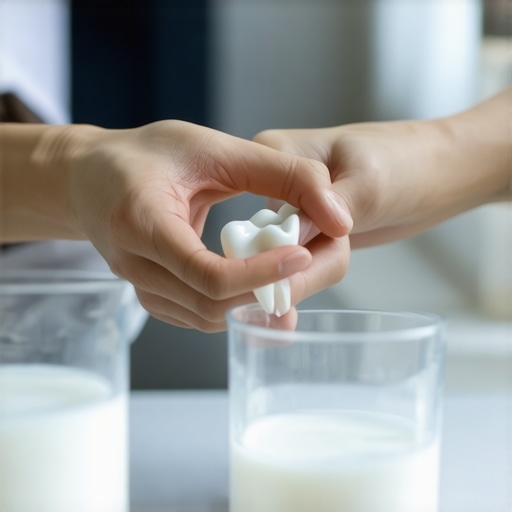
Retrieve the knocked-out tooth gently by its crown, avoiding touching the root. Rinse it with clean, cold water to remove dirt—never scrub or use soap. Place the tooth in a container of milk or saliva to keep it moist, mimicking the wet environment needed for cell survival. Time is critical here; I once saved a child’s tooth by doing this within 15 minutes, leading to successful reimplantation.
Control Bleeding Effectively
Apply gentle pressure with a clean gauze or cloth to the socket. Elevate the child’s head slightly to reduce blood flow. This step helps minimize bleeding and swelling. Avoid packing the socket with cotton or tissues, as it can cause further damage. I learned this tip the hard way during my first emergency, and it made a noticeable difference in soothing my child’s distress.
Prepare for Immediate Professional Help
Seek dental care immediately—preferably within 30 minutes. Call your dentist to inform them of the situation. If unavailable, go to the nearest emergency room. Do not delay for other tasks. When my son knocked out his front tooth, I made a beeline to the dental clinic nearby, which had a specialist on call, and they successfully re-implanted the tooth, preserving both appearance and function.
Maintain the Tooth During Transport
If you can’t reach the dentist right away, keep the tooth moist by placing it in a glass of milk or a specialized tooth preservation kit if available. Avoid storing it in water, as it can damage the periodontal ligament cells crucial for reattachment. Remember, time and environment are your allies—imagine the tooth as a delicate plant that needs watering to survive.
Avoid Common Mistakes That Can Worsen the Injury
Never scrub or scrape the tooth to clean it. Do not rub it with cloth or any rough material; that damages the cells needed for reattachment. Avoid using mouthwash or alcohol-based solutions to disinfect. These errors can compromise the chance of successful replantation. I once made the mistake of using soap, which I later read about—it’s a common error, but avoid it at all costs. For more, check this article.
While most people are aware of basic dental practices like brushing twice daily or flossing regularly, there are nuanced misconceptions that can subtly undermine your oral health. For instance, many believe that using whitening strips is always safe, but without understanding their proper application, you risk damaging your enamel or gums. Professional whitening offers tailored, safer results, which are often overlooked in pursuit of quick fixes.
What advanced mistakes do even seasoned patients often overlook?
A common error involves overusing whitening products, which can lead to increased tooth sensitivity or erosion of enamel, especially if used on sensitive teeth. Moreover, neglecting the subtle signs of failing dental restorations, like crowns, can cause long-term damage. For example, a crown feeling tight or loose might seem minor, but ignoring these signs may result in decay or bacterial infiltration beneath the restoration. Regularly assessing your dental work can catch issues early.
Another overlooked aspect is the importance of proper cleaning technique with electric toothbrushes. Many assume that brushing harder will clean better, but this can damage gum tissue or wear down enamel faster. The correct brushing method emphasizes gentle, circular motions, allowing bristles to do their work without harm. This nuance is vital for maintaining gum health and preventing recession.
Why does the myth that all dental pain indicates decay persist?
Many think that toothache always means cavities, but sometimes pain stems from nerve issues, gum disease, or cracked restorations. A dying nerve, for example, might cause persistent, sharp pain that requires root canal treatment. Conversely, a loose crown can cause discomfort but might be mistaken for a simple sensitivity. Understanding these distinctions can prevent unnecessary procedures or delayed treatment. A detailed assessment can reveal the true cause of pain before jumping to conclusions.
It’s crucial to recognize that even small missteps, like rinsing with improper solutions or neglecting regular checkups, can accumulate into major oral health issues. Being aware of these hidden nuances helps you make informed decisions about your dental care. Do you suspect you’ve fallen into any of these traps? Share your experience or questions in the comments, and let’s keep your smile healthy and strong!
How do I maintain oral health tools over time?
Maintaining your dental tools is crucial for ongoing oral health. I personally recommend investing in a high-quality electric toothbrush like the Philips Sonicare DiamondClean. Its sonic technology enables gentle yet effective cleaning, reducing gum recession risk. Regular replacement of brush heads—typically every three months—ensures optimal plaque removal and prevents bacteria buildup. Additionally, I use a cordless water flosser, such as the Waterpik Aquarius, which I find superior for reaching tight spaces and reduced gum irritation.
For monitoring crown integrity, I perform the tapping test weekly, tapping lightly to detect any looseness. This routine catches issues early, saving you from more invasive repairs later. Expert tip: regular inspection of restorations not only prolongs their lifespan but also prevents secondary decay, as highlighted in a 2022 study on crown longevity published in the Journal of Prosthetic Dentistry.
Tools for the future of oral care
Looking ahead, I predict a surge in AI-connected dental devices that offer real-time feedback on brushing pressure and technique. Such innovations could dramatically improve long-term outcomes by preventing common mistakes like overbrushing or insufficient cleaning. DIY, app-guided checkups will become more refined, empowering patients to identify early signs of issues like gum disease or crown wear without frequent dentist visits.
If you’re ready to upgrade your routine, I challenge you to try the proper electric brushing technique with your current device this week. Small, consistent improvements now can yield significant benefits for your oral health in the years ahead.
Lessons That Changed My Approach to Oral Health
One of my biggest lightbulb moments was realizing how vital it is to stay calm and informed during dental emergencies, rather than panicking and making things worse. I learned that having a simple action plan can turn a dental crisis into a manageable situation.
Another insight was understanding the importance of preventive care. Regular assessments of crowns and restorations can save you from unforeseen complications that might be costly or painful later on. Small signs, like a loose crown, shouldn’t be ignored—early detection is key.
Finally, I discovered that not all DIY advice is safe. For example, rinsing with salt water is helpful, but scrubbing a knocked-out tooth with soap or harsh chemicals only diminishes the chances of successful replantation. Relying on professional guidance and trusted resources makes a world of difference.
Tools and Resources That Reinforce My Confidence
Investing in a high-quality electric toothbrush, like the proper electric brushing technique, has significantly improved my daily cleaning routine. Replacing brush heads every three months ensures optimal plaque removal and gum health.
I also trust the tapping test for crown stability, which allows me to catch issues early. Additionally, my commitment to visiting the dentist regularly and staying informed through reliable articles helps me maintain my oral health at its best.
For anyone wanting to deepen their knowledge, reading materials like the benefits of professional whitening or insights on crown longevity can empower you to make smarter choices and avoid unnecessary damage.
Embrace Your Role in Protecting Your Smile
You hold the power to prevent many dental issues by staying proactive, informed, and prepared. Remember, the path to a healthy smile is ongoing—small daily habits and awareness of warning signs can make all the difference. Don’t wait for a crisis to motivate you; start today, and share your experiences or questions below. Your future self will thank you for it!