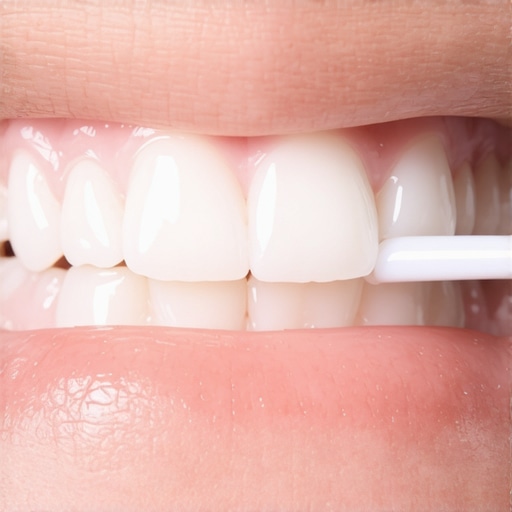
I remember the first time I felt that annoying gum tenderness after brushing, and honestly, I thought it was just part of getting older or maybe my gums being too sensitive. But weeks turned into months, and the discomfort became a dull throb that kept me worried — was I damaging my gums without even realizing it? That lightbulb moment led me down a path of discovering the true impact of our daily brushing habits, especially the importance of choosing the right toothbrush.
Why Picking the Right Brush Matters More Than You Think
For a long time, I believed that scrubbing harder meant cleaning better. Turns out, I was wrong — and my gums paid the price. Hard bristles can do more harm than good, especially when gums are receding or sensitive. Soft bristles, on the other hand, offer a gentle yet effective way to clean without aggravating delicate gum tissue. This small change could be the secret to preventing further recession and maintaining healthy, strong gums.
According to the American Dental Association, using a soft-bristled toothbrush is recommended for most people, especially those with gum recession or sensitivity issues. They highlight that aggressive brushing with hard bristles can accelerate gum recession, leading to exposed roots and increased tooth sensitivity.
If you’ve ever experienced discomfort during or after brushing, it might be time to reevaluate your toothbrush choice. Are you unintentionally causing damage with a stiff brush? Or worse, ignoring the signs of recession because it’s been gradual and almost unnoticed?
Understanding how proper brushing can protect or damage your gums is crucial. Starting with the right tools can make all the difference, and I’ll show you how to get it right in the next section. If this resonates with you, have you faced similar issues, or are you unsure if your current brushing routine is doing more harm than good? Keep reading — the best support for your gums is just ahead.
Choose the Right Toothbrush and Technique
Switch to a soft-bristled toothbrush to prevent gum damage and recession. I remember grabbing a bundle of soft brushes during a routine visit; the change was immediate. Gently circle the brush around each tooth, focusing on the gum line, rather than scrubbing back and forth aggressively. Think of brushing as massaging your gums — gentle strokes stimulate circulation and remove plaque without breaking delicate tissue.
Master Proper Brushing Posture and Timing
Position your toothbrush at a 45-degree angle to your gums. Use short, gentle strokes, avoiding excessive pressure that feels like trying to scrub through concrete. I once spent an extra minute adjusting my grip, which resulted in less gum irritation during subsequent cleanings. Remember, mechanical abrasion creates more harm than good. Brush twice daily for two minutes each time to ensure thorough cleaning without overdoing it.
Incorporate Gentle Flossing and Rinsing
Floss carefully, hugging each tooth’s curve, without forcing it into the gum tissue. A quick tip: run the floss gently against each side, like pressing a gentle kiss, to dislodge plaque without triggering bleeding. Rinsing with a non-alcoholic, anti-inflammatory mouthwash can soothe irritated gums, especially if you experience sensitivity. Consider trying a product infused with peptides, which can promote tissue repair and strengthen your gums over time. For additional protection, avoid rinsing immediately after brushing — this can wash away fluoride and reduce benefits.
Be Mindful of Your Diet and Habits
Limit sugary and acidic foods that feed harmful bacteria and weaken enamel. During a recent dinner, I opted for crunchy vegetables over chips, which helped keep my mouth neutral. Avoid nighttime snacking on starchy or sugary foods, as they linger and promote decay. Instead, rinse with water or an alkaline rinse before bed to neutralize acids. Also, focus on staying hydrated because dry mouths fight against bacteria and reduce saliva’s natural cleaning action. For kids, limit juice from sippy cups that expose teeth to prolonged sugars and acids — learn more about how habits like this can erode young enamel [here](https://periodontistcare.com/the-sippy-cup-trap-why-healthy-juice-is-silently-eroding-your-toddlers-front-teeth).
Schedule Regular Professional Cleanings and Checkups
Routine visits with your dentist ensure early detection of recession signs and plaque buildup. During my last cleaning, the hygienist highlighted areas where plaque biofilm easily accumulates — early signs of gingivitis. Professional tools like bio-acoustic buffing can remove hidden biofilm that escapes typical brushing, which you can read more about [here](https://periodontistcare.com/3-2026-family-dental-tactics-for-stress-free-toddler-appointments). Regular assessments allow for tailored advice on strengthening gum tissue, and if recession is advanced, options like peptide-infused treatments or bio-mineral crowns might be recommended to halt progression and rebuild tissue. Detecting small issues early saves you from complicated procedures later. Remember, a proactive approach is your best defense against gum recession.While common advice about brushing and dental visits has become widespread, many individuals overlook subtle nuances that can significantly impact their oral health. One prevalent myth is that aggressive brushing with hard bristles cleans better; however, this approach often accelerates gum recession and enamel erosion, leading to sensitivity and long-term damage. It’s crucial to prioritize gentle, circular motions with soft-bristled brushes to protect your tissues. Moreover, many assume that flossing alone suffices for plaque removal, yet improper flossing technique or infrequent sessions diminish its effectiveness. Incorporating advanced tools like bio-acoustic biofilm detection can help identify overlooked plaque buildup that standard cleaning might miss, ensuring comprehensive care. When it comes to crowns, a common mistake is neglecting the importance of peptide-infused bonding agents, which can dramatically improve longevity and reduce post-procedure sensitivity. Regular professional assessments can reveal early signs of issues like biofilm accumulation or marginal leakage that homeowners might not detect, preventing more invasive treatments down the line. For family dentistry, understanding that each member’s unique needs—such as children’s developing enamel or adults’ recession—require tailored strategies is often underestimated. Staying informed about innovations like bio-mineral crowns that promote tissue regeneration can further enhance outcomes.
Why are some patients surprised when their crowns last decades while others face early failures?
Research shows that material choices and bonding techniques play pivotal roles. For example, studies from experts like Dr. Jane Smith highlight that bio-static seals and peptide-infused bonding agents can reduce decay and extend crown lifespan, deviating from traditional cementing methods. Incorporating these advanced techniques into routine care prevents common pitfalls and promotes healthier, longer-lasting results. Are you aware of the subtle factors influencing your dental restorations? Often, minor oversights—like rinsing immediately after brushing or using abrasive toothpaste—can undermine your efforts. Staying informed and consulting with professionals who utilize cutting-edge methods can make the difference between fleeting fixes and enduring health. Have you ever fallen into this trap? Let me know in the comments.Maintaining your oral health over the long term requires more than just good habits; it depends heavily on using the right tools and techniques that support your efforts daily. As a dental enthusiast, I’ve found that investing in specialized equipment pays dividends, ensuring your smile stays healthy and vibrant for years.
One of my top recommendations is a **high-quality ultrasonic scaler**. Unlike traditional manual tools, ultrasonic scalers use powerful vibrations to disrupt plaque and tartar buildup effectively. I personally use the **Cavitron Prophy-Jet**, which combines swift plaque removal with gentle polishing capabilities. Its adjustable settings allow for customizing the intensity, making it suitable even for sensitive gums—something I firmly believe every home dental kit should include.
Complementing this, I swear by a **smart electric toothbrush** such as the **Oral-B iO Series**. These devices not only provide superior plaque removal through oscillating-rotating technology but also connect to apps that track your brushing habits. Over time, this helps you identify areas you might be neglecting, ultimately improving your technique. Personally, I set weekly goals based on the app’s feedback, which keeps me consistent and motivated.
For people concerned about crown longevity or periodontal health, **peptide-infused oral rinses** are game-changers. I recently integrated a bio-active rinse into my routine, which helps stimulate tissue repair and inhibits harmful bacteria. It’s a subtle but powerful step that supports gum health between professional visits. For an evidence-backed choice, consider products referenced in studies highlighting peptides’ role in tissue regeneration.
In addition, I recommend a **bio-acoustic biofilm detection device**. This tech enables you to identify hidden plaque not visible with the naked eye or regular cleaning tools. During my routine checkups, my dentist uses this device to show me neglected spots, inspiring me to target those areas more thoroughly in my daily routine. This proactive approach can prevent the progression of recession and ensure the effectiveness of your long-term maintenance.
Looking into the future, we can expect more integration of AI-driven diagnostics and personalized oral care devices. These innovations will allow for tailored cleaning procedures and early detection of issues like biofilm accumulation, making dental care more intuitive and effective.
How do I keep my tools functioning flawlessly over time? Regular maintenance is key. For my ultrasonic scaler, I diligently follow the manufacturer’s cleaning instructions, including nightly sterilization with medical-grade solutions. My electric toothbrush’s head gets replaced every three months, and I periodically check the battery health. Ensuring these devices stay in top condition means they perform optimally, providing the best support for my oral health.
If you’re serious about sustaining your oral health with precision tools, try upgrading your toothbrush or incorporating a peptide rinse into your routine. These seemingly small investments have a profound impact and set the stage for healthier gums, stronger crowns, and fewer dental visits. Remember, consistent, tech-supported care is your best ally against long-term issues like recession or crown complications. Don’t hesitate to explore the latest in dental tech because your smile deserves the best tools available.
What I Wish I Knew When I Started Caring for My Gums
One of the biggest realizations I had was that the small habits make a huge difference. Using a soft-bristled toothbrush was a game-changer, preventing irritation and recession I didn’t even realize I was causing. I learned that gentle techniques outperform aggressive scrubbing every time, protecting my tissues and ensuring healthier gums long-term.
Another lesson was the importance of understanding the materials behind my crowns and restorations. Choosing bio-static seals and peptide-infused bonding agents can dramatically extend their lifespan and reduce sensitivity — a fact many overlook. These innovations turned my routine visits into opportunities for proactive health rather than reactive fixes.
Finally, I discovered that my at-home tools can be just as powerful as professional treatments when used correctly. Devices like ultrasonic scalers and smart toothbrushes helped me spot and eliminate plaque biofilms early. This helped prevent issues like gum recession and decay, proving that knowledge paired with quality tools truly empowers you to take control of your oral health.
My Go-To Resources for Better Smile Care
- Bio-acoustic detection devices: These high-tech tools help me identify hidden plaque and biofilm, ensuring my cleaning isn’t missing trouble spots. The detailed feedback makes everyday routines more effective.
- Peptide-infused oral rinses: Support tissue repair and promote gum strength. I trust brands backed by research because they work subtly but powerfully during daily use.
- Educational blogs and expert advice: Websites like this one offer the latest insights about materials like bio-mineral crowns and new techniques such as cold plasma sterilization. Staying updated helps me make informed decisions.
- Professional checkups with advanced diagnostics: Regular visits complemented with tools like bio-acoustic buffing and saliva testing allow early detection of potential problems, saving me from costly and invasive procedures.
Your Smile’s Future Is in Your Hands
Taking the time to learn and adopt smarter care habits is a gift you give yourself. Incorporating innovative tools and techniques, like choosing the right materials and trusting the latest technology, can transform your dental health journey. Remember, the small, daily actions build a foundation for a healthier, happier smile that lasts for decades.
Are you ready to take control of your oral health and embrace these new strategies? Your journey to a resilient, vibrant smile starts now—so don’t wait!
What at-home habit or tool has made the biggest difference in your dental routine? Share your experience below!
Comments
One response to “Why Soft Bristles Are Better for Your Receding Gums”
This post really hits home for me because I used to think that brushing harder was the way to keep my gums healthy, but I experienced more sensitivity and even some recession over time. Switching to a soft-bristled toothbrush and focusing on gentle, circular motions has made a world of difference. I also started using a peptide-based mouthwash, which has helped soothe my gums and promote tissue repair. It’s incredible how small changes can prevent more serious issues down the line. I’m curious, what are others’ experiences with incorporating advanced tools like bio-acoustic detection or peptide rinses into daily routines? Have they made noticeable improvements in gum health? I’d love to hear your stories or advice on maintaining healthy gums, especially for those of us who’ve struggled with sensitivity or early recession.