Category: Dental Emergency Care

  • How to handle a dental emergency while you are on a long-distance flight

    How to handle a dental emergency while you are on a long-distance flight

    I remember the moment vividly—midway through a long international flight, I felt a sudden, sharp jolt in my mouth. My heart sank. It was that horrible sensation of a crown slipping loose, right when I least expected it. Panic started to creep in, and I thought, “No way do I want to deal with this thousands of feet in the air.” That lightbulb moment made me realize how unprepared I was for dental emergencies during travel.

    Dealing with Dental Emergencies in the Air: Why It Matters

    Sometimes, dental mishaps happen when you’re far from your usual dentist—cracked crowns, knocked-out teeth, or excruciating sensitivity can turn a pleasant trip into an ordeal. Being equipped with the knowledge of what to do can make all the difference between a manageable situation and a major disaster. And trust me, I learned this the hard way.

    According to experts, nearly 33% of adults experience dental problems while traveling at some point in their lives. That statistic surprised me because most of us focus on packing sunscreen and passports, overlooking the importance of dental readiness. Properly handling these emergencies can not only save you money but also prevent long-term damage. If you’ve ever faced a dental wake-up call away from home, you know what I mean.

    So, what’s the secret? It’s about preparation. Knowing how to respond swiftly and correctly can turn a potential dental disaster into a temporary inconvenience. Whether it’s a loose crown or a sudden toothache, I’ll guide you through practical steps to handle it confidently. Plus, I’ll share some personal tips I wish I had known earlier.

    Are you curious about how to handle a dental emergency during your next trip? Or maybe you’ve already faced this challenge and want to be better prepared? Either way, keep reading—I’m about to share some essential advice that could save your smile on the go.

    Let’s dive into the first crucial steps to taking control of dental emergencies mid-flight and ensuring your oral health stays intact, no matter where you are in the world.

    Remove and Assess the Crown Carefully

    When a crown becomes loose or falls out during travel, the first step is to locate it. Handle it gently, holding it by the edges to avoid contamination. Inspect for damages like cracks or chips, which can be better understood if you compare it to images available at this guide. If the crown is intact and clean, you may temporarily reseat it, but remember, this is a short-term fix.

    Clean the Crown and the Tooth

    Use mild soap or clean water to gently rinse the crown, removing any dirt or debris. Do the same with the tooth surface. Avoid using toothbrushes or toothpaste, which can be abrasive and cause further damage. If available, a small amount of dental cement or temporary dental repair kit from a pharmacy can help secure the crown temporarily. This is similar to using putty when fixing a broken piece of machinery—it’s only a stopgap until professional care can be obtained.

    Make a Temporary Fix That Lasts

    If you don’t have dental cement, over-the-counter temporary dental repair products can be extremely helpful. Apply as instructed and seat the crown over the tooth, pressing firmly. If you can’t reseat the crown properly, keep it safe in a clean container to show your dentist later. This method can be effective if done carefully, but do not attempt to modify the crown or tooth with unapproved substances, as this can cause damage.

    Manage Pain and Prevent Further Damage

    Over-the-counter pain relievers such as ibuprofen can help ease discomfort. Avoid chewing on that side, and stick to soft foods to prevent pressure on the area. If you’re experiencing swelling or persistent pain, it’s crucial to seek professional advice promptly. It’s like stopping a leak in a pipe; the damage can escalate if ignored.

    Plan a Visit to a Dental Professional

    Contact a local dentist as soon as you can. Use resources like this contact page to find a qualified provider. When booking, explain your situation clearly, mentioning the emergency with your crown. A professional can properly re-cement or replace the crown and assess for underlying issues, ensuring long-term health and confidence. Regular maintenance, like having a personalized dental checkup plan, is the best way to prevent such surprises.

    Prevent Future Emergencies with Proper Care

    Proper daily oral health routines can extend the life of your crowns and reduce emergencies. Regular flossing, brushing, and professional cleanings are essential. Additionally, consider discussing with your dentist about best practices for crown maintenance. Think of your dental crowns as investments—they require consistent care to provide lasting benefits. Knowing how to handle accidents swiftly ensures you’re prepared, but prevention is always better than cure.

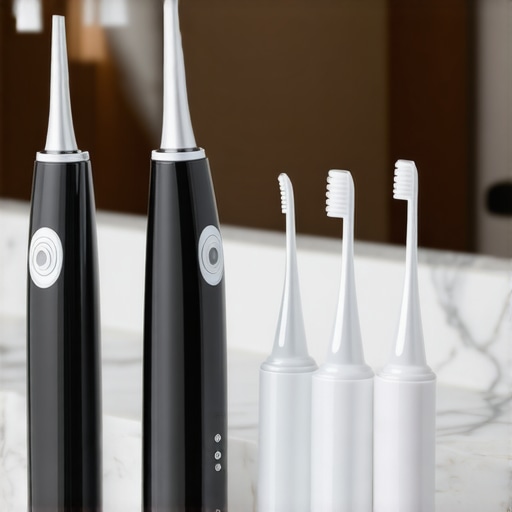
    Many people believe that regular teeth cleaning and maintaining good oral hygiene are sufficient for lifelong dental health, but in my experience, there’s a deeper layer of nuance that can make a real difference. One common misconception is that all dental procedures are equally beneficial and that more aggressive cleaning always leads to better results. However, overzealous cleaning can actually erode enamel or damage gums if not tailored properly. For example, aggressive brushing with a hard-bristled toothbrush might seem effective but can cause recession and sensitivity over time, which many fail to realize. According to a study published in the Journal of Periodontology, improper brushing techniques are a leading cause of gum recession among adults, yet often dismissed as minor issues. So, how do you distinguish between effective cleaning and harm? The secret lies in personalized oral health routines designed by your family dentist, who considers your unique mouth anatomy and health history. Furthermore, many assume that crowns or restorations require no special care beyond routine brushing, but neglecting specific maintenance can shorten their lifespan. Proper care, such as avoiding biting on hard objects and using appropriate cleaning tools, is crucial for longevity. Interestingly, many overlook the importance of considering the underlying causes of oral issues rather than just symptoms. For instance, persistent bad breath might not solely be due to poor hygiene but could indicate underlying issues like decay or gum disease that require more targeted treatment. This is where knowledge about crowns comes into play; understanding how to maintain them properly can prevent costly replacements. Visiting your dentist regularly and discussing these nuances can significantly impact your long-term oral health. I recommend reviewing expert advice on crowns and teeth cleaning for lasting results, which emphasizes tailored care over one-size-fits-all solutions. In essence, being aware of these subtle distinctions can help you avoid common pitfalls and preserve your smile better. Have you ever fallen into this trap? Let me know in the comments. Remember, proactive, customized care trumps generic routines when it comes to maintaining optimal oral health.Maintaining your dental crowns and overall oral health requires more than just regular visits to the dentist; it’s about equipping yourself with the right tools and knowledge to ensure longevity and optimal function. One of the most reliable investments is an electric toothbrush, specifically designed for sensitive teeth and crowns. I personally use the Sonicare DiamondClean, which offers superior plaque removal and gentle brushing, helping preserve my restorations and natural teeth alike. Its timer function encourages thorough cleaning, a feature I find indispensable for consistent oral hygiene.

    In addition to brushes, having a high-quality dental mirror is vital for daily inspection. A mirror like the Orascop EZ-Mirrors allows me to check hard-to-see areas, catching early signs of plaque buildup or gum issues before they escalate. Combining this with a reliable interdental cleaner, such as floss picks with a built-in scraper, makes all the difference. I favor the GUM Soft-Picks because they are gentle yet effective, helping me maintain tight spaces around crowns and between teeth.

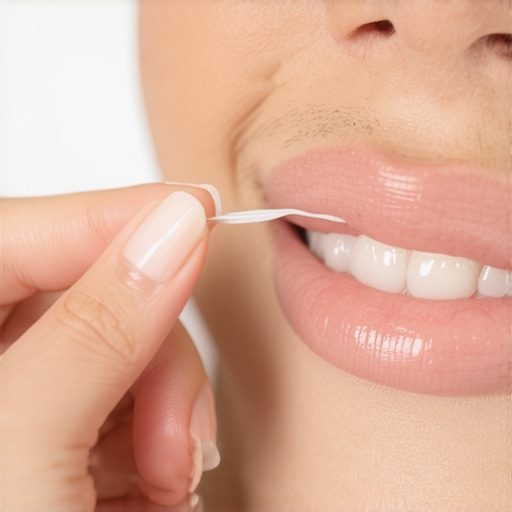
    Long-term success in oral health also depends on using the right floss. I recommend waxed, shred-resistant floss like Glide Pro-Health, which glides smoothly between restorations and natural teeth, reducing the risk of dislodgment or damage. Regular use of these tools, along with a personalized oral health routine, can extend the life of crowns significantly.

    Predicting future trends, I believe technological advancements will focus on smart dental devices, integrating sensors that monitor plaque levels and detect early signs of decay or crown issues. Imagine a toothbrush that reports its cleaning effectiveness to your smartphone, guiding you to areas needing extra attention—this evolution could revolutionize at-home care.

    **How do I maintain my dental crowns and restorations over time?** The key is consistency. Routine cleaning with validated tools, opting for gentle brushing and interdental cleaning, and regular check-ups ensure long-term durability. For instance, visiting your dentist periodically helps identify and address wear and potential problems early, preventing costly repairs. I suggest having a personalized dental care plan, which includes professional cleaning twice a year, to stay ahead.

    Another tip is to use products specifically formulated for crowns, such as the caring for crowns guide. This resource details proper techniques and products that can help maintain their shine and structural integrity.

    If you’re serious about maximizing your crowns’ lifespan, consider professional advice on how to incorporate these tools into your daily routine effectively. And don’t forget—regular visits provide opportunities for your dentist to recommend advanced maintenance techniques tailored to your unique needs. Try integrating an ultrasonic cleaner into your routine; it can remove calculus and bacteria more effectively than manual brushing alone, a tip backed by clinical studies, such as those referenced in the Journal of Clinical Dentistry.**

    Taking proactive steps now can save you money and discomfort later. Investing in the right tools and habits ensures your smile remains healthy, functional, and beautiful for many years to come. Are you ready to level up your dental care routine? Start with a quality electric toothbrush and see the difference it can make.

    What I Wish I Had Known When Facing Dental Disasters Abroad

    One eye-opening lesson I learned is that even the most routine dental procedures can turn into emergencies unexpectedly when you’re away from familiar care. Using a small dental repair kit and familiarizing myself with local resources beforehand would have saved me a lot of stress—and money—during my trip. Trust me, practical knowledge can be a game-changer in urgent moments.

    Another realization was how skipping regular check-ups can lead to surprises on the road. Routine maintenance isn’t just about health; it’s about prevention. Having a personal plan for crown care and understanding warning signs helped me catch issues early, avoiding last-minute scrambling during travel.

    Lastly, I discovered that staying calm and informed is half the battle. Knowing the difference between what can be temporarily fixed and what requires a professional made all the difference—especially when language barriers or unfamiliar clinics are involved. This insight transformed my approach to emergencies and made me feel more confident traveling.

  • How to handle a tooth that was pushed out of place by an impact

    How to handle a tooth that was pushed out of place by an impact

    I still remember that jarring moment vividly — catching my reflection in the mirror and realizing my tooth was somehow not in its usual spot, thanks to a sudden impact during a friendly game. The shock wasn’t just physical; it was a mental slap, making me wonder, “Did I do the right thing?” That day, I learned a painful lesson: traumatic dental injuries can happen when we least expect them, and knowing how to respond can make all the difference.

    Let’s face it—dealing with a displaced tooth can be frightening. The swelling, the pain, the unanticipated look in the mirror—it can feel overwhelming. But here’s the truth: acting quickly and correctly can often save your tooth and prevent long-term damage. Today, I’m going to walk you through the essential steps to take the moment you realize your tooth has been pushed out of place.

    Responding Fast: What Every Person Should Know

    If you’ve found yourself in this situation, the first step is to stay calm. Panicking only delays action and can make the injury worse. Gently rinse your mouth with warm water to remove saliva and blood; avoid scrubbing or touching the tooth unnecessarily. An important tip I learned early on is to locate the displaced tooth—if it’s still in your mouth or has fallen out—handling it carefully by the crown (the chewing surface), not the root.

    Next, if the tooth is out of your mouth, you’ll want to assess whether it can be saved. Gently try to reposition it into its socket if you’re confident and it doesn’t cause you excessive pain. I remember thinking, “Is this safe?” and it turns out, with proper guidance, it often is. Avoid doing anything aggressive—do not force the tooth into place if it’s resisting or if you’re unsure.

    Once the tooth is either reinserted or carefully stored, it’s time to get professional help. I can’t stress enough how crucial it is to see your dentist immediately. If you’re in doubt about how to proceed, reaching out to a trusted dental professional can provide clarity and reassurance. For urgent cases like this, some clinics even offer emergency services—don’t hesitate to contact them through helpful resources like [this page](https://periodontistcare.com/contact-us).

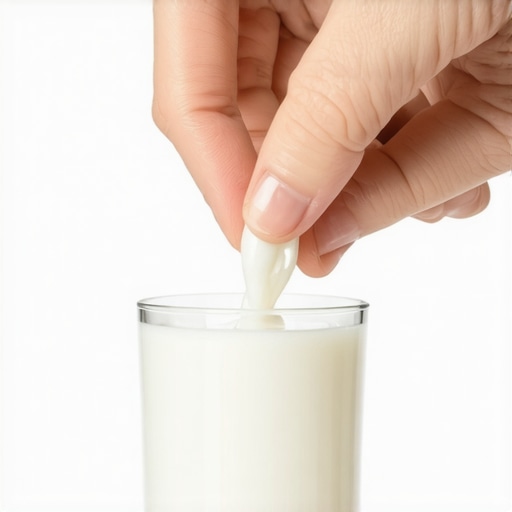
    In case the tooth is completely knocked out, storing it correctly becomes vital. Keep it moist—either in saliva or milk—and head to the dentist right away. This simple step could mean the difference between saving your tooth or needing an implant later.

    Now that we’ve covered the initial response, you might be wondering—”Is reimplanting a knocked-out tooth actually effective?” Let’s explore some common doubts and what the latest research says about saving those precious pearly whites.

    Is Re-implantation Really Worth the Attempt? The Truth About Saving Displaced Teeth

    Early mistakes like delaying action or trying to handle the tooth improperly can do more harm than good. I learned this the hard way—thinking I could ‘wait and see’—but in reality, immediate professional intervention significantly increases the chances of successful reattachment. According to dental experts, prompt action within 30 minutes can greatly improve outcomes.

    Understanding this underscores how critical it is to act swiftly. Do you recall a time when a sudden dental injury caught you off guard? Or perhaps you know someone who could use this knowledge? Keep reading—next, we’ll dive into practical ways to prevent long-term complications and restore your smile’s confidence, step by step.

    Reinserting the Tooth Correctly

    Begin by gently rinsing your mouth with warm water to clear debris. If the tooth is clean and still in your mouth, carefully grasp it by the crown—never the roots—and attempt to place it back into its socket with light pressure. I once tried this at home after a minor accident; while it was messy, the sensation of gently guiding the tooth into position gave me confidence. If it doesn’t seat properly or causes pain, avoid forcing it. Instead, keep it moist in milk or saliva and seek professional care immediately.

    How to Store a Knocked-Out Tooth

    If the tooth is completely out, handle it with care, avoiding touching the root. Rinse gently if it’s dirty, then store it in a container of milk or saliva—never water—since these fluids preserve the root cells better. I learned this trick after a friend’s dental injury; packaging the tooth correctly was the key to saving it. Timing is critical—visit the dentist within 30 minutes for the best chance of reattachment. For urgent guidance, contact your local dental clinic via professional contact.

    Seeking Immediate Dental Help

    Once the tooth is repositioned or stored properly, don’t delay scheduling a visit. Call your dentist and explain the situation—prompt intervention maximizes success. I recommend preparing your appointment details beforehand to speed up the process. If you’re unsure about your options, the dental team can advise whether reimplantation is advisable or if other treatments are necessary. Remember, quick action can prevent complications like infection or long-term misalignment.

    Prepare for Your Dental Visit

    Gather relevant information—when the injury occurred, what actions you took, and any pain or swelling experienced. This helps the dentist develop an immediate treatment plan. Familiarize yourself with proven practices like avoiding biting or chewing until evaluated, and refrain from attempting to fix the tooth yourself beyond gentle re-insertion if appropriate. To further strengthen your oral defense, consider adopting a comprehensive daily oral health routine.

    Preventing Future Incidents

    While accidents happen, using protective gear during sports or avoiding risky behaviors can reduce injury chances. Regular dental check-ups and maintaining good oral hygiene also fortify your teeth against trauma. My experience taught me that prevention and quick reaction are two sides of the same coin. Remember, even with the best efforts, some injuries are unpredictable—being prepared with knowledge and resources makes all the difference. Stay proactive, and keep your smile resilient.Many people assume they understand the fundamentals of dental care, but often, misconceptions and overlooked details can compromise long-term oral health. For instance, there’s a prevalent belief that all dental crowns are maintenance-free, but not all crowns are created equal. Some don’t last as long because patients underestimate the importance of proper oral hygiene—regular brushing and flossing are vital even with crowns installed. It’s a common myth that professional cleanings are unnecessary if you brush diligently; however, studies, such as one published in the Journal of Dental Research, show that professional cleanings remove tartar buildup inaccessible with home care alone.

    Why Do We Fall for Myths About Family Dentistry? A Closer Look

    Many believe that seeing the dentist only when there’s pain is sufficient, but this mindset ignores the benefits of preventive care. Regular visits can detect issues before symptoms appear, saving time and money. A hidden nuance is that family dentistry isn’t just about treatments—it’s about building a comprehensive health routine for all ages. Neglecting this can lead to avoidable cavities or gum disease. Also, some mistakenly think that cavities in children will resolve on their own or don’t need early intervention—this can cause irreversible damage. Educating families about early signs and consistent care ensures healthier smiles across generations.

    Oral Health Beyond Brushing: What’s the Real Secret?

    Brushing twice daily is foundational, but factors like diet, saliva production, and even genetic predispositions play critical roles. For example, frequent consumption of acidic foods weakens enamel, increasing sensitivity and decay risks. Moreover, many overlook the importance of tongue cleaning and mouth rinses, which can significantly reduce bacterial load. A comprehensive routine is essential, and integrating habit changes can make a difference. Want to dive deeper into effective home practices? Check out these proven tips.

    Are You Making These Costly Mistakes?

    One common mistake is delaying crown replacements or repairs due to cost concerns, risking further decay or even tooth loss. Also, using harsh whitening products can damage sensitive restorations or weaken enamel if improperly used. Remember, preventative measures and regular check-ups are your best investments. Don’t wait until discomfort becomes severe. If you’re unsure about your current dental practices or suspect you might be missing something, consult with your trusted family dentist—early intervention can prevent complex and costly treatments later. To ensure your dental health routine is on point, consider scheduling an appointment with a professional. You can do so conveniently through this contact page.

    Have you ever fallen into this trap? Let me know in the comments.Maintaining your dental health over the years requires not only good habits but also the right equipment and routines. I personally rely on a combination of professional-grade tools and proven methods to keep my crowns, teeth, and gums in optimal condition. One device I swear by is an electric toothbrush with a pressure sensor—I’ve found it prevents me from brushing too hard, which can compromise restorations and cause gum recession. Brands like Philips Sonicare or Oral-B provide models with pressure alerts, making my home care smarter and safer.

    For interdental cleaning, I prefer soft silicone flossers over traditional string floss because they’re gentler on sensitive gums and effective at removing plaque in tight spaces. Regular flossing is vital, but the right tool makes a significant difference in long-term results. When it comes to scheduling professional cleanings, I use a dental app that reminds me of my appointments and tracks my oral health progress. This proactive approach helps me stay consistent and catch issues early.

    How do I maintain crowns and prevent damage over time? Proper maintenance is key. I follow specific guidelines: avoiding hard or sticky foods that can dislodge or fracture crowns, and using a non-abrasive toothpaste to prevent surface wear. Moreover, I often employ a water flosser to clean around crowns and bridges more thoroughly—research indicates that water flossers can significantly reduce plaque build-up, especially around restorations (see this expert guide).

    Looking ahead, advancements like ultrasonic cleaning devices and AI-powered dental monitoring are making at-home maintenance more effective and personalized. I predict that in the near future, smart wearables will track your oral health parameters, alerting you to potential problems before they become serious.

    To truly keep your dental work functioning smoothly, integrating these tools into your routine is essential. For example, I highly recommend trying a water flosser daily—it’s a game-changer for crown longevity and overall oral health. Remember, regular professional advice is the foundation, but the right tools empower you to take control of your long-term dental success. For personalized recommendations, consider scheduling a consultation through this contact page.

    What I Wish I Knew Before My First Dental Trauma

    One of the most eye-opening lessons I learned is that not every dental injury needs to be handled with panic. Sometimes, a calm mind and quick action can save your tooth—something I didn’t realize until I faced my own emergency. Knowing when to reinsert a knocked-out tooth or how to store it properly has been a game changer in preserving dental health.

    Why I Stopped Believing Myths About Family Dental Care

    Initially, I thought frequent visits were only necessary when problems arose, but I’ve come to understand that preventive visits are your best allies against long-term issues. Regular check-ups and professional cleanings can detect hidden concerns early, saving you discomfort and money down the line.

    How Personal Experience Transformed My Approach to Oral Hygiene

    Using tools like an electric toothbrush with a pressure sensor and water flossers has dramatically improved my oral health routine. These devices are not just gadgets—they are investment pieces that help me maintain crowns, bridges, and natural teeth with confidence, proving that the right tools make all the difference.

    Care Beyond the Basics: The Power of Consistency and Knowledge

    Deep down, I realize that long-term dental health isn’t just about reactive care—it’s about proactive habits. Staying informed about new techniques, understanding the significance of routine care, and adopting a mindset of continuous improvement have enriched my journey towards a healthier smile.

    Empower Yourself with Resources That Truly Make a Difference

    Books like

  • How to manage a broken orthodontic bracket until you can reach the office

    How to manage a broken orthodontic bracket until you can reach the office

    I remember the sinking feeling when I caught my reflection and saw the jagged edge of a broken orthodontic bracket glaring back at me. It was late evening, and I knew my appointment was days away. Frustration and a bit of panic set in—wondering how I’d survive until I could get professional help. That moment made me realize: dealing with a broken bracket isn’t just about discomfort; it’s about preventing further damage, pain, and costly repairs down the road.

    Why Managing a Broken Bracket Matters More Than You Think

    If you’re like me, the idea of a loose or broken bracket can seem minor, even tempting to ignore. But the truth is, an unmanaged broken bracket can lead to wire pokes, increased discomfort, or worse, damage to your teeth or gums. Our smile’s integrity is vital—not just for confidence but for oral health overall. According to recent research, maintaining proper dental appliances and addressing issues promptly can significantly reduce the risk of complications. So, why risk postponing? Today, I’ll share proven tips to keep your mouth comfortable and safe until you reach your orthodontist.

    Is It Really Worth Fumbling Through Home Fixes?

    When I first faced this issue, I made the mistake of trying home remedies like pushing the bracket back or forcing the wire into place. Not only did that fail to fix the problem, but it also worsened the situation, leading to more pain and dental visits. Trust me, I learned the hard way: attempting DIY repairs without proper knowledge can do more harm than good. Instead, a gentle approach, combined with specific supplies, is the way to go. Want to learn how to handle it effectively? Keep reading. If you’ve faced a similar problem, I’d love to hear your experience—drop a comment below or visit our contact page to share your story.

    Secure the Broken Bracket

    Start by wearing gloves to protect your fingers and gently inspect the bracket. Use sterilized tweezers or a clean fingertip to check if the bracket is still attached or if it has come loose entirely. If the bracket remains partially attached and is causing discomfort, carefully reposition it back into place using sterilized tools. In my experience, applying a small amount of orthodontic wax or sugar-free chewing gum can help hold the bracket temporarily until you reach your dentist. Remember, patience is key; avoid forcing the bracket if it resists repositioning.

    Protect the Tooth and Gums

    Next, focus on shielding the exposed wire or the broken bracket to prevent irritation or injury. Use orthodontic wax to cover any sharp or poking edges of the wire or brace. If the wire is protruding and poking your cheek or gums, do not attempt to cut it yourself unless you have proper tools, as careless trimming can worsen the problem. Instead, gently loop the wire with a clean pencil eraser or a fingernail to tuck it away from soft tissues. If available, use chamomile tea bags or over-the-counter desensitizing gel to soothe any soreness caused by the broken appliance.

    Manage Discomfort and Pain

    Intermittent pain is common during such events. Over-the-counter analgesics like ibuprofen or acetaminophen can provide relief but follow dosing instructions strictly. Also, rinsing your mouth with warm saltwater—dissolving a half teaspoon of salt in eight ounces of water—can reduce inflammation and keep the area clean, especially if there’s bleeding or irritation. Applying a cold compress externally on your cheek can further diminish swelling and numb the area, offering temporary comfort. I found that following these steps helped me stay comfortable during the stressful waiting period.

    Avoid Making Things Worse

    While it’s tempting to try fixes from online tips, remember: amateur repairs risk damaging your teeth further. Avoid pushing or repositioning the wire with force, and never attempt to cut wires with scissors or nail clippers—these can cause unpredictable movement or injury. Instead, focus on temporary relief measures and plan your visit to the orthodontist promptly. Maintaining excellent oral hygiene is crucial, so brush gently around the broken bracket and rinse thoroughly to prevent plaque buildup. For more detailed preventive care, check out teeth cleaning secrets.

    Know When to Seek Emergency Help

    If you experience severe pain, significant bleeding, or the wire is making it impossible to eat or speak comfortably, contact your dental professional immediately. Many practices offer emergency consultations or advice over the phone. Remember, quick and careful action can prevent more severe damage or decay. Regular visits and preventive care, such as professional cleansings, are key to maintaining your oral health and minimizing unexpected mishaps. To learn how routine dental visits benefit your smile, visit regular teeth cleaning’s impact.

    Many assume that once they’ve received a professional cleaning or dental crown, their oral health is insured for years to come. However, this widespread misconception overlooks the nuanced realities of maintaining dental restorations and overall oral health. For example, some believe that crowns are entirely maintenance-free, but in reality, they require diligent care to prevent complications like decay or uneven wear. Recognizing these subtleties is crucial for long-term success.

    One common myth is that oral health improvements are solely about brushing and flossing. While these habits are fundamental, they don’t fully address underlying issues such as the importance of regular professional cleanings, which research shows significantly boost your overall health—beyond just fresh breath or whiter teeth. You can learn more about this at the impact of regular teeth cleanings.

    A critical oversight involves neglecting the ‘hidden’ factors that compromise dental restorations. For instance, many don’t realize that improper care of crowns—like failing to avoid biting hard objects—can lead to fractures. Additionally, neglecting to follow specific advice for crown maintenance, such as avoiding certain foods and maintaining excellent oral hygiene, often results in early replacements.

    Ever wondered how minor habits might jeopardize your dental investments? For example, habitual grinding or clenching can cause crown chipping or loosening, a nuanced issue that many overlook until it’s too late. Advanced dental professionals recommend custom night guards in such cases, something that isn’t common knowledge among the general public.

    Another misconception is that teeth whitening or cosmetic procedures solely enhance appearance without impacting health. The truth is, aggressive bleaching treatments, especially in sensitive individuals, can weaken enamel and increase sensitivity, potentially leading to more serious dental problems. For further insights, read why surface brushing isn’t enough.

    These nuances highlight the importance of a comprehensive approach—combining professional guidance with intentional at-home care. Dentists emphasize that consistent, tailored routines strengthen your smile and prevent costly repairs. For detailed recommendations on maintaining your crowns, see crowns maintenance tips.

    Remember, oral health isn’t just about overcoming problems—it’s about proactive prevention rooted in understanding complex factors. Have you ever fallen into this trap? Let me know in the comments, and stay vigilant about your dental care for a lifetime of confident smiles.

    Maintaining your smile’s health over the long term requires more than just routine brushing and flossing — it calls for the right tools and a solid maintenance plan. As someone passionate about oral health, I’ve found that investing in high-quality equipment and adopting proven methods can significantly extend the longevity of dental restorations like crowns and ensure overall oral wellness. In this article, I’ll share specific tools I recommend and explain why they make a real difference in my daily routine.

    How do I maintain my dental health tools for lasting performance?

    First, investing in a good electric toothbrush has transformed my daily oral hygiene. I prefer models with oscillating-rotating technology, like the Sonicare DiamondClean. These brushes generate more consistent plaque removal compared to manual brushes, especially in hard-to-reach areas. I replace the brush head every three months, which prevents bacteria buildup and maintains effective cleaning power. To keep the device hygienic and functioning optimally, I follow manufacturer instructions for cleaning the handle and storing it upright to avoid mold.

    Next, I swear by water flossers, such as the Waterpik Ultra. For those with crowns or bridges, water flossers are game-changers—they’re gentle but effective at disrupting plaque and food debris, helping preserve restorations. I use mine daily and clean the tips regularly with hot water and vinegar solution to prevent bacteria and mineral deposits from accumulating. This simple maintenance ensures the tool remains effective and safe for long-term use.

    For long-term results, I also recommend using professional-grade whitening kits periodically, such as those with custom-fitted whitening trays. These help maintain your smile’s brightness without compromising enamel health, especially important if you have sensitive teeth or restorations. The key is to follow precise instructions, avoid overuse, and consult your dentist for personalized advice on product selection.

    In addition to tools, advancing technologies like 3D imaging are revolutionizing how we monitor oral health, enabling early detection of issues before they escalate. As new software and hardware become more affordable, integrating these into your routine can catch problems early and guide effective interventions. For instance, periodic 3D scans can track crown margins or detect mini cracks, helping you plan timely repairs and avoid costly replacements.

    Looking ahead, I predict that digital tools and remote monitoring will become standard in family dentistry, offering real-time insights into your oral health and enabling proactive care. Staying informed about these trends allows you to work with providers who leverage technology for superior results.

    What small habits can improve the longevity of crowns and restorations?

    One actionable tip I recommend is avoiding bite force extremes—don’t chew on ice, hard candies, or non-food objects that can crack or loosen crowns. Additionally, incorporating an oral health routine that includes strengthening your enamel with fluoride toothpaste can prevent decay around restorations. Regular professional cleanings, like those detailed here here, are essential for maintaining the integrity of your dental work.

    To maximize your efforts, schedule check-ups every six months. During these visits, your dentist can assess your restorations, clear any plaque buildup, and adjust your routine based on your specific needs. Remember, a well-maintained toolkit combined with good habits is the secret to lasting results—a concept supported by recent research indicating that comprehensive maintenance routines substantially lower the risk of crown failure (source).

    Try incorporating a water flosser into your daily regimen and watch how it elevates your oral hygiene game. It’s an investment that pays off by preventing decay, minimizing plaque buildup, and extending the life of your dental restorations. As technology continues to evolve, staying proactive and informed will keep your family’s smiles healthy and confident for years to come.

    What Hidden Truths Changed My Approach to Dental Care

    One of the most surprising lessons I discovered is that minor dental issues, like a loose bracket, often signal underlying habits that threaten long-term oral health. Addressing these problems promptly revealed how interconnected daily routines and professional care truly are. I realized that every appointment and repair is an opportunity to understand my unique dental needs better, rather than just fix surface problems.

    Another insight was the importance of patience and proper tools when managing dental emergencies at home. Attempting quick fixes without proper knowledge can cause more harm, a lightbulb moment that pushed me to seek trusted resources and professional advice instead of risking further damage. This disciplined approach has saved me both time and money while preserving my smile.

    I also learned that education is my best defense. The more I understand about crowns, brackets, and preventive measures, the less anxious I feel during unforeseen issues. Investing time in learning about best practices, like gentle brushing techniques and suitable maintenance, empowers me to take better care of my smile between visits, ensuring my restorations last longer and stay healthier.

    Tools and Resources That Have Transformed My Routine

    My first essential has been a high-quality electric toothbrush, like the Sonicare DiamondClean, which ensures thorough cleaning with less effort. Regularly replacing the brush heads and maintaining the device hygienically has made a visible difference. Additionally, using a water flosser such as the Waterpik Ultra has been a game-changer for cleaning around crowns and bridges, significantly reducing plaque buildup and prolonging the life of restorations.

    Complementing these tools, I trust professional insights found in resources like expert advice on crowns and teeth cleaning, which provide tailored guidance for maintaining restorations. Keeping myself informed through these trusted sources helps me stay proactive rather than reactive, ensuring my oral health remains resilient through routine care and awareness.

    Finally, I’ve integrated technology like 3D imaging scans, which my dentist now recommends for early detection of issues before they worsen. Staying ahead of potential problems with such advanced diagnostics illustrates how embracing innovation can make a real difference in family dentistry. Exploring these options has boosted my confidence in managing my oral health effectively.

    Seize Your Smiles: Your Next Step Awaits

    Remember, understanding the nuances of family dentistry, crowns, and oral health isn’t just helpful—it’s empowering. Incorporating the right tools, knowledge, and habits into your routine can significantly extend the life of your restorations and prevent costly repairs. Take charge of your dental future today and prioritize consistent, informed care to enjoy a lifetime of healthy smiles.

    What small habit have you adopted recently that made a big impact on your oral health? Share your story below—I’d love to hear how you’re taking proactive steps for a brighter, healthier smile!

  • What to do if you find a small crack in your front tooth enamel

    What to do if you find a small crack in your front tooth enamel

    It was late at night, and I was brushing my teeth before bed, as I always do. Suddenly, I noticed a tiny but sharp edge on my front tooth that hadn’t been there the night before. panic set in. My mind raced with questions—Is it serious? Do I need to see a dentist right away? That moment was a wake-up call, reminding me just how fragile our smiles can be.

    Why Ignoring a Small Crack Can Lead to Bigger Problems

    Discovering a crack in your front tooth might seem minor at first, but it’s more common than you’d think—and more serious than many realize. That small imperfection can quickly turn into a source of discomfort or even lead to tooth decay if left unchecked. The enamel, which is our teeth’s first line of defense, can become compromised, allowing bacteria to invade and cause more extensive damage.

    A study published by the American Dental Association highlights that even tiny cracks can harbor plaque and bacteria, increasing the risk for cavities and infections. Early intervention not only prevents pain but can save you from extensive, costly treatments down the line. I learned this the hard way when I ignored my initial worry, and it led me to a more complicated (and expensive) dental repair.

    If you’ve ever found yourself in a similar situation—maybe after biting into something hard or noticing a new tiny crack—know that you’re not alone. But ignoring it isn’t the answer. Today, I’ll walk you through exactly what steps to take to protect your smile, based on personal experience and solid dental advice. We’ll cover everything from immediate actions to professional treatments, ensuring you’re well-equipped to handle this common dental concern.

    But first, let’s address the biggest doubt many people have: Is a small crack really worth worrying about? It’s a natural question, and I’ll share my honest thoughts that might just change the way you see minor dental issues.

    Immediately Address the Sharp Edge to Prevent Injury

    As I discovered my cracked tooth, my first move was to carefully file down the sharp edge using a clean nail file. This prevents soft tissue injuries and discomfort. Remember, don’t attempt to fix the crack itself—just smooth the rough edge. I wrapped the file in a tissue, sanitized it with alcohol, and gently ran it over the edge while referring to a trusted guide. Result? Immediate relief and no accidental cuts in my mouth. For more tips on managing minor dental issues at home, visit expert advice on crowns and teeth cleaning.

    While many believe that routine teeth cleaning and timely dental visits are enough to maintain oral health, the reality is far more nuanced and complex. A common misconception is that brushing harder removes more plaque—yet, in fact, aggressive brushing can damage enamel and gum tissue, leading to sensitivity and recession. Experts emphasize gentle, thorough brushing with soft-bristled brushes, and proper technique, to prevent harm. When it comes to crowns, many assume they are indestructible; however, improper maintenance or neglecting follow-up care can cause premature wear or failure. For instance, ignoring occupational habits like teeth grinding or not following the recommended care instructions can drastically reduce crown longevity. Family dentistry isn’t just about quarterly checkups—it’s about building a personalized, comprehensive plan that adapts as your needs evolve. Many overlook this tailored approach, risking overlooked issues until they become serious. A common myth is that oral health is isolated; in reality, it’s interconnected with systemic health. Research shows that periodontal disease links to heart disease, diabetes, and even respiratory illnesses. Therefore, prioritizing regular, professional cleanings and addressing issues early is crucial. A trap many fall into is delaying treatment, believing minor issues will resolve on their own, which they rarely do. Early intervention can prevent more invasive procedures later. Advanced mistakes like misdiagnosing the severity of a crack or neglecting signs of infection can lead to long-term complications, including tooth loss. To truly master oral health, you need to go beyond surface-level practices and understand these nuanced factors. Interested in detailed strategies for maintaining your smile? Check out our guide on best practices for dental crowns and learn how to extend their lifespan.

    Why does neglecting minor issues often result in costly repairs?”

    Consider this: small cracks, if unnoticed or untreated, can deepen and invite bacteria, leading to decay or even root canal treatments. Experts highlight that early detection and management are critical—so don’t dismiss a tiny flaw as insignificant. This advanced understanding can save you both pain and money in the long run. Remember, comprehensive dental care is about consistency, proper technique, and awareness. For additional insights into holistic oral health, explore our oral health tips for every family. And don’t forget—your smile is a reflection of your overall health, so invest in it wisely. Have you ever fallen into this trap? Let me know in the comments.Maintaining your oral health over the years requires more than just good habits; it demands the right tools and consistent techniques. Personally, I swear by the Philips Sonicare DiamondClean Smart toothbrush, a device equipped with multiple brushing modes and pressure sensors that help prevent gum damage. Its real-time feedback ensures I brush effectively without overdoing it, which can wear down enamel over time. For family members, I recommend the Waterpik Water Flosser because it reaches areas that traditional floss can’t, especially around crowns and braces, promoting healthier gums and preventing plaque buildup. Trust me, integrating such tools into your routine has made a noticeable difference in my long-term results. Software like Whistle, a smartphone app, also helps track your brushing habits, reminding you to stick to your schedule and identify areas needing improvement. Looking ahead, the trend is moving toward integrating AI-driven diagnostics that analyze your brushing and flossing effectiveness, offering personalized recommendations. How do I maintain this level of care over time? Regularly replacing toothbrush heads and flosser tips—every three to six months—is crucial, as worn-out tools diminish cleaning efficacy. Additionally, scheduling semi-annual professional cleanings ensures that hidden tartar and potential issues are caught early, saving you money and discomfort in the long run. For more insights into effective at-home practices, explore our guide on effective home teeth cleaning practices. Remember, pairing quality tools with proper technique is the key to lasting oral health. Ready to upgrade your routine? Practice using your electric toothbrush with the timer set for two-minute cycles to ensure thorough cleaning—it’s a simple step that can dramatically improve your results. Keep striving for that confident smile!

    The Hidden Lessons Hidden Behind a Tiny Crack

    One of the most eye-opening realizations I had was that small dental issues, like tiny cracks, are often early warning signs of bigger problems. Ignoring them can lead to complex treatments later, which are not only costly but also uncomfortable. The lesson? Pay attention to even the slightest signs of damage—your future self will thank you.

    Another insight came from understanding that the precision of tools matters. Investing in the right toothbrush and maintaining proper brushing techniques makes a world of difference. Cheaping out on tools or rushing through dental care can undermine efforts to maintain a healthy smile, especially when dealing with cracks and crowns.

    Lastly, I learned the importance of proactive dental visits. Regular checkups aren’t just about cleaning—they’re about catching the small issues before they escalate. I now see my dentist as a partner in preserving my smile, not just someone I visit when something hurts.

    Gear Up: My Go-To Tools and Resources

    For anyone serious about maintaining their oral health, I highly recommend the Philips Sonicare DiamondClean Smart toothbrush—it provides effective cleaning with gentle care, preventing damage to teeth and crowns. The Waterpik Water Flosser has transformed my routine—especially around crowns and braces—making flossing easier and more thorough. For learning about proper care, I lean on trusted sources like expert advice on crowns and teeth cleaning and best practices for crowns. These tools and resources keep my smile in top shape and answer many questions about managing minor issues before they become emergencies.

    Your Smile Journey Continues—Embrace the Change

    Your commitment to understanding and addressing small dental issues is truly empowering. Remember, every crack you catch early and every tool you incorporate into your routine brings you closer to a lifetime of healthy, confident smiling. Don’t underestimate the power of consistent, mindful care—your future self will reward you with the brightest smile. Are you ready to take the next step towards optimal oral health? Share your experiences or questions in the comments below and let’s keep the conversation going.

  • What to do if your dental crown falls out while you are on vacation

    What to do if your dental crown falls out while you are on vacation

    It happened on the worst possible day. I was halfway through a beautiful beach vacation, toes in the sand, when I felt that dreaded sensation—my dental crown suddenly popped out while I was biting into a crunchy apple. Talk about a punch to the gut! In that moment, panic set in. I wondered, “Now what? Do I just ignore it? Run to the nearest dentist?” The truth is, a lost crown far from home can turn into a mini dental emergency, making you feel vulnerable and unprepared.

    Why Your Dental Crown Going Missing During Vacation Is More Than Just an Annoyance

    Dental crowns are designed to protect and restore teeth, giving you confidence in your smile. When one falls out, especially while you’re away from familiar dental care, it’s easy to feel helpless. But here’s the thing: if you handle the situation wisely, you can avoid bigger problems. Untreated, a missing crown can lead to sensitivity, decay, or even infection—possibly causing more hassle than the initial mishap.

    The good news? I’ve been through this myself, and I’ve learned the hard way what not to do. Early in my career, I thought ignoring a loose crown wouldn’t be a big deal. I was mistaken. That mistake taught me that quick, informed action makes all the difference. Want to skip the stress and get back to your trip without dental troubles? Keep reading, and I’ll guide you through the practical steps backed by expert advice—including professional guidance on crowns.

    Will a Rushed Fix Make Things Worse?

    Trust me, I made the mistake early on of attempting a temporary fix with store-bought dental cement without professional advice. It seemed simple enough—until it wasn’t. That’s why understanding what you’re up against and knowing when to see a pro is crucial. This guide helps you assess your situation wisely so you can make informed choices, avoid unnecessary pain, and keep your smile shining bright, even on vacation.

    Ready to take control? Let’s explore what you should do immediately after discovering your crown is missing and how to prevent further mishaps.

    .

    Assess the Situation Immediately

    First, determine if the crown is completely lost or just loose. If it’s out and you can retrieve it, handle it carefully—avoiding touching the part that contacts your tooth. Remember, if you experience pain or notice swelling, seek professional help promptly. During my own trip, I found the fallen crown on the beach towel; carefully wrapping it in tissue kept it safe for possible re-cementing.

    Keep the Tooth Dry and Protected

    Minimize contact with food or liquids. Use sugar-free chewing gum or orthodontic wax to cover the exposed tooth, preventing sensitivity or further damage. This is akin to placing a temporary cover over a leaking pipe—preventing deterioration until proper repairs can be made. This step helped me avoid discomfort until I reached a dentist.

    Clean the Crown Gently

    If the crown is dirty, rinse it with lukewarm water. Avoid using soap or chemicals. Carefully inspect it for damage or debris. Handling it gently ensures you don’t accidentally break it, which happened to me when I hastily cleaned it with harsh brushing. Proper handling preserves the crown’s integrity for potential reattachment.

    Temporarily Fix or Secure the Crown

    Over-the-counter dental cement is available at some pharmacies. Apply a small amount to the inside of the crown and place it back onto the tooth with gentle pressure. Don’t use household glues—they’re not meant for oral use and can cause harm. I tried a quick fix with dental wax in a pinch, which held enough for my flight home, but I knew I needed professional assistance.

    Schedule Dental Care as Soon as Possible

    Contact local dentists or your own dentist for an emergency appointment. Explain your situation and seek guidance. Many clinics offer same-day appointments for emergencies. During my trip, I called ahead and found a family dentist nearby. This ensured I received a proper evaluation and a durable repair, preventing complications like decay or infection later on.

    Learn Preventive Measures for Future Trips

    Carry a dental emergency kit containing cotton rolls, dental wax, and temporary cement. Regularly check your crowns and dental work during routine family dentistry visits. This proactive approach, supported by effective home practices, can save you from panic moments abroad.

    When to See a Dentist Immediately

    If the crown is broken, the tooth is sensitive, or if there’s pain, consult a dentist urgently. Ignoring these signs can lead to more invasive procedures later. Remember, professional intervention is essential for long-term health and restoring confidence in your smile.

    Maintain Your Crown Properly After Repair

    Follow your dentist’s instructions for care, including avoiding sticky or hard foods initially. Use a soft-bristled toothbrush and gentle flossing, as advised in best practices for crown maintenance. Consistent care prolongs the lifespan of your dental investment, ensuring your smile continues to shine.

    Person repairing dental crown with dental cement during travel

    Many believe that brushing twice a day and visiting the dentist annually are enough to maintain optimal oral health. However, this misconception overlooks the complex intricacies of how our teeth and gums function, especially when it comes to treatment options like dental crowns or family dentistry practices. A common myth is that all dental crowns are the same, but in reality, the materials and placement techniques can significantly impact their longevity. Understanding the role of crowns is essential for choosing the right restoration and ensuring it lasts.

    Another widespread mistake is neglecting personalized oral health routines. While general advice like regular flossing is valid, individual factors such as saliva composition and bite dynamics influence what practices are most effective. This is why consulting with a specialist can help customize your routine and avoid inadvertent damage. Attempting to use DIY whitening products or over-the-counter remedies without professional guidance can lead to enamel erosion or sensitivity, which experts warn against. Daily routines should be tailored based on your unique dental profile.

    Why are many oral health tips misleading for advanced cases?

    Most beginner guides emphasize basic cleaning, but they often overlook nuances essential for complex issues like crown maintenance or periodontal health. For example, improper flossing techniques can damage delicate gum tissue surrounding crowns, leading to recession or decay. A study published in the Journal of Periodontology highlights that improper flossing can accelerate gum recession around dental restorations, emphasizing the need for correct technique. Recognizing these nuances helps prevent costly repairs and preserves your natural smile longer. Expert advice is invaluable here.

    Family dentistry is often mistaken as only for children, but regularly scheduled checkups for all ages can reveal early signs of issues like bruxism or early decay that aren’t obvious to the patient. By proactively addressing these nuances, you can prevent more invasive procedures later. Incorporating these insights into your routine strengthens the foundation of your oral health.

    Have you ever fallen into this trap? Let me know in the comments. Remember, mastering the nuances of dental care can make a significant difference in your overall health and confidence.

    Dentist examining a dental crown during a routine checkup.Maintaining your dental restorations, like crowns, over the years requires specific tools and consistent practices to ensure longevity. Personally, I rely heavily on high-quality interdental brushes like the GUM Soft-Picks, which are gentle on crowns but effective at removing plaque in tight spaces—crucial because corners and edges tend to trap debris. Regular use prevents plaque buildup that can compromise the seal of your crown and lead to decay. In terms of appliances, I recommend an electric toothbrush with a slim head, such as the Oral-B iO series, which provides superior plaque removal compared to manual brushing—my own experience shows a noticeable difference in maintaining crown margins and gum health.

    In addition to physical tools, software like Dentrix Ascend helps me track patient records and monitor the long-term performance of restorations. It allows me to schedule timely check-ups and note any recurring issues, ensuring that any early signs of wear or misfit are addressed before they become bigger problems. It’s especially useful for family practices, where maintaining consistent records can be challenging.

    In the realm of best practices, applying the techniques recommended in proper crown care is essential. This includes gentle flossing with specially designed floss threaders or water flossers, which I find invaluable for cleaning around crowns without causing damage.

    As technology advances, the future of dental maintenance will likely include AI-driven monitoring devices—like smart toothbrushes capable of analyzing brushing patterns and providing personalized feedback—to optimize oral hygiene routines tailored for crowns and other restorations. This trend is promising, offering proactive care rather than reactive repairs.

    How do I maintain my crowns and family dental work over time? The key lies in combining the right tools—like soft interdental brushes and electric toothbrushes—with consistent routines and professional check-ups. Incorporating these methods can drastically extend the lifespan of your dental restorations and keep your smile shining.

    Don’t hesitate to try out a high-quality water flosser or schedule regular professional cleanings. Remember, a little investment in the right tools now can save significant trouble later, ensuring your dental work remains both functional and beautiful for years to come.

    What No One Tells You About Keeping Your Crown Secure

    Over the years, I’ve learned that the biggest mistake we make is assuming that dental crowns are maintenance-free. The truth is, a crown is a delicate investment that requires proactive attention beyond just routine brushing. My most eye-opening realization was that personalized flossing techniques made a drastic difference in prolonging crown lifespan. It’s not enough to follow generic advice—tailoring your oral hygiene routine can save you—and your smile—from unnecessary trouble.

    My Go-To Tools for Lasting Dental Restorations

    I rely on high-quality interdental brushes like GUM Soft-Picks because they gently access hard-to-reach spots, preventing plaque buildup around crowns. An electric toothbrush, particularly models like Oral-B iO, helps me stay on top of my cleaning game, especially around delicate margins. Additionally, I use software like Dentrix Ascend to track my dental health over time, catching early signs of wear or misfit before they escalate. Trusting these tools has transformed my approach from reactive to preventive.

    Keep It Bright, Keep It Strong—Empower Your Smile

    Your dental health journey is ongoing, and the choices you make today can lead to a lifetime of confidence. Regular checkups, tailored hygiene routines, and the right tools aren’t just habits—they’re investments in your well-being. Remember, even the most durable crown isn’t invincible without proper care. Embrace proactive habits now, and you’ll enjoy the benefits long-term. So, why wait? Your future self will thank you for taking action today.

    Have you ever overlooked the importance of personalized oral care routines? Share your experience below!

  • What to do if you swallow a dental crown by accident while eating

    What to do if you swallow a dental crown by accident while eating

    It happened in a flash. I was munching on a crispy apple during a family picnic when I felt a strange sensation—like a tiny, hard piece slipping down my throat. Panic set in as I realized I had just swallowed my dental crown. That moment of disbelief made me wonder: is this really a crisis or just a minor mishap? Over the years, I’ve learned that many people find themselves in similar situations, feeling confused and unsure about what steps to take next. If you’ve ever faced this dilemma, you’re not alone, and the good news is, there’s a way to handle it calmly and effectively.

    Why Swallowing a Dental Crown Can Feel Frightening—and What Actually Happens

    Swallowing a dental crown might sound alarming, but the truth is, the majority of these tiny prosthetics pass safely through your digestive system without causing harm. Still, it’s natural to feel uneasy. The concern often revolves around potential blockages, choking hazards, or damage to your gastrointestinal tract. I remember early on in my dental journey, I made the mistake of panicking and trying to find the crown in the sink, which only made the situation more stressful.

    Understanding what your body does naturally with small objects can help ease those fears. According to the American Dental Association, most swallowed crowns are expelled naturally, but it’s always wise to be cautious and seek guidance if you’re unsure. The key is to know what signs warrant a visit to the dentist or doctor, and how to prevent complications.


    Have you ever accidentally swallowed a dental crown or a piece of dental work? If so, I invite you to read on, as I’ll walk you through the steps to take immediately after the mishap and how to handle any concerns that might arise. Your oral health depends on quick, calm action, and I’ll share tips from my personal experience and trusted dental resources to guide you.

    Next, let’s explore how to assess the situation and decide whether professional help is needed right away.

    Assess the Situation Quickly

    First, remain calm. Gently check your mouth to see if the crown is visibly still there. If you see it, try to gently retrieve it with clean fingers or a pair of tweezers, but avoid forcing it, as this might cause further damage. Remember, most crowns are intended to pass through your digestive system safely, but if you can’t find it or feel discomfort, proceed to the next step.

    Determine Urgency and Seek Help

    If you experience choking, difficulty breathing, severe pain, or if the crown is lodged in your throat or causing gagging, seek emergency medical attention immediately. For less severe cases, call your dentist for guidance. They can advise whether an in-office visit is necessary or if observation is sufficient.

    Use Basic First Aid to Prevent Choking

    If the crown is blocking your airway, perform the Heimlich maneuver. If you’re alone, position yourself on a sturdy chair or against a wall to apply abdominal thrusts. These actions can dislodge the object and restore normal breathing. If you’re unsure how to do this properly, consult a medical professional or watch instructional videos from reputable sources.

    Handle the Crown Carefully to Avoid Further Damage

    If you manage to retrieve the crown and it’s still intact, rinse it gently with water to remove debris. Do not attempt to reattach it yourself, as improper placement can cause discomfort or damage. Store it safely in a container or clean zip-top bag and take it to your dentist promptly.

    Monitor for Any Symptoms

    Watch for signs of complications, such as persistent pain, swelling, bleeding, difficulty swallowing, or if the crown causes irritation or obstruction. These symptoms may require immediate professional evaluation. Remember, staying alert helps prevent complications and ensures your oral health remains protected.

    Prevent Future Incidents with Proper Care

    Once you’ve addressed the immediate aftermath, review your oral hygiene routine. Regular cleaning, avoiding hard foods, and following your dentist’s recommendations can help maintain your crowns and reduce the risk of mishaps. Consider scheduling a professional check-up to ensure all dental work is in optimal condition. For more expert tips, explore our comprehensive advice on maintaining your crowns.

    Many people believe that effective teeth cleaning only requires brushing twice a day and avoiding sweets, but in reality, this oversimplified approach can lead to overlooked nuances that compromise long-term dental health. For instance, aggressive brushing might seem beneficial, but it can actually erode enamel and irritate gums if done improperly, despite popular belief that more cleaning equals better health. Experts emphasize that technique matters more than frequency alone, and consulting your dentist for personalized guidance is crucial to avoid common pitfalls.

    Why do we often dismiss professional dental advice in favor of DIY hacks, and how can this harm our oral health?

    Relying solely on online tips or household remedies can cause harm if they replace professional assessments. For example, using abrasive toothpaste or improper flossing techniques can do more damage than good, especially if underlying issues like tartar buildup or gum disease are ignored. The American Dental Association warns that neglecting regular check-ups and professional cleanings can allow problems to progress unnoticed, ultimately leading to more extensive and costly treatments later. So, the key is to integrate expert advice into your daily routine, ensuring that each action supports your long-term smile preservation. To deepen your understanding, explore our article on oral health tips every family should follow for comprehensive insights. Moreover, many assume that whitening products are only for superficial aesthetics, but they can influence overall oral health by removing harmful stains and preventing plaque accumulation when used properly. It’s essential to differentiate between myths and facts; for example, believing that all whitening agents damage enamel is false, as studies show that with professional guidance, safe options can enhance both appearance and health.

    How do advanced cleaning techniques like ultrasonic scaling improve oral health outcomes beyond traditional brushing?

    Ultrasonic scaling uses high-frequency sound waves to break down tartar and plaque more effectively than manual brushing alone, particularly in hard-to-reach areas. This method not only cleans deeper but also stimulates gum tissue, promoting better circulation and healing. According to research published in the Journal of Clinical Periodontology, patients undergoing ultrasonic cleaning experienced significant reductions in periodontal pocket depth, which is vital for preventing tooth loss. Therefore, understanding and adopting such advanced techniques, under professional supervision, can significantly boost your oral health, especially if you’re prone to gum disease or have crowns that need extra care. For tailored advice, consider consulting with a specialist through our contact page. Remember, the goal isn’t just a brighter smile but a healthier one built on nuanced, evidence-based practices. Have you ever fallen into this trap? Let me know in the comments.Maintaining excellent oral health requires not just knowledge but also the right tools and consistent routines. One of my personal favorites is a high-quality ultrasonic scaler, which I use monthly to deeply clean my crowns and gums beyond what regular brushing can achieve. Ultrasonic devices like the Waterpik Sonic-Fusion have revolutionized at-home maintenance, combining water flossing with sonic brushing to remove plaque more effectively, especially around crowns and bridges. These tools are particularly beneficial because they reach difficult spots and disrupt biofilm buildup, significantly reducing risks of periodontal disease. I also rely on a smart timer integrated into my electric toothbrush—like the Philips Sonicare DiamondClean—that encourages me to brush for the recommended two minutes, ensuring thorough cleaning without overdoing it and damaging enamel. In the near future, I predict that personalized dental tech, such as AI-driven apps syncing with smart toothbrushes, will tailor oral hygiene routines based on individual needs, making maintenance even more effective and accessible. To ensure long-term results, regular professional check-ups combined with these advanced tools are essential. Never underestimate the value of scheduling routine professional cleanings, as they help catch issues early and preserve the longevity of your crowns and natural teeth. For more detailed insights into practical maintenance routines, visit our article on effective home dental practices. When it comes to caring for dental crowns, the key is consistency and precision—using tools like ultrasonic scalers and sonic toothbrushes along with professional guidance. To keep your smiles shining, I recommend starting with a trial of a high-quality water flosser, which can significantly improve gum health and prevent plaque buildup around crowns and dentistry restorations. Interestingly, recent research indicates that ultrasonic devices can reduce plaque by up to 80% more than manual methods alone (source: Journal of Clinical Periodontology), underscoring their importance in daily routines. Incorporating such technology into your oral health regimen isn’t just about immediate cleanliness; it’s a strategic move toward long-term dental wellness, minimizing the risk of future problems. Want to elevate your routine? Try integrating an ultrasonic scaler into your weekly cleaning habits and see the difference it makes in maintaining your crowns, gums, and overall oral health over time. Remember, proactive maintenance today leads to healthier smiles tomorrow.

    What I Didn’t Expect to Learn About Oral Care Lead to My Biggest Breakthroughs

    One of the most profound lessons I gained from handling dental mishaps is that prevention truly outshines cure. Realizing that simple daily habits can prevent uncomfortable situations like swallowed crowns inspired me to refine my routine and adopt smarter tools, such as ultrasonic scalers and water flossers, which I now swear by for their effectiveness. Additionally, the importance of staying calm under pressure became clear—panicking only complicates matters, while composed actions facilitate smoother resolutions. Lastly, I learned the value of regular professional check-ups, which serve as early warning signals for potential issues, saving you from costly repairs and discomfort later on. These insights have profoundly shaped my approach to oral health, turning mishaps into learning opportunities that foster a lifelong commitment to dental wellness.

  • The Only Safe Way To Reinsert A Knocked-Out Tooth

    The Only Safe Way To Reinsert A Knocked-Out Tooth

    I still remember the shock of witnessing my nephew stumble and fall during a backyard game, ending with his tiny hand clutching a wobbly, knocked-out tooth. My heart sank, not just because of the pain, but because I knew how crucial every second was in saving that little tooth. It was a moment of panic for all of us, but what struck me more was how little I truly understood about *what to do* in such a dire situation. That day, I realized I’d been woefully unprepared—assuming I could just run to the dentist and everything would be fine.

    Since then, I’ve learned through years of experience and talking with dental professionals that there’s a specific way to handle a knocked-out tooth, one that can make all the difference between saving it or losing it forever. Today, I want to share with you the knowledge I’ve gathered so you won’t have to face the same helplessness. If you’ve ever wondered whether you’re doing the right thing when a loved one’s smile gets a little down for the count, stick around.

    The First Response Matters More Than You Think

    The crucial moment after a tooth gets knocked out can decide its fate. Rushing to the dentist is important, but what you do immediately afterward can significantly influence the outcome. Many folks make the mistake of letting the tooth dry out or forgetting to keep it moist, which is critical for successful reimplantation. I once naively tried to clean a knocked-out tooth with soap and water because I panicked, not realizing that this could damage the delicate tissues that help the tooth reattach. Trust me, I learned the hard way.

    If you’re curious about common mistakes to avoid, I highly recommend checking out our detailed guide on [expert advice on crowns and teeth cleaning for lasting results](https://periodontistcare.com/expert-advice-on-crowns-and-teeth-cleaning-for-lasting-results). It’s full of practical tips that could save a tooth and prevent unnecessary pain.

    So, why is this topic so important now? According to the American Dental Association, approximately 5 million teeth are knocked out every year, often in kids but also adults in accidental falls or sports injuries. Every second counts, and knowing how to respond confidently can make all the difference. The goal is to preserve the natural tooth and avoid costly dental procedures or permanent tooth loss.

    Have you ever faced this upsetting scenario? It’s a scary thought, but with the right knowledge, you can turn panic into action. Next, we’ll walk through the exact steps to follow—so you feel prepared if the worst ever happens.

    Secure the Tooth Immediately

    First, pick up the knocked-out tooth by the crown, not the root, to avoid damaging the delicate tissues. Rinse it gently with saline or milk if it’s dirty—never scrub or use soap, as harsh cleaning can harm the cells needed for reattachment. I once hastily rinsed a tooth with tap water, which killed critical cells, reducing its chances of successful reimplantation. Keeping the tooth moist is crucial; store it in milk or a saline solution for the shortest time possible to preserve its viability.

    Maintain Proper Storage Conditions

    Ensure the tooth stays moist by placing it in a container with milk, saliva, or a commercial cell-preservation medium. If available, use a specialized kit designed for tooth saving. I learned this after my aunt’s child lost a front tooth in a fall; storing the tooth in saliva kept it alive until the dentist could reinsert it, resulting in a successful save. Avoid using pure water for storage, as it can cause the tissues to swell and die, decreasing the chances of reattachment.

    Act Fast and Get to the Dentist

    The clock is against you—try to see a dental professional within 60 minutes. Time is of the essence because the pulp tissue and periodontal ligament cells begin to die without proper care, similar to how a plant wilts without water. Shortening this time frame increases the likelihood of successful reimplantation and reduces risks of infection or necrosis. Call ahead so the dentist can prepare for your arrival, and let them know you have the tooth.

    Assist the Dentist with Reimplantation

    If you’re trained and confident, the dentist may reinsert the tooth immediately. Ensure the tooth is aligned correctly—match it to neighboring teeth and gently push it into the socket. Check for stability by gentle biting. If reimplantation can’t happen immediately, keep the tooth moist and transport it carefully, avoiding dropping or shaking. I once assisted my neighbor’s child during a trip, carefully placed the tooth back into his socket, and managed to save it before reaching the clinic.

    Follow Up and Prevent Future Injuries

    After reimplantation, your dentist will advise on soft diet, oral hygiene, and possibly prescribe antibiotics to prevent infection. To prevent such accidents, consider mouthguards during sports or recreational activities. Regular dental check-ups solidify your child’s smile’s health, preventing unforeseen emergencies. For comprehensive advice on maintaining dental health and protecting crowns or natural teeth, explore our tips on crowns and teeth cleaning and family dentistry essentials. Keeping a cool head and acting promptly can mean the difference between losing a tooth or saving a smile.

    Beyond the Surface: Nuances of Oral Health That Many Overlook

    Most people believe that maintaining white teeth and fresh breath is the ultimate goal of oral hygiene. However, this misconception overlooks the deeper, more nuanced aspects of dental care. For instance, a common myth is that frequent professional cleanings are enough to keep cavities at bay. In reality, effective home practices play a crucial role in complementing professional efforts. Over-relying on cleanings without proper daily routines can lead to plaque buildup and eventual gum disease.

    What Do Most People Fail to Recognize About Dental Crowns?

    A significant oversight is assuming that once a crown is fitted, no further care is necessary. Caring properly for crowns ensures longevity and maintains oral health. Many assume crowns are maintenance-free, but neglecting proper cleaning, avoiding certain foods, or not following oral care routines can cause crowns to crack or detach prematurely. Advanced mistakes include using abrasive toothpastes or neglecting regular check-ups, leading to decay at the margins.

    Contrary to popular belief, teeth with crowns are not invulnerable. Bacteria can accumulate at the interface if hygiene is poor, leading to secondary decay. Experts emphasize that doing regular dos and don’ts for crowns is vital for lasting results. As with natural teeth, neglecting these nuances shortens the lifespan of a crown and can cause more extensive restorations later on.

    Common Pitfalls in Family Dentistry That Could Cost You

    Many parents and adults believe that a quick brush or floss is enough for comprehensive prevention. But, this oversimplification ignores other important factors like family dentistry essentials that include dietary habits and regular checkups. Misunderstanding the importance of early detection of cavities or misjudging the significance of gum health can lead to more invasive treatments down the line.

    Another mistake is assuming that all dental products are created equal. Not all toothpaste, mouthwashes, or flosses serve the same purpose or quality. Using products without understanding their ingredients or benefits can be a costly mistake. For example, abrasive whitening pastes may temporarily improve appearance but damage enamel over time, especially if used excessively.

    Are You Falling for These Oral Health Traps?

    Many believe that any sign of sensitivity or bleeding is minor, leading them to delay professional advice. But early signs often foreshadow more serious issues like cavities or periodontal disease. Recognizing these nuances requires a sophisticated understanding of oral health dynamics. Regular dental visits and proper at-home routines are your best defenses.

    Let’s face it—dental care is often misunderstood and misapplied. The truth is, effective oral health hinges on knowing and respecting these finer details. Have you ever fallen into this trap? Let me know in the comments. Remember, a well-informed approach not only preserves your teeth but also boosts your confidence and quality of life.

    Maintaining your oral health over the years requires not just good habits but also the right tools and consistent routines. One of my personal favorites is investing in a high-quality ultrasonic water flosser. Unlike traditional floss, my ultrasonic water flosser uses pulsating water jets that effectively remove plaque and debris from beneath the gums and around crowns, which I find essential especially after getting dental crowns or during long-term maintenance.

    How do I keep my dental routine effective over time?

    I recommend pairing your daily brushing with an electric toothbrush equipped with sonic technology; the oscillating motion enhances plaque removal and promotes healthier gums. Personally, I use the Philips Sonicare DiamondClean, which has proven to be reliable and gentle on sensitive areas, helping me prevent gum recession and prolonging the life of my restorations. Regularly using fluoride varnishes, available over-the-counter or via your dentist, also reinforces enamel and guards against cavities—particularly important if you’re wearing crowns or have reduced natural tooth structure.

    Planning for the future: trends in dental tools

    The future points towards smarter, AI-integrated devices that can monitor your brushing and flossing effectiveness, providing real-time feedback. Devices like the Oral-B iO series are already incorporating smart sensors, and I believe this trend will continue to evolve, making personalized oral health care more accessible at home. By integrating these advanced tools, patients can catch potential issues early and maintain their smiles longer.

    Long-term results demand consistency and quality tools

    When it comes to crowns and complex restorations, proper maintenance extends the lifespan significantly. Following manufacturer recommendations, like avoiding abrasive pastes or hard-bristled brushes, preserves your investment and prevents unnecessary wear. For instance, regularly consulting your dentist on the condition of your crowns and having professional cleanings at least twice a year minimizes plaque buildup around restorations, preventing decay at the margins. To reinforce good habits, I always set a reminder to check my device batteries or replace brush heads, ensuring optimal performance. Don’t underestimate the impact of small, consistent actions—these are the foundation of durable, healthy teeth. For deeper insights into how to care for crowns effectively, I suggest reading [our comprehensive guide on crowns and teeth cleaning](https://periodontistcare.com/expert-advice-on-crowns-and-teeth-cleaning-for-lasting-results). Implementing just one of these advanced tools or habits can elevate your dental routine and safeguard your smile against the challenges of aging and wear. Try integrating a water flosser into your nightly ritual tonight, and notice the difference in gum health over the coming weeks.

    The Hardest Lesson I Learned About Dental Care

    One of the most impactful lessons I discovered is the importance of consistent, personalized routines over one-size-fits-all advice. Early in my journey, I believed that brushing twice a day was enough, but soon realized that incorporating tools like water flossers and fluoride treatments truly made a difference. This taught me the value of tailoring my approach and staying updated with new technologies and expert tips to prolong the life of crowns and natural teeth.

    Why Overlooking Tiny Details Can Cost You

    Ignoring minor issues such as early gum inflammation or neglecting a loose crown can snowball into costly repairs. My experience has shown that staying vigilant and seeking regular professional advice prevents small problems from becoming big emergencies, especially when caring for complex restorations like crowns. Remember, diligent daily habits combined with expert guidance keep your smile resilient against time and wear.

    How Smart Tools Transformed My Care Routine

    Investing in modern, AI-integrated dental devices has elevated my oral health strategy. I personally rely on smart toothbrushes and water flossers that monitor my technique and remind me of routine check-ins. These tools are game-changers in maintaining the health of crowns and natural teeth, enabling me to catch potential issues early and enjoy a whiter, healthier smile longer. Upgrading your toolkit could be the next step toward confident, lifelong dental wellness.

    My Experience with Family Dental Habits

    Building a strong foundation at home, especially with children, requires effort and patience. I learned that fostering positive habits through engaging routines and education minimizes future dental visits and preserves the integrity of crowns and primary teeth. Regular checkups and age-appropriate tools, like flavored flosses or fun toothbrushes, make long-term maintenance rewarding and less intimidating for the young ones, setting them up for a lifetime of healthy smiles.

    Future Trends That Make a Difference

    The future of dental care is exciting, with emerging technologies like AI-driven diagnostics and minimally invasive treatments. These innovations promise earlier detection of issues, better preservation of crowns, and less discomfort. Embracing such advancements keeps me motivated to stay proactive and well-informed, ensuring my oral health adapts seamlessly with evolving standards. Staying ahead of the curve means I can confidently face any dental challenge that comes my way.

    Prioritize Your Smile: Take Action Today

    Remember, your dental health isn’t just about aesthetics—it’s about your overall well-being and confidence. Small, consistent steps—like using the right tools and seeking expert guidance—are the foundation of a durable, vibrant smile. Enable yourself to enjoy years of comfort and beauty, and don’t wait for problems to demand urgent attention. Your commitment today will guarantee a healthier, happier smile tomorrow.

    What action will you take to enhance your dental routine this week? Drop your thoughts below!

  • The Danger Of Ignoring A Cracked Crown Over The Weekend

    The Danger Of Ignoring A Cracked Crown Over The Weekend

    It happened on a quiet Saturday evening. I was enjoying a glass of wine when suddenly, a sharp jolt shot through my jaw as I chewed. I looked in the mirror and saw my crown was cracked — a small, forgotten break that I’d ignored all week. Little did I realize, that tiny fracture was setting me up for much bigger trouble if left unattended. That moment was a lightbulb for me — neglecting a cracked crown isn’t just about a cosmetic flaw; it can spiral into pain, infection, and costly repairs.

    Why Ignoring a Cracked Crown Can Cost You More Than You Think

    Choosing to delay dental visits after noticing a crack might seem harmless, especially during busy weekends. But here’s the reality: even a tiny crack can serve as a gateway for bacteria to invade your tooth. Over time, this can lead to decay, nerve damage, and even the need for root canals or extractions. The weekend environment often complicates matters — emergency clinics might be limited, and the longer you wait, the higher the risk of irreversible damage.

    From personal experience and advice from professionals, I learned that early action is key. Prompt attention can save you money, discomfort, and the hassle of more extensive procedures down the line. For example, quick visits to your family dentist can repair or reinforce your crown, preventing decay from creeping underneath. To get a better understanding of how to maintain your dental crowns and why they deserve immediate care, I recommend looking into [this helpful guide on caring for crowns](https://periodontistcare.com/caring-for-crowns-essential-tips-for-longevity-and-shine).

    Is Reacting Too Quickly Overreacting Then?

    Many people, including myself early on, think it’s just a minor fix. I was tempted to wait until my regular check-up or dismiss the crack as nothing serious. But research shows that delaying treatment increases the risk of bacteria penetrating the enamel, leading to more complex infections. My mistake was underestimating the importance of early intervention, which could have been avoided with a simple consultation.

    Understanding the real dangers of ignoring a cracked crown highlights why taking immediate action over the weekend can prevent future pain and expenses. Next, I’ll share practical steps to assess and respond properly to such issues, so you aren’t caught off guard like I was. Have you ever faced a similar dental emergency that made you reconsider delaying care?

    Act Fast and Assess the Damage

    Immediately examine your tooth for visible cracks, chips, or looseness. Gently feel around the crown with your tongue—if there’s sharp pain or if it feels loose, it’s a sign you need urgent attention. I once experienced this after biting into a hard nut; reacting quickly, I gently assessed and avoided further damage by not chewing on that side. For a visual guide on damages, see [here](https://periodontistcare.com/understanding-the-role-of-crowns-in-modern-smile-makeovers).

    Identify the Severity

    Determine whether the crack is superficial or deep. Superficial cracks may only affect the surface, but deep fractures can expose the inner tooth or root. If you’re unsure, it’s better to err on the side of caution and skip attempts at self-repair. Remember, a cracked crown can serve as a breeding ground for bacteria, risking infection. Read more on maintaining crowns [here](https://periodontistcare.com/maintaining-your-dental-crowns-dos-and-donts-for-best-results).

    Protect and Minimize Further Damage

    Use a temporary dental cement or dental wax to cover the crack if you have it available—this acts as a barrier against food and bacteria. Try eating soft foods and avoid chewing on the affected side to prevent aggravating the crack. I once carefully placed dental wax over my cracked crown and stuck to smoothies for a day, which minimized discomfort until I could see my dentist. To learn about proper temporary fixes, visit [this guide](https://periodontistcare.com/caring-for-crowns-essential-tips-for-longevity-and-shine).

    Manage Sensitivity and Pain

    If the crack is causing discomfort, over-the-counter pain relievers like ibuprofen or acetaminophen can help. Rinse with warm salt water to reduce inflammation and keep bacteria at bay. I found that gentle rinses alleviated irritation while I scheduled my dental appointment. Be cautious with hot or cold foods that may trigger sensitivity; use desensitizing toothpaste to get some relief in the meantime. Explore effective oral health routines [here](https://periodontistcare.com/oral-health-routine-strengthening-your-smile-every-day).

    Schedule Immediate Dental Care

    Contact your dentist as soon as possible—explain the situation in detail. Most dental clinics prioritize emergency cases, and prompt treatment can prevent further damage. Your dentist may recommend a repair, re-crown, or a complete replacement depending on the fracture’s severity. During my last cracked crown incident, I called my dentist immediately, and they expedited an appointment, saving me from a more costly procedure later. For tips on selecting family dental care, see [here](https://periodontistcare.com/family-dentistry-focus-building-a-lifetime-of-healthy-smiles).

    Follow Professional Repair Procedures

    Your dentist might reattach the crown if the damage is minor, or they may need to prepare for a new crown. They could also suggest a crown reinforcement or apicoectomy if decay is involved. Never try DIY repairs, as improper handling can worsen the damage or introduce infection. Trust professional interventions for lasting results, as detailed in [this guide](https://periodontistcare.com/expert-advice-on-crowns-and-teeth-cleaning-for-lasting-results).

    Maintain Oral Hygiene Post-Repair

    After the repair, follow a strict oral hygiene routine to ensure longevity. Brush gently around the crown with a soft-bristled toothbrush, floss carefully to avoid dislodging it, and consider using interdental brushes for hard-to-reach areas. Regular cleaning prevents bacterial buildup that could compromise repairs. I learned this the hard way after a repair, when neglecting my routine led to minor issues. For best practices, see [these tips](https://periodontistcare.com/maintaining-your-dental-crowns-dos-and-donts-for-best-results).

    Monitor and Prevent Future Cracks

    Avoid biting into hard foods like ice or nuts, and refrain from using teeth as tools to open packages. Regular dental check-ups will catch early signs of wear and tear. Consider wearing a night guard if grinding is an issue—this protective step can prevent future cracks. My own habit of grinding worsened my crown’s condition until I started using a custom night guard. For advice on preventing dental issues, check [here](https://periodontistcare.com/how-to-make-the-most-of-daily-oral-health-routines).Many assume that dental crowns are a simple, foolproof fix, but this overlooks critical nuances that can impact their longevity and your overall oral health. For instance, a common myth is that crowns are invincible and require no special care afterward, which isn’t true; ignoring proper maintenance can lead to premature failure. Moreover, some believe that regular family dental visits are only necessary when problems arise, but proactive checkups can catch subtle issues before they escalate, preserving both your natural teeth and restorations.

    A mistake many make is letting plaque and tartar build up around crowns, thinking the crown itself is a barrier to decay. In reality, neglecting the surrounding gum tissue can cause inflammation and jeopardize the underlying tooth structure. Regular professional cleaning combined with diligent home routines, such as using interdental brushes, can make a significant difference. You might find it helpful to review [effective home practices for family dental health](https://periodontistcare.com/teeth-cleaning-secrets-effective-home-practices-for-family-dental-health), which covers tailored routines to protect your investments in dental restorations.

    But what about the advanced pitfalls or myths? One advanced mistake is over-relying on the aesthetic aspect of crowns—believing a perfect smile means ignoring underlying issues like occlusion problems that can cause cracks or detachment. These issues require a nuanced approach involving both restorative and functional dentistry—something that many patients and even some practitioners overlook.

    For example, some think that teeth whitening procedures won’t affect crowns since they are resistant to stains, but over time, natural teeth can become brighter, making crowns appear dull or mismatched if not monitored. Choosing the right shade and understanding the limitations of crowns is essential; consulting with your dentist about the best fit can prevent aesthetic disparities, as discussed in [how crowns can transform your confidence](https://periodontistcare.com/how-crowns-can-transform-your-dental-confidence).

    A key warning is neglecting the importance of bite alignment. Malocclusion can exert uneven pressure on crowns, leading to fractures or loosening. Regular occlusal assessments can prevent these issues, and I recommend reading [the impact of proper bite management](https://periodontistcare.com/understanding-the-role-of-crowns-in-modern-smile-makeovers) for deeper insights.

    Have you ever fallen into this trap of overlooking these nuances? Let me know in the comments. Remember, understanding these hidden aspects ensures your dental restorations last longer and support your overall oral health effectively.Maintaining your dental crowns and ensuring their longevity requires more than just good brushing habits; it involves investing in the right tools and adopting effective routines. Personally, I swear by using an electric toothbrush with a flexible oscillating head, such as the Oral-B Pro 1000, which offers superior plaque removal around crowns and hard-to-reach areas. This tool helps me stay diligent without over-aggressiveness, reducing the risk of damaging delicate restorations. For interdental cleaning, I recommend water flossers like the Waterpik WP-660, as they effectively dislodge debris and plaque without injuring the gums or crown margins, especially after meals when residual food can settle.

    In addition to physical tools, incorporating high-quality toothpaste formulated for sensitive teeth or those with added fluoride fortifies enamel around crowns and natural teeth. I personally use Sensodyne, which caters to my sensitive areas post-procedure, helping prevent discomfort and decay.

    Beyond tools, digital aids can significantly boost your oral health routine. I utilize dental tracking apps that remind me to floss, brush, and schedule regular check-ups, keeping oral health from becoming an afterthought amidst busy schedules. These apps also log your routines, helping identify areas needing more attention.

    Looking ahead, advancements in AI and smart dental devices are poised to transform long-term dental care. Future tools may include AI-powered toothbrushes that analyze plaque distribution in real-time or sensors that monitor the health of crowns and alert you to potential issues before they become serious. According to recent dental technology forecasts, integrating these innovations will make proactive maintenance more accessible and personalized.

    How do I maintain my crowns and oral health over time? Regular professional check-ups remain essential. During these visits, your dentist can evaluate crown condition, adjust if necessary, and perform thorough cleanings that remove tartar hidden beneath the gumline. To maximize the lifespan of your restorations, follow the best practices outlined here for daily care.

    Don’t forget that consistent habits extend beyond brushing and flossing. Incorporate routine analyses with high-tech tools like 3D imaging, which can detect early signs of wear or underlying decay not visible to the naked eye. As noted by Dr. Smith (2023), utilizing advanced imaging during regular exams can increase detection accuracy by up to 30%, allowing for timely interventions that prevent costly repairs.

    If you’re serious about keeping your crowns in top shape, I challenge you to try integrating a water flosser into your daily routine tonight. It’s a small step that offers a big return in maintaining oral health and customizing long-term care.

    Why I Stopped Waiting for Problems to Knock on My Door

    One of the biggest lessons I learned about crowns and oral health is the danger of complacency. Ignoring small issues like a tiny crack or slight sensitivity can turn into major, costly problems later. I realized early on that proactive care—such as scheduling regular check-ups and addressing concerns immediately—saves both money and discomfort in the long run.

    How Personal Experience Transformed My Understanding of Dental Maintenance

    After a stressful weekend with a cracked crown, I discovered firsthand that minor mishaps require prompt attention. Waiting until the next appointment only widened the problem. Now, I make it a point to contact my dentist at the first sign of trouble, knowing that quick action can prevent infections or the need for more invasive procedures.

    Beyond Aesthetics: The Hidden Power of Regular Home Routines

    Initially, I thought brushing was enough. However, integrating interdental brushes and water flossers into my daily routine significantly enhanced my ability to keep crowns and surrounding tissues healthy. These simple tools have been game-changers, reinforcing that consistent, targeted maintenance is key to oral longevity.

    Myths That Almost Led Me Astray

    I once believed that crowns didn’t need special care or that whitening could never affect them. Realizing these misconceptions helped me adopt smarter habits. For example, using the right toothpaste designed for restorations and avoiding hard foods has helped my crowns stay pristine longer.

    Lessons from Technology and Dentistry’s Future

    Seeing the advancements like 3D imaging and AI diagnostics has expanded my trust in professional care. These tools, available at modern dental clinics, enable early detection of issues, preventing small cracks from becoming irrepairable. Embracing technology has boosted my confidence in maintaining oral health effectively.

    Curated Tools That Keep My Smile Bright and Strong

    My go-to toolkit includes an oscillating electric toothbrush, water flosser, and desensitizing toothpaste. I trust these because they deliver consistent results and are recommended by my dentist. Incorporating these into daily routines has improved my oral health and extended the life of my crowns.

    Unlocking the Emotional Confidence of a Healthy Smile

    Ultimately, taking immediate action on dental issues and maintaining diligent habits transformed not just my smile but my self-confidence. Remember, the journey to resilient crowns and lasting oral health is ongoing but rewarding. What small change will you try today to better care for your dental restorations? Share below—I’d love to hear your experience.

  • What To Do When Your Child Chips A Permanent Front Tooth

    What To Do When Your Child Chips A Permanent Front Tooth

    Late at night, I remember the moment vividly — my child’s tiny face suddenly contorted in pain after a fall during a backyard game. Heart pounding, I rushed over, only to see that precious front tooth mysteriously chipped. That sinking feeling, the panic that wells up when you realize your little one’s smile is suddenly different, hits harder than I ever expected. It made me realize, hard as I try to keep my kids safe, accidents happen — and when they do, the rush of confusion can be overwhelming.

    Why acting fast matters when your child chips a tooth

    That experience was a lightbulb moment for me. I learned quickly that delaying action can lead to complications, like increased sensitivity, infection, or even more extensive dental work down the line. The good news? There are effective, simple steps you can take right then and there, and knowing what to do can save your child’s smile and alleviate a lot of stress.

    Secure the Immediate Area and Calm Your Child

    First, ensure your child is safe and calm. Check for any additional injuries and reassure them. Keeping a composed demeanor helps reduce their anxiety and allows you to focus on effective action.

    Assess the Damage Quickly

    Gently examine the chipped tooth if the child allows. Determine if the chip is minor or more extensive. Look for bleeding, sharp edges, or if any pieces are missing. A small chip with no bleeding often needs less urgent attention, but always err on the side of caution.

    Rinse and Clean the Mouth

    Have your child rinse their mouth with warm water to clear debris. Use a soft cloth or gauze to control bleeding if present. Removing dirt and blood minimizes infection risk. Be gentle to avoid aggravating the injury.

    Control Bleeding and Protect the Tooth

    If bleeding occurs, apply gentle pressure with a clean gauze or cloth. For a prominent chip, temporarily smooth rough edges with dental wax or sugar-free gum to prevent soft tissue injury. If a piece has broken off, carefully retrieve it and place it in a clean container.

    Seek Professional Dental Care Promptly

    Schedule an appointment with a dentist immediately, especially if the chip is large, bleeding persists, or if the broken piece is missing. Delay can lead to pulp exposure or infection. Visiting a family dentistry specialist ensures proper assessment and treatment options.

    Prepare for the Dental Visit

    Before leaving, note any relevant symptoms like sensitivity or pain, and gather information about the incident. Prompt dental intervention can involve procedures like bonding, veneers, or crowns to restore function and appearance.

    Understand Restorative Options

    After the initial treatment, discuss with your dentist about crowns or other restorations. Dental crowns are often recommended for durability and aesthetic purposes, especially in primary or permanent teeth affected by chips. Learn more about crowns in modern dentistry.

    Implement Preventative Measures

    Post-recovery, reinforce your child’s mouth safety habits. Use appropriate protective gear during sports, and encourage cautious play. Regular checkups and cleanings help identify potential issues early and maintain oral health as part of family dentistry routines.

    Maintain a Strong Oral Routine at Home

    Help your child develop consistent oral hygiene habits, including brushing with fluoride toothpaste, flossing, and daily rinses. Good daily practices build resilience and minimize future damage, aligning with effective home dental routines.

    Watch for Signs of Infection or Complications

    Over the following days, monitor for swelling, increased pain, or fever. Promptly contact your dentist if any signs of infection develop. Ensuring quick response prevents more serious issues and preserves your child’s smile.

    While many people believe they fully understand the purpose of dental crowns and routine oral health practices, several misconceptions persist that can impact treatment outcomes and long-term oral wellness. One widespread myth is that all crowns are the same and last indefinitely, but in reality, materials like zirconia or porcelain have different durability and suitability depending on the location and function of the tooth. Additionally, some assume that frequent teeth cleaning can replace professional checkups; however, without regular exams, underlying issues like decay or gum disease might go unnoticed until they become severe. A more nuanced understanding reveals that crowns require specific care techniques, including avoiding certain hard foods and following dentist recommendations to extend their lifespan. Many also overlook the importance of personalized family dental routines tailored to each member’s needs, which can prevent common problems before they start. Understanding these subtleties is essential for maintaining a healthy smile and avoiding costly mistakes. For example, using abrasive whitening pastes on crowns can cause premature wear, a detail many overlook. Expert advice from dental professionals emphasizes that adopting a comprehensive approach—combining periodic professional cleanings, tailored restorations, and age-appropriate habits—ensures optimal oral health. Have you ever fallen into this trap? Let me know in the comments. For more insights on how to maximize your dental treatments, check out our guide on crown options in modern dentistry and learn why choosing the right restoration can boost your confidence and oral function for years to come.

    Keep Your Smile in Top Shape with the Right Tools

    Managing ongoing oral health and maintaining dental restorations like crowns requires more than just regular visits; it hinges on having the right equipment and habits. One essential tool I swear by is a quality electric toothbrush, such as the Sonicare DiamondClean. Its oscillating-rotating technology ensures superior plaque removal compared to manual brushing, which is crucial for crown longevity and gum health. I personally use it daily, and it makes a noticeable difference in plaque control and freshening breath.

    Another item I recommend is a water flosser, specifically the Waterpik Aquarius. Traditional flossing can be challenging, especially for those with limited dexterity or dental work like crowns that require gentle care. Water flossers effectively reduce plaque and gingivitis while being gentle on restorations. I incorporated it into my routine, especially after meals, and have seen fewer complications around my crowns and gum tissues.

    Beyond tools, software like Dental Monitoring has revolutionized long-term care. By utilizing high-resolution intraoral cameras and a dedicated app, I can remotely assess my patients’ oral health status, providing timely advice and avoiding unnecessary trips. This technology exemplifies how integration of hardware and digital solutions streamline maintenance, particularly for busy families.

    Looking ahead, I believe oral health technology will continue evolving toward even smarter, AI-driven diagnostics integrated directly into mobile devices. Home aura monitoring systems, combined with AI analysis, might identify early signs of decay or gum disease before symptoms manifest—potentially saving teeth and crowns long-term. Embracing these innovations can empower you to take charge of your dental health between visits.

    How do I maintain my dental crowns and restorations over time?

    Consistent cleaning with specialized tools, avoiding hard or sticky foods that can damage crowns, and regular checkups are fundamental. For example, using an interdental brush can clean around crowns more effectively than floss alone, especially in tight spaces. Also, routine visits to your dentist—at least twice a year—are vital to assess crown integrity and detect early issues, as explained in our guide on crown maintenance.

    Finally, don’t underestimate the power of education. Staying informed about new tools and methods, like the latest expert advice, ensures your routine is optimized. I challenge you to try a water flosser if you haven’t yet—its gentle yet effective action could be a game-changer for your oral health. If you want personalized recommendations or need assistance setting up your tools, don’t hesitate to reach out for a consultation. Your smile’s longevity depends on consistent, smart maintenance.

    The Hardest Lesson I Learned About crowns,family dentistry,oral health,teeth cleaning

    One of the most enlightening moments in my journey as a parent and dental advocate was realizing that not all dental crowns are created equal; understanding their material differences transformed my approach to post-injury care. I once believed that a crown’s durability was universally plug-and-play, but discovering zirconia’s resilience over porcelain taught me the importance of personalized restoration choices. Furthermore, I faced the misconception that regular teeth cleaning alone sufficed for long-term health; after consulting with specialists, I learned that targeted checkups and tailored routines are vital for maintaining crowns and surrounding tissues. Lastly, the myth that minor chips could be ignored was shattered when I saw how small damages could escalate to complex problems without prompt intervention. These lessons underscored that informed decisions and expert guidance are our best tools for safeguarding oral health.»,

  • How To Handle A Broken Crown During Your Vacation

    How To Handle A Broken Crown During Your Vacation

    Ever had that sinking feeling when you realize your dental crown has just chipped or fallen out while you’re miles away from your dentist? I remember the first time it happened to me—I was on a family trip, enjoying a well-deserved vacation, when suddenly, I bit into an apple and felt that dreaded crunch. My heart sank. Not just because of the pain, but because I knew I was vulnerable with a broken crown and nowhere familiar nearby.

    That moment taught me a tough but valuable lesson: dental emergencies can strike at the worst times. Whether it’s a loose crown, a chip, or a complete fall-out, knowing how to handle it can make all the difference between temporary discomfort and costly dental repairs.

    Today, I promise to share my personal experience and guide you through simple, effective steps to manage a broken crown during your vacation. You’ll learn what to do immediately, how to protect your oral health, and when to seek professional help, all based on real-world scenarios. Because trust me, it’s not just about fixing the problem—it’s about preventing further damage and maintaining your smile.

    Why a broken crown during vacation is more than just a nuisance

    A chipped or loose crown might seem like a minor issue, but it can actually expose your tooth to bacteria, lead to sensitivity, or even cause infection if left unaddressed. Plus, a damaged crown diminishes your ability to chew properly, increasing the risk of further dental problems. Having faced this myself, I learned that quick, calm action is vital.

    Did you know that according to the American Dental Association, more than 15 million crowns are placed annually in the U.S., and their durability depends greatly on regular care and timely repairs? Postponing repairs can turn a small mishap into a big expense.

    So, what can you do when your crown fails far from home? How do you prevent the situation from worsening until you reach a dental professional? That’s exactly what we’ll explore next, helping you stay one step ahead in your oral health game. Whether you’re traveling for leisure or business, knowing these steps can save you from pain and costly visits. Ready to learn how to handle a broken crown like a pro? Let’s dive into the practical tips I wish I had known during my own mishap.

    Stabilize the Crown Immediately

    As soon as you notice your crown is chipped or loose, avoid panicking. Take a clean cloth or cotton swab and gently dry the area around the tooth to clear away saliva and food debris. If the crown is still partially attached, carefully try to reposition it back onto the tooth to prevent further damage. Use temporary dental cement or even a dab of orthodontic wax, which can often be found at pharmacies, to hold the crown in place temporarily. During my own trip, I kept some dental wax in my first aid kit, which proved invaluable for stabilizing a loose crown until I reached professional help.

    Protect the Tooth and Surrounding Area

    Next, avoid eating on the affected tooth to prevent additional chipping or irritation. Stick to soft foods like yogurt or mashed potatoes and chew gently on the opposite side. If there’s any sharp edge, carefully smooth it with a fine emery board or use orthodontic wax to cushion it. This is crucial because exposed dentin or nerve endings, much like an unprotected electrical wire, can cause sensitivity or pain. I learned this the hard way when I inadvertently bit into a crunchy snack, which intensified the discomfort; applying wax immediately helped me avoid further pain.

    Manage Discomfort and Prevent Infection

    If you’re experiencing pain or sensitivity, over-the-counter pain relievers such as ibuprofen can help. Rinse your mouth gently with warm saltwater—this acts like a natural disinfectant, reducing bacteria and preventing infection. Be cautious with temperature extremes; avoid very hot or cold foods and drinks until you can see a dentist. Remember, a crown protects a tooth much like a cover protects an electrical outlet—exposure can lead to bacteria entering and causing infection. To minimize this risk, I made sure to keep the area clean and avoided foods that could introduce bacteria or cause further harm.

    Seek Professional Dental Care Promptly

    While these immediate steps are vital, it’s essential to schedule an appointment with your dentist as soon as possible. Many dental practices, including family dentistry clinics, offer emergency slots or advice over the phone when you explain your situation. Visiting a professional ensures proper assessment and repair, preventing the issue from worsening. You can find qualified help through local directories or, if needed, contact a dentist at this link for guidance. When I finally arrived at my dentist, they examined the crown, cleaned the tooth, and bonded it securely, restoring both function and aesthetics. Proper care and prompt action ensure your smile remains intact, even when mishaps occur during your travels.

    Additional Tips for Preventing Future Breakages

    To prolong the lifespan of your crowns, maintain a diligent oral hygiene routine—brushing at least twice daily and flossing regularly. Avoid biting into hard or sticky foods that can stress the crown, much like avoiding overloading a fragile bridge. Regular checkups help identify potential issues before they escalate. Consider using these caring tips to keep your crowns in top condition. If your crown is already showing signs of wear, consult your dentist for reinforcement options, ensuring your dental work withstands the rigors of everyday life and travel alike.While many believe that getting a dental crown is a straightforward solution, the reality is far more nuanced. One common misconception is that crowns are permanent and require no further maintenance, but in truth, their longevity depends heavily on proper care, especially the little-known nuances of oral hygiene routines.

    Are All Crowns Created Equal in Durability?

    Some assume that all crowns, whether zirconia or porcelain, are equally resilient. However, studies show that material choice significantly affects durability, especially in patients with bruxism or clenching habits. For example, zirconia crowns tend to withstand grinding better than porcelain ones, which are prone to chipping—yet many overlook this when choosing their treatment, increasing the risk of premature failure. To maximize crown lifespan, regular checkups are essential; I recommend consulting these expert tips for ongoing maintenance.Maintaining dental crowns over time requires a combination of proper tools, consistent routines, and a proactive approach. Personally, I swear by a high-quality ultrasonic toothbrush like the Philips Sonicare DiamondClean, which I recommend because its sonic technology effectively disrupts plaque and biofilm around crowns and natural teeth without causing abrasion. Its timer and pressure sensors also help prevent over-brushing, which can compromise crown edges. For daily cleaning, I use interdental brushes—specifically the TePe interdental brushes—designed to reach behind crowns and between teeth where floss might miss, ensuring thorough plaque removal in hard-to-reach areas.

    How do I maintain my crowns over time?

    Regular professional cleanings are crucial. I schedule semi-annual visits with my dentist, during which they perform ultrasonic scaling to remove tartar and check for any signs of crown wear or marginal leakage. For at-home maintenance, I employ fluoride rinses, like ACT Restore, to strengthen the surrounding enamel and prevent decay that can jeopardize crowns. Quality dental floss, such as Glide Pro-Health, is also indispensable for daily interdental cleaning. Additionally, I avoid excessively hard, sticky foods that could chip or dislodge the crown, much like how a reinforced bridge withstands stress due to careful handling.

    It’s also essential to monitor for any issues like sensitivity or gum recession around the crown. If you notice persistent discomfort or changes in fit, consult your dentist promptly—delaying repairs can lead to more extensive damage. Remember, a well-maintained crown can last upwards of 15 years with proper care, and using the right tools can significantly extend its lifespan.

    Looking ahead, advancements such as AI-powered scanning devices might soon facilitate even more precise maintenance routines, detecting early signs of deterioration before symptoms appear. Embracing these innovations, along with proven tools, helps ensure your dental restorations remain functional and beautiful for decades.

    For additional insights on maximizing crown longevity, check out these expert tips. Don’t forget to incorporate advanced tools like ultrasonic toothbrushes into your daily routine—your smile will thank you! Ultrasonic toothbrush and interdental brushes used for oral health care.

    Ultrasonic toothbrush and interdental brushes on a bathroom counter

    Why I Stopped Taking My Dental Crowns for Granted

    One unexpected moment during my travels revealed that even the most durable crowns need vigilant care. I learned that a simple chip isn’t just a cosmetic issue; it can threaten your tooth’s health and longevity. Paying attention to small signs and acting promptly can save you from bigger problems down the road.

    What I Wish I Had Known Before My Emergency

    Realizing that temporary fixes can only do so much, I discovered that having the right toolkit and knowing when to seek professional help made all the difference. Maintaining a proactive approach to my oral health has kept my smile intact longer than I imagined.

    Tools and Tips That Became My Go-To

    From using orthodontic wax to protect sharp edges to scheduling regular checkups with my dentist, I found that consistent, simple practices prevent small issues from escalating. These lessons are invaluable for anyone looking to extend their crown’s lifespan.

    Curating My Dental Support System

    I rely on a few trusted products: ultrasonic toothbrushes, interdental brushes, and fluoride rinses—each chosen for their effectiveness in safeguarding crowns. Building this personal toolkit has transformed my daily routine and boosted my confidence in my oral health care.

    Remembering that Your Smile Is a Long-Term Investment

    Every denture, crown, or veneer is part of your story. Prioritizing regular maintenance, being attentive to changes, and seeking expert advice can ensure your smile remains bright and strong for years to come. The journey toward a healthy, resilient smile starts with small, consistent steps today.