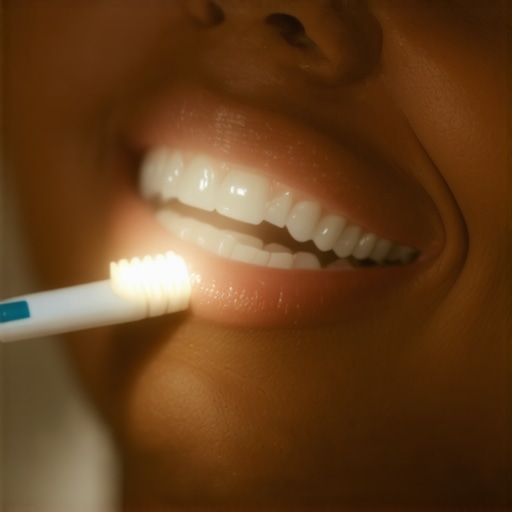
I remember the exact moment I realized I was washing away the very protection my teeth needed after brushing. It happened during a routine dental check-up when my hygienist gently pointed out that my habit of rinsing immediately after brushing was counterproductive. I had always believed that rinsing was the polite thing to do, a way to freshen my breath and rinse off residual toothpaste. But little did I know, I was undoing all the good my brush had done.
The Surprising Truth About Rinsing and Tooth Protection
This lightbulb moment led me down a rabbit hole of research and personal experimentation. What I discovered shook my confidence in a simple, everyday habit. Rinsing right after brushing washes away the fluoride from toothpaste that helps protect your teeth against decay. In fact, many dental experts now recommend waiting at least 30 minutes before rinsing to allow fluoride to fully do its job. So if you’re like I was—rushing to rinse away the minty freshness—you might be unintentionally compromising your oral health.
Is This Habit Really Worth Giving Up for Good?
I was skeptical at first. Could such a small change really make a difference? Early on, I made the mistake of dismissing this advice, brushing and rinsing as usual. But over time, I started noticing increased sensitivity and new spots of decay. It was a clear sign that I needed to change my habits. Now, I ensure I don’t rinse immediately after brushing, and I use a fluoride rinse consciously at other times of the day. Want to know how to get started? Check out this guide for practical tips on protecting your enamel.
Start with the Right Brushing Technique
Choose a soft-bristled toothbrush to gently clean your teeth without damaging gums, similar to how soft paintbrushes prevent scratching delicate surfaces. Place your toothbrush at a 45-degree angle to your gums, and use gentle, circular motions—this approach ensures you lift plaque without applying excessive force, which can cause gum recession.
When I first tried this method during my routine morning routine, I initially struggled to get the pressure right, leading to tingling gums. After slowing down and consciously applying gentle pressure, I noticed less gum irritation and more efficient plaque removal. To enhance your brushing, consider using an electric toothbrush, which can provide consistent motion—as recommended in this guide.
Clean Between Your Teeth Properly
Incorporate Flossing Effectively
Flossing is like clearing debris from tight corners—your toothbrush can’t reach these spots. Wrap about 18 inches of floss around your middle fingers, keeping a firm but gentle grip. Slide the floss between your teeth, curving it into a C-shape around each tooth and moving it up and down gently—think of it as vacuuming a narrow corridor without pushing too hard, which can cause gum bleeding.
Initially, I would rush through flossing, leading to bleeding and soreness. After adopting a more deliberate, gentle technique, my gums responded better, and I was able to clean effectively without discomfort. If traditional floss isn’t your thing, try a water flosser, which is shown to reduce plaque effectively, especially when used regularly. Learn more about this via sealants or consider other interdental cleaners for comprehensive cleaning.
Use the Correct Mouthwash
Mouthwash isn’t just for fresh breath; it reinforces your daily routine by delivering fluoride and antimicrobial agents. Rinse with a fluoride-based mouthwash after brushing and flossing, ensuring your teeth get an extra layer of protection—like adding armor to your defenses. Be cautious to avoid rinsing immediately after brushing if you’ve used fluoride toothpaste, as this can wash away the fluoride before it acts.
Earlier, I used to rinse right after brushing, which nullified the fluoride’s benefits. Adjusting my habits to wait at least 30 minutes or choosing a fluoride rinse for other times of the day allowed me to strengthen my enamel significantly. If you’re unsure whether your habits are optimal, check out this article for signs of overbrushing or improper technique.
Schedule Regular Professional Cleanings
Professional cleanings remove hardened plaque and biofilm that your daily routines can’t handle—think of it as a car service for your smile. Schedule visits every six months; this is like tuning your engine to prevent future breakdowns. During these visits, Dental hygienists employ specialized tools to scale and polish your teeth, removing tartar build-up that fosters decay if left untreated.
I recall a particularly stubborn plaque buildup in one back molar. Despite diligent home care, it persisted, leading to early signs of decay. My dentist performed a deep-scale cleaning, which eliminated the biofilm and refreshed my oral health. Regular cleanings, coupled with good habits, can prevent the progression of gum disease and cavities.
Be Mindful of Your Snacking Habits
Frequent snacking—especially on sugary or acidic foods—acts like watering a garden with fertilizer for bacteria, encouraging decay. Limiting snacks to meal times reduces the exposure of enamel to harmful acids, protecting your teeth’s mineral structure. Immediately after snacking, rinsing with water and waiting about 30 minutes before brushing helps neutralize acids without damaging softened enamel—think of it as watering a delicate plant only after it has absorbed nutrients.
I used to snack endlessly, which led to sensitivity and staining. Once I cut back and paid attention to timing my oral hygiene accordingly, my teeth looked brighter, and sensitivity decreased. For more tips on protecting your enamel, see this article.
Many patients believe they fully understand crowns and oral health, but in reality, there are several misconceptions that can hinder optimal dental care. One widespread myth is that dental crowns always feel like foreign objects, leading many to delay necessary treatments. However, with advances in material science and precise fitting techniques, modern crowns can feel entirely natural when expertly applied. Learn more about this misconception in this article.
A common mistake is assuming that family dentistry only involves routine cleanings and examinations. In fact, comprehensive family dental care includes preventive strategies, education on oral health nuances, and personalized treatment plans. Oversimplifying this can cause patients to overlook early signs of issues like enamel erosion or gum disease, which require more nuanced attention. For advanced insights, see this guide.
The hidden nuance many miss involves the importance of habit consistency. For example, believing that a single professional cleaning suffices for long-term health neglects the role of daily routines. Regular flossing, proper brushing with correct pressure, and mindful snacking can significantly reduce the need for invasive procedures. If you’re unsure about your technique, check out this article.
A trap to avoid is over-reliance on active ingredients like whitening agents or antimicrobial rinses without addressing underlying issues. For instance, using whitening toothpaste excessively can thin enamel over time, ironically causing sensitivity. Scientific research supports moderating such products and focusing on foundational care, which is detailed in this resource.
What about the misconception that all teeth whitening is safe for sensitive teeth? Many think over-the-counter kits are equivalent to professional whitening, yet some can cause irreversible Damage if used improperly. Consulting your dentist before choosing a whitening method ensures safety and effectiveness. Explore professional options in this article.
In terms of advanced mistakes, neglecting gum health beyond bleeding episodes is common. Gum disease begins silently with subtle inflammation and recession. Regular check-ups that include periodontal assessments detect these early signs. This is why it’s crucial to not just look for bleeding but understand other symptoms, as explained in this detailed guide.
Make sure to stay informed about these hidden nuances for better oral health. Have you ever fallen into this trap? Let me know in the comments.
Invest in Quality Tools for Lasting Results
Your daily oral care routine hinges on the tools you choose. I personally prefer using an electric toothbrush like the Phillips Sonicare DiamondClean because of its superior plaque removal and consistent brushing motion. The timer feature ensures I brush for the recommended two minutes, which I find crucial for thorough cleaning.
When it comes to flossing, I recommend water flossers such as Waterpik, especially for those who struggle with traditional floss. The pressurized water effectively cleans interdental spaces and is gentle on gums, making it easier to maintain daily without discomfort.
How do I maintain my dental tools over time?
Maintaining your dental tools is vital for longevity and hygiene. Rinse your electric brush heads thoroughly after each use and replace them every three months or sooner if bristles fray. For water flossers, descale monthly using vinegar or manufacturer-recommended descaling solutions to prevent calcium buildup that can harbor bacteria. Regularly replacing worn-out floss or interdental cleaners ensures optimal performance and reduces the risk of oral infections.
Embrace Proper Technique and Routine Checks
Adopting proper brushing and flossing techniques isn’t just about habit; it’s about effectiveness. Use gentle, circular motions with your electric toothbrush, applying minimal pressure—learned from this guide. For flossing, curving the thread into a C-shape around each tooth maximizes plaque removal while protecting gum tissue.
Periodically, check your technique with your dentist or hygienist. They can spot issues like excessive pressure or missed spots, allowing corrections that preserve your oral health over the years. Incorporating routine self-assessment with tools like the 30-second mirror check helps you stay proactive.
Long-Term Results Come From Consistency and Maintenance
Long-lasting results in oral health aren’t achieved overnight. They require a combination of the right tools, proper techniques, and regular professional care. Scheduling biannual cleaning visits and engaging in daily habits—like using a fluoride rinse and watching snacking—further reinforce your defenses against cavities and periodontal issues.
Looking ahead, technology continues to evolve, promising smarter dental devices that monitor your brushing habits or even send data directly to your dentist. These advancements could make maintaining optimal oral health more intuitive and tailored to your needs.
Try This Advanced Tip Today
One highly effective strategy is the consistent use of a high-quality, targeted fluoride rinse after brushing and flossing. This provides an extra layer of protection for your enamel, especially if you’ve had crowns or are prone to sensitivity. For further guidance on selecting the best rinse, check out this resource. Give this a try today and notice the difference in your long-term oral health!
What I Learned The Hard Way About Dental Habits
One of the most profound lessons I uncovered was that small, seemingly insignificant habits can have a disproportionate impact on long-term oral health. For example, I used to believe that brushing harder meant cleaner teeth, but I soon realized this complicated my gums and made my dental visits more stressful. Listening to experts and observing my own outcomes taught me that gentle, consistent care yields better results.
The Power of Personalized Dental Strategies
I discovered that no two smiles are the same. What works perfectly for someone else might not suit my unique needs. Tailoring my routine—like choosing the right toothbrush and flossing tool—made all the difference. This personalized approach, supported by trustworthy sources like this resource, emphasized that understanding my specific oral health profile is key.
Overcoming My Misconceptions About crowns
Initially, I thought crowns felt unnatural and that they would constantly require adjustments. However, I learned from professionals that modern crowns are crafted with precision and fit so seamlessly that they feel like a natural part of my smile. This realization encouraged me to seek timely treatment instead of delaying due to fears. Such insights are echoed in this article.
My Secret Weapon: Consistent Professional Care
There’s no substitute for regular checkups. I used to underestimate their importance until I experienced the benefits firsthand. Routine cleanings and early detection of issues like biofilm buildup—discussed in this guide—helped me avoid costly and invasive procedures later. Investing in professional care keeps my smile healthy and confident.
Recognizing The Power of Small Consistent Changes
The biggest lesson was that consistency trumps perfection. Incorporating simple habits—like waiting 30 minutes post-snacking before brushing—gradually improved my overall oral health. It’s about making sustainable adjustments, not fleeting fixes. This mindset is reinforced by stories from those who have experienced a true dental renaissance, as shared in this article.