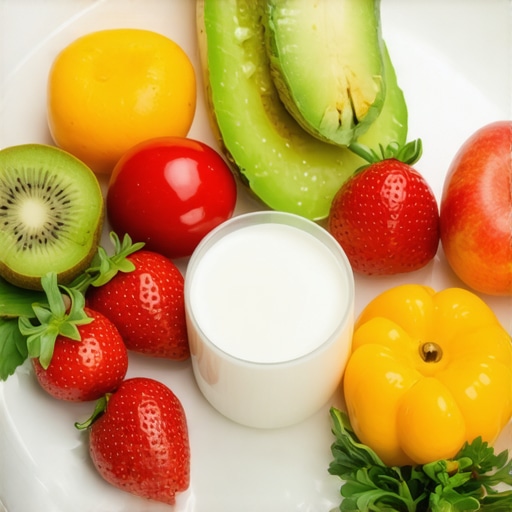
I still remember the sinking feeling I had after finally getting my new crown placed — I took a big bite of my favorite crunchy apple, and immediately, a sharp jolt of pain shot through my tooth. It was a classic mistake I made early on: I underestimated the importance of what I ate after the procedure. That moment made me realize how many of us overlook the critical first days of crown recovery, often unknowingly sabotaging our healing journey.
Getting a new crown is an exciting step toward better oral health, but it’s also a delicate process. The foods we choose in those initial days can either protect your investment or cause setbacks like sensitivity, discomfort, or even the risk of the crown coming loose. That’s why understanding what to eat—and what to avoid—is crucial for a smooth recovery.
Why Post-Crown Diet Choices Can Make All the Difference
From personal experience, I’ve learned that the right foods help stabilize your new crown, prevent irritation, and promote faster healing. Conversely, the wrong choices can lead to discomfort and the dreaded loosened crown. Research indicates that consuming overly hard or sticky foods shortly after placement might increase the failure rate of the crown, leading to costly and stressful redo visits. According to a recent study published in the Journal of Prosthetic Dentistry, patient compliance with post-procedure dietary guidelines significantly impacts the longevity of crowns (source: https://www.sciencedirect.com/science/article/abs/pii/S0022391319302650).
But how do you know what foods are safe, and which ones could sabotage your healing? I learned this the hard way—my early mistake was thinking that any soft food would do. Turns out, some soft foods can be just as problematic as hard ones if they’re sticky or acidic. Keep reading, and I’ll share the simple, practical dietary rules that transformed my experience and can help you avoid the pitfalls I faced.
Are All Soft Foods Created Equal for Recovery?
Early on, I believed just sticking to smoothies and puddings was enough. Not quite. I was unaware that some creamy, soft foods are laden with sugars or acids that can irritate my gums or weaken the bond of the crown. For example, acidic fruits like oranges can cause sensitivity, while sugary puddings provide a feast for bacteria, increasing the risk of decay around the crown margin. It’s a balance. Choosing the right foods, like plain mashed potatoes, soft-cooked vegetables, or mild dairy, helps ensure your mouth heals without unnecessary setbacks.
If you’re nervous about choosing foods that support your healing, don’t worry—I’ve been there. In fact, I found that consulting with my dentist helped me understand the importance of not just soft food, but also specific ingredients that aid recovery. For further insights on gentle oral care, check out why soft bristles are better for your gums.
Now that I’ve shared my mishaps and lessons, I’ll guide you through the practical foods and habits that truly support your crown’s health during those vital first days. That way, you can confidently enjoy your favorite foods again—without the fear of setbacks.
,
Stick to Soft, Nourishing Foods Immediately After Placement
Right after your crown is placed, switch to soft, bland foods that won’t disrupt the bonding process. Think mashed potatoes, well-cooked carrots, or scrambled eggs. I remember the first time I tried biting into crusty bread too soon; the sensation was sharp and uncomfortable. To avoid such mishaps, I gradually introduced softer options over the first 48 hours, giving my gums and crown time to settle without added stress.
Choose Ingredients That Support Healing
Opt for foods rich in calcium and vitamin D to bolster your jawbone and periodontal tissues. Incorporate dairy like yogurt or cheese, and consider adding leafy greens once tolerated. During my recovery, I made a simple soup with pureed vegetables and melted cheese, which provided comfort and essential nutrients—helping me heal faster and avoiding irritation caused by acidic or sugary foods.
Maintain Gentle but Effective Oral Hygiene
Proper cleaning prevents plaque buildup that can compromise the crown’s bond. Use a soft-bristled toothbrush (preferably with soft bristles) and gentle strokes—think of brushing like patting down a delicate piece of fabric, not scraping a stubborn stain. I initially used a medium brush, which irritated my gums; switching to a soft one made a noticeable difference, reducing sensitivity and enhancing comfort.
Master the Art of Tongue Cleaning
Cleaning your tongue removes biofilm that harbors bacteria, reducing the risk of decay near the crown. Use a tongue scraper or the back of your toothbrush with gentle pressure. I learned this from my dentist, who emphasized that a clean tongue is key to fresh breath and overall oral health. Incorporating this daily habit kept my mouth feeling fresh and prevented bacteria migration towards the crown area.
Avoid Sticky, Hard, or Acidic Foods
Steer clear of caramel candies, sticky gums, or ice—these can dislodge or damage the crown. Acidic foods like citrus can cause sensitivity, especially if the crown margins are exposed. I once slipped with an orange slice, and the resulting sensitivity lingered for hours. Temporarily, I eliminated citrus and focused on neutral flavors, aiding my recovery and preventing unnecessary discomfort.
Be Mindful of Beverages and Nighttime Habits
Limit coffee, tea, or sodas that may stain or weaken your crown’s material and avoid sipping sugary drinks constantly. Additionally, avoid brushing immediately after consuming acidic drinks to prevent enamel erosion—wait at least 30 minutes. I found that rinsing with plain water after such drinks helps neutralize acids. Also, consider using a straw for staining beverages to limit contact, preserving your crown’s appearance and integrity.
Sustainable Habits for Long-Term Crown Success
Incorporate regular flossing—using thin, gentle floss—around your crown to remove trapped debris. Don’t forget to schedule routine dental check-ups; early detection of issues like a loose crown or plaque buildup can save you from costly repairs. I set reminders on my phone for biannual cleanings, which keep my oral health on track and extend the lifespan of my crown.
Recognize signs of trouble early, such as sensitivity, discomfort, or a loose feeling—acting swiftly can prevent more serious issues. Remember, maintaining your crown means adopting habits that support both healing and long-term durability. Incorporate these steps into your daily routine for a healthier, more comfortable smile.
Many people assume that brushing twice daily and visiting the dentist regularly are enough to maintain optimal oral health, but the truth runs much deeper. A common misconception is that all toothbrushes and oral care products are created equal—yet, overlooking the importance of proper technique and tools can undermine your efforts. In reality, choosing a soft-bristled brush, for example, can significantly reduce gum recession and sensitivity, especially in patients with receding gums. This simple switch can make a profound difference in your periodontal health, as highlighted by this detailed guide.
Another often-missed nuance is the timing and method of cleaning after eating. Many believe that rinsing with mouthwash or brushing immediately after a meal is ideal, but some foods, especially acidic ones, temporarily soften enamel and soften the protective pellicle on teeth. Brushing right after acidic foods can inadvertently cause micro-abrasions, leading to increased sensitivity and enamel erosion. Waiting at least 30 minutes or rinsing with water first preserves your enamel integrity. For more on this, see this article.
When it comes to crowns and restorations, many patients overlook the critical aspect of bonding quality. A well-bonded crown can last decades, but minor gaps—sometimes invisible to the naked eye—can be a breeding ground for bacteria, leading to decay under or around the crown. The misconception that a crown’s success solely depends on its material choice ignores the importance of proper bonding, which involves precise technique and the right adhesives. Discover more about this in this comprehensive piece.
Why do some crowns fail despite being perfect?
The answer often lies in the unseen bonding interface and the patient’s oral habits, like grinding or clenching, which exert excessive force. Advanced technologies, like bio-adhesive sealants infused with peptides, are now enhancing crown longevity by promoting stronger bonding and resistance to decay. Recognizing these nuanced advancements can save you from unnecessary replacements and discomfort. Learn about emerging innovations at this source.
Moreover, a surprisingly overlooked factor is the role of personal habits—such as aggressive brushing or improper flossing technique—that can cause gum recession or damage to crown margins over time. Such habits can diminish the benefits of your dental work and invite future problems. To differentiate between healthy and harmful brushing, consider reviewing this guide.
In essence, maintaining optimal oral health goes beyond routine brushing and flossing; it demands a nuanced understanding of each component—tools, techniques, biological factors, and technological innovations. Being aware of these subtle factors allows for tailored care, preventing setbacks that are often attributed to
How do I maintain my dental tools and techniques over time?
Maintaining your oral health toolkit is essential for preserving your investment in dental wellness. Personally, I swear by my electric toothbrush, specifically the Oral-B Genius X. Its AI-powered technology tracks my brushing habits through Bluetooth connectivity, guiding me to brush more effectively and reach difficult areas. As I age, I notice that the combination of high-quality tools and diligent technique significantly reduces issues like gum recession, which you can learn more about here.
To ensure these benefits last, I replace my brush heads every three months—regular replacement prevents bacterial buildup and maintains cleaning efficiency. Additionally, I use a water flosser like the Waterpik Ultra, which I find far superior to traditional floss for reaching under crowns and between braces. Its pulsating water removes plaque more thoroughly, especially around delicate margins. Remember, even the best tools need proper care and replacement for long-term durability.
What hardware and software can improve your oral care routine?
Integrating technology like Bluetooth-enabled toothbrushes and companion apps has revolutionized my approach. These apps provide real-time feedback on coverage and pressure, preventing gum recession—an issue discussed extensively here. Such devices can also help you identify habits that might be harming your crowns, like aggressive brushing or improper flossing.
Beyond hardware, I rely on dental management apps like Dentapod to schedule regular check-ins and track oral hygiene progress. Staying proactive with these tools offers a clearer picture of my long-term health trajectory, enabling early intervention before major issues develop. Predictively, I believe the future of dental tech is heading toward AI-driven diagnostics, providing personalized care at home. For now, adopting these smart tools helps me stay ahead of problems, especially with delicate restorations like crowns and bridges.
How can you fine-tune your routine for sustainable results?
Timely maintenance and adjustments are key. I visit my dentist for professional cleanings and checkups every six months, during which they inspect my crowns’ bonding integrity. To do this effectively over time, I’ve learned to pay attention to subtle signs like increased sensitivity or minor loosening, which can be early indicators of bonding gaps—discussed in this article. Consistent review ensures my restorations last longer and function comfortably.
Moreover, employing proper technique during daily care—such as gentle brushing with soft bristles and correct flossing—can extend the lifespan of your dental work. The trend is moving toward smarter, more personalized approaches; for example, using soft-bristled brushes minimizes recession risk, especially in vulnerable patients. I recommend establishing a habit of inspecting your tools for wear and replacing parts proactively, ensuring your entire routine remains effective.
In conclusion, the secret to
What I Wish I Knew When I Started My Crown Journey
- One of the biggest lessons I learned was that even the slightest change in my daily habits could significantly extend the life of my crown, which I now see as a personal success story in proactive dental care.
- Early on, I underestimated the importance of dietary choices, thinking soft foods were enough, but I discovered that ingredient quality and acidity levels mattered just as much to prevent sensitivity and decay.
- Patience truly paid off—waiting the recommended time before brushing or flossing around my crown prevented unnecessary damage and discomfort, showing me that small discipline changes yield long-term benefits.
- From personal experience, I realized that investing in high-quality tools—like soft-bristled brushes and water flossers—made a tangible difference in maintaining crown integrity and overall oral health.
- Finally, I discovered that regular communication with my dentist—not just routine cleanings but open discussions about any changes—keeps my smile in top shape and helps me catch issues before they escalate.
Comments
One response to “The Best Foods to Eat After Getting a New Crown”
Reading this post really resonated with me, especially the part about choosing the right soft foods during recovery. I remember overly eager to get back to my regular diet and tried crunchy snacks after my crown procedure, which caused discomfort and delayed healing. Since then, I’ve become much more cautious, focusing on bland, nutrient-rich foods like mashed sweet potatoes and smoothies made with almond milk. One thing I’ve found helpful is avoiding acidic drinks, as they can irritate the gums and compromise the bond of the crown. It made me wonder, how do others manage cravings for more flavorful foods during those initial recovery days? Have any effective tips or recipes helped you stay on track without sacrificing taste? I’d love to hear other experiences and suggestions on balancing healing with satisfying meals.