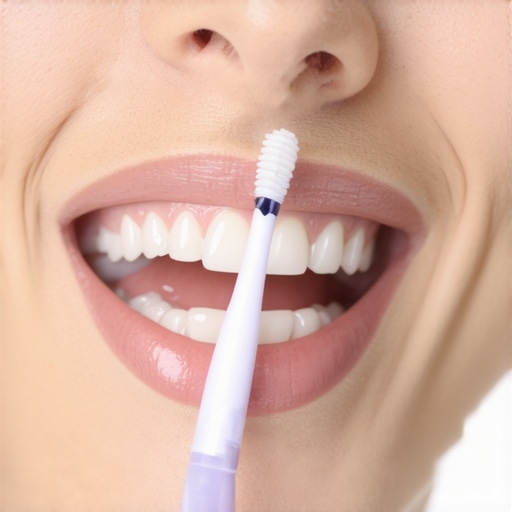
I vividly remember the first time I tried to floss thoroughly, only to poke my gums painfully and end up avoiding it altogether. That lightbulb moment hit me hard: if the thought of flossing makes you cringe, you’re not alone. For years, I struggled with the same problem—struggling with traditional flossing methods that felt awkward and uncomfortable. But then I realised that there’s a better way, one that fits naturally into a busy morning and doesn’t turn my mouth into a battlefield.
Say Goodbye to Flossing Hassles: Smarter Strategies for Between Teeth Care
We all know that plaque and bacteria hide in the tight spaces between our teeth, just waiting to cause cavities and gum issues. Yet, if you hate flossing, it can feel like an impossible chore, leading many to skip this crucial step altogether. I used to think that skipping floss was harmless, but I learned the hard way that neglecting this area can contribute to persistent bad breath, bleeding gums, and even more severe periodontal issues. Fortunately, I’ve found some effective alternatives that work better for me—and might work for you too.
Is Flossing Really Worth the Hype?
Early on, I made the mistake of believing that brushing alone was enough. Turns out, I was missing a big chunk of cleaning because brushes can’t reach all the tiny crevices. Relying solely on toothbrushes leaves behind biofilms—a sticky layer of bacteria—that’s tough to remove without additional tools. Research shows that failing to clean between teeth can significantly increase the risk of tooth decay and gum disease. If you’re skeptical about ditching traditional floss, I get it. But trust me, there are other tools out there that can do the job without the pain or hassle, like interdental brushes or water flossers.
Have you faced similar frustrations with flossing? If so, you’re in good company. Today, we’re going to explore practical, gentle alternatives that can keep your mouth healthy without the dread. By the end of this, you’ll not only understand why cleaning between your teeth is vital, but also discover methods that make the process easier and more effective. For more insights on maintaining comprehensive oral health, check out [family oral health habits](https://periodontistcare.com/5-2026-family-oral-health-habits-that-stop-morning-breath). Get ready to transform your routine and smile with confidence.
Choose the Right Tool for Your Teeth
Start by selecting a tool that fits comfortably and reaches all your spaces. Interdental brushes come in various sizes—think of them as tiny paintbrushes designed specifically for between your teeth—making the task less tedious than traditional flossing. In my experience, trying a few sizes until one slides easily between your teeth without forcing is key. Rigid or too-small brushes won’t do the job or might cause discomfort.
Master the Proper Technique
Gentle Insertion
Insert the interdental brush slowly at a slight angle, mimicking a handshake rather than a shove. An analogy I use is like threading a needle — patience and gentle movements make all the difference. Once in, gently move the brush back and forth a few times to dislodge plaque and food debris.
Cover All Surfaces
Ensure you clean all around each tooth, not just the sides facing each other. Think of cleaning your kitchen countertops: you want to reach every corner for a thorough job. After each use, rinse the brush thoroughly with water to remove any accumulated bacteria or debris.
Frequency and Routine Integration
In my own routine, I incorporate interdental cleaning right after brushing. Just like breakfast sets the tone for the day, cleaning between teeth should be a daily habit. Aim for at least once a day, especially before bed, to prevent plaque buildup while you sleep.
Dealing with Common Challenges
Handling Tight Spaces
If your teeth are tightly packed, interdental brushes might feel resistant. In this case, skip forcing it and opt for a water flosser, which uses a pressurized stream of water to clean those hard-to-reach areas effortlessly. I once had a client with very crowded teeth, and switching to a water flosser reduced discomfort significantly, proving it’s a versatile alternative.
Managing Bleeding
If you notice bleeding, don’t panic—this often indicates inflamed gums rather than damage. Consistent gentle cleaning can reduce inflammation over time. For persistent bleeding, check out resources like this guide on hidden biofilms to ensure you’re targeting the root cause.
Incorporate Additional Supplements
Consider using antimicrobial mouthwashes or adding a water flosser to your routine for a comprehensive clean. Supplementing your efforts can lead to healthier gums and fresher breath—like sprucing up your gardening with fertilizer and water.
Stay Consistent, Not Complicated
Remember, the goal isn’t perfect technique every time but maintaining a regular habit. Personal experiences show that small, consistent steps are more effective than sporadic, intense sessions. As you stick to this routine, you’ll notice a reduction in gum bleeding and fresher breath, reaffirming that you’ve chosen a smarter, gentler approach to oral health.
Many people believe they understand the basics of dental health, but lurking beneath are nuanced misconceptions that can undermine your efforts. For instance, a widespread myth is that brushing harder cleans better. In reality, aggressive brushing damages enamel and gums, leading to sensitivity and recession. According to a study published in the Journal of Dental Research, over-brushing can remove protective enamel and cause gum erosion, emphasizing the importance of gentle, correct brushing techniques. Another misconception involves family dentistry routines: some assume that using generic or inexpensive toothpaste suffices, but selecting products with proper fluoride levels and avoiding harmful additives is crucial for long-term health. For example, certain children’s mouthwashes might inadvertently stunt enamel growth if they contain problematic ingredients—it’s wise to choose those formulated specifically for young mouths.
Advanced Question: How do biofilms persist even after routine cleanings, and what innovations are combating them?
Biofilms are complex microbial communities cloaked in a self-produced matrix, making them resilient against standard cleaning methods. Regular brushing and flossing often fail to eliminate these stubborn layers, leading to recurrent periodontal issues. Emerging technologies, like bio-acoustic buffing, use sound waves to disrupt biofilms more effectively, offering a promising adjunct to traditional cleaning. Studies, including one from the International Journal of Dental Hygiene, show that such innovations can significantly reduce biofilm presence, enhancing oral health outcomes.
Many hang onto outdated practices or misunderstand the purpose of certain procedures. For example, some think that crowns are purely cosmetic, but they also restore function and protect weakened teeth. However, improper placement or neglecting the underlying tooth can lead to complications like decay beneath the crown, which is why regular checkups are vital. Also, beware of the trap of rinsing immediately after fluoride application—this can wash away beneficial agents before they take effect. Instead, waiting 30 minutes allows fluoride to strengthen enamel thoroughly. For comprehensive guidance tailored to your family, check out these family oral health habits.
Invest in Proven Tools for Lasting Oral Health
Maintaining oral health isn’t a one-time effort; it requires the right tools that suit your family’s unique needs. I’ve found that investing in high-quality interdental brushes, like TePe’s taper reach models, makes a significant difference. These brushes are gentle on gums yet effective at removing plaque from tight spaces, especially for family members with varying age-related oral anatomies. Unlike generic floss, these brushes come in multiple sizes, allowing for tailored cleaning that reduces discomfort and increases compliance.
For those with crowding or braces, a device like the Waterpik Ultra Water Flosser proves invaluable. The pressurized water stream not only dislodges debris but also reaches areas traditional tools often miss. I personally prefer models with adjustable water pressure, enabling a gentle option for sensitive gums and a more powerful setting for stubborn plaque. Regular use can prevent future decay and periodontal issues, making dental visits less intimidating and more routine.
Why I Choose Electric Toothbrushes and Sonic Technology
In my practice and personal routine, electric toothbrushes equipped with sonic technology excel at thorough cleaning. The oscillating-rotating movement combined with sonic vibrations generates over 30,000 strokes per minute, creating a dynamic cleaning effect that manual brushes can’t match. I recommend models with pressure sensors—my favorite being the Philips Sonicare DiamondClean—because they signal if you’re brushing too hard, preventing gum recession and enamel erosion. Deep cleaning becomes effortless, and the long-term benefits are evident in healthier gums and brighter smile confidence.
Emerging research suggests that combining sonic toothbrushes with antimicrobial mouthwashes further disrupts biofilm formation, attacking plaque at a microscopic level. This dual approach optimizes your routine, especially if biting into the future of dental technology excites you. Staying inspired by innovations ensures your family’s dental health remains a priority, not an afterthought.
How do I maintain these tools over time?
Consistent maintenance of your dental tools is essential to keep them effective. Replace toothbrush heads every three months or sooner if bristles fray—this prevents bacterial buildup and maintains cleaning power. Rinse interdental brushes thoroughly after use and allow them to air dry in a clean space, ensuring no residual bacteria thrive. For water flossers, descaling monthly with white vinegar reduces mineral deposits and extends product lifespan. Keeping your tools in top shape ensures they perform optimally, saving you time, money, and dental visits in the long run.
Future Trends in Dental Tools and Family Care
Advances like smart toothpaste dispensers and app-connected toothbrushes are on the horizon, promising even more personalized dental care. Imagine a device that tracks your brushing pressure, duration, and coverage, then provides feedback via smartphone. Such innovations will empower families to take charge of their oral health with real-time insights, making routines more engaging and effective. Staying ahead by embracing these tools now can set the foundation for healthier smiles well into the future.
Ready to Elevate Your Family’s Routine?
Try incorporating a sonic toothbrush with a pressure sensor today, like the Philips Sonicare ProtectiveClean. It’s a small investment that pays off with a lifetime of healthier teeth and gums. Remember, the key is consistency and proper tool maintenance—make these practices a part of your daily routine, and your family will thank you for years to come. For additional tips on maintaining your tools, check out this guide on biofilm detection.
Lessons Only Dentists Usually Share—But I Learned Them the Hard Way
One of the most profound lessons I encountered was realizing that the pursuit of perfect oral health is more about habits than perfect tools. I used to think that fancy gadgets alone could guarantee healthy teeth, but I discovered that consistency and gentle techniques matter more. Also, investing in quality tools might seem costly initially, but they pay off by reducing visits and discomfort. Lastly, I learned that understanding my unique dental profile—like knowing which interdental tools suit my crowded teeth—made routine cleaning far less daunting and more effective.
My Personal Arsenal for a Family That Smiles Bright
Over the years, I’ve come to rely on specific tools that truly transform oral care. The TePe interdental brushes, with their variety of sizes, make cleaning between tricky teeth a breeze, especially for kids transitioning to independence. The Waterpik Ultra Water Flosser consistently impresses my family by reaching stubborn spots, especially after meals when brushing isn’t enough. Sonicare’s electric toothbrushes equipped with pressure sensors have been game-changers for gentle yet thorough cleaning. Lastly, trusted resources like this guide on biofilms keep me informed about the latest innovations to fight persistent plaque and bacteria effectively.
Your Smile’s Future Starts Today—Don’t Delay
Embracing smarter, gentler dental habits isn’t just about avoiding cavities; it’s about fostering a lifetime of confidence and well-being. Every small step you take now sets the stage for healthier gums, brighter teeth, and fewer worries at the dentist. Remember, elegant simplicity combined with consistency is your best ally in this journey. So, why wait? Start exploring new tools and routines today, and watch your family’s smiles flourish. What’s one small change you’re excited to try first? Share below—I’d love to hear your plans to elevate your oral health practices.
Comments
2 responses to “The Best Way to Clean Between Teeth if You Hate Flossing”
I totally relate to the frustration with traditional flossing — I used to dread it every night! Switching to interdental brushes has made a huge difference for me; they’re much gentler and easier to maneuver around tight spaces. I also started using a water flosser, especially for my crowded teeth, and the relief is noticeable. I wonder, for those with sensitive gums, do you find that water flossing causes any discomfort, or does it help reduce inflammation over time? I’ve read that patience and gentle techniques are key, but sometimes it’s hard to know when to switch tools if there’s bleeding. Would love to hear others’ experiences or tips on easing into these alternatives without causing irritation. After all, consistency is what really counts, right? Thanks for sharing such practical advice — it’s encouraging to see that there are effective, pain-free options for maintaining oral health!
Reading this post really resonated with me, especially since I used to struggle immensely with traditional flossing. The pain and discomfort made me avoid it altogether, which I now realize wasn’t doing me any favors in terms of oral health. Switching to interdental brushes and water flossers has genuinely helped improve my routine—my gums are less inflamed, and I breathe easier knowing I’m giving my mouth a thorough clean. It’s interesting how your analogy about threading a needle really captures the delicate, patient approach needed. I’ve also found that starting with smaller-sized interdental brushes and gradually increasing the size as I get comfortable has made the process even easier. For those new to these tools, do you recommend gradually introducing them or going straight to a specific size? I’d love to hear others’ experiences on how they integrated these alternatives into their daily habits without feeling overwhelmed. Small consistent efforts really do make a difference, and it’s empowering to find pain-free methods that work. Are there particular brands or types of interdental brushes that others swear by for sensitive gums?