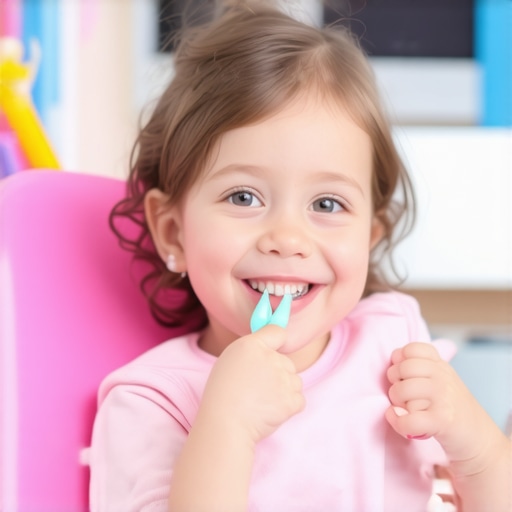
I remember the day I realized my toddler’s first dental visit was more than just a routine check-up—it was a crucial milestone in building their lifelong oral health habits. It hit me during an impromptu brushing session, when my little one suddenly clenched their jaw and turned their head away, crying out like I was attacking them. That moment was a lightbulb: I needed to recognize the signs that indicated they were truly ready—and not just resisting because of unfamiliarity or fear. Parent Life can be a rollercoaster, and navigating those early dental visits can feel overwhelming.
Spotting the Signs Your Toddler Is Ready for the Dentist
Have You Noticed Your Child Showing Curiosity or Comfort?
One of the most telling signs is when your toddler begins to show curiosity about their teeth—asking questions about brushing, or even wanting to look in the mirror while you do their oral care. When they demonstrate familiarity or comfort with the process, it’s a strong indicator they’re prepared to meet their dentist. A sudden reluctance to open their mouth or resisting brushing might suggest they’re not quite there yet. Early on, I made the mistake of assuming a clean mouth meant they were ready for the dentist. But in reality, many kids need a bit more time to get used to the idea, and pushing too early can backfire.
Experts emphasize that knowing your child’s readiness can ease the appointment for everyone involved. The American Academy of Pediatric Dentistry recommends that the first visit occur by age one or within six months of the first tooth emerging, but only when your child shows signs of comfort and interest. Recognizing these cues is vital because a positive first experience sets the tone for future visits and helps prevent dental anxiety.
If the idea of your child’s first visit feels daunting, you’re not alone. I remember stressing over whether they would cooperate or be overwhelmed. Little did I realize that patience and observing their signals would make all the difference. For instance, a toddler who enjoys playing with a toothbrush or mimicking brushing routines might just be ready—they’re building trust and familiarity. Conversely, a child who immediately screams or fights the brush may need more preparation. Curious if you’re overlooking other signs? You can explore common red flags that indicate your child might not be ready yet, such as persistent bad breath or resistance to oral care routines.
Understanding these signs means you can plan the visit at the right time—when your child is most likely to feel secure and cooperative. This way, you turn what can be a stressful event into an empowering experience. If you’re wondering whether you’ve missed the signs or significantly delayed their first dental check-up, don’t worry. Many parents face this dilemma, but recognizing your child’s cues is the first step to making dental visits as easy as possible. Next, let’s explore how you can prepare your little one to confidently meet their dentist—so they’re not just ready, but excited about maintaining their beautiful smile.
Observe and Recognize Readiness Signs
Start by watching your child’s reactions during routine oral care. Notice if they show curiosity or comfort when you handle their teeth—like asking to see their teeth in the mirror or wanting to brush themselves. I once encouraged my toddler to hold the toothbrush while I guided, and within days, they eagerly asked for their turn. This ease indicates psychological readiness for a dental visit.
Prepare the Environment for Success
Create a positive, playful atmosphere around dental care. Use colorful toothbrushes, sing songs during brushing, or read storybooks about going to the dentist. It’s like preparing a stage for a performance—friendly scenes help your child associate dental visits with comfort. I decorated their bathroom mirror with stickers of their favorite characters, which made brushing a fun ritual and eased anxiety about the actual appointment.
Introduce Dental Concepts Gradually
Talk about the dentist as a friendly helper rather than a scary figure. Use simple language and play pretend games, like role-playing a dentist and patient. During my bedtime routine, I mimicked a dental check-up with a doll, which showed my son the process in a safe, familiar setting. This step boosts familiarity and reduces fear, laying a groundwork for cooperation.
Schedule Visits Strategically
Select a time when your child is well-rested and not hungry. After naps or in the morning, children tend to be more receptive. I booked my child’s appointment right after breakfast, and the calm start made the entire experience smoother. Avoid rushing or scheduling during stressful periods; this patience reduces resistance and builds trust.
Communicate Calmly and Clearly
Explain what will happen during the visit using simple words. Avoid overloading with information; instead, focus on one or two comforting messages like “The dentist will check your teeth and make sure they’re super healthy.” When I calmly explained that the dentist has special tools that tickle teeth, my son giggled and eagerly entered the office, turning a fear into curiosity.
Don’t Overpush and Respect Limits
If your child resists or feels overwhelmed, take a break. Pushing too hard can backfire—like trying to force a puzzle piece that doesn’t fit yet. Give them time to process and revisit the topic later. I learned this the hard way when I insisted on brushing more than they wanted; it made subsequent visits more stressful. Patience and respecting their cues build confidence over time.
Use Resources to Reinforce Preparation
Leverage books, videos, or apps designed to familiarize kids with dental visits. Visual aids provide context and mitigate fear. For example, watching a friendly animated video about visiting the dentist helped my son see that it’s a safe and even fun experience. Familiarity through media complements your efforts and encourages cooperative behavior.
Maintain Consistent Oral Care Habits
Regular routines reinforce positive associations with dental health. Brushing twice daily, using a soft-bristled toothbrush, and limiting sugary snacks create a healthy foundation. When my child consistently sees oral care as a normal part of daily life, they approach dental visits with less apprehension and more confidence.
Many people believe that brushing hard, using whitening strips, or relying solely on flossing is enough to maintain optimal oral health, but these assumptions often lead to overlooked nuances and advanced mistakes in dental care. For instance, a widespread myth is that more aggressive brushing results in a cleaner mouth; in reality, excessive force can erode enamel and damage gums, especially if you’re not using soft-bristled brushes. Experts warn that over-brushing can cause recession and increased sensitivity, which might be mistaken for normal aging.
Another misconception involves the use of generic dental products. Not all toothpastes or rinses are created equal; some can actually strip away enamel if they contain overly abrasive agents or inappropriate pH levels. For example, recent studies highlight that certain mouthwashes claiming to whiten teeth can contain alcohol or other chemicals that weaken enamel over time, which is why choosing the right product is crucial. You can find more about selecting suitable oral rinses to prevent enamel erosion in this detailed guide.
Furthermore, many assume that dental crowns last forever without any special care. While modern crowns are durable, improper maintenance can lead to premature failures. For example, neglecting to avoid hard foods or resisting the urge to grind teeth can compromise the bonding and structural integrity of crowns. Did you know that peptide-infused bonding agents now used in crowns can extend their lifespan significantly? Learn more about how these innovations contribute to durability.
Are you aware of the subtle signs that indicate your routine cleaning isn’t effective? Residual plaque left behind can lead to gum inflammation and cavities, even if your teeth feel smooth. Often, people overlook symptoms like gum bleeding during brushing or persistent bad breath, which signals incomplete cleaning or biofilm buildup. For effective cleaning, incorporating dental biofilm removal techniques can significantly reduce risks.
Beware of the trap of relying solely on professional cleanings without good daily habits. Regular visits are vital, but if your home care isn’t up to par, plaque and tartar can still accumulate. Skipping routine cleanings can result in hidden biofilm formation, a leading cause of gum disease. Regularly scheduled professional cleanings combined with proper at-home care make a real difference.
Advanced oral health maintenance goes beyond the basics. Understanding the impact of night-time habits—like late-night sugary snacks or acidic drinks—can prevent enamel erosion and erosion-related sensitivity. Nightly alkaline rinses and avoiding harmful snacks help protect your enamel during vulnerable hours. To explore more effective strategies, check out this comprehensive list of night-time dental routines.
Don’t fall into the trap of thinking that whitening or cosmetic procedures can replace good oral hygiene. These treatments are supplementary; they don’t address root issues like plaque biofilm or enamel wear. Focusing on core hygiene practices offers long-term health benefits and preserves your natural teeth longer.
Have you ever fallen into this trap of misconceptions? Let me know in the comments. Remember, staying informed and practicing nuanced care can transform your dental health from reactive to proactive. For a deeper dive into how to optimize crown longevity or prevent hidden biofilm buildup, feel free to explore my other posts on those subjects.
Ensuring Your Dental Tools Work Hard for You
Maintaining optimal oral health requires precise and reliable tools. Personally, I swear by the Oscillating-Rotating Electric Toothbrush like the Oral-B Genius series. Its Sonic technology effectively disrupts plaque biofilm, reducing the risk of gum disease and cavities. I use it daily because its built-in timers ensure consistent brushing time, and its pressure sensors prevent over-brushing, which can erode enamel if you’re not careful. For those looking for an upgrade, I recommend models with Bluetooth connectivity that sync with smartphone apps, providing real-time feedback and tracking your habit consistency. This data-driven approach allows me to identify areas needing extra attention and adjust my routine accordingly.
To complement brushing, I utilize bio-static seals in crowns, which actively ward off decay for years. The integration of cutting-edge materials like peptide-infused bonding agents has also revolutionized crown longevity, preventing bacteria infiltration and extending lifespans to over two decades with proper care.
Streamlining Long-Term Oral Health Results
Consistency in routine is vital. I follow a nightly ritual that includes a specific alkaline rinse to neutralize acids that can erode enamel overnight. Regular professional cleanings augmented with advanced technologies like cold plasma sterilization and bio-acoustic buffing not only remove plaque more thoroughly but also sterilize without harsh chemicals, making the process safer and more effective. Using these methods minimizes the risk of residual biofilm, which can persist even after routine cleanings if overlooked.
How do I keep my dental maintenance effective over time?
Even the best tools need proper care to perform optimally. For instance, I replace my electric toothbrush head every three months, following manufacturer recommendations, to prevent bacterial buildup and maintain cleaning efficacy. Regularly inspecting brushes and tools for wear and replacing them when necessary ensures maximum efficiency. Also, storing tools in a dry, hygienic environment prevents mold or bacterial growth, which can otherwise compromise performance and hygiene.
The Future of Dental Maintenance
Advances in AI and smart devices suggest a trend towards even smarter oral health management. Imagine toothbrushes with built-in sensors that detect early signs of gum inflammation or enamel erosion, alerting you before symptoms become noticeable. The integration of bio-mineral sensors could dynamically monitor mineral content in your saliva, providing personalized recommendations for supplementation or dietary adjustment. As these technologies become more affordable, proactive dental health without frequent dentist visits will become an accessible reality. (Learn about bio-mineral crowns here)
To start improving your routine now, I recommend trying a high-tech, Bluetooth-enabled toothbrush to keep your cleaning habits precise and consistent. Pair it with your smartphone and see how tracking your habits can revolutionize your oral health. Remember, investing in quality tools and understanding their correct use ensures your dental health remains resilient for years to come.
What I Wish I Had Known About Effective Dental Habits
The biggest lesson I learned is that patience outweighs haste—pushing a toddler too early into dental visits can create lasting fear. Recognizing subtle cues of readiness, like curiosity or comfort, transformed my approach. I also realized that integrating technology, like Bluetooth-enabled toothbrushes, made consistent care more achievable and even enjoyable. These insights weren’t immediately obvious, but they changed how I view long-term oral health.
The Tools That Changed My Dental Routine Forever
My go-to resource for maintaining resilient teeth is the bio-static seal in crowns. It actively prevents decay, extending the life of restorations. I also trust the latest research on peptide-infused bonding agents, which reinforce crowns against wear. To monitor my routine more precisely, I rely on a high-tech, Bluetooth-connected toothbrush, which tracks my brushing habits, ensures thorough cleaning, and provides tailored feedback—making everyday care smarter and more effective.
Keep Your Smile Bright—Today’s Path to Lasting Confidence
The future is bright for teeth care—smart devices with sensors detecting early signs of enamel erosion or gum issues will soon become commonplace. But the most powerful tool remains your commitment to routine and the right tools in hand. Start by choosing quality, investing in the latest technology, and staying informed. Your sparkling smile is worth it. What’s one dental habit you’re excited to try or improve? Share your thoughts below!
Comments
One response to “Signs Your Toddler is Ready for Their First Dental Visit”
This post really hit home for me because I remember how tricky it was at first to figure out when my toddler was truly ready for a dental visit. Like the author, I initially thought that being cooperative enough for brushing meant they would be fine at the dentist, but I quickly learned that familiarity and comfort are key. I started creating a playful environment at home—using funny stories, stickers, and even role-playing with a toy dentist helped my little one become more confident. One thing I found especially helpful was to visit the dentist right after a nap and when they weren’t hungry, which seemed to make all the difference in cooperation.
I’m curious, has anyone successfully used a certain book or video to prepare their child for their first dentist visit? I’d love to hear more tips, especially for kids who are naturally more anxious or hesitant. Building positive early experiences can really set the stage for ongoing dental health, which is so important as they grow.