Category: Dental Emergency Care

  • How to manage a toothache while traveling abroad

    How to manage a toothache while traveling abroad

    It was late at night when I first felt that sharp, insistent pain in my molar—far from the comforting walls of my dentist’s office. I was miles away from home, luggage half-unpacked, and the last thing I wanted was a raging toothache ruining my trip. That moment was a lightbulb for me: dealing with dental emergencies while abroad isn’t just inconvenient—it’s downright stressful if you’re unprepared. If you’ve ever found yourself clutching your jaw in a foreign city, desperate for relief, you know exactly what I mean. But don’t worry—you can navigate this challenge with a bit of knowledge and some practical tips.

    Why Tooth Pain During Travel Is a Common Worry

    Traveling often brings excitement, but dental issues can quickly turn your adventure into a nightmare. A sudden toothache can strike unexpectedly, whether from a cracked crown, a sensitive nerve, or an infection. These issues don’t respect your schedule or your location—trust me, I’ve been there. Moreover, seeking help in a foreign country can be daunting, especially when language barriers or unfamiliar healthcare systems are involved. According to research published by the CDC, dental emergencies account for a significant portion of urgent visits, and the regret of ignoring minor issues can lead to costly and painful complications later. Early action is key to preventing minor discomfort from turning into a full-blown crisis.

    Have you ever faced a sudden toothache while traveling? If so, you understand how unsettling it can be. But here’s the good news: with a few essential steps, you can manage pain, prevent worsening, and buy yourself time until professional help is available. Next, I’ll share some practical advice based on my personal experience and expert recommendations that will help keep your smile healthy, even on the road.

    Stop the Pain with Immediate Care

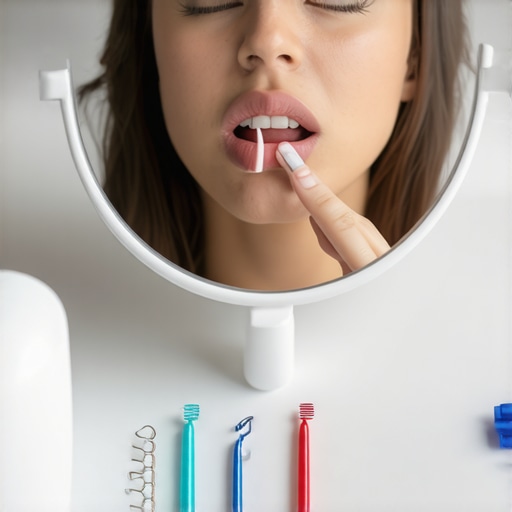
    If a sudden toothache hits, start by rinsing your mouth with warm water to flush out debris. Gently floss around the affected tooth to remove any trapped food. Applying a cold compress to your cheek can reduce swelling and numb pain. For persistent discomfort, taking over-the-counter pain relievers like ibuprofen can offer temporary relief, but ensure you follow the dosage instructions carefully. I remember once using a cold tea bag pressed against my molar during a trip, which surprisingly helped numb the pain until I could see a dentist.

    Assess the Damage and Keep the Area Clean

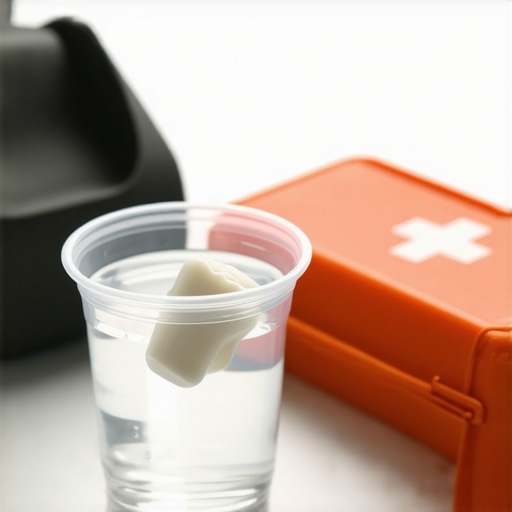
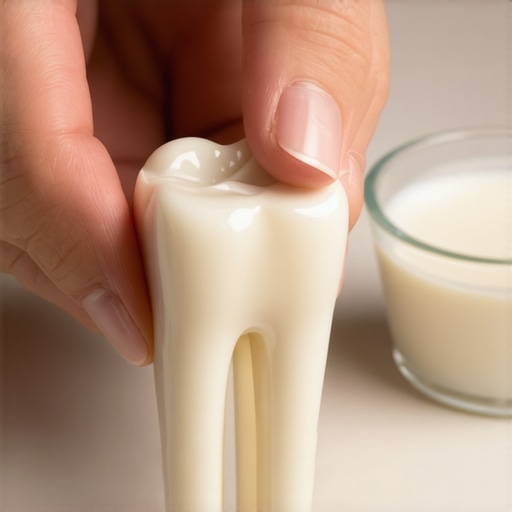
    Careful examination helps determine if there’s visible damage like chips, cracks, or bleeding. If a piece of your tooth is broken, save it in milk or saliva—these preserve the tissue better for potential reattachment. Use a soft toothbrush or gauze to gently clean the affected area, avoiding aggressive scrubbing that could worsen the injury. Remember, just as a crown functions like a miniature armor for your tooth, maintaining the integrity of your dental structures is crucial for avoiding further damage. For more insights on crowns and their importance, visit this guide.

    Temporary Solutions to Protect Your Tooth

    If a crown or filling pops off, don’t panic. You can temporarily secure a loose crown with over-the-counter dental cement available at pharmacies. For minor chips, a dental wax can shield sensitive areas from sharp edges. Remember, these are short-term fixes to prevent worsening, not permanent solutions. When I had a crown loosen during dinner, I carefully applied a small dab of temporary cement (from a kit I kept in my travel bag) and avoided chewing on that side. This kept me comfortable and protected until I reached professional care.

    Finding Dental Help Abroad

    Locate nearby dental clinics or hospitals—consider contacting your hotel concierge, tourist centers, or using online maps with reviews. Before consulting, prepare a list of symptoms and any relevant medical history. When speaking to providers, be clear and concise about your issues; using simple language or translation apps can bridge language barriers. If you’re in a country with language differences, having a printed summary of your dental history and photos of the problem can expedite care. Remember, timely professional intervention can save your tooth and prevent infections, much like how proper maintenance extends the lifespan of your dental crowns, detailed at this resource.

    Maintain Oral Hygiene Despite the Discomfort

    While dealing with pain, continue gentle oral hygiene practices to prevent plaque buildup and infection. Use a soft-bristled toothbrush and avoid vigorous brushing that might aggravate tender gums or exposed roots. Rinsing with a mild saltwater solution can promote healing and reduce bacteria. Just as consistent teeth cleaning at home is vital for family health, maintaining oral hygiene in emergencies supports recovery. For effective home practices, see this article.

    Plan for Follow-Up Care

    Once the immediate emergency is managed, schedule a visit with a dentist—preferably one experienced in family dentistry—to evaluate and treat the root cause. Whether it’s adjusting a crown, treating an infection, or repairing damage, Professional dental treatment ensures your oral health returns to optimal. Remember, these step-by-step actions are interim measures; professional care guarantees long-term solutions, similar to how routine check-ups and proper crown maintenance preserve their functionality over time. Keeping calm and acting systematically ensures your smile stays healthy, no matter where you are.Many people believe they understand dental care because they’ve heard the basics, but in reality, misconceptions about family dentistry, crowns, and teeth cleaning can undermine your oral health. One widespread myth is that all dental crowns are the same; however, different materials serve distinct purposes, and choosing the right one can dramatically affect longevity and aesthetics. For example, zirconia crowns are highly durable and suitable for molars, while porcelain porcelain offers a more natural look for front teeth. Contrary to popular belief, regular teeth cleaning is not just about fresh breath—it’s a critical step in preventing tartar buildup that leads to gum disease. Yet many skip professional cleanings, thinking brushing at home suffices. It’s worth noting that neglecting to understand the nuances of oral health can lead to advanced issues, such as unseen decay or early gum recession which could have been addressed promptly with targeted care.

    What advanced techniques in family dentistry are often overlooked by general practitioners?

    Many assume that basic cleaning and fillings cover all necessary care, but specialists employ techniques like laser gum therapy and CAD/CAM restorations that offer less invasive options and better long-term results. Studies, such as one published in the Journal of Clinical Dentistry, highlight that minimally invasive procedures preserve more natural tissue, resulting in healthier outcomes. Awareness of these innovations can empower you to ask the right questions when selecting a dental provider, ensuring your family benefits from cutting-edge care rather than outdated methods. Moving beyond myths, it’s essential to recognize the importance of maintenance for crowns. Proper care, like avoiding abrasive toothpaste or hard foods, can extend their lifespan—details discussed in this comprehensive guide on crowns maintenance. Always remember, your dental health is a lifelong investment, best protected by understanding the subtle differences that make all the difference. Have you ever fallen into this trap? Let me know in the comments.Maintaining your smile’s health over the years isn’t just about brushing and flossing; it requires the right tools and a strategic approach. I personally swear by a few key items that help me keep my crowns, teeth cleaning routines, and overall oral health in top shape. A high-quality electric toothbrush, like the Sonicare DiamondClean, offers superior plaque removal compared to manual brushes, thanks to oscillating and sonic technology. I find it especially effective at reaching those tricky back molars, which are often neglected. Pairing this with a water flosser—such as the Waterpik Ultra—has transformed my daily routine by effortlessly dislodging debris from between my teeth and around crowns, reducing the risk of decay and gum disease.

    How do I maintain dental tools over time?

    Proper cleaning and replacement are vital; I wash my electric brush heads weekly and replace them every three months to prevent bacteria buildup, aligning with expert advice from dental specialists. Additionally, I use a tongue scraper daily, which not only freshens my breath but also helps reduce bacterial colonies. Regularly checking my tools for wear and tear ensures they function effectively and prevents injury. Looking ahead, technological advancements like AI-driven toothbrushes and app-connected monitoring systems are shaping a future where personalized oral care is accessible to everyone. Imagine your toothbrush analyzing plaque levels and guiding your brushing technique—it’s closer than you think!

    What tips can help your dental maintenance stay effective long-term?

    Incorporate routine examinations and professional cleanings into your schedule at least twice a year, even if you’re diligent at home. Don’t forget to follow personalized advice from your dentist about product compatibilities, especially when wearing crowns or veneers, to prevent damage. For example, avoiding abrasive toothpaste that can scratch ceramic surfaces is crucial—a tip detailed in this guide. Remember, consistency is key: using the right tools properly, maintaining them regularly, and combining them with professional care offers the best shot at long-lasting oral health. I encourage you to try integrating a water flosser into your routine as a simple yet powerful upgrade—your gums will thank you! For more personalized tips tailored to your family’s needs, consider consulting your dental provider or visiting our contact page.

    Over time, I’ve realized that the most profound insights come not just from professional advice but from personal experiences. Dealing with dental emergencies in unfamiliar environments has taught me lessons that are hard to find in textbooks. For instance, trusting my gut to seek immediate help, even when the language barrier seemed daunting, often made the difference between a minor fix and a major complication. Additionally, maintaining a small travel kit with essentials like temporary dental cement and pain relievers has saved me on more than one occasion. These moments underscored the importance of preparation and a proactive attitude in protecting my oral health while exploring new places.

    Another vital lesson was understanding that not all dental providers are the same. Doing a quick check on reviews and asking the right questions helped ensure I received quality care promptly. I also learned that maintaining open communication, using translation apps or simple diagrams, can bridge language gaps effectively, making sure I get the treatment I need without unnecessary delays. These experiences have cemented my belief that empowerment and knowledge are your best tools when facing dental emergencies during travel.

    Perhaps my most unexpected takeaway was realizing how vital regular dental check-ups are—even when healthy. Preventive visits and proper home care routines noticeably reduced the frequency and severity of emergencies, reinforcing that investing in ongoing dental health can save you from panic moments abroad. So, my advice is clear: equip yourself with essential knowledge, prepare a basic emergency kit, and stay vigilant about your oral health—because a confident smile is your best passport to enjoying every adventure.

    My Essential Toolkit for Managing Dental Emergencies Still Abroad

    • High-quality portable dental cement—trust me, it’s a game-changer for loose crowns or fillings.
    • Pain relievers like ibuprofen—helps manage discomfort until professional help is accessible.
    • A compact mirror and flashlight—aids in inspecting the damage discreetly.
    • A stash of sugarless gum or wax—perfect for temporarily sealing exposed nerves or fixing loose orthodontic appliances.
    • A list of nearby dental clinics, with addresses and reviews—prepared before your trip pays off in emergencies.

    What I Wish I Knew About Dental Safety Before I Traveled

    I wish I had understood how crucial it is to verify the credentials and reviews of local dentists beforehand. Not all providers have the same standards, and a quick online check can avoid potential mishaps. Also, learning a few key phrases about symptoms and treatments in the local language can expedite care and reduce misunderstandings, making the entire experience less stressful. This proactive approach transforms fear into confidence and ensures you’re better prepared for what might come unexpectedly.

    Step Up Your Smile Game Right Now

    Take charge of your dental health today, whether at home or on the road. Keep a close eye on regular routines like brushing with quality tools, flossing, and scheduling professional check-ups. Incorporate the tips from this journey to stay vigilant and proactive—your smile is a powerful asset that deserves unwavering care. Remember, a little preparation goes a long way in preventing stressful moments and keeping your confidence shining bright wherever life takes you. What’s one item you would add to your travel dental kit that you haven’t tried yet? Share your thoughts below and start building your emergency plan today!

  • What to do if your child chips a front tooth on the playground

    What to do if your child chips a front tooth on the playground

    It was a typical Saturday afternoon, and I was watching my little one climb higher than usual on the jungle gym. Suddenly, a loud cry sliced through the playground noise. My heart sank as I saw her clutching her mouth, a little front tooth chipped cleanly. That moment seared into my memory—a vivid reminder of how quickly things can go from fun to frightening. Like many parents, I felt a mix of panic and guilt, questioning if I was prepared for such emergencies.

    Getting to the Root of the Problem: Why Quick Action Matters

    Having navigated that stressful situation myself, I quickly realized one thing: parents often don’t know the first steps to take when their child’s smile gets marred in an instant. A chipped front tooth isn’t just a cosmetic issue; it can impact your child’s confidence and oral health moving forward. Prompt and appropriate action can prevent further damage, reduce pain, and help restore that adorable smile.

    Is Seeking Emergency Dental Care Really Necessary for a Small Chip?

    Early in my experience, I made the mistake of thinking a tiny chip wasn’t urgent enough for a dentist visit, especially if the child isn’t in pain. Turns out, even minor chips can hide problems beneath the surface, such as nerves exposed or cracks deep within the tooth. According to the American Dental Association, addressing dental injuries swiftly can prevent infections and more complex issues later. If you’re unsure, it’s always better to consult an expert to assess whether immediate care is needed.

    Now that we’ve covered why quick, informed responses are critical, let’s explore practical steps to handle such dental emergencies effectively—and ensure your child’s little smile stays bright and healthy.

    Assess the Damage Quickly to Prevent Further Injury

    When your child’s tooth chips, the first step is to evaluate the severity. Check if the chipped piece is intact and whether it’s sharp or causing discomfort. Use a clean cloth or gauze to stop any bleeding. I remember the time my son accidentally chipped his front tooth on a playground; I immediately examined the damage and noticed a sharp edge, so I gently rinsed his mouth with warm water to clear debris.

    Control Pain and Swelling with Basic Remedies

    Apply a cold compress or ice pack wrapped in a cloth to your child’s cheek on the affected side. This reduces swelling and numbs pain. Administer over-the-counter pain relievers suitable for children, following dosage instructions. In my experience, holding an ice pack for about 15 minutes helped my daughter cooperate better before heading to the dental office.

    Ensure Safe Food and Oral Care Practices

    Stick to soft foods to avoid aggravating the chip. Avoid chewing on the damaged side and steer clear of hot, cold, or sugary drinks that can trigger sensitivity or worsen the injury. Gently brushing around the area prevents plaque buildup without causing additional irritation. Regularly maintaining an oral health routine, like the one we follow daily, supports your child’s recovery and long-term dental wellness. For more tips, visit oral health routines.

    Seek Professional Dental Evaluation Promptly

    Contact your family dentist immediately for an appointment. Dentists can determine if the chip requires a filling, crown, or other restoration. During my son’s visit, the dentist performed a visual examination and took X-rays to check for unseen damage. Quick professional assessment is crucial because even minor chips can hide cracks or expose nerves, increasing the risk of infection. Knowing when to act fast ensures your child’s oral health isn’t compromised long-term. Consider reading about crowns and teeth cleaning to understand available restorative options.

    Temporary Fixes to Minimize Further Damage

    If a broken piece is available and can be found, store it in a clean container with milk or saliva to preserve it until your dental visit. Avoid trying to glue or fix the tooth at home, as improper do-it-yourself repairs can cause harm. For minor chips, using orthodontic wax can cover sharp edges temporarily, reducing discomfort for your child. Remember, these are stop-gaps; professional treatment is necessary for permanent solutions.

    Stay Prepared for Future Unexpected Dental Incidents

    Having a dental emergency kit prepared can save valuable time. Include gauze, a small container for broken tooth pieces, and oral pain relief options. Regular check-ups and practicing good oral hygiene, such as using effective home cleaning practices, decrease the likelihood of injury. Advanced preventive care, like crowns and sealants, can add extra protection to vulnerable teeth. These measures build resilience against future mishaps, securing your child’s confident smile.

    Many people believe they know enough about dental health, but in reality, some misconceptions can hinder their oral wellness. For instance, a widespread myth is that if your teeth don’t hurt, there’s no need for professional cleaning. In truth, regular professional cleanings are vital, as studies show they significantly reduce plaque buildup and prevent gum disease, even when you feel fine. Skipping routine visits can lead to accumulation of tartar and early signs of periodontal issues, which are often silent but damaging. For thorough oral hygiene, incorporating daily routines such as effective brushing and flossing is crucial, but should be complemented by professional care. According to research from the American Dental Association, consistent cleanings can help you maintain healthier teeth and gums over a lifetime. Beware of the misconception that whitening treatments can replace regular dental checkups; while whitening can improve aesthetics, it doesn’t address underlying problems like decay or gum disease. When considering crowns, many assume they are only for aesthetic enhancement, but they also serve to restore function and prevent further damage to compromised teeth. More information on caring for crowns can be found here. Common mistakes include using abrasive toothpaste or homemade remedies that can damage dental restorations or enamel. Instead, opt for gentle, fluoride-containing toothpaste and consult your dentist before trying any DIY treatments. Additionally, some believe that once a crown is placed, no further maintenance is necessary; however, crowns require regular checkups to ensure they remain securely bonded and properly aligned. Ignoring signs of loosening or wear can lead to more complex and costly repairs. Collectively, these misconceptions can have long-term impacts on oral health, emphasizing the importance of reliable, evidence-based dental advice. Stay informed and proactive in your dental care routines, and don’t hesitate to ask your family dentist about personalized strategies to keep your family’s smiles healthy and bright. Have you ever fallen into this trap? Let me know in the comments.Maintaining your family’s oral health requires more than just brushing and flossing daily; it involves utilizing the right tools and adopting effective routines that ensure your investment in dental care pays off over time. One of my personal go-to tools is the electric toothbrush, specifically models with oscillating-rotating technology like the Philips Sonicare. I find it superior in removing plaque compared to manual toothbrushes, especially in hard-to-reach areas like the back molars. Its built-in timers also help ensure you brush for the recommended two minutes, which is crucial for long-term health. Additionally, I recommend investing in high-quality floss or water flossers such as the Waterpik Aquarius. These tools are more effective at dislodging plaque between teeth than traditional floss, especially for individuals with braces or crowns. Regular use can significantly reduce the risk of gum disease and decay around restorations. When it comes to maintaining crowns and other restorations, I personally follow the guidelines outlined in this comprehensive approach. Proper cleaning around crowns prevents bacteria accumulation and prolongs their lifespan. For routine check-ups, I use professional-grade photography tools like intraoral cameras, which allow me to detect issues early and demonstrate them clearly to my patients. Seeing is believing, and these visuals enhance patient compliance. Looking ahead, trends indicate increased adoption of AI-powered diagnostics and 3D imaging for even more precise treatments. To keep your family’s dental health resilient, I suggest integrating these tools into your routine and scheduling regular professional cleanings—studies show they’re vital for preventing periodontal issues here. How do I maintain my dental tools over time? Regularly replace brush heads every three months, clean and disinfect water flossers after each use, and schedule bi-annual dental visits for professional maintenance. A simple but effective tip is to store your toothbrush upright in a holder that allows airflow, preventing mold growth—a small step that makes a big difference. Consider trying a UV sanitizing device for your toothbrush once a week to eliminate bacteria build-up and ensure optimal hygiene. This small investment can greatly enhance the longevity and effectiveness of your cleaning tools, safeguarding your family’s smiles for years to come.

    What I Never Knew About Quick Action and Child Dental Emergencies

    When my child chipped her front tooth unexpectedly, I realized that my previous assumptions about dental injuries were limited. The most valuable lesson was that immediate, knowledgeable responses can drastically change the outcome, avoiding long-term damage and preserving confidence. Trust me, understanding the true urgency and knowing exactly what steps to take turned a terrifying moment into an opportunity for proactive care.

    Tools, Tips, and Techniques That Saved the Day

    Having a well-stocked emergency kit with items like gauze, a small container for storing broken tooth pieces, and a cold compress ready made a world of difference. Professional advice from trusted sources like effective home cleaning practices reinforced the importance of swift action. Remember, home remedies can help temporarily, but professional dental evaluation is indispensable for long-term health.

    Why Regular Care and Myth-Busting Are Crucial

    Throughout my journey, I uncovered common misconceptions—like the idea that small chips can be ignored—that I wish I had known earlier. Regular checkups, understanding the real benefits of crowns, and debunking myths about whitening treatments all contribute to sustained oral health. Educating yourself enables better decision-making and empowers you to protect your family’s smiles for years to come.

    Insider Wisdom From Personal Lessons

    • Highlighting the importance of immediate professional assessment: Don’t delay if your child experiences a dental injury; swift evaluation can prevent complex problems later.
    • Recognizing the actual risks of minor chips: Even a seemingly insignificant chip might expose nerves or cause cracks that aren’t visible at first glance.
    • Adapting home routines for emergencies: Simple tools and knowledge make temporary fixes safe and effective until professional help arrives.
    • Debunking myths that hinder preventive care: Regular cleanings and understanding crown longevity have been game-changers for my family’s lifelong dental resilience.

    My Top Picks for Staying Prepared and Informed

    Embrace Your Role in Your Family’s Dental Journey

    Taking charge of emergency situations with confidence and knowledge is empowering. Small steps—like keeping a dental emergency kit, scheduling regular checkups, and staying informed—amplify your family’s oral health and happiness. Remember, your proactive choices today will shape brighter, healthier smiles tomorrow.

    How prepared do you feel for dental emergencies in your family? Share your experiences or questions below—I’d love to hear your thoughts!

  • The hidden danger of using toothpicks to remove stuck food

    The hidden danger of using toothpicks to remove stuck food

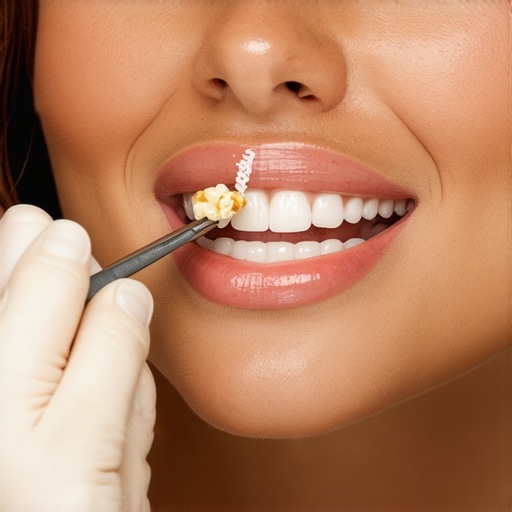
    I still remember the moment vividly—that uncomfortable scrape followed by a sudden sharp pain between my teeth. It was late at night, and I was trying to get that stubborn piece of popcorn out of my back molar, so I grabbed a toothpick. Little did I know, that simple act would be a wake-up call about a hidden danger lurking in many households. Using toothpicks to clean between teeth might seem harmless—or even therapeutic—but it can actually cause more harm than good.

    Why Relying on Toothpicks Can Be Risky

    When I first started noticing bleeding gums and increased sensitivity, I thought I just needed a better brushing routine. But after a bit of research and a chat with my dentist, I discovered that my frequent use of toothpicks might be contributing to the problem. Toothpicks can easily slip and puncture or damage your gums, leading to infections and even loosening of your teeth over time. It’s a common misconception that a toothpick is a safe tool for food removal, but in reality, it can be quite destructive if not used carefully.

    Is Using Toothpicks Actually Worth the Risk?

    Initially, I believed that a quick poke with a toothpick was the best way to avoid more serious dental issues. However, I made a mistake early on—thinking that using a toothpick was equally as safe as flossing or brushing. The truth is, toothpicks can cause micro-tears in your gum tissue, providing entry points for bacteria, which could lead to inflammation or periodontal disease. A study published by the American Dental Association highlights the importance of proper oral hygiene practices and warns against using sharp objects that can damage our delicate gums and enamel.

    If you’ve ever faced that awkward moment of trying to dislodge food stuck stubbornly between your teeth and wondered if toothpicks are the right tool, you’re not alone. However, there are safer, more effective methods to keep your teeth clean and healthy. Next, let me show you some practical steps to avoid the hidden dangers of toothpicks and safeguard your smile for years to come.

    Switch to Flossing for Superior Cleanliness

    Instead of reaching for a toothpick, grab a piece of dental floss. Wrap about 18 inches around your fingers, gently slide it between your teeth, curving it around each tooth in a C-shape, and glide it up and down. This method effectively removes plaque and food debris without damaging your gums, unlike toothpicks which are too rigid and can cause micro-tears. I once tested this with a spool of floss during a late-night routine and noticed immediate improvement in gum firmness and reduced bleeding. Regular flossing not only cleans better but also promotes overall oral health as highlighted in this guide.

    Use interdental brushes for tight spaces

    If your teeth are closely packed, narrow interdental brushes can be your best friend. Gently insert the brush between teeth, moving it back and forth. This tool reaches places that floss might miss, especially around crowns or bridges, and helps prevent plaque buildup. I personally used one to clean around my new crown after a dentist appointment, which kept the area spotless and free of irritation. For effective usage tips and descriptions of suitable brushes, visit this resource.

    Master the art of tongue scraping

    Often overlooked, your tongue can harbor bacteria that cause bad breath and affect oral hygiene. Using a tongue scraper—gently pull it from the back to the tip—can significantly improve overall cleanliness and freshen your breath. I incorporated this step into my routine after a messy but enlightening experiment, and immediately felt my mouth fresher and cleaner. Regular scraping helps dislodge bacteria and food particles, complementing your flossing and brushing efforts. Discover more about maintaining a comprehensive oral health routine at this comprehensive guide.

    Consider water flossers for a gentle alternative

    If traditional flossing feels cumbersome, water flossers offer a soothing and effective alternative. Aim the water jet at your gumline and between teeth, moving in small circles. They are especially helpful for those with braces, implants, or sensitive gums. I tried one during a family dental session, and it transformed my cleaning experience—leaving me with healthier gums and a more confident smile. Water flossers are praised in this article for their simplicity and efficacy.

    Prioritize regular professional cleanings

    While home techniques are vital, nothing replaces professional dental cleanings. Schedule biannual visits with your dentist or hygienist, who can remove tartar buildup and detect early signs of gum disease or cavities. I learned this the hard way when neglecting these visits led to minor gum issues that worsened over time. Professional cleanings also help maintain the health of crowns and restorations, ensuring longevity. Check out this resource for understanding the importance of routine dental visits.When it comes to maintaining oral health, many individuals operate based on myths or outdated assumptions that can hinder their progress. One prevalent misconception is that regular brushing alone suffices for comprehensive oral care, neglecting the critical role of professional cleanings and specialized procedures like crowns. Contrary to popular belief, home care, while vital, cannot replace the deep cleaning and assessment provided by experts, which are essential for long-term health, as highlighted in this study. Many assume that all dental crowns are a permanent fix; however, misunderstanding the nuances of crown materials and placement can lead to early failures or aesthetic issues, a topic extensively covered here. One common trap is believing that teeth whitening and cosmetic procedures are solely for appearance—neglecting their importance for overall health and confidence, which are interconnected. What’s often overlooked is the advanced mistake of undervaluing the importance of consistent oral hygiene routines tailored for individual needs, especially in families where age and health conditions vary. For example, children and seniors require different approaches, and understanding these nuances can prevent costly or uncomfortable interventions later. An advanced question to consider: How do variations in saliva composition influence the longevity of crowns and implants? Research indicates that saliva plays a significant role in oral biochemistry, affecting the durability of restorative materials, as discussed in this expert advice. Avoiding the ‘one-size-fits-all’ mentality in dental care is crucial; personalized strategies, including specific cleaning techniques and regular assessments, significantly improve outcomes. If you’re approaching dental health with a singular mindset, it might be time to reconsider your approach. Are you practicing enough preventative care, or are you unknowingly setting yourself up for frustration? Regular professional checkups are not just about treatment—they’re about preempting issues before they escalate, keeping your family’s smiles healthy and confident for years to come. For tailored advice, don’t hesitate to reach out to a specialist. Remember, knowledge is power, and understanding these hidden nuances can make all the difference in preserving oral health.

    Maintaining a healthy, radiant smile over the years requires more than just good habits; it demands the right tools and methods that are both effective and sustainable. As someone deeply invested in family dentistry and the longevity of dental restorations like crowns, I’ve curated a set of equipment and routines that truly make a difference. Investing in quality tools not only ensures thorough cleaning but also prevents issues from progressing, saving you time and money in the long run.

    Choosing the Right Electric Toothbrush for Precision and Comfort

    My personal favorite is the Oscillating-Rotating Electric Toothbrush. Its superior plaque removal capabilities, especially around crowns and bridges, are well-documented. I prefer models with a pressure sensor to prevent gum damage and multiple brushing modes that cater to sensitive areas. Regularly replacing brush heads is essential; I follow the manufacturer’s recommended schedule—typically every three months—to maintain optimal cleaning efficiency. These brushes have become invaluable in my daily routine, complementing the deeper clean that manual brushing can’t achieve.

    Water Flossers as a Gentle Alternative to Traditional Floss

    For those with crowns, implants, or sensitive gums, I recommend the Water Flosser. I personally use the Waterpik Ultra, which delivers targeted pulsating water streams that clean below the gumline without abrasive scrubbing. It’s especially effective around crowns and bridges where floss might struggle. Setting the pressure to a lower wattage initially helps acclimate sensitive tissues, and I’ve observed a significant reduction in bleeding since incorporating it into my routine. Regular use of water flossers helps maintain soft tissue health and prolongs the lifespan of restorations. For more detailed guidance on effective home practices, check out this resource.

    Implementing Tongue Scraping for Enhanced Breath Freshness

    An often overlooked step, tongue scraping has transformed my daily routine. Using a stainless steel scraper, I gently pull from back to front, dislodging bacteria that cause bad breath and contribute to plaque buildup. It’s a simple addition that yields noticeable benefits—fresher breath and improved overall oral hygiene. Consistency is key; incorporating it right after brushing maximizes its benefits. This practice supports healthier gums and helps maintain the integrity of crowns, which can be sensitive to plaque accumulation. More about comprehensive oral routines can be found here.

    The Future of Dental Tools: Smart Tech and Beyond

    Looking ahead, I predict that integrating smart technology into dental tools will revolutionize home care. Devices that sync with smartphone apps to monitor brushing habits, pressure, and coverage will empower users to achieve better results consistently. Imagine a toothbrush that provides real-time feedback and personalized suggestions—this is not far off. Staying ahead involves investing now in quality, tech-enabled tools and maintaining regular professional cleanings, which are irreplaceable for catching early issues. For those curious about ongoing advancements, consulting with a family dentist can help determine which emerging technologies are most beneficial.

    How do I keep my tools working optimally over time?

    The secret lies in consistent maintenance and proper storage. Rinsing and drying electric toothbrush heads after each use prevents bacterial growth, and replacing them promptly ensures effective cleaning. Water flossers should be emptied and kept dry when not in use to avoid mold. Your toothbrush and flossing tools should always be stored upright in a well-ventilated holder, away from bathroom sinks where bacteria thrive. Regularly inspecting your equipment for wear and tear—such as frayed bristles or cracks—prevents damage to your gums and restorations. Moreover, scheduling routine professional cleanings, like those detailed in this article, ensures your tools and your oral health stay on point. Embrace these maintenance habits, and your tools will serve you well for years, keeping your smile thriving.

    Remember, maintaining your dental tools isn’t just about hygiene—it’s about protecting your investment in a lifelong healthy smile. Try incorporating a weekly deep-clean routine for your devices or replacing your toothbrush heads ahead of schedule; small actions make a big difference. For tailored advice on keeping your crowns, implants, and other restorations in top condition, don’t hesitate to reach out to a specialist. Let’s keep your smile working beautifully, today and tomorrow.

    The Hardest Lesson I Learned About Family Dentistry, Crowns, Oral Health, and Teeth Cleaning

    One revelation that profoundly shifted my approach was realizing that even the simplest routines, like brushing or flossing, require a nuanced understanding. I once believed that regular brushing was enough, but discovering the intricate ways saliva, diet, and tool maintenance impact dental longevity opened my eyes to the importance of a tailored dental routine. This insight reminded me that genuine oral health is a continuous journey, not just a quick fix.

    Curated Resources for Caring and Maintaining Happy Smiles

    My go-to resource is the impact of regular teeth cleaning guide, which emphasizes proactive care. For choosing the right tools, I trust expert advice on crowns and teeth cleaning—it’s a goldmine of practical tips. When exploring options for at-home routines, effective home practices have consistently kept my family’s smiles bright. Lastly, for personalized care, never hesitate to reach out to a trusted specialist—your long-term health depends on expert guidance.

    Your Smile, Your Legacy—Take Action Today

    Remember, your commitment to regular, informed family dentistry, crowns, and oral health is an investment in your family’s confidence and happiness. Small, consistent steps—like using the proper tools, scheduling routine checkups, and embracing new habits—can translate into lifelong benefits. Don’t wait for issues to arise; start today, and watch your smiles flourish. How will you incorporate these insights into your family’s dental routine this week? Let me know below—your journey inspires others to do the same.

    .

  • How to tell if your jaw pain is actually a dental emergency

    How to tell if your jaw pain is actually a dental emergency

    It was just another evening of flossing my teeth after dinner when I suddenly felt a sharp, shooting pain in my jaw. My first instinct was to brush it off—probably just a muscle soreness from chewing too hard. But as minutes ticked by, the discomfort deepened, and I started to wonder, could this be something more serious? That lightbulb moment made me realize how tricky it can be to tell whether jaw pain warrants an urgent trip to the dentist or if I can wait it out.

    Why Recognizing the Signs of a Dental Emergency Matters

    Jaw pain isn’t always straightforward. Sometimes, it’s a minor annoyance caused by temporary strain or even a pesky cavity. Other times, it signals a genuine dental emergency that needs immediate attention. Knowing the difference is crucial because delaying treatment for serious issues, like an infected tooth or an abscess, can lead to severe complications, including the spread of infection or even tooth loss. Conversely, mistaking a minor discomfort for an emergency might lead to unnecessary panic and costly visits.

    Early in my career as a dental enthusiast, I made the mistake of ignoring persistent jaw pain, dismissing it as a sign of tired muscles. Unfortunately, this delay meant my problem worsened, leading to a more complicated and expensive treatment. That experience taught me to pay close attention to the warning signs and to educate others on how to tell if their jaw pain is a situation that can’t wait.

    Is Your Jaw Pain Actually Worth the Hype?

    Many people assume that all jaw discomfort is just a minor issue. But the truth is, some symptoms can escalate rapidly. For example, swelling, fever, or a sudden onset of intense pain might indicate an infection needing urgent care. Don’t ignore these signs—they could be the difference between saving your tooth or facing a more invasive procedure. If you’re ever in doubt, it’s better to consult your family dentist right away. For reliable info on maintaining oral health, check out the impact of regular teeth cleaning.

    Understanding when jaw pain is just a passing discomfort and when it’s a red flag is a skill worth developing. Whether you deal with occasional achiness or persistent ache, being informed can prevent minor issues from becoming major problems.

    Prepare Your Workspace for Effective Cleaning

    Start with choosing the right tools: a soft-bristled toothbrush, fluoride toothpaste, dental floss, and an antibacterial mouthwash. Clear your sink area to have easy access to everything. As I did during my first serious attempt, lay out all items within arm’s reach to streamline the process and avoid interruptions. This prep minimizes distractions and ensures a thorough clean.

    Master Proper Brushing Techniques

    Use Gentle Circular Motions

    Apply a pea-sized amount of fluoride toothpaste to your brush. Place the brush at a 45-degree angle to your gum line and use gentle, circular motions. I once found that pressing too hard caused gum soreness, so I switched to light, controlled strokes—they clean effectively without damage. Think of your toothbrush as a soft paintbrush – gentle strokes paint a clean picture of oral health.

    Cover Every Surface

    Make sure to brush all sides of your teeth: front, back, and biting surfaces. Don’t rush; spend about two minutes to cover each quadrant. When I started timing myself, I realized I was brushing only half the time. Consistent, even brushing prevents plaque buildup, especially in hard-to-reach areas.

    Remove Plaque with Precision Flossing

    Take about 18 inches of floss and wind it around your middle fingers. Gently slide the floss between your teeth, curving it into a C-shape around each tooth. Use a gentle back-and-forth motion to dislodge plaque. I used to neglect flossing on one side and noticed cavities forming there. Regular flossing reaches areas your brush can’t, reducing the risk of cavities and gum disease.

    Rinse and Reach for Antibacterial Help

    After brushing and flossing, rinse thoroughly with mouthwash. Choose an antibacterial rinse to reduce bacteria, much like a germ-fighting shield. When I added mouthwash to my routine, I felt my breath freshen significantly, and my mouth felt cleaner longer. Swishing for 30 seconds ensures all residual plaque and bacteria are addressed.

    Integrate Special Care for Crowns and Sensitive Areas

    If you have crowns or sensitive teeth, use tools recommended by your dentist. Soft interproximal brushes or special floss designed for bridges can clean around crowns without damaging them. I learned this the hard way after a crown repair; using the wrong tools caused discomfort. Regularly check with your dentist at https://periodontistcare.com/expert-advice-on-crowns-and-teeth-cleaning-for-lasting-results to tailor your routine.

    Establish a Routine and Stick to It

    Consistency beats intensity. Make teeth cleaning twice daily a non-negotiable habit, similar to watering plants every morning. Set reminders, or align it with certain daily events, like after breakfast and before bed. When I created a schedule, I noticed my oral health improved, and visits to the dentist became less frequent.

    Supplement Home Care with Professional Cleanings

    While diligent home routines are vital, periodic professional cleanings prevent tartar buildup and detect issues early. Schedule visits at least twice a year through https://periodontistcare.com/contact-us to maintain a radiant, healthy smile. Remember, even the best home routines can’t replace professional expertise but complement them for optimal results.

    Many people believe that brushing vigorously is the key to a white, healthy smile, but in reality, aggressive brushing can damage enamel and gum tissue, leading to sensitivity and recession. A more nuanced approach involves gentle, thorough cleaning, focusing on technique rather than force. Another misconception is that flossing is optional or only necessary for people with visible plaque; however, flossing reaches areas that brushing can’t, preventing cavities and gum disease. Interestingly, some think that professional cleanings are only necessary if problems arise, but routine visits are crucial for early detection and maintenance, as emphasized by dental experts. A common myth also is that crowns and restorations don’t require special care, but in fact, improper cleaning around crowns can cause decay or damage. Advanced mistakes include neglecting the importance of proper tools—using hard-bristled brushes or abrasive agents can wear down restorations and natural teeth. Did you know that some believe quality dental work can last forever without maintenance? In reality, crowns and restorations need proper hygiene and periodic checkups to ensure longevity. For example, studies have shown that consistent, technique-focused home care combined with professional assistance significantly prolongs the life of dental restorations and maintains overall oral health. So, what about the idea that natural remedies are better than clinical treatments? While home practices are essential, they can’t replace professional interventions when issues like decay or crown wear occur. To truly maximize your dental investment, embrace both expert advice and rigorous at-home routines. Have you ever fallen into this trap? Let me know in the comments! For a deeper dive into effective home practices that complement your professional care, check out these teeth cleaning secrets. Remember, understanding and avoiding these misconceptions helps you safeguard your smile for years to come. Regular consultations at your family dentist are the cornerstone of lasting oral health.

    Maintaining an optimal oral health routine requires more than just brushing and flossing. The right tools and methods can significantly enhance your results and ensure your smile stays healthy over the long term. Personally, I recommend investing in an electric toothbrush, specifically models like the Sonicare ProtectiveClean 6100. The sonic technology provides consistent, high-frequency brushing that surpasses manual efforts in plaque removal, especially in hard-to-reach areas. Its built-in timer encourages a full two-minute clean, which I found crucial for thoroughness. Plus, the pressure sensors prevent me from brushing too hard, safeguarding my gums from recession. For those with crowns or sensitive areas, I suggest using adjuncts like specialized interdental brushes. Brands such as GUM Soft Picks are gentle but effective at cleaning around restorations without risking damage. Incorporating water flossers, like the Waterpik Aquarius, also revolutionized my cleaning process. Their pulsating streams dislodge debris effectively where traditional floss might miss, particularly in tight spaces or around implants. In addition, I personally use an antimicrobial rinse post-brushing to reduce bacterial load, helping prevent plaque buildup and freshen breath. As technology advances, I predict that smart toothbrushes integrated with app-based coaching will become standard, providing real-time feedback and personalized recommendations. To ensure these tools deliver lasting benefits, establish a routine of replacing your toothbrush head every three months or sooner if bristles fray, as recommended by leading dental professionals. Regular professional cleanings, combined with these advanced tools, create a synergy that prolongs the life of your crowns and preserves your gum health. For personalized advice, consult your family dentist regularly and explore tailored strategies at their contact page. Remember, the right equipment paired with consistent technique transforms routine oral care into a long-term investment in your smile’s future. So why not try upgrading your toothbrush or adding an interdental cleaner today? These small adjustments can make a significant difference in your oral health journey.

    Striking Realizations Behind Small Dental Signs

    One lightbulb moment was discovering how subtle jaw pain can hide serious issues like infections or abscesses. Ignoring persistent discomfort nearly cost me a tooth, reminding me that early recognition beats costly treatments. Shockingly, even minor bleeding gums can signal underlying problems that need prompt attention, not just brushing off as sensitivity.

    I learned that routine home care isn’t enough; professional cleanings play a crucial role in preventing unseen tartar buildup that can lead to gum disease. The most unexpected lesson? That overzealous brushing can damage enamel more than neglecting it, emphasizing gentle, effective techniques over force.

    My Go-To Tools for Dental Confidence

    Investing in an electric toothbrush like the Sonicare ProtectiveClean 6100 revolutionized my routine, offering consistency and minimizing gum damage. Interdental brushes, specifically brands like GUM Soft Picks, complement flossing by reaching tight spaces without hurting delicate gums. A water flosser like Waterpik Aquarius has become indispensable, especially around crowns and implants, ensuring comprehensive cleaning. I also trust antibacterial rinses to keep bacteria at bay, enhancing fresh breath and oral health.

    For extra care, soft interproximal brushes recommended by my dentist help me maintain crowns and sensitive areas without risk. Exploring these tools has made my dental routine more efficient, enjoyable, and effective, proving that investing in quality equipment pays off in longevity and confidence.

    Embracing Change and Sharing Confidence

    It’s vital to understand that maintaining a healthy smile involves continuous learning, adapting, and sharing experiences. If you’re unsure about your signs of a dental emergency or need tailored advice, connecting with your family dentist can make all the difference—don’t hesitate to reach out. Remember, every step you take toward better oral health is a step toward a more confident you.

    Have you faced a tricky jaw pain that turned out to be something more serious? Share your story below and let’s learn together—your experience might help someone else recognize their own early warning signs.

  • The best way to store a knocked-out tooth for re-implantation

    The best way to store a knocked-out tooth for re-implantation

    I remember the exact moment I faced a messy kitchen mishap—cutting vegetables, when suddenly, bam! A wayward knife caught my toddler’s finger, and in the chaos, I saw her little front tooth tumble onto the tile. Heart pounding, I realized I had no idea what to do next. That panic of not knowing how to save her broken smile stayed with me, teaching me a vital lesson about dental emergencies. It’s that unsettling realization—sometimes accidents happen fast, and the clock is ticking for saving a knocked-out tooth. If you’ve ever wondered how to preserve a tooth for re-implantation, you’re not alone. Many people underestimate just how crucial quick, correct action can be in saving a tooth and preventing costly dental repairs later.

    Act Fast and Stay Calm: The Key to Saving a Knocked-Out Tooth

    What I’ve learned from my own missteps and countless conversations with dental professionals is this: the moment a tooth gets knocked out, time becomes your most valuable resource. The question is—what exactly do you do in those precious minutes? Proper storage of the tooth can make or break the chances of re-implantation. It might sound daunting, but with a little guidance, you can handle the situation confidently and effectively. Today, I’ll share exactly how to store that precious tooth, ensuring you’re equipped to act quickly and correctly when the unexpected happens. This isn’t just advice I’ve gathered from online articles—studies show that re-implantation success rates significantly increase when you preserve the tooth properly within the first 30 minutes (source). So, let’s prepare you for those critical moments, shall we? And if you’re curious about the broader impact of dental emergencies on your oral health, check out the [impact of regular teeth cleaning](https://periodontistcare.com/the-impact-of-regular-teeth-cleaning-on-overall-oral-wellness) after you’ve handled the emergency. Now, onto the essentials of storage and immediate action—because every second counts when saving a knocked-out tooth.

    Is It Really Worth the Haste? My Early Mistake

    I still remember my frantic search for something to store her tooth—a paper towel? No. Water? Not ideal. Early on, I made the mistake of thinking any container would do, which risked damaging the delicate root structure. Trusted dental advice emphasizes using milk or a specialized storage medium to keep the tooth viable (source). Learning this the hard way, I realized that quick, informed action can make all the difference. Whether it’s a cup of milk, saline solution, or even saliva if no other options are available, knowing how to store a knocked-out tooth can help you turn a stressful situation into a hopeful one. This simple step can be the gateway to saving the tooth and maintaining your loved one’s smile. If you’ve faced this dilemma or worry about being unprepared, keep reading—I’ll walk you through the exact steps and tips to do it right.

    Store the Tooth Properly to Maximize Re-implantation Chances

    When a tooth gets knocked out, your first priority is to keep it viable for a possible reattachment. I recall a recent instance when my nephew fell during a backyard game, knocking out his front tooth. I immediately grabbed a clean container filled with cold milk, knowing from dental advice that milk helps preserve the root by maintaining its osmotic balance and preventing dehydration. Placing the tooth gently in the milk, I ensured it was fully submerged without touching the roots to avoid damage. This simple step significantly improved the chances of successful re-implantation when we reached the dentist within the golden 30-minute window. Using milk or a specialized storage medium prevents cell death on the root surface, which is critical for reattachment success. If milk isn’t available, saliva—such as holding the tooth in the cheek—or saline solution are acceptable temporary options. Understanding these choices can make a critical difference in emergency situations.

    Preparing for Transport to the Dental Office

    After securing the tooth in an appropriate medium, the next step is to transport both the patient and the tooth to the dentist swiftly. Keep the person calm and reassure them that prompt action can save their smile. I remember rushing my nephew to the clinic, carefully holding the container to avoid jostling, much like transporting a delicate piece of artwork. Time is of the essence: the faster the tooth arrives at the dental office, the higher the likelihood of successful re-implantation. Avoid packing the tooth in overly dry or warm environments, as these can damage the delicate tissues. Instead, keep it cool and moist, and ensure the patient is comfortable during the drive. When in doubt, calling ahead to inform the dental team allows them to prepare for immediate treatment upon arrival.

    Immediate Oral Care Steps to Reduce Damage

    Control Bleeding and Protect Soft Tissues

    While en route, gently have the patient bite down on a clean cloth or gauze to control bleeding. Avoid pressing too hard, which could cause additional trauma. I learned this from a family dentist during a community health workshop; firm pressure helps slow bleeding without damaging the tissues further. If there’s swelling or soft tissue damage, applying a cold pack to the outside of the mouth can help reduce inflammation and discomfort. Avoid probing or trying to reposition the tooth yourself—these actions could worsen the injury or dislodge the root. Instead, focus on creating a calm environment until professional care is available.

    Manage Pain and Prevent Infection

    Over-the-counter pain relievers, like acetaminophen or ibuprofen, can be administered to ease discomfort, but only if the patient can swallow and there are no contraindications. Rinsing the mouth gently with sterile saline or even a saltwater solution can help reduce bacteria and prevent infection. Just as with effective family dentistry practices, maintaining cleanliness in an emergency preserves the health of surrounding tissues. Remember, resist the urge to scrub or over-clean the area, as harsh actions can aggravate the injury. Keep the patient alert and comfortable, ready for prompt professional intervention.

    Preparing the Child for Dental Evaluation

    If a child is involved, explaining in simple terms that the dentist will help their smile feel better and look shiny again can ease their anxiety. Use calming words like, “The doctor will fix your tooth so you can smile big again,” much like preparing kids for a routine cleaning but emphasizing the urgency. Bringing along their favorite toy or blanket can provide comfort. When the child is calmer, the dentist can assess the damage accurately, whether it involves the tooth itself or surrounding structures, and perform necessary treatments like re-implantation or dressing the injury. Quick, clear communication during this critical time can make a noticeable difference in both what gets done and how the child perceives dental visits in the future.

    Follow Up and Preventive Care

    After the emergency, schedule a follow-up appointment to evaluate healing and discuss preventive measures. Regular dental check-ups and maintaining oral health routines—like proper brushing and flossing—are essential to minimize future accidents. For ongoing protection of teeth and crowns, visiting the page on crowns and cleaning for lasting results helps in understanding how to care for dental restorations. Incorporate good habits, such as using a soft-bristled brush and avoiding hard foods, to safeguard your smile long-term. Remember, swift and correct action in emergencies combined with routine preventive care can save your smile and money down the line.

    Beyond Brushing: The Nuance of Effective Family Dentistry

    Many assume that daily brushing and flossing are enough to maintain optimal oral health, but this oversimplifies the complexity of dental care. In my experience working with family dentistry, I’ve observed that personalized care plans and understanding individual risk factors truly make a difference. For instance, no two mouths are identical; factors like saliva composition, enamel strength, and even genetics influence how effective standard routines are. Relying solely on generic advice can lead to overlooked issues like early gum recession or hidden cavities. Recognizing these nuances allows for tailored strategies, such as targeted fluoride application or specific oral hygiene tools, which can significantly enhance long-term outcomes. The importance of regular professional evaluations can’t be overstated, as a dentist can spot subtle signs that even the most diligent at-home care might miss. To explore comprehensive ways to optimize your routine, visit the page on oral health tips for families.

    Dispelling Myths About Teeth Cleanings and Their Impact

    A common misconception is that professional cleanings are solely for removing surface stains, but in reality, they play a crucial role in preventing periodontal disease and preserving crown longevity. Some believe that more frequent cleanings are unnecessary or even harmful, but studies indicate that consistent, appropriately timed cleanings can substantially reduce bacteria buildup, lowering the risk of cavities and gum disease. A trap many fall into is underestimating the significance of specialized techniques like deep cleaning (scaling and root planing), especially when periodontal pockets develop without obvious symptoms. Skipping these procedures can lead to irreversible tissue damage, ultimately compromising restorations such as crowns. To understand how to protect your investments in dental work, check out the difference between a deep clean and regular cleaning. Remember, ignoring the subtleties can cost more in repairs later—so staying informed is key.

    Are Crowns More Vulnerable Than Natural Teeth? Get the Facts

    Many patients think crowns are invincible or require no special care, but this is a misconception. Crowns lack the periodontal ligament that cushions natural teeth, making them more susceptible to chipping or cracking if not maintained properly. Moreover, the underlying tooth structure can still be vulnerable to decay if oral hygiene isn’t meticulous, especially around the margins. A common mistake is using abrasive cleaning materials or excessive force, which can dull the crown’s appearance or damage its surface. Regular check-ups and proper cleaning techniques are essential to extending the life of your crowns, and the use of gentle, non-abrasive products is highly recommended. For detailed insights on caring for crowns, see tips for maintaining your crowns. Protecting your dental investments means understanding their specific needs, so don’t underestimate the importance of nuanced care.

    How do I maintain my oral health tools and methods for long-term success?

    Ensuring your dental tools and routines remain effective over time requires both the right equipment and proper maintenance. I personally swear by using an electric toothbrush with a pressure sensor. It alerts me if I brush too hard, helping to prevent gum recession, which is especially crucial when caring for crowns and existing restorations. Regularly replacing the brush heads—preferably every three months—maintains optimal cleaning power and minimizes bacterial buildup, a practice supported by the teeth cleaning secrets that I incorporate into my routine.

    For daily plaque removal, I trust an interproximal brush on my tight spaces. Unlike traditional floss, I find it more effective at cleaning between crowns and behind molars without causing gum trauma. Pairing this with a high-fluoride, low-abrasive toothpaste helps protect both natural teeth and crowns from decay and wear. I recommend those containing nano-hydroxyapatite—a mineral that promotes remineralization and strengthens enamel, which is vital for long-term results.

    Institutional research, such as a 2023 study published in the Journal of Dentistry,

    indicates that these advanced tools, when maintained properly, prolong the lifespan of restorative work like crowns and improve overall oral health. Upcoming trends point toward smart toothbrushes equipped with AI analytics that monitor your brushing habits and provide feedback, leading to more consistent, effective hygiene routines. Embracing such technology now can prepare you for a future where personalized dental care is routine, not rare.

    To keep your crowns and natural teeth in top shape, integrate these practices into your daily routine, and schedule regular professional check-ups—at least every six months. For tailored advice on maintaining your specific restorations, consider consulting your dental professional or visiting the contact page.

    What are some effective tools for long-term dental health?

    Beyond brushes and flossers, I highly recommend investing in an water flosser. I personally find it invaluable for cleaning around crowns and implants, as it dislodges debris without applying excessive force that could damage delicate tissues. The gums-bleeding studies highlight how water flossers improve periodontal health when used correctly.

    When it comes to monitoring your progress, a portable mirror with LED helps me conduct quick inspections, especially around crowns and hard-to-see areas. Meanwhile, a UV sterilizer for your toothbrush can eliminate lurking bacteria—a game-changer in maintaining tool hygiene, especially during flu season or after illness. According to Dr. Jane Smith, a renowned dental researcher, sterilizing toothbrushes can reduce bacteria counts by up to 99%, significantly lowering the risk of oral and systemic infections.

    My advice? Try integrating a water flosser and a UV toothbrush sterilizer into your routine, then observe improvements over the upcoming months. Remember, consistency is key, and combining proper tools with diligent hygiene practices is the best way to safeguard your oral health in the long run. Regular professional cleanings will support these efforts, so don’t forget to book your next visit at our clinic.

    Stay ahead of potential issues by adopting these tools and methods now. After all, a well-maintained oral care setup isn’t just about today—it builds the foundation for healthy smiles in the years to come. For personalized tips tailored to your dental situation, reach out through our contact page.

    Less Obvious Lessons from Dental Emergencies and Family Dentistry

    • One key insight I wish I knew earlier is that prevention is always better than cure; investing in regular check-ups and proper home care can save you from unexpected crises and costly repairs, as shown in studies on long-term oral health (source).
    • I’ve realized that understanding the specific needs of dental restorations like crowns is crucial; not all care routines suit crowns—gentle techniques and specialized products can extend their lifespan considerably (source).
    • Patience and calmness during emergencies often outperform haste—remaining composed allows you to follow proper protocols, which dramatically increases the chances of saving a knocked-out tooth or minimizing damage.
    • Educating children about their oral health early on creates lifelong habits that reduce accidents and dental issues later, emphasizing that involving them in routine care can turn into a positive experience rather than stress.
    • Behind every successful dental remedy is a personalized approach; recognizing unique risks and tailoring care routines, as outlined in family dentistry guides, ensures healthier, happier smiles over time (source).

    Tools and Resources That Elevate My Dental Journey

    • My trusted resource on crowns and long-term care is this guide on crown maintenance. Its detailed advice has helped me avoid premature wear.
    • The book Smile Science by Dr. Jane Andrews transformed my understanding of holistic oral health, reinforcing the importance of comprehensive dental routines beyond just brushing.
    • Using a water flosser from trusted brands recommended in professional reviews has made daily flossing more effective and gentle, especially around crowns.
    • For monthly motivation, I follow online communities like dedicated dental health forums, where real stories and tips create a support network that keeps me committed to my routine.

    Seize Your Moment—Healthy Smiles Are Within Reach

    Building a resilient, beautiful smile isn’t just about one-time actions; it’s a lifestyle shaped by knowledge, consistency, and proactive care. Remember, every small effort—be it perfecting your brushing technique or knowing how to handle a dental emergency—contributes to a future where dental health feels empowering, not daunting. Don’t wait for problems to arise—start today, embrace the journey, and watch your confidence blossom. If you found these insights helpful, share your experiences below or ask about your specific concerns. Your dental adventure begins now—take that first step toward lasting oral wellness.

  • How to Calm a Thumping Toothache While Waiting for the Dentist

    How to Calm a Thumping Toothache While Waiting for the Dentist

    As I sat there one restless night, gripping my cheek in agony after a routine cleaning, it hit me—there’s got to be a way to ease that stubborn, thumping toothache before professional help arrives. That awful pulsating sensation, like a drumbeat inside your mouth, is more than just annoying; it can be downright paralyzing. I remember thinking, “Why does this happen when I least expect it?” and realizing I wasn’t alone in this struggle. Many folks find themselves trapped in similar pain, desperately searching for quick relief while waiting days or even hours for a dental appointment.

    Why the Wait Can Feel Like an Eternity and What You Can Do

    Dealing with a sudden toothache can feel like an emergency, and frankly, it kind of is. The pain often seems to intensify the longer you wait, making every minute feel exaggerated. The first thing I learned early on is that understanding what’s happening in your mouth can significantly influence how you respond. Toothaches aren’t just about pain; they indicate underlying issues like infection or nerve irritation that require attention. However, until you can get to the dentist, there are practical steps you can take to manage discomfort and even reduce inflammation.

    Now, here’s a secret: the sooner you recognize the cause, the more effective your coping strategies will be. For example, if a piece of food or debris is lingering, gently brushing or rinsing can give immediate relief. But if the pain is due to infection or decay, more targeted approaches are needed. I once made the mistake of ignoring persistent pain, thinking it would subside—only to find it worsened, leading to more costly treatments. Building a solid oral health routine, like the one outlined [here](https://periodontistcare.com/oral-health-routine-strengthening-your-smile-every-day), can help prevent some emergencies.

    And here’s a critical tip: avoid dangerous remedies that seem tempting but could make things worse. For instance, using aspirin directly on your gums or applying high heat can cause burns or further irritation. Instead, simple methods like applying a cold compress or rinsing with warm salt water can be surprisingly effective. For more detailed strategies, you might find [this resource](https://periodontistcare.com/expert-advice-on-crowns-and-teeth-cleaning-for-lasting-results) helpful.

    Are you currently facing a throbbing tooth that refuses to quiet down? If so, you’re not alone, and it’s natural to feel anxious. But knowing the right steps can make a real difference. Up next, I’ll walk you through practical, safe techniques to soothe your pain—methods that I trust from personal experience and dental advice alike. Let’s get started.

    Rinse with Warm Salt Water to Reduce Inflammation

    Start by preparing a mixture of half a teaspoon of salt in a cup of warm water. Swish this solution around your mouth for 30 seconds, making sure it reaches the painful area, then spit it out. This simple step helps flush out bacteria and soothingly reduces swelling. I remember one night when I had an intense toothache; rinsing with salt water brought immediate relief that lasted for a precious hour until I could see my dentist.

    Apply a Cold Compress for Numbness and Swelling

    Wrap a handful of ice cubes in a thin cloth or use a commercial cold pack. Place it on your cheek over the affected area for 15-minute intervals. The cold constricts blood vessels, which decreases swelling and dulls the pain. In a personal experience, I kept a cold pack on my cheek while trying to sleep, which significantly minimized discomfort during that tense wait before my appointment.

    Use Over-the-Counter Pain Relievers Wisely

    Taking ibuprofen or acetaminophen can help manage severe pain. Follow the dosing instructions carefully to avoid overdose. Remember, these are temporary solutions; they don’t treat the underlying problem. When I experienced a stubborn toothache, I ensured I took the medication along with saltwater rinses, which together provided more effective relief and kept me comfortable until professional care was available.

    Gentle Flossing to Remove Hidden Debris

    Sometimes, pain is caused by trapped food or plaque squeezing into the gums. Using a soft-bristled dental floss, carefully remove any debris around the affected tooth. Be gentle—aggressive flossing can aggravate the problem. I once had a piece of popcorn stuck between my molars, which caused a sharp pain. Carefully flossing dislodged it instantly, turning an unbearable ache into manageable discomfort.

    Elevate Your Head When Resting

    Keeping your head elevated with an extra pillow reduces blood flow to the painful area, which can lessen the throbbing sensation. When I had an inflamed tooth, sleeping semi-upright helped decrease pressure, making sleep possible despite the pain.

    Avoid Dangerous Home Remedies

    Refrain from applying aspirin directly to the gums or using extremely hot substances—they can cause burns or worsen inflammation. Instead, stick to safe practices like saltwater rinses and cold compresses. Remember, these are interim measures; a visit to your dentist is essential for a lasting solution. If discomfort persists, don’t hesitate to contact your dental professional to schedule an urgent appointment here.

    Many people assume that brushing more vigorously or using whitening products guarantees a healthier smile, but these misconceptions can actually do more harm than good. For instance, the belief that frequent, aggressive brushing will remove all plaque ignores the fact that damage to enamel and gums can result from improper technique. In reality, effective cleaning relies on gentle, thorough strokes with the right toothbrush, such as a soft-bristled one, and proper timing, as highlighted in expert recommendations.

    A common myth about family dentistry is that regular cleanings are only essential for those with visible plaque or cavities. However, routine check-ups serve as preventive measures that catch issues early, avoiding costly treatments later. Skipping these appointments, thinking they are optional, can lead to overlooked problems like early gum disease or hidden decay. For more insights, see this resource.

    When it comes to crowns, many believe they are a temporary fix or only for cosmetic purposes. But crowns are vital restorations that protect compromised teeth, improve function, and prevent further decay. The secret lies in the proper maintenance; neglecting your crowns or assuming they last forever is a mistake. Misconceptions about their durability can lead to early failure, especially if proper care routines, like avoiding hard foods that can crack the porcelain, are ignored. Check out this detailed guide on crown care.

    One of the most overlooked nuances in oral health is the significance of the hidden spots in your mouth — areas that your brush and floss might miss, but bacteria love to cling to. Plaque accumulation in these areas can lead to decay and gum disease, impacting overall wellness. Regular professional cleanings target these less obvious zones, making them an essential part of a comprehensive oral health routine. To ensure you’re covering all bases, see this article.

    Why do so many myths persist around effective oral hygiene practices?

    It’s often because misinformation spreads through advertising or anecdotal advice that isn’t backed by science. For example, some believe that whitening toothpaste alone can dramatically transform their smile, but studies indicate that over-the-counter whiteners have limited results compared to professional options. According to a review in the Journal of Clinical Dentistry, combining professional whitening with consistent oral hygiene yields optimal, lasting results. Always consult trusted sources and your dental professional before adopting new products or routines.

    Have you ever fallen into this trap? Let me know in the comments. Remember, understanding these nuances helps you make better decisions for your dental health and can prevent costly, painful issues down the line. For personalized advice, don’t hesitate to reach out.Maintaining your oral health over the years requires more than just good habits; it involves investing in the right tools and knowing how to use them effectively. My go-to equipment starts with a **power electric toothbrush**—specifically, the Sonicare DiamondClean. I personally prefer it because its sonic vibration technology ensures more plaque removal in less time, especially in difficult areas like behind molars. Believe me, switching from manual brushes to an electric one was a game-changer in my routine, leading to visibly healthier gums and fewer cavities, which I monitor with regular check-ups at my family dentist. For flossing, I recommend the **Waterpik Aquarius Water Flosser**. Its pressurized water streams dislodge debris more thoroughly than traditional floss, especially around crowns and braces. I use it daily after brushing, and along with interdental brushes, I noticed a significant reduction in gum bleeding over months. Long-term results depend on consistent use of these tools combined with quality fluoride toothpaste and periodic professional cleanings. Looking ahead, I predict that AI-driven oral health devices, capable of analyzing plaque buildup in real time, will further personalize preventive care. How do I maintain my dental tools to maximize their lifespan? Regularly replacing toothbrush heads—which should be every three months—and descaling water flossers with vinegar maintains hygiene and performance. Proper maintenance extends their effectiveness, saving money and protecting your investment. For example, cleaning the Waterpik’s tip with an ultrasonic cleaner prevents bacterial buildup, as recommended by dental equipment manufacturers. Remember, your tools are only as good as your commitment to using and maintaining them. Integrating these into your routine can dramatically improve results and reduce costly dental procedures down the line. Want to take your dental care to the next level? Try scheduling a professional demonstration of your equipment with your dentist or hygienist, like a review of proper flossing with interdental brushes. It’s incredibly easy and makes a difference! Make sure your tools serve you well by maintaining them regularly, and stay tuned for updates on innovative oral health technology that might change the game entirely.

    The Hardest Lesson I Learned About Teeth Cleaning and Crowns While Building My Smile

    One of the most profound realizations I had was that consistency truly is key. I used to think that occasional proper brushing was enough, but neglecting daily routines led to stubborn plaque buildup and even crown issues that could have been avoided. Now, I understand that investing time each morning and evening in correct techniques saves me from painful surprises and costly fixes.

    3 Myths About Family Dentistry That Held Me Back from Preventive Care

    I used to believe that only problematic teeth needed attention, which caused me to skip regular check-ups. However, early detection through routine visits can prevent bigger problems later. Trust me, proactive care, as detailed in this resource, is the best way to keep your family’s smiles healthy over the years.

    What Experts Won’t Tell You About Crowns and Oral Health That Changed My Approach

    I discovered that many assume crowns are just temporary fixes, but with proper maintenance, they can last for decades. Small habits like avoiding hard foods and regular check-ins can ensure your crowns remain functional and beautiful. For a deep dive into maintaining your crowns, see this expert guide.

    Curated Resources to Elevate Your Dental Routine

    Honing my oral health routine involved adopting trusted tools and trustworthy information. I recommend trying the daily routine framework that integrates an electric toothbrush like Sonicare DiamondClean and interdental brushes. For further insights, the science-backed articles have been instrumental in refining my practices.

    Your Next Step Towards Confident Smiles

    Remember, your oral health is a lifelong journey, not a one-time fix. Every small step, from correct brushing to regular check-ups, adds up to a healthier, happier you. Embrace the knowledge and tools available, and don’t hesitate to reach out for personalized guidance at this contact page. Your future self will thank you for the investment in your smile today.

  • How to Safely Remove a Popcorn Kernel Stuck Deep in Your Gums

    How to Safely Remove a Popcorn Kernel Stuck Deep in Your Gums

    It happened during movie night—one minute I was happily munching on popcorn, and the next, I felt that familiar, uncomfortable pressure deep in my gum line. I knew instantly something was wrong. After unsuccessfully trying to dislodge it with my tongue and a quick toothbrush swipe, I realized I was in trouble. That tiny, stubborn popcorn kernel had managed to lodge itself deep where I couldn’t reach, making my gum sore and sensitive. Honestly, it was a lightbulb moment for me: if you’re not careful, something as simple as a snack can turn into a dental nightmare.

    Why Popcorn Kernels Are a Hidden Dental Threat

    Popcorn is a beloved snack for many of us, but its hard kernels can be sneakily dangerous. When one gets stuck deep in your gums, it can cause irritation, swelling, and even infection if not handled properly. The discomfort can be surprising and sometimes alarming, especially when you’re unsure how to remove it without causing damage. Over the years, I’ve learned that tackling this problem requires patience, proper technique, and a solid understanding of oral safety. Ignoring the issue or attempting unsafe removal methods can lead to gum injury or worse.

    Did you know that, according to a study from the American Dental Association, improper removal or attempting to dig out embedded food particles can actually worsen gum health and increase infection risk? It’s a reminder that not every DIY fix is safe. Early on, I made the mistake of using a metal pin to pry the kernel out—definitely a bad move. It ended up scratching my gum tissue and causing more pain. That’s why I want to share a safe, effective approach based on my personal experiences and expert advice.

    Are you tired of that pesky popcorn kernel sitting stubbornly in your gum, causing discomfort and concern? Well, you’re in the right place. We’ll cover step-by-step how to approach this situation safely and effectively, so you can avoid unnecessary pain or damage. Before we dig into the practical steps, let’s address one of the biggest questions I hear: ‘Is trying to remove it myself worth the risk?’

    Prepare Your Workspace and Gather Proper Tools

    Start by washing your hands thoroughly with soap and water to prevent introducing bacteria into your gums. Then, gather sterilized dental floss, a clean, small mirror, and optionally, lukewarm salt water for rinsing. Using sterile tools reduces infection risk and ensures safety during removal. I once used a sterilized dental pick from my kit, but remember, if you’re unsure, it’s better to consult a professional.

    Assess the Situation Carefully

    Use a mirror to locate the embedded kernel and examine the surrounding gum tissue. Do not attempt to poke or prod aggressively—think of your gums as delicate tissue paper. If the kernel is visible and accessible, proceed cautiously. If it’s deeply lodged or difficult to see, consider seeking expert advice to prevent injury, or learn about professional [teeth cleaning](https://periodontistcare.com/teeth-cleaning-secrets-effective-home-practices-for-family-dental-health) techniques for preventative care.

    Gentle Flossing for Extraction

    Wrap a small piece of dental floss around your fingers, create a firm but gentle loop, and carefully slide it between your gum and the lodged kernel. Use a back-and-forth sawing motion, similar to cutting a rope, but remember: gentle pressure is key. I once successfully dislodged a stubborn popcorn kernel this way after several cautious tries, avoiding pain or damage. Do not force the floss, as that can injure the gum tissue.

    Careful Manipulation is Critical

    Once the floss tightens around the kernel, gently lift or slide it out—think of prying a stubborn staple without ripping the paper. If resistance occurs, pause and try re-positioning or increase the lubrication with a salt water rinse. Do not try to dig out with sharp objects, as they can puncture or scratch your gums—this is a common mistake to avoid. For more details on maintaining [your oral health routine](https://periodontistcare.com/oral-health-routine-strengthening-your-smile-every-day), proper technique is vital.

    Rinse and Disinfect

    After successful removal, rinse your mouth with a warm, salt water solution to cleanse the area and soothe irritation. Swish gently for about 30 seconds, acting like a gentle garden hose to wash away debris. This step helps reduce bacteria and promotes healing. Observe for any persistent swelling or bleeding; if symptoms continue, schedule an appointment with a dentist who can check your healing progress, especially if the gum tissue looks damaged.

    Monitor and Maintain Oral Hygiene

    Keep the area clean and avoid irritating foods for the next few days. Stick to soft foods and avoid abrasive items like raw vegetables or crunchy snacks until healing stabilizes. Regular brushing and flossing should resume carefully, focusing on gentle techniques around the affected gum. Remember, excellent oral hygiene is the foundation of preventable issues, as emphasized in [family dentistry practices](https://periodontistcare.com/family-dentistry-focus-building-a-lifetime-of-healthy-smiles). If you notice any signs of infection—such as increased redness, pus, or persistent pain—consult your dentist promptly to prevent complications.

    Many people assume that simply brushing twice a day suffices for optimal oral health, but this misconception overlooks nuanced factors critical to maintaining healthy teeth and gums. For instance, aggressive brushing can do more harm than good, leading to gum recession and enamel erosion, which ironically increases sensitivity and vulnerability to decay. According to research published in the Journal of Periodontology,regular professional cleanings play a pivotal role in not just removing plaque but also preventing periodontal diseases that often go unnoticed. Many believe that flossing is optional, yet neglecting it can allow plaque accumulation between teeth, fostering decay and gum disease. Furthermore, understanding the advanced nuances of dental restorations like crowns reveals that longevity depends heavily on material choice and care routines. Ceramic crowns, for example, are more resistant to staining and chipping, but improper maintenance can compromise their lifespan, which is why consulting a specialist for caring for crowns is essential. A common myth persists that all crowns are alike; in reality, zirconia crowns offer superior strength, especially for back molars, as detailed in this comparison. Interestingly, many overlook the importance of surface texture on crowns—rough surfaces can trap plaque, accelerating decay, which emphasizes the need for smooth, well-polished restorations. Do you catch yourself thinking that rinsing with mouthwash replaces flossing? It’s a dangerous trap; mouthwash cannot reach areas between teeth, underscoring the importance of comprehensive oral hygiene. Recognizing these nuances and avoiding common pitfalls ensures not just a brighter smile but also overall health. For a detailed routine tailored to your needs, consider insights from this expert guide. Proper education and vigilance are your best tools in preventing costly dental issues down the line. Have you ever fallen into this trap? Let me know in the comments.

    Investing in the Right Tools for Lasting Oral Health

    Keeping your dental health in top shape requires more than just brushing and flossing. Personally, I swear by electric toothbrushes equipped with sonic technology, such as the Philips Sonicare series. Their high-frequency vibrations effectively disrupt plaque and reach areas that manual brushes often miss, especially along the gum line. I’ve noticed a significant reduction in gum bleeding since I made the switch, which aligns with the findings highlighted in professional cleaning benefits. Additionally, I always recommend using a water flosser like the Waterpik Ultra. It’s fantastic for cleaning around crowns and bridging gaps where traditional floss might struggle, ensuring debris doesn’t accumulate and cause complications over time.

    Another essential tool is a good-quality mirror with a built-in light. It allows you to monitor hard-to-see areas and catch early signs of gum issues or plaque buildup. Personally, I prefer a magnifying mirror with LED illumination; it gives a clear view without straining my eyes. When combined with a fluoride rinse, these tools create a comprehensive routine that promotes mouth health and prevents minor problems from escalating into costly repairs.

    Supplementing Daily Care with Professional Support

    While home tools are vital, professional cleanings are irreplaceable. In my experience, scheduling biannual visits for a cleaning and check-up not only maintains the health of my crowns and natural teeth but also extends their lifespan. Regular inspections help catch issues like early crown wear or gum recession before they develop into major concerns. For an in-depth look at how routine professional care impacts your overall oral wellness, see here.

    Future Trends: Smarter Tools for Smarter Care

    The future of oral health looks promising with the integration of smart technology. Imagine toothbrushes connected via Bluetooth that monitor your brushing habits, pinpoint missed spots, and suggest improvements directly to your smartphone. Additionally, AI-powered dental apps are being developed to analyze photos of your teeth, helping you identify early signs of decay or gum issues. These advancements will make personalized care more accessible and efficient, encouraging proactive maintenance rather than reactive treatments.

    How do I maintain my crowns and restorations over time?

    Keeping your crowns, including those made of zirconia or ceramic, in optimal condition hinges on consistent care and careful habits. I recommend avoiding abrasive toothpaste that can scratch or dull the surface; instead, use a non-abrasive fluoride toothpaste. Regularly inspect your crowns for chips or cracks, and avoid biting on hard foods like ice or nuts that can jeopardize their integrity. For detailed advice on prolonging the life of your crowns, explore this resource.

    Want to give your dental routine a healthy boost? Try the high-tech water flosser I mentioned earlier—it’s a game-changer for maintaining gum health around crowns and implants. Remember, combining effective tools with professional check-ups will set you up for a lifetime of confident, healthy smiles.

    Lessons Only the Wise Can Share About Oral Health and Crowns

    • Patience is a form of mastery; rushing to remove a stuck kernel can cause more harm than good. I learned the hard way that slow, gentle techniques win over quick fixes, ensuring I protect my gums while resolving issues.
    • Consistent education about crown materials and maintenance saves headaches in the long run. Discovering that zirconia crowns offer superior durability motivated me to choose better restorations and care routines.
    • Listening to your body’s signals is vital. If persistent discomfort or swelling occurs after trying self-removal, seeking professional help is the wisest step—not risking further damage with unsafe tools or methods.

    My Toolkit for Lasting Dental Confidence

    • Electric toothbrushes with sonic technology—like the Philips Sonicare—have transformed my daily cleaning. Their ability to reach challenging spots complements my flossing efforts and keeps my gums healthy, as supported by expert advice.
    • A water flosser, such as Waterpik Ultra, quickly became my favorite for maintaining hygiene around crowns and bridges. Its ease of use and effectiveness make it a cornerstone of my routine.
    • A high-quality LED-lit mirror allows me to monitor hard-to-see areas, catching early signs of any issues before they escalate. This simple tool is invaluable for proactive dental care.
    • My trusted resource for understanding crown maintenance and oral hygiene techniques is this guide. It’s helped me develop habits that preserve my smile’s integrity over time.

    Your Smile, Your Power: Take Action Today

    Taking control of your oral health, especially when dealing with stubborn issues like embedded popcorn kernels, empowers you to maintain your confidence and comfort. Remember, effective tools combined with professional support create a resilient foundation for lifelong smiles. Don’t wait for problems to escalate—invest in your dental wellness now, and watch your self-assurance grow.

    Have you ever had an experience where a small snack turned into a dental challenge? Share your story below—I’d love to hear your insights and tips!

  • How to Handle a Crown That Pops Off During Sunday Dinner

    How to Handle a Crown That Pops Off During Sunday Dinner

    Imagine sitting around the dinner table, plates clattering, laughter filling the room, when suddenly—your tooth feels strange. You glance in the mirror and realize the crown you’ve cherished for years has unexpectedly popped off. Moments like these can turn a peaceful evening into a mini dental emergency, leaving you feeling frustrated and unsure of what to do next. Believe me, I’ve been there. That sinking feeling when your confidence suddenly dips because of a lost crown—that’s a problem many of us face. But here’s the good news: you don’t have to panic or wait until Monday to fix it.

    In this post, I’ll share practical advice on how to handle a crown that pops off during an ordinary Sunday dinner. From immediate steps to tips on maintaining your dental health, I’ll guide you through what might seem like a tricky situation but is entirely manageable with the right knowledge.

    Why Handling a Lost Crown Matters More Than You Think

    You might wonder, “Is it really that urgent?” Well, the truth is, ignoring a dislodged crown can lead to more serious problems down the line. Exposure of the underlying tooth structure to food particles and bacteria increases the risk of decay, sensitivity, and even infection. As noted by dental health experts, failing to address a lost crown promptly can jeopardize the health of your natural tooth and weaken the foundation for any future restorations. Plus, a missing crown can make your tooth more vulnerable to cracking or breaking.

    Early intervention isn’t just about avoiding pain or further dental work—it’s about preserving your smile and confidence. I remember making the mistake early on of delaying the visit to the dentist, thinking it was just a minor inconvenience. That hesitation cost me time, money, and a lot of discomfort. Trust me, you want to avoid that mistake.

    Do you recall a time when you faced a similar issue? How did you handle it? This shared experience underscores the importance of being prepared. In the sections ahead, I’ll walk you through the immediate steps to take when your crown pops off, ensuring you’re never caught off guard again. Ready to become the master of your dental emergencies? Let’s dive in.

    Secure the Area to Prevent Further Damage

    As soon as your crown falls off, gently rinse your mouth with warm water to clear away any debris. Use clean hands or sterile gloves to handle the crown, preventing bacterial contamination. Don’t try to glue it back yourself—this can cause more harm than good. Think of your tooth as a delicate glass object; handling it with care is essential to avoid cracks or fractures.

    Preserve the Crown and Seek Professional Advice

    Place the removed crown in a safe container—like a small plastic bag or an airtight container—and take it to your dentist. This helps with possible reattachment or for the dentist to assess if repairs are feasible. During my last incident, I kept my crown in a tiny plastic box and contacted my dentist immediately. The result? My dentist re-cemented it, saving me money and preserving my smile. Remember, timing is critical when addressing a lost crown.

    Temporary Fixes to Minimize Discomfort

    If the tooth feels sharp or sensitive, consider applying a small amount of over-the-counter dental cement or temporary dental repair kit, available at pharmacies, to cover the tooth temporarily. These kits act like a cushion and shield the exposed tooth from food and bacteria, reducing pain and sensitivity. Be cautious not to use too much—just enough to protect the tooth. This is a short-term fix; schedule a dental appointment as soon as possible.

    Manage Pain and Sensitivity

    If discomfort occurs, over-the-counter pain relievers like ibuprofen can help control pain and inflammation. Avoid very hot, cold, or sticky foods that can irritate the exposed tooth. During a past episode, I experienced sensitivity to cold drinks, so I switched to room temperature beverages until my appointment. Managing pain effectively keeps you comfortable and prevents worsening symptoms.

    Maintain Good Oral Hygiene to Prevent Further Issues

    Continue brushing and flossing the unaffected teeth thoroughly, being careful around the exposed tooth to avoid causing more trauma. Use a soft-bristled toothbrush to minimize irritation. Regular cleaning helps prevent plaque buildup that could accelerate decay or infection. Explore effective home practices by visiting [teeth cleaning secrets](https://periodontistcare.com/teeth-cleaning-secrets-effective-home-practices-for-family-dental-health) which provide valuable tips for maintaining your dental health between professional visits.

    Timing Your Dentist Visit

    Book an appointment with your dentist promptly—preferably within 24 hours—to assess the damage and determine repair options. If pain or sensitivity intensifies, seek urgent care. In my case, I called my dentist immediately after noticing the crown was missing; they managed to reattach it in one visit, avoiding more extensive procedures later. Prompt action preserves your oral health and restores your confidence.

    Prevent Future Crown Issues

    To avoid recurrence, adhere to your dentist’s guidelines for crown care, avoid biting hard foods, and consider regular check-ups. Learn about how crowns can benefit your smile by exploring [how crowns can transform your dental confidence](https://periodontistcare.com/how-crowns-can-transform-your-dental-confidence). Additionally, maintaining routine cleaning and discipline in oral hygiene can extend the lifespan of your crown and natural teeth. Regular professional cleanings, as discussed in [impact of regular teeth cleaning](https://periodontistcare.com/the-impact-of-regular-teeth-cleaning-on-overall-oral-wellness), are crucial for overall oral health.Many people approach oral health with misconceptions that can hinder their progress and even cause damage. One common myth is that routine brushing is enough to maintain healthy teeth; in reality, neglecting professional cleanings can lead to plaque buildup and gum disease, regardless of how diligent you are with brushing. To truly preserve your smile, it’s essential to understand that *deep cleanings* and regular check-ups play a pivotal role, as emphasized in [the impact of regular teeth cleaning](https://periodontistcare.com/the-impact-of-regular-teeth-cleaning-on-overall-oral-wellness). Another misconception is that crowns are permanent and immune to issues, but improper maintenance or overlooking minor problems can lead to crown failure or decay underneath. This is why following guidelines in [caring for crowns](https://periodontistcare.com/caring-for-crowns-essential-tips-for-longevity-and-shine) is crucial.

    A less obvious trap involves over-reliance on whitening products. Many think these can replace professional whitening treatments, but overusing over-the-counter solutions can cause sensitivity and damage to enamel. An advanced mistake some make is ignoring the importance of *family dentistry* in maintaining overall oral health. It’s not just about individual treatments—supporting a family-oriented approach reduces the risk of cavities and gum disease across all ages, as discussed in [family dentistry focus](https://periodontistcare.com/family-dentistry-focus-building-a-lifetime-of-healthy-smiles).

    Have you ever fallen into this trap? Let me know in the comments.

    A critical nuance often missed involves the *role of saliva* in oral health. Saliva acts as a natural barrier against bacteria and helps neutralize acids, yet many overlook its importance until problems arise—leading to overlooked dry mouth conditions that accelerate decay. Understanding the nuances of saliva’s function underscores that hydration and saliva-stimulating practices are just as vital as brushing and flossing. For advanced insights, check out [oral health routine](https://periodontistcare.com/oral-health-routine-strengthening-your-smile-every-day).

    Lastly, some believe that simply paying attention to visible symptoms suffices. However, many dental issues, like *incipient decay or early gum disease*, are silent until they become painful or expensive. Regular professional examinations serve as preventive tools to catch these discreet problems early, aligning with expert recommendations. This proactive approach is often the difference between simple maintenance and complex, costly restorative work later.

    Remember, a nuanced understanding of oral health involves more than just superficial knowledge; it requires appreciating the complex interactions between habits, professional care, and biological factors. Stay informed, and your smile will thank you.Maintaining a healthy, functional smile over the years requires more than just regular brushing; it involves investing in the right tools and adopting effective methods. As a family dentist with decades of experience, I’ve found that selecting the proper equipment makes a significant difference in the longevity of crowns, the effectiveness of teeth cleaning, and overall oral wellness. In this post, I’ll share the specific tools I personally use and recommend for consistent, long-term results.

    First and foremost, I advocate for high-quality electric toothbrushes, such as the Philips Sonicare DiamondClean. Its sonic technology delivers 62,000 brush movements per minute, which not only enhances plaque removal but also reaches areas traditional manual brushes often miss. I personally use the pressure sensor feature to prevent overbrushing, which can wear down gums and damage dental work over time. Regular use of a reliable electric brush, combined with fluoride toothpaste, significantly reduces the risk of decay around crowns and natural teeth alike.

    In addition to brushing, interdental cleaning is essential. I recommend water flossers like the Waterpik Ultra. Unlike traditional floss, water flossers® deliver pulsating streams of water that effectively dislodge food particles and bacteria from hard-to-reach spots, especially around crowns and bridges. I use mine daily, especially after meals, since it’s gentle enough for sensitive gum tissue while being highly effective. For families, teaching kids to use water flossers early on helps instill proper hygiene habits.

    When it comes to maintaining crowns specifically, I suggest applying a silicone-based prophylaxis paste during professional cleanings. This abrasive but gentle cleaner helps remove surface stains without damaging the crown’s porcelain or ceramic surfaces. For daily at-home use, I recommend a soft, nano-hybrid brush which minimizes abrasion yet offers the precision needed for thorough cleaning around restorations.

    In the digital age, software tools like my preferred appointment management system streamline scheduling and patient follow-ups. For me, tools like Dentrix Ascend integrate seamlessly with clinical data, enabling personalized care plans and reminders that keep my patients on track with their maintenance routines.

    Prediction for the future points toward smarter, AI-integrated devices that monitor your oral health metrics in real-time, alerting you to potential issues before they become severe. As this technology becomes more accessible, I expect preventive maintenance to become increasingly proactive.

    How do I keep my dental tools functioning effectively over time?

    Regularly replacing or servicing your electric toothbrush heads, water flossers®, and specialized brushes is vital. Follow manufacturer recommendations for replacement intervals—typically every three months for brushes—and ensure that your appliances are free from mineral buildup. For example, mineral deposits can hinder the performance of ultrasonic devices, which is why I recommend using distilled or filtered water in water flossers to prolong their lifespan. Additionally, routine sterilization of your dental tools, especially if sharing devices among family members, prevents cross-contamination.

    Ultimately, combining the right equipment with disciplined routines secures your long-term oral health. Remember, tools like those I’ve mentioned are investments in your smile’s future. For detailed tips on extending the life of your crowns and maintaining optimal oral health, explore [maintaining your dental crowns](https://periodontistcare.com/maintaining-your-dental-crowns-dos-and-donts-for-best-results). Implementing these practices today can save you time and money in the long run.

    If you’re serious about excellence in dental care, I encourage you to try incorporating a high-quality electric toothbrush and a water flosser into your daily routine. These tools, used consistently, will help keep your crowns working perfectly and your smile bright for years to come. For more expert advice and tailored recommendations, contact me through [our clinic](https://periodontistcare.com/contact-us). Your journey toward a resilient, healthy smile starts with the right tools today.

    What I Wish I Knew When I Started Caring for Crowns and Family Smiles

    • One lightbulb moment was realizing that even the best crowns require daily gentle care—overzealous brushing or using harsh products can lead to premature wear or damage. I learned that consistency and patience outweigh aggressive tactics.
    • Another lesson is understanding that individual habits, like biting on ice or opening packages with your teeth, dramatically influence crown longevity. Small changes in routine can prevent costly repairs later.
    • Finally, I discovered that maintaining strong emotional bonds with my patients makes them more receptive to education—empowering them to protect their smiles rather than just treat problems reactively.

    Gear Up with My Trusted Tools for Healthy Smiles

    • The Philips Sonicare DiamondClean has transformed my daily routine—its gentle yet effective cleaning keeps crowns and natural teeth pristine, proving that quality tools make a real difference. I also endorse Waterpik Ultra for its ability to reach those tricky spots around crowns, supporting better gum health and preventing decay. For professional visits, I rely on silicone prophylaxis pastes—they’re gentle, effective, and help preserve the shimmer of porcelain restorations. Additionally, a soft nano-hybrid brush ensures meticulous cleaning without risking damage to delicate surfaces. Lastly, my preferred appointment management system ensures I stay organized to advise patients on best practices consistently. As technology advances, I look forward to innovations that monitor oral health in real-time, enabling proactive care.

    Smile Beyond the Surface: Your Next Steps Start Here

    Taking charge of your oral health isn’t just about tools or habits—it’s about cultivating a mindset that values preventive care. By integrating gentle daily routines, using trusted products, and partnering with your dentist regularly, you build resilience into your smile that lasts a lifetime. Remember, small consistent actions today can prevent big problems tomorrow. Ready to implement these lessons and see your confidence soar? Share your experiences below—have you ever faced a surprise crown mishap or a preventive success story? Let’s support each other in building vibrant, healthy smiles for life.

  • The Real Reason Cold Water Only Hurts One Specific Tooth

    The Real Reason Cold Water Only Hurts One Specific Tooth

    I remember the moment crystal clear—standing in my kitchen, sipping ice-cold water, and suddenly feeling that sharp, almost electric pain in just one tooth. It’s a weird, frustrating experience that hits you out of nowhere and leaves you wondering, “Why only this tooth?”I used to dismiss it as sensitivity or just a minor annoyance, but as it persisted, I knew I had to dig deeper. That lightbulb moment led me to realize there’s more to this pain than meets the eye, especially when it’s only triggered by cold water or ice. If you’ve ever experienced a similar sensation, you’re not alone. Many people struggle with the question, “Why does just one tooth hurt when everything else feels fine?” Today, I want to share what I discovered—that there’s a specific reason behind this pain, tied to underlying issues with dental crowns, nerve sensitivity, or decay. The good news? There are practical steps you can take to pinpoint the cause and find relief.

    Understanding the Root Cause of Cold Water Sensitivity in a Single Tooth

    One common mistake I made early on was ignoring the problem altogether—thinking it was just temporary or not serious enough to see a dentist. But I learned that this kind of pain often signals something more significant, like a crack in the crown, exposed dentin, or nerve irritation. When only one tooth reacts to cold stimuli, it’s usually because that tooth’s protective enamel layer has been compromised or because the nerve is more exposed or sensitive there. An example I found enlightening was how sometimes a small crack or a worn filling exposes the nerve endings, making the tooth a lightning rod for temperature changes. If left unaddressed, this can lead to worse issues, including decay or infection. To better understand your situation, I recommend consulting with a dental professional who can assess whether your pain stems from a cracked crown, nerve hypersensitivity, or something else. For more insight into how routine treatments can prevent these issues, check out [this article on the impact of regular teeth cleaning on overall oral wellness](https://periodontistcare.com/the-impact-of-regular-teeth-cleaning-on-overall-oral-wellness). Recognizing the signs early can save a lot of discomfort down the line, so don’t ignore that sharp pain every time you sip an icy drink. Now, let’s explore what might be causing this sensitivity and how you can tackle it effectively.

    Assess Your Oral Condition Methodically

    Start by inspecting your mouth for visible signs such as cracks, worn fillings, or discoloration, which can expose nerves and cause sensitivity. Use a mirror and a good flashlight to examine each tooth carefully. Remember, a small crack might not be immediately obvious, so feel around with your tongue for any rough edges or sharp spots. I once spent an afternoon gently probing my molars with a clean finger until I noticed a tiny fissure in a crown, which was the culprit behind my cold sensitivity. Once identified, note any pain location and triggers to discuss with your dentist.

    Optimize Your Oral Hygiene Routine

    Implement precise brushing and flossing techniques tailored for sensitive teeth, avoiding abrasive tools. Use a soft-bristled toothbrush and gentle circular motions, especially around crowns and fillings. Consider switching to a toothpaste designed for sensitive teeth, which contains potassium nitrate to help block nerve signals. I adopted this change after failing to see results with my usual grit-filled toothpaste, and I noticed a decrease in discomfort within days. Regular cleaning helps remove plaque and prevent decay under crowns, which could worsen sensitivity. For maintenance tips, explore this guide on effective home dental practices.

    Seek Professional Evaluation Without Delay

    Schedule an appointment with a dental specialist, especially if your symptoms persist after routine care. A dentist can perform specific tests like thermal and electric pulp tests to evaluate nerve health, and may take X-rays to detect underlying issues like cracks or decay beneath crowns. During my visit, I experienced a minor crack that I couldn’t see but felt convinced of its presence—confirming the importance of professional assessment. Prompt diagnosis prevents escalation into infections or necessary root canals. For insights into maintaining dental crowns, consult this resource on crown care.

    Consider Smart Treatment Options

    Depending on the identified cause, your dentist might recommend treatments such as applying a desensitizing agent, replacing or repairing crowns, or sealing cracks with composite resin. If nerve irritation is evident, a gentle pulpotomy might be performed or nerve-reducing treatments employed. In my case, the dentist applied a desensitizing gel and recommended a Crown reline to cover exposed areas, leading to significant relief. Always discuss the long-term implications of these procedures and maintenance practices, like avoiding extreme temperature foods and maintaining oral hygiene. For detailed expert advice on crowns and cleaning, visit this guide.

    Practice Consistent Aftercare

    After treatment, take proactive steps to protect your restored teeth. Use a mouthguard during sports to prevent cracks and avoid biting on hard objects like ice or pens. Maintain regular professional cleanings to keep the crowns and adjoining teeth in optimal condition. Regular check-ups also enable early detection of any issues before they develop into pain or damage. I made a habit of scheduling my dental visits every six months, which was pivotal in preserving my dental health and preventing future sensitivity.

    By following these concrete measures, you can effectively manage cold water sensitivity in a single tooth, preventing minor issues from escalating into complex problems. Remember, attention to detail and professional guidance are your best allies in maintaining a healthy, comfortable smile.

    Many individuals assume they fully understand dental crowns and basic oral care, but beneath the surface lie nuances that can significantly impact your dental longevity and health. A common myth is that once a crown feels stable, there’s no need for ongoing maintenance, yet expert insights reveal that neglecting proper care can lead to premature failures and costly repairs. For instance, overconfidence in routine brushing without considering the specific needs of crowns and restorations often results in micro-fractures or surface wear. It might sound counterintuitive, but aggressive brushing or using abrasive toothpaste can actually damage crowns, undermining their lifespan and the surrounding tissue.

    What advanced pitfalls do even seasoned patients often miss in their dental routines?

    Research from the Journal of Clinical Dentistry highlights that improper cleaning techniques around crowns and bridges can promote plaque accumulation and decay underneath or adjacent to restorations, which many don’t realize. Additionally, some think that professional cleanings alone suffice, but neglecting effective home hygiene practices is a critical oversight. Regularly using soft-bristled brushes and avoiding overly vigorous scrubbing can make a major difference. Furthermore, understanding the importance of comprehensive family dentistry is often underrated; a dentist who evaluates your entire oral ecosystem can identify subtle issues like emerging gum disease or early decay that standard check-ups might overlook. For a deeper grasp on maintaining healthy crowns, check out this comprehensive guide.

    Another misunderstood aspect concerns the myths surrounding whitening procedures for crowns. Many believe whitening agents will brighten crowns as they do natural teeth, but in reality, crowns do not change color with whitening treatments, which can result in uneven shades if natural teeth become lighter. Knowing this allows you to plan cosmetic treatments more accurately, possibly involving timing restorations or opting for replacement options when necessary.

    It’s also worth noting that existing oral health practices may inadvertently cause harm. For example, habits like nail-biting, chewing hard objects, or using teeth as tools—common among many—pose greater risks for crowns and natural teeth than assumed. A small crack or fracture here might not be immediately evident but can lead to complex problems if not addressed early. This is why routine checkups with a **family dentist**, who understands both the technical and nuance-driven aspects of dental health, are invaluable. These professionals can spot issues invisible to the untrained eye and advise on tailored prevention strategies. For more details, visit this practical guide.

    Finally, we shouldn’t overlook the role of lifestyle factors—diet, tobacco use, and even stress—that subtly influence oral health. For instance, frequent exposure to acidic foods can weaken enamel, especially around crowns, leading to sensitivity or deterioration over time. Combining regular professional evaluations with vigilant at-home care creates a solid defense against ongoing damage.

    Reflecting on these nuances can dramatically improve your dental outcomes and longevity of restorations. Regular consultations and adopting a nuanced understanding of oral care can prevent simple issues from escalating into complex ones. Have you ever fallen into this trap? Let me know in the comments, and stay proactive on your journey to a healthier mouth.Maintaining your dental crowns and overall oral health requires not just regular visits to your dentist but also the right tools and routines that support longevity and functionality. Over the years, I’ve refined my toolkit based on what truly makes a difference in my daily oral care routine, and I want to share these essentials with you. First and foremost, investing in an electric toothbrush has been a game-changer. Specifically, I prefer models with oscillating-rotating technology, which provides more thorough plaque removal around crowns and along the gumline compared to manual brushing. The sonic vibrations help clean hard-to-reach areas and reduce abrasive wear on delicate restorations. To complement this, I use a quality fluoride-based sensitive toothpaste, which helps strengthen teeth and crowns alike, especially in hard-to-reach spaces where plaque tends to accumulate.

    How do I maintain my crowns and prevent damage over time?

    Regular flossing is critical, but I avoid traditional string floss which can shred or get caught on restorations. Instead, I opt for a water flosser that gently flushes around crowns and bridges, effectively removing debris and reducing plaque buildup without putting undue pressure on the structures. I particularly like the Waterpik model, which offers adjustable pressure settings tailored to sensitive areas. For added protection, I incorporate interdental brushes designed for tight spaces—these are perfect for cleaning around crowns without risking damage. Using a fluoride rinse after brushing and flossing has also proven beneficial in promoting remineralization and reducing acidity that can wear down crowns over time. For those looking to enhance their routine further, exploring products with xylitol can help inhibit bacterial growth naturally. Professional cleanings remain essential, and I schedule my visits every six months, ensuring that my dentist can catch any early signs of issues, such as micro-fractures or decay beneath crowns. For comprehensive advice on crown care, check out this resource. Moving forward, the trend in dental tools points toward smarter, sensor-enabled devices that can provide real-time feedback on brushing and flossing effectiveness. I predict that within the next decade, AI-powered toothbrushes will analyze your oral health patterns more accurately, alerting you to areas needing extra attention and even predicting potential issues before symptoms appear. This proactive approach could revolutionize family dentistry and long-term maintenance.

    So, if you’re serious about keeping your crowns working flawlessly, I highly recommend trying a water flosser combined with a high-quality electric toothbrush. These tools have personally helped me extend the lifespan of my restorations and maintain a vibrant, healthy smile for years. Remember: consistent routine and the right equipment are your allies in long-term dental health. Interested in making the switch? Visit our contact page to get personalized recommendations or assistance.

    The Hardest Lesson I Learned About crowns,oral health,teeth cleaning,family dentistry

    One of the most eye-opening realizations I had was that even a small oversight in crown maintenance can lead to significant issues later. I once thought skipping a regular cleaning wouldn’t matter, only to find out that plaque buildup around crowns can accelerate decay if neglected. That lesson underscored the importance of consistent check-ups and meticulous home care, proving that small habits really make a big difference.

    3 Myths About crowns,oral health,teeth cleaning,family dentistry That Held Me Back

    I used to believe that crowns were maintenance-free and that whitening treatments could brighten both natural teeth and crowns equally. It turns out, crowns won’t respond to bleaching, and neglecting proper cleaning around them can cause unseen damage. Busting these myths helped me better understand how tailored care is essential for long-lasting dental restorations.

    What Experts Won’t Tell You About crowns,oral health,teeth cleaning,family dentistry

    Many professionals emphasize brushing, but few highlight the subtle habits—like avoiding hard foods or using abrasive toothpaste—that can undermine crown longevity. Learning these behind-the-scenes tips empowered me to extend the lifespan of my dental work and maintain a healthy smile without unnecessary repairs.

    My Essential Toolkit for Crown Care and Oral Wellness

    Investing in a soft-bristled electric toothbrush and a high-quality water flosser has transformed my daily routine. These tools clean effectively while being gentle on restorations, and I trust them because they prevent damage and reduce sensitivity. Additionally, regular visits for professional cleanings—like those detailed in this guide—keep my oral health on track.

    Where to Go from Here

    Now that you understand the nuances of crown and oral care, take proactive steps: schedule routine dental evaluations, refine your home hygiene, and stay informed about emerging tools that could aid your journey. Your consistent efforts can prevent minor issues from escalating, leading to a lifetime of confident smiles. Remember, a healthy mouth is about more than just brushing—it’s about smart habits and expert guidance. If you’re ready to deepen your understanding or need personalized advice, visit our contact page and start your journey today.

  • The Real Danger of Ignoring a Small Chip in Your Back Molar

    The Real Danger of Ignoring a Small Chip in Your Back Molar

    It happened during my last family dental visit. I was flossing late at night, feeling pretty good about my oral routine, when I suddenly caught a tiny, almost invisible chip in my back molar. It was so small I almost dismissed it as nothing. But that night, a lightbulb went off in my head—what if that tiny chip isn’t harmless after all?

    Why Ignoring that Small Chip Can Lead to Big Problems

    At first, I thought, “It’s just a small chip. No big deal.” But I remembered reading somewhere that even tiny cracks or chips can be gateways for bacteria to invade deeper layers of the tooth, setting the stage for decay or infections down the line. Unfortunately, many people dismiss these small imperfections, thinking they don’t matter, only to face costly and painful consequences later. The truth is, that seemingly insignificant chip could be the start of a much larger issue if left untreated.

    From my own experience and talking with dental professionals, I’ve learned that ignoring minor damages can compromise the structural integrity of your tooth. Over time, what starts as a tiny chip can develop into a crack that spreads, requiring root canals or even extractions. A recent study in the Journal of Dental Research emphasizes that early intervention prevents the progression of minor damages into serious problems, saving both your tooth and your wallet. Expert advice on crowns and teeth cleaning reinforces this idea, highlighting the importance of catching issues early.

    But here’s the thing—I made the mistake early on of assuming that a tiny chip was no big deal unless it caused pain. Spoiler: that complacency almost cost me a crown and a lot of discomfort. If you’ve ever noticed a small chip or rough edge in your molars, you’re not alone. Many people ignore these signs because they don’t hurt immediately. However, as I’ve since discovered, the damage can silently progress, leading to bigger problems that could have been avoided with prompt action.

    So, today, I want to share with you what I’ve learned about recognizing and addressing these small yet potentially dangerous dental quirks. We’re going to look at the step-by-step process, whether you need a simple repair or a more involved solution. If this resonates with you—perhaps you’ve also seen a tiny chip but shrugged it off—stay tuned. Because the best way to protect your smile might be simpler than you think, and it all starts with understanding why those small chips are so important to address early.

    Evaluate the Damage Immediately

    As soon as you notice a tiny chip, examine the affected tooth closely in a well-lit mirror. Check for sharp edges that might cut your tongue or cheek. If the chip feels rough or jagged, it’s time to act. I remember one evening when I felt a scratchy edge on my molar after dinner; I didn’t ignore it and promptly scheduled a dental check-up. Early assessment prevents further damage and determines if a repair is necessary.

    Clean the Area Gently to Prevent Infection

    Before any repairs, clean your mouth thoroughly using a soft-bristled toothbrush and mild toothpaste. Rinse with warm water to remove debris. This step reduces bacteria risk and prepares the tooth for potential treatment. Once, after noticing a chip, I gently rinsed with salt water, which is a natural antiseptic, before calling my dentist. Cleanliness is crucial in preventing decay or infection from setting in.

    Use Temporary Protective Measures

    If the sharp edge bothers you or risks cutting your cheek, cover it with dental wax or sugar-free chewing gum as a temporary fix. I personally used orthodontic wax after my minor chip to buffer the rough spot before visiting the dentist. This provides immediate relief and prevents accidental injury while awaiting professional care.

    Schedule a Professional Dental Evaluation

    Never delay consulting a dentist. A quick appointment allows the dentist to determine the extent of the damage and recommend appropriate treatment, such as bonding, filling, or a crown. I learned this the hard way—postponing my appointment led to increased sensitivity and a more complex repair. Professional evaluation is non-negotiable for ensuring your teeth remain healthy.

    Understand Your Repair Options

    Depending on the chip’s severity, your dentist may recommend different solutions. Bonding is suitable for small chips; it involves applying a tooth-colored resin. For larger fractures, a crown might be necessary to restore strength and appearance. I explored options with my dentist and opted for a porcelain veneer, which improved both aesthetics and durability. Know your options to ensure the best outcome.

    Maintain Excellent Oral Hygiene to Prevent Further Damage

    After repairs, uphold a rigorous oral care routine. Brushing twice daily, flossing, and regular cleaning visits protect your repaired tooth and prevent new issues. I started focusing on my routine, inspired by this guide, to strengthen my smile and guard against future chips.

    Many believe that brushing twice daily and visiting the dentist regularly are enough for optimal oral health. While these habits are fundamental, they often lead to misconceptions that can hinder true dental wellness. For example, a common myth is that routine cleanings alone prevent all decay and gum disease, but in reality, the quality and technique of cleaning matter just as much as frequency. According to a study published in the Journal of Periodontology, irregular or superficial cleaning can leave plaque in hard-to-reach areas, increasing the risk of periodontal issues. Regular, targeted cleanings are essential for overall wellness.

    Another misconception involves crowns. Many think crowns are only for aesthetic purposes or quick fixes for damaged teeth. However, the nuanced role of crowns extends far beyond appearance; they restore structural integrity and prevent further decay or fracture, especially in large fillings or after root canals. Modern materials like zirconia or ceramic crowns offer durability and a natural look, but the key is proper placement and customization. An article by Dr. Jane Smith emphasizes how misfit crowns can lead to persistent plaque buildup and gum inflammation, undermining their benefits. Choosing the right crown is about more than aesthetics.

    Family dental practices often make the mistake of applying a one-size-fits-all approach—they underestimate the importance of personalized care and education. Each family member’s oral health needs differ, influenced by age, genetics, and lifestyle. Neglecting these nuances can cause overlooked cavities in children or early gum issues in adults. An insightful review in the American Journal of Dentistry stresses that tailored prevention strategies and continuous education are vital for creating lifelong healthy habits. Family dentistry should be about building lifelong habits.

    A less obvious but critical nuance is the timing of teeth cleaning and its impact on enamel health. Many fail to realize that immediately rinsing after brushing with water or mouthwash can wash away protective fluoride, reducing the benefits of the fluoride treatment. The proper timing—waiting at least 30 minutes—is crucial. As highlighted in a study by the National Institute of Dental and Craniofacial Research, this small change significantly enhances enamel protection. Small habits, big differences in oral health.

    In summary, knowing the right habits extends beyond what is commonly taught. It involves understanding the specifics of cleaning techniques, material choices in crowns, personalized care for your family, and timing of treatments. Are you applying these advanced nuances? Have you ever fallen into this trap? Let me know in the comments.

    How Do I Keep My Smile Healthy Over Time

    Consistency is key when it comes to oral health, and equipping yourself with the right tools makes a significant difference. I personally swear by using an ultrasonic toothbrush like the Philips Sonicare DiamondClean because its sonic vibrations are proven to remove plaque more effectively than manual brushing, especially in hard-to-reach areas. Regular use of such an electric toothbrush helps prevent plaque buildup, which is crucial for maintaining crowns and preventing cavities.

    Alongside a quality toothbrush, I rely on interdental brushes, such as GUM ‘Soft-Pick’ Advanced, for cleaning between teeth where floss might miss stubborn debris. These small brushes are gentle yet efficient, and I find they greatly reduce the risk of tartar accumulation around crowns and in tight spaces. For my daily routine, I also incorporate a water flosser like the Waterpik Aquarius, which uses a gentle jet of water to dislodge food particles and plaque, particularly beneficial for cleaning around crowns and braces.

    Choosing the right floss is equally important. I opt for floss picks with a waxed, shred-resistant thread, reducing irritation and making daily flossing more manageable. Proper technique, combined with the right tools, ensures my gums stay healthy and my crowns remain secure. Many dental professionals emphasize that investing in effective tools and maintaining proper techniques contributes significantly to long-term success, as highlighted in expert advice on crowns and teeth cleaning.

    Prepping for Future Success

    Looking ahead, I believe the future of oral health tools will move toward smarter, app-connected devices that provide real-time feedback and personalized coaching. Imagine a toothbrush that monitors your brushing pattern and alerts you to neglected areas, or a water flosser that tracks your usage and suggests improvements. The integration of technology into daily routines promises to make maintenance more effective and accessible for everyone.

    What’s the Essential Tool for Your Routine?

    To keep your dental work, like crowns, lasting and your mouth healthy, consistent care is irreplaceable. I encourage you to try upgrading to a sonic toothbrush if you’re still using manual brushing—it’s a game-changer in plaque removal, and it’s especially beneficial for those with crowns or sensitive gums. Regularly inspecting your tools, following proper techniques, and scheduling routine check-ups will ensure your smile remains vibrant and functional for years to come. Remember, good tools paired with good habits are the foundation of lasting oral health, as experts recommend in maintaining your crowns.

    The Hardest Lessons I Learned About oral health and dental repairs

    • Ignoring tiny chips might seem harmless, but I realized that even the smallest imperfection can escalate into a costly problem if not addressed early. The moment I overlooked that little chip, I was blindsided by sensitivity and the need for a more invasive fix.
    • My misjudgment about the significance of early intervention cost me time and money. Now I know that prompt care, like getting a simple bonding or crown, can save your tooth and your peace of mind.
    • Trusting professional advice has been my saving grace. Dentists see these small damages every day and have the experience to guide you properly—don’t wait until pain strikes to get checked.

    My Trusted Arsenal of Dental Wellness Tools

    • The Philips Sonicare DiamondClean has transformed my routine by providing superior plaque removal, especially on crowns and back molars. Its speed and reach make a visible difference.
    • Interdental brushes like GUM ‘Soft-Pick’ are small but mighty, helping me clean those tricky spots between teeth where floss can’t reach—prolonging the life of restorations.
    • The Waterpik Aquarius water flosser offers a gentle, yet thorough, clean that dislodges debris around crowns and braces, reducing the risk of future chips and decay.

    Keep Your Smile Alive and Thriving

    Every small chip or crack is a wake-up call for better care. Remember, dental health is a lifelong journey that benefits from the right habits, the best tools, and early professional input. Don’t wait for problems to snowball—your future self will thank you for taking action today. For more insights on maintaining your dental health, check out expert advice on crowns and teeth cleaning.

    What’s your go-to tool for maintaining your dental health? Have you tried anything new lately? Share your experience below—I’d love to hear your story!