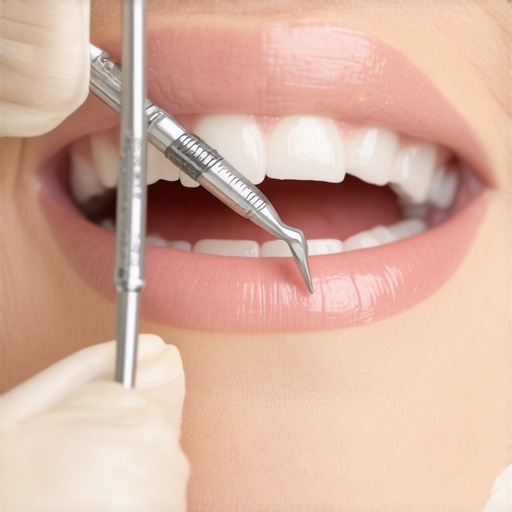
I remember the moment vividly—biting into my favorite crisp apple during a family picnic, only to feel a strange wobble in my tooth. At first, I brushed it off, thinking perhaps I bit too hard or that it was just temporary discomfort. But as days went by, that little wobbly feeling didn’t go away. It was a lightbulb moment that made me realize something was off. That tiny sensation could have been a sign my crown was starting to loosen—a problem that can sneak up on even the most diligent brushers.
Spotting the Signs Early: Your Personal Guide to a Secure Crown
Knowing how to tell if your crown is loose isn’t just about avoiding discomfort; it’s about preventing more serious dental issues down the line. Early detection can save you from costly repairs and uncomfortable procedures. Today, I’ll share my personal experience and the simple steps I learned to identify if my crown was still tightly bonded or starting to come loose. Trust me, catching this early is easier than you think—and it can make all the difference in maintaining your smile’s health.
Could Something As Small As a Wobble Be Major?
Absolutely. I once made the mistake of ignoring a slight shift because I thought it was minor. Turns out, that tiny wobble was a telltale sign of a crown losing its grip. That mistake taught me an important lesson about paying attention to the little things—because they often signal bigger problems. If you experience anything similar, like a rougher feeling when biting or noticing a small gap between your crown and adjacent teeth, don’t dismiss it. It might be time to consult your dentist.
Interestingly, studies show that early detection of crown loosening can prevent the bacteria from seeping under the crown and causing decay—a common menace in dental health. For a practical approach, check out the sticky food test. If your crown feels loose when biting down on sticky foods like caramel or chewing gum, it’s a clear sign it’s time for a professional check.
Before rushing to conclusions, I want to share a common mistake I made initially—assuming that a loose crown was just part of aging or normal wear and tear. That complacency nearly cost me a future root canal. Recognizing early signs can be as simple as gently flicking your tooth with your tongue or checking if it feels different when chewing. And if in doubt, your dentist has simple, effective methods to assess crown stability without unnecessary procedures.
Now, understanding these warning signs is just the beginning. Up next, I’ll guide you through the straightforward steps to confirm if your crown is truly loose and how to address it promptly before more complications arise.
Secure Your Smile: The Step-by-Step Process to Check Your Crown
First, gently flick your tooth with your finger or tongue. Imagine it as test-driving a car: if it wobbles like a loose wheel, it needs your attention. I remember doing this after noticing a slight shift in my molar; the sensation was subtle but unmistakable. If you feel movement, proceed to the next step.
Check for a Gap or Sensitivity
Take a peek in the mirror. If you notice a visible gap between the crown and your gum, or if food tends to get stuck there, it’s a red flag. I once caught this after noticing a tiny food trap while flossing—similar to finding a small hole in a dam. Additionally, if your crown feels unusually sensitive to hot or cold, it might be loosening.
Perform the Sticky Food Test
Sticky foods can reveal a lot about crown stability. Try biting into a piece of caramel or chewing gum; if your crown feels loose or wobbly during this test, it’s time to see your dentist. I used this method when I suspected my crown was shifting; the discomfort was enough to confirm that professional help was needed.
Confirming the Issue Without Guesswork
In my experience, these simple tactile and visual checks are powerful. For a more precise assessment, your dentist can perform a quick ‘tapping’ test—similar to checking a boat’s hull for leaks. This involves gentle tapping to detect loose fittings. If you’re unsure, don’t rely solely on self-exams. Regular dental checkups can catch problems early, especially if you follow habits that prevent decay and ensure your crown’s longevity.
When to Act and What Next
If any of these tests indicate a loose crown, it’s crucial to consult your dentist promptly. Delaying can lead to bacteria seeping underneath, much like pests infiltrating a compromised wall, causing decay or infection. Remember, early detection is your best defense against costly repairs and discomfort.
Many people believe they know everything about maintaining a healthy smile, but beneath the surface are misconceptions that can jeopardize your dental wellbeing. For instance, a widespread myth is that teeth whitening damages enamel permanently—a belief that has been overstated. In fact, modern whitening techniques are safe when performed correctly, and ongoing research, like the study published in the Journal of Clinical Dentistry, confirms their safety and efficacy when balanced with good oral hygiene.
Another misconception is that dental crowns are a last-resort fix. The truth is, with advancements in materials such as bio-mineralized ceramics, crowns now actively help restore and even regenerate damaged tooth structure, protecting against future decay. This shift demonstrates how a nuanced understanding can reshape our approach to restorative procedures.
Many assume that flossing alone prevents cavities, but this oversimplifies oral health. The real secret lies in a comprehensive routine that includes proper brushing, regular professional cleanings, and the use of innovative products. For example, recent protocols like smart enzymes in teeth cleaning not only remove plaque more effectively but also help preserve enamel, according to recent findings from dental research.
One critical trap to avoid is neglecting early signs of crown loosening because of fear or complacency. Recognizing subtle indicators—like increased sensitivity or slight wobbling—can save you from more invasive treatments later on. Regular checkups can detect issues early, especially when coupled with advanced diagnostics like the 24-hour crown rule, which reinforces the importance of timely intervention.
For a deeper dive into advanced oral health topics, you might explore how bio-ceramic crowns are now utilized to reduce gum sensitivity effectively or how peptide-infused bonding agents are revolutionizing crown longevity. These innovations underscore an essential point: staying informed about the latest dental science empowers you to make smarter choices for your family’s dental health.
In essence, unlearning outdated beliefs and embracing nuanced, science-backed practices can transform your oral health routine. Don’t let myths hold you back from optimizing your dental care. Remember, early detection and understanding are keys to a healthy smile. Have you ever fallen into this trap? Let me know in the comments.Maintaining your dental crowns and overall oral health requires not just good habits, but also the right tools and techniques that ensure durability and prevent issues down the line. One of my favorite investments has been an ultrasonic scaler, which I use weekly. Unlike traditional toothbrushes, ultrasonic devices can eliminate stubborn biofilm and plaque beneath crowns and between teeth more effectively, reducing the risk of decay and gum issues. I personally rely on models like the Quip Sonic Radiance, which combines ease of use with effective cleaning power. Regular cleanings with such tools not only preserve the bond of my bio-ceramic crowns but also help detect early signs of complications through enhanced visibility.
Another essential component is high-quality fluoride rinses. I’ve shifted from standard mouthwashes to formulations that contain neutral sodium fluoride, which strengthens enamel and protects against erosion without the acidity that can weaken restorations. Using these rinse routines post-cleaning has also played a role in prolonging the lifespan of my crowns and fillings. For even better results, I incorporate a tongue scraper after brushing. This minimizes bacterial buildup that could otherwise compromise my dental work.
For those with crowns or multiple restorations, a water flosser like the Waterpik Sonic-Fusion has transformed my daily routine. It provides targeted water pulses that clear debris from hard-to-reach areas around crowns and bridges, preventing plaque accumulation that could lead to decay or sensitivity. I recommend using it at a gentle pressure setting to avoid unnecessary stress on the bonding materials, especially as some newer bio-mineral crowns show promising results in healing teeth and stopping future damage when properly maintained. You can explore future trends like peptide-infused bonding agents, which are expected to further enhance crown longevity and tissue health.
How do I maintain my dental work over time? The key is consistency—committing to these daily practices and scheduled professional evaluations. Regular visits for advanced procedures like bioactive seal checks and pH balance assessments ensure your dental restorations remain secure and functional. As we look ahead, the trend points toward smarter tools—like AI-powered diagnostics and biocompatible materials—that will personalize and optimize longevity for every patient.
Ready to upgrade your maintenance routine? Give a high-tech water flosser or fluoride rinse a try, and notice the difference it makes in your long-term dental health. Incorporating these tools can be game-changing, especially when combined with your routine checks for signs of loosening or wear. Remember, proactive care today keeps those pricey repairs at bay tomorrow. For deeper insights on innovative crown materials, check the latest in peptide-infused bonding techniques. Keep your smile resilient—your future self will thank you.
Lessons Hidden in Plain Sight: What I Wish I Had Known About Dental Crowns
One of the most impactful insights I gained is that early signs of crown loosening are often subtle—a slight wobble or a tiny food trap can be the first alert. Ignoring these cues almost led me to more invasive procedures. Recognizing that even minor discomfort warrants attention reshaped my approach to oral health, emphasizing proactive visits and self-checks rather than waiting for pain. Additionally, I learned that combining traditional care with innovative tools, like water flossers and fluoride rinses, significantly extends crown lifespan and prevents complications. These lessons underscore the importance of staying informed and attentive to your body’s signals, ensuring you maintain a confident, healthy smile for years to come.
Tools and Sources That Transformed My Confidence
My essential toolkit includes the smart water flosser, which cleans around crowns more effectively than brushing alone, and a high-quality fluoride rinse to strengthen enamel daily. I trust the latest research on peptide-infused bonding agents that enhance crown durability and tissue health. Books like “The Art of Preventive Dentistry” provided the science-backed knowledge I needed to make smarter choices. These resources, combined with my own experiences, keep me confident that I’m doing everything possible to preserve my dental health and avoid unnecessary procedures.
Your Turn to Transform Your Smile
Remember, maintaining your dental crowns and overall oral health isn’t just about reacting to problems—it’s about staying a step ahead. Embrace the proactive mindset, leverage innovative tools, and stay informed. Your future self will thank you for taking these small but meaningful actions today. For more insights into the latest in dental science, explore our detailed guides on improving your oral health habits. Which small step are you planning to start with today? Share below—your journey to a healthier smile begins now!
}#
{
Comments
One response to “The Tapping Test: How to Tell if Your Crown is Loose”
Reading this post really resonated with me. I had a similar experience where I felt a slight wobble in one of my crowns after eating something sticky. Initially, I dismissed it as normal wear, but the subtle signs you mentioned—like increased sensitivity and food trapping—prompted me to see my dentist sooner rather than later. I’m curious, has anyone tried the ‘tapping’ test at home, and how reliable do you find it compared to professional assessments? I think self-checks are helpful, but I also wonder about the importance of regular professional exams, especially since some issues can be hidden beneath the surface. I’ve started using a water flosser and fluoride rinse based on advice from this post, and I’ve noticed my overall oral health has improved. It seems that proactive maintenance and paying close attention to early signs really can make a difference in preventing more serious problems down the line. What other small steps have you found effective in detecting crown issues early?