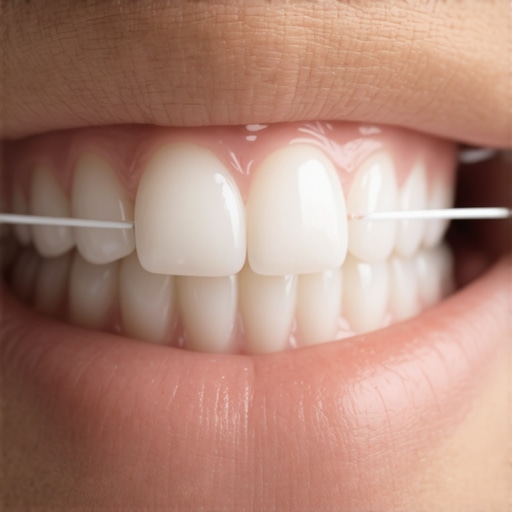
It was a moment of realization that made me wince every time I remembered it. During a routine dental check-up, my trusted hygienist gently pointed out that I had gums that looked more irritated than they should be. I had been diligently flossing every night, but I was also applying a surprising amount of force. Turns out, my eagerness to keep my teeth spotless was actually causing damage. That lightbulb moment—that painful, embarrassing moment—made me rethink everything I thought I knew about oral hygiene.
The Hidden Danger of Vigorous Flossing
If you’re like me, you’ve probably believed that the harder you floss, the cleaner your teeth will be. But I learned the hard way that this isn’t true. In fact, over-flossing or applying excessive pressure can lead to gum recession, sensitivity, and even enamel wear. When I started listening to my body and adjusting my technique, I noticed a significant improvement in how my gums felt. This experience inspired me to dig deeper into the topic, and I want to share what I’ve discovered so you can protect your smile just like I do mine.
Does More Force Mean Better Cleaning?
This is a common misconception. Many people believe that flossing with all their might will scrub away more plaque, but the reality is quite different. Excessive force can damage the delicate tissue of your gums, making them recede and exposing the roots of your teeth. A study has shown that aggressive flossing can be just as harmful as neglecting flossing altogether, leading to problems like gum disease and tooth sensitivity. My early mistake was thinking that force equated to effectiveness—something I now realize is a dangerous myth. To really understand the best approach, let’s look at how gentle flossing can actually provide superior protection without risking damage. Curious about what others are saying? You might want to check out [this article](https://periodontistcare.com/why-your-breath-smells-like-mothballs-and-how-to-fix-it) on maintaining fresh breath and healthy gums—surprising how related these issues are.
Choose the Right Flossing Tools
Start with a floss type you can comfortably manage—waxed or unwaxed, traditional string or floss picks. I personally switched from unwaxed to waxed floss after a messy first attempt at flossing my back molars, which improved control and comfort. Using flavored floss can also make the routine more palatable, encouraging consistency.
Master the Technique
Position the floss correctly: hold it between your thumb and index finger, about an inch apart. Gently slide it between your teeth, curving it into a C-shape around each tooth and gently pressing against the gum line. Instead of forcing it, think of flossing as guiding a delicate paintbrush—light pressure ensures cleaning without damage.
Avoid Aggressive Movements
My early mistake was jerking the floss in and out—this caused bleeding and discomfort. Instead, I learned to use slow, gentle sawing motions. Imagine you’re trying to unstick a stubborn sticker without tearing the paper—care and patience are key.
Focus on Coverage and Consistency
Ensure you floss each tooth and beneath the gum line. Don’t rush; take about two minutes for a complete session. I set a timer during my first attempt, which kept me mindful of my technique. Consistency beats force: flossing daily with a gentle touch is far more effective than infrequent aggressive attempts.
Adapt for Special Cases
If you have crowns, bridges, or braces, your approach should adjust. For crowns, use a soft dental floss and be careful around edges—apply gentle pressure to prevent dislodging restorations. Regular dental visits can guide you on specific techniques, and for more complex cases, professional tools like interdental brushes may be recommended. Not sure if your flossing habit is effective? Check out this article on maintaining healthy gums for additional tips.
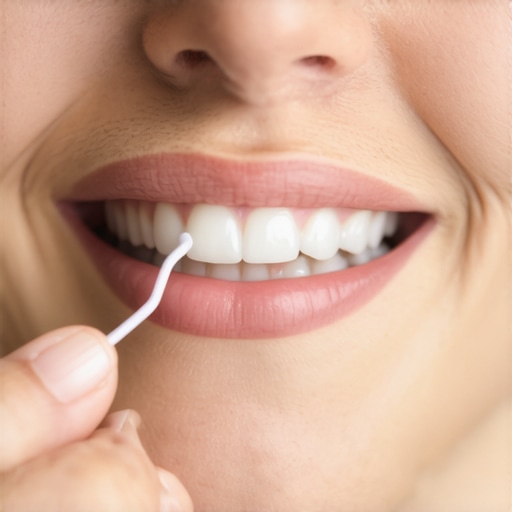 Many people assume that visiting the dentist twice a year suffices for maintaining optimal oral health, but this oversimplification overlooks the nuanced strategies that promote long-term dental wellness. One widespread myth is that all teeth whitening treatments are equally effective and safe; in reality, over-the-counter options may cause sensitivity or damage if misused. Advanced techniques like laser whitening require professional supervision to prevent unintended side effects, emphasizing the importance of consulting your dentist before pursuing cosmetic procedures. Moreover, there’s a misconception that crowns are a permanent fix that lasts forever, yet even the most durable materials can deteriorate or become ill-fitting over time, leading to issues like decay underneath the crown or bite misalignment. It’s crucial to understand that crowns are a restoration, not a cure-all. An often overlooked aspect of oral health is the role of saliva. Many believe that saliva’s job is simply to moistify the mouth, but it plays a vital role in neutralizing acids, remineralizing enamel, and acting as a natural antibacterial agent. Neglecting this can lead to unnoticed decay or sensitivity. Additionally, some assume flossing is an optional step; however, neglecting interdental cleaning allows plaque to accumulate between teeth, increasing risk for cavities and gum disease. Emerging research shows that aggressive flossing can damage gum tissue, so mastering gentle, precise techniques is essential. For those with dental crowns or bridges, improper cleaning methods—like using abrasive brushes or harsh flossing—can accelerate wear or dislodge restorations. Familiarize yourself with proper tools like interdental brushes or water flossers designed for these cases. Do you think your current oral hygiene routine addresses these advanced nuances correctly? If not, I recommend consulting your dentist or reading more about how to optimize your techniques. For example, incorrect flossing pressure can cause gingival recession, a common but preventable problem. Always remember, consistent, gentle care combined with professional guidance can prevent many common pitfalls in family dentistry. Want to learn more about catching early signs of dental issues? Check out [this article](https://periodontistcare.com/why-your-teeth-ache-when-it-gets-cold-outside) to recognize symptoms before they escalate. Have you ever fallen into this trap? Let me know in the comments.
Keeping It Working: Tools I Recommend for Family Dentistry
Maintaining excellent oral health over the years requires more than just good brushing habits; it demands reliable tools and consistent upkeep. Personally, I swear by a few key pieces of equipment and routines that have stood the test of time, helping me prevent issues like gum recession or crown misfit. For example, I use an electric toothbrush with a timer and pressure sensor—these features ensure I don’t brush too aggressively, protecting my gums from damage. The Sonicare DiamondClean, with its gentle yet thorough cleaning action, has been a game-changer for me, especially given its built-in coaching that encourages proper technique. Why am I so particular about my toothbrush? Because proper cleaning reduces plaque buildup and extends the lifespan of restorations like crowns and fillings, averting costly repairs down the line.
Integrate Daily Flossing with Smart Tools
While traditional flossing remains vital, I recommend adding interdental brushes like the TePe Interdental Brush for spaces where floss is less effective—such as around dental bridges or implants. The small, firm bristles easily reach tight spots, removing plaque before it hardens into tartar. How do I maintain my tools over time? I replace my toothbrush head every three months and clean my interdental brushes with antimicrobial rinse after each use. This routine keeps tools effective and minimizes bacterial buildup, which is essential for long-term oral health. Additionally, electric toothbrush heads wear out quicker than manual brushes, so staying on top of replacements is crucial for sustained benefits.
The Future of Dental Maintenance Tools
Looking ahead, I predict a rise in AI-integrated oral devices that synchronize with smartphone apps, providing real-time feedback and personalized cleaning plans. Already, some high-end models detect coverage gaps and recommend specific techniques, making professional-grade care more accessible at home. Such innovations will likely democratize dental maintenance, empowering patients to tackle minor issues before they escalate.
How do I maintain crowns and restorations over time?
Preserving crowns involves gentle brushing with non-abrasive pastes, avoiding hard brushes that could scratch porcelain surfaces. Flossing with waxed, shred-resistant floss like Glide is also vital to prevent dislodging or damaging the restoration. Regular checkups enable your dentist to spot early signs of wear or decay underneath crowns, which can otherwise lead to sensitivity or even crown failure. For those wondering how to prolong the life of their dental work, I recommend reading about techniques to maintain crowns effectively. Incorporating these small adjustments into your routine can significantly extend the life of your dental investments.
Tools That Support Long-Term Success
In addition to manual tools, I leverage water flossers like Waterpik Ultra for their ability to clean hard-to-reach areas without damaging delicate gum tissue. Using it once daily removes plaque buildup that brushing and flossing might miss, especially around orthodontic appliances or extensive restorations. For seamless maintenance, I schedule bi-annual professional cleanings that include deep scaling to eliminate tartar and assess restorations’ integrity, which are critical for preserving oral health in the long run.
Final Tip: Make Your Routine a Ritual
Consistency and care are the heart of effective long-term dental maintenance. Try incorporating advanced tools like pressure-sensitive electric toothbrushes and interdental brushes into your daily routine—these small investments in your dental health pay huge dividends over time. Would you like to see your dental health improve significantly? Start with just one upgrade, like switching to a pressure-sensitive electric toothbrush, and observe the difference over a few months. Remember, ongoing maintenance is the secret to a healthy, confident smile that lasts a lifetime.
Over the years, I’ve learned that staying proactive with family dentistry isn’t just about quick fixes or routine check-ups. It’s about understanding the subtle intricacies that can make or break your smile’s future, from choosing the right tools to mastering gentle techniques that protect your gums and dental work. My journey into the depths of oral health revealed that small, mindful habits significantly influence long-term success—like paying attention to saliva’s role or recognizing the limitations of crowns. Remember, knowledge is power, and being aware of these hidden truths can help you avoid common pitfalls and maintain a healthy, confident smile for life.