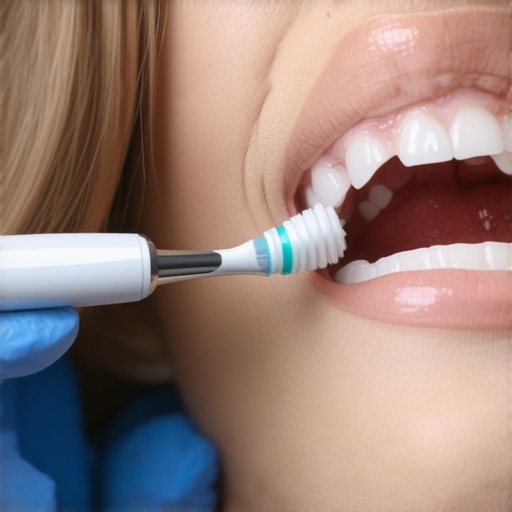
I vividly remember the moment I realized my electric toothbrush wasn’t enough. After months of diligent brushing, I noticed stubborn tartar buildup along my gum line that simply refused to budge, despite the high-tech wonder I kept praising. It wasn’t just frustrating; it was eye-opening. That lightbulb moment made me question: if my powerful electric toothbrush can’t reach those hidden spots, what else is being missed?
The Hidden Gaps in Daily Brushing Routines
We often think that brushing twice a day will keep our smiles sparkling. But in reality, even the best electric toothbrushes, no matter how smart, have their limitations. They excel at removing plaque surface-level, but they can’t reach deep between teeth, around crowns, or beneath gumlines where stubborn tartar and bacteria hide. Early on, I made the mistake of neglecting professional cleanings, assuming my daily routine was adequate. That was a costly oversight—per the American Dental Association, professional cleanings help prevent gum disease and cavities that at-home methods can’t address alone. It’s a lesson many overlook until they face the consequences.
Is a professional cleaning really worth the investment?
Honestly, I used to underestimate the true value of dental visits, thinking they were just about keeping teeth clean. But neglecting regular professional cleanings can lead to more serious issues, including gum inflammation, bad breath, and even heart health concerns. I once skipped a six-month appointment, thinking I was fine. The resulting deep tartar buildup required extra work and discomfort—something I could have avoided. This mistake taught me that our daily routines are just the first line of defense, and professional care is the essential second step.
So, if you’ve ever wondered whether your at-home efforts are enough or if visiting your dentist could make a real difference, you’re not alone. In the next sections, I’ll share practical insights into how professional cleanings complement your daily hygiene and help maintain your oral health in ways brushing alone can’t achieve. Ready to learn how to make those visits truly worthwhile? Let’s dive in.
Start with a Thorough At-Home Prep
Before heading to the dentist, ensure your mouth is as clean as possible. Brush for at least two minutes using a soft-bristled electric toothbrush, paying close attention to the gumline and behind molars. Use gentle, circular motions to loosen plaque and prevent gum irritation. Don’t forget to floss carefully between all your teeth, especially beneath dental crowns or around cavities, which can harbor stubborn bacteria. This initial step makes professional cleaning more effective and reduces the risk of gum bleeding or discomfort. I once thought rushing through my brushing was enough, but after adopting this method, my cleanings became quicker and less uncomfortable.
Communicate Your Dental History Clearly
When you arrive, clearly inform your hygienist about any past issues, surgeries, or sensitivities—particularly around crowns, implants, or orthodontic work. This information guides them to tailor their cleaning techniques and avoid unnecessary discomfort. For example, I once had a deep tartar buildup around a crown, which required a gentler approach. Sharing details like the recent placement of a crown or previous gum inflammation helps your dentist tailor their approach, ensuring you get the most out of each session without unnecessary trauma.
Target Problem Areas with Specialized Tools
Professional cleanings involve tools that significantly outperform your manual efforts. Ultrasonic scalers use high-frequency vibrations to remove plaque and tartar from beneath the gumline, especially around hard-to-reach areas like behind molars or under crowns. When I started requesting the use of ultrasonic devices, I noticed a drastic difference in plaque removal, particularly around tight spots where floss alone couldn’t reach. Regular professional cleanings combined with these tools prevent tartar from solidifying, which is crucial because once tartar hardens, only a hygienist can remove it effectively.
Focus on Your Gums to Prevent Future Problems
Gum health directly influences overall oral health. During cleanings, your hygienist will massage your gums and may perform periodontal probing to assess pocket depths. Learning to gently massage your gums at home with your finger or a gum stimulator enhances circulation and reduces inflammation. This practice helps prevent periodontal disease, which can lead to tooth loss. I regularly follow my hygienist’s advice on gum massage, and I’ve seen a significant reduction in bleeding and sensitivity over time.
Post-Cleaning Care and Habit Reinforcement
After your appointment, avoid eating or drinking anything that can stain or irritate your freshly cleaned teeth. Use a fluoride rinse if recommended, and replace your toothbrush with a new one—especially if you’ve been sick recently—since bacteria can hide in bristles. Also, consider using an anti-sensitivity toothpaste if you experience discomfort. I learned the importance of this step after a cleaning when my teeth felt especially sensitive; switching to a specialized toothpaste made a noticeable difference. Remember, maintaining good habits between visits amplifies the benefits of professional cleanings and helps your smile stay bright and healthy longer.
While many believe that brushing twice daily and visiting the dentist regularly guarantees oral health, there’s a complex landscape of nuances that often go unnoticed. A common misconception is that all dental treatments are equally effective regardless of individual circumstances. For example, some assume that crowns are permanent fixes without long-term considerations, but factors like material choice and placement technique significantly influence longevity.
Could subtle issues in crown placement affect your overall dental health?
Experts reveal that improper fitting crowns can lead to misaligned bite, increased wear, or even decay beneath the restoration, contrary to popular belief that crowns are maintenance-free. A study published in the Journal of Prosthodontics emphasizes the importance of precision in crown fabrication to prevent such complications. Moreover, many underestimate the impact of family dentistry on long-term health. Routine check-ups for children and adults are interconnected, with early detection of issues setting the stage for healthier smiles over decades. However, a trap to avoid is neglecting the importance of tailored hygiene routines for different age groups—what works for a toddler won’t suffice for an elderly family member. For instance, using the same flossing technique across generations overlooks the delicate nature of children’s gums versus mature periodontal tissues. Additionally, the myths surrounding oral health often attribute bad breath solely to poor hygiene, but underlying factors such as dry mouth or systemic health problems, like diabetes, play a critical role.
Understanding these nuanced details can save you from costly procedures and dental discomfort down the line. Are you aware of how subtle missteps in your dental routine might be hurting you? Let me know in the comments below. For further insights on safeguarding your child’s dental health, visit how to clean a toddler’s teeth safely or explore the true cost of skipping professional cleanings. Remember, staying informed is your best defense against hidden dental pitfalls.
Maintaining excellent oral health isn’t just about brushing and flossing; the right tools can make a significant difference in the long run. I’ve incorporated several specialized devices into my routine to ensure every nook and cranny of my mouth gets the attention it deserves. One tool I highly recommend is the Waterpik water flosser, which I’ve personally found invaluable for cleaning around crowns and bridges where traditional floss struggles. Its pressurized water spray effectively removes plaque without damaging sensitive gums, making it ideal for daily use, especially for those with dental restorations.
Another essential is a smart electric toothbrush, such as the Philips Sonicare DiamondClean. Its sonic vibrations reach deep between teeth and along gumlines, with many models offering app connectivity that tracks your brushing habits. This feedback loop keeps me honest and helps identify areas I might neglect during my routine. I’ve noticed that integrating this with the proper brushing techniques significantly improves plaque removal over time.
For managing specific issues like gum inflammation or early periodontal concerns, I use a periodontal stimulator. This handheld device, which gently massages the gum tissue, promotes blood flow and keeps the gums resilient. Regular use complements my professional cleanings and prevents issues from escalating. In addition, I incorporate an ultrasonic scaler at home—used carefully—to help break down biofilm before it solidifies into tartar. While professional scalers are more powerful, I’ve learned that a gentle, consistent approach at home can significantly reduce the frequency and intensity of dental visits.
As for long-term results, investing in a quality mouthwash formulated for your specific needs—like antimicrobial or desensitizing variants—is crucial. I prefer a product with fluoride and natural antibacterial agents, which reinforces enamel and controls bacterial growth. Using it after brushing and water flossing creates an extra protective barrier. Additionally, regular diagnostics, like annual x-rays, help monitor ongoing issues and catch problems early before they require complex procedures or crowns replacement.
How do I maintain these tools over time?
Maintenance is key to ensuring your devices perform optimally. Recall to replace toothbrush heads every three months or when bristles fray, as worn bristles are ineffective and can harbor bacteria. Check water flossers and ultrasonic scalers routinely for mineral buildup or mold—despite being resistant, they benefit from quarterly cleaning with vinegar solutions. For electronics, store batteries properly and avoid exposure to extreme temperatures. Additionally, always follow the manufacturer’s cleaning instructions to prolong device life and safeguard your health.
Looking ahead, the trend toward smart, AI-integrated dental tools will likely grow, offering even more personalized care solutions. Imagine a toothbrush that alerts you to areas you missed or a water flosser with AI-based pressure adjustments tailored to your gum sensitivity, preventing damage before it happens. Staying proactive with your tools not only preserves your investment but also ensures your oral health remains top-notch for years to come.
Don’t wait until problems arise—start incorporating one of these advanced tools into your routine today. For instance, if you haven’t tried a water flosser yet, I highly recommend giving it a shot; you’ll be surprised at how much easier and more effective daily cleaning becomes. Your future self will thank you for it.
The Hidden Truths That Could Be Costing You Smiles
My journey in oral health taught me that the clearest lessons often come from the surprises along the way. One unexpected realization was how subtle misalignments in crown fitting or overlooked gum issues could silently undermine years of diligent brushing. Discovering these hidden pitfalls made me appreciate that perfect teeth aren’t just about daily rituals but about comprehensive care and attention to detail—an insight I wish I had known sooner.
Why Small Details Make All the Difference
From my experience, I’ve learned that even tiny gaps or imperfect crown fits can serve as breeding grounds for bacteria, leading to long-term problems that are hard to reverse. Paying close attention to the nuances—like choosing the right crown material or ensuring proper bite alignment—can prevent costly repairs and preserve your natural teeth longer. The real game-changer was understanding that prevention is as much about awareness as it is about routine.
The Power of Personalized Dental Strategies
Teeth are as unique as fingerprints, and my biggest takeaway is that one-size-fits-all approaches rarely suffice. Tailoring your dental care—whether through specialized tools, diet adjustments, or custom hygiene routines—can significantly boost your oral health. Learning this reinforced my belief that regular professional evaluations and open communication with your dentist are vital components of a lifetime of healthy smiles.
My Essential Toolkit for Lasting Oral Health
After years of experimenting and research, I trust a few tools that truly enhance my routine. The best snacks for healthy teeth help minimize cavity risk from the inside out, while a high-quality water flosser like the Waterpik ensures no nook is neglected. For daily brushing, I rely on a smart electric toothbrush that tracks my habits, making sure I don’t miss spots. For targeted gum health, a periodontal stimulator keeps my gums resilient. Investing in personalized care tools made a noticeable difference in my dental longevity and confidence.
Your Commitment Shapes Your Smile Future
The journey to optimal oral health isn’t a one-time effort; it’s a lifestyle. Incorporate advanced tools, stay vigilant about subtle changes, and communicate openly with your dentist—these habits will empower you to keep your smile bright and healthy. Remember, every small step—like choosing the right crown material or diligently using your water flosser—contributes to a future where dental worries are minimized. So why wait? Your best smile is waiting for you to take action.
What’s one new habit you’re excited to try starting today? Share your plans below—I’d love to hear how you’re taking your oral health to the next level!