I vividly remember the moment I realized I was neglecting a crucial part of my dental routine. Sitting in the dentist’s chair, I watched as my hygienist gently pointed out the stubborn plaque hiding between my teeth, especially around my crowns and fillings. It struck me how easy it is to overlook these tiny spaces, yet how vital they are for overall oral health. That lightbulb moment was embarrassing but also motivating. I knew I had to find a better way—something that didn’t make me dread the process or end up with bloodied gums every time I tried to floss.
Since then, I’ve dedicated myself to discovering effective methods to clean between teeth, especially for people who hate traditional flossing. Today, I want to share with you some proven strategies that will make maintaining your dental health less of a chore and more of a routine you can actually stick to. Whether you struggle with string floss, dislike the gagging sensation, or just find flossing tedious, there’s a solution waiting that can help you keep your smile bright and healthy without the frustration.
Why You Should Care About Cleaning Between Teeth
Good oral hygiene is about more than just brushing your teeth twice a day. Dental plaque and food debris tend to hide in those small gaps and around your crowns, leading to cavities, gum disease, and even bad breath. In fact, studies show that nearly 30% of cavities occur in the interdental areas where brushing alone might miss spots (source). Ignoring these spaces can undo all your hard work at the sink and can eventually lead to costly dental treatments.
If you’re like me, the thought of constantly fumbling with string floss might make you want to give up entirely. But don’t worry—there are other ways to effectively clean between teeth that are less annoying and more efficient.
Common Mistake: Relying Solely on Brushing
One mistake I made early on was thinking that brushing was enough. It’s a good start, but it doesn’t reach those tight spots between teeth or under dental work. Skipping interdental cleaning means leaving behind plaque that can cause decay and gum issues over time. So, what are the alternatives? Stay tuned—I’ve got some simple, realistic tips that will change your dental routine for the better.
Master the Art of Flossing with Tongs or Picks
One practical method I adopted was using interdental brushes, which resemble tiny pipe cleaners. During a messy attempt to remove stubborn food from between my crowns, I found these tools easier to control than traditional floss. To use, gently insert the brush at a 45-degree angle into the gap, then move it back-and-forth a few times. This action dislodges plaque and debris effectively without the gag reflex that sometimes accompanies flossing. I kept a small container of interdental brushes at my sink, making it easy to integrate into my routine.
Get Comfortable with Water Flossers
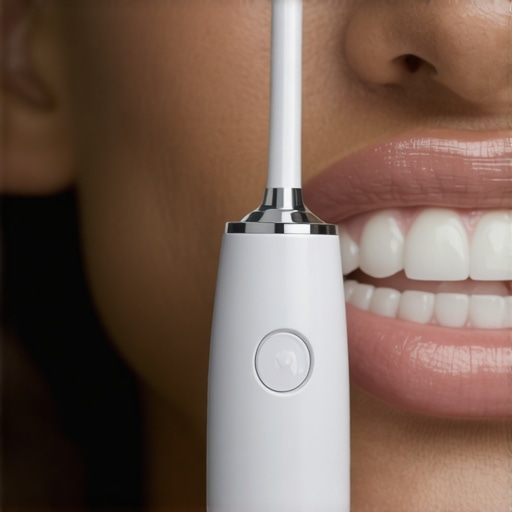
Next, I invested in a water flosser. Think of it as a mini pressure washer for your mouth. Fill the device with warm water, select a gentle pressure setting, and aim the tip between your teeth and along the gum line. I tackled a particularly tricky area around a ceramic crown on my molar by angling the tip at 90 degrees and a slow sweep. The pulsating water loosened plaque, leaving my mouth feeling fresh and clean. Regular use—once or twice daily—can significantly reduce plaque accumulation in hard-to-reach spots.
Sugar-Free Gum and Plaque Disruption
When I’m on the go and can’t brush or floss immediately, chewing sugar-free gum with xylitol became my secret weapon. Chewing stimulates saliva production, which acts as a natural cleanser. The increased flow helps break down food particles trapped between teeth, especially around fillings and crowns. I remember a quick snack at work where I chewed sugar-free gum after, which helped prevent plaque buildup until I could perform a more thorough cleaning later. This simple step is remarkably effective when combined with other interdental methods.
Utilize Disclosing Tablets for Spot Checks
To identify areas I might have missed, I tried disclosing tablets that stain plaque a bright color. After chewing one, I rinsed and examined my teeth in the mirror. Bright red patches pointed to stubborn plaque spots around my crowns and beneath the gum line. This visual feedback motivated me to target those areas with my interdental brushes or water flosser more diligently. Incorporating this habit ensures I don’t unknowingly leave behind buildup that could lead to cavities or gum irritation.
Routine and Technique: Combining Approaches
One key realization was that no single method sufficed. Combining interdental brushes, water flossers, and gum chewing created a comprehensive interdental cleaning routine. I started with the brushes to remove heavy debris, followed by the water flosser for gentle flushing, and finished with a quick gum-chewing session. Over time, this multi-pronged approach reduced gum bleeding and freshened my breath. Remember, consistency trumps brute force—take 2-3 minutes each day to invest in your oral health directly.
Stay vigilant around dental work like crowns, as these areas are prone to plaque accumulation. Regular professional cleanings complement at-home efforts, but mastering these interdental techniques ensures a healthier smile daily. Check out helpful tips on gum bleeding or enamel protection to round out your oral care knowledge. Improving interdental cleaning can be the game-changer in preventing cavities and gum disease, especially around complex dental work.Even experienced dental professionals acknowledge that many patients harbor misconceptions about oral health practices, especially concerning family dentistry, teeth cleaning, and crowns. A common myth is that brushing alone suffices to maintain oral health; however, studies reveal that brushing, without proper interdental cleaning, leaves significant plaque in hidden areas. For example, despite regular brushing, individuals with high cavity rates often share a common oversight—neglecting meticulous interdental cleaning, which is crucial in preventing cavities around crowns or fillings (source). This nuance emphasizes the importance of integrating tools like interdental brushes or water flossers into your routine, rather than relying solely on brushing or flossing with traditional string floss.
Many assume that crowns or other dental restorations are maintenance-free beyond regular checkups. But in reality, overlooked plaque accumulation around crowns can be a silent contributor to failure or decay underneath the restoration—a trap many patients fall into. This occurs because crowns, especially those with margins that extend underneath the gum line, are vulnerable to plaque deposits if interdental spaces aren’t cleaned thoroughly. Incorporating advanced techniques, such as careful flossing en under the crown margin or using specialized interdental brushes, enhances longevity. Moreover, a prevalent misconception is that whitening treatments are universally effective with over-the-counter kits; yet, professional whitening offers tailored, safer results, especially for those with restorations or sensitivity (source).
Thinking further, the importance of routine dental visits can’t be overstated, but it’s equally vital to recognize the subtle signs of problems early. For instance, gums bleeding only when brushing isn’t merely a nuisance; it can indicate underlying gum disease or inflammation. Many overlook this warning, feeling it’s “normal” or insignificant, but consistent early signs can be key to avoiding more severe issues later. Regularly inspecting your gum health and understanding that bleeding gums are often a sign to seek professional advice can save you from costly procedures.
What’s often underestimated is the advanced mistake of brushing too hard in an attempt to remove stubborn plaque or stains. This practice can cause gum recession, tooth sensitivity, and enamel erosion, especially if combined with hard-bristled brushes. A more effective approach is to use soft-bristle toothbrushes and gentle, circular motions—something dental experts recommend for protecting gum health and enamel integrity (source). Understanding these nuances ensures you don’t inadvertently damage your smile while trying to improve it.
For those keen on optimizing their family dental care, consider the advanced aspect of assessing how your habits influence cavity formation or gum health. Individual differences, like saliva composition or enamel resilience, play roles that many overlook. For example, some individuals are more prone to cavities despite diligent brushing due to saliva’s capacity to neutralize acids or wash away bacteria. Recognizing these factors can inform personalized strategies, including dietary adjustments or specialized products. Have you ever fallen into this trap? Let me know in the comments.
Maintaining a healthy smile isn’t just about picking the right tools but also about how you use and care for them over time. Personally, I’ve found that investing in high-quality equipment and establishing proper maintenance habits makes all the difference in preserving the benefits of my dental routine. A prime example is my choice of electric toothbrushes; I opt for models with timers and pressure sensors, which help me avoid over-brushing and gum recession. As highlighted in this resource, using a soft-bristle electric brush equipped with these features can significantly improve gum health and enamel preservation.
Regularly replacing tools is key. I personally replace my interdental brushes monthly, even if they look fine, to prevent bacteria buildup and maintain cleaning efficacy. Additionally, keeping water flosser tips sanitized by soaking them in hydrogen peroxide weekly ensures maximum hygiene and optimal performance. Think of your dental tools as investments; just like any equipment, they need proper upkeep to deliver reliable results over time.
Modern tools aren’t just about cleaning; they also offer insights into potential issues. Certain water flossers come with pressure sensors and pulsation modes that can detect areas prone to plaque buildup or bleeding—allowing you to adjust your technique proactively. As technology advances, I predict a surge in smart dental devices that sync with apps, providing personalized feedback, tracking your progress, and reminding you when to replace components. This evolution will make long-term maintenance more intuitive and less guesswork.
How do I keep my dental tools effective over the years?
To keep your tools working effectively, establish a routine of cleaning and replacing parts regularly. For example, thoroughly rinsing your water flosser after each use and occasional deep-cleaning with vinegar removes mineral deposits. Storing your equipment in a dry, clean place prevents mold and bacteria growth. Staying consistent with maintenance ensures that your devices operate at peak performance, making daily oral care more efficient and less frustrating. Incorporate visual checks, like inspecting your interdental brushes for worn bristles, to catch issues early. Remember, the goal is to make your tools an extension of your hand — reliable, comfortable, and effective over months or years.
As mentioned in this article, proper care isn’t limited to tools alone; regular professional cleanings and routine checkups reinforce your at-home efforts. To stay ahead of the game, try setting reminders to replace your toothbrush and brush heads, and schedule periodic professional evaluations. These small steps create a long-lasting foundation for oral health and reduce the risk of costly future treatments.
In the near future, we can expect technological innovations like AI-driven flossers and smart toothbrushes that adapt to our unique oral anatomy. These devices will not only instruct us in real-time but also store data about our habits, helping us fine-tune our routines. For now, take one of the advanced tips—such as replacing your interdental brushes monthly and sanitizing your water flosser tips—and see how maintaining your tools can dramatically improve your long-term oral health.
What My Toughest Flossing Failures Taught Me About Dental Success
One lesson that stood out was realizing that patience and experimentation are key. I tried every interdental tool available—each taught me something about my unique oral landscape. I learned that what works for someone else might not suit your specific dental work, like crowns or braces. Embracing this personalized approach has transformed my routine from frustrating to empowering. Remember, your journey with family dentistry is as unique as your smile—so don’t be afraid to explore and find what truly fits you.
Tools and Tricks That Changed My Oral Care Game
Investing in quality tools, like a water flosser with customizable pressure settings or interdental brushes designed for tight gaps, made a significant difference. I trust brands that prioritize dental health research and user comfort because your comfort directly influences your consistency. Pairing these with trusted resources—such as expert advice on cavities—ensures you’re not just cleaning, but truly caring for your smile. The right tools are the foundation of a long-lasting oral health routine.
Your Smile’s Future Starts Today
Remember, every small effort adds up. Choosing to refine your interdental cleaning habits today can stave off costly dental procedures tomorrow. Implementing gentle, effective techniques doesn’t just improve your teeth—it boosts your confidence and overall well-being. I encourage you to take that first step tonight—try a new interdental tool, or schedule a checkup—to keep your family’s smiles vibrant for years to come. Your future self will thank you for the commitment you make today.
Have you ever struggled with picking the right interdental cleaning method? Share your experiences below, and let’s learn together how to make family dentistry easier and more effective!