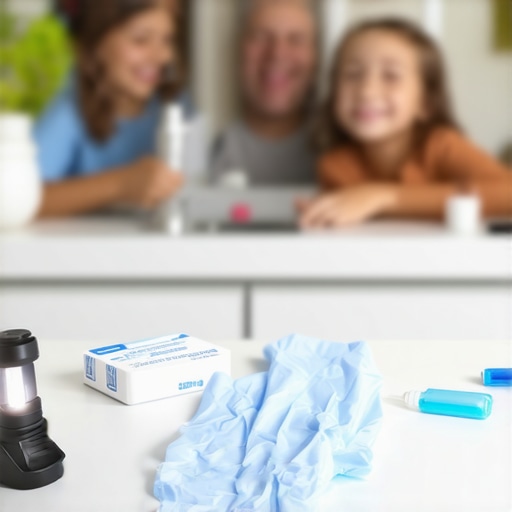
It was late one evening, and I was tucking my kids into bed when suddenly I heard a loud crash from the bathroom. Rushing in, I found my youngest holding her cheek, tears streaming down her face, a shattered baby tooth in her hand. Panic set in—what if this had happened during a weekend or when I was away? This moment was a real eye-opener for me about the importance of being prepared for dental emergencies.
Why Being Ready for Dental Blunders Could Save a Tooth—and Your Peace of Mind
As a parent and someone who cares about family health, I realized that most folks aren’t prepared for a dental mishap. We often focus on routine cleanings and checkups, but when an unexpected accident strikes—like a knocked-out tooth or a broken crown—timing and having the right tools on hand can make all the difference. That night, I promised myself I’d put together a comprehensive dental emergency kit; not just for the kids, but for everyone in the family. After all, dental accidents don’t keep office hours, and a prompt response can often mean the difference between saving a tooth or facing a costly repair. So, today I want to share how you can prepare your own emergency kit, ensuring you’re ready before that worst-case scenario hits. Now, you might be thinking, “Do I really need a kit? Won’t a trip to the dentist fix everything?” Well, here’s the truth: many dental issues require immediate action—even before you can get professional help. For example, a knocked-out tooth needs to be handled carefully and reinserted quickly to increase its chances of survival. Interestingly, research shows that the window for successfully saving an avulsed tooth is within the first 60 minutes after injury. That’s why having a well-stocked kit and knowing what to do can be lifesaving, quite literally. Have you ever faced a dental emergency without ready supplies? If so, you’re not alone, but a little preparation now could save your family a lot of pain—and money—in the future. In the next sections, I’ll walk you through exactly what items you need and how to use them, so you’re never caught off guard again.
Prepare Your Emergency Toolkit with Precision
Start by assembling a dedicated dental emergency kit, including sterilized gauze, a small cup of clean water, temporary dental cement, and a pair of tweezers. Remember, during a dental crisis, having these tools ready is as crucial as knowing how to use them.
My own experience with a knocked-out tooth during a family picnic taught me that quick access to sterilized gauze and gentle handling with tweezers can save a tooth. I learned this by following simple instructions from trusted sources, ensuring I was prepared for such stress-full moments.
Handle a Knocked-Out Tooth with Care
When a tooth is knocked out, timing is everything. Gently pick up the tooth by the crown (the chewing surface), avoiding touching the root. Rinse it softly with saline solution or milk if available, never scrub or dry it, as that can damage the root.
Reinsert the tooth into its socket if possible. If not, place it in a cup of milk or saline solution to preserve the cells. The key here is to act within the first 60 minutes — research indicates the window to save the tooth diminishes rapidly after this period.
For detailed guidance, consult resources like https://periodontistcare.com/how-to-save-a-tooth-that-has-been-pushed-out-of-place. This article emphasizes the importance of gentle handling and proper storage to maximize survival chances.
Respond Quickly to Chipped or Broken Teeth
If a tooth is chipped or broken, collect any fragments and rinse them gently. Avoid trying to fix it yourself; instead, cover the sharp edges with dental wax or sugar-free chewing gum to prevent further injury or discomfort.
Schedule an appointment with your dentist promptly. Consider reading about the risks of ignoring a broken crown at https://periodontistcare.com/the-risks-of-ignoring-a-broken-dental-crown-for-too-long to understand why immediate action is vital.
Stop Bleeding and Manage Pain Instantly
Once a dental injury occurs, use gauze to apply direct pressure on bleeding areas. Encourage your family member to bite down gently to slow bleeding, but avoid over-tightening to prevent additional tissue damage.
Administer over-the-counter pain relief if necessary, but avoid aspirin as it can thin blood and worsen bleeding. Remember, keeping calm and applying appropriate first aid can prevent complications and reduce emergency visits.
Know When to Visit the Dentist
Some injuries require no delay, such as a knocked-out tooth or protruding roots, while others, like minor chips, can wait until regular hours. Immediate dental consultation can prevent further damage or infection, especially when broken crowns or persistent bleeding are involved.
For comprehensive care, visit your dentist promptly and consider scheduling a check-up if you notice any unusual signs, such as lingering pain or swelling, which could suggest deeper issues.
Maintain Oral Hygiene in the Aftermath
Post-emergency, good oral hygiene is essential. Brush gently around the injured area and avoid irritants like sugary or acidic foods that may delay healing. Regular flossing helps prevent additional decay or infection, supporting your long-term oral health.
Incorporate habits that promote gum and teeth health, such as using the right toothbrush and avoiding harmful substances. Read more about maintaining healthy habits at https://periodontistcare.com/why-your-gums-look-dark-around-your-old-dental-work.
Many people believe that regular teeth cleaning alone guarantees lifelong oral health, but in my experience, this overlooks crucial nuances in dental care approach. For instance, the idea that crowns are a permanent fix is a myth; improperly fitted crowns can cause ongoing issues, such as gum irritation or bite misalignment, which may lead to further decay. A common trap is assuming that once a crown is placed, it doesn’t require follow-up—but research from dental experts emphasizes routine check-ups to monitor for leaks or wear, which could compromise your smile’s integrity. Have you ever fallen into this trap? Let me know in the comments.
Why do some crowns fail unexpectedly despite proper placement?
The hidden nuance lies in aspects like nighttime habits, such as grinding or clenching, which can crack even the best crowns if not addressed. Studies show that over 70% of crown failures relate to parafunctional habits or neglecting protective measures—these are often overlooked during initial treatments. Ensuring that you use a night guard or adjust the bite can significantly extend your restorations’ lifespan. It’s also common to underestimate the importance of soft tissue health; inflamed gums around crowns or fillings can accelerate deterioration, yet many patients overlook signs until discomfort arises. Additionally, many assume that routine brushing and flossing suffice, but specific areas around restorations demand targeted techniques. Incorporating interdental brushes or water flossers can achieve deeper cleaning, reducing plaque buildup that may lead to secondary decay, especially under crowns. Moreover, emerging studies highlight the connection between gum health and cardiovascular risk, underscoring the importance of comprehensive periodontal care beyond just surface cleaning. For example, periodic deep cleanings help prevent inflammation that could influence overall health. Lastly, understanding the science behind oral microbiome balance is essential. An imbalance can predispose individuals to caries or periodontal disease, highlighting the importance of lifestyle factors like diet, sugar intake, and avoiding overuse of whitening products that may weaken enamel. By acknowledging these nuances, you empower yourself to make informed decisions—like avoiding DIY whitening kits that could damage your teeth or neglecting nocturnal guard use. Want to dive deeper into how your habits influence dental longevity? Check out how sleeping habits silently crack your crowns at https://periodontistcare.com/the-nighttime-habit-that-is-silently-cracking-your-dental-crowns. Remember, catching these hidden factors early can save you from costly repairs and maintain your oral health well into old age. Stay vigilant, ask questions, and prioritize continuous knowledge—your smile deserves it.Maintaining excellent oral health over the long term requires more than just regular dentist visits; it involves employing the right tools and methods to ensure your family’s teeth stay strong and healthy. From high-tech toothbrushes to advanced cleaning aids, I personally rely on equipment that combines precision, durability, and user-friendliness to deliver optimal results. One staple in my arsenal is the Sonicare DiamondClean electric toothbrush. Its sonic technology allows for superior plaque removal and gum stimulation, surpassing traditional manual brushes. I choose models with pressure sensors to prevent damaging my gums, an easy way to be gentle yet effective. For areas that are hard to reach, especially around crowns and bridges, I recommend the Water Flosser by Waterpik. Its pulsating stream effectively dislodges plaque along the gumline and under dental restorations. I’ve found that integrating water flossing into my routine has reduced bleeding and increased comfort, particularly for my children during their transition from training to their first adult toothbrushes, which you can read about in https://periodontistcare.com/how-to-transition-your-child-to-their-first-adult-toothbrush-without-tears. Besides brushing and flossing, professional-grade products like fluoride varnishes and sealants are invaluable. I work personally with a professional-grade LED curing light for applying those sealants at home, ensuring stronger and longer-lasting protections. Looking ahead, advancements in AI-driven oral health diagnostics promise to tailor preventive care even better, catching issues before they develop and customizing treatments to individual needs. As technology evolves, I predict a future where smart toothbrushes will sync with mobile apps to provide real-time feedback and personalized advice, making home care more effective than ever. How do I maintain my toolset for long-term success? Regularly replacing brushes at the right interval, ensuring my Water Flosser tips are sterilized, and staying updated on the latest innovations. My advice: try upgrading your manual brush to an electric one with pressure sensors and incorporate a water flosser into your daily routine. These small shifts can dramatically improve your family’s oral health trajectory. For a detailed look at how recent innovations can transform your care, explore how cutting-edge crowns are designed for longevity at https://periodontistcare.com/the-gold-vs-ceramic-debate-which-crown-actually-lasts-longer. Remember, the quality of your tools directly impacts the effectiveness of your oral hygiene efforts. Invest in the right equipment today, and you’ll set your family up for long-term success—healthy smiles that last a lifetime.
Lessons That Changed My Family’s Dental Journey
One vital lesson I learned is that proactive care isn’t just about avoiding problems—it’s about empowering your family with knowledge that can prevent emotional and financial hardship. I realized that understanding the nuances of crowns, like how nighttime habits can cause unexpected failures, made me more attentive to my loved ones’ habits and dental routines. Another insight was that equipment matters: investing in quality toothbrushes and tools actually saves money in the long run, preventing damage before it happens. Lastly, I discovered that a little personal research about dental procedures, such as how to handle a knocked-out tooth, can significantly improve outcomes during emergencies, making me feel more confident during stressful moments.
Tools and Resources That Raised My Standards
My essential toolkit includes the Water Flosser by Waterpik, which I trust for its proven ability to reach hard spots and support gum health. The Sonicare DiamondClean electric toothbrush is my go-to for its superior plaque removal and gentle brushing, encouraging better habits for my family. For deeper insights, I rely on reputable websites like https://periodontistcare.com/why-your-gums-look-dark-around-your-old-dental-work, which provides evidence-based information that guides my decisions. Additionally, books such as “The Power of Dental Secrets” have offered me advanced knowledge to understand the importance of routine check-ups and intervention strategies. These resources collectively shape my approach to sustained oral health and give me peace of mind knowing I’m doing everything possible to protect my family’s smiles.
Keep Your Smile Bright and Your Heart Happy
Your family’s dental health is the foundation of overall well-being, and with conscious effort, you can turn ordinary routines into powerful prevention. Don’t wait for problems to arise—take proactive steps today by incorporating quality tools, staying informed, and practicing good habits. Remember, every healthy smile adds to a happier, more confident family life. I encourage you to start implementing these strategies now, because your family deserves the best care possible. What small change will you make today to improve your loved ones’ oral health? Share your thoughts below and let’s build healthier smiles together.