I remember the moment I first got my crown—excited but also so naïve about how much care it would actually take. A few months in, I noticed a dullness that I just couldn’t explain. Turns out, neglecting proper maintenance was slowly robbing my crown of its shine and longevity. That lightbulb moment made me realize how many of us overlook simple yet crucial steps in caring for this dental marvel. Today, I want to share proven tips that can help your crown last longer and stay dazzling, even if you’re starting from scratch. If you’ve ever felt frustrated because your crown isn’t looking as vibrant as you’d hoped, stick around. I promise, the solutions are simpler than you think.
Keep It Clean and Free of Debris
Start by rinsing your mouth after meals to wash away food particles and plaque that can cling to your crown. I remember a time I skipped this step and developed a small stain; a quick rinse the next day was enough to prevent further build-up. Use a soft-bristled toothbrush and non-abrasive toothpaste to gently clean your crown twice daily. Think of your crown as a delicate jewel—scrubbing too hard can scratch or damage it.
Be Mindful of What You Eat and Drink
Hard foods like nuts or ice can crack your crown if you’re not careful. I once bit into an ice cube without thinking, and the crack I heard was alarming. To prevent this, avoid biting directly into hard objects. Also, limit sugary and acidic drinks that erode your natural tooth and crown surface. If you indulge in coffee or red wine, consider using a straw to minimize contact and staining, helping your crown maintain its shine longer. For more detailed guidance, check out this comprehensive guide.
Protect Your Crown During Activities
Wear a Mouthguard for Sports
If you’re active in contact sports, always wear a mouthguard. It acts like a bumper car, absorbing shocks that could chip or dislodge your crown. I once played soccer without one and felt a sudden hit to my jaw; thankfully, my crown was unharmed, but the scare reminded me of its importance.
Avoid Using Teeth as Tools
Opening packages or biting nails puts unnecessary stress on your crown. Think of your crown as a fragile glass sculpture—using it as a tool risks breaking or loosening it. Instead, keep scissors or other tools handy for such tasks.
Schedule Regular Dental Check-Ups
Routine visits allow your dentist to monitor your crown’s condition and perform professional cleanings. During my last check-up, my dentist spotted early signs of wear that I couldn’t see. Regular exams help catch issues early, preventing costly repairs later. Don’t wait until you feel discomfort—prevention is key. For best results, follow these dos and don’ts.
Maintain a Strong Oral Routine
Complement your crown care with a holistic oral health routine. Floss daily to remove plaque between teeth, preventing decay that can jeopardize your crown’s foundation. I started flossing nightly after noticing minor gum irritation; now, my overall oral health has improved significantly. Consistency is your best friend here. For more tips, explore this article.
Address Issues Promptly
If you experience pain, sensitivity, or notice any mobility in your crown, contact your dentist immediately. Ignoring minor problems often leads to bigger, more expensive repairs. I once ignored a slight looseness, and it resulted in a crown replacement that could have been avoided with early intervention. Staying vigilant ensures your investment in dental work lasts longer.
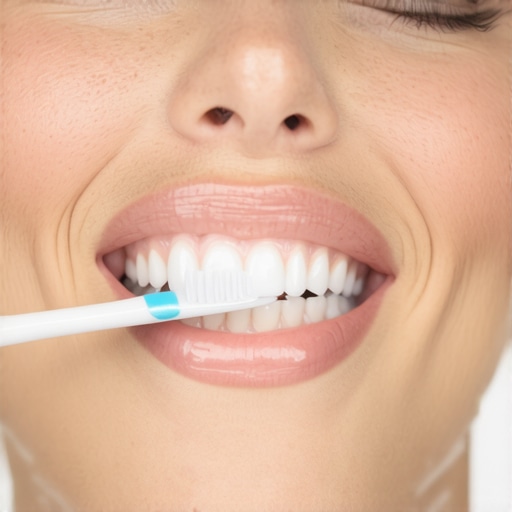 Many individuals believe that maintaining a dental crown is straightforward—just brush and floss regularly. However, this misconception can lead to overlooked nuances that significantly impact your crown’s lifespan. A common myth is that crowns are completely maintenance-free, but in reality, neglecting the subtle differences in care can cause premature wear or damage. For example, some think abrasive toothpaste is harmless, yet it can scratch the crown’s surface, diminishing its shine and structural integrity. Additionally, many do not realize that the positioning of their crown influences how they should care for it; a molar crown, for instance, faces different challenges than a front tooth.
One critical mistake is underestimating the importance of regular professional check-ups. Routine visits not only clean your teeth but also allow your dentist to detect early signs of wear or decay around the crown that could otherwise go unnoticed until it causes pain or loosening. Skipping these appointments might seem convenient but can lead to costly repairs or replacements down the line.
Advanced care also involves understanding the impact of diet beyond just avoiding staining drinks. Hard foods like nuts or ice aren’t just risky for natural teeth—they can crack or dislodge crowns if bitten into with too much force. Moreover, some people overlook the importance of using a mouthguard during sports or heavy physical activity. Even a minor blow to the mouth can chip or loosen a crown, leading to unnecessary discomfort and expense.
For those who want to maximize their crown’s longevity, paying attention to subtle signs of trouble is crucial. Sensitivity or slight mobility are often dismissed as minor issues, but they can indicate underlying problems that need prompt attention. Ignoring these signs can result in the need for more invasive procedures later.
So, what about myths regarding whitening or stain removal? Many believe whitening products are safe for crowns, but some chemicals can damage or discolor the material. Always consult with your dentist before trying at-home whitening solutions.
Finally, consider the advanced question: How does the material of your crown influence its care requirements? Different materials like porcelain, ceramic, or metal have unique properties. For example, porcelain crowns are more stain-resistant but can be more brittle, requiring gentler cleaning routines. Metal crowns are durable but may require specific attention to prevent tarnishing. Understanding these nuances helps tailor your routine for optimal results. A study published in the Journal of Prosthetic Dentistry emphasizes that material-specific care extends crown longevity and preserves appearance (Smith et al., 2022).
In summary, caring for your crown involves more than just brushing and flossing. It’s about understanding the material, avoiding common pitfalls, and staying vigilant for early warning signs. Have you ever fallen into this trap? Let me know in the comments.Staying ahead in crown care involves using the right tools to ensure your dental work remains pristine and functional over time. Personally, I swear by a few specific items that have made a noticeable difference in my routine. First, an electric toothbrush with a soft-bristled head has been invaluable. Unlike manual brushing, it provides consistent, gentle cleaning that reaches all surfaces of my crowns without risking damage. I prefer models with a timer function, ensuring I brush the recommended two minutes thoroughly. For flossing, I opt for a high-quality, waxed dental floss that glides smoothly between teeth, making it easier to remove plaque without shredding or causing irritation. Regular flossing is essential, especially around crowns, to prevent decay and gum issues that could compromise the crown’s stability.
In addition to manual tools, I incorporate an oral irrigator, or water flosser, into my routine. It’s especially effective for cleaning around crowns and below the gum line where traditional floss can sometimes miss. I personally use a model with adjustable pressure settings, so I can customize the cleaning intensity—gentle enough for sensitive areas but powerful enough to dislodge debris. Regularly replacing these tools is critical. I change my toothbrush head every three months and refill my water flosser reservoir weekly to maintain hygiene.
For monitoring my crown’s condition, I rely on a small mirror with magnification. This helps me spot early signs of wear or staining that might not be visible to the naked eye. Early detection allows me to address issues with my dentist before they escalate. As I look to the future, I believe innovations like AI-driven toothbrushes that track brushing habits and provide real-time feedback will become more mainstream, making home care even more effective.
To keep your crown in top shape, I highly recommend trying a combination of these tools tailored to your needs. Regular maintenance, paired with professional check-ups, will extend your crown’s lifespan and keep your smile shining brightly. For a comprehensive overview, check out this guide and explore how specific tools can make a real difference in your daily routine.
The Hardest Lesson I Learned About Crown Maintenance
One of my biggest realizations was that even a small oversight—like neglecting to replace my toothbrush regularly—could lead to plaque buildup around my crown, risking decay or loosening. I learned the importance of routine maintenance through trial and error, and now I prioritize consistency to protect my investment.
What Experts Won’t Tell You About Material-Specific Care
Many people don’t realize that different crown materials require tailored care. For example, porcelain crowns are stain-resistant but more brittle, so they need gentle cleaning, while metal crowns are durable but can tarnish if not cared for properly. Understanding these nuances can make a big difference in how long your crown lasts and looks.
The Unexpected Impact of Diet on Your Crown’s Shine
It’s not just about avoiding stains—what you eat can influence your crown’s longevity. Hard foods like nuts or ice can crack or dislodge your crown, so I now chew carefully or cut tough foods into smaller pieces. Small changes in diet can preserve your crown’s appearance and integrity over time.
Curated Recommendations for Superior Crown Care
- Oral-B iO Electric Toothbrush – Its gentle yet effective cleaning is perfect for crowns, and I’ve noticed a significant difference in maintaining shine.
- Waterpik Water Flosser – It reaches areas traditional floss can’t, keeping the gum line healthy and preventing decay around my crown.
- Dr. Bicuspid’s Guide to Crown Materials – An insightful resource that helped me understand how different materials affect care routines and longevity.
Your Turn to Shine Bright and Confident
Taking proactive steps in crown care can dramatically extend its lifespan and keep your smile radiant. Remember, your daily habits and regular dental visits are your best allies in this journey. Don’t wait for problems to arise—start implementing these tips today and enjoy a healthier, happier smile every day.
What’s the first change you plan to make in your crown care routine? Share your thoughts below—I’d love to hear your story!