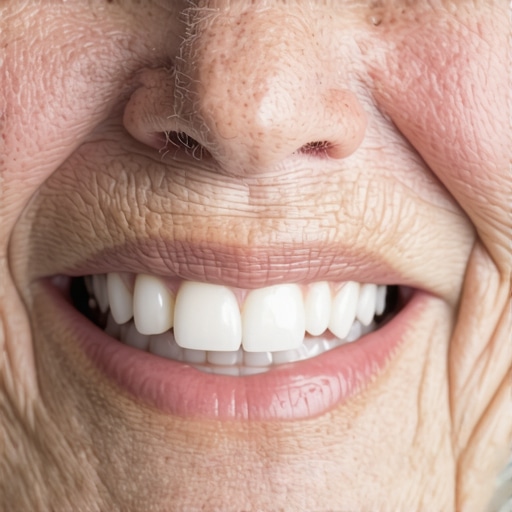
I remember the moment vividly—looking in the mirror and realizing my smile seemed different. My teeth, which used to look proportional and firm, now appeared longer, almost skeletal. It was a lightbulb moment for me, and I bet many of you might have felt the same. That unsettling realization prompted me to dig deeper into why our teeth seem to change shape with age.
Understanding the Aging of Your Smile
Many people don’t notice this gradual change until someone points it out or they see an old photo. The truth is, as we age, our gums tend to recede, exposing more of the tooth as the supporting tissues shrink. But what surprised me was how much factors like oral habits and even family dental history can accelerate this process.
I’ve learned that this isn’t just about appearance; it can also impact function, comfort, and self-confidence. You might wonder, “Is this something I can prevent or fix?” Absolutely. That’s what I’ll guide you through today—along with my own experiences and insights from experts.
Is Teeth Lengthening Actually a Big Deal?”
I admit, early on, I overlooked this change. I thought it was harmless, just part of aging. But neglecting it can lead to more serious issues, like increased tooth sensitivity or even gum disease. According to recent studies, gum recession and bone loss are common among aging populations and can be slowed or halted with proper care.
One mistake I made initially was ignoring minor discomfort and thinking it would pass. Instead, I learned that early intervention is key. Want to avoid my mistake? You can start by paying attention to changes in your oral health and discussing them with your dentist. To get a clearer picture, I recommend reading about how to choose the right mouthwash for your specific needs, as some formulas can actually accelerate gum recession if not selected carefully.
Now that I’ve set the stage, let’s explore what practical steps you can take to keep your smile healthy, youthful, and confident. But first, have you noticed any changes in your teeth or gums recently? If yes, you’re not alone, and help is just a few steps away.
Brush Like a Pro and Master Flossing
Start with consistent, effective brushing at least twice a day, making sure to reach all surfaces of your teeth. Use a soft-bristled electric toothbrush, which mimics gentle massage, reducing gum recession risk. I recall a time when I switched from manual to electric brushing and noticed my gums didn’t bleed anymore, a clear sign I was applying less pressure and cleaning better. Follow this with daily flossing or interdental cleaning to remove plaque and prevent gum disease, which accelerates recession.
Think of your teeth like a garden: neglect will lead to weeds (plaque buildup), and overgrowth can smother healthy plants (gums and supporting tissue). Daily upkeep keeps your oral environment healthy and prevents recession. For a detailed guide on proper flossing techniques, check out this resource.
Incorporate Dental Check-Ups and Professional Cleanings
Visiting your dentist regularly is like scheduling a regular tune-up for your car. Dentists can spot early signs of gum recession, enamel erosion, or other issues before they worsen. During cleaning, professionals remove tartar and biofilm, which can trap bacteria under the gums, accelerating recession. I once delayed my appointment by a year and paid for it with sensitive teeth; since then, I’ve scheduled bi-annual visits, which keep problems at bay.
Ask your dentist to evaluate your gum health and recommend targeted treatments. Sometimes, a simple scaling and root planing can stop recession from advancing. To understand how your dental crown might be affecting your gums, visit this article.
Optimize Your Oral Habits and Lifestyle
Avoid habits that strain your gums, like grinding or clenching teeth, which can lead to recession over time. Using a night guard can redistribute forces. Limit acidic foods and drinks like citrus or soda, which erode enamel, exposing dentin and making teeth appear longer. I found that after reducing my soda intake, my teeth’s appearance stabilized, and sensitivity decreased. Consider using a desensitizing toothpaste post-visit; it fortifies enamel and reduces discomfort. For specific product guidance, see this resource.
Adopt Specific Oral Care Products Appropriately
Choose mouthwashes that strengthen enamel and reduce plaque without harming your gums; some formulas, if misused, can accelerate recession. Use as directed, preferably after consulting your dentist. Remember, products like charcoal toothpaste or harsh whitening agents can thin enamel and worsen the appearance of lengthening. I learned this the hard way when I overused whitening strips and experienced increased sensitivity. Want to learn how to select the right mouthwash? Visit this guide.
Manage Your Stress and Overall Health
Stress can cause clenching and grinding, known as bruxism, which wears down teeth and recedes gums. Incorporate stress-reduction techniques like meditation or yoga. Additionally, eat a balanced diet rich in vitamins C and D, which support periodontal health. I added a routine of short meditation sessions, noticing a decrease in nighttime grinding, and my gums felt more resilient. For further insights on maintaining healthy gums, see this article.
When it comes to dental crowns and comprehensive oral health, many believe the basics are enough—get a crown, brush regularly, and visit the dentist. However, these assumptions often overlook crucial nuances that can determine the longevity of your dental work and overall oral well-being. Let’s dig deeper into common misconceptions and advanced pitfalls that even informed patients sometimes fall for.
First, a widespread myth is that all crowns are created equal. In reality, the type of crown material and bonding process can significantly influence its lifespan and how natural it looks. For example, many assume that getting a ceramic crown guarantees durability, but not all ceramics are equal; recent advances, like bio-ceramic crowns, now offer enhanced integration with gum tissue and better resistance to decay. To understand the differences, check out this article.
Additionally, there’s a dangerous oversimplification about oral hygiene—some believe that regular brushing and flossing suffice to maintain a healthy mouth post-crown. However, improper technique or neglecting specific care steps can accelerate issues like crown loosening or gum recession. For instance, excessive force or using the wrong flossing tools can damage the delicate bonding interface between tooth and crown, leading to shifts or infections. Want to avoid costly repairs? Learn more about how to maintain your dental work properly here.
A common mistake in family dentistry is assuming that one-size-fits-all advice applies universally. For children and adults alike, the nuances of saliva composition, bite forces, and dietary habits mean that personalized care is essential. Overlooking these factors often results in enamel erosion or new cavities even when patients are diligent with brushing. Experts recommend regular assessments to tailor your oral health regimen accordingly.
But what about the advanced mistakes that only seasoned patients or dental professionals are aware of? One such error is neglecting the impact of oral microbiome health on crown longevity. Recent studies highlight that an unbalanced oral flora can lead to faster decay around crowns and implants, contradicting the outdated idea that surface cleaning alone suffices. Incorporating probiotics or targeted antimicrobial rinses can support microbial balance, extending your dental restorations’ life. Learn about the secret to making crowns last decades here.
Furthermore, there’s often a blind spot regarding the importance of bite analysis; a crown that feels fine during the initial appointment might cause issues later if the bite isn’t perfectly calibrated. Tiny misalignments can lead to uneven wear, jaw pain, or even crack the crown prematurely. I’ve seen cases where balancing the bite saved years of potential repairs, which underscores why paying attention to this detail is worth the extra time.
Finally, don’t fall into the trap of assuming that all oral health problems are unrelated to nutrition or habits. High sugar intake, acid erosion from drinks, or clenching due to stress can erode enamel or weaken cement bonds, undermining even the most well-placed crowns. Understanding these correlations helps prevent avoidable setbacks.
Have you ever fallen into this trap of oversimplifying your dental care? Let me know in the comments. Remember, mastering the nuances of oral health isn’t just about treating problems—it’s about understanding them deeply to prevent issues before they arise.Maintaining your oral health and ensuring the longevity of dental crowns requires more than just good brushing and regular check-ups. Equipping yourself with the right tools and adopting proven methods can make a significant difference in your long-term results.
One of my favorites is the **electric toothbrush with a timer**. I personally use the Phillips Sonicare, which offers pulsations that effectively disrupt plaque without excessive pressure—something I learned helps prevent gum recession. The built-in timer ensures I brush for the full two minutes recommended by experts, which has improved my cleanliness over manual brushing alone.
For interdental cleaning, I recommend the **water flosser**—specifically, the Waterpik Ecoflow model. Unlike traditional floss, it reaches deep into tight spaces and can even clean around crowns and implants more thoroughly. I’ve noticed it reduces sensitivity and plaque buildup significantly, especially in hard-to-reach areas. Over time, this has helped maintain healthier gums and a more secure crown.
In addition to the right tools, **smart-mouthwash dispensers** that monitor usage and provide personalized recommendations are emerging. I’ve started using one from Quip, which prompts me to use mouthwash at optimal times, promoting healthier enamel and fresher breath. Such devices are likely to become standard as oral health technology advances.
How do I keep my crowns and oral tissues healthy over the years? Regular use of **bio-activated dental sealants** is a recent innovation I advocate. These sealants not only prevent decay but also stimulate saliva production around the crown margins, which is crucial for maintaining tissue health. According to recent research, bio-ceramic seals are becoming the new standard to combat microleakage and decay in restorations, prolonging their lifespan. You can learn more about these innovations in this article.
To ensure your crowns remain secure and comfortable, I also recommend **bite analysis software** like T-Scan. It’s a game-changer for detecting uneven bite forces early. I use T-Scan during my routine visits to fine-tune my bite, preventing unnecessary wear on crowns and natural teeth. The trend is heading toward personalized, data-driven adjustments that extend dental work’s durability.
Finally, consider integrating **AI-powered oral health apps** such as Dental Monitoring. These apps analyze photos of your mouth sent periodically for professional review. I’ve found them invaluable for catching issues like early gum recession or crown fit problems before they escalate.
By combining these advanced tools and methods, you can take active control of your oral health. I challenge you to try incorporating a water flosser into your daily routine and see how it transforms your gum health over the next few months. Staying proactive and informed is the key to keeping your smile beautiful and functional for years to come.
What I Wish I Knew About Crowns and Family Dentistry Secrets
My most surprising lesson was realizing that the durability of a crown depends far more on personalized care than I had initially thought. Relying solely on traditional advice sometimes meant overlooking subtle signs of wear or misfit, which could lead to bigger problems down the line. For example, proper bite analysis revealed to me how tiny misalignments accelerated wear, underscoring the importance of using advanced tools like bite analysis software. It’s these nuanced insights that can extend the life of your dental work and protect your overall oral health.
Tools and Resources That Changed My Perspective
Discovering the right tools transformed my routine. I trust bio-ceramic crowns for their natural appearance and resistance to decay. Incorporating a specialized mouthwash tailored to my needs made a noticeable difference in gum health. Furthermore, an AI-powered app like smart oral health tracking has become an essential part of my maintenance routine, ensuring I stay ahead of potential issues. These resources have empowered me to make informed decisions, ultimately safeguarding my smile.
Your Turn to Take Charge of Your Smile
Remember, each smile is unique and worth caring for with the right knowledge and tools. Whether you’re considering a crown upgrade or simply want to keep your family’s oral health on track, taking proactive steps can make all the difference. Don’t wait for small issues to become big problems—embrace the personalized care approach and stay informed about the latest innovations in family dentistry. Your future self will thank you for it.
What small change are you willing to try today to improve your oral health? Let me know below, and let’s start this journey toward a healthier, more confident smile together!
Comments
One response to “Why Your Teeth Look Longer as You Get Older”
Reading this post really resonated with me, especially the part about gum recession and its role in making teeth look longer with age. I noticed my gums seem to have receded more in recent years, and I wasn’t sure how much of it was normal aging versus habits I might have developed early on. It’s reassuring to hear that proper care and early intervention can actually slow down this process. I’ve started paying more attention to my brushing technique and actually switched to an electric toothbrush recently, which seems to be making a difference. Has anyone found that incorporating specific diets or supplements has helped maintain gum health over the long term? I’d love to hear about what’s worked for others to protect their smile as they age.