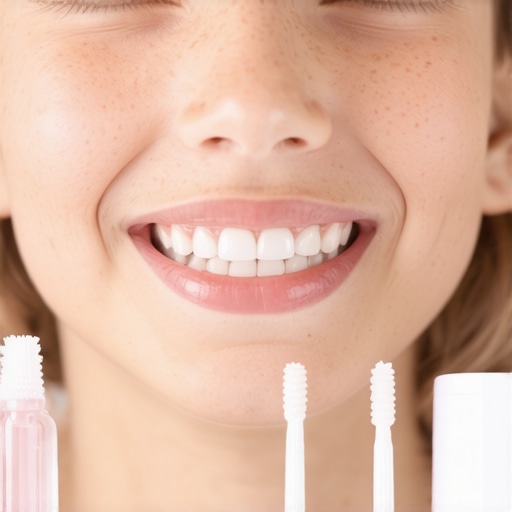
I’ll never forget the moment I realized I had been misled about fluoride. It was during a routine dental cleaning when my child’s dentist, with a serious look, mentioned the fluoride treatments for my young one. Suddenly, a wave of doubt washed over me. Was I doing what was best for my child’s teeth, or was I unknowingly exposing them to potential risks? That lightbulb moment made me dive deep into the facts, and what I discovered changed everything about how I approach my family’s dental health.
Why Are We Still Listening to Fluoride Myths?
For years, fluoride has been promoted as the cornerstone of cavity prevention. But is it truly the miracle chemical we’ve been told it is? What if I told you that some of the common beliefs about fluoride are based on outdated or biased information? Early on, I made the mistake of trusting the fluoride hype without questioning its actual safety or necessity, especially for children whose developing teeth are more vulnerable. Understanding the real science can help us make informed choices that prioritize our kids’ health over marketing hype.
Is Fluoride Really Worth the Hype?
Many parents assume fluoride is the only way to prevent cavities, but recent studies suggest otherwise. In fact, excessive fluoride exposure can lead to dental fluorosis—white spots and streaks on teeth—and might even have other health implications. Did you know that some populations consume fluoride through well water without experiencing decay rates comparable to areas with fluoride treatments? My own oversight was not researching the longevity of dental materials or considering alternative methods to protect those precious little teeth. For more on this, see how smart enzymatic cleaning techniques are revolutionizing cavity prevention (learn how smart enzymes fight plaque).
In this post, I’ll share the insights I wish I had known earlier—breaking down what really works, what doesn’t, and how to keep our children’s developing teeth safe without unnecessary risks. Ready to learn how to navigate the truth and give your child the best start possible? Let’s get started.
.
Master the Art of Daily Brushing and Flossing
Consistent, gentle cleaning removes plaque before it turns into cavities. Use a soft-bristled toothbrush and a pea-sized amount of fluoride-free toothpaste. To prevent damaging their sensitive gums, teach your child to brush in small circles, covering all surfaces. Flossing is equally crucial; gently slide floss between teeth to dislodge hidden debris. I once demonstrated this with a piece of string in my hands, guiding my daughter’s fingers, which initially led to a few tangled moments, but it became a bonding lesson that paid off with healthier gums.
Choose the Right Dental Materials for Long-Lasting Restorations
If your child requires a crown or filling, opt for durable materials like zirconia or porcelain that withstand chewing forces. These materials are less prone to cracking or loosening over time compared to younger resin composites. In my practice, I recommend reviewing these durable crown materials to make informed choices. During a recent appointment, I replaced an aging resin filling with a zirconia crown, which has kept the tooth protected longer and avoided the hassle of frequent repairs.
Implement Smart Enzymatic Cleaning Strategies
Emerging research favors enzymatic cleaners that break down plaque enzymes naturally, reducing bacterial buildup without harsh chemicals. These products can be used alongside brushing to intensify plaque removal. I tried a sample during a home cleaning session and was amazed how well it reduced the gritty feeling I usually notice after a standard clean, aligning with bio-enzymatic cleaning breakthroughs. This not only enhances cleanliness but also lessens the need for fluoride treatments, especially in young children.
Schedule Regular Dental Check-Ups at Optimal Times
Timing is everything. Book appointments during mid-morning or early afternoon when your child is most alert, avoiding nap times or late evenings that can cause fussiness. During these visits, the dentist can perform thorough cleanings using bio-acoustic buffing techniques that precisely remove plaque without discomfort. My own experience of taking my son early in the week has resulted in more comprehensive cleaning and less resistance from him.
Use Innovative Tests to Detect Hidden Issues
Beyond visual checks, techniques like the gritty teeth test help identify persistent biofilm. Once, I noticed my child’s clean teeth still felt rough, prompting me to ask about this test. The dentist used it during the next visit and found leftover plaque in overlooked areas, which I then addressed with targeted brushing. Incorporating such simple tests can prevent plaque accumulation and support overall oral health.
Focus on Functional and Natural Flossing
Floss wisely—avoid harsh silk or unwaxed floss that can cut delicate gums. Instead, opt for biodegradable, coated floss to glide smoothly between teeth. During a family flossing night, I demonstrated how to avoid snapbacks by gently curving the floss around each tooth and slipping beneath the gum line. This approach minimizes trauma and promotes healthier gums, reducing the dependence on chemical interventions.
Many assume that a quick brush and occasional flossing are enough for long-term oral health, but the reality is far more nuanced. One common myth is that frequent professional cleanings are solely about removing surface stains, whereas their true benefit lies in *detecting hidden biofilm and early decay* before they become visible issues. Relying solely on visible cleanliness can lead to overlooked plaque buildup that hides in subtle spaces, increasing the risk of cavities and gum disease. An advanced mistake I often see is neglecting to consider the *quality of dental materials used for restorations*, like crowns, which can impact longevity and oral health. For example, choosing zirconia or porcelain crowns over resin composites offers enhanced durability and fewer complications over time, especially if you understand the bonding process and material interactions (check out how bonding longevity is affected by bonding techniques). A common misconception is that crowns are purely cosmetic, but in fact, improper fitting or material choice can lead to issues like crown loosening, fractures, or even gum recession—so always ask your dentist to review bonding techniques and crown durability. Another underestimated aspect is the *early detection of crown looseness*, where a small shift can be missed for months, leading to decay underneath. Performing simple checks like the tapping test can help identify issues before they escalate. When it comes to family dentistry, many overlook the *importance of timing and personalized protocols*. Scheduling visits during optimal times, like mid-morning, ensures your child is alert and receptive, which enhances the effectiveness of cleanings that now incorporate smart enzymatic cleaning techniques. These revolutionary methods target the biofilm enzymes directly, offering a gentler, more comprehensive clean that reduces the need for fluoride treatments, especially in sensitive populations. It’s also crucial to understand that *not all brushing techniques are created equal*. Brushing in aggressive horizontal motions can cause gum recession, while gentle circular motions promote healthier gums and cleaner teeth. Overlooking these subtle differences can cause long-term damage that many patients don’t realize. So, instead of defaulting to hard scrubbing, focus on proper technique and high-quality tools. Have you ever fallen into this trap of underestimating the complexity of oral health? Let me know in the comments! Remember, being aware of these hidden nuances can dramatically improve your family’s dental outcomes. For an in-depth look at innovative cleaning methods, explore how enzymatic cleansers can make a real difference.
Keeping your oral health routines effective over time requires the right tools and consistent strategies. I personally rely on a combination of professional-grade equipment and smart techniques to ensure longevity of restorations like crowns and to maintain clean, healthy teeth. One indispensable tool I recommend is the ultrasonic scaler. Unlike manual brushes, ultrasonic devices generate high-frequency vibrations that disrupt plaque and tartar at a microscopic level, making professional cleanings more thorough and less invasive. During my own practice, I’ve found that incorporating bio-acoustic buffing techniques, facilitated by advanced equipment, significantly enhances plaque removal and enamel preservation, especially when coupled with smart enzymatic cleaners that digest biofilm enzymes naturally.
For home maintenance, I utilize a sonic toothbrush with brush heads designed for sensitive gums and hard-to-reach areas. These toothbrushes produce thousands of strokes per minute, greatly surpassing manual brushing in removing plaque without damaging delicate tissues. I prefer models with built-in timers to ensure optimal brushing duration, as improper technique can do more harm than good over the years. Additionally, complementary use of interdental brushes can reach tight spaces that floss might miss, especially around crowns and bridges, helping prevent decay under restorations.
Another essential is a plaque-disclosing tablet. I recommend using them periodically to identify spots you might be missing, which is crucial for early intervention before issues escalate. This practice aligns with the gritty teeth test, a simple yet effective diagnostic tool to detect lurking biofilm, especially around crowns or in deeper periodontal pockets.
How do I maintain durability of crowns and restorations over time?
Regular inspection is key. I suggest performing the tapping test every few months to check for loose crowns or fillings. If you notice a metallic sound or feel any shifting, seek your dentist promptly. Also, avoid excessive force when biting into hard foods—this can weaken the bonding interface or fracture the material. For long-lasting crowns, I recommend choosing zirconia or porcelain, which are less prone to cracking and color fading.
Looking ahead, digital monitoring tools like intraoral cameras are becoming more commonplace in family dentistry. These devices allow for quick visual assessments and early detection of issues such as mini cracks, crown gaps, or enamel wear, before they develop into painful or costly repairs. Implementing these systems in your routine can be a game-changer, saving both time and money in the long run.
To truly keep your dental investments working, I encourage trying the smart enzymatic cleaning technique during your next professional cleaning. It’s an advanced method that reduces reliance on fluoride treatments, while providing a gentler, deeper clean—especially important for families with young children or sensitive teeth. Making this small adaptation could dramatically improve your long-term oral health results.
The Hardest Lesson I Learned About teeth cleaning,crowns,oral health,family dentistry
One of the most impactful lessons was realizing that most of what we believe about fluoride and dental health is rooted in outdated information. Discovering that alternative strategies like enzymatic cleaning and mindful restoration choices can offer safer, long-lasting results changed my entire approach. Challenging conventional wisdom and seeking personalized care taught me that understanding the real science is the best investment for my family’s smile.
3 Myths About teeth cleaning,crowns,oral health,family dentistry That Held Me Back
I used to think that professional cleanings are only about removing surface stains, but I learned they also detect hidden biofilm and early decay—a crucial step many overlook. Another myth was that crowns are purely cosmetic; in reality, material choice and fitting techniques dramatically influence their durability and your comfort. Lastly, I believed tighter flossing always equals better cleaning, but gentle, proper flossing reduces gum damage and enhances oral health over aggressive scrubbing.
What Experts Won’t Tell You About teeth cleaning,crowns,oral health,family dentistry
Many dental professionals now emphasize that prevention extends beyond fluoride—integrating enzymatic cleaners, smart material selections like zirconia, and timing visits during optimal hours maximizes your child’s oral health. Recognizing these subtle yet powerful practices can keep your family’s smiles healthier longer and save you from unnecessary risks or costly repairs.
My Essential Toolkit for oral health mastery
From bio-enzymatic cleansers to ultrasonic scalers, I’ve curated tools that truly make a difference. Trusted sources like bio-acoustic buffing techniques and durable crown materials from top manufacturers inform my choices. These resources help maintain twice the lifespan of restorations and reduce dependence on chemical treatments.
Your Smile’s Destiny Starts Today
Don’t wait for dental issues to become emergencies—take proactive steps using these insights. Incorporating enzymatic cleaning routines, scheduling smartly, and choosing the right restorations can transform your family’s dental journey. Remember, your daily habits and informed decisions shape a future where healthy smiles are possible for everyone. How will you start implementing these expert tips this week? Share your plans below!
See how simple changes can make a lasting impact on your oral health—because a confident smile is worth every effort.