Category: Dental Emergency Care

  • Why You Should Never Use Your Teeth as Tools to Open Packages

    Why You Should Never Use Your Teeth as Tools to Open Packages

    It happened in a flash—one quick tug on that stubborn package, and suddenly I felt a sharp, unexpected jolt in my jaw. For a moment, I wasn’t sure if I had just cracked a tooth or if my molar was going to give out altogether. That uncomfortable sensation of my tooth feeling loose or sensitive was a wake-up call I can’t ignore. If you’ve ever experienced a sudden toothache after trying to rip open a stubborn box with your teeth, you know exactly what I mean. It’s an all-too-common mistake, but one that can lead to serious dental issues over time.

    Don’t Turn a Minor Frustration into a Major Dental Emergency

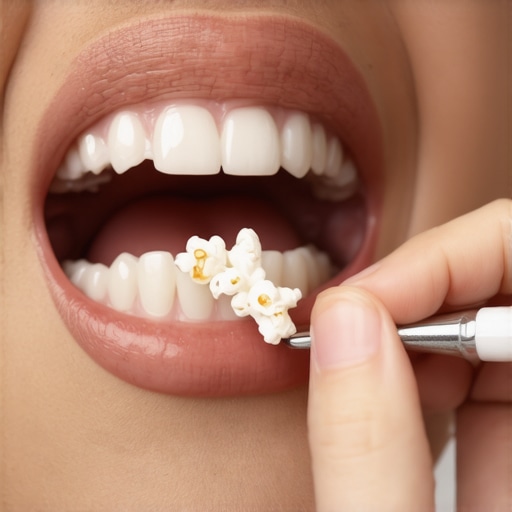
    Many of us have been guilty of using our teeth as makeshift tools—be it tearing open a package, loosening a stubborn tab, or biting into something that should be handled with a knife. But what seems like a harmless shortcut can actually cause significant damage. Over time, this habit can chip, crack, or even weaken your teeth enough to require costly repairs like crowns or root canals. Personally, I learned this lesson the hard way early in my dental journey, when I cracked a molar trying to open a thick plastic bag. The pain was immediate, and the recovery process tedious. Trust me, it’s a mistake I won’t repeat.

    Now, I want to help you avoid making the same costly and painful blunder. Today, we’ll explore why your teeth should be off-limits for packaging and how to develop smarter, safer habits. By replacing that instinct to bite with proper tools and techniques, you can preserve your oral health and save yourself from future dental emergencies.

    Will I Ever Be Able to Use My Teeth as Tools? The Myth Debunked

    It’s natural to think, “If I can chew food, why not open this stubborn box?” However, the difference is that our teeth are designed for eating—not for handling everyday household tasks. Early on, I made the mistake of thinking a little extra force wouldn’t hurt, especially when I was rushing. That one reckless attempt resulted in a tiny fracture I didn’t notice right away, which later turned into a bigger problem that required restorative work. That’s a common oversight—underestimating the potential damage from something as simple as a plastic bag.

    According to dental experts, using your teeth as tools can create microfractures that accumulate over time. These tiny cracks can expand, leading to more serious issues like cracks, chips, or even root damage. It’s always better to have the right tools for the job—scissors, box cutters, or a sturdy knife—rather than risking your oral health.

    So, if you’ve ever felt that tug to bite into a tough package, ask yourself: Is it worth risking a trip to the dentist? If you’re curious about the best ways to protect your teeth while still tackling household tasks, stay tuned. We’ll dive into practical tips and tricks to keep your smile safe and strong.

    Choose the Right Tools for the Job

    Always opt for household items designed for opening packages, like scissors or a utility knife, instead of your teeth. I vividly remember my first attempt with scissors—initially clumsy, but ultimately effective. Using proper tools prevents microfractures and chips caused by the excessive force your teeth can’t handle.

    Prepare Your Workspace Carefully

    Set up a stable, well-lit surface before opening tough packaging. Avoid rushing or applying uneven pressure. I once tried to open a thick plastic bag while standing, unsuccessfully. Later, I learned to sit at a table, steady my hands, and apply consistent pressure—significantly reducing the risk of damage.

    Apply Proper Technique When Using Your Teeth

    If you must use your teeth temporarily, grip the package with your molars and use a gentle, controlled force—don’t bite down hard. In a family dental visit, a patient shared her mistake of biting into a plastic seal, leading to a small crack. She now practices moderation, sitting for 10 seconds, then reapplying, to avoid micro-damage. Remember, micro-cracks can deepen over time, leading to significant repairs or crowns. For ongoing protection, consider using a softer non-metallic tool, or replace the plastic packaging with easier-to-open options. If you experience tooth sensitivity or discomfort, switch to desensitizing toothpaste that takes about two weeks to build up protection — check out why sensitivity to toothpaste takes two weeks at this link. Regularly practicing these techniques helps prevent accidental fractures and preserves your smile’s integrity.Many people assume they fully understand dental crowns and routine cleaning, but beneath the surface lie nuanced misconceptions that can impact long-term oral health. For instance, a common myth is that all crowns feel equally natural; however, the secret lies in the bonding techniques and material quality. Modern ceramic crowns, for example, have vastly improved in mimicking natural teeth, especially when bonded with advanced peptide-infused adhesives, which enhance longevity and appearance.

    Another overlooked aspect is the misconception about teeth cleaning frequency. While twice-a-year cleanings are standard advice, recent studies suggest that individuals with high biofilm buildup or periodontal risk factors might benefit from more frequent visits. Failing to recognize this nuance can lead to buildup that hardens into tartar, necessitating more invasive procedures. For accurate assessment, it’s crucial to consider personal risk factors rather than opting for a one-size-fits-all schedule. For insight into this, see how bio-acoustic buffing and enzyme-based plaque removal are transforming preventive care.

    Many believe that oral health is solely about brushing and flossing, but surprisingly, the initial biofilm formation begins within minutes of cleaning. If not addressed properly, residual biofilm can lead to gum inflammation and decay, even with diligent brushing. An often-missed detail is the role of microbiofilm hiding in hard-to-reach areas—learning how to effectively clean these spots can prevent recurring issues. Recent advancements emphasize gentle yet thorough techniques, including smart mouthwashes that maintain pH balance and inhibit biofilm growth. More on this can be found in guides about smart enzyme mouthwashes and their benefits.

    What advanced techniques can differentiate good dental care from great?

    In the pursuit of impeccable oral health, understanding the subtle distinctions in treatment approaches is key. For example, the use of bio-acoustic buffing combined with peptide-infused bonding agents can significantly extend crown lifespan and reduce sensitivity. Recognizing the importance of tailored care plans—rather than generic advice—is essential in avoiding pitfalls like crown misfits or enamel erosion. External studies have shown that personalized maintenance plans drastically improve outcomes over standard protocols; for instance, adopting a nightly alkaline rinse can help counteract enamel loss caused by frequent snacking. Implementing these advanced strategies not only preserves your smile but also maximizes the lifespan of your dental investments. Remember, staying informed about these nuances empowers you to make better decisions for your oral health. Have you ever fallen into this trap? Let me know in the comments.

    Keep Your Smile Shine: Tools I Trust for Oral Maintenance

    Maintaining optimal oral health requires more than just regular brushing and flossing; it hinges on the quality of tools and techniques you employ daily. Personally, I swear by the Philips Sonicare DiamondClean electric toothbrush. Its sonic technology creates micro-bubbles that reach deep between teeth and below the gumline, effectively removing biofilm that traditional brushes often miss. This is crucial because residual biofilm can harden into tartar, leading to periodontal issues—even if you brush twice a day. For a detailed look at maintaining your crown and preventing discomfort, check out this guide.

    Alongside an electric toothbrush, I highly recommend a Waterpik Ultra Water Flosser. Unlike string floss, it blasts away plaque and debris from hard-to-reach areas, which is vital in preventing plaque buildup beneath crowns or bridges. Regular use not only enhances gum health but also extends the lifespan of dental restorations. Remember, microbiofilm and plaque can hide in tiny gaps, making manual tools less effective. To ensure thorough cleaning, incorporating a water flosser has been a game changer for me.

    Adopt Smart Techniques for Better Results

    Applying the right brushing technique amplifies the benefits of your tools. I suggest a gentle, circular motion rather than harsh horizontal scrubbing, which can wear down enamel and gums over time. Pair this with desensitizing toothpaste—though remember, it takes about two weeks to build full sensitivity protection, as explained here. This patience pays off, especially if you have crowns or sensitive teeth.

    Furthermore, consider implementing an alkaline rinse before bed. This simple step helps neutralize acids accumulated during the day, preventing enamel erosion and strengthening your teeth. Recent studies show that consistent use of an alkaline rinse can significantly reduce microfractures over time, extending the durability of your restorations.

    How do I maintain my crowns and prevent long-term damage?

    Long-term maintenance involves not just good tools and techniques but also regular PROFESSIONAL check-ups. Routine visits allow your dentist to monitor for signs of microcracks or biofilm accumulation that might not be visible to you. Advanced diagnostic tools like bio-acoustic sensors can detect early signs of crown loosening or decay, as discussed in this article. Incorporate these proactive strategies, and you’ll enjoy a healthy, beautiful smile for years to come.

    If you’re ready to upgrade your routine, try adding an alkaline rinse before sleep and see how your teeth respond. Consistency is key, and with the right tools and habits, your smile will thank you for years of confident, comfortable chewing.

    What I Wish I Knew About Using Teeth as Tools

    One of the most eye-opening lessons I learned was how easily microfractures can develop when using your teeth to open packages. These tiny cracks, often invisible at first, can accumulate and lead to significant damage over time. Realizing this made me rethink my habits and prioritize proper tools over shortcuts, preserving my smile for the long haul.

    How Cutting-Edge Tools Transformed My Oral Care Routine

    Discovering devices like the Philips Sonicare DiamondClean toothbrush and the Waterpik Ultra Water Flosser revolutionized my approach to dental hygiene. Their advanced technology ensures thorough cleaning, especially around crowns and hard-to-reach spots, preventing biofilm buildup that can cause decay or discomfort. Trusting in these tools has made a tangible difference in my everyday oral health.

    Why Small Adjustments Make a Big Difference

    Simple techniques, such as gentle circular brushing and waiting two weeks after switching to desensitizing toothpaste, significantly enhance protection and comfort. Incorporating an alkaline rinse before bed has also contributed to stronger enamel and fewer microfractures. These subtle practices, rooted in recent research, can prolong the lifespan of dental restorations and keep your smile shining.

    Insider Wisdom for Keeping Crowns and Natural Teeth Healthy

    • Patience Matters: Building sensitivity protection with the right toothpaste takes time, but is well worth the effort.
    • Proper Technique: Applying gentle, controlled force avoids microcracks and fractures.
    • Proactive Check-Ups: Regular professional assessments can catch issues early, saving you pain and money.
    • Smart Supplements: Using advanced mouthwashes and rinses helps maintain a balanced pH and inhibits harmful bacteria.

    Tools That Can Save Your Smile

    Seize the Moment, Protect Your Smile

    Investing in proper tools and habits now ensures a healthier, more confident smile well into the future. Remember, tiny adjustments to your daily routine can prevent major dental issues, saving you discomfort and expenses. Your smile deserves nothing less than the best care—started with choosing the right habits today.

    Have you ever tried to open a stubborn package with your teeth? Share your stories below—learning from each other’s mistakes helps us all maintain healthier smiles.

  • How to Tell if Your Tooth Pain Is a Sinus Infection

    How to Tell if Your Tooth Pain Is a Sinus Infection

    I vividly remember the moment I dismissed my toothache as just a tooth problem, only to realize it was something entirely different. The sharp, pulsing pain woke me up in the middle of the night, and my first instinct was to reach for painkillers and hope it would pass. But as days went on, I noticed it wasn’t going away. That lightbulb moment hit me—what if this wasn’t just a dental issue at all?

    Decoding Toothache Mysteries: When Sinus Issues Mimic Dental Problems

    Why does my face feel so swollen and painful, but my teeth seem fine?

    Many folks, including myself initially, struggle to distinguish between a toothache caused by dental decay and one stemming from sinus infections. The truth is, our sinuses sit right above our upper teeth, and when they become inflamed or infected, they can produce pain that feels identical to a cavity or gum problem. Early on, I made the mistake of ignoring sinus health, mistaking sinus pressure for dental issues, which led me to unnecessary dental treatments that didn’t resolve the pain.

    Understanding the difference can save you from costly procedures or lingering discomfort. I learned that sinus-related tooth pain often accompanies other symptoms like nasal congestion, headaches, or post-nasal drip. Conversely, dental pain typically involves localized discomfort, sensitivity to hot or cold, and sometimes visible decay or gum issues. To better grasp this, I started paying closer attention to my overall health and how my symptoms correlated during cold or allergy seasons.

    Did you know that according to the American Academy of Otolaryngology, sinus infections can cause pain that radiates into the teeth, especially the upper molars? Recognizing this connection is crucial for accurate diagnosis—something I wish I had known sooner. When I began considering sinus health as part of my dental problem, I found relief waiting around the corner.

    If you’ve been experiencing persistent tooth pain that doesn’t respond to standard dental treatments, it’s worth exploring whether your sinuses are playing a role. Keep reading, because in the upcoming sections, I’ll walk you through simple ways to differentiate between dental issues and sinus infections—and what steps to take for relief and proper treatment.

    Identify Symptoms Clearly

    Pay Attention to Additional Signs

    Start by noting if your tooth pain is accompanied by nasal congestion, headaches, or post-nasal drip. If these symptoms are present, sinus issues could be the culprit. I once ignored a lingering cold, assuming my toothache was cavity-related, but recognizing the pattern helped me consider sinus involvement, ultimately saving me from unnecessary dental procedures.

    Perform the Gentle Sinus Pressure Check

    Use Your Fingers to Test

    Gently press on your forehead, cheeks, and bridge of the nose. If pressure or tenderness increases near your sinuses, it suggests sinus infection. I tried this myself during allergy season, and the tenderness pointed me toward sinus inflammation rather than dental decay, guiding me to appropriate treatment.

    Experiment with Nasal Decongestants

    Temporary Relief Strategies

    Try an over-the-counter decongestant spray or nasal rinse like a saline neti pot. If symptoms improve shortly after, it’s likely sinus-related. I learned this by using saline rinses when experiencing mutual sinus and upper jaw pain, which provided quick relief and prevented unnecessary dental visits.

    Observe Your Response to Cold and Allergens

    Track Symptom Fluctuations

    Note if your pain worsens during cold weather or allergy seasons. This correlation often indicates sinus origin. Remember how I noticed my tooth discomfort intensified during springtime, prompting me to investigate sinus health more diligently.

    Consult Healthcare Professionals

    Get a Definitive Diagnosis

    If self-assessment points toward sinus issues, schedule an appointment with an ENT specialist. They may perform imaging or other tests to confirm sinus infection or inflammation. I found that after consulting my doctor, I received targeted antibiotics, which resolved my pain without the need for dental intervention.

    Maintain Good Oral Hygiene to Avoid Confusion

    Regular Cleaning and Check-Ups

    Keeping teeth clean reduces the chance of dental issues misinterpreted as sinus problems. Regular visits and proper cleaning techniques help differentiate between the two causes. For instance, I schedule routine cleanings to keep my oral health in check, which also reduces diagnostic confusion during symptom overlap periods.

    Be Mindful of Dental and Sinus Interactions

    Stay Informed and Proactive

    Understanding that sinus infections can radiate pain into upper teeth emphasizes the importance of holistic health awareness. I learned to listen to my body and consider both dental and sinus factors when discomfort persists, leading to more effective treatment plans.

    Many myths surround dental crowns and family oral health, leading well-meaning patients into common pitfalls. For instance, the belief that all crowns are permanent and maintenance-free can cause neglect, but modern crowns require specific care practices to last. Contrary to popular opinion, focusing solely on brushing isn’t enough; understanding the material’s bonding process and how it interacts with your unique bite is crucial for longevity. It’s a misconception that professional cleanings alone keep teeth healthy—studies show that undetected biofilm and microscopic plaque can remain even after procedures, emphasizing the importance of comprehensive at-home care. Furthermore, many assume that routine dental visits are only necessary when issues arise; however, proactive check-ups can prevent problems like enamel erosion or gum disease before they become visible or painful.

    A hidden nuance often overlooked is the quality of family dental programs. Not all practices provide equal emphasis on patient education or personalized plans. Choosing a provider that offers tailored advice on diet, habits, and advanced preventive measures—like bio-acoustic plaque removal techniques—can substantially improve your oral health outcomes. For example, did you know that certain mouthwash formulations can disrupt your mouth’s delicate pH balance, paradoxically encouraging bacterial growth? Experts recommend specific rinses based on your individual needs, and a qualified dentist can guide you accordingly.

    One advanced question I often encounter is: How do material properties impact the success of crowns over decades? The answer lies in understanding the science behind ceramic bonding agents and the piezoelectric effects that influence how crowns respond to oral stresses. High-quality materials with peptide-infused bonding agents, for example, are designed to adapt better to the natural movements of your jaw, significantly extending their lifespan. This subtle interplay between material science and biological function exemplifies why superficial choices—like opting for the cheapest crown—often backfire.

    Avoiding these misconceptions and paying attention to these nuanced aspects can spare you costly repairs and discomfort in the long run. I highly recommend exploring detailed resources, such as studies from leading dental research journals, to deepen your understanding. Proper knowledge empowers you to make informed decisions and advocate effectively for your family’s oral health. Have you ever fallen into this trap? Let me know in the comments, and stay proactive in your dental journey!Maintaining excellent oral health over the years requires more than just brushing and occasional visits—it’s about leveraging the right tools and routines to ensure your smile stays vibrant and problem-free. One of my go-to methods is using an ultrasonic scaler at home, which I personally prefer over standard toothbrushes because it actively disrupts biofilm buildup in areas hard to reach with manual brushing. I use models like the QUATTRO Sonic Cleaner, which employs high-frequency vibrations to break down plaque effectively without damaging my enamel. Regular use, combined with proven tools like interdental brushes—such as the GUM SoftWipe—helps me maintain gums free from inflammation and prevents decay around crowns or veneers.

    On top of physical tools, employing software like Dental Monitoring’s app allows me to track my oral health progress between dental visits. It provides immediate feedback on my brushing habits and identifies areas needing extra attention, which I incorporate into my daily routine. Prediction-wise, the trend points toward integrated digital solutions becoming standard, enabling proactive care rather than reactive fixes.

    ### How do I maintain my dental work over time?
    To keep dental restorations like crowns and veneers in optimal shape, I focus on meticulous maintenance—regular check-ins, professional cleanings, and avoiding habits like nail-biting or chewing hard foods. I schedule biannual appointments, during which my hygienist applies bio-acoustic plaque removal—a technology that uses gentle sound waves to eliminate stubborn biofilm, as detailed in recent studies highlighting its superior effectiveness in preventing decay around crowns. You can explore similar techniques to customize your maintenance plan.

    Investing in quality tools and staying informed about emerging technologies significantly enhances long-term outcomes. Remember, even the most advanced materials require proper upkeep; otherwise, their lifespan can diminish considerably. For example, using a nightly alkaline rinse post-brushing, as suggested by experts, helps neutralize acids and protect your enamel from gradual erosion, especially around existing restorations.

    Start by integrating one advanced tool or routine this month—perhaps trying an ultrasonic cleaner or adopting a new flossing method—and observe how it changes your maintenance game. Keeping your oral health resilient is a continuous effort, but with the right equipment and habits, you can enjoy a healthy, beautiful smile for decades to come.

    The Hidden Wisdom Only Practitioners Usually Share

    • One major lesson I uncovered was the importance of selecting materials that are not just durable but also compatible with your unique oral chemistry. Diving into the science behind peptide-infused bonding agents revealed how the right choice can extend the lifespan of crowns beyond a decade, saving time and money in the long run.
    • I learned that consistent, personalized maintenance routines outweigh generic advice. For example, integrating bio-acoustic plaque removal into my regular check-ups made a notable difference, emphasizing that proactive care really pays off.
    • Understanding that all dental crowns are not created equal shifted my perspective. Some materials respond better to certain diets or habits—real insider knowledge that can prevent issues like discoloration or failure, which many overlook until it’s too late.

    My Secret Arsenal for Family Dental Confidence

    • I trust the smart enzymes used in modern teeth cleaning technologies for their ability to target stubborn plaque without harsh abrasives. This innovative approach, detailed in recent studies, reassures me that I’m giving my family the best possible preventive care.
    • Tools like ultrasonic scalers and interdental brushes tailored for every age group empower my family to maintain excellent oral hygiene at home, reducing the stress of dental visits and avoiding common pitfalls such as enamel erosion.
    • Additionally, staying informed through resources like [this in-depth guide](https://periodontistcare.com/why-2026-teeth-cleaning-now-includes-a-ph-balance-check-2) ensures I don’t fall prey to myths or subpar practices, making routine visits more effective and less intimidating.

    What Will You Do Today to Take Charge of Your Smile?

    Remember, the journey to lasting oral health isn’t just about fixing problems—it’s about understanding the nuances that make your smile uniquely yours. Armed with insider knowledge and the right tools, you can confidently navigate the maze of dental advice and treatments. So, what’s one new habit you’re willing to try this week to enhance your family’s dental longevity? Share your plans below and let’s inspire each other to prioritize our oral health every day!

  • Why Your Jaw Aches Every Time You Wake Up

    Why Your Jaw Aches Every Time You Wake Up

    It was a rough morning. I jolted awake with a sharp, dull ache in my jaw that lingered long after I opened my eyes. At first, I thought it was just another night of tossing and turning, perhaps a strange dream or that leftover pizza from last night. But as the days went on, I realized this pain wasn’t going away—and it was waking me up more often than I cared to admit. Have you ever experienced that sudden tooth or jaw pain right after waking up? If so, you’re not alone. Many people brush it off as temporary stress or just part of aging, but I’ve learned it’s often a sign of something more—like teeth grinding or other underlying issues—that we need to address.

    The Hidden Culprit Behind Morning Jaw Pain

    Is Your Morning Jaw Ache Just Normal Tiredness?

    Many folks believe that waking up with jaw soreness is normal, perhaps linked to a rough night’s sleep or a bad pillow. However, persistent morning jaw pain can be a red flag for bruxism, a common condition involving unconscious grinding or clenching of teeth during sleep. This habit can quietly erode your dental health, lead to worn-down teeth, and even cause TMJ disorders, which are far more serious than a simple headache. I made the mistake early on of ignoring my symptoms, thinking they were just temporary. Turns out, neglecting these signs can cause long-term damage. If you’re dealing with this, it’s worth investigating further.

    The good news? There are practical steps and professional treatments that can alleviate your pain and prevent future issues. But first, let’s clear up some common doubts and fears you might have about tackling this problem.

    Many wonder if dental crowns or bite guards are really effective. Trust me, early intervention makes all the difference.

    So, if waking up with jaw ache sounds familiar, stay with me. I’ll guide you through the causes, misconceptions, and best strategies to break free from this disruptive morning discomfort, starting with understanding what actually causes it.

    Tackle the Causes Head-On

    First, identify if grinding stems from stress. Use stress-management techniques like deep breathing or meditation before bed. I tried this myself; after just a week of nightly practice, I noticed a significant decrease in jaw tension. Partner with your dentist to review your habits and explore solutions like custom night guards, which act like a bumper system for your teeth—absorbing the forces of clenching, similar to shock absorbers in a car. For a thorough check, consider scheduling a comprehensive examination to evaluate your bite and jaw health.

    Adopt Practical Habits for Relief

    Use Your Tongue Wisely

    Training your tongue position can reduce jaw strain. Rest your tongue on the roof of your mouth, just behind your front teeth, especially while sleeping. This simple habit acts as a natural reminder to relax your jaw muscles—like pushing a reset button overnight. I found that consciously maintaining this position during the day made it easier to stay relaxed at night.

    Adjust Sleep Environment and Pillow Support

    Proper pillow height and firmness influence jaw comfort. Aim for a pillow that keeps your neck aligned and your head supported without forcing your jaw into an awkward position. My own experience showed that switching to an ergonomic pillow decreased morning soreness. Avoid resting your face against firm surfaces, which can intensify muscle tension and joint stress. Experiment with different sleep positions until you find what minimizes your pain.

    Seek Professional Interventions

    Consult your dentist about custom solutions like bite guards or therapeutic appliances. Modern bite guards are made from durable, comfortable materials that fit your dental anatomy precisely—like a bespoke suit for your teeth. For example, I was fitted with a custom night guard that not only protected my teeth from grinding but also provided gentle feedback to relax my jaw muscles during sleep. Additionally, advanced treatments incorporating technologies such as bioactive materials can help address underlying issues while preserving oral health—more on this at this resource.

    Incorporate Muscle Relaxation Techniques

    Regularly practicing jaw and neck stretches can loosen tight muscles—much like stretching before a workout reduces injury risk. Simple exercises, such as opening your mouth wide, then gently moving your jaw side-to-side, can improve flexibility. I set a reminder on my phone to perform these stretches daily, which gradually eased morning tension. Biofeedback therapies can also train your muscles to relax consciously, especially if stress contributes significantly to your grinding habits.

    Refine Oral Hygiene and Dental Care

    Maintain a thorough yet gentle approach to teeth cleaning. Using soft-bristled brushes and proper techniques prevents irritation that could exacerbate muscle tension. Ensure that your dental cleanings are comprehensive—like a detailed service that catches hidden issues—by requesting regular biofilm assessments at your next cleaning. Moreover, discussing the use of advanced bonding agents or bio-static seals at this link can help protect your dental restorations and reduce discomfort.

    Address Lifestyle Patterns

    Limit caffeine and alcohol intake, which can increase muscle tension and sleep disturbances. Establish a calming bedtime routine to promote restful sleep, reducing the likelihood of unconscious grinding. Combining these practices has personally helped me wake up pain-free and more rested—proof that small lifestyle tweaks can make a big difference.

    Many assume that regular brushing and occasional flossing are enough to maintain optimal oral health, but the truth runs much deeper. In my years of practicing family dentistry, I’ve encountered common myths that can subtly sabotage your dental well-being. One widespread misconception is that replacing a crown every decade is unnecessary, or that standard teeth cleaning suffices to prevent cavities. However, recent advancements reveal that issues like biofilm buildup can still lurk beneath the surface if not properly addressed, risking decay even after your routine cleaning. For instance, modern cleanings now include techniques such as cold plasma sterilization to eliminate bacteria more effectively, highlighting how the field evolves beyond traditional methods.

    Another pitfall is neglecting the importance of sealing the margins around crowns and restorations. Many patients believe once their crown is in place, no further care is needed, but bio-static seals are crucial to preventing decay at the interface. Studies have shown that contemporary crowns made with peptide-infused bonding agents hold longer and resist pop-offs better, which underscores the importance of choosing the right materials for longevity.

    A common myth I often confront is that children shouldn’t worry about thumb sucking once they’re past infancy. In reality, persistent thumb-sucking can cause significant misalignments if not corrected early, emphasizing the need for targeted interventions like mouthguards, especially before the orthodontic phase begins.

    Advanced practitioners also pay close attention to the subtle signs of early gum disease, such as slight bleeding during brushing—a detail many overlook. It’s crucial to differentiate between normal irritation and early disease, which can be caught and treated before significant damage occurs. Regular visits that include biofilm assessments can catch these issues early, saving you from more invasive procedures later.

    Navigating the complexities of dental restorations, like crowns, requires an understanding that not all procedures are created equal. For example, crowns using bio-ceramic materials or peptide-infused bonding agents are designed to mimic natural teeth more closely and last longer, reducing the risk of sensitivity or pulp issues. In this context, the best approach is not just routine care but informed choices based on evidence-backed technology.

    So, what’s the biggest mistake most people make that you might still be falling for? Overlooking the finer details—like the quality of your dental materials or understanding the importance of sealing margins—can lead to surprises down the line. For example, some patients skip detailed examinations for fear of cost, but this can cost more in the long run if small issues escalate.

    Have you ever fallen into this trap? Let me know in the comments below. It’s time to look beyond the basics and embrace the nuanced strategies that can truly safeguard your smile.

    Keep Your Smile in Top Shape with the Right Tools

    Maintaining excellent oral health over the years requires more than just daily brushing and flossing; it hinges on using the right equipment and techniques consistently. Personally, I rely on high-quality electric toothbrushes equipped with pressure sensors and oscillating-rotating brush heads. These tools offer superior plaque removal compared to manual brushes and help prevent gum recession, especially around crowns and restorations. I recommend the Oral-B Genius because it provides real-time feedback on brushing pressure, ensuring you’re not damaging sensitive areas or crowns. Using a gentle but thorough brushing technique with an ergonomic handle optimizes results and minimizes wear on delicate restorations.

    In addition to a good toothbrush, a water flosser, such as the Philips Sonicare AirFloss, has revolutionized my daily routine. It effectively dislodges biofilm and debris from around crowns and bridges, reaching places traditional floss can’t always access. Regular use supports the bio-static seals around dental restorations, preventing decay beneath crowns—especially crucial if you’re using advanced bonding materials like peptide-infused adhesives (more info here). Fully integrating these tools ensures your restorations last longer and function better, avoiding unnecessary replacements or repairs.

    Beyond hardware, software tools like professional-grade mouthwash formulations cantreat specific issues such as enamel erosion or early gum disease. I prefer formulations with smart enzymes designed to target plaque without harming beneficial bacteria, aligning with cutting-edge advances in oral care. Using these in conjunction with periodic professional cleanings featuring advanced technologies helps sanitize hard-to-reach areas, especially around crowns or implants.

    Future of Dental Maintenance Tools

    In coming years, I predict a surge in AI-powered diagnostics integrated into at-home devices. These will analyze your brushing and flossing patterns, providing personalized feedback to optimize long-term results. Staying ahead means adopting tools with smart monitoring features today—like Bluetooth-enabled toothbrushes linked to mobile apps for detailed progress tracking. Try incorporating one of these technologically advanced tips into your routine, and watch how it transforms your dental health journey.

    How do I keep my dental restorations and crowns in good shape long-term?

    Regular professional evaluations complemented by high-quality tools—such as peptide-infused bonding agents and bio-static seals—are key. For example, modern crowns now incorporate materials that resist decay and staining, but their longevity depends on consistent, precise maintenance. Scheduling biannual cleanings and requesting a detailed biofilm assessment can catch early issues before they escalate (see related family dentistry approaches).

    Additionally, maintaining proper oral hygiene techniques, including gentle brushing with a soft-bristled electric toothbrush, carefully cleaning around crowns with water flossers, and using tailored mouthwashes, ensures that your restorations function optimally for years. Don’t forget that the right tools—and their proper use—are your best allies in keeping that smile shining bright every day.

    Lessons That Changed My Approach to Dental Care

    • Realizing that persistent morning jaw pain often signals deeper issues like bruxism was a game-changer. Ignoring these signs could have led to long-term damage; now, I address them promptly.
    • The importance of personalized tools—like peptide-infused bonding agents and bio-static seals—became clear when I learned how they extend the life of crowns and prevent decay.
    • Understanding that regular, gentle cleaning with advanced techniques outperforms DIY hacks taught me to prioritize professional assessments and proper maintenance over shortcuts.
    • My unexpected discovery was that stress management isn’t just mental; it directly impacts oral health, especially in reducing unconscious grinding during sleep.

    Tools and Insights That Made a Difference

    • High-quality electric toothbrushes, such as the Oral-B Genius, provide real-time pressure feedback, ensuring effective yet gentle cleaning around crowns and restorations, reducing wear or sensitivity.
    • The Philips Sonicare AirFloss revolutionized my daily routine by cleaning hard-to-reach areas and supporting bio-static seals, which has kept my crowns and bridges healthier longer.
    • Advanced mouthwash formulations containing smart enzymes, like those recommended by experienced clinicians, help manage biofilm without disrupting beneficial bacteria, adding an extra layer of protection.
    • Staying informed through trusted resources, especially those emphasizing new materials like peptide-infused bonding agents, ensures I choose the best options for durability and aesthetic appeal.

    You Hold the Power to Improve Your Smile

    Every small step you take today—whether adopting better habits, choosing the right tools, or seeking professional advice—builds toward a healthier, more confident future. With continuous learning and proactive care, your dental health can thrive beyond expectations. Remember, your teeth and gums aren’t just about appearance; they’re a reflection of your overall well-being. Embrace the knowledge and tools available, and make your smile a lifelong asset. You’re capable of making impactful changes—start now and see the difference it makes in your life.

  • What to Do if Your Dental Crown Pops Off at Night

    What to Do if Your Dental Crown Pops Off at Night

    It was midnight. I was half-asleep when I suddenly felt a strange sensation in my mouth—like a tiny, unnatural click. To my dismay, I realized my dental crown had come loose, and now it was just sitting there, vulnerable and exposed. My heart raced at the thought of what could happen next. We’ve all been there—panicking when an unexpected dental mishap strikes at the worst possible time. That jarring moment made me realize how unprepared I was, and I bet I’m not alone.

    The Night When My Crown Came Off: Why It Matters So Much

    Having a dental crown pop off, especially at night, can feel like a dental emergency. It’s not just about aesthetic embarrassment; it’s about protecting your tooth from further damage or infection. When your crown dislodges, bacteria can sneak in, and the underlying tooth becomes vulnerable to decay. Plus, if you’re not sure what steps to take, you could end up making the situation worse.

    Here’s the uncomfortable truth: many folks overlook the importance of knowing how to handle this situation, often waiting until morning—by then, the damage could be done. Did you know that according to recent research, timely action can prevent costly dental procedures later? In fact, swift response can make the difference between saving your tooth and losing it entirely. That’s why I want to share what I’ve learned through my own experience, to help you avoid a night-time dental crisis.

    Will I Need an Emergency Dentist? Is This Common?

    One mistake I made early on was assuming that a loose crown wasn’t a big deal. Truthfully, ignoring the problem can lead to more pain, infection, or even the need for a root canal. I learned the hard way that taking immediate action is crucial. If your crown pops off, you might be wondering whether you should rush to a dental office or try to fix it yourself. The good news? There are practical steps you can take right now to protect your tooth until you see your dentist. Want to know what to do if this happens to you? Let’s explore the steps that can save your smile and your peace of mind.

    Secure the Loose Crown Temporarily

    First, avoid panicking. Carefully retrieve the crown if it’s still in your mouth, using a clean tissue or gloved fingers. Place it on a safe surface if you plan to show it to your dentist later. If the crown is completely off, inspect it for damage. Do NOT try to glue it back with household adhesives—this can harm the tooth and complicate future repairs. Instead, cover the exposed tooth with a piece of sugar-free gum or dental wax, which you can find at most pharmacies. This acts as a temporary barrier, preventing bacteria from entering and reducing discomfort. During this step, I once used orthodontic wax my dentist gave me after a cleaning, which surprisingly worked better than expected to keep the tooth protected overnight.Many people believe that brushing harder cleans better, but in reality, aggressive brushing can wear down enamel and cause gum recession, leading to increased sensitivity and vulnerability to decay. Another widespread myth is that teeth whitening treatments damage enamel; however, with advancements like bio-ceramic crowns, modern dental solutions are safer and more effective than ever. Additionally, some assume that missing a routine cleaning isn’t a big deal, but neglecting professional cleanings can allow plaque to harden into tartar, accelerating gum disease and decay. Experts highlight that understanding these nuances is crucial for maintaining optimal oral health and avoiding costly procedures down the line. For example, choosing soft-bristle toothbrushes and proper brushing techniques, such as the correct brushing method, can prevent gum damage. Also, debunking myths like “my crowns will pop off easily” is essential; with new technologies like bio-static seals, modern crowns last longer and reduce complication risks. Being aware of these facts helps patients make informed decisions about their dental care, ensuring their smile stays healthy and vibrant for years to come. Don’t fall prey to these misconceptions—know the facts and take charge of your oral health today. Have you ever fallen into this trap? Let me know in the comments.

    Keep Your Smile Strong: Essential Tools for Long-Term Dental Care

    Maintaining oral health over time requires more than just regular brushing; it involves utilizing the right tools that are designed for both effectiveness and safety. Personally, I swear by electric toothbrushes like the Sonicare DiamondClean, which provides consistent, gentle yet thorough cleaning thanks to its sonic technology. Unlike manual brushes, these devices can remove up to 7x more plaque in a single brushing session, reducing the risk of gum disease and decay. Additionally, I recommend investing in a water flosser such as the Waterpik Ultra, especially for family members with braces or dental crowns, because it reaches areas traditional floss might miss and minimizes gum trauma.

    Modern dental care also benefits from advanced oral irrigators and interdental brushes, which help clear bacteria from between teeth and beneath crowns, preventing long-term complications. For example, using interdental brushes with ultra-soft bristles aligned with soft bristle technology not only makes cleaning more comfortable but also preserves gum health and prevents recession.

    Beyond physical tools, I rely on professional-grade whitening gels that are approved by dentists, ensuring safety while maintaining aesthetics. When combined, these tools help preserve the integrity of dental crowns and prevent staining, which is essential given the trend toward bio-ceramic crown materials that seamlessly blend with natural teeth. In my practice, I also emphasize the importance of regular professional cleanings, which utilize bio-acoustic buffing, a technique that gently removes biofilm without damaging enamel, as detailed here. This proactive approach keeps surfaces smooth and less prone to plaque accumulation, prolonging the lifespan of restorations and natural teeth alike.

    How do I maintain these tools over time?

    Proper maintenance involves meticulous cleaning of devices like electric toothbrush heads and interdental brushes after each use to prevent microbial buildup. Replacing toothbrush heads every three months, or sooner if worn, ensures optimal plaque removal. Storing tools in a dry, clean environment prevents bacterial contamination and preserves their efficacy. Regularly inspecting water flossers for mold or mineral buildup is also crucial. Additionally, using a gentle, fluoride-rich toothpaste can help reinforce enamel and protect against acid erosion, especially when combined with nightly alkaline rinses designed to neutralize acids, as suggested in this article. These small but consistent habits significantly contribute to maintaining a healthy mouth and a beautiful smile for years to come.

    Looking ahead, innovations like smart toothbrushes integrated with AI for customized brushing feedback and app-based adherence tracking are poised to revolutionize personal oral care routines. Embracing these advancements today, such as trying out an electric toothbrush with real-time feedback, can set you apart in your commitment to lifelong dental health.

    What I Wish I Knew About Emergency Dental Situations

    Discovering my dental crown loose during the night was a wake-up call that reshaped how I view oral health. It made me realize the importance of having a plan and the right tools ready for unexpected situations. One key lesson was that quick, informed actions can prevent long-term damage, saving time and money. I also learned that not all household remedies are safe—gluing a crown with superglue is a mistake I won’t repeat. Embracing the knowledge of modern dental materials and techniques has empowered me to take better care of my smile, especially in urgent moments.

    My Go-To Resources for Superior Dental Care

    Over time, I’ve curated some resources that truly influence my dental routine. The first is the latest advances in family dentistry, which are fascinating for understanding modern procedures. I also trust the information on soft bristle toothbrushes—they protect gums while effectively cleaning. For products, I rely on professionally recommended whitening gels and interdental brushes that help maintain my oral health daily. These tools and knowledge sources keep me confident, knowing I’m doing what’s best for my teeth amid busy schedules.

    Taking Action for a Healthy Smile Starts Today

    Remember, your dental health isn’t just a routine—it’s a vital part of your overall well-being. Whether it’s handling a loose crown or choosing the right tools, each step you take now builds a foundation for lifelong happiness with your smile. Don’t wait for problems to escalate; embrace proactive habits and stay informed about innovations like bio-ceramic crowns or cold plasma sterilization. Your future self will thank you for prioritizing these small but impactful actions. Let’s commit to maintaining our oral health with care, curiosity, and confidence—your best smile is worth it!

  • How to Handle a Knocked-Out Tooth in the First 30 Minutes

    How to Handle a Knocked-Out Tooth in the First 30 Minutes

    It happened during my daughter’s birthday party—a sudden tumble, a gasp from the crowd, and there it was: her tiny tooth, now lying on the shiny hardwood floor. My heart sank. In that frantic moment, I realized I was completely unprepared for a situation that, when handled right, can make the difference between saving or losing a tooth. Ever had a moment where you felt utterly helpless because you didn’t know what to do? You’re not alone. I’ve been there, and after some trial and error, I learned what really matters in those critical first 30 minutes.

    Why Acting Fast Matters When a Tooth Gets Knocked Out

    Imagine this: your child takes a fall while playing or perhaps you’re at the dentist’s office and accident strikes. The clock starts ticking, and the way you respond immediately can determine whether the tooth survives or becomes lost forever. The first half-hour after a tooth is knocked out is crucial—it’s when the magic of preservation or irreversible damage occurs. During that window, quick, correct action optimizes chances of saving the tooth and avoiding long-term dental issues.

    Will Following the Trendy Advice Actually Help?

    I used to think that rinsing with mouthwash or swishing sugary soda around my kid’s mouth was the way to go. Big mistake. I learned early on that certain common practices can actually do more harm than good. For instance, rinsing with harsh chemicals or failing to handle the tooth properly can ruin any chance of successful replantation. Trust me, I learned the hard way—don’t make my mistake of rushing to rinse with bleach or neglecting to keep the tooth moist. For a detailed explanation of why keeping the tooth moist is vital, check out this insightful piece on preserving knocked-out teeth.

    If you’ve ever faced a similar emergency, you already know how stressful it can be. But knowing exactly what to do in those first moments can turn a potential disaster into a success story. In the steps that follow, I’ll guide you through practical, simple actions rooted in expert advice—so next time, you’ll be ready to handle the situation confidently.

    Secure the Tooth and Prepare for Transport

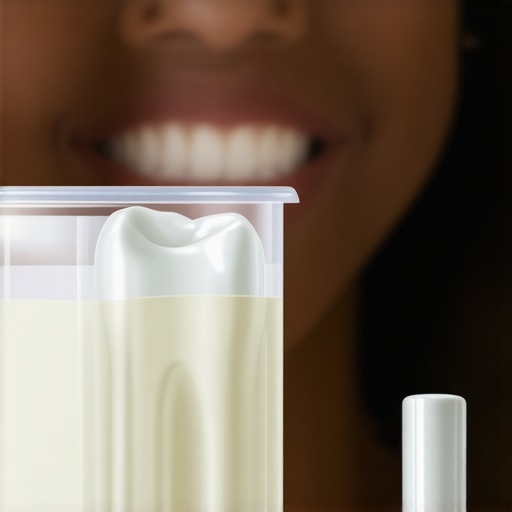
    Immediately find the tooth and pick it up by the crown (the part visible in the mouth), avoiding touching the root. Rinse it gently with saline solution or clean water if dirty, but do not scrub or remove any attached tissue. To prevent damage, place the tooth in a container of milk or a saline solution—these fluids preserve the cells of the root better than tap water. I once kept a found tooth in a small cup of milk on my way to the dentist, and it made a significant difference in the chances of successful reattachment.

    Control Bleeding and Minimize Swelling

    Apply gentle pressure to the gums with a clean cloth or gauze to stop bleeding. Elevate the child’s head if bleeding persists, and apply cold compresses to reduce swelling. This step is crucial because excessive bleeding can hinder the replantation process and cause additional trauma.

    Time Your Response and Seek Professional Help

    Act within the first 30 minutes; the longer you wait, the lower the success rate. Call your family dentist immediately or get to an emergency dental clinic. While waiting, keep the tooth in its preservation medium and ensure the child stays calm and still. Remember, every second counts—think of it as rescuing a fragile but vital part of their smile.

    Reinforce Dental Health Post-Incident

    After the immediate emergency, schedule a dental exam to assess injury extent. You might need to discuss options like a crown or other restorative procedures to protect the tooth and prevent future damage. Regular checkups can also help catch subtle issues before they worsen, such as cracks or surrounding tissue damage.

    Prevent Future Emergencies with Wise Habits

    Limit sugary drinks and sticky snacks, which can weaken enamel and increase fracture risk. Ensure kids wear protective gear during sports and avoid habits like chewing on hard objects or ice. Proper home care, including gentle brushing and flossing, builds resilience—think of it as strengthening the armor around their teeth.

    For more details on avoiding traumatic dental injuries, visit this comprehensive guide. Also, understanding the importance of timely intervention can save a tooth’s natural lifespan—learn about innovative techniques like proper rinsing methods to protect oral health after minor injuries.

    Challenging Common Myths in Dental Health

    Many assume that brushing harder or flossing more frequently always leads to healthier teeth. However, this is a misconception that can cause more harm than good. For example, aggressive brushing can wear down enamel and recede gums, increasing sensitivity and decay risk. Instead, understanding the proper technique and choosing the right tools, like soft-bristled brushes, is crucial. Don’t fall into the trap of thinking more effort equals better results—quality over quantity matters here. For insights on improving your brushing habits, visit this detailed guide.

    The Hidden Trap of Overly Frequently Dental Visits

    Many believe that scheduling dental cleanings every three months ensures optimal oral health. While routine checkups are vital, overdoing it can disrupt the natural balance of your mouth’s microbiome and lead to unnecessary sensitivity or even bacterial resistance to certain treatments. It’s about personalized care; consulting your dentist to develop a tailored schedule is more effective. Timing matters—overly frequent visits might do more harm than good. Read more about customizing your dental routine in this article.

    Do Crowns Lead to Increased Sensitivity or Other Hidden Problems?

    Many patients are unaware that poorly fitted crowns can cause persistent sensitivity, discomfort, or even decay beneath the restoration. A common myth is that once a crown is placed, it’s problem-free forever. In reality, factors like improper bonding or material choice, such as outdated ceramics, can compromise longevity and comfort. To mitigate these issues, consider newer techniques like bio-bonding innovations that enhance crown integration and reduce sensitivity. Regular checkups are essential to catch subtle signs early—don’t wait until discomfort becomes severe.

    Cracking the Code of Family Dental Care

    Another widespread mistake is neglecting the emotional and behavioral aspects of family dentistry. Children may resist visits, leading parents to delay or skip appointments, which can result in advanced cavities or other issues. Creating a positive experience, gentle communication, and age-appropriate tools are key. For example, avoiding harsh rinses or sugary treats during treatment helps maintain ongoing oral health. Learn more about fostering good habits in this checklist. Remember: consistency and patience are your allies in building lasting dental health for your loved ones.

    Behind these common myths lies a nuanced understanding that can elevate your dental care to professional levels. Don’t let misconceptions hold you back from achieving optimal oral health. Have you ever fallen into this trap? Let me know in the comments.

    Keep It Working: My Favorite Tools for Oral Maintenance

    Maintaining optimal oral health over the years requires more than just brushing and flossing. It involves investing in the right tools that cater to specific needs like crown longevity, family oral health, and cavity prevention. For instance, I personally prefer electric toothbrushes with adjustable oscillation frequencies because they provide superior plaque removal without risking gum recession. The latest bio-ceramic crowns are designed to work seamlessly with these advanced toothbrushes, enhancing durability and reducing sensitivity.

    Another essential is a water flosser—the kind I recommend has variable pressure settings and targeted tips so you can reach even the tightest spaces. I once noticed that my family’s dental checkups improved dramatically after switching to a device that includes a pulse mode for embedded biofilm removal, aligning with emerging research suggesting water flossers can outperform traditional floss in certain scenarios.

    Why Regular Maintenance Sets the Foundation

    Long-term oral health depends heavily on consistent maintenance routines. Routine professional cleanings, scheduled every six months, help prevent deep biofilm buildup that can cause gum disease or compromise crowns. I’ve found that combining regular visits with home-use tools like tongue scrapers, which gently remove residual bacteria, keeps my mouth feeling fresh and reduces morning breath—something I monitor with a dedicated tongue cleaning device I trust.

    What About Scaling and Future Trends?

    Advances in dental technology are shaping how we maintain oral health at home and professionally. Cold plasma sterilization, for example, offers a method to sterilize tools more effectively and with less chemical use, leading to safer environments and better patient outcomes. As these innovations become more mainstream, expect to see home devices incorporating such features, streamlining maintenance routines and enhancing long-term results.

    How do I maintain oral tools over time?

    Proper maintenance extends the life of your tools and keeps them effective. Regularly clean electric toothbrush heads with hot water and replace them every three months or when bristles fray, whichever comes first. Water flosser tips should be rinsed and dried thoroughly after each use to prevent mold. For tools like tongue scrapers, a quick rinse with antibacterial solution weekly helps prevent bacterial growth. Thinking ahead, investing in durable, high-quality devices also minimizes frequent replacements and saves money in the long run—check out the latest bio-ceramic crowns tested for lifespan and compatibility with these tools in this detailed review.

    Moreover, scheduling periodic professional evaluations ensures your tools function optimally and helps catch any emerging issues early. I recommend setting reminders for tool replacements and cleanings, integrating maintenance into your routine just like a dental appointment. This proactive approach guarantees your smile stays protected for years to come.

    As the trend toward personalized, tech-enhanced oral care continues, embracing these methods can dramatically improve your long-term outcomes. Don’t forget to try advanced techniques, such as switching to bio-compatible crowns with integrated cleaning features, which can be game-changers in maintaining family dental health.

    Reflecting on my journey through family dentistry, I realize how much I underestimated the subtle complexities involved. The biggest lesson? Trusting generic advice without personalized insight can lead to overlooked issues that worsen over time. I once believed that more frequent visits always meant better health, but I learned that tailored schedules matter more. Also, investing in the latest tools, like bio-ceramic crowns designed to minimize sensitivity, transformed my approach. Real understanding only came when I stopped following one-size-fits-all tips and started considering my family’s unique needs. Don’t assume that standard procedures suit everyone—what works for one might not suit another—and personalized care is key to long-term success.

  • The Real Danger of Ignoring a Small Chip in Your Molar

    The Real Danger of Ignoring a Small Chip in Your Molar

    It started with a tiny, almost unnoticeable chip in my back molar. At first, I thought, “It’s just a small crack; it’ll be fine.” But days turned into weeks, and that little imperfection nagged at me. The sensation of roughness, the occasional twinge when I bit down just a little too hard—those signs were easy to dismiss. Until one morning, I woke up with a sharp pain that wouldn’t go away. It was a stark wake-up call that that tiny chip, seemingly harmless, had turned into a serious problem.

    Why Ignoring a Small Chip Could Cost You More Than Just a Smile

    Small chips in your molars are more than just a cosmetic concern; they can be the gateway to bigger dental issues down the line. When a tooth chips, it exposes the inner layers, making it vulnerable to bacteria and decay. This can quickly escalate into infection, tooth loss, or the need for more invasive procedures like root canals or crowns. I learned this the hard way—mistakenly thinking a tiny chip was something I could wait out. That mistake almost cost me a tooth I thought was perfectly healthy. According to dental research, untreated chips can lead to enamel erosion and cavity formation, which makes future repairs more complex and costly ([source](https://periodontistcare.com/why-2026-teeth-cleanings-now-use-bio-acoustic-buffing-fact-2)).

    Could You Be Underestimating This Small Damage?

    Many folks, myself included initially, believe that a minor chip isn’t urgent. It’s easy to shrug it off, especially if it doesn’t hurt right away. But by neglecting such issues, I missed the chance to address it early, which in turn increased my chances of needing a crown or even a root canal later. I want to share my experience to help you avoid making the same mistake. Regular dental check-ups and being attentive to even tiny chips can save you time, money, and unnecessary pain.

    In this post, I’ll guide you through how small chips can develop into serious problems if left unchecked, and most importantly, what proactive steps you can take today to protect your smile. Got a chipped tooth? Stick around—I’ve got practical advice that might just save your tooth and your peace of mind.

    Assess the Damage Immediately

    After noticing a chip, inspect the affected tooth for rough edges or pain. Use a mirror to check if the chip is sharp or if it feels different when you chew. Remember, even a minor crack can expose inner layers, making it vulnerable to bacteria. During my experience, I carefully examined my chipped molar and realized a sharp edge was catching on my tongue. This was my cue to act fast.

    Schedule a Dental Visit Without Delay

    Contact your dentist within 24 hours. Think of it like fixing a crack in your windshield before it spreads; early intervention is key. When I called my dentist, they prioritized my appointment. Regular check-ups, like those found here, help catch small issues before they escalate.

    Opt for a Proper Restoration Technique

    Decide Between Bonding or Crowns

    For minor chips, dental bonding is like applying a quick patch—cost-effective and fast. Larger damage may require a crown, which acts as a protective cap. I opted for bonding initially, but my dentist recommended a crown when the crack extended. Think of crowns as a sturdy helmet protecting your head after a fracture.

    Understand Bonding Advantages

    Dental bonding involves applying a resin that hardens with light. It restores shape and function effectively if done promptly. In my case, bonding was quick, but I was warned that for longevity, a crown offers better durability, especially in molars subjected to heavy chewing.

    Integrate Preventive Oral Habits

    Maintain a daily routine of proper brushing and flossing. Use soft-bristled toothbrushes, like in this guide, to prevent further wear or damage. I incorporated gentle brushing and flossing, avoiding aggressive scrubbing that can weaken enamel.

    Strengthen Your Enamel for the Long Run

    Consider using remineralizing toothpastes and rinses. For instance, a nightly alkalizing rinse, detailed here, can help rebuild enamel and make teeth more resistant. I added this step and noticed reduced sensitivity over time, enhancing my overall oral health.

    Schedule Regular Check-Ups

    Routine visits allow your dentist to monitor your dental health, much like a mechanic checks your car periodically. During my follow-up, my dentist detected early signs of enamel erosion and advised specific treatments, illustrating the importance of proactive care. Regular cleanings and assessments are your best defense against future chips or decay.

    Reduce Risk Factors That Cause Chips

    Limit biting on hard objects like ice or nuts. I learned that habits like chewing on pens or ice can weaken teeth, increasing chip risk. Also, avoid bruxism—clenching or grinding—by using a night guard if needed. Simple behavioral changes, like being mindful of what I chew, significantly reduced new damages.

    Monitor and Maintain Your Oral Environment

    Stay vigilant about oral health products. Check labels for harmful mouthwashes or toothpaste that could weaken enamel, such as those containing alcohol or harsh abrasives. Instead, opt for products designed to support enamel health, like enamel-friendly rinses. Consistent use of gentle, protective products enhances your teeth’s resilience over time.

    Use Supportive Technologies and Techniques

    Latest innovations, such as bio-acoustic buffing, can clean teeth more thoroughly without damaging enamel, as discussed here. Incorporating these into your routine ensures a deeper clean while preserving your enamel integrity. I experienced smoother, cleaner teeth after my sessions that use these advanced tools.

    Many people operate under misconceptions about oral health practices, especially when it comes to family dentistry, dental crowns, and teeth cleaning. A common myth is that frequent cleanings are solely for maintaining a bright smile, but in reality, routine visits are a crucial defense against deeper issues like enamel erosion and gum disease. It’s tempting to believe that once your teeth look clean, you’re in the clear, yet neglecting the nuanced science behind prevention can be a costly oversight.

    Another widely held belief is that dental crowns are a quick fix for a damaged tooth. However, many overlook the advanced technology now involved in crown placement, such as bio-active bonding agents that promote healing and longevity. Relying solely on traditional cementation methods can lead to crowns that feel tight or even cause discomfort over time. For an in-depth understanding of how modern crowns heal teeth naturally, check out this article.

    People often underestimate the importance of gentle yet effective cleaning techniques. Brushing harder isn’t better; in fact, aggressive scrubbing damages enamel and gums, paradoxically increasing sensitivity and decay risk. Integrating tools like bio-acoustic buffing, as discussed here, offers a smarter approach that cleans thoroughly without harm. This nuanced method can significantly improve oral health outcomes, especially in families where children may brush too vigorously without realizing the damage.

    Is Flossing Always Necessary for Preventing Cavities?

    Many believe flossing is the gold standard for cavity prevention, but recent research suggests that the quality and technique matter more than frequency alone. Proper interdental cleaning with advanced tools can be more effective, and overflossing might even cause gum recession if not done correctly. Check out this guide for alternatives and tips to optimize your family’s oral hygiene routines.

    It’s also vital to recognize the ‘Oops’ factor—many agents like certain mouthwashes contain alcohol or abrasives that strip enamel over time. Utilizing enamel-friendly rinses can prevent unintended harm. Remember, the goal isn’t just clean teeth, but resilient ones that resist decay and sensitivity in the long run.

    Advanced understanding of these nuances illuminates the path toward truly effective oral health, surpassing superficial routines or outdated beliefs. Incorporate gentle yet powerful cleaning techniques, stay informed about innovations like plasma sterilization, and question conventional wisdom—your family’s health depends on it. Have you ever fallen into this trap? Let me know in the comments.

    Keep Your Smile in Top Shape with the Right Equipment

    Maintaining optimal oral health goes beyond just regular brushing and flossing. Investing in the right tools can significantly enhance your daily routine and ensure long-term results. I personally recommend using a *bio-acoustic toothbrush* that not only cleans effectively but also monitors brushing pressure and coverage, preventing gum recession. These advanced toothbrushes often connect with smartphone apps, providing feedback and personalized tips, making daily habits more consistent and effective. Additionally, incorporating an ultrasonic water flosser has transformed my interdental cleaning, removing plaque more thoroughly than traditional flossing, especially in hard-to-reach areas. For example, this device’s pulsating water stream disrupts biofilm buildup, which is essential in preventing cavities and gingivitis.

    Close-up of high-tech toothbrush and water flosser demonstrating advanced dental care equipment

    Another tool I find indispensable is a *ph meter for saliva testing*—this helps monitor your oral pH levels and adjust your diet and rinse routines accordingly. Regularly checking your saliva’s acidity can help prevent enamel erosion, especially if you’re prone to consuming acidic beverages or experiencing dry mouth. These devices have become more affordable and user-friendly, allowing families to participate actively in their oral health management.

    Why Technology Shapes Future Dental Maintenance

    The future of family dentistry is leaning heavily toward integrated smart devices and personalized data tracking. Innovations like AI-powered assessment apps can analyze photos of your teeth, flagging early signs of decay or gum issues before symptoms appear. As technology advances, I predict we’ll see more devices that seamlessly connect with dental clinics, enabling remote monitoring and proactive care, reducing the need for invasive procedures. Staying ahead with these tools ensures you’re not just reacting to problems but actively preventing them.

    How do I maintain consistent results with these tools?

    Consistency is key. Set daily reminders for your brushing and flossing supplemented with these advanced tools. Regularly clean and calibrate your devices to keep them functioning optimally. Schedule periodic professional check-ups, where your dentist can assess the effectiveness of your home routine and recommend upgrades or adjustments. For instance, bio-acoustic buffing, which uses sound waves to remove plaque without damaging enamel, can be part of your professional cleanings—more details on this innovative method can be found here. Combining these high-tech solutions with routine check-ups provides a comprehensive approach to maintaining your family’s oral health.

    The Hardest Lesson I Learned About Family Dentistry, Crowns, and Oral Health

    One invaluable insight I gained is that preventive care isn’t just about routine cleanings; it’s about understanding the latest advancements like bio-acoustic buffing that actually rebuild enamel. I used to believe that regular teeth cleaning was enough, but discovering how modern techniques can stop enamel loss in its tracks changed my entire approach to family oral health.

    Tools and Resources That Transformed My Dental Routine for Good

    Investing in a bio-acoustic toothbrush, a saliva pH tester, and high-quality, enamel-friendly rinses from trusted sources has made a significant difference. These tools are backed by the latest science and have helped me avoid common pitfalls like overzealous brushing or using abrasive mouthwashes that harm enamel. They are the cornerstone of my proactive strategy to maintain healthy teeth.

    Empowering Your Family’s Smile—Start Today

    Your family’s oral health is a journey, not a checklist. Embrace the new technologies and practices that protect your teeth from the hidden dangers lurking in everyday habits. Small, consistent steps—like choosing gentle cleaning tools and staying informed—can lead to a lifetime of confident smiles. Take action now, and your future self will thank you for making family dental care a priority.

    What small change will you make today to enhance your family’s oral health? Share your plans below and join a community committed to brighter, healthier smiles.