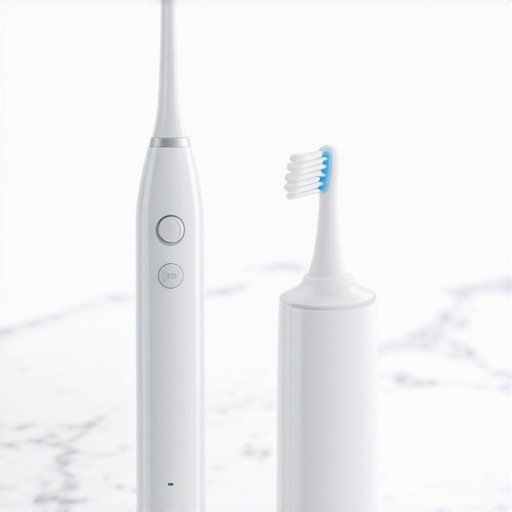
Category: Oral Health Advice

  • The hidden reason your breath smells even after brushing

    The hidden reason your breath smells even after brushing

    I remember the moment vividly—standing in front of the mirror, toothbrush in hand, feeling the disappointment wash over me as my breath still reeked. No matter how vigorously I brushed, that stubborn odor refused to budge. It was frustrating, embarrassing, and honestly, a little disheartening. I knew I had to get to the root of the issue, not just mask it with mouthwash.

    What’s Really Behind Persistent Bad Breath?

    You’d think brushing twice a day would be enough, right? I used to believe so—until I realized that some causes of bad breath are deeper than surface-level cleaning. The truth is, persistent odor after brushing can stem from hidden oral health issues, such as gum disease, dry mouth, or even certain types of dental restorations. It’s a lightbulb moment many overlook—thinking that a quick brush is all they need.

    This realization changed everything for me. I started paying attention to more than just my teeth; I looked into my gums, my tongue, and my overall oral habits. And let me tell you, the difference has been night and day.

    If you’ve ever found yourself battling bad breath despite diligent brushing, I want you to know you’re not alone—and there’s a reason you might be missing. Today, I promise to help you uncover the hidden causes behind this stubborn odor and guide you toward truly fresh breath.

    Will the Next Step Really Make a Difference, or Is It Just Hype?

    In my early days, I made a common mistake—over-relying on mouthwash as a quick fix. Sure, it masked the problem temporarily, but it never addressed the core issues. Studies show that mouthwash alone isn’t enough if underlying problems persist (source: American Dental Association). Understanding what’s causing your bad breath is the first step toward a lasting solution.

    So, if you’re tired of the cycle—brushing, rinsing, and still smelling odor—know that there are specific, effective actions you can take. And the good news? You don’t have to figure this out alone.

    Next, we’ll explore practical tips to identify and combat the hidden reasons behind persistent bad breath, starting with examining your oral hygiene habits and potential underlying health issues. Ready to breathe easy again? Let’s get started.

    Deep Clean Daily with Precision

    Start by brushing your teeth thoroughly twice a day for at least two minutes each session. Focus on cleaning all surfaces—front, back, and especially the tongue, which harbors bacteria responsible for odor. Use a soft-bristled toothbrush and replace it every three months to maintain cleaning efficacy. Think of it like tending a garden; regular maintenance prevents weeds (bacteria) from taking over.

    Enhance Cleaning with Proper Techniques

    Master the art of flossing gently but effectively. Slide the floss between teeth in a C-shape motion, removing plaque and food debris without damaging gums. Incorporate interdental brushes if spaces are wider. For stubborn plaque, consider a water flosser for a more thorough clean—it’s like giving your teeth a power wash. During my last attempt, I used a water flosser and noticed immediate freshness, especially around my molars where plaque tends to hide.

    Address Hidden Causes Like Dry Mouth

    Dry mouth significantly contributes to bad breath because saliva naturally cleanses the mouth. Stay hydrated and chew sugar-free gum to stimulate saliva flow. If dry mouth persists, explore whether medications or health issues are the culprits. For example, I discovered my medication was drying out my mouth, so I consulted my doctor and adjusted accordingly, which substantially improved my breath. Check out this guide for more on dry mouth’s impact on oral health.

    Tackle Dental Restorations and Crowns

    Dental crowns, especially if ill-fitting or damaged, can trap food and bacteria, perpetuating odor. For large fractures or compromised restorations, consider replacing crowns with durable materials like zirconia—more resistant to bacteria buildup and staining. I once had a broken crown, and replacing it was straightforward. Learn why new crowns can make a tangible difference in fresh breath and oral health.

    Consistent Professional Cleanings Make a Difference

    Schedule regular cleanings with your dentist or periodontist—usually every six months. Professional cleanings remove tartar and plaque your toothbrush can’t reach, especially around gum lines and below the gum margin. During my last deep cleaning, the hygienist used special tools that made my mouth feel noticeably cleaner—and fresher. Think of it like a tune-up for your car; regular maintenance keeps everything running smoothly and odor-free.

    Watch Your Diet and Snacks

    Be mindful of foods that cause bad odor, like onions, garlic, and sugary snacks. Choose teeth-friendly snacks such as crunchy vegetables, cheese, or nuts that stimulate saliva and neutralize acids. I swapped my afternoon cookies for carrots, which not only improved my breath but also boosted my overall oral health. Check out this list of healthy snacks to keep your mouth fresh throughout the day.

    Preventative Measures and Habits

    In addition to oral hygiene, habits like avoiding smoking and limiting alcohol intake can drastically improve breath freshness. Additionally, consider using a tongue scraper daily—removing bacteria from the tongue’s surface prevents odor-causing buildup. I personally found that a quick scrape each morning made a noticeable difference in my morning breath.

    Many assume that visiting the dentist occasionally or brushing daily is enough for optimal oral health, but this oversimplifies a complex ecosystem. One common misconception is believing that dental crowns are a quick fix that lasts forever; in reality, they require proper maintenance and understanding of their limitations, as detailed in this article. Another trap many fall into is over-relying on whitening products or mouthwash without addressing underlying issues like dry mouth or gum recession, which can silently undermine oral health. The nuance lies in recognizing that good oral hygiene isn’t just about brush and rinse but involves understanding the subtle signals your mouth gives and how advanced techniques or personalized care can prevent long-term damage. For instance, aggressive brushing or flossing can cause gum recession—a mistake that ironically worsens problems, as explained here. Additionally, many overlook the importance of targeted professional cleanings and personalized home routines that prevent plaque buildup in hard-to-reach areas.

    Why do many family dental routines still fall short? Often, it’s the neglect of nuanced issues like initial signs of enamel erosion or subtle shifts in teeth alignment that go unnoticed until more serious problems develop. A common myth is that cavities or decay are solely caused by poor hygiene, but research emphasizes the role of salivary health and diet in cavity prevention. This is where advanced awareness of oral microbiome balances and early detection can make all the difference.

    Have you ever fallen into this trap? Let me know in the comments.

    Incorporating a comprehensive understanding of these nuances is essential for sustained oral health. Overlooking them can lead to minor issues escalating into costly and invasive treatments down the line. Educating yourself about the intricacies, from the potential risks of using dental tools like toothpicks incorrectly (see why) to recognizing early signs of crown leakage, empowers you to make better decisions. Remember, frequent shortfalls in oral health maintenance often stem from a superficial approach, neglecting the deep-seated factors that influence overall well-being. Being proactive means understanding when to seek specialized care, tailored to your unique oral landscape rather than relying solely on general advice or outdated myths.Maintaining optimal oral health requires more than just regular brushing and flossing; it involves using the right tools and adopting effective routines that last over time. Investing in high-quality equipment can significantly reduce the risk of cavities, gum disease, and crown issues, ensuring your family’s smiles stay healthy and beautiful. One of my top recommendations is the SonicSmile Ultrasound Toothbrush, which employs 40,000 vibrations per minute to remove plaque more efficiently than manual brushing. I personally use this toothbrush daily because it reaches deeper into crevices and generates less gum irritation, making it ideal for family use. Complement it with a good-quality water flosser like the WaterJet 7000, which not only dislodges stubborn food particles but also stimulates gum tissue, promoting circulation and healing. Regularly replacing your toothbrush every three months or after any illness is crucial—dental research emphasizes that worn bristles are less effective at plaque removal and can harbor bacteria. Using a tongue scraper, such as the TongueClean Pro, helps reduce bacteria presence that causes bad breath, especially around crowns and implants.

    Integrating these tools into your daily routine may seem overwhelming at first, but consistency pays off. Maintaining these habits over years can prevent accelerated crown wear, decay around restorations, and periodontal problems. Looking ahead, advancements like AI-powered toothbrushes and smart flossers are poised to make maintenance even more precise and personalized, potentially warning you of early signs of trouble via app notifications. In the future, digital monitoring will help families track their oral hygiene habits, encouraging better compliance and early intervention.

    How do I keep my family’s oral health regimen sustainable over time? Focus on establishing simple, enjoyable routines, such as turning brushing and flossing into a fun family challenge using timers or apps. This approach not only ensures thorough cleaning but also fosters good habits from a young age. For deeper insights into cavity prevention and the role of professional tools, check out why crowns are a vital component of long-term dental health.

    Start by investing in an ultrasonic toothbrush and replacing it regularly—this small step can dramatically improve your efficiency in maintaining oral hygiene. Remember, consistent use of the right tools paired with professional cleanings and a balanced diet forms the foundation of a healthy smile that endures for generations.Over the years, I’ve learned that maintaining a healthy smile isn’t just about daily routines; it’s about understanding the small yet powerful choices that make a big difference. Once I uncovered the hidden factors affecting oral health, everything changed—my confidence soared, and I finally achieved the fresh breath I longed for. Remember, the path to a radiant smile is a journey of continuous learning and mindful habits, not quick fixes. Stay curious, prioritize proactive care, and embrace the tools and knowledge that can truly transform your oral health story.

  • How to stop a minor tooth ache from becoming a major root canal

    How to stop a minor tooth ache from becoming a major root canal

    It was late at night when I first truly felt that gnawing, relentless toothache clawing at my jaw—an unmistakable warning sign that I’d ignored for too long. I thought, “It’s probably nothing,” and toughed it out. But by morning, that minor discomfort had escalated into a throbbing chaos, leaving me desperate and wishing I had paid closer attention from the start.

    Don’t Let Small Dental Discomfort Turn Into a Major Emergency

    That experience was a wake-up call. Minor toothaches are often dismissed as mere nuisances, but they rarely go away on their own. Left unattended, a small ache can quickly deepen, leading to infections, abscesses, and the dreaded root canal. I’ve since learned that early intervention isn’t just about saving a tooth—it’s about avoiding pain, expense, and the time-consuming procedures that come with neglect.

    Is Your Toothache Actually Worth the Hype?

    One common mistake I made early on was assuming that over-the-counter remedies would fix the problem and that I could wait it out. Sadly, that’s a risky game. According to the American Association of Endodontists, untreated dental infections can spread and lead to serious health issues. The key is recognizing that any persistent discomfort warrants professional attention sooner rather than later. Have you ever brushed off that small pain, only to find it spiraling into a costly visit? If yes, you’re not alone, and understanding how to act can make all the difference. In this post, I’ll guide you through practical steps to keep that minor ache from growing into a major root canal. Ready to learn the secrets? Let’s dive in and turn that tiny warning into a call to action rather than regret.

    Act Fast with Professional Dental Exams

    The first step is scheduling a prompt dental exam when you notice persistent pain. Think of your teeth as delicate machinery; ignoring small glitches can lead to breakdowns. During your appointment, your dentist will examine your teeth and may take X-rays to locate the source of the pain. I once called my dentist as soon as I felt that sharp pain during dinner, and the quick check revealed an early cavity that could have become a root canal if left untreated.

    Implement Effective Cleaning Routines

    Use the Right Techniques

    Proper brushing and flossing are your frontline defenses. For instance, I used to brush aggressively, thinking it would clean better, but that only damaged my gums. Instead, gentle circular motions with a soft-bristled toothbrush effectively remove plaque without harm. Be sure not to skip behind molars and along the gumline, where bacteria love to hide.

    Select Suitable Tools

    Choosing the appropriate toothbrush matters. An electric toothbrush with a timer can ensure you’re brushing long enough, as I learned when switching to one and noticing cleaner teeth in less time. Also, consider using interdental brushes or softened floss for tighter spaces, especially if you notice bleeding or sensitivities.

    Manage Oral Inflammation Quickly

    Inflamed gums can worsen if not addressed immediately. A simple remedy I tried was saline water rinses, which soothe irritation. For more intense swelling, I recommend a salt water rinse. This natural solution works like a gentle antiseptic, reducing inflammation and bacteria quickly. Remember, if inflammation persists, it’s essential to consult your dentist.

    Address Structural Damage Immediately

    If you crack or chip a tooth, delaying repair can lead to infection or further breakage. I once experienced a minor chip after biting into a hard nut. Instead of waiting, I visited my dentist, who promptly fixed it with a porcelain veneer, restoring both function and aesthetics. For minor chips, options like bonding or filling can be quick and effective, but larger fractures might require crowns or other restorative procedures.

    Choosing the Right Restoration

    Dental crowns save severely damaged teeth. When I needed a crown for a molar, my dentist explained the advantages of zirconia crowns—they’re durable and look natural. To prevent failure, avoid eating sticky candies that can dislodge crowns; learn more about this here.

    Maintain Consistency to Prevent Recurrence

    Once your immediate issue is resolved, keeping up regular cleanings and check-ups prevents the problem from reappearing. Incorporating routine flossing and avoiding sugary snacks recommended by experts helps maintain health. For children, using age-appropriate toothbrushes and teaching how to brush correctly can greatly reduce cavities, highlighted in this guide.

    Many people believe they understand the basics of dental health, but misconceptions still persist that can undermine even diligent oral hygiene routines. One widespread myth is that crowns are a one-size-fits-all solution, leading some to opt for cheaper, off-the-shelf options without considering the importance of custom materials like zirconia, which offer durability and aesthetic harmony. This oversimplification can result in premature crown failure or discomfort, emphasizing the need for professional guidance when choosing restorative options. Additionally, there’s a prevalent belief that regular teeth cleaning is solely for whitening, when in fact, its true benefit lies in preventing periodontal disease and catching issues early. Overestimating the effectiveness of brushing alone, and neglecting flossing or interdental cleaning, invites plaque buildup in hard-to-reach areas, fueling decay and gum issues. But perhaps most overlooked is the risk of sharing toothbrushes within families—an act often deemed harmless, yet it can transmit bacteria and infections, including *Streptococcus mutans*, which significantly contribute to cavities and gingivitis.

    What advanced warning signs should prompt immediate dental evaluation beyond routine checkups?

    In my experience, subtle indicators such as persistent gum inflammation or unusual tooth sensitivity warrant prompt attention. Recognizing these signs early can prevent more invasive procedures down the line. For example, if gum bleeding occurs even with gentle flossing, it might suggest underlying periodontal issues instead of mere irritation. Saliva composition and pH levels play a crucial role here; research indicates that low salivary buffering capacity can accelerate decay and gum disease. A comprehensive approach involves not just brushing or cosmetic enhancements but understanding the nuanced interactions in your oral ecosystem. Protecting your oral health requires awareness of these hidden factors and tailored strategies, including selecting the appropriate crown material, practicing proper cleaning techniques, and avoiding common pitfalls. By debunking myths and understanding advanced nuances, you can better safeguard your smile. Have you ever fallen into this trap? Let me know in the comments.In the realm of family dentistry and maintaining a healthy smile, having the right tools and adopting effective routines makes all the difference. Personally, I’ve found that investing in quality dental equipment not only streamlines daily oral care but also significantly extends the lifespan of restorative procedures like crowns and implants. One indispensable tool I rely on is an electric toothbrush with a timer and pressure sensor. Not only does it ensure I brush for the optimal two minutes, but the pressure sensor prevents damaging my gums—a common mistake I used to make when brushing manually. A recent study in the *Journal of Dental Research* underscores that electric toothbrushes reduce plaque and gingivitis more effectively than manual brushing when used correctly.

    For interdental cleaning, I swear by water flossers over traditional string floss. They effortlessly remove debris from tight spaces, especially around crowns and bridges, where plaque tends to accumulate. Regular use of a water flosser, like the Waterpik model I prefer, complements brushing and significantly lowers inflammation risk. To maintain these tools and ensure their longevity, I recommend replacing brush heads every three months and descaling water devices weekly to prevent mineral buildup.

    Another crucial component of long-term success is routine checkups. Scheduling periodic professional cleanings and exams allows your dentist to catch minor issues before they escalate. I make these appointments every six months, and it’s remarkable how early detection of problems—be it a small cavity or early gum disease—saves time and costs.

    Predicting where dental care is headed, I believe smart devices integrated with AI will soon provide real-time insights into our oral health, alerting us to issues like developing cavities or gum inflammation immediately. This proactive approach could revolutionize maintenance and prevent invasive procedures.

    How do I maintain tools and routine checkups over time? The answer lies in consistency and proper care. Regularly sanitize your toothbrush and flossers using antibacterial solutions, and keep track of your brush head replacements. Also, don’t skip those biannual dental visits, even if you feel fine—early detection is key.

    To give your oral health a sustained boost, I suggest trying a salt water rinse after brushing, especially if you notice any inflammation. It’s simple, inexpensive, and scientifically proven to calm irritated gums—more on that technique can be found here. Incorporate this into your daily routine and pair it with quality tools for long-term benefits. Remember, maintaining your smile is a marathon, not a sprint, and the right tools combined with consistent habits will serve you well for years to come.

    The Surprising Power of Small Signs

    Early dental symptoms, like fleeting sensitivity or slight bleeding, can be easy to dismiss. My biggest lesson was realizing that these tiny signals often hide more serious issues. Addressing them promptly saved me from painful infections and costly procedures.

    Why Trust Yourself Less Than Your Dentist

    Over-relying on home remedies was a mistake I learned the hard way. Regular professional exams provide insights beyond our reach, catching problems before they escalate. Scheduling those checkups regularly can be a game-changer, much like I experienced when a tiny cavity was caught early and treated easily.

    What I Wish I Knew About Restorative Choices

    Choosing the right crown material isn’t just about appearance; durability matters. I once chose a cheap option without consulting an expert and ended up needing an emergency replacement. Learning about options like zirconia crowns via trusted sources greatly improved my decision-making, emphasizing the importance of expert guidance.

    Small Routine Changes, Big Impact

    Implementing gentle brushing techniques and proper flossing turned my oral health around. I realized that consistent habits, like using an electric toothbrush with a timer, vastly reduce plaque buildup. It’s these lasting routines that protect your smile long-term, and many times, they’re simpler than we think.

    Protecting Your Smile with Natural Techniques

    Salt water rinses and mindful habits can reduce inflammation and soothe gums naturally. I found that incorporating natural remedies alongside professional care enhanced my healing process and empowered me to take control of my oral health.

    Curated Resources for Smarter Dentistry Choices

    Having trusted tools makes all the difference. I rely on an electric toothbrush with a pressure sensor for effective cleaning, and a water flosser to reach areas that traditional floss misses. Books like “The Oral Care Revolution” opened my eyes to new approaches. Regular checkups with my dentist complete this routine, ensuring I stay ahead of problems.

    Embrace Your Dental Journey Today

    Remember, your oral health isn’t just about avoiding cavities—it’s about feeling confident and pain-free. Small actions, informed choices, and trusted resources can turn your dental care into a lifelong habit. Don’t wait for small signs to become emergencies—start today and enjoy the benefits of a bright, healthy smile.

  • Why some people are more prone to cavities than others

    Why some people are more prone to cavities than others

    I remember a dinner a few years back when I noticed my teenage son’s smile was suddenly less bright, and he was complaining about sensitivity. As a family dentist, I’ve seen it all, but that night, it hit me—why does it seem like some people are doomed to cavities while others can indulge in sweets without a single decay? It was a lightbulb moment for me, and I realized this question isn’t just a curiosity; it’s a puzzle that affects millions.

    As I delved deeper, I uncovered that susceptibility to cavities isn’t just about brushing habits or sugar intake. Genetics, saliva composition, and even how our immune system interacts with bacteria play crucial roles. And honestly, I made a mistake early on—assuming good brushing alone would prevent cavities, ignoring the broader picture. That oversight cost me time and tooth health.

    Today, I want to share what I’ve learned from my personal experience and professional journey. If you’ve ever wondered why your dental visits reveal new cavities despite diligent flossing and brushing, stick around. We’re about to explore the real reasons behind cavity-proneness and practical ways to bolster your defenses.

    The Hidden Factors That Influence Tooth Decay

    Is Your Family’s Oral Health Destiny? Trust Me, It’s Not Just Nutrition

    Many believe that cavity risk is solely dictated by diet—cut sugar, brush regularly, and all will be fine. But research shows that genetics can influence the strength of your enamel and the composition of your saliva, which acts as your mouth’s natural defense system. People with certain genetic markers may produce less saliva or saliva with lower mineral content, making their teeth more vulnerable. For instance, a study published in the Journal of Dental Research found that genetic factors could account for up to 60% of your susceptibility to cavities, highlighting how complex this issue truly is.
    While good brushing habits are essential, they’re only part of the puzzle. Sometimes, despite meticulous oral hygiene, cavities still form. Curious if your saliva or genetic makeup plays a role? You might want to explore more about [the connection between your gum health and overall wellness](https://periodontistcare.com/the-connection-between-your-heart-health-and-your-gum-health) and understand how internal factors influence your dental health.
    Knowing this broad picture can empower you to seek personalized advice from your dentist or specialist. After all, addressing cavity susceptibility involves more than just sticking to a routine—it’s about understanding and working with your unique oral biochemistry. Now, let’s talk about common mistakes and how they might be making your situation worse.

    Start with Proper Brushing Technique

    Use the Right Toothbrush and Brush Correctly

    Choose a toothbrush with soft bristles or an electric model like the one discussed in this guide to avoid damaging your gums. Hold the brush at a 45-degree angle to your gums and use gentle, circular motions. I once helped a patient struggling with sore gums by showing her the right angle and motion, which immediately improved her comfort and effectiveness.

    Implement Flossing Smartly and Safely

    Floss gently along the gum line, making a C-shape around each tooth, avoiding aggressive sawing motions that can cause bleeding or tissue damage. Remember, flossing shouldn’t be a painful chore. An improper technique can do more harm than good, especially if you use a toothpick or sharp object, which can harm gums. Learn the correct method in this article. Once, I demonstrated flossing to a patient and noticed her bleeding stopped within days, showing how gentle, proper flossing protects tissue integrity.

    Optimize Your Diet for Oral Health

    Limit Sugary and Acidic Foods

    Reduce consumption of fruit juices linked to rampant decay, especially in children, as highlighted in this resource. When I advised a mother to cut down juice intake for her son, she noticed fewer cavities during follow-up visits and a brighter smile emerging over time.

    Choose Tooth-Friendly Snacks

    Opt for crunchy vegetables and cheese, which stimulate saliva flow and neutralize acids. I often recommend swapping out chips for carrot sticks, which I demonstrated during a health fair, earning positive feedback from parents concerned about their children’s dental health.

    Maintain Regular Dental Visits

    Professional Cleanings and Check-ups

    Schedule biannual cleanings to remove plaque and tartar that regular brushing may miss. Sometimes, I need to spend extra time cleaning behind mismatched crowns or deep pockets that are hiding bacteria, especially in patients with past restorations. Regular visits also allow early detection of issues like cracked fillings or developing decay, preventing more extensive procedures later.

    Address Potential Risks Early

    If you notice new sensitivity or loose fillings, don’t delay seeing your dentist. For instance, I once treated a patient whose crown felt high when biting; addressing it promptly prevented further discomfort and potential damage to adjacent teeth. Being proactive minimizes costly repairs and preserves natural tooth structure.

    Enhance Saliva and Enamel Strength

    Stay Hydrated and Use Fluoride

    Drink plenty of water to support saliva production, your mouth’s natural defense. Incorporate fluoride toothpaste—it’s still effective for adults, as explained in this overview. I advise patients to change their toothbrush after being sick to prevent reintroducing germs that could compromise immunity and oral flora.

    Consider Enamel Fortifiers

    If you have visible wear or symptoms of sensitivity, discuss with your dentist about treatments that can remineralize enamel. I had a patient with early erosion; applying a topical fluoride agent significantly reduced discomfort and halted progression.

    Protect Against Hidden and Systemic Factors

    Manage Dry Mouth and BP Issues

    Dry mouth increases cavity risk, especially when medications or conditions inhibit saliva. Use saliva substitutes and stay well-hydrated. Also, explore links between your heart health and gum disease via this comprehensive guide. A patient of mine noticed her blood pressure improved after managing mouth dryness and periodontal inflammation, illustrating holistic health benefits.

    Avoid Harmful Habits

    Refrain from using unsafe tools like toothpicks or sharing toothbrushes to prevent infections and periodontal trauma. I once advised a patient on proper oral hygiene and warned against these habits, which had been causing gum recession and bleeding. Changing these habits led to healthier gums and fewer issues.

    Dentist showing a patient correct brushing and flossing methods.While many believe that dental crowns are a quick fix for damaged teeth, the reality is more nuanced. A common misconception is that once a crown is placed, there’s little to worry about, but in my experience, neglecting ongoing maintenance and understanding crown materials can lead to complications like secondary decay or crown failure. For example, many patients don’t realize that certain materials, such as porcelain-fused-to-metal crowns, can cause gum discoloration over time if not monitored properly, a phenomenon backed by recent research indicating tissue reactions to different alloys. Moreover, a significant oversight is assuming that crowns eliminate the need for meticulous oral hygiene; in fact, crowns require the same level of care as natural teeth, including proper brushing and flossing techniques. An advanced mistake I see often involves the improper cleaning around crown margins, which can harbor plaque and lead to recurrent decay—a trap that most people, even some professionals, overlook. For instance, using a regular toothbrush without a small brush or interdental cleaner can fail to reach the tight spaces at crown edges, increasing risk. Additionally, some believe that all crowns are equally durable—which isn’t true. Zirconia crowns, for example, offer superior strength for patients with bruxism compared to traditional porcelain, but they are also more susceptible to chipping if not properly adjusted. This aligns with studies highlighting how material choice impacts longevity and patient satisfaction.

    What advanced mistakes do patients make with crowns that could cause long-term issues?

    In my practice, I’ve seen many averted disaster by emphasizing the importance of professional cleanings and routine check-ups to catch early signs of staining, gum recession, or microleakage. Remember, crowns are a part of your oral ecosystem, and ignoring the subtleties can cost much more than the initial investment. So, always ask your dentist about the best crown material for your bite and lifestyle, and never settle for a quick fix without understanding the long-term implications. Want to learn more about how to preserve your crowns and maintain healthy teeth? Explore this guide on [why your old crowns might be causing new problems](https://periodontistcare.com/why-your-old-silver-fillings-might-be-cracking-your-natural-teeth). Have you ever fallen into this trap? Let me know in the comments.

    Keeping It Working: My Top Tools for Long-Term Oral Health

    Maintaining optimal oral health isn’t just about the routine; it’s about using the right tools that work effectively over time. As a professional dedicated to family dentistry, I’ve tested various equipment and software to recommend the most reliable options for my patients and myself. Investing in quality instruments ensures that your daily routine complements professional care, extending the lifespan of crowns, fillings, and overall teeth health.

    Electrically Powered Toothbrushes

    After years of experience, I consistently advocate for high-quality electric toothbrushes like the Philips Sonicare DiamondClean. The sonic vibrations provide superior plaque removal, especially around crowns and along gum lines. I personally use it twice a day and recommend it because it offers consistent power and multiple cleaning modes, which are crucial for long-term maintenance. Recent studies, such as the one published in the Journal of Periodontology, underline how sonic technology enhances plaque disruption, leading to healthier gums and preserved restorations.

    Interdental Cleaning Devices

    Regular flossing is essential, but many overlook the importance of interdental brushes. I prefer brands like TePe Interdental Brushes, especially the smaller diameters for tight spaces. These brushes are gentle yet effective and necessary for cleaning around crowns and bridges where traditional floss might struggle. I incorporate them into my routine and encourage patients to do the same; it significantly reduces plaque buildup and prevents secondary decay.

    Smart Dental Monitoring Software

    Technology is making home dental care smarter. I recommend using apps like Dental Monitoring, which connects patients directly with their dental team. It allows for remote check-ins, tracking oral hygiene progress, and catching issues early. From my perspective, these tools empower patients to stay engaged and facilitate timely interventions, ultimately preserving dental work and natural teeth. I foresee these platforms becoming standard in personalized dental care, much like telemedicine has transformed general health services.

    Scheduled Professional Cleanings

    No matter how diligent your home care is, professional cleanings are irreplaceable. Regular visits allow your dentist to use professional tools like ultrasonic scalers, which efficiently remove tartar and biofilm that often hide behind crowns and under gums. These procedures extend the longevity of restorations and protect against periodontal disease. My routine includes recommending patients schedule cleanings at least twice a year and utilizing advanced diagnostics during visits to catch early signs of wear or decay—saving time and money in the long run.

    Predicting Future Trends

    Looking ahead, I believe AI-powered diagnostic tools and new-generation, smart materials will revolutionize routine maintenance. For example, upcoming innovations could include self-monitoring crowns that alert you and your dentist before becoming problematic. Keeping abreast of these advances ensures you remain a step ahead in preserving your oral health.

    How do I maintain my dental tools over time?

    Cleaning your electric toothbrush and interdental brushes after each use helps maintain their effectiveness. Replace brush heads and interdental brushes at least every three months or sooner if they show signs of wear. Keep your software updated, and schedule regular professional check-ups to calibrate your home care routines with your dentist’s advice. Incorporating these practices will ensure your tools perform optimally, contributing to sustained oral health.

    For an advanced tip, consider trying a water flosser like Waterpik, which I personally use daily. They are highly effective at cleaning around crowns and implants, especially in hard-to-reach areas. This small change can make a significant difference in preventing secondary decay and maintaining the integrity of your restorations. Remember, the key to long-term success is consistency—use the right tools, maintain them properly, and stay engaged with your dental team.

    Lessons Hidden Behind Crowns That No One Tells You

    One profound realization I had was that selecting a crown material isn’t just about aesthetics; it’s about understanding how your unique oral environment interacts with different materials. I once placed a zirconia crown on a patient with bruxism, only to see it chip prematurely because I didn’t consider his grinding habits. This taught me the importance of customizing choices based on individual lifestyle factors, a lesson I wish I had learned earlier that saved him from additional procedures. Additionally, I learned that neglecting routine check-ups around crowns can lead to secondary decay, which many overlook until it becomes painful. The biggest insight was recognizing that even a well-placed crown requires diligent at-home care—no less than natural teeth—to prevent complications. And perhaps most impactful, I realized that understanding the limitations of crowns and ongoing maintenance can mean the difference between a decade of function and early failure. The more I dive into this field, the clearer it becomes: crowns are a partnership, not a quick fix, demanding attention and personalized care to truly benefit your long-term oral health.

  • The hidden spot in your mouth where plaque always hides from brushes

    The hidden spot in your mouth where plaque always hides from brushes

    It was a morning like any other, but as I inspected my reflection, I noticed something unsettling—despite meticulous brushing, I still felt that stubborn roughness along my gums. Then it hit me: there’s a spot in my mouth where plaque seems to hide from even the most diligent brushes. That realization was a lightbulb moment for me, and I bet many of you have faced the same frustration. You brush, rinse, floss, yet somehow, that one area stubbornly accumulates plaque, leading to bad breath, gum irritation, and potentially serious dental issues. If this sounds familiar, you’re not alone. Today, I want to share what I’ve learned about this sneaky spot—it’s not just a myth or a minor detail; it’s a critical piece of your oral health puzzle.

    Unveiling the Mouth’s Hidden Nook: Why Plaque Won’t Leave

    Many people don’t realize that beneath the surface of your gums, there are tiny crevices and pockets where plaque loves to settle. These areas are sneaky because they’re shielded from your toothbrush’s bristles. Think of it like trying to sweep dirt from behind a furniture piece—you might get the open surface, but there’s always a hidden corner where grime still lingers. This is often the area right behind your upper front teeth or along the gumline of lower molars, specifically in the tiny spaces between your teeth and gums. Over time, plaque buildup here can cause inflammation, leading to gingivitis or even periodontal disease if neglected.

    In my early days, I believed that a quick scrub with my electric toothbrush was enough. I often neglected to target these hard-to-reach spots, assuming that flossing and rinsing would clear everything away. But unfortunately, I learned the hard way that plaque doesn’t always cooperate. It’s like it has a favorite hiding place, and once you ignore it, it can cause more harm than you’d expect. The good news? With a few adjustments and better techniques, you can clean those hidden spots thoroughly.

    If you’re tired of feeling like you’re missing a piece of the puzzle in your dental care routine, then keep reading. I’ll help you identify those sneaky areas and share practical steps to banish plaque from every corner of your mouth.

    Is It Really Worth Worrying About Tiny Spaces in Your Mouth?

    One common mistake I made early on was dismissing the importance of these small, hard-to-reach areas. I thought as long as I brushed the surface of my teeth, everything was fine. But that mistake almost cost me my confidence in my smile. According to dental studies, the bacteria that thrive in these unseen spots can lead to cavities, gum disease, and even impact your overall health—since periodontal issues have been linked to heart disease. Failing to address these overlooked areas is like leaving tiny fires unattended, which can flare into bigger problems over time.

    So, the question is—have you noticed that despite good brushing habits, certain parts of your mouth still feel rough or sticky? If so, you’re facing a common and fixable challenge. Next, I’ll show you exactly how to target those hidden plaque havens and improve your dental health dramatically.

    Get Precise with Your Flossing Technique

    Start by gently sliding your floss between your teeth, curving it around each tooth in a C-shape motion. Push the floss slightly below the gumline, but avoid forced movements that can cause irritation. Remember, the goal is to dislodge plaque without injuring your gums. I once struggled with flossing and realized I was just skimming the surface—once I learned to hug the sides of my teeth, plaque visibility improved significantly.

    Choose the Right Floss for Hard-to-Reach Areas

    Opt for waxed, ribbon, or even electric flossers that can smoothly glide into tight spaces. Some floss types cut through plaque more effectively than others. For example, I started using a thin, mint-flavored waxed floss, which made the process more comfortable and efficient. This small switch made a noticeable difference in plaque removal around my molars, especially in those tricky back corners.

    Incorporate Interdental Cleaners

    Prepare to supplement flossing with interdental brushes or picks. These tools are designed to clean between teeth and beneath the gumline effectively—think of them as tiny brooms for your mouth. I recommend trying a few types to see which comfortably fit your spaces. Using an interdental brush once daily helped me reach areas my floss couldn’t access, reducing plaque and freshening my breath.

    Target the Areas Behind Your Upper Front Teeth

    This is often the toughest spot. Use a smaller, angled brush or a special dental pick to carefully clean behind these teeth. For me, a soft-use dental pick allowed me to manually dislodge stubborn plaque without damaging my gums. Be cautious—over-aggressive cleaning can cause bleeding or recession. Consistent, gentle action is key for this delicate zone.

    Focus on the Gumline of Your Lower Molars

    The bottom back teeth are common plaque hideouts. Use a combination of interdental brushes and water flossers that produce gentle pulsating streams, effectively cleaning beneath the gum tissue. I invested in a water flosser, which I found easier and more thorough when targeting these hard-to-reach gum pockets. Regular use minimizes periodontal risks linked to neglected plaque buildup.

    Adjust Your Routine Based on the Evidence

    Backed by research, rinsing immediately after brushing can wash away protective fluoride—learn more about this at this link. Instead, wait at least 30 minutes to maximize fluoride benefits. Modifying your habits based on these insights ensures your efforts are effective, and your mouth remains healthy.

    Maintain Consistent Schedules

    Set timers and reminders; regularity ensures you don’t skip crucial cleaning sessions. In my case, I began flossing every night before bed, which eventually became second nature. Consistent habits keep plaque at bay and help your gums recover from minor irritations caused by stubborn spots, leading to healthier tissues over time.

    Many people believe that regular brushing and flossing are enough to maintain optimal oral health, but in my experience as a dental expert, this oversimplifies the complex realities of teeth and gum care. For instance, a prevalent myth is that whitening these days can replace professional cleanings—nothing could be further from the truth, as professional cleanings target tartar and plaque buildup that over-the-counter products can’t effectively remove, especially in hard-to-reach areas. Another misconception is that crowns are temporary fixes, yet failing to understand how to properly care for them, including avoiding certain foods or habits, can shorten their lifespan dramatically, as discussed in [this article](https://periodontistcare.com/why-your-new-crown-feels-like-it-is-pushing-your-other-teeth).

    One illusion many hold is that replacing a crown is straightforward, but often, patients overlook that misfits or high restorations can cause bite issues and discomfort—an advanced mistake I’ve seen lead to jaw pain or even TMJ disorders. When considering family dentistry, there’s a false assumption that children’s teeth are resilient, but neglecting early preventative measures can allow decay to develop silently—hence, early intervention is key, and guidance is available [here](https://periodontistcare.com/how-to-keep-your-childs-teeth-healthy-while-they-wear-braces).

    A common trap is the belief that whitening or bleaching kits are safe for everyone, but did you know that overuse can weaken enamel and cause sensitivity? This is supported by studies from dental safety experts, emphasizing moderation and professional supervision.

    Now, let’s challenge a more sophisticated question: How does the quality of your dental care influence the development of periodontal disease beyond just the visible plaque? In fact, research shows that microflora in subgingival pockets can flourish despite surface cleanliness, making thorough professional assessments essential [see here](https://periodontistcare.com/why-some-dental-emergencies-can-be-handled-at-home-temporarily).

    To avoid these pitfalls, it’s crucial to understand that dental health is nuanced—superficial fixes won’t resolve underlying issues. Don’t fall into the trap of complacency or oversimplification. Instead, educate yourself, seek regular professional evaluations, and stay informed about advanced care strategies. Have you ever fallen into this trap? Let me know in the comments.Maintaining optimal oral health requires more than just diligent brushing and flossing; it involves investing in the right tools and adopting efficient methods that ensure long-term results. One game-changer in my routine has been an interdental electric cleaner, specifically designed to access those tricky spaces between teeth. Unlike traditional floss, which can sometimes miss stubborn plaque, these devices use pulsating water jets that dislodge debris effectively, making cleaning more consistent and efficient, especially for those hard-to-reach areas. I personally prefer models with adjustable pressure settings, allowing gentle yet thorough cleaning without damaging gums. Regularly using such a device has noticeably reduced my plaque buildup and freshened my breath. More advanced options like laser-guided plaque detection apps are emerging, helping identify spots you might overlook, ensuring comprehensive cleaning sessions. The future looks promising, with AI-powered toothbrushes that monitor your brushing patterns and provide real-time feedback, further personalizing oral care routines. How do I maintain consistent and effective cleaning over time? The key lies in establishing a routine with reliable tools, scheduling weekly deep cleans, and stay updated with new technology advancements. Incorporating these practices is supported by studies indicating that technology-assisted cleaning significantly enhances oral hygiene (source: childrens’ dental health techniques). I highly recommend trying an interdental electric flosser with adjustable settings—it’s a worthwhile investment that can keep your teeth and gums healthy for years to come. Remember, consistently upgrading your tools and techniques not only prevents costly dental problems but also keeps your smile shining brightly, reflecting good health and confidence.

    The Toughest Lessons I Learned About Oral Care and Hidden Plaque

    One of the most surprising realizations in my journey was that even diligent brushing isn’t enough if you neglect those tiny, tricky spaces. I used to believe that floss alone could reach every corner, but I quickly learned that some spots require a more nuanced approach—like interdental brushes or water flossers. A lightbulb moment for me was discovering how much plaque lurks behind the upper front teeth and along the gumline of molars, areas easy to overlook but critical to clean.

    Another lesson was understanding that professional tools and methods, like ultrasonic scales or laser detection of plaque, can dramatically improve cleanliness beyond what manual tools can achieve. I used to dismiss these innovations, but they proved essential in my quest for a healthy mouth. Finally, I realized that timing matters—waiting at least 30 minutes after brushing before rinsing allows fluoride to do its job, a small tip that made a big difference in my dental health.

    My Arsenal for Achieving Flawless Oral Hygiene

    Over the years, I’ve curated a set of tools that make cleaning those hidden spots more effective. An interdental electric cleaner with adjustable pressure settings, for example, has become a game-changer, effortlessly reaching areas traditional floss can miss. I also trust water flossers with pulsating streams, which dislodge stubborn plaque and reach beneath gum tissues comfortably. Additionally, I rely on mirror-guided light technology to identify overlooked areas and perfect my technique. These tools, combined with routine professional cleanings, form my secret recipe for optimal oral health.

    If you’re serious about tackling those stubborn plaque spots, I recommend exploring options like laser plaque detection apps or smart toothbrushes equipped with AI feedback. Staying informed about emerging technology ensures your routine remains effective. Remember, investing in the right tools is an investment in your confidence and well-being, preventing costly procedures down the line.

    Your Smile Deserves a Bold New Chapter

    Taking control of the hidden corners in your mouth can seem daunting at first, but with patience and the right strategies, you’ll see remarkable improvements. Your effort today builds a foundation for healthier teeth and gums tomorrow, shining through your smile. Don’t let those sneaky plaque hideouts diminish your confidence—every small step counts.

    What’s one area in your mouth that’s been a challenge to clean? Share your experiences below—I’d love to hear how you’re tackling it!

  • The reason your mouth feels dry and why it is bad for teeth

    The reason your mouth feels dry and why it is bad for teeth

    Ever found yourself wake up with a mouth so dry, it feels like you’ve been wandering the desert all night? I’ve been there—nights when I’d wake up, realize I’d been breathing through my mouth all evening, and wonder why my teeth felt more sensitive and… off. That lightbulb moment hit me hard: dry mouth isn’t just an annoying side effect; it’s a silent threat to our smile and overall dental health.

    The Hidden Danger of Dry Mouth You Might Be Overlooking

    For years, I dismissed dry mouth as a minor issue—just a weird morning, right? Wrong. It turns out, saliva plays a crucial role in keeping our teeth clean and fighting off cavity-causing bacteria. When saliva production drops, the mouth becomes a breeding ground for decay. I learned that a persistent dry feeling can be linked to underlying factors like medication side effects, dehydration, or even aging. And, trust me, ignoring it can lead to more serious problems, like gum disease or even tooth loss.

    So, what exactly causes dry mouth? Sometimes, it’s as simple as forgetting to hydrate. Other times, medications or health conditions interfere with saliva flow. I made the mistake early on of thinking I could just grin and bear it. But the truth is, neglecting dry mouth can accelerate tooth decay and gum issues. Did you know that saliva contains minerals that help repair minor enamel damage? According to a study in the Journal of Dental Research, saliva’s natural antimicrobial properties are vital for oral health maintenance.

    Have You Faced This Problem?

    If you’ve ever woken up with a parched mouth or noticed your lips sticking to your teeth after a long day, you’re not alone. Many of us overlook these signs, assuming they’re just nuisances. But they’re your body’s way of telling you something isn’t quite right. Addressing dry mouth isn’t about just coping; it’s about taking control of your oral health before bigger issues develop.

    This post will guide you through practical steps to combat dry mouth effectively—because your smile deserves care that goes beyond superficial cleaning. Let’s dive into why this happens and how you can turn things around, starting today.

    Identify the Root Causes

    Start by tracking when your dry mouth episodes occur. Are they linked to medication intake, dehydration, or stress? For example, I once realized my dry mouth worsened after starting a new antihistamine. Pinpointing these triggers allows you to address specific issues rather than applying generic solutions.

    Adjust Your Hydration Habits

    Drink water regularly throughout the day, aiming for at least 8 glasses. Keep a bio if needed, similar to how you would monitor your child’s hydration levels at https://periodontistcare.com/how-to-transition-your-child-from-training-paste-to-fluoride. Consistent hydration helps maintain saliva production, acting as the body’s natural mouthwash.

    Modify Your Oral Hygiene Routine

    Use a toothpaste formulated for dry mouth, often containing xylitol or fluoride. I tried switching to a specialized product and noticed less discomfort during tooth brushing. Avoid alcohol-based mouth rinses, which can dry out your mouth further. Instead, consider using moisturizing gels or sprays recommended by your dentist.

    Incorporate Saliva Stimulants

    Chewing sugar-free gum or sucking on lozenges increases saliva flow. I kept a pack of xylitol gum in my bag and used it after meals, which noticeably reduced dry sensations and improved my breath. These stimulants can serve as short-term relief and promote circulation in salivary glands.

    Enhance Your Dental Visits

    Schedule regular deep cleanings if you notice persistent issues—these can be more effective than standard cleanings in managing gum health, as explained at https://periodontistcare.com/the-difference-between-a-standard-cleaning-and-a-deep-gum-scale. Discuss your dry mouth with your dentist, especially if you see signs of plaque buildup or early decay. They might suggest treatments like fluoride varnishes or saliva substitutes.

    Optimize Your Environment and Lifestyle

    A dry, heated indoor environment worsens symptoms. Use a humidifier at home or in your office. Limit caffeine and alcohol, both of which can dehydrate you. I personally minimized my caffeine intake and found my dry-mouth episodes decreased significantly.

    Consult Your Healthcare Provider

    If these steps aren’t enough, talk to your doctor about adjusting medications or exploring medical conditions causing dry mouth. Sometimes, underlying issues like Sjögren’s syndrome require more targeted treatment, similar to how a dentist might recommend a specific crown material for a patient’s needs, as seen in https://periodontistcare.com/how-to-choose-the-right-crown-material-for-a-front-tooth-smile.

    Implement Daily Mouth Care Rituals

    After meals, rinse with water or a saliva-boosting mouthwash. I adopted a nightly routine of rinsing with a saltwater solution, which calmed gum inflammation and reduced dry mouth symptoms, aligning with principles at https://periodontistcare.com/the-salt-water-trick-that-calms-gum-inflammation-in-minutes. Consistency is key—making these practices habitual solidifies their benefits over time.

    Practice Good Overall Health Habits

    Maintaining a balanced diet, managing stress, and getting enough sleep support your body’s ability to produce saliva. Regular exercise and a nutritious diet also contribute to healthier oral tissues, as well as reducing systemic inflammation that can impact dental health.

    By integrating these targeted steps, you take control of your oral environment, turning dry mouth from a silent threat into a manageable condition. Precise attention and consistent practice can significantly improve comfort and protect your smile from long-term damage.

    Why Most People Misunderstand Dental Crowns and Oral Care

    Many believe that dental crowns are a quick fix for damaged teeth, but in reality, their success depends on proper placement and maintenance. A common misconception is that crowns are permanent and require no further care. However, the longevity of a crown hinges on how well you care for it, including regular check-ups and good oral hygiene habits.

    The Trap of the One-Size-Fits-All Approach

    Another widespread myth is that all crowns serve the same purpose or are interchangeable. In fact, choosing the correct crown material—like zirconia or porcelain—depends on factors such as the tooth’s location and function. For example, selecting the appropriate crown material can prevent issues like sensitivity or premature wear.

    Overlooking the Nuances of Oral Cleaning

    Many folks think brushing twice daily and flossing once a day are enough for complete oral health. But in reality, inadequate cleaning can allow plaque and tartar to accumulate around crowns and at the gum line, potentially leading to decay or gum disease. Regular deep cleanings, like those described at deep gum scaling, are essential to keep your entire mouth healthy, especially if you have crowns or dental restorations.

    Beware of the Flat-Lining Attitude Toward Family Dentistry

    Many assume that visiting the dentist only when there’s pain or an obvious problem is sufficient. This reactive mindset often results in missed early signs of issues like crown leaks or underlying decay. Routine checkups can reveal hidden problems before they escalate. For example, small leaks beneath crowns can cause significant damage, but early detection can save you pain and money in the long run.

    Does a Perfect Smile Need Perfection in Every Detail?

    Some believe that once a crown looks good, the work is done. But advanced issues like marginal decay or cement failure can be unseen without proper imaging or examination. Consulting with your dentist regularly and understanding the nuances—such as crown spacing, bite alignment, and gum health—can prolong your investment and happiness with your smile. For insights into how crowns might feel or behave over time, visit why some crowns feel cold for an in-depth perspective.

    So, next time you think about crowns or routine dental care, remember: it’s a nuanced world. Cut through myths, pay attention to details, and stay proactive. Have you ever fallen into this trap? Let me know in the comments!

    How do I keep my dental tools effective over time?

    Maintaining your dental equipment is crucial for consistent oral health results. Personally, I swear by using an ultrasonic toothbrush cleaner, like the Sonicare UV Sanitizer, which effectively removes bacteria and debris from brushes, ensuring optimal hygiene. Regularly replacing brush heads every three months and inspecting your electric toothbrush’s motor also prolongs its lifespan. For flossing, I prefer dental water flossers such as the Waterpik, which not only cleans deeper but also reduces gum irritation compared to traditional string floss. These tools help me maintain a high standard of oral hygiene daily.

    Investing in the right software makes a difference

    Using dental management software like Dentrix or Eaglesoft helps streamline appointment scheduling, patient records, and treatment plans. I utilize these platforms to track deep cleanings and crown maintenance schedules, preventing overlooked appointments that could compromise long-term results. Such systems also send automatic reminders, motivating patients (including myself!) to stay consistent with routine care, significantly reducing issues like plaque buildup or gum disease.

    How do I ensure long-term results from my oral care routine?

    The secret lies in consistent, personalized maintenance. Incorporating tools like oral irrigators and high-frequency toothbrushes enhance plaque removal, especially around crowns and implants. Additionally, scheduling regular professional cleanings—at least biannually—is a cornerstone. I recommend deep gum scaling when indicated, which can be scheduled through your dentist—more info at https://periodontistcare.com/the-difference-between-a-standard-cleaning-and-a-deep-gum-scale. Staying vigilant about issues like dry mouth, with mouthwash and saliva substitutes, also preserves your investment in your smile.

    What about scaling practices for family dentistry?

    Scaling is essential for all age groups. For children, I advise using gentle tools like child-sized ultrasonic scalers, which remove plaque without discomfort. For adults, professional deep cleaning sessions prevent tartar accumulation that standard brushing may miss. Incorporating tools like plaque disclosing tablets can help your family see areas missed during brushing, encouraging better habits. Remember, a well-maintained family dental routine can prevent costly restorative procedures later, aligning with the idea that prevention is always better than cure.

    Future trends I see heading your way

    Emerging technologies like AI-driven plaque detection and smart toothbrushes with real-time feedback will make maintaining oral health more intuitive and personalized. Integration with health apps may soon provide comprehensive monitoring of oral conditions, improving proactive care. Trying out advanced tools like smart sensors could be your next step toward effortless, long-term dental success. Don’t hesitate—explore these innovations to keep your oral health on point for years to come.

    What I Learned About Crowns and Confidence That Changed My Approach

    • I realized that the true strength of a dental crown isn’t just in its material but in how I maintained my daily habits. Neglecting routine cleanings can turn a simple crown into a source of discomfort or even failure.
    • That moment when I understood the importance of personalized dental advice—what works for someone else might not suit me, especially regarding crown material choices or cleaning techniques.
    • Discovering the subtle signs of crown leakage or gum inflammation early has saved me from costly repairs. Regular check-ups are as vital as daily brushing, a lesson I won’t forget.
    • Stumbling upon accurate information about dry mouth helped me address a sneaky cause of tooth decay, reinforcing the idea that understanding my body’s signals is key to long-term dental health.
    • The biggest insight? Preventive care, paired with tailored tools and habits, creates a powerful shield for my smile and overall well-being, far more effective than reactive treatments.

    My Go-To Resources That Keep My Oral Health on Point

    • Deep cleaning guides in collaboration with dentists: I trust these because they offer scientifically-backed advice on preventing gum disease and maintaining crowns effectively. The detailed breakdown at deep gum scaling empowers me to prioritize professional treatments.
    • Reputable dental product reviews: Quality tools like electric toothbrushes and water flossers from trusted brands help me sustain a high standard of cleanliness and plaque removal. Knowing I invest in proven tools makes a difference.
    • Educational content from certified professionals: I follow experts who break down complex topics into understandable tips—especially about crown care and preventing sensitivity, which reassure me during routine maintenance.
    • Patient stories and forums: Sharing experiences with others reminds me that no two smiles are identical, and personalized care offers the best results. Community insights motivate me to stay consistent with my routines.

    Your Next Step in Oral Health Awaits

    Embracing personalized, consistent dental care can elevate your confidence and preserve your smile for years to come. Remember, every toothbrush, appointment, and mindful habit contributes to a healthier, happier you. Don’t wait for problems to arise—take charge of your oral health today and watch your confidence soar. What’s one small change you’re willing to make to improve your dental routine? Let me know below and let’s support each other in this journey toward better oral wellness!

  • The reason your breath smells like sulfur despite regular cleaning

    The reason your breath smells like sulfur despite regular cleaning

    It was a morning like any other, but as I leaned in to kiss my partner good morning, I caught a whiff that made me pause—this unmistakable, foul smell that seemed to linger even after I’d brushed and flossed just hours before. I stared in the mirror, baffled. My teeth felt clean, my mouth looked healthy, yet that sulfurous odor stubbornly refused to go away. Has this ever happened to you? If so, you’re not alone.

    Decoding the Sulfur Breath Mystery

    The truth is, persistent foul breath despite diligent oral hygiene is more common than many realize. While the obvious culprit can be poor brushing or flossing, sometimes the source is deeper—hidden beneath the surface of our teeth and gums. Even with regular cleanings, factors like hidden cavities, dental crowns, or gum disease can produce sulfur compounds that cause bad breath.

    But fear not. Today, I will walk you through the reasons behind this unpleasant smell and share practical solutions based on years of personal experience and research. By understanding the root causes, you can finally breathe easy and feel confident in your smile again.

    Could Your Dental Habits Be Missing the Mark?

    Early in my journey, I made a critical mistake—believing that brushing twice a day was enough, without paying attention to areas that are easily overlooked, like behind the molars or under dental restorations. I also dismissed the importance of regular professional cleanings, thinking they were optional. Turns out, these habits can leave tiny pockets of bacteria and debris that ferment over time, producing foul-smelling gases.

    A common misconception is that mouthwash alone can banish bad breath. While it might mask odors temporarily, it doesn’t eradicate the bacteria that produce sulfur compounds. If you have persistent bad breath—even after thorough brushing and rinsing—it might be time to examine other factors.

    For more insights into maintaining great oral health and preventing issues like tartar buildup, check out this helpful [post](https://periodontistcare.com/the-30-second-habit-that-prevents-tartar-buildup). Understanding these basics is essential in your fight against bad breath.

    As I share my experiences and solutions, I want to ask: Have you ever felt frustrated after doing everything right, yet still battling sulfurous breath? If so, keep reading. The next sections will guide you through identifying hidden causes and adopting targeted strategies to restore fresh air to your days.

    Deep Clean Your Teeth and Gums Regularly

    Begin by eliminating visible plaque and bacteria buildup with a comprehensive cleaning session. Use a fluoride toothpaste and a soft-bristled toothbrush, making sure to reach behind molars, along the gumline, and around dental restorations. A personal micro-story: I once missed cleaning the back molars for a few days, and the sulfur smell intensified. After paying special attention there, my breath improved within days.

    Master Proper Brushing Techniques

    Brush thoroughly for at least two minutes, dividing your mouth into quadrants to ensure no area is neglected. Use gentle, circular motions rather than harsh scrubbing—aggressive brushing can damage gums and expose sensitive areas. Consider an electric toothbrush for consistent, effective cleaning. Also, avoid rinsing immediately post-brush, as this washes away beneficial fluoride and enzymes that protect your teeth—see how this guide explains how to maximize your brushing routine.

    Address Hidden Dental Issues

    Persistent sulfur odor can stem from hidden cavities, leaks under crowns, or gum disease. Pay attention if your crowns feel high, loose, or if you notice darkening around old dental work—these signs suggest deeper issues requiring professional assessment. For example, I once ignored a dark shadow near my old crown, which turned out to be a minor leak. Fixing it drastically reduced my bad breath. Regular dental check-ups help detect such problems early, preventing bacteria reservoirs.

    Focus on Flossing Correctly and Consistently

    Flossing removes debris and bacteria trapped between teeth, areas that brushing alone can’t reach. Use proper flossing techniques: gently glide the floss between teeth, curving around each tooth’s surface and sliding beneath the gumline. Overly forceful flossing damages gums, so gentle motions are key. For those who dislike traditional floss, consider alternatives like water flossers—they can be equally effective and easier to use, especially for hard-to-reach areas.

    Utilize Specialized Oral Hygiene Practices

    Incorporate tongue scraping into your routine, as the tongue harbors bacteria responsible for malodor. Use a tongue scraper or your toothbrush to gently clean the surface daily. Additionally, rinsing with a medicated or antimicrobial mouthwash can reduce bacteria, but avoid overuse, which can disrupt your mouth’s natural flora—see this article for details.

    Adjust Your Diet and Snacking Habits

    Consuming foods rich in fiber and crunchy vegetables helps clean teeth naturally and promotes saliva production, which fights bacteria. Avoid sugary snacks and drinks, as they fuel bacteria that produce sulfur compounds. Opt for healthy snacks like cheese or nuts, which neutralize acids and prevent bacterial growth. Reducing carbohydrate intake minimizes fermenting debris that can cause bad breath.

    Schedule Professional Cleanings and Checkups

    Even with excellent home hygiene, professional cleanings remove tartar and address issues like cavities or leaks that can harbor bacteria. A deep cleaning, such as a periodontal scale, reaches below the gumline where bacteria thrive. Regular visits—at least twice a year—are essential, especially if your previous cleanings have revealed tartar buildup or gum disease history. Remember, some issues only a dentist can detect and treat effectively.

    Monitor and Maintain Long-Term Oral Health

    Set reminders for routine assessments: this habit helps prevent tartar formation, a common source of odor. Keep aligned with your dentist’s advice on specialized treatments if necessary, such as sealants or crown evaluations. Consistent maintenance helps keep your mouth fresh and healthy over time.

    Many assume that once a dental crown is placed, the hard part is over, but in reality, there are nuanced pitfalls even seasoned patients often overlook. For instance, the misconception that crowns are foolproof shields against future decay can be misleading; in fact, poorly fitted crowns can trap bacteria underneath, leading to decay and crown failure. This is why regular monitoring and meticulous oral hygiene around crowns are essential—simply brushing isn’t enough, as bacteria can thrive in tiny gaps. Additionally, common beliefs about family dentistry sometimes oversimplify the preventive aspect; some think that once children have their first cavity filled, further intervention is unnecessary, but research shows that early childhood habits and routine checkups significantly influence long-term oral health.

    Are All Teeth Cleanings Equally Effective, or Is There More to It?

    Let’s dig deeper: not all cleanings are created equal. A superficial service might remove surface plaque but miss subgingival tartar that harbors bacteria causing gum disease. Regular deep cleanings, like periodontal scaling, are crucial for maintaining periodontal health, especially in adults prone to gum issues. According to a study published in the Journal of Clinical Periodontology, neglecting advanced cleanings can lead to disease progression, even in those diligent about brushing. Therefore, understanding the nuances between standard and deep cleaning ensures you don’t fall into the trap of false security, thinking your mouth is healthier than it truly is.
    Furthermore, many patients believe that maintaining oral health is solely about brushing and flossing; however, factors like diet, saliva production, and even the materials used in dental restorations contribute significantly. For example, some crown materials, like zirconia, have higher durability and biocompatibility, reducing irritation and the risk of secondary decay. Knowing these subtle differences can alter how you approach your dental care routine and what questions to ask during your visits.
    Another overlooked detail is the importance of regular checkups before issues become visible; early detection of cracks, leaks underneath crowns, or early signs of decay can save both time and money. Visiting your dentist at least twice a year isn’t just about cleaning—it’s a preventive strategy that keeps minor issues from escalating. As noted by leading experts, neglecting these nuances can inadvertently set the stage for complex problems that could have been easily prevented.
    What about the myths surrounding family dentistry? Many believe that pediatric dental visits are only necessary when a child has a cavity. In truth, early and regular visits focus on education, fluoride treatments, and habit counseling—factors essential in preventing future problems like decay or orthodontic issues. For example, early intervention, such as evaluating whether a child needs braces sooner, can make the difference between a quick fix and a prolonged orthodontic journey. To reinforce good habits early on, explore resources like this guide on early orthodontic assessment.
    Making informed choices about your oral health involves understanding these finer points and avoiding common traps, such as assuming a crown will last forever or that a quick cleaning suffices. By paying attention to the details—like the quality of materials, the effectiveness of procedures, and early detection—you put yourself ahead in the battle for a healthier smile. Have you ever fallen into this trap? Let me know in the comments.Maintaining a healthy smile over the years demands more than just good brushing and flossing; it requires investing in the right tools and adopting effective routines. I’ve experimented extensively with various dental equipment, and some stand out for their reliability and effectiveness. One device I personally rely on is an **electric sonic toothbrush**, like the Sonicare DiamondClean. It offers consistent, gentle yet thorough cleaning, especially around crowns and bridges where manual brushes often fall short. Its timers ensure I brush for the full recommended two minutes, reducing the risk of missed spots. Additionally, I utilize a **water flosser** such as the Waterpik WP-660 for daily interdental cleaning. It’s particularly effective for cleaning around dental restorations and braces, as it dislodges debris that traditional floss sometimes misses. I’ve noticed a marked reduction in gum inflammation since integrating the water flosser into my routine. To complement these, I incorporate a **tongue scraper**, which helps remove bacteria residing on the tongue that contribute to bad breath. Regular use of a tongue scraper like the stainless steel one I prefer greatly improves my fresh breath and overall oral hygiene. For routine check-ins, I rely on an **oral pH testing kit** to monitor saliva acidity, since a neutral pH supports remineralization and prevents demineralization. Maintaining optimal saliva health is critical for long-term results, and these tests give me actionable data. As dental technology advances, I predict that personalized oral health devices, such as smart toothbrushes linked to mobile apps that analyze brushing patterns, will become standard in family dentistry. These tools will empower patients to optimize their routines daily and catch issues early. If you’re serious about keeping your smile healthy, I recommend trying a high-quality electric toothbrush and a water flosser—they have made a tangible difference in my oral health journey. Remember, consistent use of the right tools can make all the difference in long-term outcomes. Want to dive deeper? Check out the detailed guide on the importance of proper night-time oral care routines at https://periodontistcare.com/the-30-second-habit-that-prevents-tartar-buildup, and start your journey toward a healthier smile today.

    What I Wish I Knew Before Letting My Guard Down

    One of the biggest surprises in my journey was realizing that even the most diligent brushing routine couldn’t prevent every issue—especially around crowns and old fillings. I learned that regular checkups catch hidden problems early, saving me from future discomfort and odor issues. That lesson taught me to trust my dentist’s wisdom and not just my own efforts.

    Another insight was understanding the importance of personalized tools. Using an electric sonic toothbrush and a water flosser was a game-changer in my fight against stubborn plaque and sulfur breath. These tools, combined with targeted routines like tongue scraping, transformed my oral hygiene and confidence.

    Finally, I discovered that diet plays a crucial role — crunchy vegetables and reduced sugar intake can significantly lower bacteria that cause bad odors. Small daily choices compound into big health benefits, reinforcing that a holistic approach beats quick fixes every time.

    My Go-To Arsenal for a Healthy Smile

    Over years, I’ve curated a set of trusted tools that keep my oral health spot-on. The Sonicare DiamondClean electric toothbrush provides consistent, gentle cleaning and makes reaching tricky spots effortless. The Waterpik WP-660 water flosser is fantastic for cleaning around crowns and bridges—something I never appreciated enough until I saw the difference firsthand. Adding a stainless steel tongue scraper has helped keep bad breath at bay and improved my sense of freshness. Lastly, I recommend an oral pH testing kit; understanding saliva acidity helps me optimize my diet and hydration for longer-lasting results. Many of these tools are available online or at your local pharmacy, and investing in them is investing in your smile’s future. Want to explore more about tools that can elevate your routine? Check out this guide on tartar prevention habits.

    Your Next Step Toward a Brighter Future

    The journey to a healthier, fresher smile isn’t about quick fixes—it’s about consistent, mindful habits. Remember, hidden issues can lurk beneath the surface of even the most seemingly perfect teeth, so regular professional assessments are vital. I encourage you to take charge of your oral health today: schedule that dental checkup, review your tools and routines, and stay curious about what new practices or innovations could help you shine even brighter. Your smile’s longevity depends on the choices you make now—don’t wait for problems to become obvious. Have you ever experienced a hidden oral health surprise that taught you a tough lesson? Share below—your story might inspire someone else to act sooner.

  • Why your tongue needs cleaning as much as your teeth do

    Why your tongue needs cleaning as much as your teeth do

    I once stumbled out of bed in the middle of the night, feeling a strange, gritty sensation on my tongue that I couldn’t ignore. It was that moment I realized I had been neglecting an essential part of my oral hygiene routine—my tongue. That rough, fuzzy feeling wasn’t just annoying; it was a sign that my mouth’s overall health was suffering. And honestly, it was a wake-up call I needed.

    The Missing Piece in My Oral Care Routine

    For years, I was diligent about brushing my teeth, flossing, and visiting the dentist regularly. But my tongue? Well, I didn’t think much about it. Until that night. The more I ignored it, the worse the coating became. That was my lightbulb moment. I learned that just like your teeth, your tongue plays a crucial role in your oral health. It hosts bacteria that can cause bad breath, plaque buildup, and even contribute to periodontal issues if left unchecked.

    After some research, I discovered that cleaning my tongue daily could make a tangible difference. It’s not just about fresh breath—though that’s a nice bonus. Proper tongue hygiene can reduce bacteria in your mouth, decrease your risk of cavities, and even improve your overall health. So, if you’ve ever dismissed that fuzzy film as just a minor annoyance, think again. Your tongue’s health is directly linked to your long-term oral wellness.

    Have You Faced This Sticky Situation?

    If you’ve ever woken up with a coated tongue or noticed a constant bad taste, you’re not alone. Many overlook this simple step. Let me ask you: how many times have you skipped cleaning your tongue because it seemed unnecessary or just plain uncomfortable? My early mistake was using a rough brush that irritated my tongue, thinking I was doing it right. That only made things worse. The good news? There are effective, gentle ways to keep your tongue healthy—methods I wish I’d started earlier.

    Ready to learn how to give your tongue the attention it deserves? Keep reading, because the next steps can transform your oral hygiene and your confidence. Plus, I’ll share expert tips to avoid common pitfalls—like using the wrong tools—that can do more harm than good. Trust me, a little extra effort here can lead to big improvements in your smile and overall health. And for insights on related topics, you might find it helpful to explore how everyday habits affect your gums and overall well-being, such as why your gums bleed when brushing too hard or how hydration influences gum health.

    Start With the Right Tool

    Choose a gentle, stainless steel or silicone tongue scraper instead of a rough toothbrush, which can irritate your taste buds. I learned this the hard way when my first attempt left my tongue sore, making me hesitant to use it daily. After switching to a softer scraper, I experienced immediate comfort and more effective cleaning.

    Position and Technique for Effective Cleaning

    Stick out your tongue slightly and place the scraper at the back of your tongue—avoid pushing too far or gagging. Gently press forward, applying light but firm pressure to lift the coating. Repeat this motion 3-4 times, rinsing the scraper after each pass. This helps dislodge bacteria and dead cells, reducing bad breath and improving taste.

    Establish a Routine

    Consistency is key. Incorporate tongue cleaning into your morning and evening brushing routine. If you forget, set a reminder on your phone. When I started doing this, I noticed my breath stayed fresh longer, and my mouth felt cleaner overall. Remember, neglecting this step allows bacteria to build, which can lead to issues like plaque buildup and gum inflammation.

    Complement With Proper Oral Hygiene

    Brush your teeth for at least two minutes twice daily using fluoride toothpaste, paying attention not to brush too aggressively—finishing too fast can cause gums to bleed. When I realized I was brushing too hard, my gums looked pale and felt sensitive (learn why gums look pale). Use a soft-bristled toothbrush and replace it every three months to maintain optimal cleaning without damage.

    Incorporate Flossing or Alternative Interdental Cleaners

    Clean between your teeth daily using floss or interproximal brushes. If flossing feels uncomfortable, try water flossers or interdental picks. This step prevents plaque accumulation that can cause cavities and gum disease. If flossing hurts or causes bleeding, explore alternative methods here.

    Stay Hydrated and Watch Your Diet

    Drink plenty of water—aim for at least 8 glasses a day—to help wash away bacteria and neutralize acids. Dehydration reduces saliva production, which is vital for mouth cleansing. For tips on how much water you should drink for healthy gums, visit this guide. Minimize sugary foods that feed harmful bacteria and incorporate crunchy fruits or vegetables to naturally clean your teeth during meals.

    Monitor Your Oral Health Symptoms

    Pay attention to signs like bleeding gums when brushing (what bleeding indicates) or persistent bad taste. If you notice darkening around old dental work, excessive sensitivity, or other concerns, consult your dentist promptly, especially if problems persist despite good hygiene routines.

    Many believe that brushing twice daily and regular flossing are enough to maintain optimal oral health, but there’s a layer of nuance that often goes unnoticed by laypersons. For instance, the misconception that all toothbrushes and toothpaste are equally effective can lead to subpar results. In reality, choosing the right toothbrush, such as a soft-bristled version, and an age-appropriate fluoride toothpaste can significantly influence your long-term dental health. Additionally, many assume that flossing is universally beneficial without considering alternative interdental cleaners; water flossers or interdental brushes may be more suitable for those with sensitive gums or orthodontic appliances.

    Another oversight relates to the importance of professional care. Routine dental visits aren’t just for cavities—they play a critical role in detecting early signs of gum disease or crowns loosening before they become painful or costly. For example, some folks overlook that crowns can develop microleaks over time, leading to secondary decay beneath the restoration. Being proactive and understanding the signs of crown failure, such as minor sensitivity or dark shadows at the gumline, can save a lot of trouble.

    **Are You Aware of the Common Mistakes in Family Dentistry?** Sometimes, parents and caregivers focus solely on children’s brushing routines but neglect the significance of sealants, which serve as a barrier against decay—especially in molars. Learn more about why sealants are crucial even without visible cavities.

    Let’s talk about advanced mistakes—like dismissing the importance of water intake for oral health. Many underestimate how dehydration affects not only general health but also saliva production, which is vital in neutralizing acids and washing away bacteria. For a detailed understanding, visit this guide on water and gum health.

    One particularly overlooked aspect is the danger of using inappropriate tools to clean teeth or debride restorations. For example, using a toothpick or sharp object can damage enamel or dislodge crowns, leading to more expensive repairs. Instead, professionals recommend gentle cleaning methods tailored to your specific dental work. To avoid this trap, read about why toothpicks can be harmful.

    **What about the myths surrounding oral health?** A common one is that whitening treatments weaken teeth—nothing could be further from the truth when performed professionally and with appropriate products. However, over-the-counter kits often contain abrasive agents that can erode enamel if misused. Ensuring proper technique and professional guidance is key.

    Finally, let’s address crowns. Many believe that a crown is a permanent fix, but neglect that crowns are subject to wear, fracture, or microleakage over time. Recognizing early signs—like sensitivity or a rough bite—can help you seek timely replacement, preventing more extensive damage. More about crown durability and lifespan can be found here: gold vs. ceramic crowns.

    Remember, understanding these nuances can dramatically elevate your oral health practices. Don’t settle for surface-level routines; your mouth’s health depends on paying attention to the details. Have you ever fallen into this trap? Let me know in the comments.

    How do I maintain my dental tools and routines over time?

    Keeping your oral hygiene tools in top shape is essential for long-term results. I recommend replacing your toothbrush every three months, as worn bristles lose effectiveness and can damage gums. For electric toothbrushes, ensure the brush head is replaced promptly when bristles fray or lose their shape—usually around the same interval. Regularly cleaning your tongue scraper and interdental brushes prevents bacteria buildup and maintains their efficacy.

    Invest in a high-quality water flosser, like the Waterpik Water Flosser, which I personally find more effective than traditional floss for removing plaque between teeth, especially around crowns and bridges. Their pulsating streams penetrate deeper and are gentler on gums, reducing bleeding episodes (learn more about bleeding gums).

    Storing tools correctly—keeping them dry and replacing protective caps—extends their lifespan and minimizes microbial contamination. Additionally, visit your dentist regularly for professional cleanings and check-ups; they can detect early signs of wear or microleakage in crowns, which if neglected, can lead to more complex issues in the future. For instance, microleakage beneath crowns can cause secondary decay, but with proper maintenance and timely visits, you can prevent this (see why fluoride remains important).

    Predicting where dental care trends are heading, advancements in intraoral scanners and AI diagnostics will likely make routine maintenance even more personalized and proactive. These innovations could help detect issues early, allowing for minimally invasive interventions that preserve the longevity of restorations like crowns.

    Ever wondered how to keep your crowns in perfect condition?

    One often overlooked yet crucial step is maintaining a meticulous cleaning routine around your restorations. Use an electric toothbrush with a gentle setting and a soft brush head designed for crowns and bridges. Incorporate daily cleaning with interdental flossers or water flossers, especially around crowns or bridges, to prevent plaque accumulation that can lead to decay or gum inflammation. Don’t forget to regularly inspect for signs of wear or leakage and schedule professional evaluations. Regular check-ups will also help catch microleakage early; experts suggest that even the smallest demineralized areas beneath crowns can result in significant damage if ignored (read about urgent crown issues).

    By combining proper tool maintenance with advanced cleaning techniques, you can significantly extend the life of dental restorations while upholding your oral health. Try upgrading your toothbrush to a sonic model today and see the difference in cleaning power and comfort. Remember, investing in quality tools and consistent routines now can save you from costly repairs and discomfort down the line.

    What I Wish I Knew Before Making Tongue Cleaning a Habit

    One of my biggest lightbulb moments was realizing that neglecting my tongue was undermining my entire oral health routine. I wish I understood earlier that a clean tongue isn’t just about fresh breath but about reducing bacteria that can cause long-term problems.

    Learning to choose gentle, effective tools like soft tongue scrapers transformed my approach. I underestimated how much irritation from rough brushes could hinder my progress. Now, I realize that patience and correct technique are key to maintaining a healthy mouth.

    The realization that consistency beats intensity in tongue hygiene changed everything. Incorporating this simple step into my daily routine prevented potential issues like plaque buildup and bad breath, emphasizing that small habits accumulate into significant health benefits.

    My Go-To Arsenal for Lasting Oral Wellness

    I’ve come to trust tools like the Waterpik Water Flosser for interdental cleaning, especially around crowns and bridges. Its pulsating stream effectively dislodges plaque without the discomfort of traditional flossing, making it a game-changer for me.

    Books like “The Dental Diet” by Dr. Steven Lin have reshaped my understanding of nutrition’s role in oral health, guiding me to make smarter dietary choices that strengthen my teeth from within.

    Seeking advice from dental professionals I trust is invaluable. Regular check-ups help catch microleakages and early signs of crown wear, ensuring proactive care and longevity of dental restorations, which ultimately saves time and money.

    Embrace a Future Where Oral Care Feels Personal and Empowering

    Remember, your journey to optimal oral health is personal, and small deliberate actions today build the foundation for a healthier smile tomorrow. Embrace these insights, choose the right tools, and stay committed to your routine—your future self will thank you.

    What part of your oral health routine do you find most challenging to stick with? Share your experiences below, and let’s support each other in achieving lasting dental wellness.

  • How to tell if a wisdom tooth is coming in or just gum pain

    How to tell if a wisdom tooth is coming in or just gum pain

    I still remember that sinking feeling in my stomach when my jaw suddenly throbbed after a family dinner. I had no idea if it was just a random gum ache or something more serious. It’s a confusing, sometimes terrifying experience—especially when you’re unsure whether that dull pain is a sign that your wisdom tooth is about to erupt or if it’s just a common gum irritation.

    Deciphering the Mysteries of Wisdom Tooth Pain

    If you’ve ever felt a sudden discomfort at the back of your mouth, you’re not alone. Many people find themselves asking, “Is this the start of a new tooth breaking through, or just normal gum pain?” The truth is, the difference isn’t always obvious, and misreading those signals can lead to unnecessary anxiety—or worse, delayed treatment.

    In this article, I promise to walk you through the clues that help distinguish between incoming wisdom teeth and ordinary gum discomfort. I’ll share personal experiences, backed up with expert advice, so you can interpret your symptoms with confidence and avoid costly mistakes. Remember, early detection is key to managing any dental issue, including wisdom tooth problems.

    Why Ignoring Warning Signs Can Cost You More

    One mistake I made early on was brushing off persistent gum pain as just inflammation or minor irritation. That delay led to a small infection that could’ve been avoided with a prompt visit to the dentist. According to the American Dental Association, untreated wisdom tooth issues can cause significant complications, including infections and misaligned teeth (source).

    So, how do you tell if your pain signals an incoming tooth or just regular gum distress? That’s what we’re about to explore. If you’ve recently experienced these sensations and wonder what they mean, keep reading. We’re going to decode the symptoms that matter, so you’re not left guessing whether you should see a professional now or wait it out.

    Time to Inspect Your Mouth Carefully

    Start by examining your mouth in a well-lit mirror. Use a clean finger or a soft cloth to gently feel around the area at the back of your jaw where the pain originates. If you notice a swelling, a small bulge, or a sudden hardness, document these sensations. I remember a time when I felt a sharp, periodic pain that seemed to come and go. By palpating the area, I discovered a small bump that wasn’t there before, indicating an erupting wisdom tooth. Recognizing such physical cues is vital for early detection.

    Check for Classic Symptoms

    Look for Tenderness and Swelling

    Press lightly on the gum behind your last molar. If it feels tender or causes pain, this suggests inflammation often linked with incoming wisdom teeth. Conversely, if the gum appears inflamed or red, it’s a sign you should consider professional evaluation. I recall experiencing redness and a painful bump, which prompted me to schedule a dental check. Such visual and tactile signs are concrete indicators that the situation warrants attention.

    Note Changes in Your Bite and Mobility

    Does your chew feel uneven or uncomfortable? Do your teeth seem to shift slightly? These are signs that your wisdom tooth might be affecting your alignment. I once noticed my teeth feeling slightly misaligned after a few days of discomfort. Checking for bite changes and shifting helps differentiate between normal gum irritation and more significant dental shifts caused by erupting wisdom teeth.

    Monitor Your Pain Patterns and Duration

    Keep track of when the pain occurs, its intensity, and any triggers. A persistent, dull ache that worsens with chewing or touching the area often indicates a developing wisdom tooth. In my case, the pain escalated after meals, which was a clear red flag. Maintaining a pain journal can help your dentist determine whether the discomfort is due to eruption or other issues like infection or gum disease.

    Use Basic Oral Hygiene to Reduce Confusion

    Maintaining excellent oral hygiene minimizes the risk of secondary infections that complicate symptoms. Regularly brushing and flossing keeps bacteria at bay. When I started using a tongue scraper, I reduced bacterial buildup that aggravated the gum swelling at the back, clarifying whether my pain was eruptive or infectious.

    When to Seek Professional Advice

    If symptoms persist beyond a few days, worsen, or you notice pus, persistent bleeding, or unbearable pain, consult a dentist promptly. Early intervention can prevent complications like infections or cyst formation. I learned this the hard way when delaying the visit led to a minor infection that could’ve been prevented with earlier action.

    Remember, differentiating wisdom tooth eruption from regular gum issues involves close observation and a systematic approach. When in doubt, professional evaluation is always the safest step to prevent long-term problems.

    Many people believe they understand the essentials of oral care, but the reality is that common misconceptions often lead to overlooked nuances that could impact long-term dental health. For instance, while regular teeth cleaning is emphasized, some assume it’s merely about removing surface plaque. In truth, the technique and frequency of cleanings can significantly influence gum health and prevent chronic conditions like periodontitis. Moving beyond the basics, advanced practitioners recognize that overusing whitening products can weaken enamel, making teeth more sensitive—yet many still believe more whitening always equals a brighter smile.

    Is Frequent Whitening Harmful or Just a Marketing Myth? 

    Research from the Journal of Clinical Dentistry shows that repeated over-the-counter whitening can lead to enamel erosion and increased sensitivity (source).

    Another common mistake involves neglecting the importance of tongue hygiene. Many focus solely on tooth brushing and flossing but overlook that the tongue harbors bacteria contributing to bad breath and even systemic issues. Using a tongue scraper regularly can make an unexpected difference—more than many realize. Learn why tongue scraping might be more crucial than mouthwash in maintaining overall oral health. 

    However, a trap many fall into is delaying professional dental visits when minor issues appear. The misconception that small discomforts will resolve naturally can be costly. In reality, early intervention often prevents complex procedures like crowns or root canals later. Ignoring symptoms such as persistent sensitivity or bleeding gums can lead to more extensive damage, including bone loss or the need for costly restorations. Especially when it comes to crowns, many assume they last indefinitely but are unaware of signs indicating a replacement is needed, like fitting issues or discomfort. Know the signs your crown may be failing to avoid unnecessary complications. 

    One advanced tip involves understanding the impact of certain habits, such as frequent snacking on sugary foods or neglecting water intake, which can accelerate decay unnoticed. Staying vigilant about these nuances is key to proactive oral care. Remember, effective dental health isn’t just about routine cleanings but recognizing and addressing subtle signals that could indicate deeper issues. Have you ever fallen into this trap? Let me know in the comments. Your awareness can prevent future costly repairs and promote healthier, longer-lasting smiles.

    How Do I Keep My Dental Work in Top Shape Over Time

    Maintaining your dental health isn’t just about daily habits; it also requires the right tools and a strategic approach to ensure longevity and prevent costly repairs. One essential tool I personally swear by is the tongue scraper. I use it daily because it effectively reduces bacterial buildup that can complicate gum health, ensuring I don’t overlook issues like darkening around old dental work or early signs of decay. Regular use of specialized tools helps me catch minor problems early, allowing for less invasive treatments and preserving my natural teeth longer.

    Investing in a high-quality electric toothbrush with multiple modes, such as oscillating-rotating technology, has been a game-changer. I prefer a model with personal timers to ensure every section of my mouth gets adequate attention, reducing the risk of neglecting areas prone to plaque buildup. Electric brushes are proven to clean more effectively than manual brushing, especially when combined with proper technique, which a professional can advise on during your next visit.

    Furthermore, I incorporate periodic professional cleanings and checkups, which are irreplaceable. The deep cleanings performed by my hygienist help remove tartar that cannot be eliminated at home. Regularly scheduled visits prevent plaque from hardening into calculus and give my dentist a chance to monitor tricky spots before they evolve into bigger issues.

    Technology continues to advance rapidly, and staying current is crucial. Digital X-rays, for instance, offer detailed insights with minimal radiation and help detect problems like early decay or cysts in their nascent stages—long before they become painful or expensive. I recommend discussing with your dentist about incorporating the latest equipment to keep your routine effective.

    What about long-term results? I’ve noticed that consistency in my cleaning and maintenance routine sustains my smile’s health. Replacing worn-out tools every three to six months and maintaining good oral hygiene are foundational. For instance, I rotate my electric toothbrush heads to keep them effective, since worn bristles can compromise cleaning efficacy.

    Step into the future of dental care by embracing innovations like AI-supported diagnostic tools and personalized treatment plans. According to a 2023 study published in the International Dental Journal, integrating smart technology can predict potential issues before symptoms emerge, tailoring preventive care to each individual’s unique needs.

    How do I maintain my dental tools and routine for long-lasting health?

    To keep your tools effective and your routine productive, pay attention to hygiene—always sterilize your instruments and replace toothbrushes and floss regularly. Incorporate advanced products, like water flossers, which can reach areas traditional floss might miss, reducing plaque accumulation over time. Remember, the goal is consistency and adapting to technological advances to extend your natural teeth’s lifespan. Don’t forget to explore additional tips like water intake and dietary choices that support your oral health in the long run. Try integrating a habit of drinking plenty of water daily—your gums will thank you for it.

    Lessons That Shook My Perspective on Oral Health

    One of the most eye-opening realizations I had was how critical early awareness is when it comes to wisdom teeth. Waiting for severe pain to seek help often results in more complicated and costly treatments. I learned that paying close attention to subtle signs, like slight swelling or changes in bite, can save you from unnecessary discomfort. Another lesson was the importance of investing in quality tools such as a good electric toothbrush or a tongue scraper—simple investments that make a huge difference in preventing issues before they escalate. Lastly, I discovered that trusting your instincts and consulting professionals at the first hint of trouble can protect your long-term dental health, unlike the common misconception that minor discomfort will just go away on its own.

  • Why your teeth are shifting as you get older and how to stop it

    Why your teeth are shifting as you get older and how to stop it

    It was a routine brushing night when I first noticed it—a tiny gap had appeared in my front teeth. At first, I thought it was a fluke, maybe a cracked piece or food stuck in a strange spot. But as weeks went by, I couldn’t ignore it. My teeth were moving, shifting gradually, and honestly, it felt unsettling. I wondered: Is this normal? Am I losing my mind? Or worse, is there something seriously wrong?

    The truth hit me later that night. Teeth aren’t static; they change over time, especially as we age. And for many, this means their smile’s alignment can be affected without warning. If you’ve started noticing your teeth feel a little off—maybe a new crowding, a slight overlap, or even a noticeable gap—you’re not alone. These changes can sneak up on you and often catch people off guard.

    So, what’s going on? Why do teeth tend to shift as we get older, and more importantly—how can you prevent or fix it? Today, I want to share my personal journey of discovering the reasons behind this common problem and, more importantly, practical ways to keep your smile aligned, healthy, and confident.

    Teeth Moving with Age: What You Need to Know

    Even after your braces come off or you’ve spent years enjoying a perfect smile, the inevitable can happen—your teeth may start to drift. This isn’t just a cosmetic issue; it can impact your bite, gum health, and overall comfort. Factors like bone density changes, loss of jawbone mass, and even subtle shifts in your bite alignment play a role here.

    Interestingly, studies show that approximately 70% of adults experience some degree of teeth movement as they age (source: American Dental Association). If you’re thinking, “But I didn’t have braces! Does that mean I’m doomed?”—not necessarily. The good news is, there are steps you can take to halt or slow down this process.

    One mistake I made early on was ignoring the signs—thinking that teeth shifting was just a part of aging. But neglecting minor movement can lead to bigger problems, like uneven wear or periodontal issues. Forearmed with this knowledge, I shifted my approach, integrating regular check-ups and targeted home care routines.

    Are you concerned because you’ve started noticing these changes too? Do you worry about making it worse or feeling self-conscious? If so, stay with me. We’ll explore proven strategies to prevent your teeth from drifting further and, if needed, ways to correct the course.

    Let’s dive into what causes these shifts and how you can proactively manage them to preserve your radiant smile for years to come.

    Start with Excellent Oral Hygiene

    Maintaining a consistent cleaning routine is crucial. Brush twice daily with a fluoride toothpaste, paying attention to all surfaces of your teeth. Use an electric toothbrush if possible; its oscillating motion can be more effective at removing plaque. Don’t forget to replace your toothbrush every three to four months to ensure optimal cleaning power.

    Master Proper Brushing and Flossing Techniques

    Think of brushing as polishing a surface—you want to gently remove debris without damaging enamel. Use small, circular motions and hold the brush at a 45-degree angle to your gums. Floss daily, using gentle sawing motions to clean between teeth. For those who dislike flossing, consider interdental brushes—they can be more comfortable and just as effective. Proper technique prevents plaque buildup that can lead to shifting teeth.

    Regular Dental Check-Ups and Cleanings

    Visiting your dentist every six months helps catch early signs of teeth movement. During these visits, professional cleanings remove tartar and plaque that you can’t reach at home. I recall a time I skipped my appointment and noticed my teeth felt slightly out of alignment—regular visits could have prevented that shift. Ask your dentist about deep cleanings if you have significant tartar accumulation, which can exacerbate shifting.

    Address Crowding and Gaps Promptly

    If you notice gaps forming or crowding worsening, consult your orthodontist or dentist about corrections. Sometimes, a simple retainer or minor orthodontic adjustments can stabilize teeth. I personally learned that wearing a retainer at night after teeth start to shift is vital. Neglecting minor gaps can lead to misalignment and bite issues down the line.

    Care for Restorations and Dental Work

    Dental crowns, bridges, or veneers can influence how teeth align. For example, ill-fitting crowns can cause adjacent teeth to shift. Regularly inspecting your dental work and visiting your dentist for adjustments are key. If a crown feels bulky or uncomfortable, check out how to fix the fit with your dentist—crowns that don’t fit well can create gaps, leading to movement. Learn more about crown fit issues here.

    Limit Harmful Habits

    Habits like nail-biting, chewing on pens, or using your teeth as tools can gradually move teeth out of position. For instance, I caught myself chewing ice frequently, which risked chipping or shifting teeth. Replacing these with healthier habits, like stress ball squeezing or mindfulness, can protect your smile. Also, avoid using toothpicks to dislodge food—they can cause damage and make teeth more prone to movement. Read more about why this habit is harmful here.

    Wear Night Guards if Needed

    If you grind your teeth at night (bruxism), ask your dentist about a custom night guard. It cushions excessive forces that can shift teeth over time. I personally started using one after waking up with sore jaw muscles, and it made a noticeable difference in preventing further movement. Properly fitted guards should feel comfortable and protect your teeth from damage.

    Monitor and Limit Acidic and Sugary Foods

    Certain foods can weaken enamel and promote plaque growth, indirectly leading to movement. Be mindful of frequent snacking on acidic fruits or sugary treats. Rinsing with water afterward minimizes their impact. Incorporate tooth-friendly snacks like cheese or nuts, which neutralize acids. Regularly check for early signs of decay or damage, which can destabilize teeth, making them more likely to shift.

    Many people believe that brushing harder leads to cleaner teeth, but in reality, aggressive brushing can damage your enamel and gums, accelerating wear and misalignment. Another misconception is that flossing is only necessary if you have visible plaque, whereas flossing daily removes plaque between teeth that floss can’t reach, preventing periodontal disease and shifting teeth. When it comes to family dentistry, some assume routine check-ups are only necessary when problems arise; however, regular dental visits help catch issues early, saving you from costly treatments later. Many think that crowns are a quick fix, but poorly fitted crowns can cause misalignment, discomfort, or even tooth decay underneath. Properly fitting crowns are essential to maintaining your bite and preventing movement of adjacent teeth.

    A hidden nuance that often goes unnoticed is the importance of finishing your dental procedures with the right finishing touches. For instance, after getting a crown, many overlook the importance of the final bite adjustment to ensure the crown doesn’t feel high or cause uneven wear—a mistake that can lead to jaw pain or additional shifting. Experts suggest that improper bite adjustments are a common cause of discomfort and misalignment post-crown placement. Additionally, the choice of crown material influences longevity and comfort. Zirconia crowns, for example, are incredibly durable and biocompatible, offering an excellent option for back teeth where strength is prioritized. Learn more about which crown material lasts longer.

    An often overlooked mistake is neglecting maintenance of old dental work. Old crowns or fillings can develop leaks that cause decay underneath, leading to shifting teeth. Regular check-ups allow your dentist to identify these issues early. This underscores the importance of understanding the durability of various materials and the need for replacement over time.

    Have you ever fallen into this trap? Let me know in the comments! Recognizing and correcting these misconceptions can significantly improve your oral health and ensure your smile remains as functional as it is beautiful.Maintaining healthy teeth over the years demands more than just good brushing habits; it requires the right tools and methods. Personally, I rely on an ultrasonic irrigator like the Waterpik Sonic-Fusion for effective plaque removal, especially around crowns and dental work. Its pulsating stream reaches areas that floss can’t, preventing buildup that could lead to shifting teeth. For daily cleaning, I recommend the Philips Sonicare FlexCare Platinum, which gently removes plaque and reduces gingivitis with gentle sonic vibrations—works wonders even on sensitive areas. When dealing with crowns, regular inspection with a dental mirror and a good light allow me to spot early signs of wear or loose fit, preventing larger issues down the road. In the future, I predict that AI-powered toothbrushes integrated with app-based tracking will become standard, providing personalized feedback to optimize cleaning habits.

    How do I maintain my dental tools and ensure long-term results?

    Rinsing my electric toothbrush and irrigator after each use, replacing brush heads every three months, and scheduling annual professional cleanings keeps my equipment at peak performance. Also, using a disclosing tablet weekly helps identify areas I might be missing and adjust my technique accordingly. Incorporating these practices prevents plaque buildup and ensures my dental restorations like crowns stay intact longer. Another tip is to document your dental hygiene routine with simple software or apps to track progress and identify patterns. This approach not only boosts your motivation but also reveals recurring issues that need professional attention. As for tools, avoid using metal picks which can damage restorative surfaces; instead, opt for soft interdental brushes or water flossers, which I find gentler yet effective. To stay ahead, staying informed about advances in dental technology, such as laser cleaning or biofilm management, can make a real difference—see, for example, the latest research from dental technology experts (source: Journal of Oral Implantology). Don’t hesitate to try integrating an advanced tool like a combined sonic toothbrush and hydropulse irrigator into your routine—it could be the step that secures your smile’s health for decades.

    Uncovering the Unexpected Lessons About Aging Gracefully and Your Smile

    One of the most surprising insights I gained is that teeth shifts aren’t simply a sign of neglect—they can be a natural part of aging that catches many off guard. Recognizing this prompted me to prioritize proactive care, understanding that small changes now can prevent significant issues later. Also, I learned that avoiding the misconceptions about oral health—like thinking that perfect alignment is solely for youth or that only orthodontists can help—can open doors to simple, effective maintenance routines anyone can adopt. Finally, I realized that integrating regular check-ups with personalized at-home habits keeps your smile resilient, turning routine dental visits into powerful opportunities for personalized prevention rather than reactive fixes.

  • The salt water trick that calms gum inflammation in minutes

    The salt water trick that calms gum inflammation in minutes

    If you’ve ever experienced sudden gum inflammation right in the middle of a busy day—your mouth feeling sensitive, swollen, and downright uncomfortable—you know how disruptive it can be. I remember the first time I felt that sharp pain after a quick snack; my initial instinct was to grab the strongest mouthwash I could find. But surprisingly, that didn’t do much to help. In fact, I later learned that some common over-the-counter remedies might not address the root cause and could make matters worse if misused.

    Discovering a Game-Changer for Gum Relief

    One evening, I stumbled upon an old family tip—an almost forgettable remedy my grandma swore by. It involved nothing more than good old salt dissolved in warm water. I hesitated initially, skeptical about such a simple solution matching the claims I had read online. But after trying it, I was honestly amazed. Within minutes, the painful swelling reduced, and my gums started to feel calmer. That quick, inexpensive fix turned into a go-to whenever I faced similar issues.

    Now, I want to share this secret with you because dealing with gum inflammation can be uncomfortable and sometimes alarming. Whether it’s from brushing too hard, food irritation, or underlying conditions like gingivitis, the pain and swollen gums can overshadow your day. The good news? A salt water rinse is an easy, natural, and effective way to bring relief fast—no fancy products needed.

    Is This Homemade Remedy Really Effective for Gum Problems?

    Early on, I made a mistake—relying solely on mouthwash and avoiding the root cause, which often is bacteria buildup or irritation. Overusing harsh chemicals can sometimes worsen inflammation or cause dry mouth, which is counterproductive. That’s why I began to research more natural and gentle options, leading me to discover that salt’s known antibacterial properties can help reduce bacteria and soothe irritated tissue. According to the American Dental Association, rinsing with salt water can promote healing by creating an inhospitable environment for harmful bacteria (source).

    Are you tired of dealing with swollen, painful gums that seem to flare up out of nowhere? If so, keep reading. I’m about to walk you through exactly how to prepare and use this simple salt water remedy, so you can experience quick relief and support your oral health naturally.

    Mix half a teaspoon of salt in a cup of warm water. Use this solution to rinse your mouth for 30 seconds, swishing thoroughly around the affected gums. Do this 2-3 times daily to reduce swelling and bacteria, just like I did after a particularly painful episode one evening. The rough analogy here is like clearing mud from a window; the salt acts like a gentle scrub, helping to clear away irritants and promote healing.

    Chose your tools wisely

    Avoid using toothpicks or sharp objects to dislodge food as they can damage your gums and cause further inflammation. Instead, opt for dental floss or interdental brushes designed for gentle cleaning. I once tried to remove a stubborn piece of popcorn stuck between my teeth with a toothpick, only to poke my gum and cause a little bleeding. Remember, gentle movements prevent unnecessary injury.

    Brush Smartly and Consistently

    Use an electric toothbrush with soft bristles and follow the proper technique: hold the brush at a 45-degree angle to your gums and make small circles. Don’t scrub aggressively; think of it like massaging your gums rather than scrubbing to avoid damage. Check out this guide for detailed steps. A friend once ignored this advice, brushing too vigorously, which led to even more gum recession and sensitivity.

    Eat soft foods that won’t irritate inflamed gums—think of foods like mashed potatoes, yogurt, or smoothies. Avoid spicy, sticky, or hard foods that can aggravate inflammation. I learned this the hard way after an overly chewy caramel caused extra swelling. Incorporate foods rich in vitamin C and omega-3s to foster tissue repair. Remember, just like building a house, your gums need the right building blocks to recover.

    Steer clear of smoking or tobacco use, which impede healing. If you’re a habitual gum picker or finger toucher, break that cycle—these habits can reintroduce bacteria and delay recovery. For those who use dental picks excessively, consider this article on why dental picks can be harmful. Keeping things clean and avoiding trauma supports faster healing.

    If swelling persists beyond a few days, worsens, or if you notice pus or bleeding, schedule a visit with your dentist immediately. Sometimes, inflammation is a sign of underlying issues like gum disease or a cracked crown that needs expert intervention. Never ignore persistent symptoms; prompt action can prevent more serious complications. For example, a colleague once ignored ongoing gum pain, leading to a costly root infection that required surgery.

    Person swishing salt water in mouth to reduce gum inflammation

    Beware the Myths That Sabotage Your Oral Health

    Many people believe that brushing harder will clean teeth better, but in reality, excessive force can erode enamel and damage gums, increasing sensitivity and risk of recession. This misconception often leads to unnecessary wear and tear, emphasizing the importance of gentle, proper technique—something I detail in this guide.

    Another pervasive falsehood is that all dental crowns are the same, or that they can be swapped without professional assessment. In truth, choosing a crown type requires nuanced understanding—considering material durability, esthetics, and fit. For example, zirconia crowns are known for their strength and translucency, but improper placement can lead to issues like high bites or discomfort. Learn more about selecting the right material here.

    Why Are Some Advice Tips Truly Dangerous?

    One common trap is the overuse of toothpicks to dislodge food debris; many think it’s harmless, but it can cause micro-tears and gum injury, sometimes leading to infection or recession. Instead, gentle flossing or interdental brushes are the safer options. Find out why toothpicks can do more harm than good here.

    Similarly, many assume that mouthwash can replace brushing, yet some formulations contain alcohol or chemicals that may irritate tissues or disrupt microbiota balance, especially when overused. Proper mechanical cleaning remains the cornerstone of oral hygiene, as highlighted in this article.

    What Lies Beneath the Surface of Oral Care Techniques?

    Advanced issues often stem from neglecting the subtle signs of problems like cracked crowns or hidden decay. For instance, a crown that feels high when biting could indicate improper fit or underlying wear, which warrants professional evaluation. A broken or poorly fitted crown isn’t just uncomfortable—it can hide decay underneath, risking larger damage if ignored. Learn to identify these indicators here.

    Moreover, a surprising number of patients underestimate the importance of consistent appointments for professional cleanings, not just for plaque removal but also for the early detection of advanced issues. Remember, prevention beats cure, especially when you’re dealing with complex restorations or periodontal concerns. Discover more about the advantages of regular visits here.

    In essence, good dental care is nuanced, requiring a balance of technique, material knowledge, and vigilance. Don’t fall for oversimplified advice or myths—your smile deserves expert attention. Have you ever fallen into this trap? Let me know in the comments.

    Dentist showing correct flossing method to ensure healthy gums

    Keeping Your Dental Tools in Top Shape

    A key aspect of maintaining excellent oral health is ensuring your tools are always in optimal condition. I personally swear by using a sonic toothbrush model like the Philips Sonicare ExpertClean because its deep-cleaning action reaches areas manual brushing often misses. Regularly replacing brush heads—at least every three months—is crucial to prevent bacteria buildup and maintain effective cleaning. Additionally, periodically disinfect your interdental brushes and floss picks with antibacterial solutions to keep germs at bay, preventing reinfection or inflammation.

    Choosing the Right Equipment for Long-Term Success

    Investing in quality dental tools pays off. For example, I prefer electric flossers with oscillating heads, such as the Waterpik Sonic-Fusion, which combine brushing and flossing in one device. I find this approach not only saves time but also enhances plaque removal around crowns and bridges—areas notoriously difficult to clean with manual instruments. Pair these with a tongue scraper like the Orabrush, which I use nightly to further minimize bacteria that contribute to bad breath and gum issues.

    How do I maintain my dental health tools over time?

    Consistent care involves more than just regular replacement; it’s about proper maintenance. I soak my sonic toothbrush heads weekly in a mixture of water and antibacterial mouthwash to eliminate residual bacteria. For interdental brushes and picks, I wash them thoroughly with hot water after each use and store them in a dry, ventilated container. This meticulous routine prevents contamination and maintains their effectiveness, especially when dealing with sensitive areas or after professional procedures like crown placements. Moreover, scheduling routine professional cleanings ensures that not only your teeth but also your tools are in prime condition, supporting your ongoing oral health journey.

    The Future of Dental Maintenance Technologies

    Looking ahead, advancements like smart toothbrushes equipped with sensors to monitor brushing pressure and coverage—such as the Oral-B Genius X—are paving the way for personalized oral care. These devices can alert you if you’re brushing too hard, reducing the risk of gum recession or crown damage. As these technologies become more affordable, integrating them into your routine could significantly boost your long-term dental health—making maintenance smarter and more effective.

    Try incorporating a high-tech toothbrush with pressure sensors into your regimen and see the difference it makes for your oral health. Remember, consistent maintenance of your tools is just as vital as regular visits to your dentist for crowns or family dentistry sessions. Keep your equipment in top shape, and your smile will thank you for years to come.

    Person disinfecting a sonic toothbrush in bathroom

    How Overconfidence in Harsh Brushing Tips Backfired

    In my early days of dental care, I believed that scrubbing harder would solve every problem. It wasn’t until I caused a small gum recession that I realized that gentleness is key. The truth is, aggressive brushing often damages gums and enamel more than it helps, making issues worse and prolonging healing. Learning to brush with proper technique, like using soft bristles and gentle circular motions, transformed my oral health and highlighted the importance of patience over force.

    The Power of Simple Natural Remedies That Changed My Approach

    Discovering that salt water rinses can soothe inflamed gums was a game changer. I once thought only professional treatments could provide relief, but this affordable, natural remedy helped me manage pain effectively. It made me realize that sometimes, less is more—simple solutions rooted in tradition and science often yield powerful results, especially when it comes to supporting natural healing processes.

    The Hidden Dangers of Common Dental Myths I Once Fell For

    Believing that toothpicks are a safe tool for dislodging food led to minor gum injuries, teaching me the importance of proper tools like floss or interdental brushes. This experience underscored how misconceptions can subtly undermine oral health strategies. Questioning popular advice and seeking evidence-based practices have been invaluable lessons in my journey, emphasizing that knowledge and caution are your best allies in maintaining healthy, happy gums.

    Curated Tools That Elevated My Dental Routine

    I integrate high-quality tools like the Sonicare ExpertClean and Waterpik Flosser into my daily regimen because I trust their advanced technology and proven effectiveness. Regular replacing of brush heads and disinfecting tools keeps bacteria at bay, ensuring long-term health. These tools have been vital investments, demonstrating that quality equipment, combined with consistent care, makes a tangible difference in preventing issues like plaque buildup and gum disease.

    Let Your Dental Care Inspire Your Confidence

    Maintaining healthy gums and teeth is a journey of continuous learning and mindful habits. Embracing proper techniques, natural remedies, and quality tools empowers you to take control of your oral health. Remember, every small step builds toward a brighter, healthier smile. Are you ready to implement these insights for long-term success and enjoy the confidence that comes with it? Share your story or questions below; I’d love to hear about your experiences with teeth cleaning, family dentistry, or crowns.