
If you’ve ever experienced sudden gum inflammation right in the middle of a busy day—your mouth feeling sensitive, swollen, and downright uncomfortable—you know how disruptive it can be. I remember the first time I felt that sharp pain after a quick snack; my initial instinct was to grab the strongest mouthwash I could find. But surprisingly, that didn’t do much to help. In fact, I later learned that some common over-the-counter remedies might not address the root cause and could make matters worse if misused.
Discovering a Game-Changer for Gum Relief
One evening, I stumbled upon an old family tip—an almost forgettable remedy my grandma swore by. It involved nothing more than good old salt dissolved in warm water. I hesitated initially, skeptical about such a simple solution matching the claims I had read online. But after trying it, I was honestly amazed. Within minutes, the painful swelling reduced, and my gums started to feel calmer. That quick, inexpensive fix turned into a go-to whenever I faced similar issues.
Now, I want to share this secret with you because dealing with gum inflammation can be uncomfortable and sometimes alarming. Whether it’s from brushing too hard, food irritation, or underlying conditions like gingivitis, the pain and swollen gums can overshadow your day. The good news? A salt water rinse is an easy, natural, and effective way to bring relief fast—no fancy products needed.
Is This Homemade Remedy Really Effective for Gum Problems?
Early on, I made a mistake—relying solely on mouthwash and avoiding the root cause, which often is bacteria buildup or irritation. Overusing harsh chemicals can sometimes worsen inflammation or cause dry mouth, which is counterproductive. That’s why I began to research more natural and gentle options, leading me to discover that salt’s known antibacterial properties can help reduce bacteria and soothe irritated tissue. According to the American Dental Association, rinsing with salt water can promote healing by creating an inhospitable environment for harmful bacteria (source).
Are you tired of dealing with swollen, painful gums that seem to flare up out of nowhere? If so, keep reading. I’m about to walk you through exactly how to prepare and use this simple salt water remedy, so you can experience quick relief and support your oral health naturally.
Mix half a teaspoon of salt in a cup of warm water. Use this solution to rinse your mouth for 30 seconds, swishing thoroughly around the affected gums. Do this 2-3 times daily to reduce swelling and bacteria, just like I did after a particularly painful episode one evening. The rough analogy here is like clearing mud from a window; the salt acts like a gentle scrub, helping to clear away irritants and promote healing.
Chose your tools wisely
Avoid using toothpicks or sharp objects to dislodge food as they can damage your gums and cause further inflammation. Instead, opt for dental floss or interdental brushes designed for gentle cleaning. I once tried to remove a stubborn piece of popcorn stuck between my teeth with a toothpick, only to poke my gum and cause a little bleeding. Remember, gentle movements prevent unnecessary injury.
Brush Smartly and Consistently
Use an electric toothbrush with soft bristles and follow the proper technique: hold the brush at a 45-degree angle to your gums and make small circles. Don’t scrub aggressively; think of it like massaging your gums rather than scrubbing to avoid damage. Check out this guide for detailed steps. A friend once ignored this advice, brushing too vigorously, which led to even more gum recession and sensitivity.
Eat soft foods that won’t irritate inflamed gums—think of foods like mashed potatoes, yogurt, or smoothies. Avoid spicy, sticky, or hard foods that can aggravate inflammation. I learned this the hard way after an overly chewy caramel caused extra swelling. Incorporate foods rich in vitamin C and omega-3s to foster tissue repair. Remember, just like building a house, your gums need the right building blocks to recover.
Steer clear of smoking or tobacco use, which impede healing. If you’re a habitual gum picker or finger toucher, break that cycle—these habits can reintroduce bacteria and delay recovery. For those who use dental picks excessively, consider this article on why dental picks can be harmful. Keeping things clean and avoiding trauma supports faster healing.
If swelling persists beyond a few days, worsens, or if you notice pus or bleeding, schedule a visit with your dentist immediately. Sometimes, inflammation is a sign of underlying issues like gum disease or a cracked crown that needs expert intervention. Never ignore persistent symptoms; prompt action can prevent more serious complications. For example, a colleague once ignored ongoing gum pain, leading to a costly root infection that required surgery.
Beware the Myths That Sabotage Your Oral Health
Many people believe that brushing harder will clean teeth better, but in reality, excessive force can erode enamel and damage gums, increasing sensitivity and risk of recession. This misconception often leads to unnecessary wear and tear, emphasizing the importance of gentle, proper technique—something I detail in this guide.
Another pervasive falsehood is that all dental crowns are the same, or that they can be swapped without professional assessment. In truth, choosing a crown type requires nuanced understanding—considering material durability, esthetics, and fit. For example, zirconia crowns are known for their strength and translucency, but improper placement can lead to issues like high bites or discomfort. Learn more about selecting the right material here.
Why Are Some Advice Tips Truly Dangerous?
One common trap is the overuse of toothpicks to dislodge food debris; many think it’s harmless, but it can cause micro-tears and gum injury, sometimes leading to infection or recession. Instead, gentle flossing or interdental brushes are the safer options. Find out why toothpicks can do more harm than good here.
Similarly, many assume that mouthwash can replace brushing, yet some formulations contain alcohol or chemicals that may irritate tissues or disrupt microbiota balance, especially when overused. Proper mechanical cleaning remains the cornerstone of oral hygiene, as highlighted in this article.
What Lies Beneath the Surface of Oral Care Techniques?
Advanced issues often stem from neglecting the subtle signs of problems like cracked crowns or hidden decay. For instance, a crown that feels high when biting could indicate improper fit or underlying wear, which warrants professional evaluation. A broken or poorly fitted crown isn’t just uncomfortable—it can hide decay underneath, risking larger damage if ignored. Learn to identify these indicators here.
Moreover, a surprising number of patients underestimate the importance of consistent appointments for professional cleanings, not just for plaque removal but also for the early detection of advanced issues. Remember, prevention beats cure, especially when you’re dealing with complex restorations or periodontal concerns. Discover more about the advantages of regular visits here.
In essence, good dental care is nuanced, requiring a balance of technique, material knowledge, and vigilance. Don’t fall for oversimplified advice or myths—your smile deserves expert attention. Have you ever fallen into this trap? Let me know in the comments.
Keeping Your Dental Tools in Top Shape
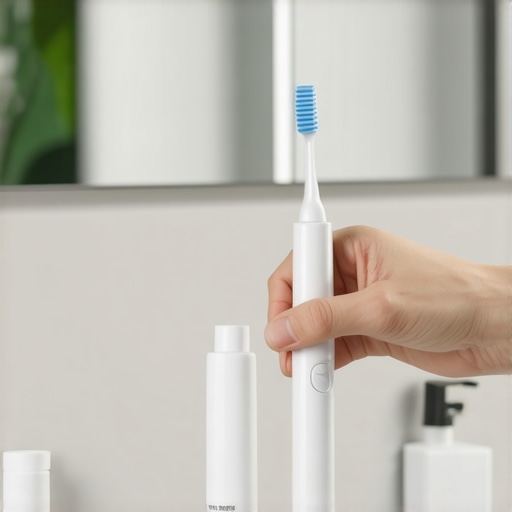
A key aspect of maintaining excellent oral health is ensuring your tools are always in optimal condition. I personally swear by using a sonic toothbrush model like the Philips Sonicare ExpertClean because its deep-cleaning action reaches areas manual brushing often misses. Regularly replacing brush heads—at least every three months—is crucial to prevent bacteria buildup and maintain effective cleaning. Additionally, periodically disinfect your interdental brushes and floss picks with antibacterial solutions to keep germs at bay, preventing reinfection or inflammation.
Choosing the Right Equipment for Long-Term Success
Investing in quality dental tools pays off. For example, I prefer electric flossers with oscillating heads, such as the Waterpik Sonic-Fusion, which combine brushing and flossing in one device. I find this approach not only saves time but also enhances plaque removal around crowns and bridges—areas notoriously difficult to clean with manual instruments. Pair these with a tongue scraper like the Orabrush, which I use nightly to further minimize bacteria that contribute to bad breath and gum issues.
How do I maintain my dental health tools over time?
Consistent care involves more than just regular replacement; it’s about proper maintenance. I soak my sonic toothbrush heads weekly in a mixture of water and antibacterial mouthwash to eliminate residual bacteria. For interdental brushes and picks, I wash them thoroughly with hot water after each use and store them in a dry, ventilated container. This meticulous routine prevents contamination and maintains their effectiveness, especially when dealing with sensitive areas or after professional procedures like crown placements. Moreover, scheduling routine professional cleanings ensures that not only your teeth but also your tools are in prime condition, supporting your ongoing oral health journey.
The Future of Dental Maintenance Technologies
Looking ahead, advancements like smart toothbrushes equipped with sensors to monitor brushing pressure and coverage—such as the Oral-B Genius X—are paving the way for personalized oral care. These devices can alert you if you’re brushing too hard, reducing the risk of gum recession or crown damage. As these technologies become more affordable, integrating them into your routine could significantly boost your long-term dental health—making maintenance smarter and more effective.
Try incorporating a high-tech toothbrush with pressure sensors into your regimen and see the difference it makes for your oral health. Remember, consistent maintenance of your tools is just as vital as regular visits to your dentist for crowns or family dentistry sessions. Keep your equipment in top shape, and your smile will thank you for years to come.
How Overconfidence in Harsh Brushing Tips Backfired
In my early days of dental care, I believed that scrubbing harder would solve every problem. It wasn’t until I caused a small gum recession that I realized that gentleness is key. The truth is, aggressive brushing often damages gums and enamel more than it helps, making issues worse and prolonging healing. Learning to brush with proper technique, like using soft bristles and gentle circular motions, transformed my oral health and highlighted the importance of patience over force.
The Power of Simple Natural Remedies That Changed My Approach
Discovering that salt water rinses can soothe inflamed gums was a game changer. I once thought only professional treatments could provide relief, but this affordable, natural remedy helped me manage pain effectively. It made me realize that sometimes, less is more—simple solutions rooted in tradition and science often yield powerful results, especially when it comes to supporting natural healing processes.
The Hidden Dangers of Common Dental Myths I Once Fell For
Believing that toothpicks are a safe tool for dislodging food led to minor gum injuries, teaching me the importance of proper tools like floss or interdental brushes. This experience underscored how misconceptions can subtly undermine oral health strategies. Questioning popular advice and seeking evidence-based practices have been invaluable lessons in my journey, emphasizing that knowledge and caution are your best allies in maintaining healthy, happy gums.
Curated Tools That Elevated My Dental Routine
I integrate high-quality tools like the Sonicare ExpertClean and Waterpik Flosser into my daily regimen because I trust their advanced technology and proven effectiveness. Regular replacing of brush heads and disinfecting tools keeps bacteria at bay, ensuring long-term health. These tools have been vital investments, demonstrating that quality equipment, combined with consistent care, makes a tangible difference in preventing issues like plaque buildup and gum disease.
Let Your Dental Care Inspire Your Confidence
Maintaining healthy gums and teeth is a journey of continuous learning and mindful habits. Embracing proper techniques, natural remedies, and quality tools empowers you to take control of your oral health. Remember, every small step builds toward a brighter, healthier smile. Are you ready to implement these insights for long-term success and enjoy the confidence that comes with it? Share your story or questions below; I’d love to hear about your experiences with teeth cleaning, family dentistry, or crowns.