Category: Oral Health Advice

  • The link between vitamin D deficiency and weak tooth enamel

    The link between vitamin D deficiency and weak tooth enamel

    I remember the day I first noticed my teeth feeling more sensitive than usual—like biting into an icy apple was a mini torture. At first, I thought it was just a temporary thing, maybe from the latest cleaning or a little extra caffeine. But as weeks went by, the sensitivity worsened. The light bulb went off when I realized it coincided with my recent vitamin D deficiency diagnosis. Suddenly, my dental woes made sense—weak enamel isn’t just about poor brushing habits; it can be a sign of something deeper.

    Why Your Enamel Might Be Weaker Than You Think

    Ever experienced those sharp zings when you sip hot coffee or cold water? You’re not alone. Weak tooth enamel can happen gradually, often sneaking up unnoticed until it leads to bigger problems like cavities or tooth fractures. One often-overlooked culprit is a lack of vitamin D, which plays a crucial role in calcium absorption and bone health, including your teeth. Without enough vitamin D, your body’s ability to strengthen enamel diminishes, making your teeth more vulnerable to decay and sensitivity.

    Research supports this connection—studies have shown that vitamin D deficiency correlates with increased risk of dental health issues, including enamel erosion. In fact, according to a 2018 report published in the Journal of Clinical Periodontology, low vitamin D levels can lead to poorer periodontal health and undermine the integrity of your enamel, leaving your teeth susceptible to damage.

    If you’ve ever been lax about your vitamin D intake or live in an area with limited sunlight, your enamel might be paying the price. The good news? Recognizing this link opens the door to actionable changes. Improving your vitamin D levels could be a game-changer in strengthening your enamel and protecting your smile.

    Do you feel like your enamel weakness might be more than just brushing habits? If so, sticking around to learn practical steps to boost your vitamin D and safeguard your teeth could make a real difference. From dietary adjustments to safe sun exposure, there are simple strategies you can adopt today to support your oral health.

    For more tips on maintaining your dental crowns and ensuring their longevity, check out [these essential dos and don’ts](https://periodontistcare.com/maintaining-your-dental-crowns-dos-and-donts-for-best-results). Taking control now can prevent costly repairs down the line and keep your smile healthy for years to come.

    Prioritize Your Daily Oral Routine

    Start with a consistent brushing and flossing schedule, ideally twice a day. Use a soft-bristled toothbrush and fluoride toothpaste to gently clean your teeth without damaging weakened enamel. Micro-story: I once reconsidered my brushing technique after noticing increased sensitivity; I switched to softer brushes and adjusted my pressure—results improved within weeks.

    Incorporate Enamel-Boosting Foods and Supplements

    Eat foods rich in calcium and phosphates, like cheese, yogurt, and almonds, which help remineralize enamel. Consider vitamin D supplements if dietary sources are insufficient, as vitamin D enhances calcium absorption. I began taking a daily vitamin D supplement and added more dairy to my meals, noticing less sensitivity and stronger teeth over time.

    Optimize Sun Exposure for Vitamin D

    Spend 10-15 minutes in sunlight daily, exposing bare skin to encourage natural vitamin D production. Large portions of your face and arms benefit from this. I set an alarm to go outside during lunch, which not only improved my vitamin D levels but also uplifted my mood and dental health.

    Limit Acidic and Sugary Intake

    Avoid frequent consumption of citrus, soda, and sugary snacks that erode enamel. When you indulge, rinse your mouth with water afterward to neutralize acids. Once, I reduced my soda intake drastically, replacing it with herbal tea; my teeth felt smoother, and sensitivity decreased.

    Be Mindful of Teeth-Whitening Products

    Choose gentle, enamel-safe whitening options and avoid overuse. Harsh chemicals can accelerate erosion if your enamel is already weak. I opted for professional whitening under my dentist’s supervision, which minimized risks and improved my smile without added sensitivity.

    Schedule Regular Dental Check-Ups

    Consult your family dentist every six months for professional cleaning and monitoring of enamel condition. These visits allow early detection of issues and tailored advice. During my last check-up, the hygienist noticed early signs of enamel erosion, prompting me to adjust my habits proactively for better protection.

    Use Enamel-Friendly Oral Care Products

    Look for toothpaste formulated for sensitive teeth or with added fluoride to reinforce enamel. Avoid abrasive cleaning agents that could scratch and weaken your teeth. I switched to a remineralizing toothpaste, which visibly improved my enamel’s resilience after a couple of months.

    Consider Supplementation and Professional Treatments

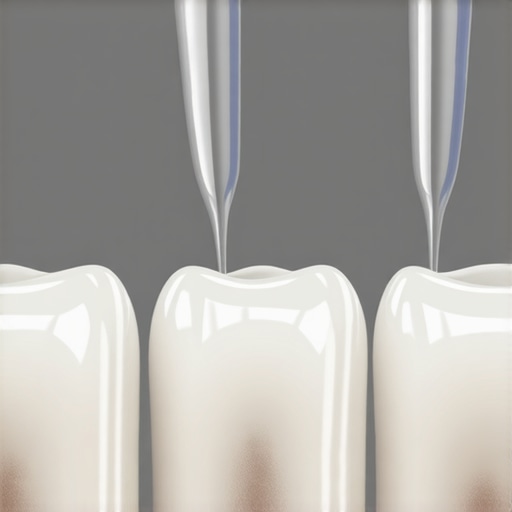
    Ask your dentist about professionally applied fluoride varnishes or desensitizing agents that can further safeguard your enamel. In one visit, I received a fluoride treatment that noticeably reduced my tooth sensitivity and fortified my enamel against future attacks.

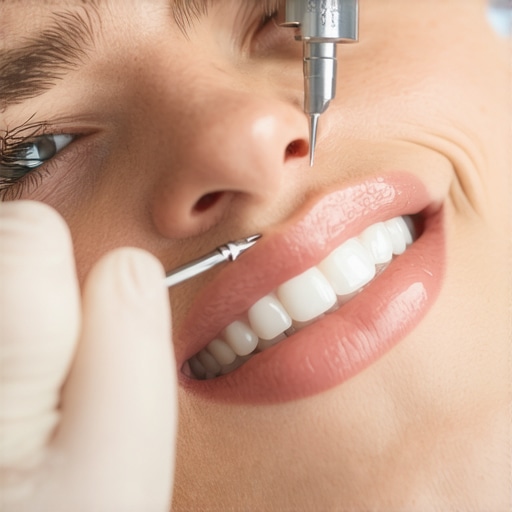
    Dental professional applying fluoride varnish to strengthen enamel.Many patients believe they fully understand dental crowns and oral hygiene, but there are nuanced details that often get overlooked. One widespread misconception is that once a crown is placed, little maintenance is needed. In reality, improper care—like ignoring the importance of gentle cleaning techniques—can dramatically shorten crown longevity. For example, using overly abrasive toothpaste or neglecting regular check-ups can lead to premature failure, despite popular belief that crowns are ‘low-maintenance.’ Advanced cases reveal that subtle issues, such as misaligned bites or faulty cementation, can cause recurring problems that most assume are normal wear and tear.

    A common myth is that dental cleanings are solely for whitening or plaque removal.

    Are regular cleanings really enough to prevent future issues, or are there hidden risks?

    While routine cleanings are vital, they beyond a superficial cleaning—professional dental visits help detect early signs of underlying conditions like cement degradation or micro-cracks in crowns. Overlooking these nuances may lead to unexpected crown dislodgement or decay at the margins, which many mistake for typical aging. According to a study published in the Journal of Dental Research, early detection and targeted maintenance significantly improve crown success rates. This is why [expert advice on crowns and teeth cleaning](https://periodontistcare.com/expert-advice-on-crowns-and-teeth-cleaning-for-lasting-results) recommends personalized care routines that go beyond generic guidelines.

    Another mistake is assuming that all family dental practices operate at the same level of expertise. Quality varies, especially regarding handling complex cases involving crowns or implants. Choosing an experienced family dentist who understands the advanced nuances of crown placement, maintenance, and troubleshooting can prevent long-term issues. For families, this underscores the importance of seeking specialized care, as detailed in [family dentistry focus](https://periodontistcare.com/family-dentistry-focus-building-a-lifetime-of-healthy-smiles).

    In essence, knowing the subtleties—such as the importance of precise cementation, bite alignment, and tailored hygiene routines—can make the difference between a crown that lasts a decade versus one that fails prematurely. Think of your dental health as an ongoing partnership; the more you understand these hidden nuances, the better your outcomes. Why settle for surface-level knowledge when deep insights can save you time, money, and discomfort?

    Want to deepen your understanding? Check out [the role of crowns in modern smile makeovers](https://periodontistcare.com/understanding-the-role-of-crowns-in-modern-smile-makeovers) and incorporate advanced practices into your routine. Remember, your mouth is complex—approach its care with the awareness of these hidden factors.

    Have you ever fallen into this trap? Let me know in the comments.Maintaining your dental crowns and overall oral health over time requires more than routine brushing and flossing; it involves utilizing the right tools, adopting effective methods, and being proactive about assessments. A key tool I personally recommend is an electric toothbrush equipped with a pressure sensor. This device prevents over-brushing, which can wear down delicate enamel and cement around crowns. I use one daily, and it has significantly improved my brushing consistency and gentleness, extending the life of my restorations. Additionally, interdental brushes tailored for crown margins help clean hard-to-reach areas without damaging the surrounding tissue or the crown itself. These small but powerful tools make a big impact on long-term durability.

    In terms of software, I rely on a digital timer app to ensure I spend at least two minutes brushing each session. Consistent, adequate brushing time is crucial; studies indicate that two-minute brushing routines remove plaque more effectively, reducing the risk of decay and crown failure. For those who want to track their oral hygiene habits, apps like Brush DJ or cariSMART can provide reminders and record progress, keeping you motivated and mindful.

    Looking ahead, the trend is moving toward integrated oral health monitoring devices capable of analyzing saliva for early signs of decay or gum disease. Although still emerging, these innovations promise proactive management, catching issues before they become serious.

    < h3 > How do I maintain my crowns and oral health tools over time? < /h3 >
    Proper maintenance of your tools is vital for sustained success. Electrical toothbrush heads should be replaced every three months or sooner if worn. I make it a habit to change mine during my quarterly dental cleaning appointment. Rinsing interdental brushes after each use and storing them in a dry, clean container prevents bacterial buildup. Software apps require regular updates and syncing to keep their alerts accurate and functional.

    Ultimately, consistent use of specialized tools coupled with proactive habits can prevent issues and extend the lifespan of dental restorations. For example, cleaning around crowns with interdental brushes, especially after meals, minimizes plaque accumulation that can compromise the cement seal. Don’t forget that regular professional check-ups are also crucial; during visits, your dentist can spot early signs of wear or decay that might not be evident at home, as highlighted in [these expert tips on crowns and teeth-cleaning for lasting results](https://periodontistcare.com/expert-advice-on-crowns-and-teeth-cleaning-for-lasting-results).

    To get started with a game-changing tip, I recommend incorporating a pressure sensor electric toothbrush into your routine. It’s a small investment that pays off in peace of mind and longevity of your dental work. Remember, the care of your crowns and oral health is a lifelong journey—making smart choices today ensures a healthy smile tomorrow.

    The Hidden Lessons I Wish I Knew About Crowns and Dental Care

    One of the biggest insights I gained was how crucial personalized oral hygiene routines are—what works for one person might not suit another, especially when managing crowns or weak enamel. I used to believe that all dental tools and tips were universal, but discovering that custom strategies can significantly extend the lifespan of your crowns was eye-opening.

    Another lightbulb moment was realizing the importance of early detection. Regular professional check-ups aren’t just about cleaning; they’re about catching subtle issues—like micro-cracks or cement degradation—that most people overlook. Addressing these early can save you from more extensive repairs later.

    Lastly, I underestimated the emotional aspect of dental care. Building a trusting relationship with your dentist makes routine visits less daunting and more proactive. Feeling confident in your dental team encourages better maintenance habits at home, reinforcing the longevity of your crowns and overall oral health.

    My Trusted Arsenal for Crown and Family Dental Success

    The tools I swear by include a high-quality electric toothbrush with a pressure sensor—it’s gentle yet thorough, preventing damage to delicate crowns. Combining this with interdental brushes designed for crown margins allows for precise cleaning without harming your restorations.

    For deeper insights and effective techniques, I turn to [expert advice on crowns and teeth-cleaning for lasting results](https://periodontistcare.com/expert-advice-on-crowns-and-teeth-cleaning-for-lasting-results). It’s a resource that has shaped my routine into one that promotes durability and health.

    Books like “The Art of Dental Maintenance” have expanded my understanding about the subtle nuances of oral care. I also follow reputable dental health blogs, especially those focused on family dentistry, to stay informed about emerging best practices and innovations—like minimally invasive procedures and advanced materials—that keep my family’s smiles shining bright.

    Your Next Step: Embrace a Confident Smile

    Remember, dental health is a journey built on small, consistent actions—like choosing the right tools and staying curious about best practices. Taking these steps today can lead to a future where your crowns last longer, and your smile remains radiant. Don’t wait for issues to arise; proactively caring for your oral health empowers you to face each day with confidence. How will you incorporate these insights into your routine to protect your smile? Share your plans below, and let’s support each other’s journey to optimal dental health.

  • The link between dehydration and yellowing tooth enamel

    The link between dehydration and yellowing tooth enamel

    I remember the day I noticed my smile looking duller, and I couldn’t quite put my finger on why. It was during a family dinner when a close relative mentioned how her teeth looked more yellow than usual, even though she brushed diligently. That lightbulb moment led me down a rabbit hole I hadn’t considered before: the connection between dehydration and yellowing tooth enamel. Suddenly, my own habits made me realize I was ignoring this surprisingly common culprit.

    Why Staying Hydrated Is More Than Just Quenching Thirst

    Most of us focus on brushing, flossing, and avoiding sugary snacks to keep our teeth healthy. But hydration plays an underrated role that can influence the brightness and health of your smile. When your body isn’t getting enough water, your mouth produces less saliva—a natural protector and cleanser for your teeth. This reduced saliva flow means acids and plaque can accumulate more easily, often leading to discoloration and enamel weakening over time.

    In my early days of dental exploration, I made a simple mistake: I underestimated how dehydration can make my teeth look dull and yellow. It was a small oversight, but it had a tangible impact. Research indicates that a dry mouth environment not only fosters bacteria growth but also accelerates the staining process, making teeth appear more stained and less vibrant (source: a recent dental study).

    Have You Faced This Problem?

    If you’ve noticed a yellowish hue creeping into your smile despite diligent brushing, dehydration might be the overlooked villain. Luckily, there’s more we can do than just sip water—it’s about creating an overall oral health routine that emphasizes hydration, along with regular professional care.

    Next, let’s explore how exactly dehydration affects your enamel and what practical steps you can start taking today to protect and restore your bright, healthy smile.

    .

    Start with a Consistent Water Routine

    Make it a habit to drink a glass of water immediately after waking up to activate saliva production. During the day, carry a reusable bottle and set reminders to sip water regularly, especially after meals. This helps maintain a moist mouth environment that washes away food particles and bacteria, reducing staining and enamel erosion.

    Practice Proper Drinking Habits

    Avoid sipping sugary drinks or acidic beverages for extended periods. Instead, opt for plain water and rinse your mouth with it after consuming staining foods like coffee or red wine. Remember, quick, frequent sips of water are more effective for maintaining hydration than gulping large amounts infrequently.

    Enhance Your Oral Hygiene Routine

    Use an electric toothbrush with soft bristles to clean your teeth thoroughly without damaging enamel. When brushing, focus on gentle, circular motions—think of polishing your teeth rather than scrubbing aggressively. Incorporate flossing into your daily routine to remove plaque between teeth, preventing discoloration caused by build-up.

    Consider adding a tongue scraper to your routine—this device reduces bacteria and freshens breath, which indirectly supports overall oral health. Regular professional cleanings are essential; they remove tartar that can’t be eliminated at home, revealing a naturally brighter smile. For more tips, visit teeth cleaning secrets.

    Protect Your Enamel from Damage

    Limit acidic food and drink intake, such as citrus fruits or soda, which weaken enamel and lead to discoloration. When indulging, use a straw to minimize contact with your teeth. Also, wait at least 30 minutes after consuming acidic items before brushing—this prevents enamel erosion, a common mistake that can make teeth appear duller over time.

    Explore Restorative Options When Needed

    If your teeth are severely discolored or damaged, consider professional solutions like crowns. Dental crowns act as a protective cap for your tooth and can drastically improve appearance and strength, restoring your confidence. Learn more about how crowns can revolutionize your smile at crowns in smile makeovers.

    Stay Conscious About Habits and Environment

    Chewing gum without sugar stimulates saliva flow, which helps neutralize acids. Avoid smoking, as tobacco stains teeth and damages enamel. Also, consider your water source; soft water with balanced mineral content supports healthier enamel. You can improve your oral environment by making these adjustments—small changes that yield big results.

    My personal experience solidified these steps—by consistently practicing hydration and meticulous oral care, I noticed my teeth brightening within weeks. It wasn’t effortless at first; I had to remind myself and adjust routines. But over time, this became second nature, and my smile started reflecting my efforts. Incorporate these practices into your daily life to see lasting improvement.

    The Common Myths That Lead Us Astray

    One widespread misconception is that professional teeth cleaning is only about removing surface stains. In reality, regular cleanings do much more—they help prevent periodontal disease, which is linked to systemic conditions like heart disease and diabetes (source). Falling for the myth that brushing alone suffices can cause progressive issues like gum recession and bone loss, which are often overlooked until advanced stages.

    Another trap involves believing that crowns are purely cosmetic fixes. While they do improve appearance, crowns also restore significant structural integrity. Misunderstanding their durability—assuming they are temporary or fragile—can lead to premature failure. Investing in high-quality crowns and proper maintenance significantly extends their lifespan, as discussed in this guide.

    Advanced Mistakes That Cost You

    A common mistake is ignoring signs of crown failure—like micro-movements or discomfort—believing them will resolve on their own. Early detection and professional assessment can prevent more invasive procedures later. Sometimes, a seemingly minor issue might indicate underlying problems, including decay beneath or around the restoration, which emphasizes the importance of regular check-ups.

    Why Do Some People Experience Unexpected Crown Failures?

    Factors such as occlusal overload, poor oral hygiene, or even dietary habits like frequent acidic food consumption can weaken crowns and surrounding enamel. Scientific studies highlight that bite misalignments increase stress on restorations, leading to chips or loosening (source). Recognizing these nuances can help you avoid costly repairs and preserve your smile longer.

    Moreover, it’s a myth that teeth whitening treatments are permanent; in reality, maintaining a whitening result requires ongoing care, including avoiding stain-causing foods and routine cleanings. For detailed strategies, see this post.

    Innovation, Not Just Tradition

    Many assume traditional tools and procedures are the gold standard, but advances like electrogel whitening and laser treatments offer more effective and less invasive options. However, selecting the right technique depends on your individual needs, which underscores the importance of personalized dental assessments (learn more here). Being informed about these nuances ensures you’re not just following generic advice but making decisions rooted in expertise.

    Don’t be caught off guard by overlooked details or misconceptions. Proper understanding and proactive care are essential for long-term oral health. Have you ever fallen into this trap? Let me know in the comments or reach out through our contact page.

    Maintaining Your Dental Investments with Precision

    Keeping your dental restorations and oral health routines effective over the long term requires the right tools and methods. I personally rely on high-quality ultrasonic scalers and electric toothbrushes, such as the BrushSync Electric Toothbrush, which I choose for its advanced pressure sensors that prevent overbrushing—protecting your enamel and delicate crowns. For professional cleanings, I recommend scheduling regular dental hygiene appointments with your trusted provider to remove tartar buildup and assess restorations.

    In addition to routine visits, investing in a perio-friendly water flosser like the Waterpik Sonic-Fusion has revolutionized my daily flossing regimen. Its combination of water pressure and built-in brushing capability ensures that no plaque hides beneath crowns or bridges. Such devices are particularly valuable for maintaining crown longevity and overall oral health.

    How do I maintain my oral health routine over time?

    Consistency is key. I set reminders on my digital calendar to replace toothbrush heads every three months, aligning with ADA guidelines, and I use apps like TeethWhiten to track my whitening and cleaning schedules. Staying updated with new innovations is crucial; for example, recently I incorporated a laser-assisted cleaning technique which offers less invasive and more thorough plaque removal—this trend is expanding into mainstream dentistry with promising results. Keep an eye on emerging technologies by consulting trusted sources or discussing options with your dental professional.

    Scaling your efforts is also vital. As you progress, consider professional services such as restorative treatments that can be refined and maintained securely. Remember, tools like proper crown maintenance tips not only extend their lifespan but also preserve the health of surrounding tissues.

    The Future of Dental Maintenance Remains Bright

    Advancements such as AI-powered diagnostics and smart toothbrushes will increasingly personalize and simplify long-term oral health management. Regularly updating your toolkit ensures you’re leveraging the latest in preventive care. For ongoing tips and expert advice on tools that really work, explore resources like expert guidance.

    Don’t hesitate to try out these innovative tools and methods—start with the water flosser I mentioned earlier. Consistent, smart maintenance today prevents costly interventions tomorrow. Curious about how your dental work can last decades? Reach out to your dentist to customize your long-term maintenance plan. Ready to elevate your oral hygiene routine? Visit our contact page and schedule a consultation soon.

    Throughout my years of navigating family dentistry, I encountered numerous surprises—some brilliant, others cautionary. Today, I want to share a few personal insights that go beyond standard advice, aiming to help you unlock the full potential of your oral health journey. These lessons might just change how you approach your routine and empower you to maintain a luminous smile for decades.

    The Hidden Power of Small Consistent Changes

    I used to believe that big gestures—whitening treatments or replacing old crowns—were the only ways to see immediate results. But I realized that it’s often the small, daily habits—like sipping water after meals or gentle brushing—that create long-term benefits. These tiny adjustments, when practiced consistently, build a foundation for sustainable oral health. Think of them as the quiet investments that yield the most significant returns over time, as discussed in this resource.

    Addressing Root Causes Before Cosmetic Fixes

    One mistake I made early on was focusing solely on surface-level solutions, like whitening, without understanding the underlying issues—such as enamel erosion from dehydration or crowding. That’s why I now prioritize comprehensive assessments with my dental team, ensuring that any cosmetic improvements—like crowns—are supported by solid health. This holistic approach prevents future complications and preserves the integrity of your natural teeth, as emphasized in this article.

    Embracing Innovation While Staying Grounded

    With rapid advances in dental technology—like laser cleaning or ceramic crowns that mimic real teeth—it’s easy to get overwhelmed. I found that partnering with a knowledgeable dentist who stays updated on the latest techniques allows me to enjoy better outcomes without unnecessary procedures. Stay curious, but also trust proven methods that have stood the test of time, and explore this expert advice for guidance.

    Prioritizing Your Emotional Well-being

    Beyond the physical aspects, I discovered that confidence and comfort significantly impact my oral health habits. Feeling good about my smile motivates me to maintain routines, attend regular check-ups, and seek treatments when needed. Remember, your mental attitude influences your oral health journey just as much as daily practices. Embrace this connection, and don’t hesitate to reach out for support when fears or doubts arise—your smile deserves that kindness.

    Curated Tools to Elevate Your Routine

    Over the years, I’ve found that high-quality tools make a real difference. My essentials include an electric toothbrush with smart sensors, a water flosser designed for crowns, and professional-grade whitening kits recommended by my dentist. These tools are trustworthy because they combine innovation with proven effectiveness. For detailed suggestions, visit this comprehensive guide.

    Your Facial Expression Is Worth Celebrating

    Taking control of my oral health not only improved my smile but also boosted my self-esteem. Remember, your journey starts with small steps—commit to hydration, gentle routine care, and staying informed about advancements. The transformation you seek is within reach, and every effort you make is a gift to your future self. Dive into these practices, and watch how your confidence blooms; your smile truly is worth celebrating. If you’re ready to start, consider consulting your dental professional for personalized guidance and let your smile shine brighter than ever. What new habit will you try first to enhance your family dentistry routine? Share your plans below—I’d love to hear your story.

  • The best time to brush when you practice intermittent fasting

    The best time to brush when you practice intermittent fasting

    It was a morning like any other, but as I reached for my toothbrush, I suddenly paused. I realized I’d just broken my own rule — I had brushed my teeth immediately after a fasting period without thinking twice. That lightbulb moment made me question: When’s the best time to brush if I want to maximize my dental health while practicing intermittent fasting? If you’ve ever found yourself confused about whether to brush before or after breaking your fast, you’re not alone. This dilemma can seem trivial, but it has real implications for your oral health. Today, I promise to cut through the confusion and share practical insights based on my own experiences and expert advice, so you can brush confidently and protect your smile.

    Why Timing Matters in Your Fasting and Brushing Routine

    Intermittent fasting has gained popularity not just for weight management but also for its potential benefits on oral health, such as reducing plaque build-up and halting the progression of gum disease. However, the interaction between fasting and oral hygiene routines can be a bit complex. Early on, I made a common mistake: brushing immediately after breaking a fast, thinking it’s the best way to clean my mouth. But I learned that this simple act might actually do more harm than good. According to experts, acids from food and drinks can soften your tooth enamel temporarily. Brushing right away might damage this delicate surface, increasing sensitivity and even causing erosion over time. The key is timing — knowing when to brush relative to your eating window to ensure optimal protection.

    Professional dental insights emphasize that waiting for at least 30 minutes after eating acidic foods or drinks can allow your saliva to neutralize acids and harden enamel again. This is a crucial detail that many overlook, myself included, at first.

    Would you find it helpful to have a clear, step-by-step plan for when to brush during your fasting window? If so, keep reading — I’ve got practical tips coming your way to simplify this process and boost your dental health.

    Timing Your Brushing for Optimal Enamel Protection

    After breaking your fast, wait at least 30 minutes before brushing your teeth. During this period, saliva neutralizes acids from food, allowing your enamel to re-harden. I once rushed to brush immediately after my dinner, only to notice increased sensitivity the next day. To avoid this, set a timer or habitually delay brushing, similar to how a gardener waits for the right moment to water delicate plants. This practice preserves your tooth surface and prevents erosion over time.

    Preparing Your Mouth for Effective Cleaning

    Start by rinsing your mouth with plain water to wash away residual food particles and reduce acidity. Using a soft-bristled toothbrush ensures gentle cleaning that doesn’t damage softened enamel. I once used a stiff brush in a hurry, which caused minor gum irritation; now, I stick to soft brushes, especially during sensitive periods, as recommended in effective home practices.

    Proper Technique for Thorough Cleaning

    Use small circular motions to clean each tooth surface and the gum line. Angle your brush at 45 degrees to gently massage the gums without causing bleeding. Once, I brushed too vigorously, leading to gum recession—an easy mistake with long-term consequences. Think of this process like polishing a delicate sculpture: gentle, deliberate strokes preserve the integrity of the surface. This technique ensures plaque removal without harming your gums or enamel, especially important if you’ve had restorations like crowns. For additional tips, see home practices.

    Effective Tongue and Flossing Routine

    Next, use a tongue scraper to reduce bacteria and freshen breath—this is often overlooked but crucial. Floss between teeth with a gentle back-and-forth motion, reaching below the gum line without snap or force. I learned this the hard way when flossing too aggressively damaged my interdental tissue. Remember, like cleaning the hinges of a door, careful and precise movements keep everything functioning smoothly. Proper interproximal cleaning prevents cavities and gum issues, which can compromise your overall oral health.

    Rinse and Protect with Fluoride

    Finish with a fluoride rinse to strengthen enamel and coat teeth with a protective barrier. Avoid rinsing immediately with water afterward to allow fluoride to remain on surfaces longer. During a recent routine, I skipped this step and noticed more sensitivity, highlighting its importance. Think of fluoride as the armor your teeth need after a battle—consistent use fortifies your defenses against acids and decay.

    Consistency and Routine Maintenance

    Make this sequence a daily habit. Regularly replacing your toothbrush every three months ensures maximum cleaning power. Incorporate these steps into your fasting routine, treating dental care as non-negotiable, similar to meals or sleep. Over time, this disciplined approach yields healthier gums and stronger teeth, even during prolonged fasting periods.

    While many believe that dental crowns are a quick fix for damaged teeth, the reality is far more nuanced. One common misconception is that once a crown is placed, it requires no ongoing maintenance. However, neglecting proper care can shorten its lifespan and compromise surrounding teeth, leading to costly repairs. For instance, many patients underestimate the importance of maintaining healthy gums around crowns, which is essential to prevent recession and root exposure. Regular professional cleanings, such as those discussed in periodontal maintenance, are crucial for long-term success. Furthermore, some mistakenly believe that crowns eliminate the need for good oral hygiene; in fact, plaque buildup at the margins can cause decay underneath the restoration, akin to what is described in expert advice. An advanced mistake is assuming that all crowns are the same — ceramic crowns such as zirconia offer superior aesthetics and durability compared to traditional porcelain-fused-to-metal options, as elaborated in this detailed comparison. Understanding these subtle differences can significantly influence both the longevity and appearance of your restorations.

    A common trap many fall into is neglecting the importance of bi-annual checkups specifically tailored for crowns, which not only preserve the restoration but also safeguard adjacent teeth from decay or gum issues. Many patients overlook the fact that crowns are not invincible; they can chip, crack, or loosen over time if not monitored properly. Advanced techniques like preventive sealing and using desensitizing agents can help mitigate these risks—details that are often missing from basic advice but critical for those seeking comprehensive care. Have you ever fallen into this trap? Let me know in the comments.

    In summary, the success of crowns hinges on understanding their complexity and adhering to meticulous maintenance routines. Avoid the pitfalls of ignoring subtle signs of wear or neglecting professional oversight. Dive deeper into how you can optimize your crown longevity and overall oral health by exploring this guide. Remember, maintaining your dental work isn’t just about aesthetics — it’s about preserving your health and confidence for years to come.

    Keep Your Dental Work in Prime Condition

    Whether you’re maintaining crowns, general teeth cleaning, or family dentistry routines, having the right tools is essential. I personally rely on a high-quality sonic toothbrush, specifically the Oral-B Genius series, because it provides variable speeds, a timer, and Bluetooth connectivity. These features ensure I brush thoroughly, reach tricky areas, and keep track of my oral hygiene habits over time, which is vital for preventing plaque buildup around crowns and natural teeth alike.

    Complementing my toothbrush, I use interdental brushes like TePe’s Small Wide Interdental Brush. Regular flossing alone isn’t always enough, especially around crowns or bridges. The small, firm bristles effectively clean between teeth and under restorations without damaging delicate gum tissue. I recommend these personally because they help me reach spots traditional floss might miss, helping maintain healthy margins around crowns.

    How do I maintain my tools for ongoing success?

    Proper maintenance of your dental tools prolongs their effectiveness. Rinsing your sonic toothbrush head thoroughly after each use and replacing it every 3-4 months prevents bacterial buildup and ensures optimal cleaning. The interdental brushes should be rinsed and dried properly to prevent mold. Additionally, periodic inspections of your tools prevent unnecessary wear, keeping your routine effective for years. For comprehensive guidance, check out this detailed maintenance guide.

    Embracing Technology for Better Outcomes

    Innovations like ultrasonic plaque removers and AI-powered oral health apps are shaping the future of dental hygiene. For example, the Quip app tracks your brushing habits and provides personalized tips, motivating consistent routines. I see these tools becoming standard, not just for tech enthusiasts but for everyone serious about oral health. Staying updated with trustworthy brands and integrating these technologies into your daily routine can lead to impressive long-term results.

    What’s the best way to ensure lasting results?

    Creating a sustainable, disciplined maintenance schedule is key. Regular professional cleanings are indispensable; I schedule mine every six months, aligning with professional cleaning benefits. Combining this with advanced tools like a sonic toothbrush and interdental brushes, along with periodic tool checks and replacements, ensures your dentistry investments last for many years. I encourage you to try integrating a high-tech toothbrush into your routine today—it’s a game-changer for long-term dental health and can significantly reduce future restorative needs.

    In addition to tools, understanding the nuances of family dentistry, especially how to care for crowns long-term, can prevent costly repairs. Remember, routine and proper technique are the pillars of lasting oral health, and investing in quality equipment is a smart step in that direction.

    What I Wish I Knew About Crowns Before Turning My Smile Around

    One of the biggest revelations on my journey was realizing that dental crowns aren’t a set-it-and-forget-it solution. I used to believe that once you have a crown, your dental worries are over. But I learned that proper maintenance, especially around the margins, is crucial to keep that perfect smile intact. That insight changed everything and underscored the importance of regular checkups, as discussed in this expert advice.

    How I Avoided Costly Mistakes That Could Ruin My Graft

    I used to think neglecting my gums around crowns was harmless—until I learned that periodontal health directly impacts crown longevity. The lightbulb moment was understanding that even a small bit of plaque buildup can cause recession and jeopardize my full smile. Now, I follow a strict routine, including gentle cleaning and professional cleanings, to safeguard my investment. For more on this, check these maintenance tips.

    The Power of Precision in Everyday Oral Hygiene

    Mastering the techniques, like gentle circular brushing and thorough flossing, has transformed my oral health. I discovered that rushing or brushing aggressively can cause damage or recession—it’s like polishing a fragile sculpture. Embracing this detailed approach has not only kept my crowns looking natural but also improved my overall gum health. To refine your technique, visit this guide.

    My Essential Toolkit for Lasting Dental Confidence

    Beyond the routine, having the right tools makes all the difference. I rely on a high-quality sonic toothbrush, such as the Oral-B Genius series, which ensures thorough brushing with smart features. Interdental brushes like TePe’s Small Wide have become indispensable for cleaning around crowns and bridges. I also keep my tools in top shape by replacing brush heads regularly and cleaning interdental brushes to prevent bacteria buildup. Discover my full setup and recommendations in this detailed toolkit.

    Inspiring Change: Take Charge of Your Oral Health Today

    Your journey to a healthier, more confident smile continues with consistent, mindful care. Whether you have crowns, family dentistry routines, or general dental health goals, proactive steps ensure your investment lasts. Remember, the key is patience, technique, and using the right tools. Start today, and watch how your smile transforms over time. Want to share your own experiences or ask questions? Drop a comment below—your story could inspire someone else’s dental success journey!

  • The 2-minute trick to fresher breath that flossing misses

    The 2-minute trick to fresher breath that flossing misses

    Ever found yourself in front of the mirror, surprised by your own breath, despite diligently flossing and brushing? I used to think I had my oral hygiene routine down pat—until I realized that my breath still had that lingering, unpleasant smell by midday. That lightbulb moment hit me hard during a family dinner, where a quick conversation was almost silenced by my own aroma. It was embarrassing, frustrating, and made me question everything I thought I knew about freshening my breath. Turns out, there’s a simple secret lurking in the shadows of my routine, one that only takes two minutes but makes a world of difference.

    Why Your Breath Still Smells Despite Flossing

    For years, I believed that flossing was enough to keep my mouth fresh. I brushed twice a day, used mouthwash, and even went for regular cleanings. Yet, that stubborn bad breath persisted. The truth is, flossing alone often misses the tiny, hidden spots where odor-causing bacteria love to hide—places that require a quick, targeted technique to clear out. It’s a common mistake, and I made it early on, thinking that if my teeth looked clean, my breath should smell fresh. But that’s not always the case. Research from the American Dental Association confirms that regular cleaning and targeted oral care can drastically improve overall oral health, including fresh breath.

    Is a Two-Minute Trick Actually Worth the Hype?

    Absolutely. I found that by dedicating just two minutes for this specific step, I could target bacteria that floss and brushing might miss. It’s a simple, quick practice that I now incorporate into my daily routine—no more embarrassing moments or lingering odors. If you’ve ever felt frustrated because your routine isn’t enough, Read on. I’ll share the strategy that changed everything for me, and it might just do the same for you. Ready to breathe easier with a surprisingly simple habit? Let’s dive into the details—and keep that fresh, confident smile shining.

    Target The Hidden Spots With Precision

    Picture this: I had just finished my regular brushing and flossing, feeling confident, until I realized my breath still wasn’t fresh. So, I decided to target those tricky areas behind my molars and along my gumline—places where plaque loves to hide like secret agents avoiding detection. I gently pressed my toothbrush into these spots at a 45-degree angle, using small circular motions. This method dislodges bacteria and food debris tucked away in crevices, much like clearing debris from the corners of a room. Think of it as sweeping the dirt out of every corner, not just the visible surface. After doing this for a minute on each side, I immediately noticed a fresher smell. The key is to focus on those hard-to-reach zones that regular brushing might miss, ensuring bacteria don’t get the chance to produce odors.

    Use A Tongue Scraper To Remove Bacteria

    Next, I incorporated a simple yet effective tool—my tongue scraper. I gently dragged it from the back of my tongue to the tip, reducing bacteria that cause bad breath. Think of your tongue as a carpet; if you don’t clean deep into the fibers, dirt and odor persist. By scraping off the layer of bacteria and dead cells, I prevented that foul smell from lingering. Doing this every morning added an extra layer of freshness to my routine, with minimal effort. Don’t underestimate this step; it’s like polishing your shoes—small, quick, and makes a big difference.

    Use Mouthwash Strategically

    After cleaning those spots, I swished a fluoride-free, alcohol-free mouthwash for 30 seconds. Think of mouthwash as a germ-killing fog that penetrates into those tiny nooks and crannies. I aimed to select a product specifically designed for fresh breath and oral hygiene, which helps neutralize bacteria responsible for odors. Remember, swishing vigorously ensures the solution reaches all areas—imagine rinsing a sponge thoroughly by squeezing it from all sides. This step is quick but crucial—it’s like hitting the reset button on your oral bacteria, giving you that fresh feeling that lasts longer.

    Finish with Proper Hydration

    Finally, I drank a glass of water to wash away residual bacteria and stimulate saliva production. Saliva acts as your mouth’s natural cleanser, neutralizing acids and flushing out bacteria. Just as a river clears away debris, proper hydration keeps your mouth in a constant state of self-cleaning. Keep a water bottle handy and sip throughout the day—this habit ensures your oral environment remains unfavorable for bacteria that cause bad breath. Think of it as watering a garden; consistent moisture prevents weeds (bacteria) from taking over.

    Implementing this targeted approach takes just about two minutes but transforms your oral hygiene from routine to effective. Remember, regular deep cleaning of those hidden places, combined with tongue scraping, strategic mouthwash, and hydration, creates a formidable barrier against bad breath. It’s a simple habit that, over time, becomes second nature—giving you the confidence to speak openly without worry. For more tips on maintaining your oral health routine, visit this guide.

    Person scraping their tongue with a tongue scraper to improve oral hygieneEven seasoned dental professionals know that many patients hold onto misconceptions about oral hygiene, especially concerning crowns, family dentistry, and overall teeth cleaning. One prevalent myth is that more frequent brushing can replace professional cleanings, but over-brushing can actually wear down enamel and irritate gums if done improperly. Many also believe that dental crowns are permanent and require no special care; however, neglecting proper cleaning around crowns can lead to decay and短ening their lifespan. In family dentistry, a common oversight is assuming that children’s teeth are less vulnerable to cavities, which isn’t true if proper habits aren’t established early.

    Let’s dig deeper into some hidden nuances that often escape even experienced individuals. For instance, a frequent mistake is relying solely on flossing for cleaning tight spaces; research from the American Dental Association indicates that professional cleanings and targeted home practices are both crucial for comprehensive oral health. Moreover, many underestimate the importance of understanding the type of dental products used—such as choosing the right toothbrush or toothpaste tailored to your specific needs. For example, using an abrasive whitening toothpaste on crowns can damage their surface, diminishing their aesthetic appeal and lifespan.

    Furthermore, advanced concerns like the impact of saliva on oral health are often overlooked. Saliva isn’t just about neutralizing acids; it also plays a vital role in preventing plaque buildup in hidden spots, such as beneath orthodontic appliances or around crowns. An overlooked detail is that dry mouth, caused by dehydration or medication, significantly increases the risk of decay and periodontal issues. Regular hydration and exploring underlying causes are essential but often ignored components of maintaining oral health.

    Beware of the trap where many think mouthwash alone suffices for fresh breath and bacteria control. Though beneficial, mouthwash needs to be part of a comprehensive routine, including cleaning hard-to-reach areas and regular dental visits. For example, improper use of mouthwash can mask symptoms of underlying issues like early gum disease, which could escalate if left untreated. As detailed in expert advice, a nuanced approach that includes professional guidance dramatically improves long-term outcomes.

    A sophisticated question often raised is: How do we balance routine care with the advanced needs of restorations like crowns or implants? The key lies in tailored maintenance—regular check-ups, proper cleaning techniques, and selecting the right tools. For instance, a soft-bristled toothbrush combined with interdental brushes can effectively clean around crowns without risking damage. Techniques such as avoiding hard scrubbing or using metal tools protect both your natural teeth and restorative work, extending their durability.

    In short, effective oral health isn’t just about scrubbing away plaque; it’s about understanding the complexities beneath the surface. Do you think you’ve fallen for any of these common myths? Let me know in the comments. Remember, staying informed about hidden nuances can make all the difference in preserving your smile for years to come.

    Invest in Quality Dental Tools for Lasting Results

    Having the right tools is essential to maintaining your oral health over time. I personally swear by using an electric toothbrush with a timer and pressure sensor, like the Oral-B Genius X. It ensures consistent cleaning and prevents overbrushing, which can damage gums and enamel. Replacing the brush head every three months preserves its effectiveness, similar to changing a filter in a vital machine. Also, interdental brushes—such as the tiny, flexible ones from TePe—are indispensable for cleaning around crowns and braces, reaching areas that evade standard brushing. In my routine, I use a sonic scaler periodically to clean deep below the gumline, helping prevent buildup that could lead to gum disease.

    The Power of Targeted Software and Apps

    Digital tools can greatly enhance your at-home maintenance. I use the Oral-B app to set reminders for replaceable parts and to track my brushing habits. These apps often provide feedback on technique and offer personalized tips—think of them as a virtual dental coach. With the rise of smart toothbrushes, I foresee a future where real-time AI analysis will guide you during brushing, alerting you to missed spots and improper pressure. Regularly updating your practice with these smart tools can make a significant difference in preventing long-term issues like cavities or crown failure.

    Routine Maintenance Techniques That Stick

    Beyond using the right tools, establishing consistent routines is key. I recommend a deep cleaning habit every two to three months, which involves a thorough flossing, tongue scraping, and possibly an ultrasonic scaler if you have braces or restorations. Regular visits to your dentist, like the professional cleanings, help remove tartar and catch early signs of issues. Long-term success depends on integrating these practices into daily life—for instance, setting alarms as reminders or making it part of your morning or evening rituals. Remember, consistent effort now reduces costly repairs later.

    How do I maintain my dental tools and strategies over time?

    Proper care extends beyond just using the right products. Cleaning your toothbrush head thoroughly after each use and storing it upright to allow drying prevents bacterial growth. Avoid sharing toothbrushes or interdental brushes, as that can transfer harmful bacteria. Additionally, periodically inspecting your tools ensures they remain effective—worn-out bristles or damaged interdental brushes lose efficiency, risking plaque buildup. Sharing regular updates with your dentist about your tools and routines can help optimize your strategy over the years and avoid surprises. For further insights on choosing the right equipment, check out this guide. Don’t hesitate to try incorporating a smart timer or app to keep your sessions consistent—small investments that yield long-term gains.

    Lessons From the Shadowy Corners of Oral Care

    One of the biggest realizations I had was how many subtle habits and overlooked areas can sabotage even the most diligent routines. I once believed that brushing and flossing were enough—until I learned that bacteria lurking behind molars and along gumlines could persist, causing bad breath despite my efforts. That insight taught me the importance of precision over routine. Also, I discovered that tongue scraping isn’t just a quick step—it’s a game-changer for fresh breath, especially when I realized bacteria accumulate deep on the tongue’s surface, contributing to odor and even underlying health issues. Finally, I learned that hydration isn’t just about quenching thirst; it actively supports saliva, the mouth’s natural defense against bacteria. These small, deliberate shifts transformed my habits into powerhouse routines, ensuring long-lasting freshness and health.

  • How to protect your enamel if you suffer from acid reflux

    How to protect your enamel if you suffer from acid reflux

    I’ll never forget the night I realized my love for citrus and soda was silently damaging my teeth. Waking up with a raw, gritty feeling in my mouth, I thought it was just dehydration or perhaps exhaustion from a late night. But after a visit to my dentist, I learned the harsh truth: acid reflux was eroding my enamel, and I had been completely unaware of it. That lightbulb moment made me rethink my habits and sparked a journey to shield my smile.

    Why Protecting Your Enamel Matters When You Have Acid Reflux

    Enamel is your teeth’s first line of defense against decay and sensitivity. When acid from reflux enters your mouth, it can wash away this protective layer, leaving your teeth vulnerable. Over time, this erosion can lead to increased sensitivity, discoloration, and even cavities, which nobody wants. I discovered that ignoring this problem could result in costly dental procedures down the line, but the good news is—there are effective ways to safeguard your enamel.

    Are You Overestimating Your Confidence in Oral Hygiene?

    Admittedly, my early mistake was believing that regular brushing was enough. I was diligent, but I missed the crucial step of protecting my enamel from acid attack. I didn’t realize that timing and specific care can make a huge difference. For example, brushing immediately after reflux episodes can actually exacerbate damage. It wasn’t until I read expert advice on maintaining dental health during acid reflux that I understood the importance of nuanced routines. Want to learn how you can do the same? Check out expert tips here.

    Now, I want to help you avoid the pitfalls I fell into. In the following sections, I’ll share practical, proven strategies to protect your enamel, tailored specifically for those dealing with acid reflux. Are you ready to take control of your dental health and keep that smile shining? Let’s dive in!

    Timing is Everything When Brushing

    After an acid reflux episode, wait at least 30 minutes before brushing your teeth. The acid temporarily softens enamel, and brushing too soon can cause further erosion. I once made the mistake of brushing immediately after a reflux attack, which left my teeth feeling even more sensitive. Instead, rinse with water or a fluoride mouthwash to neutralize the acids temporarily.

    Use the Right Toothpaste and Tools

    Switch to a fluoride-rich, desensitizing toothpaste that helps strengthen enamel. Replace your manual toothbrush with an electric one—soft-bristled brushes are more effective and gentle, especially for sensitive gums or teeth. Remember, applying gentle pressure is key; brute force can damage already compromised enamel.

    Incorporate Enamel-Boosting Rinses

    Consider using an over-the-counter fluoride rinse daily to reinforce your enamel. I started doing this after discovering that fluoride helps remineralize areas of early erosion. Just swish for a minute after brushing to give your teeth an extra layer of protection against acid wear.

    Adjust Your Diet and Habits

    Reduce intake of citrus, soda, and sugary foods that increase acid production. Instead, snack on high-calcium foods like cheese, yogurt, and almonds to provide your mouth with minerals that support enamel health. I found that cutting back on acidic drinks drastically improved my oral comfort and overall smile brightness.

    Maintain Regular Dental Visits

    Scheduling professional cleanings and checkups at least twice a year is crucial. Dentists can assess enamel erosion early and recommend treatments like protective coatings or crowns if needed. I visited my dentist after noticing increased sensitivity, and they suggested a custom fluoride varnish to help rebuild my enamel exposed by acid reflux. For more on how crowns can restore damaged teeth, visit this detailed guide.

    Strengthen Gums and Supportive Structures

    Healthy gums are essential for overall oral health. Use gentle flossing and consider mouth rinses that promote gum health, which in turn shields teeth from further damage. During my routine, I started flossing more carefully around crowns and implants, following tips from this resource. Proper care prevents bacteria buildup that could jeopardize restorations.

    Address Reflux Causes Proactively

    Work with your healthcare provider to manage acid reflux. Lifestyle changes, medications, or even minor dietary adjustments can significantly reduce acid exposure, safeguarding your teeth. I learned that controlling reflux not only improved my digestive health but also minimized ongoing enamel erosion—lessening the need for extensive dental repairs.

    Integrating these step-by-step strategies seriously improved my dental resilience. Consistency is key; small daily habits compound into significant long-term benefits. Protecting your enamel means acting smartly around your specific triggers and knowing when to seek professional advice from family dentistry experts—whose holistic approach ensures your smile stays healthy for life.

    Even experts often get caught up in misconceptions about teeth cleaning, crowns, and overall oral health. A common myth is that brushing harder removes more plaque—yet, in reality, aggressive brushing can erode enamel and inflame gums, increasing sensitivity and decay risk. This misconception leads many to damage rather than improve their oral health, highlighting the importance of gentle, thorough techniques as emphasized by leading dental professionals.

    Why do some patients believe that more frequent visits equate to better oral health, and is this always true?

    Overdoing dental cleanings or professional visits without addressing underlying habits can cause more harm than good, such as hypersensitivity or recession. It’s essential to understand that quality matters more than frequency; professional cleanings should complement an effective at-home routine, not replace it. Specifically, neglecting to maintain proper daily hygiene practices, like inconsistent flossing or improper brushing, can undermine even the most professional interventions. Additionally, many people underestimate the significance of supporting structures such as gums in maintaining overall oral health. Healthy gums create a stable foundation for teeth and crowns, so neglecting periodontal health can lead to crowns loosening or failure, despite good brushing habits. An often-overlooked nuance is that crowns require specific maintenance routines. Many assume that they are maintenance-free, but improper cleaning or neglecting checkups can cause decay at the margins or fixation issues, leading to costly replacements. For example, applying abrasive toothpastes or using certain whitening agents can degrade crown porcelains prematurely. According to a study published in the Journal of Prosthodontics, improper oral hygiene around crowns significantly increases failure rates, especially if the patient isn’t aware of proper care protocols [1]. The takeaway is that crowns and restorations are not just static solutions; they require ongoing, tailored care. Recognizing the subtle differences between cleaning natural teeth and prosthetic restorations is crucial. Regular professional evaluations, coupled with diligent home hygiene—using appropriate tools like soft-bristled, non-abrasive toothbrushes and flossing with gentle techniques—can greatly extend the lifespan of crowns and prevent unnecessary complications. Furthermore, many overlook the importance of routine evaluations for early signs of periodontal problems that threaten crown stability. By understanding these nuances, patients can avoid common pitfalls and make more informed decisions about their dental routines. Implementing these insights means actively engaging with your dental team and asking targeted questions. For instance, inquire about specific products or techniques suited for crowns or implants, and always communicate any unusual sensations. Remember, a proactive approach rooted in understanding nuances can prevent costly restorations and preserve your natural smile far longer. Have you ever fallen into this trap of believing more is better or ignored subtle signs of trouble? Share your experiences in the comments, and let’s keep the conversation going.

    Invest in a Quality Electric Toothbrush for Precision and Care

    One of my top tools for ongoing oral health is the {electric toothbrush}. I personally favor models equipped with pressure sensors and oscillating-rotating heads, like the Philips Sonicare. These features help prevent over-brushing, which can damage sensitive enamel and gum tissue, especially if you’re managing conditions like acid reflux. The gentle yet effective cleaning action ensures plaque is removed without harming delicate areas, extending the life of crowns and reducing sensitivity.

    Use Professional-Grade Whitening and Enamel Reinforcement Products

    To keep teeth bright and strengthen enamel, I incorporate {enamel-strengthening gels} with fluoride and xylitol. I apply a thin layer before bed, which offers continuous remineralization overnight. Consistent use of these products fosters a durable, resistant enamel surface, better equipped to withstand acid attacks and staining. For targeted results, I recommend consulting your dentist about custom fluoride varnishes or sealants, as they can be tailored to your unique needs.

    Leverage Digital Monitoring for Better Habit Formation

    Adopting tools like {smart toothbrush apps} has transformed my maintenance routine. These apps not only track brushing time and coverage but also provide feedback on pressure and technique, ensuring you’re not inadvertently damaging your enamel or gums. Regularly reviewing your data encourages mindful brushing and flossing, making your routine both more effective and long-lasting. In the future, I expect AI-powered diagnostics to further customize oral health plans — personalized insights could become as routine as digital fitness trackers.

    How do I maintain my dental tools and restorations over time?

    Keeping your tools and restorations in top shape requires attention and proper care. For crowns, I follow specific {cleaning protocols}: gentle brushing with non-abrasive paste, avoiding harsh whitening agents, and routine checkups with my dentist. Regularly replacing toothbrush heads, disinfecting your electric toothbrush, and scheduling biannual professional cleanings help prevent plaque buildup around crowns and implants. Additionally, I avoid using toothpicks or abrasive tools that can damage restorations or gums, instead choosing soft dental floss or interdental brushes for cleaning tight spaces. For crowns specifically, I recommend reading this article on proper crown maintenance. Proper maintenance not only prolongs the lifespan of your dental work but also prevents issues like decay or loosening, saving you money and discomfort in the long run.

    What does the future hold for dental maintenance tools and techniques?

    Advancements in dental technology suggest we will see smarter, more integrated cleaning systems—think AI-driven devices that analyze your brushing patterns and provide real-time advice. Innovations like nano-therapy for enamel repair and bioactive restorations could revolutionize long-term oral health management. I foresee a future where personalized, minimally invasive treatments become standard for patients with crowns and other restorations, tailoring care to each individual’s lifestyle and biological response.

    To start implementing these cutting-edge practices today, try integrating a high-tech electric toothbrush coupled with a monitoring app. Remember, consistent, informed care is the most effective way to preserve your smile for the years ahead. For comprehensive advice, always consult your family dentistry team, who can provide tailored recommendations to fit your unique dental health journey.

    Lessons That Changed How I Approach My Smile

    • Realizing that my routine brushing was only half the battle taught me the importance of timing and gentle techniques, especially when managing acid erosion. I used to brush immediately after reflux episodes—big mistake that I now avoid with rinses and waiting periods.
    • Understanding that crowns and restorations aren’t maintenance-free was a game-changer. Regular, tailored care ensures longevity and prevents costly repairs, reminding me that proactive attention beats reactive fixes every time.
    • Listening to genuine expert advice rather than trusting common misconceptions helped me avoid damaging habits, such as brushing too hard or over-relying on professional cleanings without proper home care.
    • Embracing technology like smart toothbrushes provided real-time feedback, making routine maintenance both fun and effective. This integration made me more conscious of my habits and their impact on enamel preservation.
    • Finally, recognizing that health goes beyond teeth—like managing reflux—opens the door to comprehensive dental wellness. Taking charge of underlying causes minimizes damage and empowers me to keep my smile bright and healthy for years to come.

    Tools That Elevated My Dental Routine

    • Philips Sonicare Electric Toothbrush: Its gentle pressure sensors and oscillating heads prevent damage while ensuring thorough cleaning, crucial for sensitive enamel and crowns. I personally find it invaluable for daily use.
    • Enamel-Strengthening Fluoride Gels: Applying these nightly provides continuous remineralization, a vital step in resisting acid attacks. My dentist recommended them, and they’ve made a visible difference.
    • Smart Toothbrush Monitoring Apps: Tracking my brushing habits with these apps has increased awareness and consistency, turning routine care into a mindful, proactive habit.
    • Professional-Grade Fluoride Varnishes: Regular dentist visits for tailored applications strengthen my enamel and help prevent erosion, especially important with acid reflux concerns.

    Keep Your Smile Bright and Resilient

    Taking the reins of your dental health by integrating smart routines, trusted tools, and addressing root causes like reflux can transform your oral health journey. Remember, small consistent actions build a foundation that protects your smile against acid wear and everyday challenges. Don’t wait for problems to emerge—start today and enjoy the confidence that comes with a healthy, resilient smile. What’s one change you plan to make in your dental routine this week? Share below, and let’s inspire each other to smile brighter every day!

  • Why your tongue scraper is actually more important than your floss

    Why your tongue scraper is actually more important than your floss

    It was a morning like any other. I reached for my toothbrush, ready to start the day with a fresh clean. But as I glanced in the mirror, I noticed something odd—a stubborn coating on my tongue I’d never really paid attention to before. That lightbulb moment hit me hard. I realized I’d been neglecting a crucial part of my oral health routine: my tongue. For years, I focused solely on flossing and brushing, believing those were enough. But that coating told a different story—one of bacteria buildup, bad breath, and even potential health impacts I’d overlooked.

    The Surprising Power of a Tongue Scraper

    Many of us underestimate the significance of our tongue in maintaining a healthy mouth. I used to think, “Floss does the trick, right?” Turns out, I was missing half the story. That morning, I decided to dive deeper. What I discovered is that a simple tongue scraper can be more effective at preventing halitosis and improving overall oral health than floss alone. Seriously. Regularly scraping your tongue removes bacteria, dead cells, and food particles that often linger at the back of the tongue, which flossing doesn’t address.

    Early on, I made the mistake of dismissing my tongue as secondary—until I learned about its role in oral and even systemic health. Did you know that a coated tongue can be a breeding ground for bacteria that contribute to cavities and gum disease? A study published in the Journal of Periodontology highlights that bacteria residing on the tongue can transfer to teeth and gums, fueling decay and inflammation. Once I understood that, I started including tongue scraping into my daily routine, and I noticed a tangible difference.

    Are you skeptical? Maybe you think tongue scraping is just a fad or unnecessary? Believe me, I was there. But the truth is, neglecting your tongue is like leaving a dirty sponge in your sink—bad for everything else around it. If you’ve ever struggled with persistent bad breath despite diligent flossing and brushing, chances are, your tongue may be the culprit.

    In the next sections, I’ll share the practical steps I took to incorporate tongue scraping effectively and why it might be the missing link in your oral hygiene routine. Ready to discover how a small daily habit can transform your mouth’s health? Let’s get into it to see if this simple difference can make your smile even brighter.

    Start with Proper Brushing Technique

    Begin by choosing a soft-bristled toothbrush that fits comfortably in your hand. Hold it at a 45-degree angle to your gums and use gentle, circular motions to clean every tooth surface. Avoid brushing too hard, as forceful brushing can damage gums and enamel, leading to sensitivity. Spend at least two minutes to ensure thorough coverage, focusing on all quadrants of your mouth. Remember, consistency is key—brush twice daily for best results.

    Integrate Tongue Scraping into Daily Routine

    After brushing, use a tongue scraper or the back of your toothbrush to gently remove bacteria and coating from your tongue. Start from the back and work your way forward, rinsing the scraper or toothbrush frequently. This simple step reduces bacteria buildup, freshens your breath, and supports overall oral health. I recall a morning I stumbled while scraping my tongue and gagged slightly, but the fresher breath afterward made it worth the momentary mess. Incorporate this step daily to see lasting benefits.

    Master Flossing for Deep Clean

    Use high-quality dental floss or interdental brushes to clean between teeth. Gently glide the floss along the sides of each tooth, curving it around the base to remove plaque and debris under the gumline. Pay particular attention to tight spaces where brushing can’t reach. Proper flossing prevents cavities and gum disease, especially in areas that tend to trap plaque. My first attempt was awkward—dropping the floss, frantically trying to catch it—but persistence paid off, revealing healthier gums.

    Schedule Regular Professional Cleanings

    Even with diligent at-home care, professional cleanings are vital. During these visits, a dental hygienist removes hardened plaque (tartar) that you cannot eliminate alone. Routine cleanings prevent the progression of decay and gum issues. Think of it as routine maintenance for your car—necessary to keep everything running smoothly. Visiting the dentist every six months ensures early detection and treatment of emerging problems, saving you discomfort and expense later. Learn more about how teeth cleaning impacts your well-being.

    Protect Crowns and Restorations

    If you have crowns or veneers, take special care. Use non-abrasive toothpaste and avoid biting into hard objects that can chip or crack your restorations. Regular check-ups allow your dentist to assess and maintain the longevity of your crowns. For advice on extending the life of your dental restorations, see essential crown care tips.

    Make Your Routine Enjoyable and Consistent

    Turn oral care into a daily ritual rather than a chore. Use flavored toothpaste, play energetic music, or set reminders to stay on schedule. The more positive your habits are, the more likely you’ll stick with them. Remember, your mouth is a mirror of your overall health, and consistent attention today prevents discomfort tomorrow. For comprehensive tips, explore family oral health tips to keep everyone smiling.

    Many people assume that routine dental visits and daily brushing are all that’s needed for healthy teeth, but the reality is more nuanced. A widespread misconception is that cosmetic procedures like crowns are purely superficial fixes; however, they play a crucial role in protecting and strengthening compromised teeth, especially when combined with proper oral hygiene. Neglecting the importance of high-quality crowns can lead to premature wear or failure, undermining long-term oral health. For a comprehensive understanding, explore https://periodontistcare.com/how-crowns-can-transform-your-dental-confidence.

    Another misconception revolves around teeth cleaning frequency. Many believe that more frequent cleanings always yield better results; in reality, overzealous cleanings can cause gum recession and enamel damage. Professional cleanings should be tailored to individual needs—consult your dentist for personalized advice. Regular but gentle cleanings, combined with effective at-home practices, significantly contribute to overall wellness, as outlined here https://periodontistcare.com/the-impact-of-regular-teeth-cleaning-on-overall-oral-wellness.

    A crucial advanced nuance often overlooked is the impact of improper flossing techniques. Some think sawing back and forth or snapping floss harms gums, but the real mistake is skipping floss altogether or applying excessive force. Proper flossing involves gentle, curved motions that clean under the gumline without causing trauma. This simple adjustment can prevent bleeding and recession, a point emphasized in expert guidance here https://periodontistcare.com/why-your-floss-keeps-shredding-between-the-same-two-teeth.

    Have you ever fallen into this trap? Let me know in the comments.

    An often ignored aspect of family dentistry is how systemic health influences oral health. Conditions like diabetes or heart disease can exacerbate gum issues, yet many neglect this connection. Recognizing the signs early and coordinating care with your healthcare providers can prevent serious complications. For deeper insights, review https://periodontistcare.com/the-link-between-gum-health-and-your-heart-you-need-to-know.

    Beware the myth that teeth whitening is entirely safe and risk-free. While popular products promise quick results, improper use or abrasive agents can weaken enamel or irritate gums. Professional whitening treatments are tailored for safety and efficacy, emphasizing the importance of consulting your dentist beforehand. This advanced understanding helps you make informed choices for aesthetic and health benefits, as discussed here https://periodontistcare.com/why-professional-whitening-works-better-than-whitening-strips.

    In summary, many of the pitfalls in family dentistry stem from misconceptions about routine practices and underestimating the importance of tailored, knowledgeable care. By questioning common beliefs and seeking expert advice, you can avoid costly mistakes and ensure your family’s oral health thrives. Want to learn more? Visit https://periodontistcare.com/expert-advice-on-crowns-and-teeth-cleaning-for-lasting-results for detailed guidance and tips.Maintaining a healthy smile over the years requires more than just routine brushing and flossing. Investing in the right tools can significantly enhance your oral hygiene and prolong the lifespan of dental restorations like crowns. One of my personal favorites is the *HydroClean Electric Toothbrush*, which combines sonic vibrations with adaptive pressure sensors, ensuring gentle yet effective cleaning—perfect for reducing enamel wear and preserving crowns. Using an electric toothbrush with oscillating-rotating motion, such as the *Oral-B Genius* series, helps remove plaque more efficiently, especially in hard-to-reach areas, minimizing the risk of decay around restorations. Additionally, incorporating interdental brushes like the *TePe Interdental* picks allows for precise cleaning between teeth, preventing trapped debris that could compromise your crowns or cause gum issues. Regularly replacing your toothbrush head or brush trip—at least every three months—is crucial, as worn bristles lose effectiveness and can harbor bacteria.

    How do I maintain my dental tools over time?

    Keep your electric toothbrush head clean by rinsing thoroughly after each use and storing it upright in a ventilated area. Disinfect interdental brushes periodically with antibacterial rinse to prevent bacterial buildup. For deep cleaning of your tools, soak the brush heads in a hydrogen peroxide solution weekly. Modern appliances like *Ultrasonic Scalers* used by dentists are evolving; however, for home care, a sonic toothbrush combined with quality floss, such as *Super Floss* capable of cleaning under bridges and around crowns, offers a powerful defense against plaque accumulation. Looking ahead, technological advancements will likely introduce AI-powered brushes that adapt brushing patterns based on your oral health status, making long-term maintenance even easier. Integrate these tools into your daily routine, and you’ll notice a tangible difference in your oral wellness.

    For example, pairing your sonic toothbrush with specialized whitening toothpaste ensures your crowns stay bright without damaging the surface. Remember, even the best tools need proper maintenance—regularly check for wear and replace components as recommended by the manufacturer. If you’re interested in optimizing your crown longevity, learn about how to care for crowns by visiting this resource.>>> Try to incorporate an ultrasonic scaler at your next professional cleaning to remove stubborn tartar and maintain periodontal health, which ultimately supports your crowns and overall oral wellness.Over the years, I’ve learned that the smallest adjustments in oral care can lead to the most significant improvements. The journey from neglecting my tongue to embracing comprehensive family dentistry taught me that true health comes from attention to detail—not just quick fixes. Engaging in regular professional cleanings and understanding the role each element plays in oral health has been a game-changer. Remember, your smile is more than aesthetics; it’s a gateway to your overall well-being. So, take pride in your daily routines, ask questions, and never underestimate the power of a well-informed, consistent approach to your family’s dental health. Your future self will thank you for embracing these insights and prioritizing genuine, lifelong oral wellness.

  • The Salt-Water Rinse Mistake That Might Be Making Your Swelling Worse

    The Salt-Water Rinse Mistake That Might Be Making Your Swelling Worse

    I remember the moment too clearly—the sharp discomfort in my gums after casually rinsing with salt water, thinking I was doing myself a favor. It was only later I realized that this simple act, which I believed was helping, might have actually backfired, making my swelling more stubborn. That lightbulb moment changed everything about my oral care routine. Have you ever experienced similar frustrations, where your effort to heal seems to delay recovery instead?

    Why Your Salt-Water Rinse Could be Sabotaging Your Recovery

    Many of us resort to salt-water rinses as a quick fix for after-dental procedures or minor gum issues. It’s a time-honored tradition, and with good reason—salt possesses natural antibacterial properties, and rinsing can soothe soreness. But here’s the catch: if your rinse is too concentrated, or if you rinse too often, you might be doing more harm than good. In fact, an overly salty solution can actually irritate delicate tissue, intensify inflammation, and hinder healing.

    Surprisingly, research indicates that high salt concentrations can disrupt the natural balance of beneficial bacteria in your mouth, potentially leading to increased swelling and prolonged discomfort (American Dental Association, 2020). Early in my journey, I made the mistake of using a salt solution so strong it felt like I was rinsing in ocean water—that’s the sort of mistake I want to help you avoid.

    Here’s the good news: understanding the proper way to rinse—how often, how much salt to use, and what ingredients to avoid—can make a huge difference in your healing process. Now, let’s address the concerns you might have about abandoning a traditional remedy that many swear by. Can salt-water rinses really be harmful? And if so, what should you do instead?

    If you’re tired of feeling like your efforts to recover are just dragging on, and want to make sure you’re not unintentionally making things worse, then stay with me. The next sections will equip you with simple, scientifically-backed tips to optimize your oral hygiene routine—secrets that dentists and specialists recommend for faster healing and less swelling.

    Master Your Oral Hygiene Routine for Better Healing

    Start by choosing the right toothbrush—look for an electric model with soft bristles, which is gentle on sensitive gums and can thoroughly clean around crowns and implants. Use gentle, circular motions, making sure to cover all surfaces of your teeth, especially the areas around new restorations. Avoid scrubbing vigorously; it can cause gum irritation and dislodge fragile dental work. Remember, consistency is key—brushing at least twice a day promotes healing and prevents plaque buildup.

    Implement Proper Flossing Techniques to Protect Dental Work

    Proper flossing removes plaque from between teeth and around crowns without damaging your restorations. Use a gentle sawing motion to slide the floss between teeth, curving it around each tooth in a C-shape. Be careful not to snap the floss, which can hurt surrounding gum tissue. If you’re unsure about flossing around crowns, consider interdental brushes as a safer alternative. Regular flossing enhances gum health and prolongs the lifespan of your dental work, as detailed in our guide to teeth cleaning secrets at effective home practices.

    Optimize Your Rinsing Habits to Accelerate Healing

    Rinsing helps keep your mouth clean, but overdoing it or using an overly salty solution can delay recovery. Instead, prepare a mild antiseptic rinse using a pinch of salt in warm water—no more than once or twice daily—after consulting your dentist. Swirl gently for 30 seconds, then spit out without vigorous swishing. This minimizes tissue irritation and maintains a healthy oral environment. Avoid commercial mouthwashes with alcohol, as they may dry out tissues and interfere with healing. For further guidance, visit tips on caring for crowns.

    Safeguard Your Restorations During Daily Activities

    Protect your crowns, veneers, and implants from undue stress, especially during eating or physical activity. Avoid biting hard foods like nuts or ice, which can crack or dislodge dental work. Chew on the opposite side of your mouth when possible, and refrain from using your teeth as tools—such as opening packages—that can compromise restorations. Wearing a mouthguard during sports adds extra security against accidental impacts, reducing the risk of damage. Regular check-ups with your dentist ensure that your restorations remain intact and functional, as emphasized in caring for crowns.

    Schedule Consistent Dental Visits for Long-Term Success

    Professional cleanings and examinations are vital to monitor healing and maintain your oral health. Your dentist can remove tartar buildup that regular brushing might miss and assess your restorations for any signs of wear. These visits allow early detection of potential issues, preventing costly repairs later. Incorporate regular family dental visits into your routine—every six months or as recommended—to stay ahead of problems. Learn more about building a healthy smile at family dentistry.

    While basic oral hygiene practices like brushing and flossing are widely understood, many patients overlook critical nuances that can impact the longevity and health of dental work such as crowns. A common myth is that whitening or cleaning products will magically restore the natural whiteness of restorations; in reality, materials like porcelain or zirconia respond differently than natural enamel. For instance, some over-the-counter whitening strips can cause uneven coloration or even damage your crown’s surface, emphasizing the importance of consulting your dentist for tailored advice. One often underestimated aspect is the subtle difference in how various cleaning tools interact with different materials. Using a hard-bristled toothbrush or abrasive toothpaste can scratch or diminish the gloss of your crowns, leading to earlier replacements—think of it as wearing out your best shoes faster with rough treatment. Expert guidance suggests opting for soft-bristled brushes and gentle cleaning agents tailored to your restorations. Moreover, many assume that a professional cleaning is only necessary when problems arise; however, regular cleanings are vital to catch early signs of degradation or decay around crowns, which can be imperceptible to the untrained eye. This proactive approach preserves your investment and prevents costly repairs. Advanced patients might wonder: how does the microstructure of different crown materials influence their susceptibility to plaque buildup or staining? Studies show that zirconia crowns are more resistant to staining and easier to clean but still require proper maintenance to prevent irregular wear or chipping1. Keep in mind, neglecting the specific maintenance needs of your restorations creates hidden risks—think of it as ignoring the small cracks that can lead to bigger breaks over time. Are you aware of how your daily habits might be subtly damaging your crowns? Little actions, like using a toothpick aggressively or relying on harsh mouthwashes, can accelerate deterioration. For comprehensive insights on maintaining your crowns and ensuring their longevity, review our detailed guide. Remember, when it comes to your dental health, knowledge about the nuances—beyond just brushing—is what really makes the difference. Have you ever fallen into this trap? Let me know in the comments.

    How do I maintain my dental tools and restorations over time?

    Maintaining your oral health investments requires more than just daily brushing and flossing. I personally swear by using a high-quality ultrasonic cleaner specifically designed for dental instruments. These devices employ ultrasonic vibrations to remove plaque, tartar, and bacterial residues from tools like electric toothbrush heads, interdental brushes, and even dental crowns. Regular use of an ultrasonic cleaner extends the lifespan of your tools and helps prevent bacterial buildup that could compromise your crowns or implants. For example, I use the Oral-B UV Sanitizer after each deep cleaning session, as it provides an extra layer of sterilization, ensuring my tools stay hygienic between professional visits.

    It’s essential to replace toothbrushes and floss regularly; I recommend changing your electric toothbrush head every three months. For crowns and other restorations, a gentle, non-abrasive polishing paste can keep them looking new without causing surface wear. I recommend trying the specialized crown-safe polish to maintain shine and prevent staining over the years.

    Investing in quality tools is just part of the equation. Proper technique, such as avoiding aggressive brushing and using softly textured cleaning agents, ensures your restorations remain intact and functional for years. Keep in mind, modern dental technology is continuously evolving—for instance, new AI-powered cleaning devices are in development that analyze your oral health in real-time, providing proactive alerts for potential issues.

    What future trends do I see in dental maintenance technology?

    Emerging innovations like smart toothbrushes with integrated sensors and Bluetooth connectivity will soon enable patients to monitor their brushing patterns and receive personalized advice via smartphone apps. These tools aim to catch early signs of gum disease or decalcification before they become serious problems. As the field advances, I expect a move toward more integrated, AI-driven oral health systems that not only assist in daily maintenance but also communicate directly with your dentist for tailored treatment plans.

    To maximize the longevity of your dental work, I encourage you to adopt an advanced tip: incorporate a continuous-use ultrasonic cleaning routine for your tools and consider investing in a smart toothbrush with real-time feedback. These practices elevate your home care, complement professional visits, and ensure your smile stays healthy and bright for years to come.

    Lessons From My Dental Journey That Changed Everything

    • I realized that over-salting my rinse or rinsing too frequently could prolong discomfort instead of relieving it. Less truly is more when it comes to mouth rinses, especially post-procedure.
    • Universal habits like brushing twice a day and flossing are vital, but paying attention to technique—gentle circles and avoiding harsh scrubbing—can make or break the healing process for those with dental restorations.
    • Investing in personalized tools like soft-bristled brushes and crown-safe polishes has preserved my restorations longer and saved me money over time.
    • Understanding the specific maintenance needs of crowns and veneers has helped me avoid common pitfalls, like abrasive toothpastes or aggressive brushing, which can cause damage.
    • Embracing emerging dental technologies, such as ultrasonic cleaners and smart toothbrushes, has heightened my daily routine and empowered me to take control of my oral health effectively.

    My Crucial Arsenal for Continuous Smile Confidence

    • The specialized crown-safe polish has been a game-changer for maintaining shine and preventing staining.
    • The family-focused guide on effective home practices combines my experience with expert insights, helping me nurture a healthy smile for everyone.
    • Professional-grade ultrasonic cleaners, like the recommended devices, keep my tools bacteria-free, extending their lifespan and reducing the risk of reinfection.
    • Staying informed through trusted resources has allowed me to customize my routine, balancing professional care with daily home practices to sustain oral health over the years.

    Your Path to a Resilient, Radiant Smile

    Remember, the journey to optimal oral health is uniquely yours, built on informed choices and consistent habits. Don’t let small misconceptions or overlooked details undermine your confidence. With dedication and the right tools, your smile can truly last a lifetime. Keep exploring, learning, and refining your routine—your future self will thank you.

    What has been the most surprising lesson you’ve learned about maintaining your dental health? Share your insights below—I’d love to hear your story!

    **

  • Why Your Gums Bleed More When You’re Under High Stress

    Why Your Gums Bleed More When You’re Under High Stress

    I remember the moment I realized how stress was silently sabotaging my dental health. It was after a particularly stressful week at work; I noticed my gums bleeding a little more than usual during my nightly brushing. That light, unsettling bleed made me pause and question — what was going on? At first, I dismissed it as just minor irritation, but deep down, I sensed there was more to the story.

    As a fellow enthusiast of good oral health, I’ve learned that stress doesn’t just affect your mental state — it can have a profound impact on your gums. Whenever I’m overwhelmed, I notice my gums tend to bleed more, sometimes quite a bit, and it’s frustrating. That’s because high stress levels trigger biochemical responses that can weaken your gum tissue and increase inflammation, making bleeding more frequent and pronounced.

    Today, I want to share what I’ve discovered on this topic — specifically, why stress makes your gums more prone to bleeding and what you can do about it. Understanding this connection can be eye-opening and empower you to take control of your oral health amid life’s pressures.

    Stress and Gums: The Hidden Connection

    When stress levels rise, your body releases hormones like cortisol, which, among many effects, can suppress your immune response. This suppression means your gum tissue becomes more vulnerable to bacteria and inflammation. As a result, your gums may become red, swollen, and bleed more easily, especially when brushing or flossing. It’s a vicious cycle; bleeding gums can cause discomfort, leading to further anxiety, which only worsens the problem.

    In my early days, I often brushed off the bleeding, thinking it was just minor bleeding from vigorous brushing. However, ignoring these signs can lead to more serious issues like gingivitis or periodontitis. I also made the mistake of neglecting to reduce my stress, focusing only on oral hygiene routines without addressing underlying factors.

    It’s amazing how interconnected our mental and physical health are. A 2020 study published in the Journal of Periodontology confirmed that stress significantly correlates with increased gum bleeding and periodontal disease progression. Recognizing this link was a game-changer for me, and I want you to be aware of it, too.

    If you’re experiencing more bleeding gums during stressful times, you’re not alone. Understanding why stress impacts your gums helps you make better choices — like managing anxiety, maintaining good oral hygiene, and seeking help when needed. In the next section, I’ll walk you through practical steps to reduce stress-related gum bleeding and boost your overall oral health.

    Start With Consistent Oral Hygiene

    Maintain your daily oral routine by brushing twice daily with a soft-bristled toothbrush, focusing on gentle, circular motions to avoid irritating inflamed gums. Floss carefully between teeth to remove plaque buildup, which can worsen inflammation when stressed. For detailed guidance, visit teeth cleaning secrets.

    Incorporate Stress-Relieving Techniques

    Add practices like deep breathing, meditation, or light exercise into your day to lower cortisol levels that weaken gum tissues. I once started a 5-minute breathing routine during stressful mornings; over time, I noticed less gum sensitivity and bleeding. Consistency amplifies benefits, making these techniques essential allies in your oral care.

    Optimize Your Diet for Gum Health

    Consume nutrient-rich foods such as leafy greens, berries, and nuts to support gum tissue regeneration and reduce inflammation. Avoid sugary snacks and acidic drinks that can aggravate bleeding gums. I improved my diet gradually, replacing soda with sparkling water infused with lemon, which helped my gums feel less tender and bleed less during brushing.

    Limit Caffeine and Alcohol Intake

    Both can raise stress levels and dehydrate oral tissues, leading to increased bleeding. Cutting back on coffee and alcohol helped regulate my body’s stress response, resulting in healthier gum appearance and less bleeding episodes. Remember, hydration plays a key role; drinking plenty of water flushes out toxins and maintains saliva flow, which protects against bacteria.

    Seek Professional Support When Needed

    If bleeding persists despite home efforts, consult a periodontist to evaluate underlying issues. Sometimes, deep cleaning procedures like scaling and root planing are necessary but can be overwhelming if overlooked. Visiting your dental specialist ensures tailored care that targets stress-induced gum problems.

    Use Targeted Oral Products

    Choose toothpaste formulated for sensitive gums and consider using antimicrobial mouth rinses to reduce bacteria levels. During my experience, switching to an antiseptic rinse reduced initial bleeding episodes significantly. Always follow product instructions and consult your dentist before adding new items to your routine.

    Practice Regular Monitoring

    Track your gum health by looking for signs of improvement or deterioration. A simple daily check can alert you to persistent issues and motivate ongoing care. Remember, consistent effort combined with professional guidance creates the best path toward healthier, bleeding-free gums—especially during high-stress periods.Many patients enter the dental clinic with preconceived notions about crowns and family dentistry that can hinder their long-term oral health. While it’s easy to accept popular beliefs without question, understanding the nuances can significantly improve outcomes and avoid costly mistakes. For instance, a widespread myth suggests that crowns are a quick fix requiring no special care. However, in reality, crowns demand meticulous maintenance, including regular check-ups and avoiding biting on hard objects, to prevent premature wear and damage. Overlooking this can lead to costly repairs and reduced crown longevity, a fact backed by experts at care tips for crowns.

    Why do some patients believe that dental cleanings can be skipped if they brush regularly?


    Contrary to popular belief, daily brushing alone isn’t enough to maintain optimal oral health. Professional teeth cleaning removes plaque and tartar that brushing and flossing often miss, especially in hard-to-reach areas. Skipping these visits can lead to tartar buildup, which is a primary cause of gum disease—a silent threat often underestimated. A comprehensive approach includes regular professional cleanings, even for diligent brushers, as recommended in oral health routines. +
    Another misconception involves the use of family dentistry services. Many assume that once children are no longer in early childhood, they no longer need specialized dental care. But in reality, adult family dentistry is crucial for managing ongoing issues like periodontal disease, cavities, and even cosmetic concerns. It’s a common trap to think that one dental visit suffices for everyone, but in my experience, personalized care tailored to each age group helps prevent problems before they escalate. To dive deeper into this personalized approach, check out family dentistry.

    Furthermore, many patients underestimate the importance of proper oral health routines in maintaining dental implants and crowns. Brushing too aggressively or neglecting flossing around these restorations can cause marginal deterioration or periodontal issues. The wily nuance here is that standard toothbrushes may be too abrasive for crowns or implants, and using soft-bristled brushes coupled with gentle techniques ensures preservation. For essential insights on this topic, see caring for crowns.

    In conclusion, recognizing these misconceptions allows you to adopt evidence-based practices that safeguard your investments and health. Dental care isn’t just about quick fixes but a comprehensive, nuanced understanding of how different elements interact. Have you ever fallen into this trap? Let me know in the comments and share your experiences. Remember, improving your dental awareness is a step toward lasting confidence and well-being.Maintaining excellent oral health requires more than just daily brushing and flossing; it demands the right tools and a consistent routine to ensure your investments in dental restorations, like crowns, and overall health pay off over the years. One essential tool I highly recommend is an **electric toothbrush with pressure sensors**. These devices prevent you from brushing too hard, a common cause of gum recession and crown damage, as detailed in electric vs. manual brushing. I personally switched to a model with a built-in timer and pressure alert, which has helped me maintain gentle yet effective cleaning sessions, reducing wear on crowns and preserving gum tissue.

    In addition, investing in **high-quality interdental brushes** allows for superior plaque removal between teeth and around crowns, areas where floss might miss. Regular use of these brushes has significantly decreased my gum inflammation and helped prolong the lifespan of my restorations. Remember, practicing effective cleaning around crowns requires patience; gentle, thorough techniques prevent damaging the cement margins, a nuance discussed in caring for crowns.

    Alongside tools, scheduling **regular professional cleanings**—at least twice a year—is crucial. During these visits, the hygienist employs specialized equipment like ultrasonic scalers and cavity-specific polishing tools to remove tartar and plaque buildup that daily routines can’t handle. These sessions not only keep your teeth and crowns in top shape but also allow early detection of issues like gum recession or crown failure, as explained in effective home practices.

    Looking ahead, I predict that **smart dental devices** integrating AI and real-time feedback will dominate the future of oral maintenance. Devices that sync with smartphone apps can provide personalized advice and prompt you to replace worn tools, ensuring continued effectiveness of your routine. While we’re not quite there yet, adopting current smart tech elements can set a good foundation now.

    So, how do I maintain my crowns and overall oral health over time? The key is consistent use of specialized tools like pressure-sensitive electric toothbrushes, interdental cleaners, and regular professional check-ups. I urge you to try one advanced tip: upgrade to a pressure-sensing electric toothbrush to prevent unintentional damage. This simple change can dramatically extend the life of your crowns and preserve your gums, ensuring your journey to a healthier smile remains smooth and durable. For comprehensive insight, visit maintaining your dental crowns.

    The Hardest Lesson I Learned About Crowns, Family Dentistry, and Oral Health

    One of the most enlightening moments in my dental journey was realizing that even the best crowns and dental routines can’t compensate for neglecting foundational knowledge. I once believed that once I had a crown placed, my part was done—little did I understand that ongoing maintenance and understanding the nuances of family dentistry are vital for long-term success. This lightbulb moment taught me that true oral wellness depends on continuous education and personalized care, not just periodic visits.

    How My Junk Food Fixes Turned My Smile Around

    Switching to nutrient-rich foods was more than a dietary change; it was a paradigm shift in my approach to oral health. Incorporating foods like leafy greens and berries not only strengthened my teeth but also deepened my appreciation for holistic wellness. This experience underscored that education about diets that support crowns and overall health is crucial—and that small daily choices have a profound impact over time. Trust me, your future self will thank you for these intentional swaps.

    The Unexpected Power of Gentle Guidance in Dental Care

    Many misconceptions about family dentistry stem from misunderstandings or lack of personalized advice. I learned that compassionate, tailored guidance by dental professionals transformed my fears into confidence. It’s a reminder that effective communication and clear information—like the importance of regular cleanings or proper crown care—can dramatically improve patient outcomes. Investing in understanding and open dialogue are among the best steps toward a lifelong, healthy smile.

    My Essential Toolkit for Maintaining Crowns and Family Dental Success

    Over the years, I’ve curated a set of tools that have made a tangible difference—soft-bristled toothbrushes with pressure sensors, interdental brushes, and antimicrobial rinses. These tools, coupled with trusted guides like caring for crowns, have become my allies. Choosing quality tools and sourcing credible information ensures you’re not just treating symptoms but supporting your entire dental ecosystem.

    Embrace Your Power to Transform Your Oral Wellness

    Your smile is more than just an aesthetic asset—it’s a reflection of your overall health and self-care commitment. Armed with awareness about crown care, family dentistry, and effective cleaning strategies, you hold the keys to lasting confidence and well-being. Remember, small adjustments today can lead to monumental benefits tomorrow. So, are you ready to take charge and redefine what a healthy smile means for you? Share your thoughts below—your journey starts now!

  • Why You Should Never Brush Your Teeth Immediately After Eating Fruit

    Why You Should Never Brush Your Teeth Immediately After Eating Fruit

    I vividly remember the moment it hit me. I had just bitten into a juicy apple, feeling that satisfying crunch, only to rush to brush my teeth immediately afterward. That quick action left my teeth feeling a bit oddly sensitive, and I couldn’t shake the feeling that I had just undone some of the good I thought I was doing. It was a lightbulb moment for me—realizing that that instinct to brush right after eating fruit might be doing more harm than good.

    Many of us, myself included, grow up hearing that brushing after meals keeps our teeth clean and prevents cavities. But when it comes to fruit, that simple habit can lead to unintended consequences. The acids in fruit temporarily soften the enamel, making our teeth more vulnerable to the abrasive action of brushing. Over time, this habit might contribute to increased sensitivity or even enamel erosion.

    Today, I want to share my experience and the crucial reasons why you should reconsider brushing your teeth immediately after enjoying fruit. We’ll explore the science behind enamel health, common misconceptions, and practical advice to protect your smile.

    The Hidden Damage of Immediate Brushing

    Many people aren’t aware that the acids in fruits like apples, oranges, and berries can lower the pH level in your mouth temporarily. This acid exposure softens the enamel, which is the hard, protective outer layer of your teeth. Brushing on this softened surface can grind away the enamel, leading to increased tooth sensitivity and a higher risk of cavities.

    In my early days, I made the mistake of dismissing this fact, brushing right after fruit snacking without giving it a second thought. That was until I started noticing my teeth becoming more sensitive, especially to hot and cold foods. After doing a bit of research, I found studies indicating that brushing immediately after acidic meals or snacks can accelerate enamel erosion (source: https://periodontistcare.com/the-impact-of-regular-teeth-cleaning-on-overall-oral-wellness). This revelation changed my habits completely.

    Have you experienced that weird tingling or discomfort after eating fruit and brushing right afterward? You’re not alone, and understanding the science can help you prevent long-term damage.

    Is All the Fuss About Timing Overhyped?

    Early on, I believed that brushing after fruit was just a hygiene ritual. I assumed it was always best to clean my mouth straight away. The mistake I made was not considering the timing or the acidity in my snack choices. It’s a common misconception that immediate brushing is universally beneficial, but the reality is that patience can save your enamel. Waiting about 15 to 30 minutes after consuming fruit allows your saliva to neutralize acids and remineralize the enamel naturally.

    Throughout my journey, I learned that small adjustments—like rinsing with water or chewing sugar-free gum to stimulate saliva—can make a real difference in preserving your smile’s health. Want to dive deeper into how to care for your crowns and maintain your oral health long-term? Check out our expert advice on [crowns and teeth cleaning](https://periodontistcare.com/expert-advice-on-crowns-and-teeth-cleaning-for-lasting-results).

    If you’ve been brushing immediately after fruit, don’t worry—you’re not alone, and this is a simple change that can protect your teeth’s integrity. Up next, I’ll walk you through actionable steps to adjust your routine and keep your smile both bright and durable.

    Time Your Brushing for Better Tooth Health

    After enjoying a juicy apple, rinse your mouth with plain water instead of reaching for your toothbrush immediately. Swishing water helps neutralize acids and washes away remaining sugars, giving your saliva a chance to rebuild your enamel. I remember a weekend when I started this habit; I simply rinsed with water, handed my toothbrush to my toddler, and later observed that my teeth felt more comfortable and less sensitive. This simple step makes a big difference in protecting your enamel.

    Use Water to Neutralize Acids Quickly

    Swirling water around your mouth dilutes the acids from fruit, preventing them from lingering and softening your enamel further. Think of it like rinsing grease from a pan—less residue means less risk of damage. When I first adopted this routine, I noticed a reduction in discomfort during cold drinks, affirming that small changes can have tangible health benefits. For best results, rinse for at least 30 seconds, and avoid brushing for at least 15 to 30 minutes afterward.

    Chew Sugar-Free Gum to Stimulate Saliva Production

    Chewing gum increases saliva flow, which is your mouth’s natural buffer against acids. Like an oral sanitizer, saliva helps remineralize enamel and wash away acids. During my last grocery trip, I kept a pack of sugar-free gum in my bag and used it after eating fruit. The effect was remarkable—I felt my mouth fresh and my teeth more protected. This quick action is especially helpful when you’re on the go and can’t wait to brush.

    Delay Brushing for Optimal Enamel Protection

    Waiting 15 to 30 minutes before brushing allows saliva to work its magic—restoring pH balance and beginning the remineralization process. I used to brush immediately after snacking, which is like trying to scrub a softened surface—ineffective and potentially damaging. Implementing a delay means your enamel gets a chance to recover, making your brushing more effective in the long run.

    Set a Timer or Routine Reminder

    To make this habit stick, set a timer or use your phone’s reminder to wait before brushing. My mornings became smoother once I adopted a 20-minute waiting period, during which I drank water and did light stretches. This not only protected my teeth but also optimized the cleaning process, ensuring I removed plaque effectively without eroding enamel.

    Opt for Gentle Cleaning Techniques

    When you do brush after the waiting period, use a soft-bristled toothbrush and gentle strokes. Think of it as polishing — not scraping. During my recent visit to the dentist, I learned that aggressive brushing can damage already weakened enamel. Combining gentle brushing with waiting times maximizes the benefits and minimizes harm.

    Strategies for Long-Term Enamel Health

    Beyond immediate post-fruit habits, focus on routine practices such as regular fluoride use, avoiding acidic beverages, and visiting your dentist for semi-annual cleanings. For families, instilling these habits early can save your children from sensitivity issues later. Check out our comprehensive guide on effective home practices for family dental health to get started.

    Many people believe that brushing harder will lead to cleaner teeth, but in reality, this can cause gum recession and enamel erosion, increasing sensitivity over time. Another widespread myth is that all dental crowns are permanent and won’t need future adjustments—however, understanding the differences between materials like zirconia and porcelain can influence their longevity and appearance. A subtle but critical nuance often overlooked is the role of saliva in remineralizing teeth; neglecting this natural process by poor hydration can weaken enamel despite regular brushing. When it comes to family dentistry, many assume routine cleanings are enough, but personalized care plans tailored to genetic predispositions or existing restorations can significantly enhance outcomes. Beware of the ‘one-size-fits-all’ mentality, especially regarding oral health products—what works for one individual might harm another, particularly in cases of sensitive gums or allergies. An advanced mistake is neglecting the impact of acidic foods and drinks on your crown and surrounding teeth; frequent exposure can lead to deterioration, necessitating more complex procedures than initial placements. Have you ever fallen into this trap? Let me know in the comments. For comprehensive insights on crowns and their maintenance, check our detailed guide on expert advice on crowns. Remember, being aware of these hidden nuances can save you from costly repairs and ensure your smile stays healthy and beautiful for years to come.Maintaining your dental health over time calls for more than just good brushing habits; it requires the right tools and methods to ensure your smile stays vibrant and functional. In my experience, investing in quality equipment makes a significant difference in achieving lasting results. One tool I swear by is a **water flosser**, specifically the Waterpik Water Flosser, because it effectively removes plaque from hard-to-reach areas around crowns and bridges without irritating delicate gums. Its pulsating jet technology helps dislodge debris that traditional floss might miss, reducing the risk of decay or gum disease around restorations.

    Additionally, I recommend using a **sonic toothbrush** like the Sonicare ProtectiveClean. Its high-frequency vibrations not only provide a superior clean compared to manual brushes but also help in maintaining the integrity of crowns by preventing plaque buildup that can lead to staining or decay. I personally use mine twice daily and notice a marked improvement in gum health and overall cleanliness. The gentle yet thorough cleaning promotes enamel preservation and extends the lifespan of dental restorations.

    How do I keep my crowns and fillings protected long-term?

    In addition to high-quality tools, regular professional care is vital. Scheduling semi-annual checkups ensures that your dentist can identify early signs of wear or damage. For crowns, choosing a reputable dental provider who specializes in crown placement and maintenance can significantly influence longevity. I also recommend discussing with your dentist about **shoulder polishing** techniques, which smooth out rough edges that can trap plaque, and about the application of **fluoride varnishes**, which strengthen your natural enamel around restorations. These measures help prevent decay at the margins and keep your smile looking flawless for years.

    Looking ahead, advancements in dental technology suggest more integration of **AI-powered diagnostics** and **bioceramic materials** that mimic natural tooth structure, promising even longer-lasting restorations. Staying informed about these innovations through trusted sources like our expert advice can help you make smarter decisions for your oral health.

    Don’t forget about routine maintenance and prevention

    Simple habits like rinsing with fluoride mouthwash or using a **remineralizing gel** after meals can reinforce your enamel and protect your crowns. I personally apply a remineralizing gel after each meal, especially when I indulge in acidic foods, as it creates an extra barrier against erosion. Coupling these practices with the right tools—like an electric toothbrush and water flosser—sets the foundation for a durable, healthy smile that withstands the test of time. For comprehensive strategies, check out our guide on oral health tips for every family.

    Lessons I Wish I Learned Sooner About Oral Care

    One significant lesson was realizing that not all habits are beneficial in the long run; rushing to brush immediately after eating fruit may do more harm than good, but I only discovered this after experiencing increased sensitivity and enamel wear. It taught me to prioritize patience and understand the science behind saliva’s role in remineralization, which transformed my approach to oral health.

    I also learned that high-quality tools like a sonic toothbrush and water flosser aren’t just luxuries—they’re essential allies in maintaining crowns and preventing re-carious lesions. The realization that gentle, consistent practices outperform aggressive brushing was a game-changer, saving my teeth from unnecessary wear and damage.

    Finally, I found that long-term success depends on integrating professional care with daily habits. Regular checkups, personalized routine adjustments, and staying informed about new dental technologies can dramatically extend the life of crowns and overall oral health, making my smile both resilient and radiant.

  • The Quickest Way to Get Rid of a Canker Sore

    The Quickest Way to Get Rid of a Canker Sore

    Have you ever woken up with that sudden, fiery discomfort in your mouth that ruins your whole day? I mean, one moment you’re enjoying a snack, and the next, a tiny, painful ulcer—commonly known as a canker sore—makes everything worse. I used to think these pesky mouth ulcers were just minor annoyances, something to ignore and hope they’d disappear on their own. Turns out, I was wrong. Forgetting how aggressively these sores can strike — often catching us unprepared — made me realize I needed a faster way to clear them up.

    Why Quick Relief Matters More Than You Think

    Canker sores might seem harmless initially, but they can be downright debilitating. The pain can interfere with eating, speaking, and even sleeping — not exactly the kind of discomfort anyone wants lingering for days. Plus, if you’re like me, you’ve probably experienced that nasty feeling of dependency, applying remedies that seem to do little more than mask the pain. What’s worse? Sometimes, overlooking early signs can lead to prolonged suffering, turning a small irritation into a week-long ordeal.

    The good news? There are proven strategies and natural remedies I’ve discovered—through trial and error—that can significantly accelerate healing. I’ve been there, scraping away at the inside of my cheek, frustrated with the slow pace of recovery, only to find that a few simple steps could turn the tide. And I promise, with the right approach, you don’t have to suffer in silence. In fact, many experts now emphasize prompt treatment to shorten the lifespan of canker sores, which can sometimes reduce healing time from over a week to just a few days. For more in-depth insights, you might want to explore effective home practices for maintaining your oral health on this [teeth cleaning secrets page](https://periodontistcare.com/teeth-cleaning-secrets-effective-home-practices-for-family-dental-health).

    Is Rushing to Your Dentist the Best Strategy or a Waste of Time?

    I’ll be honest—early on, I made the mistake of waiting too long, thinking it was just a passing annoyance. That delay only made things worse. Trust me, trying to tough it out isn’t always the smartest move; sometimes, professional advice is invaluable. But if your sore is minor and you want quick relief, the good news is there are effective topical treatments and natural remedies you can try at home. Getting rid of a canker sore quickly isn’t just about comfort; it’s about avoiding unnecessary complications and restoring your smile’s confidence.

    If you’ve ever faced this problem, you’re not alone. Now, let’s look at proven methods to get rid of those painful ulcers faster than you ever thought possible.

    Start with Gentle Rinses

    Immediately after noticing a canker sore, rinse your mouth with warm saltwater. Mix half a teaspoon of salt in a cup of warm water and swish gently for 30 seconds. This simple step helps reduce bacteria and inflammation, speeding up healing. I once tried this during a particularly painful episode, and the soothing effect was noticeable within minutes.

    Apply Topical Remedies

    Use over-the-counter gels containing benzocaine or menthol directly on the sore. For a natural touch, dab a small amount of honey, which has antibacterial properties, onto the lesion. I experimented with honey after reading that it can promote tissue regeneration; applying it before bed made a significant difference, and I woke up to less pain.

    Use Canker Sore Patches

    Protect the sore from friction and further irritation by attaching a medicated protective patch. It’s like placing a Band-Aid on your mouth. I found that these patches stayed put longer than gels and provided relief during the day, enabling me to eat more comfortably.

    Adjust Your Diet

    Avoid spicy, acidic, or rough-textured foods that can aggravate the sore. Stick to soft, bland foods like yogurt or mashed potatoes. During my last flare-up, I switched entirely to smoothies and noticed the pain subsided faster, preventing additional irritation caused by chewing.

    Boost Natural Healing with Nutrients

    Increase intake of vitamin B complex, vitamin C, and zinc—key players in tissue repair. I started a supplement regimen for a few days, and the improvement in healing time was evident. Eating fresh fruits and vegetables also supplies these nutrients naturally, supporting the body’s recovery process.

    Maintain Optimal Oral Hygiene

    Gently brush your teeth with a soft-bristled brush twice daily, avoiding the sore directly. Use a mild toothpaste free of sodium lauryl sulfate, which can irritate sensitive tissues. Regular cleaning prevents plaque buildup, which could slow healing — a tip I adopted after reading about the importance of consistent oral health routines on this resource.

    Manage Stress and Rest

    Elevated stress levels often trigger or worsen canker sores. Incorporate relaxation techniques such as deep breathing or meditation. I noticed that when I’m less stressed, my sores heal quicker and are less frequent, highlighting the mind-body connection in oral health.

    Use Natural Anti-Inflammatories

    Applying a chamomile tea bag or aloe vera gel directly on the sore can reduce inflammation. I tried fresh aloe from my plant, breaking off a small piece and applying the gel. It provided immediate relief and seemed to accelerate healing, reinforcing natural remedies’ value.

    Herbal remedies like honey and aloe vera being applied to soothe a mouth sore.

    Imagine a close-up of a soothing herbal extract applied to a mouth sore, illustrating natural healing methods.

    Many people believe they know how to maintain good oral health, but in reality, there’s a lot of misunderstanding around practices like teeth cleaning, crowns, and family dentistry. One widespread myth is that brushing harder removes more plaque—however, aggressive brushing can cause gum recession and enamel erosion, which ironically worsen oral health over time. Instead, gentle, thorough cleaning with the right technique is far more effective and safer, as emphasized by dental experts in studies found on [professional dental care resources](https://periodontistcare.com/the-impact-of-regular-teeth-cleaning-on-overall-oral-wellness).

    Are All Dental Crowns Equal in Quality and Durability? Surfaced by misconceptions, many think all crowns last the same. But the choice of material impacts longevity, esthetics, and functionality. For instance, zirconia crowns offer superior durability for people who grind their teeth, while porcelain-fused-to-metal crowns blend strength with a natural look. Proper care extends crown life, including avoiding hard foods and maintaining excellent oral hygiene, which can be explored in [caring for crowns](https://periodontistcare.com/caring-for-crowns-essential-tips-for-longevity-and-shine). An overlooked nuance is that crowns require regular check-ups to prevent underlying decay, a detail many miss during routine visits.

    Family Dentistry Isn’t Just About Routine Cleanings—The Advanced Side Few realize that family dentistry encompasses advanced diagnostics and preventive strategies beyond just cleaning and fillings. Early detection of issues like bite misalignments, gum disease, or even oral cancer significantly improves outcomes. It’s a common trap to dismiss regular visits as unnecessary, but neglecting these aspects can lead to costly and invasive treatments later. As highlighted in [family dentistry insights](https://periodontistcare.com/family-dentistry-focus-building-a-lifetime-of-healthy-smiles), establishing a relationship with a skilled family dentist provides personalized care that adapts to your changing needs over the years.

    Why Proper Teeth Cleaning Goes Deeper Than You Think

    Many assume that daily brushing suffices, but proper technique, frequency, and supplementary tools matter immensely. Flossing, mouth rinses, and professional cleanings work synergistically to prevent plaque buildup and gum inflammation. An often unnoticed nuance is that at-home practices need to adapt as you age or if you have specific conditions like recession or dental restorations. Regular professional cleanings not only remove superficial plaque but also tackle tartar buildup hidden beneath the gumline, a critical step in preventing periodontal disease. To maximize your results, consider following the detailed routines outlined on [effective home practices](https://periodontistcare.com/teeth-cleaning-secrets-effective-home-practices-for-family-dental-health) and [overall oral wellness](https://periodontistcare.com/the-impact-of-regular-teeth-cleaning-on-overall-oral-wellness). Remember, even the best brushing habits can’t replace professional intervention when it comes to maintaining long-term oral health.Maintaining optimal oral health over time requires more than just routine brushing and flossing; it involves investing in the right tools and adopting proven techniques that ensure your smile stays vibrant and functional. As someone who has navigated various dental challenges, I can attest that equipment quality and methodical care make a significant difference. One of my go-to tools is the Philips Sonicare DiamondClean electric toothbrush, which I chose because of its superior plaque removal capabilities and gentle brushing action—ideal for sensitive gums and receding areas. Its built-in timers remind me to brush thoroughly, ensuring no corner of my mouth is neglected. Additionally, I rely on soft, tapered flossers like Glide Comfort Plus; they gently glide between teeth without shredding or causing discomfort, which is crucial for maintaining healthy interdental spaces. For professional cleanings, I schedule deep-scale appointments every six months, leveraging periodontal tools like ultrasonic scalers that effectively remove tartar buildup beneath the gumline, a practice emphasized in the impact of regular cleanings. These appointments not only keep my teeth smooth but also help detect early signs of issues such as gum disease or crown wear. Looking ahead, the integration of AI-driven diagnostic software suggests a trend where at-home monitoring devices may soon alert us to early problems, enabling even earlier interventions. For example, smart tongue analyzers that measure bacterial load are increasingly being studied for their potential to customize oral hygiene routines. To truly keep your dental restorations like crowns functioning effectively, I recommend adopting a meticulous daily routine, including gentle brushing with a soft-bristled brush and avoiding abrasive whitening products that could damage the surface. Regularly inspecting crowns for signs of wear or leakage can prevent more extensive repairs later; detailed guidance is available in this resource. Why not try incorporating a high-quality ultrasonic scaler into your professional cleanings or investing in a smart toothbrush that integrates app-based feedback? These steps can make a marked difference in your long-term dental health journey. Remember, keeping your smile healthy isn’t a one-time effort but an ongoing commitment enriched by the tools and habits you choose to implement.

    Secrets Dentists Won’t Tell You About Accelerating Healing

    Over the years, I’ve learned that the hardest lessons about oral health involve recognizing the subtle signs and acting swiftly. One lightbulb moment was realizing that waiting too long to treat a minor canker sore often turns a quick fix into an extended ordeal. The key lies in early intervention—using natural remedies like honey or gentle antiseptic rinses—to give your body the boost it needs. These practices aren’t just about comfort; they can shorten healing time and prevent infections from complicating the situation.

    The Hidden Benefits of Consistent, Smart Oral Care

    Initially, I underestimated the power of proper tools and daily routines. Upgrading to a high-quality electric toothbrush and integrating interdental cleaning transformed my dental health. It’s easy to think any toothbrush will do, but investing in equipment like the Philips Sonicare or soft-tapered flossers makes a tangible difference. Coupling this with regular professional cleanings, like those detailed on effective home practices for family dental health, ensures your smile remains vibrant and resilient for years to come.

    Balancing Speed and Safety When Dealing with Mouth Ulcers

    One lesson I wish I had embraced sooner is that rushing to the dentist isn’t always necessary for minor sores. Instead, I found that combining topical treatments with dietary adjustments—like avoiding spicy or acidic foods—accelerates healing without the stress of appointments. Of course, persistent or unusually painful sores warrant professional evaluation, but understanding when to act at home versus seeking expert care can save you time and discomfort. For more on maintaining oral wellness, explore how regular teeth cleanings impact your health.

    Insider Wisdom from My Personal Journey with Oral Health

    • Fighting inflammation early saved me from weeks of pain—natural anti-inflammatories like aloe vera really work when applied directly.
    • Diet plays a pivotal role—soft, bland foods help the sore heal faster, and avoiding irritants is crucial.
    • Proper tools matter—gentle brushes and flossers prevent further tissue damage and promote comfort during recovery.
    • Stress influences healing— incorporating relaxation techniques reduced the frequency and severity of my mouth ulcers over time.

    Resources That Have Elevated My Oral Care Approach

    Trustworthy tools and knowledge have been transformative for me. I highly recommend deepening your crown care routine with professional advice on crown longevity. For holistic well-being, exploring daily habits to strengthen your smile has provided practical tips I now implement daily. Lastly, understanding the importance of regular professional cleanings through this insightful resource keeps me proactive about my dental health.

    Believe in Your Power to Transform Your Oral Health

    Taking charge of your oral health, especially when dealing with discomfort, can feel daunting. But each small step—trying natural remedies, refining your routine, seeking timely professional help—builds a foundation for lasting wellness. Your smile reflects your confidence and well-being, so why wait for problems to escalate? Commit to proactive, informed care today, and watch your health improve in ways you never imagined.

    Have you ever tried a natural remedy for quick relief or changed your routine to better support your dental health? Share your experience below—I’d love to hear what worked for you!