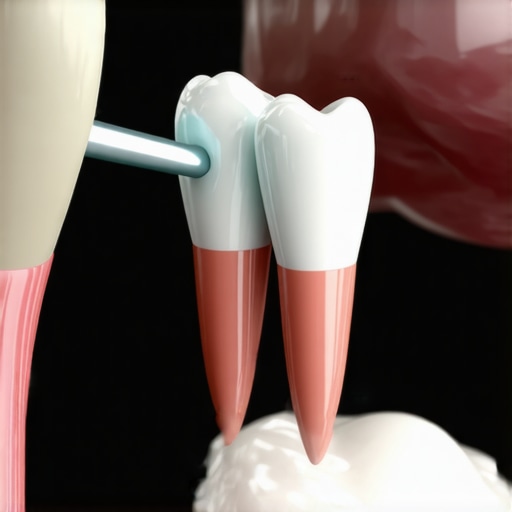
I used to think I was doing everything right. Every night, I stood in front of the bathroom mirror, carefully scrubbing my teeth with an ultra-soft brush, feeling pretty good about my commitment to my daily oral hygiene routine. Then, I spat into the sink. Red. It wasn’t just a tiny pink tinge either; it looked like I had just gone a few rounds in a boxing ring. I felt totally betrayed. I had spent extra money on the gentlest brush I could find, yet my gums were acting like I was scrubbing them with steel wool.
For months, I assumed I was just pressing too hard. I bought an even softer brush. I tried barely touching my teeth. Nothing changed. It turned out that my gentle technique was actually masking a much bigger issue that had nothing to do with the stiffness of my bristles.
The Secret Trap of Soft Bristles
Here is the truth: a soft toothbrush is great for protecting your enamel, but it isn’t a magic shield against gum inflammation. Years ago, I made the classic mistake of assuming that bleeding was purely a mechanical issue—that soft bristles meant zero irritation. I stopped paying attention to the real culprit building up right at the gumline. Because I was brushing so lightly to avoid the bleeding, I was actually leaving behind a microscopic layer of bacteria. That plaque hardened, irritated the tissue, and made my gums infinitely more sensitive. It was a vicious cycle.
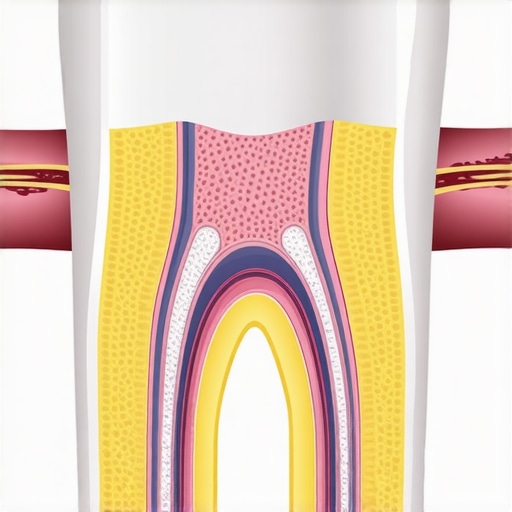
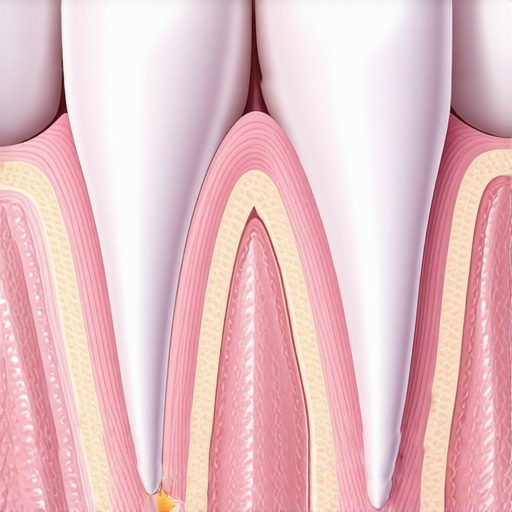
When plaque sits undisturbed, your immune system rushes white blood cells to the area to fight it off. This inflammatory response makes the delicate blood vessels in your gums swell and stretch. According to research from the American Academy of Periodontology, nearly half of all adults over 30 show early signs of gum inflammation. When those tissue walls are already engorged and tender, even the whisper of a feather-light bristle is enough to pop those tiny vessels and cause bleeding.
Are ultra-soft toothbrushes actually worth the hype?
They certainly have their place, especially if you are recovering from a procedure or trying to protect sensitive roots. But if you think switching to a softer brush lets you skip proper technique, you are setting yourself up for a surprise. In fact, relying solely on a soft head without clearing away plaque properly can lead to bigger issues down the road, like unexpected gum recession or hidden decay tucked under the gum margin.
Today, we are going to get to the bottom of why your gums bleed even when you use the softest toothbrush. We will break down what is happening beneath the surface, why your gentle cleaning might be falling short, and the exact adjustments you need to make to stop the bleeding for good.
Have you ever looked down at a sink full of pink foam and wondered what on earth you were doing wrong? Drop a comment below or send me a message—I’d love to hear your story, because trust me, you are definitely not the only one dealing with this annoying mystery!
Reset Your Daily Technique Before Doing More Damage
Fixing bleeding gums comes down to mechanically removing plaque without tearing up fragile, inflamed tissue. Imagine painting a delicate piece of furniture; if you slam a soft brush straight down, you splatter paint everywhere and destroy the bristles. If you angle the brush gently into the crevices, you cover every tiny gap effortlessly. That exact principle applies to your smile.
Master the 45-Degree Angle at the Gumline
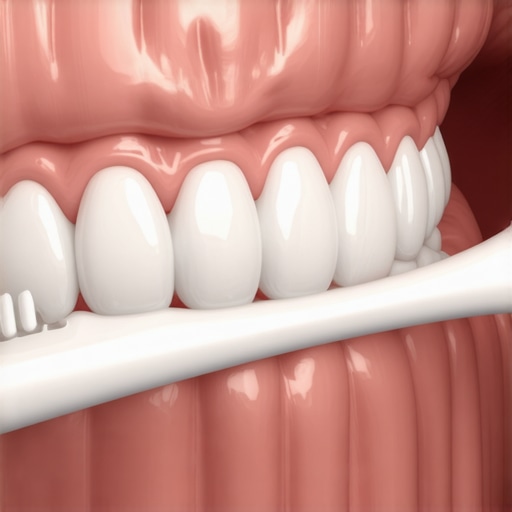
Stop scrubbing back and forth across the flat faces of your teeth. Place your bristles at a precise 45-degree angle pointing directly where the tooth meets the gum margin. Instead of sawing back and forth, use light, circular vibratory sweeps. This physical action rolls plaque up and away from the delicate sulcus—the shallow pocket surrounding each tooth—without cutting into swollen tissue. I learned this the hard way after a week of aggressive scrubbing left my gums so raw I could barely eat hot soup. Once I switched to gentle circles angled upward, the daily pink foam in my sink disappeared within five days.
Clean the Spaces Your Toothbrush physically Cannot Reach
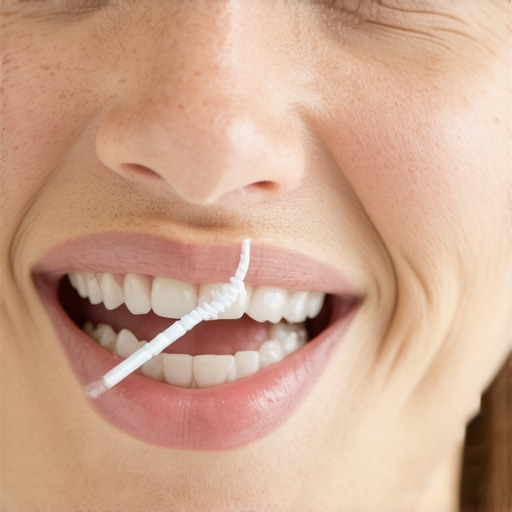
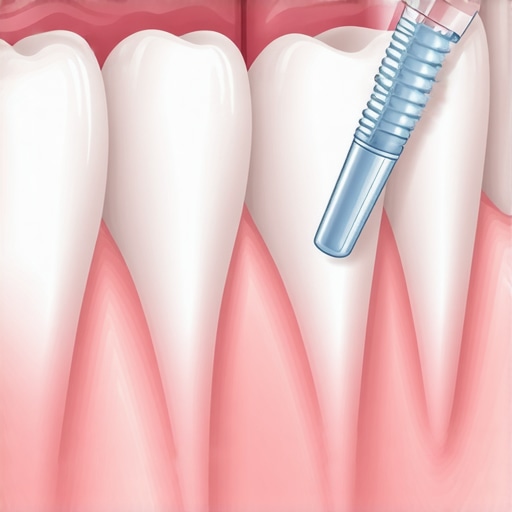
Even the softest toothbrush head cannot bend around tight corners or squeeze between overlapping teeth. Plaque sitting in those hidden gaps releases continuous toxins, keeping your gums perpetually inflamed. To break this cycle, you must clean between your teeth daily. If standard string floss feels painful or snaps constantly, learning the proper way to use interdental brushes for best results will change your routine completely. These tiny cylindrical brushes slide into the gaps to clear out sticky bacterial buildup without slicing into sensitive papillae.
Protect Restoration Margins and Complex Dental Work
If you have existing dental work, standard brushing gets even trickier. Plaque loves to gather right along the rim where artificial material meets natural tooth structure. If you notice persistent bleeding or an unpleasant odor around a restoration, you might need to look into how to fix the gap between your gum and your crown before trapped debris causes severe decay underneath. For families maintaining various types of dental work across different ages, building a solid family dentistry focus ensures everyone uses proper techniques tailored to their unique oral structures.
Rethink Your Post-Brush Rinse Habit
What you do immediately after brushing dictates how long your toothpaste can work its magic. Most people instinctively scoop up water and rinse their mouth clean as soon as they finish brushing. Stop doing this. Spitting out the excess toothpaste without water leaves a concentrated protective layer of fluoride or hydroxyapatite over your teeth and gums, calming irritation and hardening your enamel while you go about your day.
When people realize their gentle routine isn’t stopping the pink foam in the sink, they often swing to the opposite extreme. They assume brushing longer, buying more aggressive tools, or obsessively scrubbing every hour is the solution. That reaction is actually one of the biggest mistakes you can make for long-term oral health.
The Aggressive Cleaning Trap That Wears Down Your Smile
Everyone assumes that if a soft brush isn’t clearing plaque, they just need to scrub harder or buy a firmer head. In my experience, increasing physical pressure only turns mild tissue inflammation into permanent structural damage. Hard scrubbing rips away fragile attachments at the root level, exposing sensitive dentin and causing why hard brushing actually makes your teeth look darker over time. You aren’t removing more bacteria by pressing down harder; you are simply scouring away your tooth’s protective armor.
The real issue is chemical and biological, not mechanical force. Plaque is a sticky biofilm that relies on time and chemical disruption to be broken apart. When you scrub aggressively, you cause micro-tears in the gum tissue, providing systemic pathways for bacteria to enter the bloodstream. A clinical review published in the Journal of Clinical Periodontology highlighted that improper brushing pressure combined with abrasive pastes significantly increases soft tissue recession without offering any additional plaque removal benefits. Gentle, precise movements paired with appropriate contact time are vastly superior to brute force.
Why does my dental crown feel sore even with soft brushing?
If you experience localized bleeding or aching around a restoration, standard brushing technique usually isn’t enough. Biofilm loves to settle at the margin where the natural tooth meets porcelain. Over time, slight tissue recession can expose these micro-gaps. If you notice persistent inflammation in these spots, you might need to learn how to stop your crown from smelling like old food by using localized interdental tools rather than sweeping a brush back and forth over the area. Ignoring these subtle signs around artificial work can lead to recurrent decay beneath the restoration.
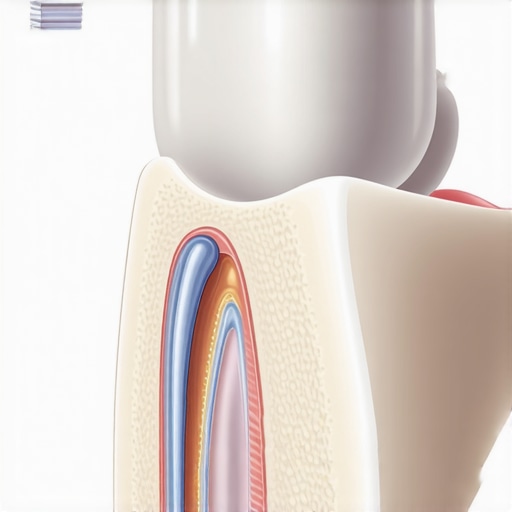
Overcoming the Interdental Gap Illusion
Another widespread belief in family dentistry focus care is that brushing alone covers 90% of your oral hygiene needs. That is a dangerous myth. Toothbrush bristles, regardless of how soft or thin they are, physically cannot penetrate the tight contact points between your teeth where interdental papillae sit. Leaving those areas untouched allows anaerobic bacteria to thrive undisturbed, maintaining a state of chronic inflammation that spreads across your entire gumline.
This is where specialized tools come into play. Integrating proper interdental brushes or specialized floss into your daily routine disrupts the hidden colonies that cause phantom bleeding. If you’re managing complex restorations like bridges or full-coverage caps, taking time to learn expert advice on crowns and teeth cleaning for lasting results will protect both your natural tissue and your investment for decades to come.
Have you ever fallen into this trap of scrubbing harder just to get teeth clean? Let me know in the comments below—I’d love to discuss what adjustments worked best for you!
Tools and Routines That Actually Keep Your Smile Healthy
After years of trial and error with different brushes, pastes, and techniques, I have narrowed my daily lineup down to a few non-negotiable items. If you want to maintain pristine gum health and protect expensive dental work, generic gear usually falls short. Investing in the right physical tools takes the guesswork out of removing biofilm without applying destructive force.
Why I Switched to an Electric Brush with Pressure Sensing
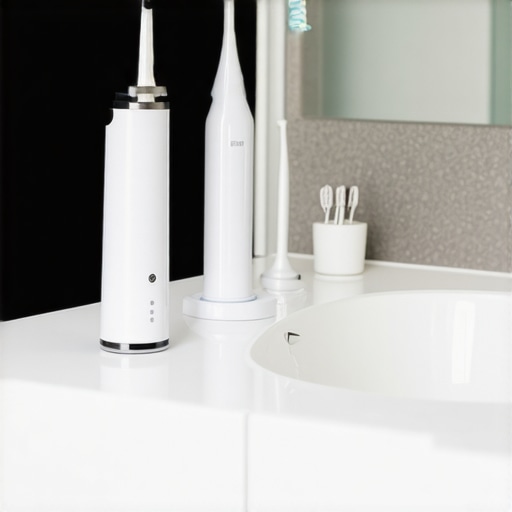
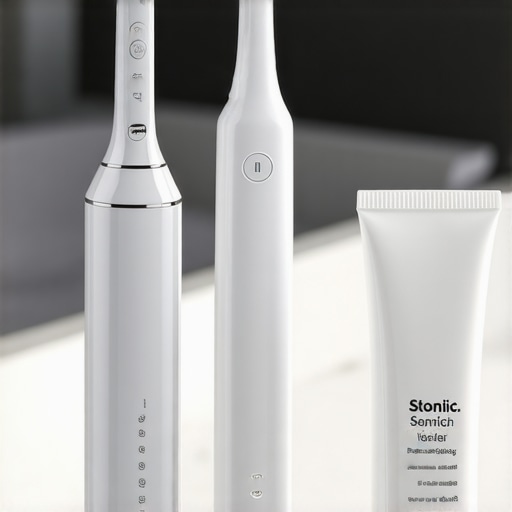
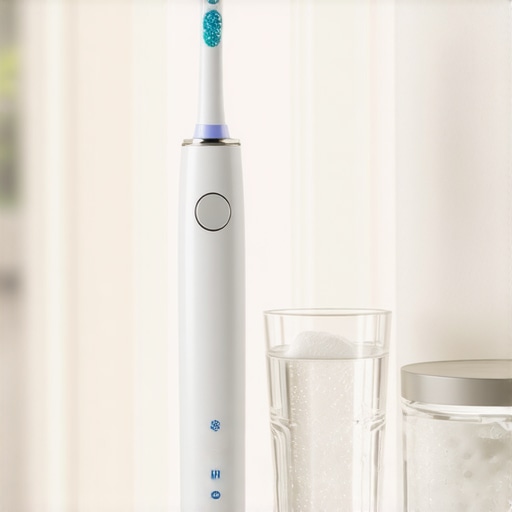
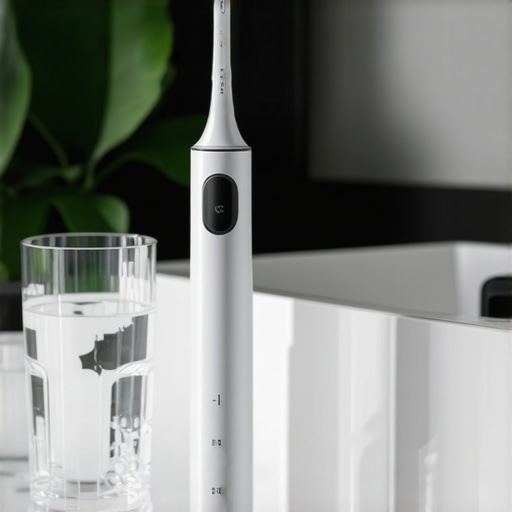
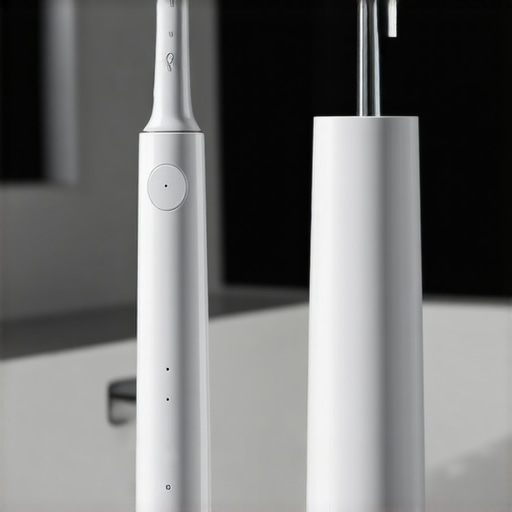
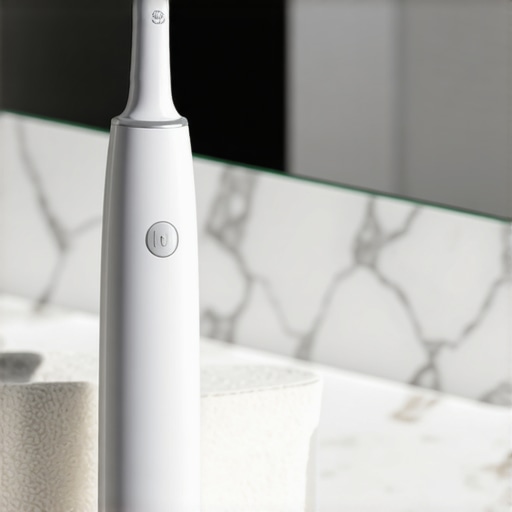
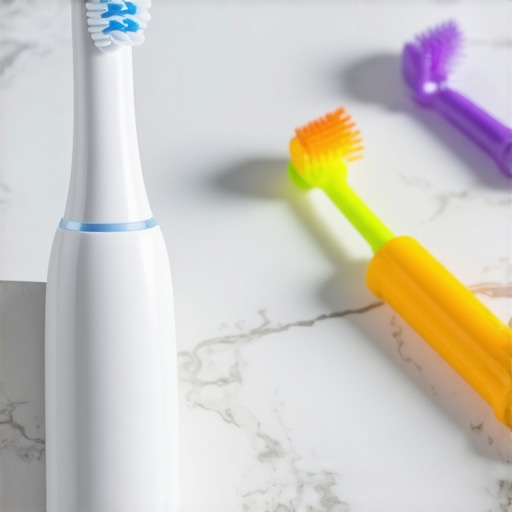
I resisted buying an electric toothbrush for a long time, assuming my manual technique was superior. I was wrong. The primary reason I personally use a pressure-sensing oscillating electric brush is that it removes human error. When you press too hard against your gums or around a sensitive restoration, the motor instantly throttles down and alerts you with a light. If you are struggling with control, understanding the reason your dentist wants you to switch to an electric toothbrush helps clarify how these devices protect delicate tissue while sweeping away plaque effortlessly.
My Dedicated Interdental Arsenal
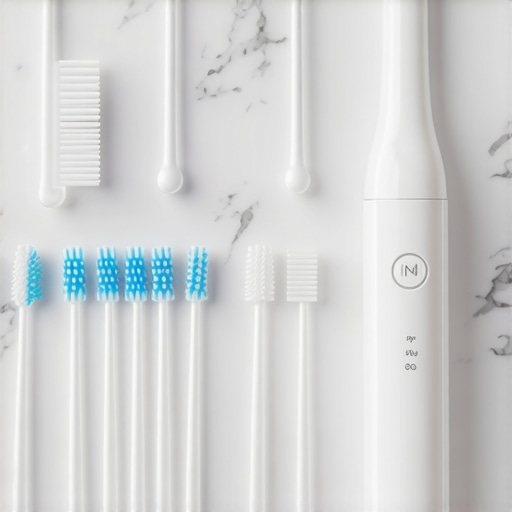
A standard toothbrush only cleans three of the five surfaces on every tooth. To clean the remaining two, I rely on color-coded interdental brushes rather than basic string floss. These flexible brushes come in distinct millimeter sizes to match the precise gaps between different teeth. I use a slightly larger size for the wider spaces near my back molars and a micro-size for tight front contact points. For anyone managing caps or artificial boundaries, following caring for crowns essential tips for longevity and shine ensures that food debris doesn’t get trapped beneath tight margins where standard floss simply snaps.
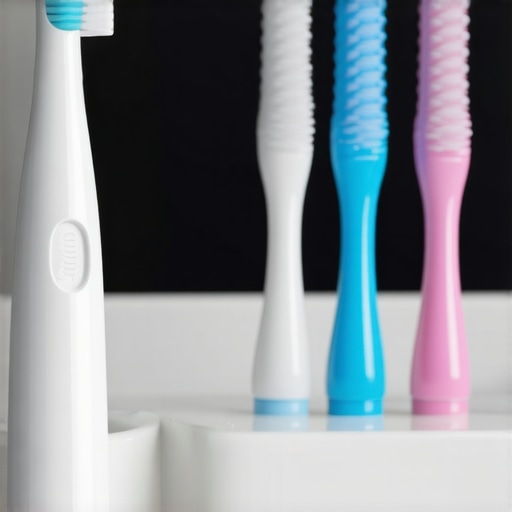
How Do I Maintain My Gums and Dental Work Over Time?
Long-term maintenance requires consistency and knowing when to upgrade your routine. Replace your electric brush heads or interdental tools every six to eight weeks. Worn, frayed bristles lose their effectiveness and become abrasive, scratching smooth porcelain restorations and irritating fragile soft tissue. Furthermore, building a strong daily oral hygiene routine means pairing your physical tools with proactive habits, like avoiding abrasive whitening powders that scour away healthy enamel.
Where Home Oral Care Is Heading Next
The future of home dental care is rapidly shifting toward personalized bio-monitoring and targeted therapy. We are already seeing the emergence of smart toothbrushes that map your mouth in real-time using internal gyroscopes, ensuring zero missed spots. I predict that within the next five years, everyday toothpaste will incorporate targeted probiotics designed to actively suppress inflammatory bacteria like P. gingivalis while leaving protective species intact. Advanced imaging tools will also allow us to scan our own restoration margins at home, catching minor seal breaks before decay can start.
If you want to preserve your natural teeth and extend the life of your dental work, I challenge you to try one specific adjustment tonight: switch off your auto-pilot routine, stop rinsing with water immediately after brushing, and spend two dedicated minutes using an interdental brush in your widest tooth gaps. You will be amazed at the difference it makes within just a few days.
What No One Explains About Soft Brushes and Fragile Gums
When I finally realized that my ultra-soft brush was just hiding the real problem, a few crucial realities fell into place. If you are struggling to keep your smile healthy despite doing everything by the book, keeping these insights in mind will completely transform your approach:
- Softness doesn’t equal safety if plaque remains: A delicate touch is great for enamel, but skipping mechanical biofilm disruption leaves plaque to harden right at the gumline.
- Bleeding is a biological warning, not a mechanical flaw: Bleeding tissue is your body sending extra immune cells to fight off bacteria. It isn’t a sign that your brush is too hard; it’s a signal that plaque is winning the battle underneath.
- Gums heal quickly once you fix the angle: Swollen, bleeding tissue can drastically improve in less than a week once you target the 45-degree angle at the gum margin instead of scrubbing the flat enamel surfaces.
- Interdental spaces require direct attention: No brush head—no matter how advanced—can replace the need to clear debris between tight spaces. In fact, learning how to clean between teeth if you have tight spacing is often the missing piece that halts persistent bleeding for good.
The Daily Toolkit I Rely On for Long-Term Gum Health
Maintaining strong gums and keeping dental work in pristine shape doesn’t require a bathroom counter full of high-tech gadgets, but it does require using the right tools for the job. Here is what I personally recommend and why:
- Pressure-Sensing Electric Toothbrush: This takes human error entirely out of the equation. By shutting down excessive force automatically, it allows you to focus purely on positioning without scouring away enamel or pushing gums back.
- Color-Coded Interdental Brushes: These small brushes reach the exact contoured spaces where standard floss tends to slide right over. Using these daily ensures that hidden bacteria cannot cause long-term tissue destruction.
- Fluoride or Hydroxyapatite Toothpaste (Without the Water Rinse): Leaving a protective film on your teeth after spitting lets active ingredients strengthen enamel and soothe margins around crowns and natural teeth all day long.
- A Trusted Dental Team: Home care is only half the battle. Regular checkups ensure that minor adjustments are caught early. Understanding the hidden reason your dental insurance covers two cleanings yearly reinforces why professional care is vital to keeping your gums healthy for life.
Take Control of Your Oral Routine Starting Tonight
Stopping gum inflammation and protecting your teeth doesn’t require drastic, painful measures or hours in front of the mirror. It simply comes down to ditching brute force in favor of smart, deliberate technique. By angling your brush correctly, cleaning the hidden gaps between your teeth, and allowing your toothpaste to sit on your enamel, you can put an end to the pink foam in your sink and build a foundation for a healthy smile that lasts decades.
Have you ever switched to a softer brush only to realize your gums were still bleeding? What simple habit change made the biggest difference in your daily oral health routine? Drop a comment below—I would love to read your experience!






 I remember a family BBQ where I bit into a corn cob and heard a distinct ‘click’ followed by a wave of heat in my gums. My crown had actually shifted. I learned the hard way
  It’s one of those subtle
  For those who need to know