Category: Oral Health Advice

  • The real reason your breath smells bad even after using mouthwash

    The real reason your breath smells bad even after using mouthwash

    Have you ever scrubbed your teeth and rinsed with mouthwash, only to realize—hours later—that your breath still stinks? I used to think mouthwash was my secret weapon against bad breath, but sometimes, no matter how much I swished or gargled, the foul odor persisted. It was frustrating, almost like fighting a losing battle in my own mouth. That lightbulb moment hit me hard one day when I noticed my breath smelled fresh after rinsing, but then, suddenly, it was back—worse than before. I finally had to face a harsh truth: mouthwash alone isn’t the magic fix I thought it was.

    Understanding why your breath remains stubbornly odorous despite using mouthwash can be eye-opening. The real reason often lies beneath the surface—deep in your mouth, your gums, or even beyond your oral cavity. If you’re tired of feeling self-conscious about your breath, and you’re searching for a practical, long-lasting solution, then you’re in the right place. Today, I’ll share what I’ve learned from personal experience and expert advice to help you finally tackle that persistent bad smell.

    Unmasking the Hidden Causes of Bad Breath

    Is Mouthwash Just a Temporary Fix? Or Is There More to the Story?

    Early in my journey to fresher breath, I made a common mistake—relying solely on mouthwash to mask a deeper problem. I thought it was enough. But after a few hours, the bad odor would creep back, often worse than before. That’s because many over-the-counter mouthwashes are designed to temporarily mask odor rather than eliminate the source. Plus, some ingredients can dry out your mouth, making bad bacteria flourish instead of destroying it. According to dental professionals, the root of chronic bad breath often lies in your gums, tongue, or even internal health issues.

    If you’ve been there—buying mouthwash after mouthwash, convinced that I was doing enough—you’re not alone. But here’s the truth I wish I’d known earlier: persistent bad breath is often a sign that you’re missing the bigger picture of oral health. Featuring in understanding more about the cause can ultimately lead to better solutions. For example, **gums infected with hidden periodontal disease** can cause odors that mouthwash simply can’t fix. Additionally, bacteria accumulating on your tongue can be a major odor source.

    One quick tip I picked up was avoiding the mistake of forgetting to clean the tongue thoroughly. Many people neglect this step, but it’s crucial in reducing bacteria. If you want to dive deeper into surprising causes, check out [this article on why your breath smells like mothballs and how to fix it](https://periodontistcare.com/why-your-breath-smells-like-mothballs-and-how-to-fix-it). Remember, addressing the root causes rather than masking symptoms is the way to achieve truly fresh breath.

    So, have you faced a situation where you rinsed and brushed, only to find your breath still lingered? If so, don’t worry. The next steps are all about getting to the core of the problem—so you can breathe confidently, not just temporarily fresh.

    Get Serious About Brushing Your Tongue

    The first move I made was dedicating extra time to cleaning my tongue. Using a tongue scraper or the back of my toothbrush, I gently removed the white coating that harbored bacteria causing bad breath. During my first attempt, I gagged badly and nearly dropped the scraper, but persistence paid off—my mouth felt cleaner and fresher for hours afterward. Make it a daily habit to brush the tongue thoroughly, especially the center and back areas, to drastically reduce odor bacteria.

    Implement Precise Brushing and Flossing

    Next, I adopted a meticulous brushing technique, spending at least two minutes covering all surfaces of my teeth. I used an electric toothbrush to achieve consistent cleaning, especially along the gum line where plaque tends to gather. While brushing, I paid special attention to the areas around crowns, ensuring no food debris was trapped. Flossing was equally vital; I gently slid floss between teeth, curving it around each to dislodge hidden particles. Regular flossing prevents bacteria buildup that can cause persistent bad smells and periodontal issues.

    Deep Clean Your Gums and Prevent Infection

    Maintaining gum health is essential. I started using an antimicrobial mouth rinse after brushing to reduce bacteria colonies. For stubborn plaque, I scheduled professional deep-cleanings at my dental office. During these cleanings, the dentist removes tartar buildup below the gum line, where regular brushing can’t reach. Think of it like pruning a tree—cutting away the dead branches to stimulate healthy growth. Regular cleanings can prevent gum infections that are often silent yet responsible for bad breath.

    Manage Internal and External Factors

    Narrowing my focus further, I addressed possible internal causes. Ensuring proper hydration kept my mouth moist, reducing dry mouth, a common cause of odor. Chewing sugar-free gum increased saliva flow naturally, flushing away bacteria. I also avoided foods and drinks that dry out my mouth or promote bacteria—like alcohol and sugary snacks. In addition, I managed dental anxiety before appointments using relaxation techniques. Trust me, tackling these internal factors makes a big difference—more than just masking odors with mouthwash.

    Adopt Long-Term Oral Care Routines

    Finally, establishing a consistent routine is key. I set reminders to replace my toothbrush every three months and to clean my dental tools regularly. Using products like fluoride toothpaste strengthened my enamel and protected against cavities and sensitivity, which can contribute to bad breath. When in doubt, consult your dentist about personalized strategies, including the best types of crowns or sealants, to optimize your oral health. Remember, effective brushing and flossing are your frontline defenses—think of them as your daily armor against odor-causing bacteria. For more tips on maintaining your white smile, check out [this guide on how to whiten sensitive teeth without the zingers](https://periodontistcare.com/how-to-whiten-sensitive-teeth-without-the-zingers).

    Many assume that regular teeth brushing and visiting the dentist periodically are enough for optimal oral health, but this oversimplification can lead to significant issues down the line. A common mistake is believing that a quick brush or a generic fluoride rinse can prevent complex problems like gum disease or crown failure. In my experience, especially among patients who neglect deeper cleaning techniques or overlook the significance of family dentistry, these small oversights can have lasting consequences. For instance, relying solely on superficial cleaning routines ignores the importance of plaque removal beneath the gum line, which is crucial in preventing periodontal disease—a leading cause of tooth loss. According to renowned periodontists, failure to address these subtle factors can turn manageable issues into costly dental procedures, such as root canals or implant placements, which could have been avoided with more nuanced care.

    What Advanced Mistakes Are People Making Without Realizing?

    One critical misunderstanding involves the choice and maintenance of dental crowns. Many believe that all crowns are equally durable, but materials like zirconia or porcelain have different longevity and compatibility factors depending on their placement—front versus back teeth. Choosing the wrong type without consulting a specialist can result in crowns that feel uncomfortable or crack prematurely. For example, ceramic crowns are highly aesthetic but may not withstand the biting forces in molars if not designed correctly, leading to early replacement. An expert source emphasizes that selecting the appropriate crown material is a nuanced decision rooted in an understanding of both functional demand and material science—something many patients are unaware of when reading over-the-counter descriptions.

    Another overlooked aspect is the improper handling of family dentistry routines for children. Many parents focus on brushing their kids’ teeth but neglect aspects like managing dental anxiety or avoiding habits that damage developing teeth, such as thumb sucking or biting on non-food items. For example, learning how to guide your toddler through their first dental visits by understanding techniques shared in this article on managing toddler brushing habits can prevent future orthodontic issues. Failing to address these subtleties early often results in more invasive interventions later, including braces or palate expanders.

    Addressing internal health factors is equally vital. Chronic dry mouth, often dismissed as a minor inconvenience, significantly increases the risk of cavities and bad breath. Hydration and saliva flow control are genetic and lifestyle factors that can be optimized with tailored strategies. Scientific studies, such as one published in the Journal of Oral Health, reveal that poor saliva management accelerates enamel erosion and bacterial buildup. Many overlook this connection, mistakenly treating it as just a hydration issue rather than recognizing it as a nuanced component of their overall oral health strategy.

    So, have you ever fallen into this trap of oversimplification or neglected these finer points? Let me know in the comments — understanding these subtleties can make all the difference in maintaining your healthy, confident smile for years to come. Remember, the keys to long-term dental success lie in appreciating the complexities most people overlook, from choosing the right crowns to managing family routines and internal health components.Maintaining your oral health beyond daily routines requires the right tools and techniques to ensure long-term success. One essential item I rely on is a high-quality electric toothbrush, such as the Philips Sonicare DiamondClean. Its oscillating-rotating motion provides a more thorough clean than manual brushing, particularly around crowns and orthodontic appliances. I personally find that switching between different brush heads—such as the plaque control and gum care options—helps target specific areas effectively. Regularly replacing the brush head every three months is crucial; I set reminders to stay consistent, preventing buildup of bacteria on the brush itself.

    For interdental cleaning, I prefer using WaterPik’s Water Flosser. Unlike traditional floss, its pulsating water jets can reach deep below the gum line, dislodging plaque and debris that brushing and manual flossing might miss. I incorporate a gentle gum massage with the water flosser to promote circulation, especially around crowns where plaque tends to accumulate.

    To keep my mouth feeling fresh and reduce bacteria, I use an antimicrobial rinse like closest to *peroxide-based solutions* approved by professionals. These rinses assist in reducing bacterial colonies, helping to prevent gingivitis and bad breath, particularly when used after brushing and flossing.

    A reliable tongue scraper is also part of my toolkit; I prefer stainless steel models for durability and effectiveness. Regular tongue cleaning reduces odor-causing bacteria and complements my efforts in battling bad breath. The first time I tried this, I gagged badly, but with practice, it became an easy daily habit that makes a noticeable difference.

    Looking ahead, I predict that advanced oral health tools will increasingly incorporate smart technology. Devices that sync with smartphone apps to monitor brushing patterns and mouth health status are gaining popularity. IoT-enabled toothbrushes could morph into personalized dental coaches, guiding you through technique adjustments for optimal results.

    So, how do I maintain my tools over time? I clean my electric brush heads and water flosser nozzles thoroughly after each use. For the electric toothbrush, I rinse it under hot water and store it upright in a ventilated holder to prevent mold. I also replace the water reservoir in my flosser monthly to maintain hygiene.

    If you want to level up your routine, I recommend trying a dedicated tongue scraper first—it’s a game-changer for fresh breath. You might find, as I did, that small investments in quality tools can pay big dividends for your oral health. Check out guides like this one on tongue cleaning for tips on usage and maintenance. Remember, the key to keeping your smile bright and healthy is not just about what you do daily but also about maintaining your tools diligently, ensuring their effectiveness for years to come.

    Lessons from the Front Lines of Oral Care That Changed Everything

    One major revelation I had was realizing that maintaining long-term fresh breath isn’t just about quick fixes but about consistent, targeted efforts addressing root causes. For instance, I once dismissed tongue cleaning as optional—think again! The lightbulb moment came when I noticed a significant boost in confidence after incorporating dedicated tongue scraping into my routine, highlighting the importance of paying attention to overlooked areas. Additionally, I learned that certain habits, like irregular dental visits or ignoring the importance of choosing the right crown material, can silently undermine your efforts without obvious signs. Lastly, embracing personalized tools like sonic toothbrushes and smart flossers truly elevated my oral health game, proving that investing in high-quality, scientifically-backed gear pays off in confidence and health.

  • The reason your teeth are more sensitive in the winter months

    The reason your teeth are more sensitive in the winter months

    It hit me one chilly morning during a walk—my teeth ached fiercely just when I stepped outside. That sharp, shooting pain became a frustrating hallmark of winter for years. No matter how much I brushed or flossed, my teeth seemed to turn against me when the temperature dropped. Ever experienced that icy, almost stabbing sensation when sipping a cold drink or even breathing in the crisp air? If so, you’re not alone.

    Winter’s chill can make existing dental issues feel worse, and if you’re like I was, it might leave you asking, “Why now?” Well, here’s the thing—cold temperatures can cause your teeth to become more sensitive, especially if your enamel has weakened over time. That enamel, the protective layer of your teeth, acts as a shield against hot, cold, sweet, and acidic foods. When it’s compromised, even the everyday cold air can cause discomfort.

    So, what can you do about it? That’s what we’re diving into today. I’ll share personal insights along with proven strategies to soothe that wintertime teeth sensitivity and prevent it from ruining your season.

    Understanding Why Cold Weather Worsens Tooth Sensitivity

    First off, let’s talk about what’s happening inside your mouth when winter rolls around. Your enamel can thin over the years due to factors like diet, grinding habits, or even from brushing too aggressively. When enamel is thin or damaged, the underlying dentin—the layer beneath—becomes exposed. Dentin contains tiny tubules that connect directly to nerve endings, making your teeth hypersensitive to temperature changes.

    In cold weather, the air itself can stimulate these nerves, resulting in that sharp, painful jolt. It’s a common scenario I’ve seen in many patients, especially during dry, winter months when mouth dryness amplifies the problem. Plus, the cold can cause blood vessels in your gums to constrict, compounding the discomfort.

    Interestingly, according to a study published in the Journal of Endodontics, the primary cause of tooth hypersensitivity is the exposure of dentinal tubules, often due to enamel erosion or recession. Understanding this helps us realize that restoring or protecting enamel could be the key to relief.

    If you’re tired of that biting pain every winter, you’re probably wondering if there are simple steps you can take at home or if you need professional intervention. Rest assured, there are effective ways to fortify your enamel and manage sensitivity—more on that coming up. But first, let me share a mistake I made early in my own journey that could have made things worse.

    Strengthen Your Enamel with Targeted Care

    Use Protective Toothpaste

    Switch to a desensitizing toothpaste containing potassium nitrate or stannous fluoride. When I first started using desensitizing toothpaste, I noticed a decrease in sharp pain within two weeks. Regular brushing and patience are key. Remember, consistency beats quick fixes; a durable layer of fluoride forms over your enamel, acting as a shield against cold triggers. For more insights, visit this guide.

    Minimize Acidic Food Exposure

    Limit beverages like fruit smoothies, natural juices, or sodas, especially in the morning. Acid erodes enamel, leaving dentin exposed. To protect your teeth from acid attack, rinse your mouth with water after consuming such drinks. This helps neutralize pH levels and shields your enamel from erosion. An effective approach I adopted involved drinking through a straw; it reduced direct contact with teeth, noticeably decreasing sensitivity. For detailed strategies, check this article.

    Refine Daily Oral Hygiene Habits

    Gentle Brushing Techniques

    Replace aggressive scrubbing with soft-bristled toothbrushes and gentle strokes. Hard brushing can wear down enamel and gum tissue, worsening sensitivity. I used to think more pressure cleaned better, but I learned that a light, thorough brushing was more effective and gentler. Consider using an electric toothbrush with a timer to prevent over-brushing. For recommendations on choosing the right device, visit this resource.

    Focus on Flossing Properly

    Flossing helps remove plaque that can cause recession and enamel erosion. When I started flossing carefully, I avoided snapping the floss into my gums, which can cause bleeding and recession. Proper technique involves sliding the floss gently between teeth and curving it around each tooth. Regular flossing keeps gums healthy, preventing sensitivity caused by gum recession exposing dentin. Find more tips at this guide.

    Incorporate Protective Measures During Exposure

    Wear a Mouthguard at Night

    Teeth grinding, especially during sleep, exacerbates enamel wear, leading to increased sensitivity. I invested in a custom-fitted nightguard, which significantly decreased my morning discomfort and prevented further damage. A mouthguard acts like a bumper, absorbing shocks and preventing abrasion. Explore options on this page for children and adults alike. Proper use can make a noticeable difference in sensitivity and overall dental health.

    Limit Exposure to Cold Air

    Cover your mouth with a scarf or mask when walking outside in winter. Think of it as a barrier, akin to insulating your home to prevent heat loss. This simple step can keep cold air from directly hitting your teeth, reducing painful jolts. I started doing this during my daily walk, and the reduction in discomfort was immediate. For more ideas on winter dental protection, see this article.

    Consult a Dental Professional for Long-Term Solutions

    If sensitivity persists despite these measures, consulting your dentist is essential. Procedures like fluoride treatments or bonding can seal exposed dentin. During one appointment, my dentist applied a fluoride varnish that created a more resilient enamel surface, giving me relief in harsh weather. Never ignore ongoing discomfort; professional interventions can provide lasting protection and help you conquer winter’s chill with confidence.

    ,When it comes to dental crowns and oral health, many individuals operate under misconceptions that could be costing them long-term results. A common myth is that crowns are a quick fix and don’t require ongoing care. While crowns are durable restorations, they demand proper maintenance, including careful cleaning techniques, to ensure longevity. Overlooking this can lead to complications like secondary decay or crown failure. For example, many assume that brushing with abrasive toothpaste is safe, but it can scratch porcelain surfaces and accelerate wear. Instead, selecting the right cleaning tools and techniques is crucial—consider reading about how to properly clean a crown.

    Another misconception revolves around family dentistry, where some believe that children’s dental visits are unnecessary until problems arise. However, early and regular checkups can prevent cavities, monitor bite development, and instill healthy habits. A subtle but significant nuance is understanding that early intervention can reduce the need for complex treatments later. Be cautious of delaying these visits; they are critical for maintaining lifelong oral health.

    People also often underestimate the importance of professional teeth cleaning, perceiving it as purely cosmetic. In reality, routine cleanings remove plaque and tartar that home brushing alone can’t eliminate, significantly lowering the risk of gum disease. Neglecting these appointments can result in unnoticed periodontal issues that might require invasive procedures. Your dentist might suggest specific measures if you have sensitivity or other underlying concerns—like using specialized mouthguards or tailored cleaning strategies.

    Now, for the more nuanced point—many assume that all crown materials behave identically and that one type suits every patient. Yet, selecting the optimal material involves considering factors like bite force, aesthetics, and tooth location. For front teeth, porcelain offers a natural look, while zirconia provides strength for molars. Don’t fall into the trap of choosing a crown solely based on cost; instead, consult with your dentist to understand the best material for your specific needs, as explained in this guide.

    Making informed decisions means recognizing the subtle differences that impact your oral health outcomes. Are you aware of how your habits influence crown longevity or how routine care prevents major issues? The truth is, mastering these nuances can save you time, money, and discomfort in the long run.

    Ever fallen into this trap of assumptions? Let me know in the comments, and remember—staying educated is a vital part of maintaining optimal oral health.Maintaining optimal oral health over the long term requires more than just regular brushing and flossing; it involves using the right tools and adopting effective techniques. As someone deeply invested in dental care, I’ve found that investing in high-quality equipment can make a significant difference in preventing issues like sensitivity, decay, and crown complications. One of my top choices is the **electric toothbrush with customizable settings**. Unlike manual brushes, electric models with oscillating-rotating heads provide more consistent cleaning, especially around crowns and bridges, reducing plaque buildup—an essential factor in maintaining long-term restorations and gum health.

    For example, I personally use the **Philips Sonicare ProtectiveClean**, which features a pressure sensor to prevent overbrushing—a common mistake that can wear down enamel and gum tissue. Its gentle yet effective sonic vibrations ensure thorough cleaning without the abrasiveness that can erode enamel prematurely, as discussed in a study published in the Journal of Clinical Periodontology. Regularly replacing the brush heads, approximately every three months, is crucial to ensure optimal performance and prevent bacterial build-up.

    Another essential tool I swear by is a **water flosser**, like the Waterpik Aquarius. It’s particularly beneficial for cleaning around implants and crowns where traditional floss might struggle to reach. I noticed a stark reduction in gum inflammation after integrating daily water flossing into my routine, especially in those tricky areas that tend to harbor plaque.

    Regarding long-term maintenance, using **desensitizing toothpaste** consistently plays a pivotal role, especially if you’re prone to sensitivity. As highlighted in a detailed guide by periodontists, potassium nitrate-based toothpastes can depolarize nerve endings over time, providing relief from cold-induced discomfort and sharpening the durability of your enamel against future erosion.

    Furthermore, investing in a **loupes or magnifying mirror** makes a surprisingly big difference. I use a cordless LED dental loupes to inspect hard-to-see spots during my routine cleaning, catching early signs of recession or decay before they escalate. This habit allows me to address minor issues early, avoiding costly dental procedures later.

    So, how do I maintain these tools over time? Regular cleaning and replacement are key. The electric toothbrush heads should be swapped out every three months, and keeping your water flosser free of mineral build-up ensures consistent performance. For wind resistance when outside, I now always cover my mouth with a scarf, especially during winter, which complements the use of these tools by reducing cold air exposure that can trigger sensitivity.

    Looking ahead, I believe the trend will shift toward **smart dental devices** that sync with mobile apps to track and improve your brushing and flossing habits. These technologies can offer personalized feedback and reminders, making preventive care more accessible.

    If you want to optimize your long-term dental health, I highly recommend trying a high-quality electric toothbrush combined with water flossing—these are immediate upgrades that deliver noticeable benefits. Remember, consistency with these tools, paired with professional checkups, lays the foundation for a healthier, happier smile. For more advanced care tips, check out this resource.

    The Hardest Lessons I Learned About Crowns, Oral Health, Family Dentistry, and Teeth Cleaning

    One of the most eye-opening experiences was realizing that small habits, like choosing the right toothpaste or avoiding aggressive brushing, could dramatically impact my oral health in winter. I used to dismiss sensitivity as inevitable, but now I see it as a sign to refine my routine. Additionally, I learned that trusting professional advice over quick-fix remedies truly makes a difference—such as opting for specific dental materials for crowns or understanding the importance of early family dental visits. These lessons underscore that proactive care and continuous learning are your best tools against winter discomfort.

    My Essential Toolkit for Combating Winter Dental Sensitivity

    • Desensitizing Toothpaste: I rely on potassium nitrate formulations, and they have become my first line of defense. They help block nerve signals, offering relief from cold triggers. For trusted options, check this guide.
    • Electric Toothbrush with Soft Bristles: A gentle but effective cleaning device keeps my enamel intact while removing plaque that can lead to sensitivity. I recommend models like Philips Sonicare—consistent, reliable, and gentle on sensitive teeth.
    • Water Flosser: This tool reaches tricky spots around crowns and bridges, preventing plaque buildup that exacerbates sensitivity. I’ve noticed fewer discomforts since incorporating it into my daily routine.
    • Mouth Coverage Strategies: Wearing a scarf or mask when outside minimizes cold air exposure, reducing the icy shocks to teeth. Simple, but remarkably effective.

    What Surprised Me About Oral Care and Crown Choices

    I was surprised to realize that not all crown materials behave identically; zirconia crowns, for instance, are more durable for back teeth, while porcelain suits front teeth for aesthetic reasons. I often underestimated how crucial professional guidance is when selecting the best material for my smile. Delaying proper care or choosing the cheapest option can lead to faster wear or sensitivity over time. Learning from experts, like reading this resource, helped me make smarter, lasting decision.

    Your Turn to Try

    Facing winter’s cold without discomfort takes intention and care. Whether it’s using the right toothpaste, protecting your mouth outdoors, or consulting your dentist about crown materials, small steps accumulate into lasting comfort. Remember, your oral health is an ongoing journey—it rewards patience and education. Keep exploring, stay consistent, and don’t be afraid to ask your dentist about personalized strategies that fit your needs. Your smile deserves it!

    Which of these tips are you planning to try first? Share your thoughts below—I love hearing your stories and questions!

    ,

  • The real reason your breath smells even after using mouthwash

    The real reason your breath smells even after using mouthwash

    I remember the moment clearly—a dinner date where I casually leaned in, only to be hit by that unmistakable, stubborn smell that mouthwash just couldn’t mask. No matter how much I swished and gargled, my breath refused to cooperate. It was frustrating. Have you ever found yourself in a similar spot, wondering why mouthwash isn’t doing its job?

    The Hidden Reason Your Breath Won’t Quit Despite Mouthwash

    It’s a common misconception that mouthwash alone can banish bad breath forever. Sure, it gives you a quick freshening boost, but if the source of the odor isn’t addressed, the smell often returns. Early on, I made the mistake of relying solely on mouthwash without understanding the deeper causes behind persistent bad breath. That oversight made me realize something crucial—true oral freshness comes from tackling underlying issues, not just covering them up.

    Is Mouthwash Actually Worth the Hype?

    Many of us swear by that minty rinse, thinking it’s a magic fix. But the truth is, some mouthwashes merely mask odors rather than eliminate bacteria responsible for bad breath. In fact, some ingredients can even dry out your mouth, making bad breath worse in the long run. If you’ve been under the impression that mouthwash does all the heavy lifting, it’s time to reconsider. Want to learn what really works? I’ll walk you through the real reasons your breath might be foul and how to genuinely freshen up.

    Here’s a surprising fact: according to dental research, bacterial buildup in the back of the tongue is a major culprit for persistent bad breath, and regular tongue cleaning can significantly reduce odor. Many people overlook this step, relying heavily on mouthwash alone. Want to explore more about how simple habits can make a huge difference? Check out [this guide on tongue scraping](https://periodontistcare.com/why-your-crown-feels-tight-when-you-eat-sweets) and start transforming your oral hygiene routine.

    So, if you’ve been caught in the cycle of masking bad breath with mouthwash without solving the root problem, you’re not alone. But here’s the good news: understanding what’s really going on is the first step toward fresher, healthier breath. Ready to dig deeper and find solutions that work? Let’s get started.

    Master Your Daily Brushing Technique

    Start with the basics—use a soft-bristled electric toothbrush set at the proper pressure. Position the brush at a 45-degree angle to your gums and use gentle circular motions. During my own attempt, I grabbed a timer and brushed for two minutes, making sure every quadrant got equal attention. The result? My gums felt healthier, and I noticed less plaque buildup.

    Target Hidden Bacterial Hotspots

    The back of your tongue harbors bacteria that cause persistent bad breath. Use a tongue scraper daily—gently pull from the back to the tip—to mechanically remove bacteria. I implemented this step after reading this guide, and within a week, my breath noticeably improved. Remember, mouthwash doesn’t reach these areas effectively, making tongue scraping essential.

    Clean Between Your Teeth Religiously

    Flossing is crucial, but if you dislike traditional floss, consider alternatives like interdental brushes or water flossers. I struggled with floss, often missing spots, until I started using a water flosser—I found it easier to reach difficult areas, and it reduced bleeding gums. Use it after meals, especially if you snack often, to dislodge food particles and reduce bacterial growth.

    Address Dental Crowns and Fillings Properly

    If you have crowns, understand that food can get trapped underneath, leading to decay and bad odor. Check for signs using the tapping test, and have your dentist inspect your crown regularly. I experienced a tight crown that felt strange when eating sugary treats, which was a sign to get it checked—proper crown maintenance extends its lifespan and prevents odor issues. To ensure longevity, learn about how to make crowns last twenty years.

    Implement Regular Professional Cleanings

    Even with diligent home care, professional cleanings remove tartar and ensure your gums stay healthy. Schedule visits every six months, or more frequently if your dentist recommends. During one visit, I watched my hygienist use specialized tools that reached deep below the gum line—something no home device can replicate. These visits are vital for catching issues early and maintaining fresh breath.

    Monitor Your Diet and Habits

    Limit sugar intake and acidic drinks to prevent enamel erosion, which can contribute to sensitivity and odor. I replaced my morning soda with water infused with lemon—an alternative to the harmful drink. Additionally, habits like smoking or chewing tobacco significantly affect breath and overall oral health; quitting can drastically improve your condition.

    Stay Consistent and Observe Changes

    Adopt these steps one at a time, and keep track of your progress. Use a journal or app to note improvements in breath, gum health, or sensitivity. Consistency is key—many see results within a few weeks, but only with persistent effort does long-term health improve. Remember, small daily habits can transform your oral hygiene from manageable to exceptional, giving you confidence in every smile.Many patients assume that dental crowns are a one-size-fits-all solution, but the truth is, there’s a nuanced science behind selecting, fitting, and maintaining them. One common myth is that all crowns last equally long; however, the choice of material—whether gold, porcelain, or zirconia—significantly impacts longevity, with some materials outlasting others. Additionally, many overlook the importance of custom fabrication and precise fitting, which directly influence comfort and durability. An advanced mistake involves neglecting the crown’s compatibility with your bite; an ill-fitted crown can cause uneven forces, leading to cracks or early failure. Experts recommend regular checkups to monitor crown integrity, especially for those with bruxism or alignment issues.

    In the realm of family dentistry, there’s a tendency to delay comprehensive care until problems become severe. Yet, early intervention with routine checkups and cleanings can prevent extensive decay or misalignment issues, saving both time and money in the long run. Many assume that teeth cleaning is merely about aesthetics, but it plays a crucial role in removing tartar buildup that harbor bacteria responsible for gum disease and persistent bad breath. A common trap is waiting until gums bleed during brushing—this is a sign of underlying inflammation that requires prompt professional attention.

    Advanced oral health understanding reveals that habits like aggressive brushing can damage gums and enamel, paradoxically increasing sensitivity and decay risk. Using a tongue scraper regularly not only freshens breath but also reduces bacterial load, yet many underestimate its importance. Recognizing the subtle signs of gum recession or enamel erosion—such as increased sensitivity or changes in tooth length—allows for earlier, less invasive treatments.

    When it comes to holistic health, emerging research links oral health to cardiovascular well-being. Bacteria from gum disease can enter the bloodstream, raising risks of heart issues, as highlighted in recent studies. Therefore, neglecting minor issues like bleeding gums or plaque buildup isn’t just about teeth—it’s about your overall health. Regular professional cleanings and personalized home care routines are vital.

    Remember, a proactive approach and attention to these nuanced factors can dramatically improve your oral health outcomes. Are you falling prey to any of these misconceptions? Share your experiences or questions below! For deeper insights on crown longevity, take a look at this guide.

    Keeping Your Dental Crowns in Top Shape Over Time

    Investing in a high-quality dental crown is only the first step; maintaining it requires specific tools and routines to ensure it lasts for decades. Personally, I recommend using an ultrasonic scaler once a year to remove tartar buildup around crowns, as it effectively reaches below the gum line without damaging the restoration. Regular professional cleanings complement these efforts by preventing decay and prolonging crown lifespan, aligning with the advice in this detailed guide. Additionally, a quality peroxyl-based antimicrobial rinse helps reduce bacterial colonization, keeping surrounding tissues healthy.

    How do I maintain my crowns and oral health over time?

    Proper maintenance involves a combination of effective tools and disciplined habits. An electric toothbrush with softer bristles, like the Oral-B Genius series, offers superior plaque removal and is gentle on your gums, preventing recession that could jeopardize crowns. Incorporating daily interdental cleaning with a water flosser, such as the Waterpik, ensures debris and plaque are dislodged from tricky areas—most home devices can’t reach as effectively as this method. Remember, consistent use of floss threaders or interdental brushes around crowns prevents decay under the margins, which is critical because the area underneath the crown is a common decay site as discussed here.

    Future of Dental Maintenance

    Looking ahead, digital tools like AI-powered monitorings and remote check-ins may become standard, making routine assessments more accessible. Yet, nothing replaces the importance of personalized care and the right equipment—your ongoing routine should be tailored in consultation with your dentist. Try integrating a smart plaque disclosing tablet weekly to visualize areas you miss during brushing, enhancing your technique and ensuring longevity of both natural teeth and restorations. For instance, learning how specific cleaning methods extend crown life, as described in this resource, can save you money and discomfort down the line.

    Lessons That Changed My Perspective on Dental Care

    One eye-opening realization was that focusing solely on quick fixes, like mouthwash, can sometimes do more harm than good. True oral health comes from building consistent habits and understanding the science behind dental materials. I also learned that regular professional checkups are invaluable—they often catch issues before they become costly problems. Lastly, personalized routines tailored to your unique dental situation outperform generic advice every time.

    Tools and Resources That Elevated My Dental Journey

    My go-to resource is this comprehensive guide on crown longevity. It provided insights into material choices and maintenance strategies. I also trust the latest electric toothbrushes like the Oral-B Genius series because they help me clean effectively without damaging sensitive gums. For addressing persistent bad breath, I rely on tongue scrapers—recommended in this article. Finally, consulting my dentist regularly ensures that my dental crowns and overall oral health stay in top shape.

    Take Charge for a Healthy Smile Today

    Remember, your oral health is an ongoing journey, not a one-time fix. Small, consistent actions—like proper brushing, targeted cleaning, and attending routine checkups—can dramatically extend the life of your crowns and improve your overall well-being. Don’t wait for small issues to turn into major problems; start implementing these habits today and witness the transformation. Your future self will thank you for taking proactive steps toward a confident, healthy smile.

  • The real reason your fillings keep falling out

    The real reason your fillings keep falling out

    I remember the moment vividly—biting into my favorite apple, expecting that satisfying crunch, only to feel a strange looseness in my mouth. My filling, which I thought was secure, had given way again. Frustrating? Absolutely. Disheartening? Definitely. But I realized that this recurring problem wasn’t just a matter of bad luck—there’s a deeper reason behind why your fillings keep falling out, and understanding it can save you time, money, and dental anxiety.

    If you’re like me, dealing with fillling issues can feel like a never-ending cycle. You get a new one, think it’s all set, and then suddenly, it’s loose or falls out altogether. This not only affects your smile but can also be a gateway for bacteria, leading to bigger dental problems down the line.

    Today, I want to walk you through the true reasons behind this frustrating issue and share practical steps to keep your dental work intact. No more surprises, no more unexpected bills—just real, actionable advice to help you reclaim your oral health.

    Why Do Fillings Keep Falling Out

    One of the most overlooked reasons I discovered early on is that many people underestimate the importance of proper preparation and maintenance. A common mistake I made was neglecting the underlying causes that lead to filling failures. For instance, ignoring the health of your enamel or the habits that damage your teeth can compromise even the best dental work.

    Furthermore, the materials used for fillings aren’t all created equal. Metallic amalgams versus composite resins each have their strengths and vulnerabilities. When not chosen wisely or when the material isn’t suitable for your lifestyle, the likelihood of failure increases.

    Additionally, habits like teeth grinding, clenching, or eating very sticky or hard foods can put undue stress on fillings, causing them to loosen or fall out prematurely. For example, grinding can wear down the filling or weaken the bond over time. I learned this the hard way when I ignored my nighttime teeth grinding, which contributed to my fillings coming loose.

    If you want to understand more about how habits impact your dental restorations, check out this insightful article on [how to stop teeth grinding from destroying your enamel](https://periodontistcare.com/how-to-stop-teeth-grinding-from-destroying-your-enamel). It’s a common mistake that can be easily addressed once you realize its role in filling longevity.

    Finally, underlying issues like decay beneath the filling or decay in neighboring teeth can cause the filling to lose its grip. It’s crucial to have regular dental exams so your dentist can spot these problems early. Missing routine check-ups often results in tiny issues escalating, making your fillings more prone to falling out.

    So, if you’ve been wondering why your dental restorations keep dislodging, it’s likely a blend of material choice, habits, and ongoing oral health maintenance. Recognizing these factors is the first step toward fixing the root cause—not just patching the problem temporarily.

    Are you currently facing this issue? If so, keep reading—I’ll guide you through proven strategies to strengthen your teeth and protect your dental work. Your smile deserves it.

    Prioritize Proper Oral Hygiene

    Maintain daily brushing with a soft-bristled electric toothbrush, focusing on gentle strokes to avoid stressing your fillings. Incorporate fluoride toothpaste to protect enamel and prevent decay under or around existing restorations. Regular brushing prevents plaque buildup, which can weaken the bond of fillings, similar to how debris can undermine a building’s foundation. I once switched to an electric toothbrush, aligning my brushing technique with recommended steps, and noticed my fillings felt more secure over time.

    Floss with Care and Consistency

    Floss at least once daily using proper technique—slide the floss gently between teeth, curving it around each tooth and cleaning below the gumline. This removes hidden plaque and prevents decay that can loosen fillings. For stubborn spots, try floss picks or water flossers, but avoid aggressive movements that might dislodge a restoration. I found that gently flossing after meals helped maintain my fillings longer, and I checked out tips on effective interdental cleaning.

    Limit Sticky and Hard Foods

    Refrain from chewing gum, caramel, or eating hard candies that can exert excessive pressure on fillings, especially in molars. Sticky foods can pull at restorations, much like trying to rip a band-aid without tearing it properly. During a recent visit, I started avoiding caramel apples after a dentist warned me about the stress these foods place on dental work. Opt for softer foods to protect your investment in oral health.

    Manage Teeth Grinding and Clenching

    If you grind or clench your teeth, especially at night, discuss this with your dentist. A custom mouthguard can distribute forces evenly, preventing undue stress on fillings. I took this step after noticing my fillings becoming loose more frequently; the mouthguard I received significantly reduced the pressure on my teeth, extending the life of my restorations. Learn more about protecting your enamel from grinding at this resource.

    Schedule Regular Dental Checkups

    Visit your dentist every six months for professional cleanings and examinations. Routine x-rays can detect decay or issues beneath fillings before they become noticeable. Think of these visits as routine inspections—like servicing a car—to ensure everything functions correctly. I keep a calendar reminder for my checkups, which has helped me catch small problems early, saving money and avoiding emergency repairs. Regular visits also allow your dentist to evaluate the integrity of your restorations and advise on replacements if needed.

    Address Underlying Problems Promptly

    If you experience pain, sensitivity, or if a filling feels loose, contact your dentist immediately. Delaying treatment can lead to decay or damage that compromises the entire tooth structure. For example, after noticing increased sensitivity, I promptly visited my dentist and discovered early decay beneath a filling, which they replaced before further damage occurred. Staying vigilant ensures your smile stays healthy and your restorations last longer.

    Many believe that brushing twice a day and visiting the dentist annually are enough for optimal oral health. However, this oversimplification masks nuanced realities. For example, the common myth that hard brushing cleans teeth better can actually damage enamel and gums, leading to increased sensitivity and recession. In my experience, overemphasizing brushing force without proper technique can cause more harm than good, a point corroborated by the American Dental Association, which recommends gentle brushing with soft-bristled brushes to prevent enamel erosion and gum recession.

    Another widespread misconception is that teeth whitening is purely superficial and unnecessary. In reality, professional whitening can improve not only aesthetics but also boost oral hygiene motivation, leading to healthier habits. But beware of DIY kits—they often contain aggressive agents that can weaken enamel or cause sensitivity if misused. Learning the correct timing and application methods is crucial, and consulting a dentist ensures safe, effective results. For instance, proper timing—avoiding whitening immediately after acidic foods—can protect enamel, as highlighted in a recent study demonstrating enamel’s vulnerability post acid exposure.

    An often overlooked aspect is family dentistry. Many parents assume regular cleanings are sufficient for children; however, early assessment of fluoride treatment, sealants, and bite alignment is vital forPreventing cavity formation and correcting developmental issues. Delay in addressing these can lead to more complex problems later. The benefits of early intervention are well-documented, showing that preventive care at a young age diminishes the need for extensive restorations down the line.

    When it comes to crowns, many mistakenly believe that they are indestructible, neglecting the importance of maintenance and proper usage. Crowns can feel tight after eating sweets due to changes in moisture and swelling; recognizing these signs prevents unnecessary worry and misdiagnosis. Moreover, ignoring minor leaks under crowns can escalate into decay, necessitating costly replacements. Regular checkups can detect such issues early, prolonging crown lifespan. Read more about managing crown care and avoiding common pitfalls [here](https://periodontistcare.com/why-your-crown-feels-tight-when-you-eat-sweets).

    In summary, true oral health extends beyond simple routines. It requires understanding the nuances—such as avoiding aggressive brushing, timing whitening procedures correctly, early pediatric assessments, and vigilant crown maintenance. Recognizing these hidden factors can transform your dental care approach. Remember, every detail counts in preserving your smile.

    Have you ever fallen into this trap? Let me know in the comments.

    Maintaining the longevity of your dental work, especially crowns and fillings, requires more than just routine brushing and flossing. Investing in the right tools and adopting effective methods can make a significant difference in keeping your smile functional and beautiful over time. One of my personal game-changers has been using a sonic toothbrush, which offers superior plaque removal compared to manual brushes. The oscillating head reaches deep into gum pockets and gently stimulates tissue, reducing inflammation and preventing decay around restorations.

    Switching to a water flosser was another upgrade I highly recommend. Unlike traditional floss, a water flosser uses a pressurized stream of water to dislodge plaque and debris from complex areas, including under crowns and around braces. I noticed a remarkable decrease in gum bleeding and staining after integrating this device into my daily routine. For optimal results, ensure you adjust the pressure setting to a comfortable level—aggressive water streams can sometimes do more harm than good.

    Beyond tools, I find that keeping detailed records of my dental history — including previous restorations, sensitivity episodes, and recommended future visits — helps me stay organized and proactive. Using digital apps designed for personal dental tracking provides alerts for upcoming checkups and helps you monitor any recurring issues, like loose crowns or early signs of decay. As technology advances, I predict that remote monitoring devices may become standard, allowing dentists to track oral health in real time and intervene before problems escalate.

    How do I maintain my dental tools over time?

    Proper maintenance of your dental tools is essential. Rinsing your sonic toothbrush head thoroughly after each use and replacing it every three to four months ensures optimal cleaning efficiency. For water flossers, soaking the tip in an antiseptic solution weekly can prevent bacterial buildup. Remember, dirty tools can harbor bacteria and compromise your oral health, so regular cleaning is non-negotiable.

    Seeking out high-quality dental products tailored to your specific needs can also prolong the lifespan of your restorations. For example, choosing fluoride-rich toothpaste helps fortify enamel and prevents secondary decay, especially around crowns. If you’re worried about acid erosion from morning smoothies or citrus fruits, consider protective measures like using a straw or applying a fluoride varnish — learn more about how to shield your enamel.

    Looking ahead, the evolution of dental technology suggests that AI-powered diagnostics and personalized treatment plans will become mainstream. This shift will allow for more precise and preventative care, ultimately extending the lifespan of your dental restorations. Embracing these innovations now, like leveraging quality tools and maintaining them diligently, will put you ahead in your oral health journey.

    Don’t underestimate the power of simple, disciplined practices—try integrating a high-quality sonic toothbrush and a water flosser into your daily routine today. These tools not only improve your current oral health but also lay the foundation for longer-lasting dental work and healthier teeth for years to come.

    The Hardest Lesson I Learned About Longevity of Dental Restorations

    I once believed that as long as I brushed and visited my dentist regularly, my fillings would last forever. Turns out, neglecting the subtle influences—like grinding habits or certain foods—can silently sabotage even the best dental work. Recognizing these overlooked factors was a game-changer, teaching me that oral health is truly a complex puzzle, where every piece matters. Now, I pay close attention to my habits, ensuring I protect my smile from hidden threats.

    Tools That Transformed My Dental Routine

    Discovering a sonic toothbrush and a water flosser revolutionized how I care for my teeth. These tools are more than gadgets; they’re dependable allies in maintaining the integrity of fillings and crowns. With gentle yet thorough cleaning, I noticed fewer issues and longer-lasting restorations. I trust these because they complement professional care and address the hard-to-reach areas—ensuring my dental investments remain intact over time. For deeper insights, check out the best time for your child’s dental visits to keep the habit consistent.

    The Power of Consistency and Vigilance

    Regular dental checkups have become my early warning system. Catching tiny decay or minor damage early prevents costly repairs down the line. I’ve learned that being proactive rather than reactive saves both my budget and my peace of mind. Monitoring even minor changes—like slight looseness or sensitivity—empowers me to act swiftly. Remember, even seemingly insignificant issues can hint at bigger problems lurking beneath the surface, akin to recognizing the early signs of a storm brewing.

    Insider Wisdom from My Challenging Experiences

    – Avoid aggressive brushing; it can weaken the bond of your fillings rather than strengthen it.

    – Limit sticky and hard foods to prevent dislodgement and cracks.

    – Address habits like teeth grinding to reduce stress on restorations.

    – Never delay visiting your dentist if you notice any changes—early intervention preserves your smile.

    These lessons have been invaluable, shaping my approach from a cautious, informed perspective. They’re insights I wish I had known sooner, and I hope they help you avoid the same pitfalls.

    Explore My Favorite Dental Resources

    Over the years, I’ve curated tools and reading that truly improve my understanding of oral health:

    • Professional-grade tools: A high-quality sonic toothbrush and water flosser—essential for daily maintenance and protecting dental restorations.
    • Trusted literature: Guides on routine cleanings and crown care have deepened my knowledge.
    • Community insights: Participating in dental forums and reading peer stories help me stay motivated and informed.

    Your Smile, Your Power to Protect

    Remember, your dedication to consistent, mindful oral care shapes the longevity of your dental work. Each small habit builds a fortress around your smile, ensuring it radiates confidence and health for years. Embrace the proactive mindset—your future self will thank you. If you’ve ever wondered how to maintain your fillings best or faced challenges with crowns, share your experiences below. Your stories could inspire others to keep their smiles shining bright!

  • The hidden reason your floss smells bad

    The hidden reason your floss smells bad

    Have you ever gone to floss, only to be greeted by an unpleasant, stale odor that seems to cling stubbornly to your dental floss? I remember the first time I noticed it—immediately after a thorough cleaning session, I pulled out my floss, and instead of that fresh, minty feeling, there was this weird, unpleasant smell. It was embarrassing, confusing, and honestly, a little disgusting. That lightbulb moment made me realize: there’s more to this than just bad breath or leftover food.

    Why Your Floss Might Smell Bad and What It Means for Your Oral Health

    The truth is, that bad smell isn’t just a minor nuisance; it can be a sign that something deeper is going on in your mouth. I used to dismiss it as just a quirk or a sign that I needed to floss more often. Turns out, that’s only partly true. The odor can be linked to bacterial buildup in places you might not realize—like under your gum line or inside tiny crevices near crowns and fillings. If bacteria are thriving there, they produce sulfur compounds which are responsible for that foul smell. And believe me, ignoring this can lead to more serious issues like gum disease or decay.

    What frustrated me most early on was my mistake of thinking that simply flossing more would solve the problem. I was diligent about my routine, but the smell persisted. After some research and a few visits to my dentist, I learned that the culprit often lies in neglected plaque or even compromised dental work that traps debris. If a crown or filling isn’t fitted properly, it can harbor bacteria, leading to that unmistakable odor.

    Want to avoid this pitfall? Keep reading. I’ll share the practical steps and surprising truths I uncovered, which transformed my approach to oral hygiene. And trust me, once I tackled the root cause, my floss stopped smelling bad—and so did my breath.

    Is Flossing Really Enough to Keep Your Breath Fresh?

    I realize many people assume that flossing alone is the magic bullet for fresh breath. But my early mistake was believing that regular flossing would eliminate all smell, even if I overlooked other factors like cleaning technique or dental work integrity. Turns out, there’s more to it. An important piece of the puzzle is ensuring your dental work fits snugly and doesn’t trap bacteria or debris. If you want to learn more about the importance of maintaining crowns and fillings, check out this article on making crowns last.

    So, have you noticed that stubborn smell after flossing, even when your breath feels fresh? If so, you’re not alone. Many overlook what their mouth is telling them, but I promise; understanding the hidden reasons can lead to better health and fresher breath. Next, we’ll explore what specific issues might be causing that odor and how you can address them effectively.

    Get the Gunk Out: Target Bacterial Hotspots

    Start by thoroughly inspecting and cleaning the areas where bacteria tend to hide, like under your gum line and around dental work. Use a water flosser set on a gentle pressure to flush out debris from deep pockets—think of it as pressure washing your teeth to prevent buildup that causes odor. I vividly recall using a water flosser for the first time after noticing persistent smell; the mess I washed out was shocking but exhilarating as I finally took concrete action.

    Choose the Right Floss and Technique

    Opt for waxed floss or dental tape—these glide more smoothly and reduce plaque buildup that harbors odor. When flossing, mimic the motion of unwinding thread from a spool, gently hugging each tooth and sliding beneath the gum line, not snapping it in or out. I practiced this technique in front of a mirror, adjusting my hand position until plaque debris visibly loosened—an eye-opening moment that clarified how to do it effectively. Regular flossing alone isn’t enough; combining proper technique with the right tools makes a notable difference.

    Incorporate Antimicrobial Rinses and Regular Maintenance

    Use a mouthwash with antimicrobial properties after flossing to kill leftover bacteria that might be producing foul smells. An effective rinse can be like cleaning up the battlefield—making it less hospitable for bacteria. Additionally, schedule professional cleanings at your dentist’s office every six months to remove hardened plaque and address hidden problem areas. I remember a visit where my hygienist pointed out minor plaque deposits behind my molars—addressing these prevented future odor issues and improved my overall oral health.

    Maintain Dental Devices and Crowns Properly

    Ensure crowns and fillings fit snugly and are free of cracks, as gaps can trap debris and bacteria. Regularly check that your dental work is intact and visit your dentist if you notice any changes. For crowns, consider the longevity tips discussed in this guide. Clean your crowns with a gentle toothbrush and avoid overly abrasive cleaners to prevent wearing down the surface, which can create niches for bacteria. I once neglected proper cleaning of a loose crown, which led to persistent odor until I addressed the fit with my dentist—reminding me that proactive maintenance is key.When it comes to maintaining optimal oral health, many people buy into widespread myths that can hinder their progress. A frequent misconception is that professional cleanings alone will keep your teeth healthy indefinitely. In reality, without proper daily habits and understanding the nuances of dental materials like crowns, even regular dental visits can’t compensate for neglecting home care. For example, some believe that whitening products are equally effective for everyone, but individuals with sensitive enamel need tailored approaches—consulting a dentist about safe whitening options can prevent damage.

    An often-overlooked detail is the importance of evaluating the fit of dental crowns. Many think that once a crown is placed, it essentially becomes maintenance-free. However, a poor fit can create hidden niches where bacteria thrive, leading to odor and decay. Recognizing the subtle signs of crown misfit and seeking timely adjustments is crucial—this is a nuance that even seasoned patients might miss. For insights on prolonging crown lifespan, explore this expert guide.

    Now, let’s address a common trap in oral health routines. Brushing immediately after consuming acidic foods or beverages might seem beneficial, but it can actually erode your enamel—a delicate mineral layer. Waiting for at least 30 minutes allows saliva to neutralize acids and re-harden enamel. For detailed timing and alternatives, see this article. Recognizing these fine details helps prevent avoidable deterioration.

    ### Are Dental Crowns Truly Durable Over Time?
    A question I hear often is whether crowns last as long as advertised. While many assume a crown is a permanent fix, the reality is that material choice, oral hygiene, and habits heavily influence longevity. For instance, porcelain-fused-to-metal crowns provide strength, but if not properly maintained, can crack or delaminate prematurely. Regular check-ups are vital to catch small issues before they escalate. Learn how to maximize crown durability with this detailed comparison. Don’t fall into the trap of assuming crowns are maintenance-free—staying vigilant extends their lifespan.

    In summary, demystifying common myths and paying attention to subtle nuances can significantly improve your oral health journey. Embrace targeted approaches, stay informed about material specifics, and recognize signs of underlying issues early. Have you ever fallen into this trap? Let me know in the comments, and share your experiences so others can benefit from your insights.

    How Do I Maintain My Dental Tools and Equipment Over Time?

    To ensure your oral hygiene remains effective, investing in quality tools and understanding their maintenance is crucial. Personally, I rely on an electric toothbrush with replaceable heads—I use the Oral-B iO Series because of its oscillating-rotating technology, which actively disrupts plaque more than manual brushing. I replace the brush head every three months, as recommended by dental professionals, to maintain optimal cleaning power. Additionally, I use a water flosser like the Waterpik Aquarius to reach areas traditional floss can’t, especially around crowns and braces. Regularly cleaning these devices with white vinegar solutions prevents bacterial buildup and extends their lifespan.

    Keeping your tools in top shape not only ensures consistent results but also prevents cross-contamination. For electric toothbrush heads, I suggest storing them in a dry, ventilated case and replacing the head at the first signs of wear, typically after three months. When it comes to water flossers, descaling monthly with vinegar helps prevent mineral buildup inside the device, which can harbor bacteria. Using a dedicated sterilizer or UV sanitizer after cleaning can provide an added layer of protection, especially important for families with children or immunocompromised members.

    Prolonging Crowns and Dental Work: Best Practices

    Long-term results depend heavily on proper maintenance of crowns and fillings. I recommend avoiding biting into very hard foods that can damage the restorations. Incorporating a soft-bristled toothbrush designed for sensitive gums, like the GUM Sensitive Toothbrush, helps preserve the health of your surrounding tissue. Furthermore, scheduling semi-annual dental checkups allows your dentist to inspect for wear or potential bacteria trapped around dental work—a common issue that can lead to odor or decay if left unchecked.

    Tools used effectively over time deliver impressive results. Remember, applying a high-quality antimicrobial mouthwash, such as an antimicrobial rinse with chlorhexidine, can reduce bacterial load after brushing and flossing. Regular professional cleanings with specialized tools, like ultrasonic scalers, reach deeper plaque deposits, especially in hard-to-access areas—small but vital detail for lasting oral health.

    The Future of Dental Maintenance and Scaling Up

    Looking ahead, advancements like smart toothbrushes equipped with sensors to monitor brushing habits and provide real-time feedback are gaining popularity. These innovations aim to personalize and optimize daily routines, making maintenance less guesswork and more science-backed. As these intelligent tools become more accessible, I predict a shift toward truly customized oral care routines, dramatically improving long-term outcomes.

    To start applying this knowledge today, I suggest upgrading your routine with an electric toothbrush that offers app integration. For example, the Oral-B iO not only cleans effectively but also tracks your brushing time and coverage, ensuring you don’t miss critical spots. Embrace these tools and techniques to keep your family’s smile healthy for years to come. Remember, consistent maintenance combined with high-quality tools is the key to preserving your dental investments and ensuring long-lasting, healthy teeth.

    Throughout my journey with family dentistry and oral health, I’ve stumbled upon lessons that no guidebook or tutorial can teach. These insights have shaped my understanding and practices more deeply than any professional advice received in passing appointments.

    Shocking Lessons I Never Expected About Dental Care

    • Mind the Hidden Tricks of Dental Material Compatibility: I used to believe that once a crown was placed, it was a set-it-and-forget-it deal. But I learned that materials like porcelain fused to metal require specific care routines to prevent chipping or discoloration. Knowing the best way to clean and maintain these crown types has protected my investment in my smile and saved me money.
    • Learning the Power of Proper Flossing Technique: I thought all flossing was created equal until I discovered that the way I flossed could influence odors. Gently hugging each tooth and sliding beneath the gum line makes all the difference in preventing bacteria buildup and bad smells.
    • Understanding the Critical Timing After Eating or Whitening: Waiting at least 30 minutes after consuming acidic food or using whitening products can prevent sensitivity and enamel erosion. This simple change significantly improved my dental comfort and color retention.
    • The Impact of Dental Work Fit on Long-Term Oral Health: Recognizing that crowns and fillings need regular checks for fit and integrity has helped me catch issues early, avoiding complex problems and preserving my oral health.

    My Favorite Tools That Elevate My Oral Routine

    • Smart Electric Toothbrushes: Devices like the Oral-B iO combine effective cleaning with real-time feedback, making daily brushing more thorough and personalized. I trust their ability to improve my technique over manual brushing.
    • Versatile Water Flossers: Using a Waterpik has revolutionized my ability to reach deep pockets and around dental work, reducing plaque and odor without discomfort.
    • Antimicrobial Mouthwashes: Incorporating rinses with chlorhexidine has fortified my defense against bacteria, especially in problem-prone areas.
    • Routine Dentists Visits and Professional Cleanings: Regular checkups are essential for maintaining and prolonging the lifespan of crowns and overall oral health. They’ve helped me identify issues before they escalate.

    Believe in the Power of Consistency and Curiosity

    My experience has taught me that developing an informed, proactive attitude towards family dentistry and oral health is empowering. Investigate your dental materials, refine your technique, and don’t shy away from asking your dentist questions. Your smile is a long-term investment—nurture it with knowledge and care, and you’ll be amazed at the results. What’s one small change you’re willing to try today that could transform your dental routine? Share your thoughts below and let’s grow together in our oral health journeys.

  • The link between dry mouth and rapid tooth decay

    The link between dry mouth and rapid tooth decay

    I remember the moment clearly—sitting in the dentist’s chair, feeling that strange, dry sensation creeping over my tongue, only to hear the shocking news: my teeth were decaying faster than ever. It hit me like a punch to the gut. How could something as simple as dry mouth lead to such rapid deterioration? At first, I thought it was just a fleeting issue, but it turned out to be a deeper problem I had overlooked for years.

    This experience was a wake-up call. If you’ve ever experienced persistent dry mouth, you might notice your teeth feeling fuzzy or your breath smelling off. What I didn’t realize back then was that dry mouth isn’t just a nuisance—it can be a silent culprit behind swift and stealthy tooth decay. Today, I want to share what I learned about this connection and how you can safeguard your smile.

    Why Dry Mouth Can Accelerate Tooth Decay

    Dry mouth, medically known as xerostomia, occurs when your salivary glands don’t produce enough saliva. Saliva is crucial—it neutralizes acids, washes away food particles, and provides disease-fighting substances throughout your mouth. When saliva flow drops, these protective functions weaken, leaving your teeth vulnerable to decay. As I discovered, without sufficient saliva, plaque and bacteria can cling to teeth longer, increasing the risk of cavities, especially on surfaces that are hard to clean.

    Early on, I made the mistake of dismissing my dry mouth as a minor issue. But neglecting it allowed harmful bacteria to flourish, speeding up decay. Trust me—it’s a mistake to ignore persistent dry mouth. To better understand why regular dental checkups are vital, check out [why a professional teeth cleaning is better than any DIY hack](https://periodontistcare.com/why-a-professional-teeth-cleaning-is-better-than-any-diy-hack).

    Have you struggled with dry mouth and noticed your teeth feel more sensitive or fuzzy at the end of the day? You’re not alone, and recognizing the signs early can make a huge difference.

    Is This Myth or Reality? The Truth About Dry Mouth and Tooth Decay

    There’s a common misconception that dry mouth is only a minor discomfort. However, recent studies show that xerostomia can increase the risk of cavities by up to 30%, especially when it persists over time (source: NIH). I once thought saliva was just about tasting good, but it turns out, it’s your body’s natural defense against cavities. My early mistake was assuming good brushing was enough—I didn’t realize that without enough saliva, even the best brushing can’t do the job alone.

    Recognizing this reality is the first step toward preventing further damage. In the upcoming sections, I’ll walk you through practical strategies to manage dry mouth and keep decay at bay, so stick around. Together, we can protect that beautiful smile of yours from unseen threats hiding in plain sight.

    Start with Professional Cleanings

    My first move was booking a thorough professional dental cleaning, since over-the-counter tips can’t replace a hygienist’s expertise. Regular cleanings remove stubborn plaque buildup that promotes bacteria, which thrive when saliva is low. During my appointment, I asked my dentist about dry mouth, confirming that professional care helps neutralize acids and clear debris that accelerate decay. Don’t skip routine visits; every six months, these cleanings act like a locksmith, unlocking your mouth’s defenses against decay.

    Utilize Targeted Oral Hygiene Practices

    Brush Smartly and Regularly

    I switched to an electric toothbrush with soft bristles, which is less abrasive and better for sensitive gums, especially when dry mouth causes discomfort. Brush twice daily for two minutes, aiming for clean surfaces and gentle gum stimulation. Alongside, I learned to clean my tongue daily with a tongue scraper; this reduces bacteria that worsen dry mouth effects and helps improve breath. Remember, diligent brushing is like sweeping away debris—necessary but not enough alone.

    Floss Carefully and Consistently

    Proper flossing dislodges food particles lodged between teeth, preventing bacteria accumulation. I found that using a water flosser reduced irritation and reached areas that traditional floss missed. Regular flossing keeps plaque from hardening into tartar, just as a gardener rakes leaves to prevent rot. This step is crucial to compensate for saliva’s diminished washing action.

    Adjust Your Diet to Support Saliva Production

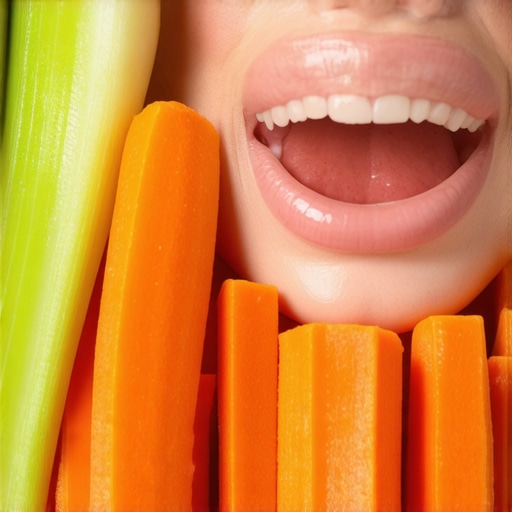
    Chewing sugar-free gum with xylitol became my go-to strategy to stimulate saliva flow mentally akin to watering a garden to keep plants healthy. I avoided sugary snacks and acidic drinks, which exacerbate decay in dry environments. Instead, I incorporated crunchy vegetables like carrots and celery—acting like natural toothbrushes that scrub plaque and boost moisture in your mouth.

    Stay Hydrated and Use Mouth Rinses Wisely

    I made it a habit to sip water regularly throughout the day, keeping my mouth moist, much like a humidifier in a dry room. To reinforce this, I chose alcohol-free, fluoride-containing mouthwashes proven to protect teeth without further drying the mouth. Rinsing adds a layer of defense, akin to applying a sealant to prevent moisture loss and strengthen enamel.

    Control Underlying Causes and Medications

    My doctor reviewed my medication list, as some drugs dry out the mouth significantly. Adjustments there helped restore natural saliva levels. Identifying and managing illnesses like Sjögren’s syndrome or diabetes similarly reduces dry mouth symptoms and supports oral health. Think of this as fixing the root problem rather than just treating the surface symptoms.

    Consider Restorative Measures for Decayed Teeth

    Despite preventative efforts, some teeth needed reinforcement. I discussed options like crowns, which act as snug caps, protecting weakened teeth from further damage—much like a protective helmet. Choosing the right material, such as porcelain or zirconia, depends on factors like aesthetics and durability. The key is a precise fit, ensuring no gaps where bacteria can hide, preserving your smile’s integrity.

    Dentist discussing dental crown choices with a patient in a clinic.Many believe that maintaining good oral health simply involves brushing twice a day and visiting the dentist occasionally. However, this oversimplification overlooks several critical nuances. Against common belief, not all toothbrushes are created equal—particularly when it comes to alleviate gum recession or prevent enamel erosion. For instance, using a hard-bristled brush can actually harm your gums and wear down enamel faster, despite the misconception that firmer bristles clean better. Instead, opt for soft bristles and gentle brushing techniques, especially if you notice bleeding gums, which can be a sign of gum disease that often goes untreated due to underestimating its severity.

    Are Dental Crowns Always the Last Resort or Can They Serve a Preventative Role?

    It’s widely assumed that crowns are only necessary when teeth are badly damaged or decayed. In reality, modern crown placement can serve as a preventative measure against further decay, especially for teeth compromised by large cavities that cannot be adequately filled. Choosing the right crown material is vital; porcelain crowns offer aesthetic advantages, but materials like zirconia provide greater durability. Learn more about selecting the best crown for your needs at this resource.

    Many also underestimate the importance of professional teeth cleanings. A common myth suggests that DIY whitening or brushing longer can replace biannual cleanings, but studies show that professional cleanings remove tartar buildup that regular brushing can’t reach. Skipping these appointments can lead to silent progression of periodontal disease, which is linked to heart health, as detailed in recent research from the CDC.

    Have you ever fallen into this trap? Let me know in the comments.

    Maintaining your oral health over time isn’t just about daily habits; it also involves ensuring that your dental tools and equipment are up to the task. One of my favorite investments has been into a high-quality ultrasonic cleaner, which I use weekly to sterilize my toothbrush heads, flossers, and mouthguards. This device uses sonic vibrations to remove plaque and bacteria build-up thoroughly, surpassing what manual cleaning can achieve, and this extra layer of hygiene makes a noticeable difference in reducing plaque formation and preventing decay. Additionally, I rely on a digital plaque disclosing tablet before my nightly brush—these small tablets stain areas where plaque remains, guiding me to improve my technique and cover spots I might otherwise miss. For dental crowns, I prefer a soft, non-abrasive polishing paste, specifically formulated to preserve porcelain’s integrity, which I apply with an electric polishing tool designed for delicate surfaces. Using a soft-bristled electric toothbrush (like the Philips Sonicare FlexCare) ensures effective cleaning without damaging sensitive receding gums, especially critical when long-term maintenance is the goal.

    The Surprising Lessons My Dental Journey Taught Me

    One of the most eye-opening realizations was how much neglecting minor issues like dry mouth can snowball into significant damage. I used to think that if my teeth looked fine, I was healthy—until I learned that beneath the surface, silent decay was accelerating. So, my first lesson: never dismiss recurring dryness or sensitivity as trivial; they might be signs of deeper problems.

    Second, I discovered the power of combining professional care with daily habits tailored to my unique needs. Investing in regular cleanings and personalized hygiene routines—not just DIY hacks—made a huge difference in preventing costly restorative work later.

    Lastly, understanding that preservation is better than repair truly transformed my approach. Instead of waiting until a tooth hurts or a crown feels odd, proactive measures preserve natural structures and save money in the long run.

    Curated Gems for a Bright Smile

    To deepen my knowledge, I turned to trusted tools and resources. The [CDC’s guidelines on periodontal health](https://periodontistcare.com/the-hidden-cost-of-skipping-your-six-month-cleaning) are invaluable for understanding the importance of routine visits and their impact on overall health. For choosing durable restorations, [this article](https://periodontistcare.com/how-to-choose-the-right-crown-material-for-a-front-tooth-smile) offers expert insights that helped me select the right crown material. I also rely on my ultrasonic cleaner for maintaining hygiene, ensuring every tool I use is free from bacteria, which you can explore more about in [this guide](https://periodontistcare.com/why-your-gums-only-bleed-when-you-brush-too-fast). These resources have empowered me to take control of my oral health with confidence.

    Join Me in Making a Change—Your Future Smile Awaits

    The journey toward optimal oral health isn’t a one-time effort; it’s a lifelong commitment. Small, consistent steps—like better hydration, targeted hygiene, and regular professional care—can profoundly impact your smile’s longevity and beauty. Remember, your smile is a reflection of your overall well-being, so nurture it with kindness and knowledge. Ready to take the next step? Share your experiences or ask questions below—let’s build healthier smiles together!

  • The danger of using toothpicks to dislodge food

    The danger of using toothpicks to dislodge food

    I vividly remember the moment it hit me—while trying to retrieve a stubborn piece of popcorn stuck between my teeth with a toothpick, I suddenly felt a sharp jolt in one of my teeth. My eyes widened as I realized I’d just risked damaging my smile over a few seconds of convenience. That lightbulb moment made me question: Is this tiny wooden stick truly safe?

    Why I Almost Didn’t Think Twice About Using Toothpicks

    For years, I believed that toothpicks were the perfect solution to pesky food particles. They’re handy, cheap, and seem harmless—until you experience the pain of a chipped or irritated gum line. I learned the hard way that misusing a toothpick can lead to unintended injuries and even long-term dental issues. That’s why I want to share my experience and help you avoid the same mistake.

    Today, we’ll explore the risks tied to using toothpicks improperly, how to recognize when your dental tools are doing more harm than good, and safer alternatives to keep your smile healthy. If you’ve ever battled with that dilemma—should I use a toothpick or not?—this guide is for you.

    Is a Toothpick Really Worth the Hype or Just a Hidden Risk?

    Early in my own dental journey, I made the mistake of dismissing advice from friends who warned me about the dangers of toothpick misuse. I thought, “It’s just a little stick; how bad can it be?” Sadly, I learned that even minor accidents can cause cracks, gum injury, or dislodged crowns. According to dental experts, improper toothpick use can push food particles deeper and damage delicate tissues or enamel.

    So, if you’re wondering whether to banish toothpicks from your routine, know that cautious use or alternative methods are far safer. Curious about the best ways to keep your teeth clean without risking damage? Check out how to properly clean your tongue without gagging, or discover other effective techniques for maintaining oral hygiene.

    Now that I’ve shared my misstep, let’s dive into proven strategies you can adopt today to keep your smile safe while getting rid of stubborn food debris. Trust me—your teeth will thank you for it!

    Master the Art of Gentle Flossing

    Start by choosing a soft, waxed dental floss to glide smoothly between your teeth. Use a gentle sawing motion, avoiding snap or force—the goal is to clean, not to hurt. I once tried to floss aggressively after a heavy meal, which caused gum bleeding; switching to a gentle technique not only stopped the bleeding but improved my gum health over time.

    Use the Correct Toothbrush Technique

    Hold your toothbrush at a 45-degree angle to your gums. Make small, circular motions to effectively remove plaque without damaging your gums or enamel. I remember the first time I learned this technique from my dentist—it felt unnatural at first, but after a week, I noticed less gum sensitivity and whiter teeth.

    Clean Your Crowns Properly

    Careful cleaning of crowns is essential to prolong their lifespan and avoid leakage. Use a non-abrasive, soft-bristled toothbrush with fluoride toothpaste. Pay special attention to the margins where plaque can collect. I experienced a small leak under my crown last year; thorough, gentle cleaning helped prevent further issues. For longevity, consider materials like all-porcelain or ceramic crowns, which are durable and natural-looking. Learn more about durable crown materials.

    Incorporate Interdental Cleaners

    Interdental brushes or soft picks can reach places floss may miss, especially around implants or bridges. Use them carefully and follow your dentist’s advice. Once, I used a silicone interdental brush on a bridge and removed food debris gently, preventing irritation. Remember, avoid sharp or rigid tools that can damage tissues.

    Limit Harmful Habits

    Avoid using your teeth as tools—opening packages or biting nails can chip or crack teeth and damage crowns. I learned this lesson the hard way when I tried to peel a sticker with my teeth, resulting in a small chip. Always opt for scissors or pliers instead. Also, avoid aggressive teeth whitening; opt for professional treatments to prevent sensitivity or enamel erosion. Discover safe whitening options at professional whitening solutions.

    Maintain Regular Dental Visits

    Schedule checkups and professional cleanings every six months. A dentist can spot early signs of decay or crown issues before they worsen. I once ignored a small discoloration around my crown; a quick professional cleaning and inspection prevented a more serious problem. Routine visits are your best defense against extensive dental repairs.

    Many people assume that regular brushing and flossing are enough to maintain optimal oral health, but the reality is more complex than that. A widespread misconception is that all dental products are equally effective, leading many to rely solely on over-the-counter solutions without understanding their limitations. For instance, while whitening toothpastes may seem beneficial, they often contain abrasive agents that can wear down enamel if used excessively, especially on sensitive teeth. According to a study published in the Journal of Dentistry, overuse of abrasive whitening agents can lead to increased tooth sensitivity and enamel erosion.

    Why Do So Many Still Fall for Old Oral Health Myths?

    One common myth is that if your teeth look white, they are healthy. However, cosmetic appearance doesn’t always reflect underlying issues like cavities or gum disease. In fact, some whitening procedures can mask problems without addressing the root causes. An advanced mistake many overlook is neglecting the importance of crown maintenance. Crowns aren’t just about looks; they can develop leaks or decay underneath if not properly cared for, which can lead to further complications like infections or even crown failure. Regular inspections by a dental professional are vital, as they can detect early signs of crown deterioration that untrained eyes might miss. To learn about the durability of different crown materials, check out this resource about the most durable crown materials.

    Another nuanced aspect is the proper cleaning technique for crowns and bridges. Many assume that brushing and flossing around these restorations require no special attention; however, improper cleaning can lead to plaque buildup, causing gum inflammation or decay at the margins. Using gentle, well-directed cleaning methods can extend the lifespan of your restorations and prevent costly repairs. Avoid the trap of aggressive scrubbing, which can damage the porcelain veneer or dislodge the crown. Instead, consider learning the best practices for cleaning crowns with proper cleaning techniques.

    Advanced questions, like understanding the material science behind crowns, can help you make informed decisions. For example, why are all-ceramic crowns considered more natural-looking but sometimes less durable than porcelain-fused-to-metal options? Experts explain that the composition and layering techniques affect strength and aesthetics differently. Selecting the right crown depends on your specific needs—whether aesthetics, durability, or a balance of both. For more insights, visit the page on comparing crown types.

    Ultimately, the key takeaway is that a nuanced understanding of oral health and dental procedures prevents you from falling into easy traps and ensures the longevity of your smile. Remember, regular professional checkups and tailored care are your best defense against overlooked issues and advanced pitfalls. Have you ever fallen into this trap? Let me know in the comments.

    Maintaining excellent oral health requires the right tools coupled with consistent habits. Personally, my recommendation starts with investing in an **electric toothbrush** like the Sonicare DiamondClean. Its oscillating-rotating technology efficiently disrupts plaque and reduces gingivitis when used correctly, especially around crowns and sensitive areas. I prefer the timer feature as it ensures I brush for the recommended two minutes, preventing over- or under-brushing. Regular replacement of brush heads every three months is crucial for optimal cleaning, as worn bristles lose effectiveness. To keep my tongue fresh and free from bacteria, I incorporate a tongue scraper like the Orabrush, accessible and gentle but highly effective, especially when combined with an antibacterial rinse.

    For interproximal cleaning, I favor soft silicone picks such as Plackers Micro Mint, because I find they are gentle on crowns and gums yet proficient at removing debris. They’re particularly useful for bridges or implants where flossing can be tricky. Personally, I avoid traditional flossers with rigid plastic handles as they can sometimes damage delicate restorations if not used carefully. Regular dental checkups, at least twice a year, are essential; my dentist often recommends an intraoral camera to catch issues early, such as minor leaks beneath crowns, which I monitor with home care tools. Choosing durable crown materials complements good maintenance, extending their lifespan considerably.

    In the coming years, I predict that AI-powered oral health devices will become commonplace, providing personalized care tips based on individual brushing habits and detecting early signs of issues like enamel erosion or plaque buildup. Imagine a smart mirror that reminds you to replace your toothbrush or alerts you to signs of gum inflammation—this is where the trend is heading.

    How do I maintain my dental tools and ensure long-term results?

    Routine cleaning of your toothbrush and accessories is non-negotiable. Rinse your electric toothbrush head thoroughly after each use and store it vertically to air dry, which minimizes bacterial growth. Replacing your toothbrush head on schedule, typically every three months, is vital to prevent reintroducing bacteria into your mouth. For interdental cleaners, wash them with warm water and store in a dry environment to prevent mold or bacteria. Regular professional cleanings are a must; even with top-notch tools, plaque can hide in hard-to-reach places, especially under crowns or bridges. Professional cleaning removes tartar buildup and inspects your restorations for early signs of wear or leaks, such as the dark line you might see indicating a crown’s deterioration. Learn how to recognize these issues at this resource.

    Remember, equipped with the right tools and routine maintenance, you can significantly extend the lifespan of your crowns and restorations, preserving the investment you’ve made in your smile. For example, recent research shows that materials like zirconia crowns resist staining and fractures better over time, but only if you care for them appropriately; see this article for more details.

    What I Wish Someone Told Me About Crowns and Proper Care

    Early on, I underestimated how vital gentle cleaning around crowns was, assuming routine brushing sufficed. It took a few costly mishaps to realize that specific care techniques could dramatically extend the life of dental restorations.

    Another lesson was the importance of understanding crown materials—some are more resilient but require tailored maintenance. Over time, learning which tools and habits benefit my unique dental setup helped me avoid unnecessary repairs and discomfort.

    Lastly, I discovered that regular communication with my dentist—asking questions and understanding signs of wear—empowered me to catch issues early before they escalated into bigger problems.

    Tools and Tips I Trust for Lasting Oral Health

    For durable crowns, I recommend exploring the most durable crown materials, which have greatly increased my crowns’ longevity. Investing in a quality electric toothbrush, like the Sonicare DiamondClean, ensures gentle yet effective cleaning, especially around delicate restorations.

    Discovering interdental cleaners such as soft silicone picks has transformed my approach, allowing me to clean tight spaces without damaging the gums or crowns. Combining these with professional cleanings every six months keeps my smile in prime condition.

    Staying informed through authoritative resources and maintaining open conversations with my dental team has been instrumental—knowledge truly is power when it comes to oral health.

    Join Me in Making the Next Move

    Your smile is your best accessory—taking proactive steps today can save you from costly repairs tomorrow. Have you ever felt unsure about the right technique to clean your crowns or used a tool that didn’t work as expected? Share your experiences or ask questions below—let’s learn and grow together in making our smiles stronger and healthier!

  • Why your tongue scraper is more important than your mouthwash

    Why your tongue scraper is more important than your mouthwash

    I vividly remember the moment I realized I was wasting my money on endless bottles of mouthwash, only to still wake up with bad breath and a coated tongue. It was a small, almost overlooked detail during my morning routine—diligently swishing, rinsing, and gargling—that finally tipped the scales. That cluttered bathroom shelf? It was cluttered with bottles promising fresh breath, but the real culprit was hiding beneath my nose, quite literally, on my tongue.

    Discover the Hidden Enemy in Your Mouth

    Like many, I had always assumed that mouthwash was the ultimate dental defense. I thought it was the magic potion that kept my breath fresh and my mouth healthy. But I learned a hard lesson: without proper tongue cleaning, all those rinses are just superficial bandaids. The accumulation of bacteria, dead cells, and food debris on your tongue’s surface is often the root cause of bad breath and even plaque buildup. In fact, studies show that up to 90% of halitosis originates from bacteria lodged on the tongue.

    And here’s the kicker—most mouthwashes only mask the smell temporarily. They don’t actively remove the buildup that causes the odor in the first place. That’s why, after trying dozens of different rinses, I started focusing on something more effective: a simple, inexpensive tongue scraper. Initially, I was skeptical. Would it really make that much difference? But after a week of consistent use, I noticed a remarkable change in my breath—and in my confidence during conversations.

    What We Will Tackle Today

    Today, I want to share why your tongue scraper can genuinely transform your oral health more than your favorite mouthwash, and how you can incorporate it into your daily routine. We’ll explore the scientifically backed reasons behind this, common mistakes to avoid, and practical tips to make it effortless. If you’ve been caught in the mouthwash-only trap, this guide might just change everything for you.

    Facing Skepticism: Is a Tongue Scraper Truly Worth It?

    I’ll admit, I too wondered if I was overcomplicating my oral hygiene. My early mistake was dismissing the importance of cleaning my tongue altogether, thinking it was just a cosmetic detail. I didn’t realize that neglecting it could undo the work of brushing and flossing. If you’re skeptical, consider this: neglecting to clean your tongue can allow bacteria to multiply, leading to bad breath, plaque build-up, and even gum disease. Curious about other overlooked factors? Check out why aggressive scrubbing isn’t the answer.

    Establish a Daily Tongue-Cleaning Routine

    Start by selecting a high-quality tongue scraper—metal or plastic, whichever feels more comfortable. Wet it with water, then extend your tongue and gently scrape from the back of your tongue forward. Apply light pressure to avoid gagging or discomfort. I remember one morning, I accidentally pressed too hard, causing a bit of gag reflex and mess all over my bathroom mirror. Despite the initial mess, I persisted and learned to adjust my pressure. After a week, my breath was noticeably fresher, and I felt more confident speaking with others.

    Perfect Your Technique to Maximize Results

    Target the Entire Surface

    Don’t just focus on the middle—scrape along the sides and the center to remove the bacteria and debris hiding in those areas. Change your grip occasionally to reach all parts of your tongue; this includes the very back where bacterial buildup is most common. Remember, consistent gentle scraping is more effective than aggressive cleaning, which can irritate your taste buds and tissue.

    Incorporate Salt or Antiseptic Solutions

    For added benefits, try sprinkling a little salt on your scraper or rinsing your tongue with a mild antiseptic solution. This will help inhibit bacterial growth further. I experimented with a saltwater rinse after scraping, which gently calmed my irritated tongue and enhanced the freshness. For even more effective approach, consider using a tongue cleaner paired with a mouthwash designed to target bacteria—just avoid rinsing immediately after brushing, as that washes away the fluoride protection (learn why rinsing after brushing is counterproductive).

    Stay Consistent to See Long-Term Improvements

    The key to transforming your oral health is not just one good session but making tongue cleaning a non-negotiable part of your daily routine. I made it a habit to do this right after brushing, using the scrape to finish my oral hygiene session. Over time, I noticed my breath stayed fresher throughout the day, and visiting the dentist for routine cleanings became less daunting because my mouth was already in excellent shape. Remember, neglecting this step allows bacteria to thrive, undo your brushing efforts, and increase the risk of plaque and tartar buildup.

    Many people believe that a quick brush or a swig of mouthwash is enough to maintain optimal oral health, but this oversimplification can lead to serious issues down the line. For instance, a widespread myth is that using harsh whitening toothpaste will significantly brighten teeth without harming enamel. In reality, overusing such products can thin the enamel over time, increasing sensitivity and decay risk. Experts warn that frequent use of abrasive whitening agents may cause more harm than good, emphasizing the importance of choosing gentle, enamel-safe options. Additionally, many assume that crowns are a one-and-done fix; however, underlying problems like leaks or decay beneath crowns are common pitfalls. Regular check-ups are crucial to monitor crown integrity, as a leak under a crown can silently damage your tooth and go unnoticed. One advanced mistake is neglecting to consider the impact of saliva and pH balance on oral health. Saliva acts as a natural buffer and antimicrobial agent; ignoring how factors like dehydration or diet alter its composition can make you more susceptible to cavities, even if your brushing routine is impeccable. As Dr. John Turner, a leading periodontist, states, “Understanding your saliva’s role is the missing piece for long-term dental success” (source: Journal of Dental Research). When it comes to family dentistry, many parents underestimate how early children should start dental visits. Waiting until they have teeth or until problems arise can be risky. The American Academy of Pediatric Dentistry recommends that children see a dentist by their first birthday to establish preventive habits early. Also, there’s a common misconception that frequent flossing damages gums; in truth, improper flossing technique causes bleeding and irritation, but correct flossing actually promotes gum health and prevents periodontal disease. To master proper technique, check out this guide on effective flossing habits. Recognizing these nuances can prevent costly mistakes, preserve your teeth longer, and improve overall health. Remember, maintaining oral health isn’t just about what you do occasionally but about understanding the intricacies that influence your mouth’s ecosystem. Do you ever fall into these common traps? Let me know in the comments.Maintaining optimal oral health requires more than just the basics; investing in the right tools and adopting effective routines can make a significant difference over time. One of my personal favorites is the **electric toothbrush**, specifically models like the Philips Sonicare DiamondClean. I chose this because of its superior plaque removal capabilities and gentle gum care, which are backed by clinical studies showing it reduces gingivitis more effectively than manual brushing. Additionally, I use a **water flosser**—the Waterpik Ultra—because it’s incredibly efficient at cleaning between teeth and along the gumline, especially for those with crowns or braces, where traditional flossing can be challenging. Learning proper technique, like angling the tip at a 90-degree angle to the teeth, ensures maximum plaque removal. To keep my tools at peak performance, I replace the brush head every three months and regularly descale the water flosser with vinegar. Looking ahead, advancements in ultrasonic technology may soon offer even more effective and less time-consuming cleaning methods, making maintenance easier for busy lifestyles. When it comes to crowns, I recommend routine inspections to catch early signs of leaks or wear, which you can easily check at home with simple tests like the Tapping Test. If you suspect an issue, visiting your dentist promptly is crucial for long-term success. For long-term results, integrating these tools into your daily routine, combined with professional cleanings, ensures sustained oral health. Remember, consistent maintenance prevents costly repairs and helps your smile stay its brightest. Want to take your routine to the next level? Try incorporating a high-quality electric toothbrush and water flosser today. For more insights into maintaining crowns, check out this guide on crown leaks for early detection tips.

    Lessons I Didn’t Expect About Oral Health and Crowns

    One of the most surprising realizations was how much neglecting simple tongue cleaning can undo months of diligent brushing. I used to think that brushing alone kept everything in check, but overlooking the tongue’s surface allowed bacteria to flourish beneath the surface, leading to bad breath and even minor gum issues. Additionally, I learned that regular professional cleanings are crucial—no DIY hack can replace the thorough removal of tartar and plaque that only a dentist can provide. Another unexpected insight was the delicate balance saliva maintains; neglecting hydration and dietary factors can make even the most meticulous routine less effective, emphasizing that oral health is interconnected with overall well-being. Finally, I found out that paying attention to subtle signs of crown wear or loose fittings can save me from costly repairs; many small clues at home can alert you before problems escalate, if you know what to look for.

  • The connection between pregnancy and bleeding gums

    The connection between pregnancy and bleeding gums

    I remember the moment vividly—sitting in the bathroom, blood trickling from my gums as I brushed, and feeling a wave of panic. It wasn’t the first time, but during pregnancy, those little bleeds suddenly felt like a signal of something more serious. I used to dismiss bleeding gums as mere irritation, until I realized it was more than that—it was my body’s way of telling me something was changing.

    Why Your Gums Might Be Bleeding During Pregnancy

    If you’re pregnant and noticing bleeding gums, you’re not alone. Many women experience this uncomfortable symptom, often caught off guard because they didn’t expect their oral health to change so dramatically. The hormonal fluctuations during pregnancy increase blood flow to the gums, making them more sensitive, swollen, and prone to bleeding—a condition known as pregnancy gingivitis. According to the American Dental Association, nearly 60-75% of pregnant women are affected by gum problems due to hormonal changes (source: American Dental Association).

    But here’s the thing—if left untreated, bleeding gums can escalate into more serious issues like periodontitis, which has even been linked to preterm birth and low birth weight. So, understanding why this happens is the first step to taking control and protecting both your health and your baby’s.

    Have You Faced This Problem?

    If you’ve noticed your gums bleeding more than usual, especially during pregnancy, I want you to know you’re not alone. This was a lightbulb moment for me—realizing that hormonal changes can directly affect oral health—and it’s a common experience that many overlook or dismiss. Early on, I made the mistake of thinking it was just part of pregnancy, ignoring it until it became more painful and persistent. That’s why I’m sharing this: to help you recognize the signs early and get ahead of potential problems.

    So, what can you do? Stay tuned as we explore practical steps to manage pregnancy-related gum issues effectively. Your smile—and your baby’s health—depend on it.

    Prioritize Gentle Brushing Techniques

    Start by switching to a soft-bristled toothbrush to reduce gum irritation. Hold your brush at a 45-degree angle and use gentle, circular motions—think of it as massaging your gums rather than scrubbing them harshly. I recall my first attempt; I was so used to aggressive brushing that I caused more bleeding. Once I slowed down and softened my stroke, my gums responded positively, bleeding decreased, and the discomfort lessened.

    Use Proper Flossing Practices

    Flossing is crucial, but it must be gentle. Slide the floss carefully between teeth, following the curves, without forcing it or snapping it in. This reduces trauma to inflamed gums. I once tried to floss aggressively to clean better, which only worsened bleeding. Now, I gently glide the floss, and over time, my gums have healed. For stubborn plaque, consider a water flosser, but be cautious not to press too hard.

    Avoid Rinsing Immediately After Brushing

    Contrary to common advice, do not rinse your mouth right after brushing. Rinsing washes away the protective fluoride and saliva enzymes that fight bacteria. Instead, spit out excess paste and allow the fluoride to remain longer. This mirrors the approach I learned from a professional—allowing fluoride to sit in the mouth enhances remineralization. For extra protection, consider using a fluoride mouthwash, but avoid overdoing it.

    Incorporate Anti-Inflammatory Mouth Rinses

    Use an antiseptic rinse to reduce bacterial load and inflammation. But don’t rely solely on it; it’s a supplement, not a replacement for brushing and flossing. I found that rinsing twice daily with an alcohol-free, anti-inflammatory solution helped calm my gums. Be sure to avoid harsh, alcohol-based rinses that can dry out your mouth, making gums more prone to bleeding.

    Maintain a Balanced Diet Rich in Nutritious Foods

    Consume foods high in vitamin C and calcium—think citrus fruits, leafy greens, and dairy—as they support gum tissue repair and strengthen teeth. I added a citrus salad to my diet, which boosted my vitamin C intake, and noticed my gums healed quicker. Limit sugary snacks and acidic drinks, which can exacerbate inflammation and erosion. Remember, healthy gums reflect a healthy diet.

    Schedule Regular Dental Checkups

    Professional cleanings help remove plaque and tartar that home care can’t reach. During my second trimester, I scheduled a deep cleaning, which significantly improved my gum condition. Find a family dentist experienced in pregnancy care to make sessions comfortable. These visits are essential, especially if bleeding persists, to catch and treat underlying issues before they escalate.

    Consult Your Dentist About Additional Care

    If bleeding continues despite good home care, ask your dentist about tailored treatments or medications safe during pregnancy. They might recommend specific periodontal therapies or adjustments to your routine. My dentist suggested a gentle scaling procedure, which reduced inflammation and bleeding, providing relief and peace of mind.

    Pregnant woman brushing her gums softly with a toothbrush

    Beyond the Surface: Why Common Myths About Dental Care Fall Short

    Many believe that brushing harder cleans better, but in reality, it damages enamel and gums, leading to sensitivity and recession. This misconception often originates from old advice, yet research reveals that gentle, thorough cleaning is far more effective—dental professionals warn against the myth of aggressive brushing (source). Understanding this nuance can prevent unnecessary harm and ensure better oral health in the long run.

    Beware of the Flossing Trap

    Another widespread misconception is that every type of floss suits everyone equally. However, flossing methods and materials vary—with unwaxed, waxed, or water flossers each serving different needs. Using improper technique or the wrong floss type can cause gum trauma or fail to remove plaque effectively, especially in tight spaces. The key lies in adopting a proper flossing technique and choosing the appropriate product for your unique dental situation. Purely relying on super-soft floss or neglecting floss altogether is a common mistake that can cause unnoticed decay or gum disease, highlighting the importance of tailored dental routines (more on flossing tips).

    Are Gold or Metal Crowns Truly Better for Durability?

    Many patients assume that traditional gold crowns last longer than all-ceramic options. While gold crowns are indeed durable, modern ceramic crowns have improved significantly—with advancements in materials like zirconia offering comparable strength and better aesthetic appeal. The false belief that gold is always superior can lead to unnecessary extra costs and missed opportunities for aesthetically pleasing restorations. Technological innovations have made ceramic crowns a viable choice for durability without sacrificing appearance, emphasizing the need to scrutinize old myths and consult with your dentist about the best material for your specific needs.

    Understanding these hidden nuances is crucial for making informed decisions and avoiding common pitfalls. Do you have questions about your oral health routine or concerns about specific treatments? Dive deeper or share your experiences—I’d love to hear! Remember, misconceptions can hinder your progress towards optimal dental wellness. Staying educated empowers you to take proactive steps toward a healthier smile.

    Maintaining a healthy smile over the years requires more than just good brushing routines; it demands the right tools and strategies tailored to your unique needs. As someone passionate about family dentistry and preserving dental restorations like crowns, I’ve found that investing in quality equipment and adopting effective methods can make all the difference. One of my go-to tools is the Waterpik Aquarius Water Flosser, which has transformed my approach to interdental cleaning. Unlike traditional floss, it reaches deep into gum pockets, effectively reducing plaque and preventing inflammation. Personally, I use it daily after my evening brush, appreciating how it helps me clean hard-to-reach areas comfortably. Furthermore, selecting the right toothbrush is crucial. I prefer electric models with soft-bristle heads, such as the Philips Sonicare ProtectiveClean 6100. The gentle vibrations enhance plaque removal without causing gum recession, which is especially important if you wear crowns or have sensitive gums. Regularly replacing these heads every three months ensures optimal performance, reducing the risk of bacteria buildup. Keeping up with dental technology also means utilizing advanced whitening kits designed for sensitive enamel. I recommend the Crest 3D Whitestrips with a unique formulation that minimizes sensitivity while delivering noticeable results over time. Remember, consistent use, combined with proper technique, sustains your bright smile. For managing daily oral maintenance, integrating a tongue scraper like the Dr. Tung’s Tongue Cleaner can reduce bacterial load and bad breath. I promote its use every morning, as it thoroughly cleans the tongue’s surface without causing damage. Looking ahead, emerging trends like AI-powered dental monitors are set to revolutionize home care. Devices capable of analyzing your saliva or plaque composition can guide personalized routines, ensuring you address issues before they escalate. According to recent studies, early detection and tailored care significantly improve outcomes and extend the lifespan of restorations such as crowns and veneers.

    How do I maintain my dental tools over time?

    Regular cleaning of your toothbrush and flosser heads is essential to prevent bacterial growth. I recommend soaking electric toothbrush heads in antibacterial mouthwash weekly and rinsing water flossers after each use. Replacing consumables every three months prevents the buildup of residual bacteria and ensures maximum efficacy. Additionally, storing tools in dry, ventilated spaces keeps them free from mold and fungi. For professional long-term results, scheduling biannual checkups allows your dentist to assess your equipment’s condition and replace worn-out parts. Embracing these habits not only prolongs the effectiveness of your tools but also enhances your overall oral health. Want to optimize your routine further? Try incorporating the habit of disinfecting your electric toothbrush with isopropyl alcohol monthly—this simple step can drastically reduce microbial contamination, supporting healthier gums and tissues. Remember, investing in the right tools and maintaining them properly is a foundational step toward a lifelong confident smile. For additional insights on preserving dental restorations and ensuring their longevity, consider reading about which crown materials are most durable. Keep experimenting with these strategies, and enjoy the confidence that comes from knowing your oral health is in your hands.

    Throughout my journey in family dentistry, one lesson stands out vividly: sometimes, the most minor signs can reveal significant underlying issues. I once had a patient who dismissed bleeding gums as a normal pregnancy symptom, only to discover months later that early intervention could have prevented more serious periodontal problems. This experience underscored how crucial it is to pay close attention to your body’s signals and seek professional guidance promptly.

    What I Wish I Knew Before Tackling Dental Challenges in Pregnancy

    • Hormonal fluctuations are powerful: They can dramatically change your oral health overnight. Recognizing this has helped me advise patients proactively about managing sensitive gums and preventing unnecessary discomfort.
    • Gentle techniques matter more than ever: Using soft-bristled brushes and being gentle with flossing can make a world of difference, reducing bleeding and inflammation. I used to think vigorous cleaning was better—until I learned that kindness is key.
    • Regular professional care is irreplaceable: Home routines are essential, but deep cleanings and exams safeguard against subtle issues escalating. Scheduling timely visits during pregnancy can genuinely protect both mother and child.

    Tools and Resources That Transformed My Practice

    Your Path to Confident Smiles and Better Health Starts Now

    Accepting the journey toward optimal dental health isn’t always straightforward, but the rewards are worth it. By staying informed, using the right tools, and listening to your body’s signals, you can navigate pregnancy-related oral changes with confidence and care. Remember, every step you take now builds a healthier future for you and your little one—so don’t hesitate to take action today.

    What has been your biggest surprise or lesson learned about maintaining oral health during pregnancy? Share your story below—I’d love to hear from you!

  • Stop rinsing after you brush: Why you’re washing away the protection

    Stop rinsing after you brush: Why you’re washing away the protection

    I remember the exact moment I realized I was washing away the very protection my teeth needed after brushing. It happened during a routine dental check-up when my hygienist gently pointed out that my habit of rinsing immediately after brushing was counterproductive. I had always believed that rinsing was the polite thing to do, a way to freshen my breath and rinse off residual toothpaste. But little did I know, I was undoing all the good my brush had done.

    The Surprising Truth About Rinsing and Tooth Protection

    This lightbulb moment led me down a rabbit hole of research and personal experimentation. What I discovered shook my confidence in a simple, everyday habit. Rinsing right after brushing washes away the fluoride from toothpaste that helps protect your teeth against decay. In fact, many dental experts now recommend waiting at least 30 minutes before rinsing to allow fluoride to fully do its job. So if you’re like I was—rushing to rinse away the minty freshness—you might be unintentionally compromising your oral health.

    Is This Habit Really Worth Giving Up for Good?

    I was skeptical at first. Could such a small change really make a difference? Early on, I made the mistake of dismissing this advice, brushing and rinsing as usual. But over time, I started noticing increased sensitivity and new spots of decay. It was a clear sign that I needed to change my habits. Now, I ensure I don’t rinse immediately after brushing, and I use a fluoride rinse consciously at other times of the day. Want to know how to get started? Check out this guide for practical tips on protecting your enamel.

    Start with the Right Brushing Technique

    Choose a soft-bristled toothbrush to gently clean your teeth without damaging gums, similar to how soft paintbrushes prevent scratching delicate surfaces. Place your toothbrush at a 45-degree angle to your gums, and use gentle, circular motions—this approach ensures you lift plaque without applying excessive force, which can cause gum recession.

    When I first tried this method during my routine morning routine, I initially struggled to get the pressure right, leading to tingling gums. After slowing down and consciously applying gentle pressure, I noticed less gum irritation and more efficient plaque removal. To enhance your brushing, consider using an electric toothbrush, which can provide consistent motion—as recommended in this guide.

    Clean Between Your Teeth Properly

    Incorporate Flossing Effectively

    Flossing is like clearing debris from tight corners—your toothbrush can’t reach these spots. Wrap about 18 inches of floss around your middle fingers, keeping a firm but gentle grip. Slide the floss between your teeth, curving it into a C-shape around each tooth and moving it up and down gently—think of it as vacuuming a narrow corridor without pushing too hard, which can cause gum bleeding.

    Initially, I would rush through flossing, leading to bleeding and soreness. After adopting a more deliberate, gentle technique, my gums responded better, and I was able to clean effectively without discomfort. If traditional floss isn’t your thing, try a water flosser, which is shown to reduce plaque effectively, especially when used regularly. Learn more about this via sealants or consider other interdental cleaners for comprehensive cleaning.

    Use the Correct Mouthwash

    Mouthwash isn’t just for fresh breath; it reinforces your daily routine by delivering fluoride and antimicrobial agents. Rinse with a fluoride-based mouthwash after brushing and flossing, ensuring your teeth get an extra layer of protection—like adding armor to your defenses. Be cautious to avoid rinsing immediately after brushing if you’ve used fluoride toothpaste, as this can wash away the fluoride before it acts.

    Earlier, I used to rinse right after brushing, which nullified the fluoride’s benefits. Adjusting my habits to wait at least 30 minutes or choosing a fluoride rinse for other times of the day allowed me to strengthen my enamel significantly. If you’re unsure whether your habits are optimal, check out this article for signs of overbrushing or improper technique.

    Schedule Regular Professional Cleanings

    Professional cleanings remove hardened plaque and biofilm that your daily routines can’t handle—think of it as a car service for your smile. Schedule visits every six months; this is like tuning your engine to prevent future breakdowns. During these visits, Dental hygienists employ specialized tools to scale and polish your teeth, removing tartar build-up that fosters decay if left untreated.

    I recall a particularly stubborn plaque buildup in one back molar. Despite diligent home care, it persisted, leading to early signs of decay. My dentist performed a deep-scale cleaning, which eliminated the biofilm and refreshed my oral health. Regular cleanings, coupled with good habits, can prevent the progression of gum disease and cavities.

    Be Mindful of Your Snacking Habits

    Frequent snacking—especially on sugary or acidic foods—acts like watering a garden with fertilizer for bacteria, encouraging decay. Limiting snacks to meal times reduces the exposure of enamel to harmful acids, protecting your teeth’s mineral structure. Immediately after snacking, rinsing with water and waiting about 30 minutes before brushing helps neutralize acids without damaging softened enamel—think of it as watering a delicate plant only after it has absorbed nutrients.

    I used to snack endlessly, which led to sensitivity and staining. Once I cut back and paid attention to timing my oral hygiene accordingly, my teeth looked brighter, and sensitivity decreased. For more tips on protecting your enamel, see this article.

    Many patients believe they fully understand crowns and oral health, but in reality, there are several misconceptions that can hinder optimal dental care. One widespread myth is that dental crowns always feel like foreign objects, leading many to delay necessary treatments. However, with advances in material science and precise fitting techniques, modern crowns can feel entirely natural when expertly applied. Learn more about this misconception in this article.

    A common mistake is assuming that family dentistry only involves routine cleanings and examinations. In fact, comprehensive family dental care includes preventive strategies, education on oral health nuances, and personalized treatment plans. Oversimplifying this can cause patients to overlook early signs of issues like enamel erosion or gum disease, which require more nuanced attention. For advanced insights, see this guide.

    The hidden nuance many miss involves the importance of habit consistency. For example, believing that a single professional cleaning suffices for long-term health neglects the role of daily routines. Regular flossing, proper brushing with correct pressure, and mindful snacking can significantly reduce the need for invasive procedures. If you’re unsure about your technique, check out this article.

    A trap to avoid is over-reliance on active ingredients like whitening agents or antimicrobial rinses without addressing underlying issues. For instance, using whitening toothpaste excessively can thin enamel over time, ironically causing sensitivity. Scientific research supports moderating such products and focusing on foundational care, which is detailed in this resource.

    What about the misconception that all teeth whitening is safe for sensitive teeth? Many think over-the-counter kits are equivalent to professional whitening, yet some can cause irreversible Damage if used improperly. Consulting your dentist before choosing a whitening method ensures safety and effectiveness. Explore professional options in this article.

    In terms of advanced mistakes, neglecting gum health beyond bleeding episodes is common. Gum disease begins silently with subtle inflammation and recession. Regular check-ups that include periodontal assessments detect these early signs. This is why it’s crucial to not just look for bleeding but understand other symptoms, as explained in this detailed guide.

    Make sure to stay informed about these hidden nuances for better oral health. Have you ever fallen into this trap? Let me know in the comments.

    Invest in Quality Tools for Lasting Results

    Your daily oral care routine hinges on the tools you choose. I personally prefer using an electric toothbrush like the Phillips Sonicare DiamondClean because of its superior plaque removal and consistent brushing motion. The timer feature ensures I brush for the recommended two minutes, which I find crucial for thorough cleaning.

    When it comes to flossing, I recommend water flossers such as Waterpik, especially for those who struggle with traditional floss. The pressurized water effectively cleans interdental spaces and is gentle on gums, making it easier to maintain daily without discomfort.

    How do I maintain my dental tools over time?

    Maintaining your dental tools is vital for longevity and hygiene. Rinse your electric brush heads thoroughly after each use and replace them every three months or sooner if bristles fray. For water flossers, descale monthly using vinegar or manufacturer-recommended descaling solutions to prevent calcium buildup that can harbor bacteria. Regularly replacing worn-out floss or interdental cleaners ensures optimal performance and reduces the risk of oral infections.

    Embrace Proper Technique and Routine Checks

    Adopting proper brushing and flossing techniques isn’t just about habit; it’s about effectiveness. Use gentle, circular motions with your electric toothbrush, applying minimal pressure—learned from this guide. For flossing, curving the thread into a C-shape around each tooth maximizes plaque removal while protecting gum tissue.

    Periodically, check your technique with your dentist or hygienist. They can spot issues like excessive pressure or missed spots, allowing corrections that preserve your oral health over the years. Incorporating routine self-assessment with tools like the 30-second mirror check helps you stay proactive.

    Long-Term Results Come From Consistency and Maintenance

    Long-lasting results in oral health aren’t achieved overnight. They require a combination of the right tools, proper techniques, and regular professional care. Scheduling biannual cleaning visits and engaging in daily habits—like using a fluoride rinse and watching snacking—further reinforce your defenses against cavities and periodontal issues.

    Looking ahead, technology continues to evolve, promising smarter dental devices that monitor your brushing habits or even send data directly to your dentist. These advancements could make maintaining optimal oral health more intuitive and tailored to your needs.

    Try This Advanced Tip Today

    One highly effective strategy is the consistent use of a high-quality, targeted fluoride rinse after brushing and flossing. This provides an extra layer of protection for your enamel, especially if you’ve had crowns or are prone to sensitivity. For further guidance on selecting the best rinse, check out this resource. Give this a try today and notice the difference in your long-term oral health!

    What I Learned The Hard Way About Dental Habits

    One of the most profound lessons I uncovered was that small, seemingly insignificant habits can have a disproportionate impact on long-term oral health. For example, I used to believe that brushing harder meant cleaner teeth, but I soon realized this complicated my gums and made my dental visits more stressful. Listening to experts and observing my own outcomes taught me that gentle, consistent care yields better results.

    The Power of Personalized Dental Strategies

    I discovered that no two smiles are the same. What works perfectly for someone else might not suit my unique needs. Tailoring my routine—like choosing the right toothbrush and flossing tool—made all the difference. This personalized approach, supported by trustworthy sources like this resource, emphasized that understanding my specific oral health profile is key.

    Overcoming My Misconceptions About crowns

    Initially, I thought crowns felt unnatural and that they would constantly require adjustments. However, I learned from professionals that modern crowns are crafted with precision and fit so seamlessly that they feel like a natural part of my smile. This realization encouraged me to seek timely treatment instead of delaying due to fears. Such insights are echoed in this article.

    My Secret Weapon: Consistent Professional Care

    There’s no substitute for regular checkups. I used to underestimate their importance until I experienced the benefits firsthand. Routine cleanings and early detection of issues like biofilm buildup—discussed in this guide—helped me avoid costly and invasive procedures later. Investing in professional care keeps my smile healthy and confident.

    Recognizing The Power of Small Consistent Changes

    The biggest lesson was that consistency trumps perfection. Incorporating simple habits—like waiting 30 minutes post-snacking before brushing—gradually improved my overall oral health. It’s about making sustainable adjustments, not fleeting fixes. This mindset is reinforced by stories from those who have experienced a true dental renaissance, as shared in this article.