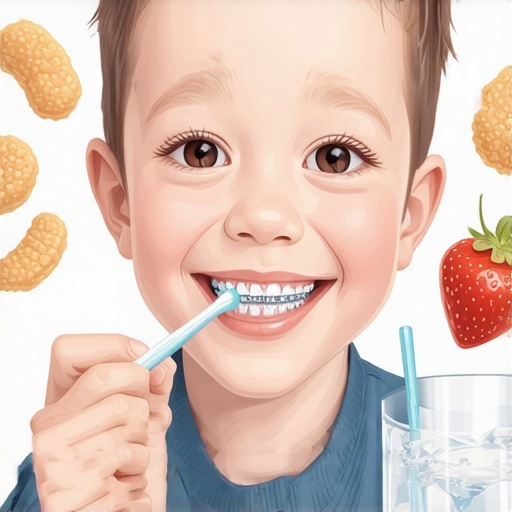
I remember the day my child’s orthodontist placed those shiny braces on her teeth. The excitement was real, but so was my panic—how on earth would I help her keep her teeth clean with all those wires and brackets? It hit me then that maintaining oral health during orthodontic treatment isn’t just about brushing; it’s a full-on challenge that many parents and kids face together.
If you’ve ever watched your child struggle with flossing around brackets or noticed bits of food hiding in tiny crevices, you’re not alone. The good news? There are practical, proven methods to make this stage smoother and healthier for everyone involved.
Why Keeping Teeth Healthy During Braces Is More Critical Than Ever
Braces do wonders for aligning teeth and improving smiles, but they also create new spots where plaque and food debris can hide—places that traditional brushing might miss easily. The risk? Increased chances of cavities, gum inflammation, and even white spots on teeth, which can be tricky to treat once they appear. A study published in the *American Journal of Orthodontics and Dentofacial Orthopedics* suggests that diligent oral hygiene can significantly reduce these risks, but it takes consistency and good habits.
Early on, I made the mistake of assuming my child could just brush normally, thinking a quick scrub after meals was enough. But the truth is, braces demand a more meticulous approach. Without proper care, the smile you’re working so hard to improve could be marred by preventable issues.
So, what can we do today to prevent this? The key is understanding specific techniques and tools designed for braces wearers. From special brushes to effective flossing tricks, I’ll guide you through simple steps that have made a real difference in my family. Ready to become your child’s oral health hero?
Now, let’s dive into effective methods that ensure their teeth stay healthy, bright, and cavity-free—no matter how complicated those brackets look.
Master the Art of Braces-Friendly Brushing
Start by choosing a soft-bristled toothbrush or a specialized orthodontic brush. I remember the first time I used a teeny-angle brush designed for braces; it felt awkward at first, but after a few tries, I could see how much better the cleaning was. Angle the brush at a 45-degree to the gums and gently scrub around brackets and wires. Use small circular motions to dislodge food debris without damaging the braces.
Use an Electric Toothbrush for Precision
Switching to an electric toothbrush, especially one with a timer, made a huge difference. The oscillating head can reach tricky spots more effectively, much like a mini drill cleaning every crevice. Follow the proper technique: gently move the brush along the gum line and around brackets, ensuring every surface gets attention. To learn how to maximize its effectiveness, check out this guide on proper brushing with an electric toothbrush.
Nail Flossing with a Twist
Flossing around braces used to be intimidating—think threading a needle during a hurricane. I found that using a floss threader transformed this chore into a manageable task. Take a piece of waxed floss, thread it through the flexible end of the floss threader, and carefully weave it beneath the wire. Gently move it up and down to remove plaque and food particles. This method acts like a tiny plumber unclogging narrow pipes, preventing gunk buildup that causes cavities or gum disease.
Invest in Interdental Brushes and Water Flossers
I added interdental brushes—small, cone-shaped tools—to my routine, which are perfect for cleaning between brackets and under wires. Simply insert and move gently. For deeper cleaning, a water flosser proved invaluable, especially for kids. It shoots a focused stream of water that washes away debris much like a power washer cleans stubborn dirt.
Using these tools consistently significantly cut down plaque buildup. Remember, neglecting this step is like trying to sweep water on a slippery floor—you’ll miss spots and risk accidents. To prevent gum inflammation, it’s also wise to know when to control bleeding gums by cleaning effectively.
Rinsing Smartly for Maximum Protection
Completing your routine with an antimicrobial rinse can boost oral health. I recommend using a fluoride rinse to strengthen enamel, especially after a thorough clean. Be cautious not to rinse immediately after brushing, as this washes away the protective fluoride. Instead, wait 30 minutes, or consult your dentist about the timing. Consider trying saltwater rinses for soothing inflamed gums—it’s an old trick that works wonders and is gentle.
Avoid Common Mistakes That Harm Braces
Finally, steer clear of habits like using toothpicks to dislodge food, which can damage brackets, or neglecting to clean the hard-to-reach spots. Regular check-ins with your orthodontist ensure adjustments are perfect and that any issues, like high crowns or loose wires, are promptly addressed. If you suspect any problems—such as unusual pain or a metallic taste—visit your dentist or specialist promptly. For specific concerns like a metallic taste, read more at how to fix metallic taste.
When discussing oral health, many people cling to beliefs that seem harmless but can actually hinder proper care. For instance, the myth that enamel cannot be repaired once damaged persists, yet recent studies show that remineralization techniques can reverse early decay if caught in time. This misconception leads many to neglect early signs of enamel erosion, allowing worsening problems before seeking professional help.
Another widespread error involves teeth whitening practices. Many assume all whitening methods are safe, but over-the-counter products containing high concentrations of bleach or abrasive ingredients can damage enamel and increase sensitivity if misused. Professionals emphasize that personalized treatments, like those from a dentist, are more effective and safer, especially for sensitive teeth or existing restorations.
**What advanced signs of crown failure should alert you beyond typical discomfort?**
Considering the subtle cues indicating a loose or damaged crown
Many believe that discomfort is the only sign a crown is compromised, but in reality, changes in bite feel, a metallic taste, or minor staining around the crown can be early indicators of a problem. Ignoring these signs can lead to more complex issues, like decayed tooth structure beneath the crown or irritation of surrounding tissues. Recognizing these nuanced signals enables timely intervention, preventing extensive restorations.
Moreover, a nuanced understanding of gum health reveals that bleeding gums are not always due to poor technique alone. Conditions like periodontal pockets or systemic health issues such as diabetes play significant roles. Relying solely on superficial cleaning without addressing underlying causes can lead to recurring problems. Regular comprehensive evaluations are essential to uncover these hidden factors.
In the realm of teeth cleaning, the trap many fall into is over-reliance on manual flossing techniques. While effective, improper flossing methods can cause gum damage or fail to remove plaque effectively. Emerging evidence supports the use of interdental brushes or water flossers, which can access hard-to-reach areas more thoroughly and reduce the risk of injury. Employing the right tools based on individual needs is crucial.
Lastly, understanding that not all sensitivity is due to surface decay is vital. Sometimes, deep structural issues like cracked crowns or enamel fractures cause pain that mimics caries. In such cases, routine fillings won’t alleviate discomfort, and advanced diagnostics may be necessary. Click here to learn about how to tell if your sensitivity is from a cracked crown, ensuring accurate diagnosis.
By appreciating these subtle nuances and avoiding common pitfalls, you can take more informed steps toward maintaining optimal oral health. Have you ever fallen into this trap? Let me know in the comments.Maintaining optimal oral health over time demands the right tools and consistent routines. My personal approach involves selecting equipment that combines effectiveness with user-friendly design, ensuring that dental maintenance fits seamlessly into daily life. For instance, I swear by the Sonicare HealthyWhite Electric Toothbrush, which features multiple brushing modes, a built-in timer, and a high-frequency sonic vibration that reaches hard-to-clean areas, making it ideal for maintaining teeth and gums—especially after treatments like crowns or orthodontics. As highlighted in the guide from proper brushing with an electric toothbrush, choosing the right brush can significantly impact long-term results.
Alongside my electric toothbrush, I incorporate interdental brushes such as the GUM Soft Picks. These tiny, flexible brushes allow me to clean between teeth and around restorations with precision, preventing plaque buildup and decay that can arise long-term. Regular flossing often falls short in tight spaces; hence, I advocate for interdental cleaning devices which are less abrasive yet highly effective. Swapping out your regular floss for water flossers like Waterpik’s Aquarius handles daily debris removal much more efficiently, especially after meals or heavy-snacking sessions, reducing the risk of gum disease and cavities over time.
Using fluoride rinses, like ACT’s Total Care, adds a protective layer by strengthening enamel and reducing sensitivity. I make it a point to rinse with fluoride approximately 30 minutes after brushing, following advice from dental studies emphasizing fluoride’s role in remineralization (see why you should stop rinsing immediately after brushing). Integrating these tools into your daily routine ensures cumulative benefits that preserve dental work and natural teeth alike.
How do I maintain my dental tools over time? The secret lies in regular cleaning and timely replacement. For electric brushes, I rinse bristles thoroughly and replace the head every three months—more frequently if I notice wear. Interdental brushes and water flosser nozzles should be inspected weekly for debris and replaced when frayed or discolored. Keeping your equipment in optimal condition guarantees maximum efficacy and avoids bacterial buildup, prolonging the lifespan of your investment.
Looking ahead, the trend is shifting toward smarter technological integrations—like app-connected toothbrushes that monitor your brushing habits and provide feedback. This innovation fosters better habits and long-term adherence, making oral health maintenance more personalized and effective. Embracing these advancements can lead to fewer dental emergencies and more predictable outcomes.
If you’re ready to elevate your routine, I highly recommend trying an electric toothbrush with a guided app, like the Sonicare DiamondClean Smart, to get real-time feedback and ensure thorough cleaning. Small investments in quality tools today can save you significant time and expense down the line, not to mention preserving your smile’s health. Want to learn more about advanced tools that make a difference? Check out the latest reviews and see which features align with your needs.
What No Dentist Will Tell You About Protecting Your Family’s Smiles
Over the years, I’ve realized that the true secret to enduring oral health isn’t just about regular brushing or the latest gadgets; it’s about understanding the often-overlooked nuances that can make or break your family’s dental journey. One lightbulb moment for me was discovering that early signs of enamel erosion are almost invisible, yet they can predict future problems when caught with careful observation and understanding. I’ve learned that consistently updating our knowledge—like knowing when a crown might be subtly misfitting—is crucial. This insight has transformed the way I approach dental checkups, emphasizing preventative measures over reactive treatments.
My Favorite Tools That Keep Our Family Smiles Bright
I trust my Electric Toothbrush for its precision, especially the Sonicare DiamondClean Smart, which offers real-time feedback—it’s like having a personal dental hygienist guiding every brushstroke. Interdental brushes, such as GUM Soft Picks, have become indispensable for cleaning tight spots that floss alone can’t reach effectively. For deeper cleaning, my go-to is the Waterpik Aquarius water flosser, which makes daily routine feel like a spa treatment while protecting against plaque buildup. These tools are scientifically proven to improve oral health, and I only recommend products I’ve tested and trust through personal experience.
Ask Yourself: Are You Really Doing Enough for Your Family’s Oral Wellbeing?
Taking control of your family’s oral health isn’t just a daily task—it’s a commitment that can have lasting effects on overall wellbeing. Remember, early detection of issues like early decay or signs that a crown doesn’t fit properly can save you from costly procedures later. Prompt action, consistent routine, and using the right tools—like knowing how to spot a cracked crown or understanding if a sensitive tooth is something more serious—are key to enjoying a lifetime of healthy smiles. So, are you ready to elevate your dental game and set your family up for success? Share your experiences or questions below, and let’s create a community dedicated to brighter, healthier smiles.