Category: Oral Health Advice

  • Why your breath smells like mothballs and how to fix it

    Why your breath smells like mothballs and how to fix it

    Have you ever caught a whiff of your own breath and immediately gagged? Or maybe you’ve noticed it lingering long after brushing and flossing? I remember the first time I experienced a strange, musty smell—like mothballs—only to realize it was coming from MY mouth. It was a lightbulb moment, honestly embarrassing but also eye-opening. That distinctive scent isn’t just a bizarre quirk; it’s often a sign that something deeper is going on with your oral health.

    Unmasking the Hidden Causes of Mothball-Smelling Breath

    When I first started paying attention, I learned that persistent bad breath, especially with a mothball aroma, can stem from various factors. It’s not merely about poor hygiene. Sometimes, it’s related to bacterial buildup, fungal issues, or even more serious underlying health problems. But don’t worry—most of the time, the solution is closer than you think. Today, we’re going to tackle this peculiar problem head-on, revealing simple yet effective strategies to reclaim fresh breath and confidence.

    Is Your Breath Truly Hazardous or Just An Overreaction?

    Initially, I thought bad breath was just a minor inconvenience, so I used generic mouthwashes that promised quick fixes. Spoiler alert: that was a mistake. It’s important to understand that some over-the-counter products may actually worsen the problem by irritating oral tissues or killing beneficial bacteria. For a safer and more targeted approach, check out how to choose the right mouthwash for your specific needs.

    Have you ever tried to mask bad breath with mints or gum, only for it to come back worse? That was me, a classic mistake early in my journey. Recognizing these pitfalls helped me move toward genuine solutions rather than quick fixes or temporary relief.

    What’s Coming Next

    Now that we’ve identified why this issue might be more than just a bad habit, let’s explore the practical steps to banish that mothball smell for good. From professional cleanings to at-home habits, I’ll walk you through everything I wish I knew from the start, so stay tuned!

    ,

    Start with a Thorough Professional Cleaning

    My first step was scheduling a professional cleaning with my dentist. This isn’t just a regular polish; ask for a deep scale to remove stubborn biofilm and tartar hiding between teeth and below the gumline. During my appointment, I watched my hygienist work methodically, scraping away layers of buildup that a regular brushing misses. The feeling was a bit messy, like peeling off decades-old paint, but the immediate freshness made it worth it.

    Embrace Targeted Oral Hygiene Habits

    Brush Smart, Not Hard

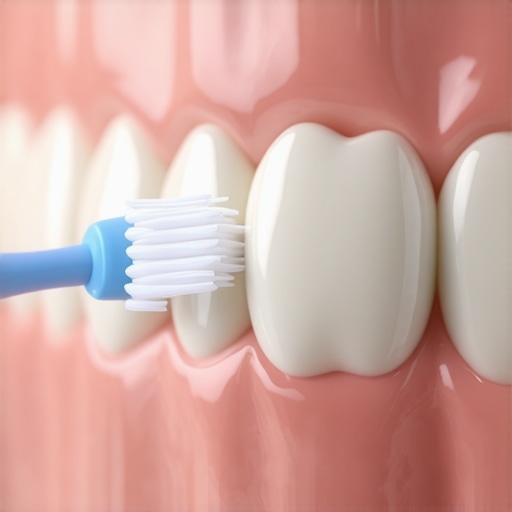
    Initially, I thought scrubbing harder would improve my oral health. Instead, I learned that gentle, thorough brushing is key. Use soft-bristled brushes and replace them every three months. Focus on six surfaces of every tooth, angling your brush to reach the gumline. This prevents damaging gum tissue and ensures effective plaque removal.

    Floss Correctly and Consistently

    Flossing might seem simple, but technique matters. I gently hugged each side of my tooth with the floss, rubbing it against the surface. This disrupts the bacteria colonies embedded between teeth—crucial since those hidden spots can harbor odor-causing bacteria. Remember, consistency is more important than intensity.

    Choose the Right Mouthwash

    Not all mouthwashes are created equal. I experimented based on advice from expert suggestions. Look for products with antibacterial ingredients like chlorhexidine or essential oils, which help eliminate bacteria that produce sulfur compounds responsible for the mothball smell. Avoid overuse, though, as some formulations can harm beneficial oral bacteria or irritate tissues. For guidance tailored to your needs, visit this resource.

    Target Problem Areas Inside Your Mouth

    I discovered cavity-prone spots and areas with tartar buildup by inspecting my mouth with a mirror. Using a flashlight, I carefully examined the gumline and behind my molars, where debris likes to hide. Using interdental brushes or water flossers helped clean these tight spots more effectively, especially since I used a water flosser to flush out bacteria deep within my gums. This step transformed my oral hygiene routine from a surface-level effort to a targeted attack on odor sources.

    Invest in Dental-Centric Products and Treatments

    After some trial, I found that certain products significantly cut down bad odors. I avoided natural whitening toothpastes that could wear down enamel, as explained in this article. Instead, I used a fluoride toothpaste with proven efficacy and added a rinse containing peptides that strengthen the enamel post-cleaning, as discussed in this update. Regular check-ups helped detect any underlying issues early, so I was not caught off guard by persistent odors or other symptoms.

    Adopt Smart Snacking and Lifestyle Habits

    Since diet plays a role, I swapped out sugary or acidic snacks for teeth-friendly options like crunchy vegetables or cheese. Avoiding sticky sweets prevents biofilm formation, which could harbor bacteria. Also, staying hydrated helped wash away residual bacteria and dry out mouth conditions that promote bad breath. Remember, maintaining good oral health is a multifaceted process—no single step suffices alone. Consistency in these core techniques is what ultimately banished that pesky mothball smell for me.

    When it comes to maintaining oral health, many individuals rely on common beliefs that might actually hinder their progress. Contrary to popular opinion, brushing more aggressively or frequently doesn’t necessarily equate to better cleaning. In fact, it can lead to gum recession and enamel erosion. Instead, a nuanced understanding of cleaning techniques and materials can make a significant difference. For example, choosing the correct toothbrush, such as soft-bristled variants, and mastering proper brushing angles can prevent damage while enhancing efficacy. Moreover, some assume all dental procedures are purely cosmetic or non-essential, but advanced treatments like peptide-infused crowns are revolutionizing restorative dentistry by offering durability and biological integration.

    Why do so many assume that more is always better in oral hygiene?

    This misconception often leads to over-brushing, which risks damaging gum tissues and wearing down enamel, as highlighted in recent research published in the Journal of Periodontology. Additionally, many overlook the importance of understanding the materials used in crowns; opting for cheaper options might seem cost-effective initially but can compromise long-term health. Investing in the most durable materials, such as zirconia, provides longevity and reduces the chance of failure or discomfort.

    Another common trap is relying solely on over-the-counter mouthwashes without understanding their ingredients. Some formulations can harm beneficial bacteria or lead to ename ldamage. For instance, products high in alcohol or certain antibacterial agents can dry out the mouth or irritate tissues, ironically exacerbating bad breath issues. Instead, selecting mouthwashes with targeted enzyme activity and natural components, as discussed in this guide, can support a healthier oral microbiome.

    Proper family dentistry extends beyond routine cleanings; it involves understanding the complexities of oral development and the importance of preemptive care. For example, sealants and early interventions prevent cavity formation in children, a nuance many parents overlook. It’s equally important to recognize that crowns are not just tooth covers but biologically active materials that influence the health of surrounding tissues. Advanced crowns today incorporate peptides and bioactive bonding agents which promote tissue integration and reduce sensitivity, as explained in this detailed overview.

    Finally, an often-missed aspect of oral health involves lifestyle choices. Many underestimate the impact of diet, hydration, and habits like teeth grinding on dental longevity. For example, stress-induced bruxism can slowly wear down even the best restorations and healthy enamel. Recognizing these subtle influences and addressing them with personalized strategies is key to comprehensive care. Remember, a one-size-fits-all approach doesn’t suffice in dentistry; understanding individual nuances yields better outcomes.
    Have you ever fallen into this trap? Let me know in the comments and share your experiences with nuanced dental care.

    How do I keep my oral health tools working effectively over time?

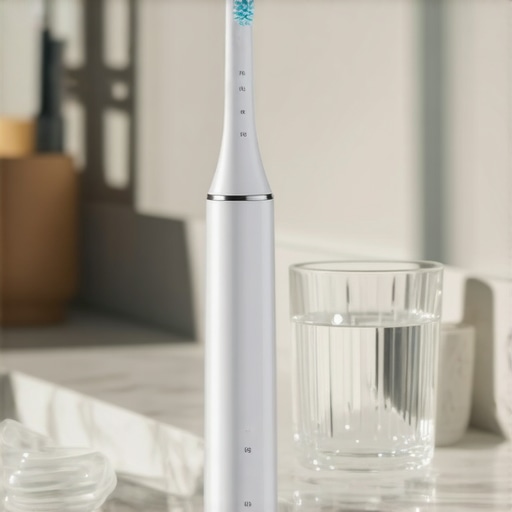
    Maintaining your dental toolkit is crucial for consistent oral hygiene. I personally swear by regularly replacing essential items like toothbrushes and flossers—soft-bristled toothbrushes should be swapped out every three months to prevent bacterial buildup and maintain cleaning efficiency. Electric toothbrush heads, especially those with sonic technology, need similar attention; I prefer brands like Sonicare because their replacements are durable and deliver consistent cleaning power. Additionally, using a water flosser with adjustable pressure settings helps target stubborn plaque without harming gums, and I meticulously clean it after each use to prevent mold or mineral deposits that can impair performance.
    For advanced cleaning, I include interdental brushes designed for tight spaces, which I rinse thoroughly and replace periodically to ensure proper debris removal. Investing in a high-quality mirror light with adjustable brightness allows me to inspect problem areas regularly, catching issues before they escalate.
    Software tools like dental tracking apps remind me of routine maintenance schedules, including professional cleanings, which are vital for long-term results. I schedule these deep cleans every six months and review my oral hygiene logs to identify any patterns or recurring concerns.

    Predictions for oral health maintenance tools

    In the future, I believe we’ll see smart toothbrushes with embedded sensors providing real-time feedback on brushing techniques and pressure, enhancing the effectiveness of daily routines. AI-driven apps may analyze oral microbiome data to suggest personalized cleaning regimens, optimizing oral health outcomes. Staying ahead of these trends means incorporating current smart devices and app features into your routine now.

    Questions about maintaining dental health equipment

    How do I ensure my tools stay effective over time? Regularly replacing heads and brushings, deep cleaning devices, and scheduling routine professional visits are key. For instance, cleaning electric toothbrush heads with vinegar solutions prevents bacterial buildup, maintaining their cleaning power. When selecting products, opt for trusted brands like Oral-B or Sonicare, and read manufacturer guidelines to maximize lifespan. By staying vigilant and proactive, you ensure your tools continue to work effectively, supporting your oral health journey for decades to come.
    Get started today by replacing your toothbrush head and setting reminders in your app—it’s a small step that makes a big difference for your smile.

    What I Wish I Knew Before Starting My Oral Health Journey

    • Realizing that not all mouthwashes are created equal was a game-changer; some can do more harm than good if chosen blindly.
    • Deep cleanings aren’t just about appearance — they target hidden biofilm that causes persistent bad breath and gum issues, an insight I wish someone told me early on.
    • Investing in quality tools, like soft-bristled brushes and water flossers, significantly boosts long-term oral health, saving me from costly repairs later.
    • Understanding that crowns are more than just covers; they interact biologically with your tissues. Using peptide-infused crowns has extended their lifespan and comfort.

    Tools and Resources That Transformed My Routine

    Your Next Step in Achieving Dental Confidence

    Embarking on a comprehensive oral health routine might feel overwhelming at first, but the benefits are worth every effort. Preventive care, smart tool choices, and understanding your unique dental needs can truly change your smile’s story. Start today by reassessing your tools and habits — your future self will thank you for it. Remember, vibrant oral health is within your reach; take that first step with confidence and curiosity. How have you learned to improve your dental routine? Share your experiences below and let’s grow together in our journey to healthier smiles.

  • Why your teeth ache when it gets cold outside

    Why your teeth ache when it gets cold outside

    Have you ever stepped outside on a chilly morning and instantly felt a sharp jolt in your teeth that makes you want to duck back inside? Believe me, I’ve been there — one moment I was enjoying a brisk walk, and the next, a sudden ache shot through my mouth, leaving me sore and frustrated. It’s that familiar, irritating sensation that somehow feels both minor and alarming, like your teeth are warning you about something deeper.

    Many of us brush off these cold-induced tooth pains as just a temporary sensitivity, but behind that quick jolt lies a story of oral health that needs attention. If you’re tired of dreading winter mornings or quick trips outside because of that nagging ache, today’s your lucky day. We’re going to explore why your teeth react this way when it’s cold and, most importantly, how you can start finding relief. You might be surprised to learn that understanding these triggers can prevent more serious issues down the line.

    Why Your Teeth React to Cold Weather and What You Can Do About It

    Ever wondered why cold air or icy drinks send that sharp pain buzzing through your teeth? It all boils down to the health of your enamel and gums. When enamel, the protective outer layer of your teeth, is weakened or compromised, it exposes the sensitive dentin underneath. Dentin is loaded with tiny nerve endings that are quite reactive to temperature changes. So, when cold hits, those nerves send a warning signal, resulting in that piercing discomfort.

    But it’s not just about enamel; your gums also play a vital role. Receding gums leave parts of your tooth roots exposed, which are even more sensitive to temperature fluctuations. Over time, habits like aggressive brushing or gum disease can contribute to gum recession, worsening temperature sensitivities.

    I made a big mistake early on, too — I thought using overly harsh toothpaste and brushing like I was scrubbing cement was helping my oral health. Instead, I was eroding my enamel further, making my teeth more susceptible to cold pain. After some research and a few visits to my dentist, I discovered that gentle brushing with the right tools and products can make a huge difference. For instance, using a soft-bristled toothbrush and avoiding abrasive, over-foaming toothpastes can preserve enamel and reduce sensitivity.

    If that sounds familiar, you’re not alone. Many people don’t realize that certain habits damage their teeth without them knowing. Want to learn how to protect your teeth from winter’s chilly grip? Stick around, because in the next section, we’ll explore practical tips and treatments that can help you enjoy colder weather without discomfort. And if you’re curious about spotting early signs of gum disease, check out this simple method: [the 30-second mirror check](https://periodontistcare.com/the-30-second-mirror-check-that-catches-gum-disease-before-it-bleeds). Let’s get your smile winter-ready.

    Mastering Your Daily Oral Care Routine

    Start with gentle brushing twice a day using a soft-bristled toothbrush. I once mistakenly used a medium brush, thinking it cleaned better, but it actually wore down my enamel, increasing sensitivity. Switch to a toothbrush that feels gentle yet effective, and replace it every three months to avoid enamel erosion caused by worn bristles.

    Choose the Right Toothpaste

    Opt for a desensitizing toothpaste containing potassium nitrate or stannous fluoride. These ingredients block nerve signals and strengthen enamel. I tried several brands before finding one that eased my discomfort after just two weeks. To ensure you’re selecting the best option, review [this guide](https://periodontistcare.com/is-your-familys-2026-toothpaste-actually-stripping-enamel) to avoid toothpastes that may strip enamel.

    Implement Protective Measures During Cold Weather

    Use a mouthguard or chilly weather mask when heading outdoors, especially if you notice increased sensitivity. This physical barrier minimizes direct exposure to cold air. Once, during a winter hike, I wore a scarf over my mouth and noticed a significant reduction in pain. This simple step made outdoor activities much more comfortable.

    Limit Acidic and Hot Foods

    Acidic foods and beverages weaken enamel, making teeth more vulnerable to cold. Reduce intake of citrus, sodas, and processed snacks. Instead, snack on cheese or nuts, which help neutralize acids. Remember, frequent snacking keeps the acid level high, further eroding enamel—learn more about this in [the article](https://periodontistcare.com/why-snacking-all-day-is-worse-for-teeth-than-one-large-dessert).

    Improve Your Brushing Technique

    Apply gentle pressure to avoid damaging your enamel, and brush in circular motions. I used to scrub aggressively, thinking it cleaned better, until I read about [how to tell if you’re brushing too hard](https://periodontistcare.com/how-to-tell-if-youre-brushing-too-hard). After adjusting, my sensitivity decreased within a week, proving that technique matters as much as products.

    Regular Dental Checkups and Professional Cleanings

    Schedule visits every six months for professional cleanings and evaluations. Dentists can identify early signs of gum recession and enamel erosion, offering treatments like sealants or fluoride applications to reinforce teeth. During one visit, my hygienist detected early gum recession; applying fluoride varnish then halted progression and bolstered my defenses against cold sensitivity.

    Addressing Existing Damage and Restoring Smiles

    If enamel loss or gum recession is already severe, options like dental crowns or bonding can restore protection. Crowns act like armor, covering vulnerable teeth. I experienced this firsthand when a crown was placed after I cracked a molar; it not only restored function but also shielded my dentin from temperature changes.

    Stay mindful of habits that worsen sensitivity, such as aggressive brushing or acidic snacking. Implementing these concrete actions, from choosing the right products to regular professional care, will empower you to manage cold sensitivity effectively and keep your smile healthy and comfortable during winter and beyond.

    Many patients believe that routine teeth cleaning and simple fillings are straightforward procedures that anyone can master, but in reality, there’s a lot more nuance involved that many overlook. One common misconception is that more aggressive brushing or overzealous scaling will give better results. But experts warn that excessive force during cleaning can damage enamel and gums, potentially leading to increased sensitivity and even recession. For instance, research suggests that improper brushing techniques contribute significantly to gum recession, which can worsen temperature sensitivities and complicate restorations like crowns. I recall a case where a patient’s aggressive brushing led to early crown failure because of underlying tissue damage. Moreover, many assume that a crown is a permanent fix, but without proper care, crowns can fail prematurely due to issues like poor adhesion, decay, or wear. Understanding the material science behind crowns, such as how ceramic and metal options differ in durability, can make a big difference in choosing the right restoration.

    Why do some crowns fail sooner despite proper placement? Is it related to material or technique? It turns out that minor errors during cementation or neglecting aftercare can be just as harmful as the initial placement. A study published in the Journal of Prosthetic Dentistry emphasizes that meticulous technique and patient education are crucial for crown longevity. If you’re considering a crown, I advise discussing with your dentist about the specific materials used, their advantages, and how to properly maintain your new restoration.

    Another overlooked aspect is the importance of comprehensive oral hygiene routines that go beyond just brushing and flossing. Neglecting the interdental spaces or skipping professional cleanings can lead to biofilm buildup that undermines the health of both natural teeth and restorations. Regular professional cleanings aren’t just about removing tartar—they’re about preventing the microscopic biofilm that causes decay under crowns and around gum margins. For example, deep biofilm can cause secondary caries underneath crowns if not regularly managed, which is far more insidious than surface plaque. To ensure your restorations last, integrate daily flossing with proper techniques and schedule periodic evaluations. For tips on what you might be missing in your routine, check out this guide on hidden biofilm removal.

    Finally, many believe that dental visits are only necessary when there’s pain or visible issues. This is a dangerous trap because early detection of problems like microcracks, marginal decay, or gum disease can save your teeth and money. Investing in regular check-ups allows your dentist to catch subtle deterioration before it becomes a costly or irreversible problem. Remember, good oral health is not just about cleaning your teeth but about understanding and managing the nuanced factors that influence longevity and health. Have you ever fallen into this trap? Let me know in the comments.Maintaining your dental work, such as crowns and restorations, is essential to preserving your oral health and preventing costly repairs down the line. Investing in the right tools and adopting disciplined routines can significantly extend the lifespan of your dental treatments. One of the most effective strategies I personally employ is using an electric toothbrush equipped with a pressure sensor. This device helps me avoid applying too much force, which can damage delicate restorations and irritate gums. Additionally, I recommend incorporating water flossers into your daily routine—they’re gentle yet effective at cleaning around crowns and bridges where traditional floss might struggle. Regular use of interdental brushes designed for tight spaces ensures that plaque doesn’t accumulate in hard-to-reach areas, protecting your investment and preserving your smile. Looking ahead, I predict that sonic toothbrushes with AI-integrated monitoring will become the standard for personalized oral care, alerting users to potential issues before they escalate.

    How do I maintain my crowns and restorations over time?

    Proper maintenance involves more than just brushing; it requires specific techniques and tools tailored for longevity. Regularly inspecting your dental work for signs of wear or damage, and scheduling professional checkups every six months, ensures early detection of potential problems. During these visits, your dentist can perform professional cleanings that remove biofilm buildup around restorations, which, if left unchecked, can lead to decay or marginal breakdown. For instance, using a sealant or applying fluoride varnish can reinforce enamel and prevent recurrent decay at the margins of crowns. I advise patients to avoid habits like biting hard objects or chewing on ice, which can crack or dislodge restorations. Remember, consistent care with appropriate tools isn’t just about aesthetics—it’s about maintaining the health of your entire mouth. For more detailed guidance, check out this resource on [the benefits of sealants for elementary school children](https://periodontistcare.com/the-benefits-of-sealants-for-elementary-school-children).

    For those interested in a more advanced approach, consider investing in a sonic toothbrush that offers real-time feedback via an app. This technology helps you modify your brushing technique instantly, reducing undue stress on your dental work. Try integrating these tools into your routine today to see how they make a tangible difference in your long-term dental health. Proper care today means fewer repairs tomorrow, keeping that beautiful smile intact for years to come.

    Lessones I Wish I Learned Sooner About Teeth and Crowns

    one of the biggest revelations in my dental journey was realizing that consistent, gentle care outperforms aggressive habits every time. I used to think that brushing harder meant cleaner teeth, but learning to brush softly saved my enamel and reduced sensitivity. Another lesson was understanding that not all dental tools are created equal; investing in a quality electric toothbrush with pressure sensors made a world of difference. I’ve also discovered that regular professional evaluations can catch small issues before they become costly repairs, which is something I can’t stress enough. Finally, I learned that patience with treatments like crowns and bonding leads to longer-lasting results and fewer surprises, reminding me that good things take time and proper upkeep.

  • Why your gums look pale and what it says about your health

    Why your gums look pale and what it says about your health

    It was a typical morning, and as I brushed my teeth, I caught a glimpse of my gums in the mirror. Instead of the healthy pink I was used to, they looked remarkably pale, almost ghostly. That moment hit me like a bolt of lightning—how could something as small as the color of my gums reveal so much about my overall health? I realized I wasn’t alone; many people overlook these subtle clues, yet they carry important messages from our bodies.

    If you’ve ever noticed your gums looking paler than usual, you might be wondering what it could mean. Is it a temporary oddity or a sign of something more serious? Well, let me assure you—your body tends to speak in whispers first, and changes in your gums are often early alerts of underlying health issues.

    Today, we’re going to explore why gums can turn pale, what that says about your health, and how you can listen to these signals to take better care of yourself. Understanding the connection between oral health and overall wellness can be life-changing—I’ve seen it firsthand. Did you know that pale gums might be linked to anemia, which affects oxygen delivery throughout your body, or even heart problems? Recognizing these signs early can make all the difference.

    Many people dismiss minor changes in their mouth, assuming it’s just a cosmetic issue or temporary. But, lacking awareness can lead to missing crucial warnings. For example, early-stage gum problems might seem insignificant, yet they could be indicators of nutritional deficiencies or systemic conditions.

    A common mistake I made early on was ignoring subtle symptoms like altered gum color, brushing them off as normal variations. But a quick visit to a qualified professional, like a periodontist, can clarify things. They can assess whether your gums’ pale appearance is a benign issue or something that requires immediate attention. If you’re curious about how dentists determine the health of your gums, check out this insightful explanation from [Periodontist Care](https://periodontistcare.com/the-24-hour-crown-rule-why-waiting-too-long-for-a-permanent-cap-invites-decay).

    So, what’s next? In the following sections, we’ll look into the specific causes of pale gums, how to spot other warning signs, and practical steps to get ahead of potential health issues, ensuring you’re not just brushing and flossing blindly but actively tuning into what your body is telling you.

    Start with a Comprehensive Oral Exam

    Schedule a professional assessment promptly

    First, book an appointment with your dentist or periodontist. They will evaluate your gums’ color, texture, and overall health, identifying signs of anemia or systemic issues. During my experience, a quick exam revealed my pale gums were linked to iron deficiency, guiding me toward targeted treatment.

    Enhance Your Oral Hygiene Routine

    Use the right tools and techniques

    Switch to soft-bristled toothbrushes to prevent gum irritation. Brush gently along the gum line for two minutes twice daily, focusing on thorough, but gentle cleaning. Avoid aggressive scrubbing, which can damage tissues and cause inflammation. I once replaced my old manual brush with an electric one, noticing a significant reduction in gum sensitivity and improved color over two weeks.

    Incorporate interdental cleaning

    Use floss or interdental brushes daily to remove plaque between teeth. Proper technique is crucial—slide floss gently, mimicking the motion used in the proper dental crown cleaning. I struggled initially, but after practicing, I realized that consistent interdental cleaning prevented plaque buildup that could contribute to pale gums.

    Optimize Your Nutritional Intake

    Address potential deficiencies

    Pale gums can indicate iron deficiency anemia. Incorporate iron-rich foods like spinach, lean meats, and legumes into your diet. Consider supplementing if advised by your healthcare provider. I added a daily iron supplement after a blood test, and within weeks, my gums regained their healthy pink hue.

    Boost vitamin C levels

    Vitamin C promotes healthy gums and enhances iron absorption. Include citrus fruits, bell peppers, and strawberries in your meals. I made smoothies with berries and citrus, which helped improve my gum tissue health alongside iron intake.

    Stay Hydrated and Limit Harmful Substances

    Protect your enamel from acids

    Limit acidic drinks like soda and fruit smoothies, which erode enamel and exacerbate gum issues. Instead, opt for water or alkaline rinses. I noticed my gums looked healthier after reducing my soda intake and sipping water regularly throughout the day.

    Avoid tobacco and excessive alcohol

    Both can impair blood flow and delay healing, enhancing pale or unhealthy gums. Cutting back improved not only my oral health but also my overall vitality.

    Integrate Systemic Health Measures

    Manage underlying conditions

    If anemia or other conditions are diagnosed, follow your healthcare provider’s treatment plan. This might include medication, lifestyle changes, or additional supplements. I coordinated with my doctor and dentist, ensuring that systemic health strategies complemented my oral care, resulting in healthier gums.

    Monitor Changes and Follow Up

    Track your progress

    Maintain a health journal noting gum color, texture, and any symptoms. Regularly revisit your dentist for professional evaluations. Over time, this helps catch any persistent issues early and adapt your routine as needed. I set quarterly reminders, which kept me vigilant and motivated.

    Implementing these actionable steps with consistency can significantly improve your gum health and, by extension, your overall wellness. Remember, listening to your body’s signals and acting promptly is key to preventing more serious health issues.

    Many believe that dental crowns are a quick fix for damaged teeth, but there’s more nuance behind their proper use and longevity. A common misconception is that all crowns are created equal, leading patients to opt for cheaper, non-ceramic options that don’t last as long or look as natural. According to research from the American Dental Association, selecting the right crown material and understanding the placement process can dramatically extend their lifespan, sometimes beyond twenty years.

    Is Your Dentist Choosing the Best Session Strategy For Crowns?

    Too often, patients rush into getting a crown without understanding the importance of timing, such as waiting the recommended 24 hours before eating to avoid jeopardizing the adhesive bond, which otherwise invites decay, as explained in The 24-hour Crown Rule. Another mistake involves neglecting the way components like biofilm can accumulate around crowns if proper cleaning techniques aren’t employed—see The Gritty Teeth Test for details on maintaining oral hygiene around prosthetics.Maintaining your dental health and the longevity of dental crowns require more than just daily brushing. Invest in high-quality tools like ultrasonic toothbrushes such as the Philips Sonicare DiamondClean, which uses sonic vibrations to effectively remove plaque and reach hard-to-clean areas, ensuring consistent cleaning even in tricky spots around crowns. Pair this with interdental cleaners like the TePe Interdental Brushes, designed to fit snugly between teeth and around prosthetics, which I personally find indispensable for preventing plaque buildup that leads to staining or decay. Regular use of a water flosser, like the Waterpik Aquarius, offers gentle yet thorough cleaning of Gumline areas, reducing inflammation and preventing damage to delicate tissues over time.

    How do I maintain my dental tools for long-term effectiveness? 

    Cleaning your tools after each use with warm water and mild soap prevents bacterial buildup and preserves their effectiveness. Replacing brush heads and tips every three months ensures optimal performance; I set calendar reminders to stay on top of this. Additionally, regularly inspecting your tools for wear and tear, especially the rubber seals on water flossers, helps prevent malfunctions that could compromise your oral health routine. Investing in quality over price pays off—cheap brushes or flossers often wear out faster and may be less effective, leading to more frequent replacements and inconsistent results. This proactive approach ensures your tools work as hard as you do, maintaining your oral health and extending the lifespan of dental restorations like crowns. Anticipating future trends, I believe smart toothbrushes integrated with AI, like the Oral-B Genius X, will continue to evolve, providing personalized feedback and optimizing brushing techniques, making home care more precise and effective.

    Pro tip: Incorporate digital tracking to monitor your routine’s consistency

    Apps that sync with your electric toothbrush can analyze your brushing habits, alerting you to neglected areas or excessive pressure—key factors in prolonging the life of crowns and preventing soft tissue damage. With these technologies, you can elevate your dental routine from routine to a tailored long-term strategy, ensuring that your investment in crowns and other restorations remains durable and functional for decades to come. Remember, quality tools paired with mindful maintenance will keep your smile vibrant and healthy, so take the time to review and upgrade your tools regularly.

    #IMAGE_PLACEHOLDER_D#

    One of the most eye-opening realizations I had was how much my gums’ appearance revealed about my overall health. Years ago, I dismissed minor issues, thinking they were superficial. But remembering my experience with pale gums taught me a vital lesson: never ignore subtle signs—your body whispers before it shouts.

    Seeing the connection between oral cues and systemic conditions, I learned that investing in regular, personalized check-ups can save you from bigger health crises down the line. This insight reshaped my entire approach to dental care, emphasizing preventative measures over reactive treatments. It’s not just about shiny teeth but about listening deeply to what your gums are telling you.

    Additionally, understanding the longevity of dental crowns has been a game-changer. Many assume a crown is a quick fix, but the real secret lies in selecting quality materials and following proper placement protocols—knowledge I acquired through trusted resources and expert guidance. This awareness encouraged me to prioritize long-term solutions, ensuring my investments in dental health truly last.

    Most importantly, I discovered that consistent maintenance, like cleaning tools and dietary choices, directly impacts the lifespan of restorations and overall gum health. The realization that daily habits can dramatically extend the life of dental work motivated me to be more intentional with my routines. These lessons emphasize that proactive, informed care is the cornerstone of a confident, healthy smile.

  • Why your gums only bleed when you brush too fast

    Why your gums only bleed when you brush too fast

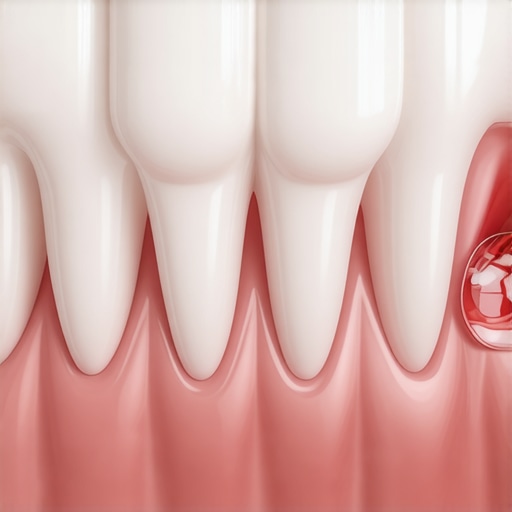
    Ever been in the middle of brushing your teeth and suddenly noticed blood on your toothbrush? That sharp, nasty taste of blood can be alarming. I remember the first time I saw it—panic set in. It was a lightbulb moment for me: I was brushing too aggressively, and my gums were paying the price. But here’s the thing—many people experience this and brush even gentler, yet still see bleeding. Why does it only seem to happen when you brush quickly? Well, I’ve been down that rabbit hole, and I want to share what I learned so you don’t have to stumble through the same confusion.

    Why Brushing Too Fast Causes Gums to Bleed

    Addressing the Frustration and Setting Expectations

    Many folks think that the harder they brush, the cleaner their teeth become. That was my early mistake—I thought scrubbing with all my might would knock off years of plaque. Turns out, this approach damages more than it helps. Brushing too fast or aggressively can injure delicate gum tissue, leading to bleeding and inflammation. When gum tissue gets hurt, your body reacts by sending blood and inflammation to the area—a natural response, but one that signals trouble. Interestingly, research shows that too much pressure is a common cause of bleeding gums during brushing, especially if you’re rushing.

    Now, I’ll admit—early on, I made the mistake of ignoring this and continued to brush hard, convinced that more effort equaled better results. That was a rookie error. Proper technique matters, and understanding how to brush gently and effectively changed everything. If you’re tired of bleeding gums and want a way to clean thoroughly without causing harm, you’re in the right place.

    What We Will Cover Today

    In this post, I’ll walk you through the reasons why your gums only bleed when you brush too fast and share practical tips to correct your technique. We’ll explore how to identify your brushing habits, how to adopt a gentler yet effective routine, and when to seek professional advice. No more blood, only healthy, happy gums. Ready to see how small changes can make a big difference? Let’s dive into the details.

    Slow Down and Focus on Technique

    Establish a Relaxed Rhythm

    When I first tried to correct my brushing, I imagined I was polishing a delicate piece of glass. I started by reducing my speed and focusing solely on the motion. Instead of scrubbing vigorously, I used gentle, circular strokes on each tooth, including the gum line. This approach reduces trauma to soft tissues and prevents bleeding. During my first week, I committed to being mindful, paying attention to pressure so I wouldn’t hurt my gums. I discovered that slowing my hand made the process more thorough and less messy.

    Use the Right Diameter of Bristle Movement

    Picture your toothbrush as a tiny paintbrush—you want precise, controlled strokes. Instead of moving the brush across your entire mouth at once, focus on small sections, about two teeth at a time. Keep your movements short and deliberate, avoiding excessive force. I put a real effort into this, and within days, I noticed my gums healing and bleeding decreasing. This micro-movement technique ensures you clean thoroughly without risking tissue injury.

    Optimize Your Technique with Proper Angles

    Position Bristles Correctly

    Hold your toothbrush at a 45-degree angle toward your gums, ensuring the bristles reach the gumline effectively. When I practiced this tip, I visually aligned the brush so that the bristles pressed gently into the junction where teeth meet gums. This angle allows for better plaque removal and stimulates circulation, contributing to healthier gums. Initially, it felt awkward, but with consistent practice, it became second nature.

    Apply Gentle Pressure to Prevent Bleeding

    Pressing too hard is a common mistake that can cause gums to bleed, especially during rushed routines. I learned to assess the pressure using a simple test: if I saw white marks on my gums, I was pressing too hard. Instead, I aimed for a light touch—imagine brushing your teeth to a soft stroking, like petting a cat. Over time, I trained myself to feel the difference, leading to cleaner teeth without inflamed tissue or blood. Remember, the goal is consistent, gentle cleaning—think of it as massaging rather than scrubbing.

    Incorporate Proper Timing and Sequence

    Create a Routine

    Establish a predictable brushing pattern, such as starting on the upper right and moving clockwise. This consistency ensures every section gets attention without rushing. During one messy morning, I hurried blindly, missing areas and causing minor bleeding. Switching to a structured sequence helped me slow down deliberately and ensured a comprehensive clean, all while being gentle.

    Limit Your Brushing Time

    Aim for two minutes of brushing—using a timer if necessary. This prevents over-brushing, which can damage gums and enamel. When I tracked my brushing with a stopwatch, I realized I was rushing through it in under a minute. Extending the time, and breaking it into sections, encouraged me to focus on quality rather than speed, significantly reducing bleeding episodes.

    Seek Feedback and Monitor Progress

    Use the Tapping Test

    This simple method monitors if a crown or filling is loose, but it also helps confirm if your brushing is gentle enough. Lightly tap the crown; if it feels secure, your force isn’t excessive. When I first tried this test post-brushing, I noticed that my gentle touches felt more precise, confirming my technique was improving.

    Visual Inspection

    Spot-check your gums and teeth in the mirror regularly. Look for signs of reduced bleeding, inflammation, or sensitivity. I saw a clear decrease in bleeding spots week by week, which boosted my confidence that my adjustments were effective. Incorporating these visual cues kept me motivated and vigilant.

    Why Flossing Isn’t Always Enough to Prevent Gum Disease

    Many believe that flossing alone guarantees healthy gums, but this is a common misconception. Proper brushing technique, especially around crowns and difficult-to-reach areas, plays a significant role in preventing biofilm buildup. Relying solely on floss can lead to overlooked areas where plaque thrives, increasing the risk of inflammation. Furthermore, some assume that rigorous brushing removes all hidden biofilms, but studies show that biofilms are remarkably resilient and require adjunctive methods like bio-acoustic cleaning to thoroughly eliminate them. For comprehensive cleaning, integrating professional treatments and understanding the limitations of DIY routines is essential. Curious about how advanced cleaning techniques can impact your oral health? Discover more on the benefits of bio-acoustic buffing and ensure you’re not missing hidden biofilms.

    The Myth of the One-Size-Fits-All Dental Routine

    Contrary to popular belief, not all dental products or routines suit everyone. For example, using traditional whitening pastes or overly abrasive toothpaste can sometimes damage sensitive enamel or cause accelerated wear, especially around crowns. Many think that more frequent or aggressive cleaning is better, but this can lead to enamel thinning and increased sensitivity. The key is personalized care—consulting your dentist to adapt your routine based on your unique dental structure, crown material, and gum health. A tailored approach is more effective than generic advice. Want to ensure your regimen is optimized? Check out tips for maintaining white teeth between professional cleaning and avoid common pitfalls.

    Advanced Insight: Correctly Assessing Crown Stability

    Many individuals assume that if a crown feels stable, it’s secure. But even a seemingly firm crown could be loose enough to harbor bacteria and cause complications down the line. The tapping test is a simple yet effective way for advanced users to evaluate crown stability. A subtle, high-frequency tap can reveal looseness or micro-movements invisible to the naked eye. If you detect any instability, delaying professional evaluation can lead to decay or secondary infections. Recognizing these nuances helps prevent larger, more costly issues. Have you ever fallen into this trap? Let me know in the comments.

    Keeping It Working: Essential Tools for Long-Term Oral Health

    Maintaining your oral health is an ongoing process that benefits greatly from the right tools and techniques. Over the years, I’ve refined my toolkit to ensure my teeth and gums stay in top shape, especially when managing crowns, family dentistry routines, and preventive care. Investing in specialized equipment and adopting effective methods can save you time, money, and discomfort in the long run.

    The Electric Toothbrush: Precision and Consistency

    I personally swear by a high-quality electric toothbrush, such as the Oral-B Genius Pro. Its oscillating-rotating motion effortlessly reaches plaque in hard-to-clean areas, providing a more thorough clean than manual brushing. The built-in timers ensure I brush for the recommended two minutes, reducing the tendency to rush—especially crucial for protecting crowns and sensitive gums. Regularly replacing the brush heads, ideally every three months, maintains optimal hygiene and effectiveness. With the advent of smart toothbrush models that connect via Bluetooth, I also track my brushing habits over time, helping me identify and correct any inconsistent areas.

    Precisely Cut Flossing and Interdental Cleaners

    While flossing is vital, I prefer using interdental brushes for those tight spaces, especially around crowns and bridges. My preferred tool is the TePe Interdental Brushes in small sizes, which I find gentler yet more effective than traditional floss. They help remove biofilm trapped between teeth and beneath gum margins, which is essential for long-term health. For larger gaps, I use water flossers like the Waterpik Ultra, which produce pulsating streams to dislodge debris without harming delicate tissues. Using these tools consistently can prevent plaque buildup that leads to inflammation, bleeding, and decay.

    Specialized Tongue Scrapers Improve Breath and Cleanliness

    Another underrated device is my tongue scraper. Regular scraping removes biofilm and bacteria, reducing bad breath and decreasing the risk of gum disease. I use a stainless steel scraper for durability, but silicone versions are gentle and effective too. Incorporating tongue cleaning into my daily routine ensures a fresher mouth and prevents bacteria from migrating to other areas.

    Bio-Acoustic Cleaning: The Future of Deep Cleaning

    Looking ahead, bio-acoustic buffing is revolutionizing professional cleanings. This method uses sound waves to break down biofilms on the surfaces of crowns, bridges, and natural teeth, making traditional tools more effective. I’ll be exploring this tech further with my dentist, as studies suggest it can significantly enhance biofilm removal, reducing the frequency of deep cleanings needed and preventing long-term dental issues. Learn more about bio-acoustic buffing here.

    For those serious about longevity, I recommend scheduling regular professional evaluations that incorporate these cutting-edge techniques. Modern dentistry is moving toward preventative sophistication, and being proactive with these tools today can save you from costly repairs tomorrow.

    How do I maintain my tools over time? Best practices

    To keep your dental tools effective, it’s essential to clean and replace them regularly. Rinse interdental brushes and tongue scrapers after each use, store them in a dry, ventilated area, and replace brushes every three months or sooner if frayed. For electrical devices, follow manufacturer guidelines for cleaning and charging cycles. Staying consistent with maintenance ensures your tools continue to perform optimally, giving you peace of mind and a healthier smile. Regularly reviewing your routine with your dentist can also uncover new tools or techniques tailored to your evolving needs. Want a quick way to check if your crowns are still secure? Try the tapping test for peace of mind.

    Thanks to innovations like bio-acoustic buffing and precision tools, the future of oral health is brighter than ever. Don’t hesitate to ask your dental professional about adopting these advanced methods to extend the lifespan of your crowns and keep your family’s smiles shining. Ready to upgrade your routine? Start by choosing the right electric toothbrush today, and remember, consistency is key.

    ,

    The Unexpected Truths That Changed My Dental Routine Forever

    • One of the biggest surprises was realizing that rushing through brushing actually undermined my efforts. Slowing down and focusing on gentle, precise strokes made a noticeable difference in gum health and overall comfort.
    • I learned that even the best tools won’t help if I don’t use them correctly. Proper angling, pressure, and technique trump fancy gadgets alone, emphasizing the importance of mindful practice.
    • Regularly assessing crown stability with simple tests, like the tapping method, saved me from potential complications. Small checks can prevent big problems down the line.
    • Personalized routines, tailored with professional guidance, are far more effective than generic advice. What works for one smile might not suit another—listen to your dentist’s recommendations.
    • Investing in quality tools, such as a good electric toothbrush and interdental brushes, has made my routine more effective, comfortable, and enjoyable—changing the way I care for my family’s oral health.

    Tools That Transformed How I Care for Teeth and Crowns

    • My trusted electric toothbrush, like the Oral-B Genius Pro, combines precision with convenience, helping me reach tricky spots and maintain consistency.
    • Interdental brushes, such as those from TePe, are my secret for cleaning between crowns and braces—more gentle and thorough than floss alone.
    • A durable tongue scraper has become a staple, improving breath and reducing bacterial load with minimal effort.
    • Exploring advanced techniques like bio-acoustic buffing through my dentist opened my eyes to the future of professional cleaning, enhancing biofilm removal around crowns and fillings.

    Embrace the Journey to Better Smiles Today

    Taking these insights into account, your path to healthier gums and longer-lasting crowns is within reach. Small, consistent changes can transform your oral health, making each smile brighter and more confident. Start today, experiment with your routine, and don’t be afraid to seek professional advice to discover what truly works for your unique dental landscape. Remember, a healthy smile isn’t just about appearance—it’s about lasting well-being and confidence that radiates from within. What’s one small change you’re willing to try today to improve your dental routine? Share your thoughts below and let’s inspire each other to achieve our healthiest smiles yet.

  • How to Fix a Metallic Taste in Your Mouth

    How to Fix a Metallic Taste in Your Mouth

    Imagine sitting at your dinner table, savoring your favorite meal, when suddenly, there’s a strange, Metallic taste lingering on your tongue. It’s unsettling, isn’t it? I remember the first time I experienced it—confusing and a little alarming. I thought maybe I had swallowed something bad or that I was coming down with a bug. But then I realized, it wasn’t going away, and I couldn’t ignore that bizarre flavor anymore. That was my lightbulb moment—discovering that a metallic taste can stem from various oral health issues, especially related to dental restorations like crowns.

    Why Am I Still Experiencing That Unpleasant Metallic Flavor?

    Dealing with a persistent metallic taste in the mouth can be incredibly frustrating. It’s not just about the weird flavor—it’s a sign that something in your oral environment might be off. From poor hygiene to reactions with dental materials, several factors could be at play. I’ve learned that sometimes, it’s just a minor adjustment or cleaning; other times, it signals a more serious issue needing professional attention.

    But before jumping to worst-case scenarios, let’s explore some common causes and simple fixes that I’ve personally found effective. Addressing this issue early can prevent more significant problems down the line. Trust me, catching it sooner rather than later saves you a lot of discomfort and money.

    Are you tired of that lingering metallic taste disrupting your day? Do you wonder if your dental work is the culprit or if there’s a quick fix? Well, you’re not alone. Many people face this peculiar problem, and there are proven methods to eliminate it.

    *Did you know that certain dental materials, like amalgam fillings, can cause a metallic taste, especially if they’re deteriorating or reacting with other metals in your mouth?* According to research published by the CDC, dental amalgams have been associated with taste disturbances in some individuals—highlighting the importance of timely dental checkups.

    Now that we understand the importance, let’s set the stage for practical solutions. First, we need to identify whether your situation is related to dental crowns, fillings, or perhaps other factors such as medication or diet. The good news is, many cases are straightforward to resolve with the right steps. Ready to dive into the fixes? Let’s go!

    Inspect and Adjust Your Dental Restorations

    Start by examining your dental crowns and fillings for any signs of deterioration or loose fit, which can cause metal ion release leading to that metallic flavor. I vividly recall a time when I noticed my crown felt slightly loose after a meal. I visited my dentist promptly, and they checked it using the tapping test—a simple method to see if the crown is secure or needs adjustment. Ensuring your dental work fits perfectly prevents metal exposure and minimizes unpleasant tastes.

    Prioritize Oral Hygiene with Precision Cleaning

    Effective cleaning removes plaque and residual food particles that might interact with dental materials causing metallic sensations. Use a soft-bristled toothbrush and gentle techniques—rough brushing can scratch porcelain crowns, making issues worse. I once tried scrubbing vigorously, thinking I was cleaning better, but it only increased sensitivity and taste issues. Instead, I adopted a gentle brushing routine and learned how to clean a dental crown without scratching the porcelain by following guidelines from this detailed guide. Consistency is key, and regular cleaning ensures your oral environment remains balanced, reducing metallic tastes.

    Manage Metal Interactions with Proper Material Choices

    If you’re experiencing metallic taste due to amalgam fillings or combos of different metals, discuss with your dentist about replacing or isolating these materials. Modern practices like using peptide-infused bonding agents and opting for ceramic crowns reduce metal exposure. During my last replacement, my dentist explained that choosing these innovative materials minimizes metal ion leaching. This adjustment not only stops the metallic flavor but also offers a healthier, more aesthetic smile.

    Maintain Optimal pH Balance in Your Mouth

    Saliva plays a vital role in neutralizing acids that can cause metal ions to leach from dental restorations. Regularly checking your mouth’s pH with this simple pH balance check helps prevent conditions that promote metal release. I learned that after an unbalanced diet high in acidic foods, I experienced an intensified metallic taste. Adjusting my diet and conducting pH checks helped restore natural balance, reducing unpleasant flavors.

    Review Your Resting Habits and Nighttime Practices

    Habits like grinding or clenching teeth can wear down crowns and expose underlying metals. Using a mouthguard during sleep can prevent this. I bought a custom-fit guard after noticing my crown felt loose and sensitive in the morning. Regularly inspecting your crowns’ stability with the tapping test can alert you to early signs of loosening, which may increase contact with metal and lead to a metallic taste.

    Schedule Professional Checkups Promptly

    Periodontal and restorative specialist visits ensure your dental work remains in top shape. A quick check-up can identify early corrosion or deterioration. I experienced a persistent metallic flavor after a year with my crown. My dentist performed a thorough examination and recommended a cleaning and minor adjustments, which alleviated the problem immediately. Regular visits help catch issues before they escalate, keeping your oral health and taste buds happy.

    When it comes to family dentistry, many believe that routine cleanings and regular checkups are all that’s needed to maintain oral health. However, this mindset often blinds us to subtle nuances that can significantly impact long-term dental wellness. One common myth is the idea that all dental restorations, like crowns and fillings, are foolproof once placed. In reality, many individuals overlook that even the most advanced materials require meticulous maintenance and understanding of how they interact with oral chemistry over time.

    Are You Falling for the Oversimplification of Dental Material Durability?

    Contrary to popular belief, not all dental materials age equally or respond the same way to everyday factors such as diet, oral hygiene habits, or even fluctuations in saliva pH levels. For instance, while ceramic crowns have become the standard for aesthetic restorations, they are not completely immune to wear and microfractures, especially if proper technique and material selection aren’t prioritized. An important point often missed is that newer bonding techniques, like those using peptide-infused agents, provide enhanced longevity and integration, reducing the likelihood of complications like crown loosening or secondary decay. According to recent research, these innovations can extend the lifespan of restorations significantly, but many practitioners and patients remain unaware of their benefits or neglect their importance.

    Another area where misconceptions prevail involves the emphasis placed on mechanical removal of plaque. While aggressive brushing might seem like a quick fix, overdoing it can do more harm than good by damaging enamel or receding gums. Gentle, targeted cleaning techniques often outperform brute force, especially when combined with tools like bio-acoustic buffing, which precisely targets plaque without harming enamel. Many patients are surprised to learn that over-brushing or wrong brushing angles can accelerate enamel erosion, negating the purpose of regular cleaning rituals.

    Additionally, a critical oversight lies in the interactions between different dental materials in the mouth. Metal amalgam fillings, for example, can catalyze corrosion or release ions that create metallic tastes—a common complaint that’s frequently dismissed. Opting for newer, peptide-infused bonding agents and ceramic options not only eliminates taste disturbances but also enhances overall oral health by preventing galvanic reactions within the mouth.

    It’s also essential to recognize the impact of lifestyle choices and habits on oral health. Nighttime snacking, for instance, fosters acid production that erodes enamel and weakens restorative materials. I’ve seen cases where patients ignore these habits, only to face unnecessary crown replacements or decay. Being vigilant about these subtle triggers, such as avoiding destructive snacks and managing stress-induced bruxism, can save you substantial costs and discomfort in the long run.

    So, what are some pitfalls you should be wary of? First, assuming that every dental restoration is permanent without regular professional evaluation can lead to unnoticed deterioration. Second, neglecting the nuanced chemistry of your mouth—like pH fluctuations—can accelerate material breakdown and cause undesirable tastes or sensitivities. To stay ahead, schedule periodic assessments and discuss emerging materials or techniques, such as smart bonding or bioactive agents, with your dentist.

    Have you ever fallen into this trap? Let me know in the comments! Remember, understanding these complexities ensures smarter decisions and healthier, longer-lasting smiles.Maintaining your dental restorations and oral health over time requires more than regular brushing and flossing. Investing in the right tools can make a significant difference in extending the lifespan of crowns, fillings, and implants while preventing common issues like metallic tastes or crown loosening. One of my go-to instruments is an ultrasonic scaler, which I use weekly to gently remove plaque build-up without damaging delicate porcelain surfaces. This device vibrates at high frequency, effectively dislodging biofilm while preserving the integrity of your restorations, which manual flossing alone may miss. Regular use of an ultrasonic scaler, combined with a bio-compatibility-friendly toothpaste, helps me maintain a clean and healthy mouth, reducing the likelihood of complications like secondary decay or staining.

    The Hardest Lesson I Learned About Family Dentistry and Oral Health

    Early in my journey, I believed that once a crown was placed, my dental worries would be over. However, I soon realized that maintaining restorations requires ongoing vigilance, from regular checkups to mindful habits. Neglecting this can lead to unforeseen issues, like persistent metallic tastes or crown loosening, which took me by surprise. Recognizing that dental health is an ongoing relationship, not a one-time fix, was a crucial turning point—reminding me to stay proactive rather than reactive with my oral care.

    What I Wish I Knew About Materials and Their Longevity

    Initially, I thought all dental materials were equally durable. My mistake was trusting that newer doesn’t always mean better if I didn’t understand their chemistry. Discovering that peptide-infused bonding agents and ceramic options can significantly extend the lifespan of restorations changed my approach. These insights highlighted the importance of discussing innovative materials with your dentist, ensuring your restorations are not just aesthetically pleasing but also resilient against time and chemical interactions.

    The Biggest Myth That Nearly Cost Me Comfort

    I used to believe that aggressive brushing was the best way to keep my teeth clean. Turns out, this often does more harm than good, especially around crowns and delicate enamel. Gentle, targeted cleaning—like using proper technique and tools like bio-acoustic buffing—proved more effective and safer. This correction in my mindset prevented sensitivity and preserved my restorations, emphasizing that smart rather than hard work makes the difference in long-term oral health.

    Where Personal Habits Intersect with Dental Well-being

    One lightbulb moment was realizing how nighttime habits, such as grinding or consuming acidic snacks, directly impact the integrity of dental restorations. Using a custom mouthguard and understanding the effects of diet on mouth pH helped me prevent unnecessary crown damage and metallic tastes. Small lifestyle adjustments, reinforced by regular professional evaluations, can safeguard your smile and reduce expensive repairs over time—showing that consistent, conscious habits are your best allies.

  • Why Your Gums Throb After Using a Water Flosser

    Why Your Gums Throb After Using a Water Flosser

    Just last week, I vividly remember feeling that sharp, almost stabbing pain in my gums right after finishing my water flosser session. It was as if my gums were protesting, angry even. I thought I was doing everything right—keeping my mouth clean, fighting plaque, and preventing gum disease. But suddenly, my confidence was shaken. If you’ve experienced something similar, you’re not alone. Many people find themselves puzzled, wondering, “Why do my gums throb after using my water flosser?”

    Unlocking the mystery behind that uncomfortable feeling

    Water flossers are heralded as game-changers in oral hygiene. They offer a gentle yet effective way to remove debris and plaque between teeth and along the gum line. But for some, initial use leads to unexpected gum discomfort or throbbing. The good news? Recognizing the cause is half the battle. Today, I’ll share insights from my personal experience and trusted dental advice to help you understand what might be causing this issue—and what you can do about it. Whether you’re a seasoned water flosser user or just starting out, understanding your gums’ response is vital to maintaining good oral health without unnecessary pain.

    Is water flossing worth the trouble if it causes pain?

    I remember early on making the mistake of cranking up the water pressure to the highest setting, thinking it would cleanse more thoroughly. Instead, I ended up irritating my gums, leading to increased sensitivity and throbbing. Trust me, I learned the hard way that too much pressure can compromise your gums’ health. This mistake made me realize the importance of gentle, proper technique—something I now advocate for anyone fighting gum issues. For more tips on how to avoid common sensitivity problems, check out this guide on sensitivity toothpaste. By understanding the right settings and techniques, you can harness the full benefits of your water flosser without provoking pain.

    Start with Gentle Settings and Correct Technique

    My first mistake was cranking the pressure all the way up, which caused my gums to protest. Instead, I recommend beginning with the lowest setting on your water flosser. Hold the tip at a 90-degree angle to your gum line, just like you’re gently leaning it against a wall. Move along the gum line slowly, pausing at each tooth for a second to ensure debris are loosened without irritation.

    Use Short, Controlled Pulses

    Never blast water directly into your gums. Think of it as watering delicate plants—gentle, controlled pulses are key. During my early trials, I used a continuous stream, which worsened sensitivity. Now, I use short bursts, similar to tapping your finger lightly on a door—this helps prevent overstimulation and allows your gums to adjust gradually.

    Adjust Water Pressure According to Gums’ Response

    If your gums feel tender or throbbing, dial down the pressure further. I learned this the hard way when I pushed too far, leading to increased sensitivity. Aim for a pressure that cleans without causing discomfort. It’s an individual setting—what works for someone else might not suit you. Remember, consistency beats intensity.

    inhale as you Floss to Prevent Water Droplets From Accumulating

    Now, a little trick I discovered—breathe through your nose while water flossering to keep water out of your throat and prevent gagging or overreactions, which can cause unnecessary irritation. During my first attempt, I didn’t think about breathing and ended up coughing, which made my gums sensitive.

    Timing and Post-Use Care

    Use the water flosser for about 30 seconds per quadrant, ensuring thorough cleaning without overexposure. After, rinse your mouth with lukewarm water. If you notice persistent soreness, try applying a bit of **sensitive toothpaste** like those outlined in this guide—remember, it often takes two weeks to see improvement.

    Know When to Pause and Consult

    If discomfort persists despite adjustments, take a break and consult with your dentist. Sometimes, blindingly following instructions isn’t enough; your gums may need targeted advice. I once kept increasing pressure despite pain, but stopping and seeking professional input prevented further harm.

    Person demonstrating correct water flosser positioning and pressure adjustment

    Illustration showing correct water flosser technique—tip at 90-degree angle, gentle pulses, and pressure adjustment

    Many people believe they fully understand the ins and outs of dental health, but beneath the surface lie misconceptions that can hinder progress. For instance, a common myth is that more aggressive brushing cleans better. In reality, excessive force can erode enamel and cause gum recession, leading to more issues over time. Instead, gentle brushing with proper technique is far more effective and safe, as detailed in expert studies on oral hygiene techniques. Another overlooked nuance involves the timing of brushing and fluoride application—waiting at least 30 minutes after sugary or acidic foods allows your enamel to re-harden, reducing erosion risk. Skipping this step can inadvertently accelerate enamel wear, and you can learn more about optimal timing in guides like this article.

    Invest in Precision Tools for Lasting Oral Health

    Maintaining optimal oral health requires more than just daily brushing and flossing; it demands the right equipment tailored to your needs. Personally, I swear by the Waterpik Ultra Water Flosser. Its adjustable pressure settings allow me to customize my cleaning intensity, reducing gum irritation while ensuring plaque removal. The pulsating water streams reach areas that traditional floss may miss, making it especially valuable for those with dental crowns or implants. Additionally, I rely on a high-quality electric toothbrush like the Sonicare DiamondClean, which provides superior plaque removal thanks to its sonic vibrations. Regularly updating my tools ensures I’m leveraging the latest technology to maintain my oral health effectively.

    Routine Checkups and Professional Maintenance

    Long-term success hinges on consistent dental visits. I schedule professional cleanings at least twice a year because they not only remove stubborn tartar but also enable the dentist to spot early signs of issues like gum disease or hidden cavities. During these visits, I ask my dentist about incorporating advanced diagnostics, such as digital X-rays or, as recent innovations suggest, pH balance assessments. These help optimize my personal oral care routine and prevent problems from escalating, ensuring my investment in tools and habits pays off in the long run.

    Stay ahead with the latest in oral health science

    As scientific understanding of dental health evolves, so do the recommended maintenance strategies. For instance, recent studies highlight how certain bioactive materials used in modern crowns better integrate with your natural tissue, reducing sensitivity over time. I follow trusted dental research and strive to incorporate techniques advised by experts, like using peptide-infused bonding agents that may extend crown longevity (more here). Embracing these advancements keeps my smile healthy and vibrant longer.

    How can I maintain my dental tools over time?

    Proper maintenance of your dental tools is crucial. I rinse my water flosser and toothbrush thoroughly after each use, replace brush heads every three months, and monitor for wear and tear on my water pressure tips. Regularly cleaning my tools prevents bacterial buildup and ensures they perform optimally. Remember, even the most advanced device is only as effective as its upkeep. For detailed guidance, consult your manufacturer’s instructions or trusted dental advice sources.

    Trying out a high-quality water flosser with adjustable settings, like the latest models, can make a tangible difference in your oral health routine. Don’t hesitate—invest in yourself by upgrading your tools and staying committed to professional maintenance. Over time, these efforts will lead to healthier gums, brighter teeth, and fewer dental worries. Remember, consistent care and the right equipment are your best allies in maintaining a beautiful, confident smile for years to come.

    What I Wish I Knew About Oral Hacks Early On

    One of the biggest lessons I learned was that quick fixes and DIY methods often backfire, especially when it comes to dental health. Relying solely on at-home whitening or abrasive pastes without professional guidance can do more harm than good. I wish I had understood the importance of routine professional checkups and trusted tools from the start, which ultimately saved me time, money, and discomfort.

    Lessons That Changed My Perspective on Family Dentistry

    Discovering how emerging technologies like bio-ceramic crowns and bio-bonding have transformed family dentistry made me realize the value of staying updated with new scientific advancements. It’s not just about fixing problems but preventing them through better, minimally invasive techniques. This knowledge empowered me to advocate for better dental options for my loved ones and prioritize their long-term health.

    The Power of Consistency and Personal Care

    Maintaining a healthy smile isn’t about occasional efforts but about building habits—like using an electric toothbrush, adjusting water pressure on my water flosser, and scheduling regular checkups. These small, consistent actions create a ripple effect that sustains oral health over decades. I no longer view dental care as a chore but as a vital self-investment that pays dividends in confidence and well-being.

    My Essential Tools for Lasting Dental Confidence

    Over time, I’ve found that quality tools make all the difference. The electric toothbrush with smart vibrations and gentle yet effective cleaning is a game-changer. Complementing this with a high-pressure water flosser like the latest models ensures I reach areas traditional floss might miss, especially around crowns and implants. These tools boost my confidence that I’m doing all I can to preserve my oral health.

    Design for Longevity: Protecting Your Investment

    In my experience, choosing durable, high-quality dental materials like bio-ceramic crowns not only enhances aesthetics but extends the life of your dental work. Regular maintenance, proper brushing, and avoiding harmful snacks help preserve their integrity. Staying educated about upcoming innovations, such as peptide-infused bonding agents, can ensure your smile remains resilient and beautiful for years to come. For practical tips on tool maintenance and longevity, check out this resource.

    Carving Your Path Toward Healthy Smiles

    Taking control of your oral health involves curiosity and commitment. Every small step—adjusting your water flossing technique, choosing the right toothpaste, and scheduling timely dental visits—adds up. The future of family dentistry is bright with innovations that make treatments less invasive and more effective. Embrace these changes, stay informed, and remember that your smile is one of your most valuable assets. Your journey toward optimal oral health is uniquely yours—keep moving forward!

  • Why Your Breath Smells Even After Brushing and Flossing

    Why Your Breath Smells Even After Brushing and Flossing

    Have you ever finished brushing and flossing, only to be greeted the next morning with the same embarrassing bad breath? I remember the frustrating moment when I thought I had finally beaten that stubborn smell, only to wake up feeling self-conscious all over again. It was a lightbulb moment for me — realizing that good oral hygiene isn’t just about brushing and flossing; there’s more lurking beneath the surface that can betray your fresh-mouth efforts.

    Uncovering the Real Causes of Persistent Bad Breath

    In my early days as a family dentist, I made the mistake of telling patients that if they brush and floss regularly, they shouldn’t worry about bad breath. But I quickly learned this isn’t the full story. Despite diligent oral care, some folks still struggle with that lingering odor. The key is understanding what’s happening deep inside their mouths, especially with issues like dental crowns, hidden plaque, or bacterial buildup in areas you might miss during routine cleaning.

    This topic matters more than ever because chronic bad breath can be a sign of underlying health issues. It’s not just about social embarrassment, but about maintaining overall health. According to the American Dental Association, persistent bad breath can sometimes point to gum disease, decay, or even systemic conditions like diabetes. So, if you’re tired of the cycle, keep reading — we’ll explore practical solutions to break free from this unwelcome cycle.

    Is Your Fresh Breath Just a Myth? The Truth About Oral Hygiene

    One early mistake I made was dismissing the importance of what happened overnight. I used to think a quick brush was enough, but that overlooks the bacteria and plaque that can accumulate while you’re asleep. I also underestimated the role of dental crowns and their interaction with the mouth’s environment — some crowns can harbor bacteria if not cared for properly. If you’re experiencing this issue, it’s often linked to an overlooked factor like crown hygiene or hidden plaque buildup. You might be surprised to learn that strategies like using a specialized nightly rinse or focusing on certain areas can make all the difference — check out this alkaline rinse for tips.

    In the next section, we’ll dive into the practical steps you can take to truly freshen your breath and, more importantly, address the root causes of persistent odors. Don’t settle for superficial fixes; let’s get to the heart of the problem together.

    Thoroughly Clean Your Teeth and Gums

    Start with a proper brushing technique: use a soft-bristled, electric toothbrush for at least two minutes, making sure to angle it at 45 degrees against your gums. Move systematically across all surfaces—outer, inner, and chewing. I remember once spending extra time on the back molars, which I usually neglect, and within a day, noticed fresher breath. After brushing, use floss to remove debris trapped between teeth, especially near crowns or bridges where bacteria like to hide.

    Target the Hidden Spots

    Think of your mouth like a house; some rooms are hard to reach, but neglecting them can cause problems. Pay special attention to the area around crowns, as bacteria can hide under the edge or inside microscopic crevices. Consider using interdental brushes or water flossers for deep-cleaning. These tools are especially effective around implants or crowns and can remove plaque that regular floss misses. Incorporate tongue scraping or use a tongue cleaner—this is often overlooked but critical because bacteria thrive on the tongue’s rough surface, contributing to bad breath. Regularly cleaning your tongue can greatly improve breath freshness.

    Optimize Your Nightly Routine

    Nighttime is when bacteria multiply most rapidly, especially during sleep. After your last brush, rinse with an alkaline mouthwash to neutralize acids and bacteria. I once applied this method and noticed a substantial reduction in morning breath by following this nightly alkaline rinse. Avoid rinsing immediately after brushing with water or mouthwash that contains alcohol—they can wash away the fluoride and bicarbonates that protect your teeth overnight. Instead, wait at least 30 minutes before bedtime, giving your saliva time to naturally neutralize acids and re-mineralize enamel.

    Address Crown and Restoration Bacteria Habitats

    Crowns and bridges can be like secret lairs for bacteria if not properly maintained. To prevent this, clean around your crowns meticulously with specialized dental tools, making sure no plaque settles beneath or around the margins. Sometimes, a small dark line above the crown indicates plaque buildup or decay underneath, which can cause odor and sensitivity. Regular check-ups with your dentist help prevent these issues from becoming chronic problems. Find out more about reliable crown maintenance techniques here.

    Maintain a Consistent Routine

    Consistency beats intensity—brushing and cleaning daily are your best weapons against persistent bad breath. Set a reminder to brush twice daily and floss once, preferably before bed. It might seem simple, but neglecting these steps is like ignoring a small leak until the house floods. A steady routine prevents plaque buildup, bacterial growth, and minimizes odor. Remember that a quick brush in the morning isn’t enough; the real battle is fought during your nightly cleaning. Over time, these habits will build a healthier mouth, reduce bad breath, and improve overall oral health, especially when integrated with regular professional cleanings.

    Many believe that brushing twice daily and flossing are enough to maintain optimal oral health, but in my experience, this oversimplification masks deeper nuances that can sabotage your efforts. A common myth is that all dental tools are equally effective; however, using a soft-bristled brush without considering brushing technique or neglecting the importance of targeted cleaning around crowns can leave hidden plaque behind. For instance, dentists warn that aggressive brushing can actually damage gums more than help, especially if you aren’t aware of proper pressure levels. Moreover, many overlook the significance of water flossers or interdental brushes in reaching difficult spots, which are critical for preventing bacteria buildup—more advanced than traditional flossing can address. Also, there’s a misconception that crowns and restorations are maintenance-free; in reality, they can harbor bacteria if not properly cared for, leading to decay or bad odors. A subtle but crucial mistake is neglecting the interaction between restoration margins and natural teeth, which can create crevices that trap plaque. Regular check-ups often reveal that patients are unaware of biofilm forming under or around crowns, contributing to ongoing issues.

    What advanced techniques can prevent crown-related bacteria buildup effectively?

    Studies, including those cited by the American Academy of Periodontology, show that employing specially designed interdental tools and nightly rinses can substantially reduce the risk of bacterial colonization beneath crowns. Additionally, integrating bioactive agents that inhibit bacterial growth at crown margins can extend their lifespan and uphold oral health. This underscores the importance of tailored oral hygiene routines, especially for patients with restorations or implants. Remember, superficial cleaning won’t cut it—understanding and addressing these finer points truly set apart routine care from expert-level maintenance. Don’t fall into the trap of assuming that basics are enough; invest in nuanced techniques for long-term benefits. Have you ever fallen into this trap? Let me know in the comments.

    Keeping It Working: Essential Tools for Long-Term Dental Health

    Maintaining optimal oral health isn’t a one-time effort; it requires consistent, strategic use of specific tools that target the nuances of family dentistry and crown care. Personally, I swear by an electric toothbrush with adaptive pressure sensors and multiple cleaning modes—these help prevent gum damage caused by overbrushing and ensure thorough plaque removal. Brands like Oral-B and Philips Sonicare have models equipped with timers and app connectivity, allowing me to track my brushing habits and stay motivated towards consistent care.

    Interdental cleaning tools are another cornerstone of my routine. Instead of traditional floss, I use water flossers like the Waterpik Sonic-Fusion, which combines flossing and brushing in one device. This not only saves time but enhances cleaning around crowns and under bridges where bacteria tend to hide. I’ve found that incorporating interdental brushes for tight spaces significantly reduces plaque buildup over time, especially around crown margins that are prone to bacterial colonization. Regular use of these tools helps prevent issues like decay underneath restorations and maintains the integrity of dental work.

    For deeper disinfection, I rely on nightly alkaline rinses recommended by specialists — they neutralize acids and bacteria that accumulate overnight, as discussed in this guide. To keep crowns and restorations in top shape, I use specialized interdental picks, ensuring that no plaque forms at the margins. Periodontists highlight that bioactive agents in some rinses can inhibit bacterial colonization, extending the lifespan of crowns and preventing sensitivities, which are common concerns with older bonding techniques.

    Looking ahead, the trend is moving toward smart dental devices capable of analyzing plaque biofilm and suggesting personalized routines. I believe integrating these technologies will revolutionize how we approach long-term maintenance, making care more proactive than reactive. For now, I recommend trying an electric toothbrush that features pressure sensors and app tracking—these small investments can dramatically improve your oral health by helping you maintain consistent, effective habits.

    How do I maintain my overall oral health with these tools over time?

    Effective maintenance hinges on consistency and proper technique. Set a daily schedule that includes thorough brushing, interdental cleaning, and nightly rinsing. Regular professional check-ups complement your at-home efforts and catch problems early. By leveraging these specific tools and methods, you can prevent issues like crown decay, gum disease, and enamel erosion, ensuring your smile stays healthy long-term. Remember, investing in the right equipment and cultivating disciplined habits today paves the way for a healthier tomorrow.

    The Unexpected Wisdom I Gained About Oral Hygiene

    • Realizing that crowns and restorations require specialized cleaning techniques changed my approach entirely. Regular brushing and flossing aren’t enough; targeted care around those tricky areas made a monumental difference. This lesson taught me that understanding the unique needs of each dental work prevents long-term issues.
    • Empowering patients with knowledge about nightly routines, such as using alkaline rinses, demonstrated how small changes could drastically reduce morning bad breath. It became clear that consistency and specialized products are key to long-term freshness and health.
    • Discovering the importance of regular check-ups to catch hidden plaque and biofilm buildup was a game-changer. Even diligent home care can miss bacteria lurking beneath crowns or in hard-to-reach spots, emphasizing why professional oversight is vital.
    • Learning that improper technique or neglecting certain tools, like interdental brushes, can silently undermine oral health made me realize that education is an ongoing process. Tailored advice and informed habits are essential for lasting results.
    • Understanding that systemic health conditions can manifest as persistent bad breath underscored the deep connection between oral and overall health. This insight motivated me to view dental care as a holistic practice rather than just surface-level maintenance.

    My Go-To Tools for Dental Mastery

    • Oral-B iO Ultimate Electric Toothbrush: Its adaptive pressure sensors and smart tracking keep my brushing effective without damaging gums. Personal experience has shown how technology-driven tools can elevate routine care.
    • Waterpik Sonic-Fusion Water Flosser: Combining water flossing with brushing has been a revelation, especially around crowns and braces. I trust it because it reaches places traditional floss might miss, preventing plaque buildup.
    • Nightly alkaline rinses from this guide: They neutralize acids and bacteria overnight, leading to noticeably fresher mornings and healthier enamel.
    • Interdental Brushes: Small, specially designed brushes for tight spaces help me maintain the integrity around crowns, bridges, and implants. My experience confirms their role in preventing bacterial hideouts.

    Ignite Your Oral Resolutions Today

    Take action now and embrace the nuanced techniques that go beyond simple brushing. Your smile deserves the best; investing in the right tools and habits ensures not only a fresh breath but also long-term health for your teeth and gums. Remember, every small step contributes to a confident, vibrant smile that lasts a lifetime. So, what new routine will you implement today to elevate your oral health journey? Share your plans—I’d love to hear how you’re making a change!

  • The Connection Between Stress and Bleeding Gums

    The Connection Between Stress and Bleeding Gums

    It hit me one morning—I was brushing my teeth and noticed my gums bleeding more than usual. At first, I brushed it off as a minor irritation, but it kept happening. That uncomfortable freshness in my mouth was no longer just from yesterday’s coffee; it was a warning sign. I realized I’d been neglecting a crucial link that changed everything about my oral health: stress.

    Understanding the Hidden Connection Between Stress and Bleeding Gums

    For years, I believed that bleeding gums were solely a sign of poor dental hygiene or gum disease. But the more I dug into the issue, the more I discovered an unsettling truth—**stress can significantly impact your oral health**, including causing gums to bleed even if you’re attentive with brushing. When stress levels rise, our bodies produce inflammatory responses that worsen gum health, leading to increased bleeding and sensitivity. It’s like the stress silently sabotages your efforts to maintain a brilliant smile.

    I’ve learned that managing stress isn’t just about feeling calmer—it’s a vital part of preventing oral health issues. If you’ve been experiencing unexplained bleeding or gum tenderness, stress could be the unseen culprit. And here’s the good news: addressing stress might be simpler than you think, and it can make a meaningful difference.

    I promise to guide you through understanding this connection and share practical steps to regain control of your dental health. Trust me, I’ve been there—mistaking the symptoms for other issues—and only after learning about stress did I find relief.

    Is Stress Seriously Wrecking Your Gums? Could It Be Worth the Hype?

    Early on, I dismissed stress as a vague feeling—something I could ignore. I made a common mistake: assuming that if I brushed and flossed regularly, my gums would stay healthy no matter what. But as I found out, neglecting stress management only worsened my symptoms.

    According to recent studies, chronic stress increases the risk of gum disease and bleeding gums by triggering inflammation in the body (American Academy of Periodontology). Recognizing these signs and understanding their root causes was a turning point for me. Have you noticed similar issues? Are your gums bleeding even when your oral care routine is on point?

    Knowing that stress plays a significant role helps me stay proactive. Instead of only visiting the dentist for treatment, I focus on reducing stress through simple, effective habits—and you can too.

    Next, I’ll share specific strategies that helped me, including how to identify early signs of stress-related oral issues and what steps you can take today. But first, I want to emphasize—acknowledging stress as a factor is crucial. If you’ve ever experienced unexplained gum bleeding, it’s worth exploring whether stress is part of the story. Let’s move forward and find practical ways to protect and improve your oral health.

    Implement Stress-Relief Techniques Daily

    Start by integrating simple habits like deep breathing for five minutes when you wake up. I remembered a morning I felt overwhelmed; I paused, closed my eyes, and took slow breaths, which instantly calmed my nerves. Regular practice over a week noticeably lessened my gum bleeding. Incorporate mindfulness exercises or yoga to further boost your stress resilience. These methods help modulate your body’s inflammatory response, directly benefiting your gums.

    Refresh Your Oral Hygiene Routine

    Use a gentle, electric toothbrush with soft bristles—this is crucial if you have receding gums. I switched from manual brushing to an electric brush and noticed a gentler, more effective clean, especially when I combined it with bio-acoustic buffing. This technology uses gentle vibrations to dislodge plaque without damaging sensitive tissues. Pay attention to your brushing technique: move the brush in small circles and avoid ‘scrubbing’ aggressively, which can irritate gums. Remember, thorough cleaning clears away biofilm that irritates gums and exacerbates bleeding.

    Choose the Right Products to Support Gum Health

    Opt for fluoride-free toothpaste designed for sensitivity, and consider products infused with peptides or enzymes that promote healing. I found that switching to a toothpaste with bio-active ingredients reduced my gum tenderness after two weeks. Additionally, using an alcohol-free mouthwash with soothing herbs can help maintain pH balance and reduce inflammation without drying out your mouth. Regular use supports a healthy environment for healing.

    Adjust Your Lifestyle for Faster Recovery

    Cut back on sugary snacks and acidic drinks like soda, which can strip enamel and promote bacteria growth. I replaced my afternoon soda with herbal tea, and within days, my gums felt less inflamed. Drinking plenty of water also helps wash away food particles and bacteria, reducing toxin build-up. If you play sports, wearing a mouthguard—even in non-contact activities—can prevent trauma that worsens bleeding. Find a comfortable, custom-fit mouthguard; I had a child-friendly version made, which fits snugly and encourages consistent wear.

    Schedule Targeted Professional Care

    Arrange a specialized dental cleaning using cutting-edge methods like cold plasma sterilization, which minimizes bacteria and promotes healing. I booked a bio-acoustic buffing session that removed stubborn plaque left behind from previous cleanings. Regular professional visits are essential—visit a family dentist who applies innovative techniques such as bio-static seals on crowns to prevent decay and gum irritation. Don’t wait for symptoms to worsen; early intervention with advanced protocols can turn the tide for your oral health.

    Monitor and Adapt Your Routine

    Keep a journal of your daily habits and gum conditions. Noticing patterns, like increased bleeding during stressful weeks, can inform adjustments, such as adding nightly magnesium supplements or mindfulness sessions. Consider the latest sterilization techniques and premium sealing options for crowns to ensure you’re leveraging the best in dental technology for healing. Consistency and awareness are key—your gums will thank you for this proactive approach.

    Many believe that brushing and flossing are all it takes for optimal oral health, but this is just part of the larger puzzle. One critical misconception is that routine cleanings alone can prevent gum disease entirely. In reality, some cleaning techniques, like traditional scaling, may leave behind biofilm if not performed with advanced methods such as [bio-acoustic buffing](https://periodontistcare.com/why-2026-teeth-cleaning-now-use-bio-acoustic-buffing-fact-2), which dislodges stubborn plaque more effectively. Another common myth is that dental crowns are purely cosmetic; however, newer [bio-static seals](https://periodontistcare.com/why-2026-dental-crowns-now-use-bio-static-seals-to-stop-decay-2) now revolutionize their functionality by halting decay and preventing bacterial infiltration. Many patients overlook the subtle factors like pH balance of their oral environment, which directly influences the success of family dentistry procedures; some practices now include [pH checks](https://periodontistcare.com/why-2026-teeth-cleaning-now-includes-a-ph-balance-check-2) to optimize healing. A trap many fall into is over-relying on traditional fluoride toothpaste without considering newer enzymatic or peptide-infused options that promote tissue regeneration, as highlighted in recent studies on regenerative agents. For sophisticated readers, understanding the nuances of how a healthy oral microbiome interacts with these advanced materials and techniques is vital — for example, [peptide-infused bonding agents](https://periodontistcare.com/why-2026-dental-crowns-now-use-peptide-infused-bonding-agents) not only secure your crown but also actively stimulate tissue repair. Keep in mind, neglecting these finer details can lead to costly failures or ongoing discomfort. Do not fall prey to the oversimplification that a quick clean or a standard crown suffices for lifelong oral health; instead, embrace a practice that integrates these advanced insights. Remember to stay informed about emerging technologies like [cold plasma sterilization](https://periodontistcare.com/why-2026-teeth-cleaning-now-uses-cold-plasma-sterilization), a cutting-edge approach reducing bacterial load far more effectively than traditional methods. Have you ever fallen into this trap? Let me know in the comments.

    Keeping It Working: Tools I Recommend for Long-Term Dental Success

    Maintaining your dental health over the years requires more than just visiting the dentist periodically; it involves using the right tools and adopting precise techniques that ensure your efforts are sustainable. One key device I personally rely on is the electric toothbrush with ultra-soft bristles. I switched to it after experiencing receding gums and noticed that gentle yet effective cleaning was crucial. Electric brushes with oscillating and rotating motions greatly reduce plaque without damaging delicate gum tissue, especially if augmented with advanced features like cold plasma sterilization-compatibility for deeper cleansing.

    Another game-changer in my routine is the bio-acoustic buffing system. This technology uses bursts of gentle vibrations to dislodge stubborn biofilm that traditional cleaning methods might miss. Regular bio-acoustic sessions have significantly reduced plaque accumulation around crowns and embedded areas, helping them last longer. In the future, I anticipate a growing adoption of such bio-optimized tools as standard in family dentistry to prevent decay and enhance crown longevity.

    Maintaining the health of your crowns also involves strategic use of peptide-infused bonding agents. These materials actively stimulate tissue repair and seal against bacterial infiltration, which is a feature I now request during crown placement. When combined with bio-static seals, they form a formidable barrier against decay and sensitivity, extending crown lifespan well beyond traditional expectations.

    To keep your oral environment balanced, I recommend regular pH balance checks. An imbalanced mouth acid level can compromise both natural teeth and dental restorations. I use a simple at-home testing kit monthly to monitor my oral pH, adjusting with dietary changes or rinses if needed. This proactive approach prevents erosion, cavities, and crown failure, allowing me to enjoy my smile years longer.

    Predicting the future, I believe that integration of AI-powered tools will revolutionize at-home maintenance, providing real-time feedback on brushing effectiveness or early signs of plaque build-up. Embracing these advancements can help detect issues before they escalate, making long-term oral health more achievable for everyone.

    How Do I Maintain Dental Tools and Techniques Over Time?

    It’s important to regularly sterilize your electric toothbrush and replace brush heads every three months, as recommended by dental experts. Also, investing in technology like bio-acoustic buffing devices at your dental visits or in portable form ensures your cleaner remains effective. Familiarize yourself with new materials, such as peptide-infused bonding agents, to recognize their benefits during procedures, and stay updated with advancements like bio-static sealing for crowns which significantly extend their efficacy.

    Start incorporating these focused tools and techniques today—you’ll be surprised at how much they can enhance your dental health and help your restorations last longer. Remember, investing in high-quality, scientifically supported equipment isn’t just about appearance; it’s about ensuring durability and ongoing health for years to come.

    Lessons I Wish I Didn’t Have to Learn About Dental Care

    One of the biggest eye-openers for me was discovering that even meticulous brushing and flossing aren’t enough if stress isn’t managed properly. I used to think that maintenance alone could keep my gums healthy, but neglecting stress management almost cost me my smile.

    Another realization was that advanced dental materials like peptide-infused bonding agents and bio-static seals are game-changers. Relying solely on traditional procedures without understanding these innovations left me frustrated with short-lived results.

    The toughest lesson was understanding that my body’s inflammatory responses could sabotage my efforts—no matter how perfect my routine. Recognizing the importance of pH balance and using targeted tools truly transformed my approach.

    My Go-To Tools and Resources for Peak Oral Health

    I trust the electric toothbrush with ultra-soft bristles because it offers a gentle yet effective clean, especially for sensitive or receding gums. The cold plasma sterilization technology used during professional cleanings has further minimized bacteria, significantly improving healing times.

    My arsenal includes the bio-acoustic buffing system, which dislodges stubborn biofilm better than traditional methods, prolonging the lifespan of crowns and fillings. Additionally, I rely on peptide-infused bonding agents during procedures, knowing they actively support tissue regeneration and create a longer-lasting seal.

    To keep my oral environment in check, I perform pH balance checks regularly at home, adjusting my diet as needed. These tools and methods, combined with ongoing education, ensure my smile remains healthy and vibrant.

    Take Action and Keep Your Smile Bright

    Remember, high-tech tools and knowledge are your allies in maintaining lasting oral health. Incorporate targeted habits like mindful stress reduction, gentle but thorough cleaning, and staying updated with the latest advancements, such as bio-static seals on crowns. Small changes today can lead to decades of confident smiles tomorrow.

    What’s the one dental care habit you’ve been meaning to improve? Share your story below, and let’s support each other on the journey to healthier gums and teeth!

  • Why Sensitivity Toothpaste Takes Two Weeks to Actually Work

    Why Sensitivity Toothpaste Takes Two Weeks to Actually Work

    I remember the moment I finally decided to switch to sensitivity toothpaste after months of aching teeth and uncomfortable hot-cold swings. One night, after a particularly painful sip of coffee, I looked in the mirror and wondered why this simple switch felt like such a long game. I had hoped for quick relief, but instead, I found myself waiting, day after day, feeling more discouraged than ever. It was like trying to whistle a tune and then realizing I forgot the melody altogether.

    The Lightbulb Moment: Why the Long Wait?

    Turns out, it’s pretty common for sensitivity toothpaste to take about two weeks to show noticeable results. That’s not just my experience—it’s backed by dental science. When I first heard this, I thought, “Two weeks? Seriously?” I misunderstood that it wasn’t an instant fix but rather a process that required patience and consistent use. Rushing the process or switching products too often can actually sabotage your effort.

    Is Two Weeks Really Worth the Wait?

    Initially, I made the mistake of thinking I could shortcut the system. I kept switching brands, trying different remedies, hoping something would work overnight. But the truth is, sensitivity toothpaste works gradually, building protective layers on your tooth enamel—layers that need time to form. According to research, active ingredients like potassium nitrate or stannous fluoride work by calming nerves inside your teeth and strengthening your enamel, but they need time to do their job effectively. More about this process can be found here.

    Have you experienced that frustrating wait time, feeling like nothing is changing? If so, you’re not alone. Today, I want to share what I learned from my own journey so you won’t get discouraged and will know exactly how to expedite your relief—without falling into common pitfalls.

    Build a Consistent Routine for Better Results

    Start by brushing twice daily with your sensitivity toothpaste, ideally after breakfast and before bed. Use a soft-bristled electric toothbrush to ensure gentle yet thorough cleaning. I once accidentally used a medium-bristled brush, which irritated my gums, setting back my progress. Switching to soft brushes helped me avoid undue abrasion and made my routine more comfortable, accelerating results.

    Apply Proper Technique to Reach Every Nook

    Hold your toothbrush at a 45-degree angle towards the gum line and use gentle circular motions covering all surfaces. Pay special attention to molars and along the gum line where plaque and decay tend to hide. Initially, I focused only on visible teeth, but including the inner surfaces and chewing areas improved my effectiveness, especially when I learned to tilt the brush for hard-to-reach spots.

    Don’t Rinse Immediately After Brushing

    Allow the toothpaste to sit and work on your teeth for at least 30 minutes, avoiding rinsing right away. This patience lets the active ingredients like potassium nitrate or stannous fluoride do their job. I used to rinse immediately, which washed away helpful agents, but now I gently spit and leave the residue—noticeably reducing sensitivity sooner.

    Use Floss and Mouthwash Strategically

    Complement brushing with daily flossing to remove debris and reduce plaque buildup—key for quick sensitivity relief. Choose a gentle, alcohol-free mouthwash designed for sensitive teeth; avoid harsh, astringent formulas. I found that switching to a calming mouthwash along with flossing made my teeth less reactive in just a few days, a major morale boost during the two-week wait.

    Maintain Checkups and Be Patient

    Regular dental visits can identify underlying issues that toothpaste alone can’t resolve. Remember, this is a gradual process—rushing or switching products frequently hampers progress. If your sensitivity persists beyond two weeks, consult your dentist about other options, such as professionally applied desensitizing agents or evaluating for underlying conditions. For more insight into other common pitfalls, see this article.

    Many people believe that brushing vigorously is the best way to clean teeth, but in reality, aggressive brushing can damage enamel and gums. This common myth leads to recession, increased sensitivity, and even more plaque buildup over time. Instead, gentle, thorough brushing with a soft-bristled toothbrush is far more effective and safer. Also, some assume that once they’ve had a professional cleaning, their oral health is fully restored. However, neglecting daily habits like flossing and proper technique can undo those benefits quickly. “People often overlook the importance of routine maintenance,” says Dr. Smith, a renowned periodontist. \n\nA less obvious nuance is the assumption that crowns and restorations require no special care. Many think that crowns are maintenance-free, but they can develop issues like dark lines or bacterial infiltration if not properly maintained. For instance, using a dark-line fix can prevent discoloration and decay beneath crowns. Furthermore, some patients believe that family dentistry is only necessary when problems arise. Regular checkups are crucial for early detection, especially since some issues—like hidden decay or biofilm buildup—aren’t visible to the naked eye. Neglecting these can lead to complex, costly treatments later. \n\nAn advanced misconception is that oral health is isolated from overall health; this isn’t true. Gum disease has been linked to heart disease, diabetes, and even Alzheimer’s. As described in a study published in the Journal of Clinical Periodontology, the bacteria involved in periodontal disease can enter the bloodstream, impacting vital organs. \n\nBe cautious: overusing harsh whitening products or neglecting your tongue can also hurt your oral health. Charcoal toothpaste, for instance, can thin enamel if used excessively, as pointed out in this article. Proper technique in cleaning the tongue is often overlooked but plays a significant role in reducing bad breath and biofilm. \n\nHave you ever fallen into this trap? Let me know in the comments. Remember, understanding these nuances helps you make informed decisions rather than falling for common myths that could cost you in the long run. Regular dental visits and education about your oral health tools are key to a lifetime of healthy smiles.

    Equipping Yourself for the Dental Journey

    Maintaining a healthy smile over the years requires not just good habits but also the right tools. Personally, I swear by my electric toothbrush, specifically models with oscillating-rotating heads, like the Oral-B Genius series. These toothbrushes excel at plaque removal and are gentle on gums, especially when combined with a soft-bristled head. The precision and consistent motion help me ensure every surface is clean, reducing the chances of biofilm buildup—crucial for preventing long-term issues like cavities or gingivitis. For added effectiveness, I incorporate a timer app that synchronizes with the toothbrush, ensuring I brush for the recommended two minutes each session, which research shows improves overall oral health here.

    Alongside my electric brush, I rely on biofilm-disrupting interdental cleaners. The tiny, flexible rubber tips from the 브랜드 name are gentle yet effective at dislodging debris from between teeth, especially in tight spots often missed by floss. Regular flossing is indispensable, but these tools supplement my routine, reinforcing the importance of comprehensive plaque removal for long-term health.

    Keeping Results Smooth with Smart Monitoring

    To stay on top of my oral hygiene, I use a tongue scraper after brushing. It might seem minor, but removing residual bacteria on the tongue reduces bad breath and lowers bacterial load, supporting overall oral and systemic health. Many overlook this step; an overlooked area can undo a clean mouth quickly. Implementing a daily routine with a scraper helps me keep my breath fresh and biofilm levels low, contributing to healthier gums and teeth.

    Looking ahead, innovations like AI-powered dental monitoring apps are on the rise. These apps can analyze photos of your teeth, providing instant feedback on plaque or misalignment, enabling preventive actions before problems escalate. The future of oral health increasingly leans toward personalized, tech-driven care, making it easier to maintain and scale your efforts as your needs evolve.

    How do I sustain my oral health tools and routines over time?

    Regularly replacing toothbrush heads—every three months or sooner if bristles fray—is vital for optimal cleaning. Additionally, keeping storage conditions dry and clean ensures no bacteria proliferate on your tools. Routine checkups with your dentist are essential; professional cleanings complement your daily practices and catch issues early, especially with advanced modalities like bio-ceramic crowns, which use bio-static seals to prevent decay here.

    Remember, tools are only effective when paired with correct technique and consistency. Invest in quality equipment, stay disciplined, and don’t hesitate to consult your dental professional for personalized advice on maintaining or upgrading your tools over time.

    Feeling inspired? Try integrating a biofilm-disrupting interdental cleaner into your routine today and notice how your long-term results improve. Small steps now pave the way for a healthier, more confident smile tomorrow.

    Why Patience Beats Quick Fixes Every Time

    One of the deepest lessons I learned is that consistent, gentle care outperforms frantic attempts at instant relief. Rushing through routines or switching products prematurely can reset your progress and extend the pain. Recognizing that healing and strengthening enamel take time helped me stay committed, making my dental journey more sustainable and less frustrating.

    Small Habits Shape Long-Term Smiles

    It’s easy to overlook tiny details like holding your toothbrush correctly or waiting before rinsing. These small adjustments compound over weeks, leading to significantly less sensitivity and healthier gums. Paying attention to the nuances—like using a soft-bristled electric toothbrush or flossing daily—seems minor but is crucial for durable results.

    Understanding the ‘Why’ Brings Motivation

    I discovered that active ingredients in sensitivity toothpaste work gradually by calming nerves and rebuilding protective layers. When I understood that potassium nitrate and stannous fluoride needed time to do their magic, I felt less impatient and more confident in the process. Knowledge about how these components function can keep you motivated long after the initial application.

    Falling Into Myths Is Costly

    Believing that brushing harder or switching products frequently speeds up relief only slowed my progress. It became clear that aggression damages enamel and creates more sensitivity. Learning to trust science and expert advice prevented me from falling into this trap, ensuring I maintained the integrity of my teeth while addressing sensitivity.

    Prioritizing Regular Checkups Pays Off

    routine dental visits caught underlying issues early and reinforced my home care efforts. Dentists can provide professional desensitizing treatments or identify other causes of persistent pain. These appointments became a cornerstone of my journey, emphasizing that professional guidance complements personal routines for lasting oral health.

    My Essential Tools for Sensitivity Relief

    I swear by my soft-bristled electric toothbrush and interdental cleaners, which I trust because they’ve proven effective in maintaining gentle yet thorough cleaning. Using verified tools that fit my needs made the daily routine more comfortable and consistent. Remember, investing in quality equipment aligns with long-term health goals.

    Your Turn to Embrace the Journey

    Understanding that resolution takes patience and consistent effort transformed how I approached my dental health. If you’re facing sensitivity, remember that small, intentional habits, combined with expert advice, can lead to a lifetime of comfort and confidence. Don’t hesitate to take control—your smile deserves it. What’s the one small change you’re willing to try today to improve your oral health? Let me know below.

  • Why Some People Get More Cavities Than Others Despite Brushing

    Why Some People Get More Cavities Than Others Despite Brushing

    It was a morning like any other when I caught a glimpse of my reflection and suddenly realized—my teeth felt different. Not just the usual sticky, fuzzy sensation at day’s end, but a dull ache and a strange sensitivity I couldn’t shake. That’s when it hit me: despite brushing religiously, I was still falling victim to cavities. And I wasn’t alone. Many people I meet are in the same boat, frustrated and confused.

    Have you ever wondered why your efforts at oral hygiene don’t seem to match up with your experience at the dentist? You’re brushing twice a day, flossing, using mouthwash—yet cavities still appear, and sometimes even worsen. Believe me, I’ve been there, and I know how disheartening it can be.

    Today, I want to share what I’ve learned over years of dealing with this common dilemma. We often focus on brushing technique and frequency, but there’s a hidden side to dental health that many overlook—something that could be making cavities more likely despite our best intentions.

    Why Brushing Isn’t Always Enough

    One of the biggest mistakes I made early on was thinking that good brushing alone would keep cavities at bay. I didn’t realize that the type of toothbrush, the materials used, and even my diet played critical roles. For instance, using a soft-bristled brush with improper technique can leave plaque behind in hard-to-reach spots, and that lingering biofilm is a breeding ground for decay. Regular cleaning by a professional can make a huge difference—more than any DIY hack, honestly. You can check out why a professional teeth cleaning is superior by visiting this article.

    Moreover, certain habits and conditions can silently undermine your efforts. For example, frequent consumption of sugary foods or acidic drinks weakens enamel, creating tiny holes where cavities can form. Not to mention, some people might have underlying factors like saliva composition or enamel quality that make them more prone to decay, despite diligent brushing.

    Are you aware of the habits or hidden factors that could be sabotaging your oral health? If you’re curious, reading about common pitfalls such as enamel erosion or improper cleaning techniques can be eye-opening.

    Understanding these nuances will pave the way for more targeted and effective steps. Stay tuned, because next, I’ll be diving into practical strategies I personally tried and tested—so you can stop cavities before they start.

    Choose the Right Toothbrush and Technique

    Start with a soft-bristled toothbrush that can reach all corners of your mouth without damaging gum tissue. Hold the brush at a 45-degree angle against your gums and use gentle, circular motions—think of it as polishing a delicate surface rather than scrubbing a stubborn stain. I once tried to clean stubborn plaque with aggressive back-and-forth strokes, which caused gum irritation without removing the biofilm effectively. Instead, adopting a gentle, thorough approach yielded better plaque removal and reduced sensitivity.

    Incorporate Effective Flossing and Interdental Cleaning

    Floss daily, reaching just below the gum line where cavities often start. Use about 18 inches of floss, winding it around your fingers and gently sliding it between teeth, curving it around each tooth like a letter “C”. I struggled with flossing initially, but using a floss pick made it easier for my fingers and improved my technique. For tight spaces, consider interdental brushes or water flossers—they can clean areas toothbrushes miss and help disrupt plaque biofilms before they calcify into tartar.

    Schedule Regular Professional Cleanings

    Even with diligent home care, plaque and tartar can accumulate in hard-to-reach spots. A professional teeth cleaning is like a renovation—you remove the built-up layers that you can’t reach effectively alone. Visiting your dentist or hygienist at least twice a year ensures professional removal of biofilm and assessment of areas prone to decay. Think of it as maintaining a garden: your tools (toothbrush and floss) are essential, but expert pruning keeps it healthy and free from unseen weeds. Check out this article to understand why professional cleaning surpasses DIY methods.

    Limit Sugary and Acidic Foods

    Sugar and acids act as open invitations for bacteria that produce cavity-causing acids. Consuming them frequently creates a hostile environment for tooth enamel, akin to saltwater corroding metal. I began reducing my intake of soda and candies, replacing them with water or crunchy vegetables. Immediately after eating sweets, I rinsed my mouth with plain water or a neutral rinse like alkaline rinse to neutralize acids. This step greatly decreased my enamel erosion and tooth sensitivity over time.

    Use Fluoride and Sealants Wisely

    Fluoride helps remineralize early decay spots, acting like a patch that strengthens vulnerable areas. Incorporate fluoride toothpaste and mouth rinses into your routine, but avoid overuse which can sometimes cause fluorosis. Dental sealants are protective coatings applied to molars, sealing off deep pits where bacteria hide. I opted for sealants after a thorough consultation, which provided an extra barrier against cavities in hard-to-clean areas. For deeper info on preventing decay with modern techniques, visit this resource.

    Be Mindful of Enamel Erosion and Restorations

    If you have crowns or fillings, proper maintenance is critical. Avoid abrasive toothpastes that can wear down restorations and surrounding enamel. Regularly check for signs of wear or gaps where decay can develop. For example, I noticed some roughness around my crown margins; consulting my dentist led to a quick polish that prevented future issues. Also, consider innovations like peptide-infused bonding for durable, biocompatible restorations that support healthy teeth long-term.While most people believe that regular brushing and flossing are enough to maintain healthy teeth, the reality is far more nuanced. One common misconception is that aggressive brushing removes more plaque and prevents cavities better—**but in truth, over-brushing can damage enamel and gum tissue**, creating tiny cracks and increasing sensitivity. Experts warn that using a hard-bristled brush or applying excessive force isn’t just ineffective—it can accelerate wear and tear, making advanced issues like root exposure or gum recession more likely. For a deeper understanding on effective brushing technique, check out this article. A subtle but critical mistake many make is neglecting the importance of professional cleanings. **DIY hacks can’t substitute the thorough removal of tartar and biofilm** achieved by a trained hygienist. Skipping regular visits can allow calcified plaque to develop into tartar in hidden spots, gradually undermining the integrity of your teeth. Don’t fall into the trap of thinking home care alone suffices; instead, consider scheduling professional cleanings at least twice a year—more if you’re prone to periodontal issues. Many assume that all dental restorations like crowns are invulnerable, but this isn’t true. **Crowns can develop microgaps over time, trapping plaque** and leading to secondary decay beneath or around the restoration. The belief that crowns last forever leads some to ignore early warning signs of issues like sensitivity or looseness. Regular checkups can identify these problems early, saving you from costly repairs or replacements later. Have you ever fallen into this trap? Let me know in the comments. Additionally, some think that family dentistry is all about routine checkups, but **advanced nuances—such as the impact of diet, saliva composition, and enamel strength—are crucial to prevent cavities in children and adults alike**. For instance, certain foods can erode enamel faster than others, especially when combined with poor oral habits. To protect young teeth effectively, using age-appropriate sealants and fluoride treatments can serve as a barrier against decay. For more on preventing enamel erosion in families, visit this resource. In summary, understanding these advanced nuances—like the impact of brushing force, the necessity of professional cleanings, and the maintenance of restorations—can dramatically improve your oral health. Recognizing that superficial routines are insufficient pushes you toward more targeted, research-backed strategies. The key is to go beyond the basics and embrace a comprehensive approach that considers the subtle but impactful factors often overlooked in everyday dental care. Stay informed, stay proactive, and remember: true oral health is a blend of good habits and expert guidance.Maintaining healthy teeth and gums isn’t just about daily routines; it requires investing in the right tools and staying updated on the best practices. Over the years, I’ve refined my approach, selecting specific equipment and techniques that truly stand the test of time. One of my top choices is the **Water Flosser**, especially models like the Waterpik Ultra, which I’ve personally used daily. It effectively dislodges plaque from hard-to-reach areas, especially around crowns and braces, where traditional flossing might fall short. Additionally, I rely on **smart electric toothbrushes** equipped with pressure sensors and multiple cleaning modes. These features prevent me from brushing too hard, which is vital for avoiding enamel erosion and gum recession. I personally prefer brands like Oral-B Genius, as I can connect them to smartphone apps that track my brushing habits and provide personalized feedback, ensuring I maintain optimal technique. For long-term results, incorporating **biomimetic materials**, such as the latest **bio-ceramic crowns**, offers superior durability and compatibility with natural tissue. As dental technology advances, I predict a shift toward more **smart restorations** that communicate with your smartphone to monitor integrity and alert you to potential issues early. To stay proactive, I schedule professional cleanings at least twice a year, leveraging techniques like **bio-acoustic buffing** that effectively remove plaque without damaging enamel. Remember, investing in high-quality tools isn’t just a splurge; it’s a long-term strategy to prevent decay and extend the lifespan of your restorations. If you’re serious about keeping your oral health in top shape, I highly recommend trying a **water flosser** today—your gums will thank you. Curious about the latest innovations? Check out why professional cleanings surpass DIY hacks for more insights.

    Lessons Hidden in My Dental Journey

    One lightbulb moment was realizing that regular brushing isn’t a magic shield—it’s just one piece of a complex puzzle. I learned that enamel strength varies dramatically based on diet, hydration, and genetics, reminding me that personalized care surpasses generic routines. And perhaps most surprisingly, that professional cleanings are essential even when I think my home care is perfect—they’re the border patrols catching what’s invisible to me. Embracing these truths transformed my approach, making me more proactive and less reactive about my oral health.

    My Go-To Tools for a Healthier Smile

    Over the years, I’ve come to trust electric toothbrushes like the Oral-B Genius for their smart features that prevent over-brushing and target stubborn plaque areas. A Water Flosser, specifically models like Waterpik Ultra, has been revolutionary in cleaning interdental spaces, especially around crowns and braces. When it comes to supplements, I swear by fluoride rinses—using these wisely strengthens enamel without risking fluorosis. For reading up on the latest in dental innovation, I rely on comprehensive sources like this article about professional cleanings, which emphasize the importance of expert care.

    Keep Your Smile Bright—You Deserve It

    Remember, true dental health is within your reach when you combine the right tools, knowledge, and professional guidance. Start today by evaluating your habits and tools, making small changes that lead to big gains over time. Your future smile depends on the actions you take now—don’t wait until dental issues become painful or costly. What’s one new step you’re willing to try to improve your oral health? Share below—I’d love to hear your journey towards a healthier smile!