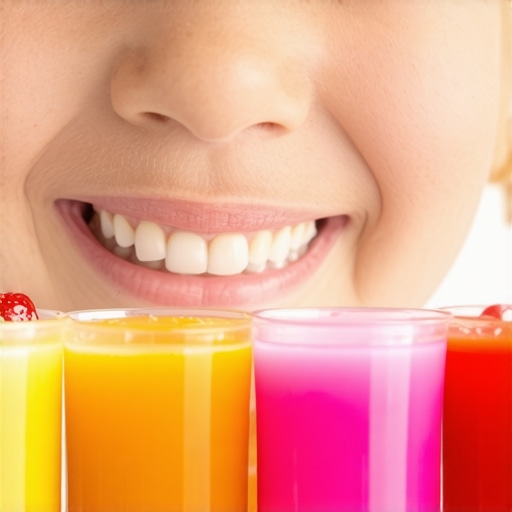
It was a morning like any other, but I suddenly noticed my child’s front teeth looked just a little duller, a little more fragile than they used to. The worst part? We had just finished breakfast, and I realized I had been overlooking one sneaky enemy: fruit juice. Despite my best efforts to promote healthy eating, that sweet nectar was quietly eroding his precious smile. That lightbulb moment hit hard. I started digging, reading, learning—because I knew I wasn’t alone. Many parents don’t realize how something as seemingly innocent as fruit juice can be a major threat to their little one’s dental health.
Today, we’re going to tackle a common but often underestimated problem: how fruit juice is damaging your child’s front teeth and what you can do about it. We’ll explore the real reasons behind tooth sensitivities, cavities, and enamel erosion—areas I’ve had to confront firsthand, sometimes through mistakes I’d rather forget. But more importantly, I’ll share practical advice that helped me turn the situation around, ensuring my child’s smile stays healthy and bright.
The Unexpected Threat Lurking in Your Kid’s Glass of Juice
Did you know that fruit juices, especially when consumed frequently, can act like tiny acid bombs inside your child’s mouth? The citric acid and natural sugars in these drinks contribute to the breakdown of enamel—the protective layer shielding your child’s teeth. Over time, this erosion weakens the teeth, making them more prone to decay and sensitive to hot, cold, or sweet foods. When I first learned this, I was shocked. I used to think that giving my child a glass of juice was a harmless way to boost his vitamin intake.
Early in my parenting journey, I made a costly mistake: I thought rinsing his mouth with water after juice would prevent damage. But I was wrong. Rinsing isn’t enough to neutralize the acids that cling to teeth. Instead, I wish I had understood the importance of proper dental hygiene routines and healthier snack choices earlier. For more tips on maintaining oral health despite busy family schedules, check out [this helpful guide](https://periodontistcare.com/the-best-snacks-for-healthy-teeth-that-kids-actually-enjoy).
If you’re like me, you might wonder if your child’s favorite drinks are doing more harm than good. Well, there’s good news. Small, mindful changes can make a significant difference. But first, let’s address the sneaky fears many parents have—like whether switching away from juice is really necessary or if it’s just scare-mongering. Stay tuned, because the solutions might be simpler than you think—and they could protect those adorable front teeth for years to come.
Implementing Effective Oral Hygiene Habits at Home
Start by teaching your child to rinse with water immediately after consuming juice. I remember pouring a small cup of water and showing my son how to swish gently—initially messy as he spit everywhere, but it cut down acid contact on his teeth significantly. Then, ensure he brushes twice daily with a fluoride toothpaste, making it a fun routine with a colorful timer or favorite song to brush for two minutes. I once set a timer on my phone and made it a game to beat his previous time, which encouraged him to brush thoroughly.
Switching to Smarter Drink Choices
Replace juice with whole fruits, which are less acidic and high in fiber, aiding oral health. When my daughter wanted a juice snack, I’d offer apple slices instead, and she loved crunching on them. For beverages, water should be the main drink; if sweet drinks are unavoidable, use a silicone straw to minimize contact with teeth. For a visual aid, consider showing your child how acids attack enamel with a simple demonstration—using a piece of eggshell and a fizzy drink to illustrate erosion.
Having a toothbrush ready in your bag or car ensures you can brush or rinse when away from home, reducing acid exposure throughout the day. Remember, rinsing with water is just a quick fix; consider using a fluoride rinse if your child is age-appropriate and supervised, as it can help strengthen enamel against future acid attacks. For more information on maintaining a cavity-free diet, explore [the best snacks for healthy teeth that kids actually enjoy](https://periodontistcare.com/the-best-snacks-for-healthy-teeth-that-kids-actually-enjoy).
Timing Dental Visits for Best Results
Regular dental check-ups are essential. Schedule your child’s first professional cleaning and exam by their first birthday, ensuring that any early erosion or enamel damage is caught and addressed. During these visits, discuss fluoride treatments or sealants that can provide an additional defensive layer. I recall a visit where the dentist applied a sealant on my son’s front teeth, which acts like a clear helmet shielding against acids. It’s a simple step with long-term benefits, especially when your child might not always brush perfectly.
Educate and Involve Your Child
Teach them the importance of protecting their smile—using age-appropriate language. I once turned daily brushing into a superhero mission, with my child as the hero fighting cavities. Empowering your child with knowledge about how acids and sugars damage teeth motivates them to adopt better habits. Additionally, monitor their diet, limiting sugary snacks and beverages between meals to prevent extended acid exposure. For guidance on snack choices, look into [the snacks for school lunches that won’t cause cavities](https://periodontistcare.com/the-best-snacks-for-school-lunches-that-wont-cause-cavities). Remember, combining good habits with regular professional care creates the strongest defense.Many patients assume that regular brushing and occasional flossing suffice to maintain optimal oral health, but the reality is far more nuanced. A common misconception is that brushing harder cleans better, yet overbrushing can actually damage gum tissue and wear down enamel, increasing sensitivity and risk of recession. In fact, gentle, methodical brushing with a soft-bristled brush is proven to be more effective and protective, according to dental experts. Another myth revolves around the necessity of frequent professional cleanings; some believe once a year suffices, but recent studies suggest that biannual visits help prevent deposits like tartar and catch early decay, saving time and money in the long run. When it comes to crowns, many think that they are permanent and flawless solutions—however, crowns can develop leaks or decay under the surface if not properly maintained, making regular check-ups vital.
Why do some crowns fail despite impeccable hygiene?
This is a sophisticated concern, often linked to material degradation or micro-leakage, which can go unnoticed until significant damage occurs. Researchers have found that material choice impacts longevity, with zirconia crowns showing superior resistance to fracture and leakage, especially in back molars, as discussed in [how-to-choose-the-right-crown-material](https://periodontistcare.com/how-to-choose-the-right-crown-material-for-a-front-tooth-smile). Many overlook that family dentistry extends beyond routine cleaning. It involves personalized assessments of bite patterns, jaw alignment, and even saliva composition, which influence oral health profoundly. For instance, untreated misalignments can lead to uneven wear and TMJ issues, counteracting the benefits of cleansing routines. Also, a prevalent oversight is neglecting the importance of the tongue and intraoral tissues, which harbor bacteria contributing to halitosis despite excellent brushing. External sources emphasize that neglecting comprehensive hygiene—including tongue cleaning—can undermine overall health, which you can explore further in [breath smells even after mouthwash](https://periodontistcare.com/the-real-reason-your-breath-smells-bad-even-after-using-mouthwash). Everyone agrees that a healthy mouth reflects overall wellness, but understanding these nuances empowers you to make informed decisions. Don’t fall into the trap of complacency—consider how advanced techniques and tailored routines can truly make a difference. Have you ever fallen into this trap? Let me know in the comments.Maintaining a healthy smile requires more than just regular brushing and flossing; it involves utilizing the right tools and adopting proven methods to ensure lasting results. As someone deeply invested in family dentistry, I can’t stress enough the importance of investing in quality equipment that complements your routine. For instance, I personally rely on an electric toothbrush with a timer and pressure sensor, like the Oral-B Genius series. These features help me brush for the recommended two minutes consistently and prevent damaging my gums from applying too much force, which can cause recession over time. Additionally, I incorporate water flossers such as the Waterpik, which I find to be highly effective in cleaning between teeth—especially around crowns and bridges where traditional flossing can be tricky. Regular use of these devices not only keeps plaque at bay but also extends the lifespan of restorations. Looking ahead, I predict advancements in smart oral health devices, integrating AI to monitor and guide your brushing habits via smartphone apps. Such innovations will make maintenance even more intuitive and personalized. To keep your oral health tools functioning optimally, make sure to replace brushes and tips every three months, and clean your electric toothbrush thoroughly weekly to prevent bacterial buildup. It’s also wise to schedule routine check-ups with your dentist to assess the condition of crowns and detect early signs of wear or micro-leakage, which studies show can lead to crown failure if overlooked. How do I maintain my dental tools over time? I keep my electric toothbrush charger and base clean and ensure I replace brush heads as recommended. For extra peace of mind, I use a disclosing tablet occasionally—like the Plaque HD—to visualize areas I might miss, helping me improve my technique. Remember, your tools are only as good as how well you care for them; regular maintenance ensures they serve you well for the long haul. For more tips on preserving your crowns, check out [the signs your old crown has a leak underneath the surface](https://periodontistcare.com/the-2-minute-trick-to-make-kids-actually-enjoy-brushing). I encourage you to try a water flosser today—it’s a game changer in maintaining healthy gums around crowns and bridges. Keep your tools in top shape, and your smile will thank you with years of bright, trouble-free health.
Lessons That Changed How I Approach Dental Health
One eye-opening realization was that consistent, gentle brushing trumps harsh scrubbing—my initial instinct was to scrub harder, thinking it cleaned better, but I learned that gentle, thorough cleaning with a soft brush is more effective and prevents enamel wear.
Another lesson was understanding the true power of fluoride—it’s not just for adults; early, supervised fluoride use can significantly strengthen young enamel and prevent future cavities, which I discovered from trusted pediatric dental resources.
Finally, the importance of timing dental visits cannot be overstated. Scheduling regular check-ups from infancy and maintaining ongoing communication with your child’s dentist has been instrumental in catching early damage and preventing costly interventions later.