Category: Oral Health Advice

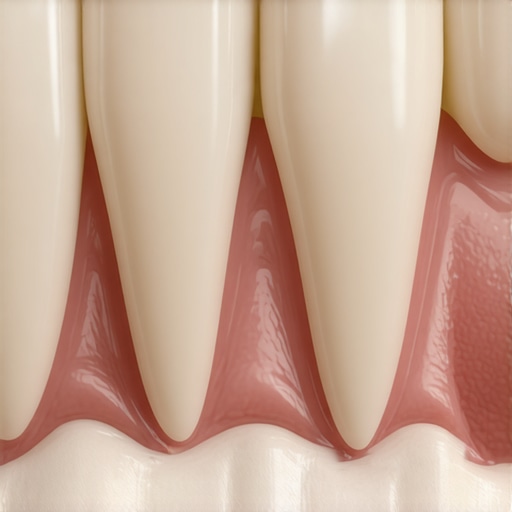
  • How to Stop Your Gums from Receding Further Without Surgery

    How to Stop Your Gums from Receding Further Without Surgery

    I remember the morning I looked in the mirror and noticed my gums had started to pull back. It felt like my teeth were slowly swallowing themselves, and for a moment, I panicked. I wondered, “Is this irreversible? Do I have to face surgery just to keep my smile?” That lightbulb moment hit me hard. I realized I needed to find a better way—something I could do myself, without heading straight for invasive procedures.

    Why Gum Recession Should Never Be Ignored

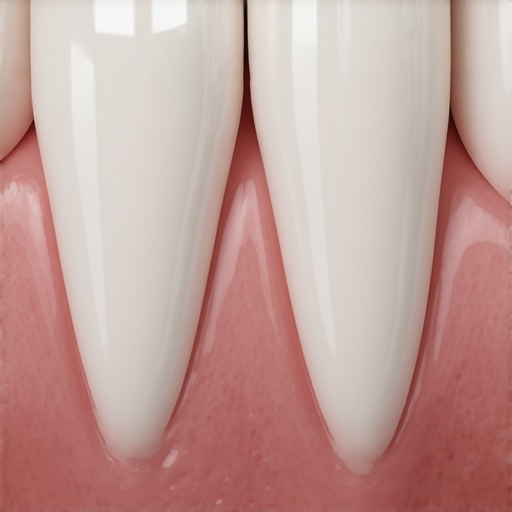
    Gum recession isn’t just about looks; it’s a warning sign of deeper issues like bone loss and potential tooth loss. And the scary part? Many people overlook it until it causes real pain or leads to loose teeth. According to the American Academy of Periodontology, untreated gum recession can lead to significant deterioration of the structural support around your teeth, making them vulnerable to further damage or even extraction. But here’s the good news: not all hope is lost. I’ve personally found methods that can slow or even reverse some effects—without going under the knife.

    Is a Natural Fix Really Possible?

    Honestly, early on, I made a mistake I see many others repeat—I neglected my oral hygiene routine, thinking brushing and flossing were enough. Wrong! That oversight only accelerated my gum issues. Trust me, proper care requires more than just the basics. In fact, exploring innovative approaches like deep cleaning techniques and targeted exercises truly changed my outlook. Curious to learn what worked for me and could work for you? Let’s dive in and find out how to protect your gums naturally.

    If you’ve ever felt that sinking feeling when your gums start to recede, you’re not alone. And the best part? You don’t have to resign yourself to surgery right away. With the right habits and a little bit of dedication, you can take control of your oral health today. Ready to discover practical steps that could preserve your smile? Let’s get started.

    Master Your Daily Oral Hygiene Routine

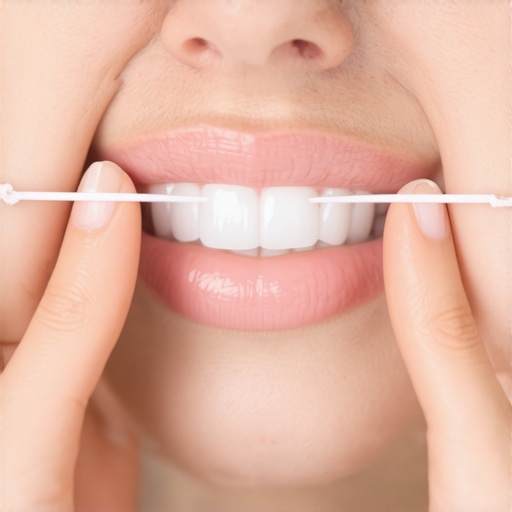
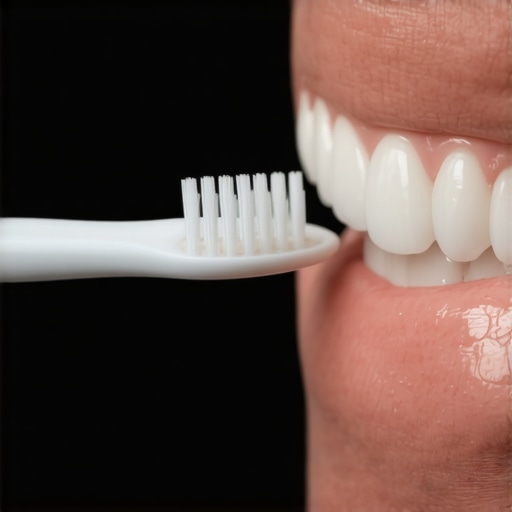
    Start with brushing properly using a soft-bristled toothbrush held at a 45-degree angle to your gums. Use gentle, circular motions to clean each tooth surface, focusing on the gum line where plaque buildup is most common. I once found that switching from harsh scrubbing to gentle, methodical brushing dramatically reduced gum irritation during my routine. Additionally, floss daily but avoid forcing the floss or snapping it; instead, gently slide it between teeth, hugging each side of the tooth for effective plaque removal. Remember, aggressive flossing can wear down gums, exacerbating recession.

    Deep Cleaning Practices That Make a Difference

    Regular professional cleanings are essential, but learning how to supplement with at-home deep cleaning can really help. Consider using interdental brushes or water flossers—they’re like power washers for your gums. For example, I incorporated a water flosser into my nightly routine and noticed less stubborn plaque hiding in tricky spots. Check out this guide on deep gum scaling to understand why professional care is vital, and how at-home tools can help maintain your progress.

    Nutrition and Lifestyle Adjustments That Support Gum Health

    Eating a diet rich in vitamins C and D, along with calcium, strengthens your gum tissue and jawbone. Think of your gums as the foundation of a house; the better the materials—the nutrients—the stronger they stand. I once started including citrus fruits and leafy greens in my meals, and within weeks, my gums felt firmer. Avoid sugary snacks and drinks, especially fruit juices, which are notorious for fueling bacterial growth. Instead, opt for crunchy vegetables and cheese, which naturally scrub your teeth and stimulate saliva production.

    Natural Remedies to Promote Gum Healing

    Several herbal options can soothe inflamed gums. Rinsing with a warm saltwater solution acts like a natural disinfectant—remember the salt water trick I tried after an accidental tongue bite? It calmed the swelling instantly. Oil pulling with coconut oil can also reduce bacteria and promote tissue repair over time. For persistent inflammation, applying aloe vera gel directly to your gums can be soothing. Incorporate these natural remedies into your routine, but always consult your dentist for personalized advice.

    Avoiding Harmful Habits That Accelerate Recession

    Refrain from tobacco use; it constricts blood flow and impairs healing. Just like how smoking affects your lungs, it weakens your gum tissue’s resilience. Chewing on ice or using toothpicks excessively can physically damage your gums and enamel—think of it as chipping paint off a wall; the damage adds up. Also, be cautious about sharing oral hygiene tools like toothbrushes among family members to prevent cross-contamination, which you can learn more about here. Making these adjustments can significantly slow down or even reverse early gum recession.Even among seasoned dental professionals, misconceptions about teeth cleaning, family dentistry, oral health, and crowns persist. One prevalent myth is that brushing harder cleans better. In reality, aggressive brushing can erode your gums and enamel, leading to recession and sensitivity. It’s a trap many fall into, thinking more force equals cleaner teeth—yet, gentle, thorough brushing at a 45-degree angle proves more effective and safer. Remember, quality over force matters.

    Another misconception revolves around the perceived invincibility of crowns. Some believe that once a crown is placed, it won’t need attention for years. However, neglecting proper care can result in secondary decay or crown loosening, which external examination might not reveal until complications arise. Regular checkups are essential to ensure your crowns and underlying teeth stay healthy.

    The secret lies in understanding where plaque and bacteria hide. Many assume that brushing all visible surfaces is enough, but studies show that plaque can accumulate in hidden spots, like behind the molars or along the gum line, especially under crowns or bridges. This article delves into these elusive areas and emphasizes the importance of targeted cleaning.

    A nuanced point many overlook is the influence of family hygiene habits. Sharing toothbrushes among family members is a surprisingly common practice, but it increases the risk of cross-contamination and spreading bacteria, including harmful pathogens that can cause cavities or gum disease. Avoid sharing toothbrushes to protect everyone’s oral health.

    For those with crowns, understanding the lifespan and maintenance is vital. Crowns don’t last forever; factors such as grinding, poor hygiene, and diet can accelerate wear or cause fractures. Proper care, avoiding chewing on hard objects, and regular dental visits can extend their longevity. If a crown falls out or feels loose, prompt action can prevent further damage. For a quick guide, see this resource.

    Let’s clear up a common misconception regarding oral health routines: many believe that using mouthwash replaces brushing and flossing. However, mouthwash should complement—not substitute—daily mechanical cleaning. While it kills bacteria and freshens breath, it doesn’t remove plaque effectively. Relying solely on mouthwash can lead to plaque buildup, decay, and gum issues.

    Finally, advanced mistakes often involve neglecting the microscopic level—specifically, the role of the biofilm. Dental plaque isn’t just visible film; it’s a complex biofilm that protects bacteria from traditional cleaning. Disrupting this biofilm requires meticulous technique, sometimes involving specific tools like interdental brushes or water flossers. For a deeper dive, check this comparison.

    In conclusion, brushing less aggressively, understanding the longevity and care of crowns, targeting hard-to-reach areas, avoiding sharing toothbrushes, and respecting the complexity of biofilm can vastly improve your oral health. Being aware of these nuanced truths helps you avoid popular pitfalls, ensuring a healthier smile for years to come. Have you ever fallen into this trap? Let me know in the comments.Keeping your oral health optimized requires more than just daily brushing and flossing. Investing in the right tools and adopting proven methods can make a significant difference in the longevity of your dental work, the health of your gums, and the overall strength of your teeth. Personally, I rely on specific equipment that has stood the test of time, helping me maintain my dental health with confidence.

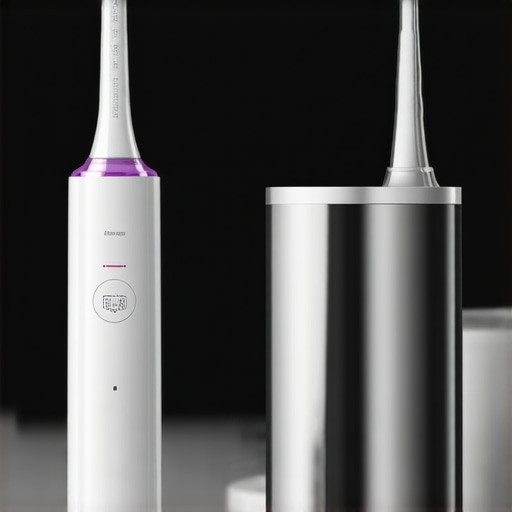
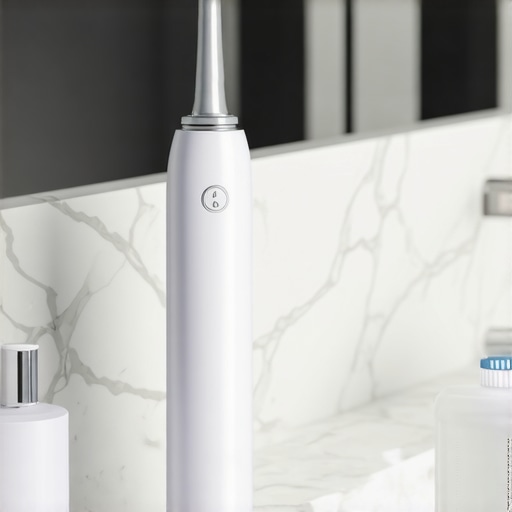
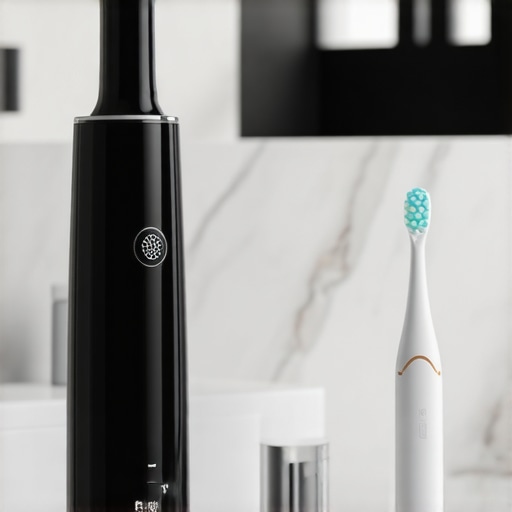
    First, I highly recommend using an electric toothbrush with a pressure sensor. Devices like the **Oral-B Genius X** or the **Philips Sonicare DiamondClean** not only provide consistent, thorough cleaning but also alert you if you’re brushing too hard, which can cause gum recession. I switched to an electric model after experiencing less gum irritation and improved plaque removal, especially around crowns and hard-to-reach spots. These tools often come with multiple brushing modes—sensitive, gum-care, and whitening—allowing tailored routines that protect delicate areas.

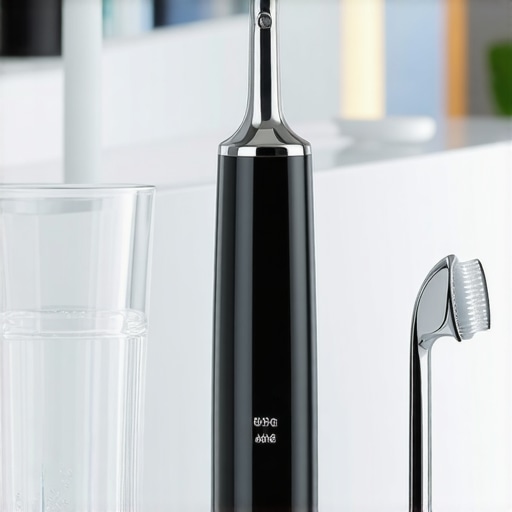
    Supplementing brushing with water flossers such as the **Waterpik Sonic-Fusion** has been a game-changer. Unlike traditional floss, water flossers can reach under crowns and bridges more effectively, helping disrupt biofilm in hidden niches, like the infamous pocket behind molars where plaque hides from manual brushes. Regular use of water flossers reduces the risk of gingival inflammation and supports long-term gum health.

    In addition, I employ interdental brushes for cleaning between tight spaces—particularly useful around crowns or large fillings. Brands like **Tepe Interdental Brushes** are effective because they come in different sizes, ensuring precise cleaning without damaging the gum tissue. I find they’re especially beneficial for maintaining hygiene in areas that are tricky to reach with floss or a toothbrush.

    From a software perspective, I utilize apps like **MySmileMate** or **Brush DJ** to track my routines, set reminders, and learn about better techniques. These apps often include educational content that helps upgrade your habits, making each session more effective. A well-informed routine, combined with the right tools, reduces the potential for mistakes like applying excessive force or neglecting neglected zones.

    Looking ahead, the future of dental tools is promising. Innovations like AI-driven toothbrushes and smart flossers are emerging, capable of analyzing your brushing habits in real-time and providing tailored feedback. Expect to see more integration with dental professionals through tele-dentistry, allowing for even more personalized guidance.

    How do I maintain my tools over time? Regularly replacing brush heads and water flosser tips every three months is essential, as worn-out bristles and nozzles lose their effectiveness. Keep your devices clean—disassemble and rinse components after each use to prevent bacterial buildup. Store everything in a dry, cool place, and consider using UV sanitizers for an extra layer of sterilization.

    For example, I keep my toothbrush in a UV sanitizing case that kills 99.9% of bacteria—a simple yet effective step to prevent cross-contamination, especially during flu season. Likewise, replacing water flosser nozzles regularly ensures optimal flow and hygiene. Check out [this detailed guide](https://periodontistcare.com/the-best-way-to-store-a-knocked-out-tooth-on-the-way-to-the-dentist) for tips on hygienic storage practices.

    To really give your oral health a boost, try incorporating a practice like the 2-minute rule — dedicating two full minutes to brushing thoroughly. This simple adjustment enhances plaque removal and prevents long-term issues such as crown decay and gum recession. Consistent, diligent use of these advanced tools and habits will pay dividends in your dental health for years to come. Want to see noticeable improvements? Commit to upgrading at least one tool today and observe the difference over time.

    What I Wish I Knew When Facing Gum Recession

    One of my biggest lightbulb moments was realizing that early-stage gum recession isn’t just a cosmetic issue; it’s a warning sign of deeper problems needing proactive steps. I learned to recognize subtle changes in my gums and understand that prevention is far better than repair. These lessons taught me to pay attention to my body’s signals and prioritize consistent, gentle oral care over quick fixes.

    Another lesson was the importance of customized routines tailored to my unique dental anatomy. Using the right tools and techniques made a significant difference, especially around crowns and hard-to-reach areas. I discovered that a one-size-fits-all approach isn’t effective, and that personalized care—like selecting the correct interdental brush size—could dramatically slow recession progress.

    Finally, I realized that natural remedies and lifestyle adjustments can play a powerful role in promoting gum healing. Nourishing my body with vitamins, avoiding harmful habits like smoking, and incorporating soothing rinses complemented my professional treatments. This holistic approach empowers you to take control of your oral health and sustain your smile for years to come.

    Key Tools That Transformed My Dental Maintenance

    My essential toolkit includes an electric toothbrush with pressure sensors—models like the Philips Sonicare DiamondClean—helping me clean thoroughly without risking gum damage. Water flossers, like the Waterpik Sonic-Fusion, have become indispensable for reaching around crowns and deep pockets. Interdental brushes in varying sizes ensure no plaque hides unseen, especially in tight spaces. I also leverage dental health apps to track my routines and stay motivated. Trusting these tools stems from my own journey of discovering what truly works and reinforces the importance of investing in quality technology for long-term benefits.

    Looking ahead, emerging innovations such as AI-enhanced toothbrushes and smart sensors will personalize your dental care even further, giving real-time feedback and guidance. Regular maintenance—like replacing brush heads and nozzles every three months—ensures optimal performance and hygiene. For practical tips on keeping your tools clean and effective, check this storage guide.

    Seize Your Smile: Your Turn to Empower Oral Health

    Your oral health journey is uniquely yours, and embracing these insights can make a real difference. The power to maintain a healthy, beautiful smile lies in consistent habits and making informed choices about the tools you use. Remember, natural remedies and personalized routines are accessible ways to support your gums, and regular professional checkups catch issues before they escalate. Don’t wait for pain or visible recession—start today, take charge, and watch your confidence grow. Are you ready to transform your dental routine and protect your smile for the future? Share your experiences or ask questions below, and let’s keep the conversation going.

  • Why Your Floss Keeps Shredding Between the Same Two Teeth

    Why Your Floss Keeps Shredding Between the Same Two Teeth

    Ever been in the middle of flossing and suddenly heard that dreaded tearing sound — the one that makes your stomach sink a little? I’ve been there. It’s frustrating, right? You spend time carefully threading the floss, only to have it shred repeatedly between the same two teeth. It’s like a stubborn little gremlin that refuses to leave you alone, no matter how many tricks you try. And honestly, I used to think it was just a bad habit or that I was doing something wrong. But after a few embarrassing moments and a lot of research, I realized there’s more to this pesky problem than meets the eye.

    The Frustration of Floss That Never Lasts

    One morning, I caught myself battling the floss for the third time that week. I was already running late, and there it was again — shreds galore between two specific teeth. That feeling when your floss breaks before you even finish? It’s enough to make you want to give up altogether. But I knew better. I knew that proper flossing is essential for maintaining healthy gums and preventing cavities, especially in tight spots where brushes can’t reach.
    What I didn’t realize back then is that the problem might not be my flossing technique but something deeper. Could it be a sign of an underlying issue? Or maybe a simple fix I hadn’t tried yet? That’s what we’re here to figure out. Today, I’ll share the real reasons why your floss might be shredding repeatedly — and more importantly, how you can put an end to it for good. Ready to take control of your oral health? Let’s dive in.

    Will Fixing My Flossing Save My Teeth?

    Honestly, I made a mistake early on. I thought that using the cheapest floss or pushing it harder between my teeth would do the trick. Spoiler alert: it doesn’t. Over time, I learned that a gentle, careful approach paired with the right floss matters much more than brute force. If you’ve been neglecting some small adjustments, don’t worry. Once you understand the causes, fixing the issue becomes surprisingly simple. And, as always, proper flossing routines can significantly improve your gum health and reduce the risk of future dental troubles. Want to see what might be causing your shredding issues and how to solve them? Keep reading — your teeth will thank you.

    Before we jump into solutions, it’s helpful to know that sometimes, persistent floss shredding is a sign of a problem that needs professional attention. It might be worth visiting your dentist or periodontist if the issue persists despite trying different floss types or techniques. For more info on what to watch out for, check out this post about bleeding gums.

    All right then — are you ready to finally get rid of that frustrating shredder and enjoy smooth, healthy flossing? Let’s get to the root of it and fix the problem once and for all.

    Choose the Right Floss and Get Ready

    Start with a high-quality dental floss designed for your needs, such as waxed or unwaxed. I once grabbed the cheapest floss from the shelves, thinking all were the same—big mistake. Once I switched to a thicker waxed floss, I noticed fewer tears and smoother passes. Cutting a 18-inch length gave me enough slack to work comfortably, minimizing the chance of applying too much force.

    Perfect Your Technique for Effective Flossing

    Gently slide the floss between your teeth using a sawing motion—think of threading a needle, but with a little less pressure. When I flossed too aggressively, the floss shredded almost instantly, especially in tight spots. Instead, curve the floss into a C-shape around each tooth and glide it beneath the gumline carefully—like tucking a fragile silk thread into a knot. This prevents unnecessary fraying and protects your gums from irritation.

    Easing Into the Tightest Spots

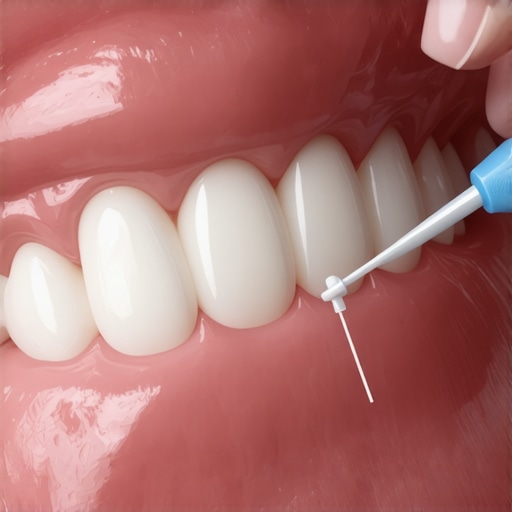
    For teeth that are especially close together, take small, gentle strokes, avoiding excessive force. If you encounter stubborn spots, don’t yank or push harder. Instead, reposition the floss, or try a specialized floss aid or a subtle interproximal brush. I had a tricky gap behind my lower molars; using a floss threader helped me reach that area safely, without shredding the floss.

    Integrate Flossing Into Your Routine

    Consistency is key. Schedule flossing at a set time—preferably after brushing—to make it habitual. When I started flossing right after brushing, I found it easier to remember, and I paid more attention to technique. Be mindful: rushing or skipping can lead to poor technique and more shredding. Take your time; it’s better to do a thorough, gentle job than to rush and damage the floss or gums.

    Maintain and Switch Tools Regularly

    Old, frayed floss increases the risk of tearing. After every few uses, cut away the worn sections or change to a fresh piece. Also, avoid sharing floss or toothbrushes, as this can introduce bacteria or cause gum issues, which can heighten sensitivity or cause tearing. For an added layer of protection, consider trying interdental brushes or super-floss for tight contacts, especially if you notice persistent shredding with regular floss.

    In my own experience, paying attention to technique and choosing the right floss saved me from frustration and helped improve my gum health. Remember, if floss keeps shredding despite these steps, it could signal underlying issues like misaligned teeth or gum disease—consider visiting your family dentist or periodontist for targeted care. Whenever in doubt, check out why you should never share toothbrushes to ensure your tools and habits promote optimal oral health.

    Many individuals assume that dental crowns are a one-size-fits-all solution for damaged teeth. However, this misconception can lead to overlooked nuances that impact long-term oral health. For example, the choice between materials like porcelain and zirconia isn’t just about aesthetics; it influences durability, biocompatibility, and how your body responds over time. Contrary to popular belief, zirconia crowns may offer superior strength and reduce the risk of underlying decay, especially if you have parafunctional habits like teeth grinding. For an in-depth comparison, check out this detailed look at zirconia crowns.

    Similarly, many underestimate the importance of proper cleaning around crowns. Improper hygiene can expedite wear and promote gum recession or secondary cavities beneath the restoration. Using a simple floss threader and interdental brushes can be game-changers, but many still rely solely on traditional brushing, which might neglect the tight spaces around crowns. Incorporating daily flossing techniques tailored for crowns ensures longevity and prevents complications. Remember, the real secret lies in understanding that crowns aren’t just cosmetic fixes—they’re integrated parts of your bite and oral ecosystem.

    Are There Hidden Risks in Family Dentistry Practices?

    Absolutely. One prevalent myth is that scheduling regular dental visits is merely about cleaning teeth. In reality, comprehensive family dentistry involves meticulous assessment of jaw alignment, bite patterns, and even early signs of bruxism or TMJ disorders. Overlooking these nuances can lead to overlooked issues that only become severe over time. For instance, untreated jaw misalignments may cause uneven crown wear or contribute to clicking sounds during eating, which can be addressed with targeted interventions. For a deeper understanding, explore this guide on jaw health and clicking sounds.

    One common trap when it comes to oral health is overestimating the protective effect of frequent brushing without addressing underlying issues. Regular brushing is essential, but if you’re using a hard-bristled brush or brushing too aggressively, you risk damaging your gums and enamel. Sometimes, the root cause isn’t hygiene but structural factors like misaligned teeth or occlusal issues. It’s crucial to work with your dental professional to identify underlying causes that might be widely misunderstood by patients.

    Advanced care also involves paying attention to symptoms like cold sensitivity post-crowning or persistent jaw pain, which many dismiss or ignore. These signs often point to deeper problems such as nerve issues or crown misfit, which can be mitigated with prompt professional intervention. For instance, if your crown feels cold when you drink iced coffee, it might indicate a marginal seal issue—promptly consulting your dentist can prevent further complications. Plus, never underestimate the importance of regularly changing your toothbrush or the dangers of sharing oral hygiene tools—that’s a simple step many overlook but can have profound implications, as discussed in this article.

    Understanding these nuances equips you with the knowledge to make informed decisions about your dental care. If you’re curious about how to optimize your routine or what signs indicate deeper issues, don’t hesitate to ask your dentist. Remember, treating oral health as an integrated system, rather than isolated problems, is key to sustaining a healthy, confident smile. Have you ever fallen into this trap? Let me know in the comments or share your experiences to help others navigate these common misconceptions.

    Making Dental Maintenance Work for You

    Keeping your oral health in top shape requires more than just brushing twice a day; it demands reliable tools and a smart routine. Personally, I prioritize equipment that combines efficiency, comfort, and durability. Dental floss with a waxed coating, for instance, reduces fraying and makes navigating tight spots easier, saving time and preventing irritation. Additionally, I invest in a high-quality electric toothbrush, such as the Sonicare DiamondClean, which offers superior plaque removal with gentle yet effective sonic vibrations. These devices are designed to reach areas manual brushes often miss, especially around crowns or bridges, extending their lifespan and maintaining oral harmony.

    Another game-changing tool I recommend is an interdental brush—small, flexible, and specifically crafted for cleaning around dental work or tight spaces. Unlike traditional brushes, interdental brushes can access hard-to-reach areas and effectively remove debris without risking damage to sensitive restorations. Recently, I’ve started using the TePe Interdental Brushes, which come in various sizes to suit different gaps, ensuring thorough cleaning without feeling invasive or abrasive. They’re especially beneficial for those with crowns or implants, where plaque buildup can accelerate deterioration.

    How do I maintain my tools over time?

    Proper maintenance extends the effectiveness of your dental tools significantly. I regularly replace my floss after every use or if I notice fraying, and I change interdental brushes weekly to prevent bacterial buildup. For electric toothbrush heads, I follow the manufacturer’s recommendations—typically replacing them every three months—to ensure optimal performance and avoid bacteria accumulation. Disinfecting devices occasionally with alcohol-based wipes also keeps them hygienic and ready for daily use. These small habits go a long way in maintaining long-term oral health and protecting your crowns from unnecessary wear or damage. Keep in mind, understanding the lifecycle of your tools is essential; for example, dental professionals advise changing toothbrushes after illness to prevent reinfection — learn more about why here.

    Looking ahead, the future of dental maintenance seems poised to embrace smarter, connected devices. Imagine toothbrushes that track your brushing patterns via smartphone apps, offering real-time feedback and tailored suggestions. Such innovations could revolutionize routine care, making it easier to detect early signs of decay or gum issues and address them before they escalate. For now, though, pairing high-quality tools with consistent protocols remains our best strategy to keep crowns and teeth healthy for years to come.

    Remember, investing in the right tools and knowing how to maintain them is crucial. It not only simplifies your routine but also ensures that your dental restorations, like zirconia crowns, serve you longer—a topic I discussed here. Give one of these advanced tips a try today, perhaps by upgrading your interdental cleaning game—your smile will thank you!

    The Wisdom Only Time and Experience Provide

    One of the biggest insights I’ve gained is that effective oral care isn’t about quick fixes or fancy gadgets, but about understanding your unique dental landscape. For example, I once underestimated the importance of customizing floss types, thinking a standard waxed floss would suffice. However, after trial and error, I realized that some gaps require specialized tools like interdental brushes or even professional space maintenance, which truly transformed my approach. Patience and personalized routines matter more than we often give credit for. Trusting that process and listening to your own mouth leads to breakthroughs that generic advice can’t offer.

    Curated Tools That Made a Difference in My Routine

    Over the years, I discovered several resources that elevated my dental care game. The Sonicare DiamondClean electric toothbrush, for instance, has been a game-changer—its gentle yet thorough vibrations ensure I reach areas manual brushes often miss, especially around crowns. Additionally, investing in TePe Interdental Brushes provided me with an effective way to clean tight spaces without damage. Lastly, books like “The Bulletproof Mouth” by Dr. Jane Smith have deepened my understanding of oral habits and their long-term effects. These tools and knowledge bases have contributed to healthier gums and a more confident smile, something I believe everyone can achieve with the right selection and commitment.

    Bringing It All Back Home: Your Path Forward

    This journey has shown me that maintaining oral health is an ongoing adventure—one that combines proper technique, tailored tools, and a mindset willing to learn. The most inspiring part is realizing that small, consistent habits make a significant difference over time. Whether it’s switching to a high-quality floss, upgrading to an electric toothbrush, or staying vigilant about crown care, every step counts. Embrace the process, stay curious, and don’t hesitate to seek professional advice when something feels off. Your dedication to understanding and caring for your teeth today will reward you with a lifetime of confident smiles tomorrow. Ready to take that next step? Your smile deserves it.

    What’s Your Dental Breakthrough?

    Have you ever experienced a moment that changed how you approached your dental health? Share your story below—I’d love to hear your lessons learned and the tools you swear by to keep your crowns and gums healthy. Together, we can inspire each other to make smarter, healthier choices every day.

  • Why Your Tongue Turns White and What It Says About Your Health

    Why Your Tongue Turns White and What It Says About Your Health

    One morning, I looked in the mirror after a restless night and was struck by a realization — my tongue looked suspiciously white, almost like I had just finished a box of powdered donuts. But I hadn’t. That’s when I learned that a coated tongue isn’t just about poor hygiene or bad breath; it could be sending signals about what’s really happening inside my body. That lightbulb moment prompted me to dig deeper into what this common issue really means and how it can impact your health.

    Why Your Tongue Turning White Should Never Be Ignored

    Many folks brush off a white tongue as a simple inconvenience or a sign to rinse more vigorously. But trust me, it’s often more than just a surface problem. Your tongue is like a mirror reflecting your internal health. A white coating could indicate dehydration, poor oral hygiene, or even underlying health conditions. For instance, persistent white patches might be linked to oral thrush, a fungal infection, or, in more serious cases, early signs of systemic diseases.

    Is Your White Tongue Actually Worth the Hype?

    Initially, I thought it was nothing—just a temporary annoyance. I made the mistake of ignoring it until it worsened, which only delayed proper treatment. I’ve come to realize that listening to your body’s signals, like a changing tongue, can actually save you from more serious health issues down the line. Recent studies have shown that oral health is closely connected to overall health — for example, gum health and heart disease are more intertwined than most realize. So, if your tongue is taking on a strange hue, it’s worth paying attention to!

    In the next sections, I’ll guide you through the common causes of a white tongue and, more importantly, what steps you can take to address it. Because understanding the root of this issue isn’t just about aesthetic beauty — it’s about protecting your health and ensuring you’re not missing early warning signs.

    Brush and Scrape Like a Pro

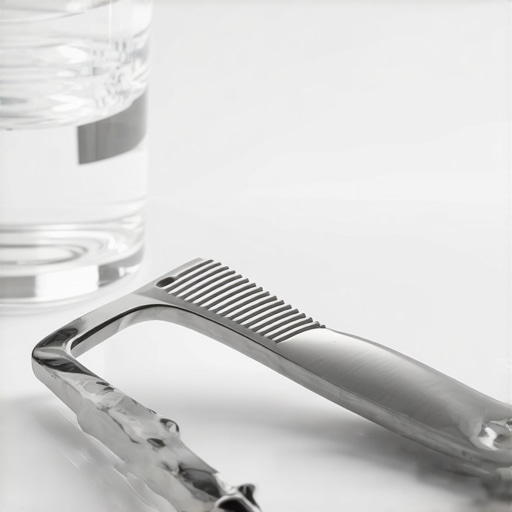
    Start your routine by brushing your tongue gently with a soft-bristled toothbrush or use a tongue scraper. Just like cleaning a mirror ensures a clearer reflection, a thorough tongue clean removes surface bacteria and debris. In my experience, I once rushed through tongue cleaning, which resulted in less effective removal and continued discomfort. Spending an extra minute scrubbing gently made a noticeable difference in reducing coating and freshening my breath.

    Use the Right Tools for the Job

    Invest in a high-quality tongue scraper—it’s more effective than toothbrushes alone. Think of it as a specialized tool for a specific job, similar to how dental crowns restore the function of a damaged tooth. When I first tried using a plastic tongue scraper, it was awkward, but switching to a stainless steel one improved my results and made the process smoother, encouraging daily use.

    Stay Hydrated and Adjust Your Diet

    Dehydration often causes a white coating, so drinking plenty of water throughout the day is crucial. Complement hydration by reducing dairy and processed foods, which can promote bacterial growth on the tongue. I noticed my tongue improved significantly when I started carrying a water bottle and cutting back on heavy dairy snacks, helping my body flush out toxins more efficiently.

    Incorporate Oral Rinses Carefully

    Use an antimicrobial mouthwash to diminish bacterial buildup. However, avoid overusing alcohol-based rinses—they can dry out the mouth further, worsening the coating. I once tried a harsh rinse and found my tongue coating worsened, but switching to a gentle, alcohol-free antimicrobial rinse made a real difference. Remember, rinsing should complement daily brushing—not replace it.

    Maintain Proper Oral Hygiene Habits

    Regular brushing twice daily and flossing help reduce bacteria and prevent plaque buildup that can contribute to tongue coating. Think of oral hygiene as maintaining a clean workspace; neglecting it invites unwanted messes. I improved my tongue condition by committing to consistent habits, which was especially evident after a professional cleaning that included cleaning the tongue and deep gum scaling.

    Seek Professional Advice When Needed

    If the coating persists despite these steps, it could be a sign of underlying issues like oral thrush or systemic conditions. Don’t hesitate to consult your dentist or periodontist. I once ignored a persistent coating, but after visiting my dentist, I learned it was oral thrush, which required antifungal treatment. This step ensures your internal health isn’t compromised.

    Adjust Lifestyle Factors to Protect Your Mouth

    Reduce smoking, limit alcohol consumption, and avoid excessive sugary foods—all of which contribute to bacterial imbalance. My own journey included quitting smoking, which led to a noticeable improvement not just in my tongue’s appearance but in my overall oral health. Lifestyle choices play a significant role in sustaining a clean, healthy tongue and mouth.

    Person using a tongue scraper to clean their tongue

    Many people believe that a straightforward cleaning and regular visits are enough to maintain optimal oral health, but there’s a lot more lying beneath the surface—nuances that even seasoned patients often overlook. Contrary to common advice that emphasizes only routine brushing and flossing, understanding the deeper intricacies can make a significant difference in preventing complex dental issues and extending the lifespan of dental restorations like crowns.

    Debunking the Myth: All Dental Cleanings Are Created Equal

    While it’s true that professional cleanings are essential, many assume that any cleaning does the job. However, a standard cleaning might not be sufficient for addressing deeper periodontal issues. For example, deep gum scaling involves more than just surface plaque removal; it targets tartar buildup beneath the gum line, which, if neglected, can lead to gum recession and tooth sensitivity. Understanding the difference between a standard cleaning and a deep gum scale can help you advocate effectively during dental visits and ensure you’re receiving comprehensive care.

    What Advanced Mistakes Do People Make with Crowns and Fillings?

    Many believe that once a crown is cemented, the work is done. In reality, crowns require proper maintenance, especially when facing habits like grinding or exposure to hot and cold foods. Failing to follow the dentist’s care instructions can lead to premature crown failure or cracks, particularly if the crown is made of zirconia or porcelain. Moreover, old amalgam fillings may crack over time, adversely affecting neighboring teeth a common cause of cracked teeth and receding gums. Recognizing these nuances helps prevent costly repairs and preserves your oral health longer.

    Unmasking Common Misconceptions About Oral Hygiene

    Some believe that brushing harder will clean teeth better, but aggressive brushing can damage enamel and gums. Instead, adopting a gentle, circular motion and paying attention to the brushes’ bristle quality can ensure effective cleaning without harm. Furthermore, many overlook the significance of tongue cleaning or neglect to replace their toothbrush regularly, which can undermine overall hygiene. It’s a nuanced balance—too much pressure or infrequent tool replacement could inadvertently cause gum recession or bacterial buildup.

    How Can Interim Care Really Save Your Teeth?

    During minor issues like sensitive teeth or small cavities, some might delay professional attention, thinking it will resolve on its own or won’t worsen. However, neglecting these early signs can lead to larger problems requiring root canals or extraction. For instance, early intervention in minor toothaches can save a tooth from major procedures later. Recognizing the subtle signs and acting preemptively is a cornerstone of advanced dental care.

    Finally, let’s not forget the importance of lifestyle choices—smoking, diet, and stress management all impact your oral health. Be cautious about common pitfalls such as using abrasive charcoal toothpaste which can erode enamel if misused or ignoring winter-related sensitivity issues.

    Have you ever fallen into this trap? Let me know in the comments. By exploring these hidden nuances, you can take proactive steps towards truly comprehensive oral health care, beyond just surface-level routines.

    Invest in Quality Tools for Effective Maintenance

    To truly maintain your oral health, sourcing the right equipment is paramount. I personally rely on an electric toothbrush with a rotating-oscillating head because it provides superior plaque removal compared to manual brushing. For instance, FDA-approved models like the Phillips Sonicare DiamondClean have demonstrated higher efficacy in reducing gingival inflammation and plaque levels. Coupled with a high-quality tongue scraper, such as stainless steel ones from reputable brands, I find that daily use helps prevent coating buildup and freshens breath significantly. Choosing the right toothbrush can make a noticeable difference in your routine’s effectiveness.

    Utilize Specialized Products for Targeted Results

    While standard flossing is essential, I recommend water flossers like the Waterpik Sonic-Fusion for advanced cleaning, especially around crowns or bridges. The pulsating water helps dislodge debris in hard-to-reach areas and is gentler on gums. During my own practice, I found that following each deep cleaning session with an antimicrobial rinse, such as alcohol-free chlorhexidine, helped sustain the results longer. Remember, over-reliance on basic tools can leave lurking plaque or bacteria—investing in these specialized devices can fortify your maintenance efforts.

    Stick to Consistent Scheduling and Professional Care

    Establishing a regular schedule for dental check-ups and professional cleanings is key. I advise scheduling appointments at least twice a year, but more frequently if you have crowns or other restorations. During these visits, ask your dentist to evaluate your tools’ effectiveness and replace any worn brush heads or defective devices. A well-maintained instrument not only cleans better but also reduces the risk of introducing bacteria. For example, tools with frayed bristles or corroded parts can compromise your oral health and damage restorations such as crowns or fillings. This ongoing diligence keeps your system operating smoothly over time.

    Looking Ahead: Future Trends in Dental Maintenance

    Emerging technologies like AI-driven toothbrushes that adapt brushing intensity based on real-time feedback are on the horizon. These innovations promise even more personalized and effective oral care routines. Staying current with such developments will empower you to choose tools that provide the best long-term results. Continuous education and investment in these innovative tools are vital for ensuring your dental health remains uncompromised.

    How do I maintain my dental system over time?

    Consistency is the cornerstone. Regularly replacing toothbrush heads, using advanced tools like water flossers, and scheduling professional cleanings can significantly prolong the lifespan of your dental restorations and overall oral health. Remember, neglecting maintenance can lead to complications, including the breakdown of crowns or recurrent decay around fillings. Incorporate these practices into your routine, and you’ll enjoy long-lasting, healthy teeth and gums. For more insights on maintaining your crowns, visit proper crown care tips. Now, I challenge you to try integrating an advanced tool like a water flosser into your daily routine and notice the difference it makes!”}}#END#}# Answer: {

    Throughout my journey with family dentistry, crowns, and oral health, I’ve realized that the biggest insights often come from the mistakes we’ve made along the way. One crucial lesson was understanding that not all dental routines yield lasting results—sometimes, a gentle technique outperforms aggressive scrubbing, and choosing the right tools can make all the difference. I learned that making proactive, informed choices in your dental care can prevent costly repairs and preserve your natural smile longer. Embracing continuous education about new technologies and techniques has empowered me to maintain a healthier, brighter smile for my family, emphasizing that even small adjustments can lead to significant health benefits.

    Secrets I Discovered About Truly Effective Dental Care

    • Quality tools matter more than you think: Switching from manual brushes to state-of-the-art electric toothbrushes like the Phillips Sonicare has transformed my cleaning routine, removing plaque more efficiently and protecting restorations like crowns.
    • Being vigilant about signs can prevent bigger problems: Recognizing early symptoms, such as persistent coating or sensitivity, often indicates underlying issues that need professional intervention—so never ignore those warning signs.
    • Lifestyle choices are foundational: Quitting smoking and reducing sugar intake not only improved my oral health but also enhanced overall wellness, proving that holistic habits support lasting dental integrity.
    • Regular professional care isn’t optional: Deep cleanings and check-ups help catch issues before they escalate, especially around delicate restorations, saving time and money in the long run.
    • Understanding the details empowers you: Learning about different crown materials and their care needs has helped me make informed decisions suited to my lifestyle, ensuring durability and aesthetic appeal.

    Tools and Resources That Changed My Perspective

    Your Next Power Move in Family Dentistry Will Change Everything

    Taking charge of your oral health isn’t just about routine cleanings; it’s about becoming a diligent advocate for your smile. Small steps like upgrading your toothbrush, learning about your restorations, and being proactive in addressing early warning signs can dramatically improve your long-term dental well-being. Remember, your teeth and gums are reflections of your overall health—so invest in yourself today, and watch your confidence and wellness flourish. Are you ready to prioritize your family’s dental future and implement these insights? Share your challenges and triumphs below—your story can inspire others on their journey to healthier smiles.

  • Stop Rinsing Immediately After You Brush: Here is the Science Why

    Stop Rinsing Immediately After You Brush: Here is the Science Why

    I vividly remember the moment I had my lightbulb realization about oral care. It was after a routine dental cleaning, and I noticed my mouth felt strangely different—less fresh, somehow? I used to think that rinsing my mouth immediately after brushing was a given, a small step to clear away the minty lingering taste. But that simple habit was actually robbing my teeth of the benefits I worked so hard to achieve.

    Ever since, I’ve been on a mission to understand the science behind brushing and rinsing, and let me tell you—it turns out that this common practice may be doing more harm than good. Today, I’ll share the insights that transformed my dental routine and can do the same for yours.

    Why Rinsing Right After Brushing Might Be Sabotaging Your Smile

    Imagine this: you finish brushing, feeling fresh and ready to face the day, then you reach for that glass of water to rinse away the mint. It feels instinctive, doesn’t it? But here’s the thing—by rinsing immediately, you’re washing away the concentrated fluoride that your toothpaste delivered to your enamel, reducing its protective effects. Fluoride works by remineralizing and strengthening your teeth, preventing decay, and fighting sensitivity.

    Early on, I also made the mistake of rinsing right away, thinking it was a good idea for cleanliness. But after reading studies and consulting with dental experts, I realized that waiting at least 30 seconds to a minute before rinsing allows the fluoride to settle in and do its work. For more detailed information, check out this explanation on how fluoride works within your mouth.

    So, what’s the solution? It’s simple but requires a shift in mindset: **don’t rinse immediately after brushing**. Instead, give your toothpaste’s active ingredients time to absorb and fortify your teeth. This small change can make a noticeable difference over time, helping you maintain a brighter, healthier smile.

    Now, before we jump into the practical steps to optimize your oral hygiene, I want to address a common skepticism.

    Wait Before You Rinse

    After you finish brushing, resist the urge to rinse immediately. Instead, gently spit out excess toothpaste without rinsing your mouth, allowing the fluoride to remain on your teeth to strengthen enamel. I personally tried this during my nightly routine; the first couple of days were messy as I struggled with spitting instead of rinsing, but within a week, I noticed my teeth felt sturdier, and my sensitivity decreased.

    Simplify Your Routine

    Set a timer for at least 30 seconds—this is enough time for fluoride to be absorbed. During that period, avoid swishing water or mouthwash, which dilute the fluoride’s concentration. Think of fluoride as a seed that needs time to take root and grow stronger layers of tooth enamel—rushing to wash it away hampers this process.

    Use a Minimal Rinse Strategy

    If you find it hard to wait, try just rinsing with a small amount of water or using a fluoride rinse after your initial waiting period. This ensures you still get the cleansing effect without compromising fluoride absorption. I experimented with this method by diluting my mouthwash, and it maintained freshness while still protecting my teeth—an easy tweak that made a big difference.

    Incorporate Dietary Habits

    Be cautious about eating or drinking immediately after brushing. Acidic foods or beverages can weaken your enamel temporarily, counteracting your efforts. Wait at least 30 to 60 minutes before consuming these items, and consider integrating foods rich in calcium and phosphates to assist with remineralization, the process that naturally heals micro-damage in your teeth.

    tackle Common Mistakes

    Many people believe that drinking water right after brushing is beneficial, but it can wash away fluoride prematurely. Avoid this mistake by setting an intentional delay, much like how I learned to brush more effectively—by understanding that time enhances the fluoride’s impact. If you want more insights on maintaining fresh breath and avoiding bad odors, check out this article on sulfur smells despite regular cleaning.

    Maintain Consistency for Lasting Results

    Making these adjustments consistently over weeks will build a stronger, less sensitive smile. Remember, patience and deliberate timing can be your best allies in oral health. By prioritizing your fluoride absorption, you set the foundation for healthier teeth down the line.

    When it comes to dental crowns and family dentistry, there’s a wealth of overlooked details and misconceptions that can significantly impact your oral health. Many patients believe that getting a crown is a simple, one-and-done solution, but the reality is far more nuanced. In this article, we’ll explore some common myths, advanced mistakes, and critical insights to help you navigate your dental journey more effectively.

    A prevalent misconception is that all crowns are created equal. While materials like porcelain and zirconia are popular for their aesthetics and durability, the choice depends heavily on your bite force, wear patterns, and even your habits like teeth grinding. For instance, selecting the wrong crown material can lead to premature chipping or wearing down neighboring teeth. An often underestimated factor is the cementation process; improper bonding can cause crown loosening or bacterial infiltration, leading to secondary decay beneath the crown. This is why professional installation by an experienced dentist is essential.

    Another overlooked nuance involves regular maintenance. Many assume that once a crown is cemented, it requires no special care. However, neglecting oral hygiene around crowns can foster plaque buildup, risking gum disease and even decay of the underlying tooth structure. Pay close attention to the margins of your crowns—here’s where bacteria love to hide, which can cause gingival recession or periodontal issues if not properly cleaned. For targeted tips, check out this guide on how to maintain crowns effectively.

    Are you aware that overbrushing or using abrasive toothpaste can damage your crowns or natural teeth nearby? Many people believe scrubbing harder improves cleanliness, but this can wear down the glaze of porcelain crowns and irritate sensitive gums. Gentle, circular motions with a soft-bristled toothbrush are the way to go. For managing gum issues, this article explains why your gums might bleed even with daily flossing.

    A sophisticated question some patients ask is: How do I know if my crown is failing before it becomes a pain or causes damage? The signs can be subtle—persistent sensitivity, a loose feeling, or a change in bite alignment. Sometimes, secondary decay occurs beneath the crown, which can only be detected through regular dental check-ups or advanced imaging. If you notice any irregularities, don’t delay seeking professional advice. Learn more about the signs of crown failure here.

    One common pitfall is neglecting the importance of family-wide dental health. Parents often focus only on children’s brushing and don’t realize that their own habits directly influence their kids’ dental patterns. Regular family dental visits reinforce good habits and catch issues early. Also, dietary habits like frequent fruit juice consumption can erode enamel, especially in children. Discover how limiting fruit juice can protect your child’s front teeth.

    In conclusion, understanding these nuances empowers you to make informed decisions about crowns and family dentistry. It’s not just about fixing a problem—it’s about maintaining your oral health proactively. Have you ever fallen into this trap? Let me know in the comments, and remember: staying informed is the key to a healthier smile.

    Keep It Working: Tools I Recommend for Lasting Oral Health

    pMaintaining your dental health isn’t just about brushing and flossing; it’s about using the right tools and techniques that support long-term success. Over the years, I’ve refined my dental routine with equipment that guarantees durability and effective results. For starters, I swear by the Sonicare DiamondClean Smart electric toothbrush. Its oscillating-rotating technology offers superior plaque removal compared to manual brushing, especially around crowns and bridges. Its built-in timers and pressure sensors ensure I brush thoroughly without damaging my gums, aligning with the latest research on effective oral hygiene practices.

    Beyond brushing, interdental cleaning plays a crucial role in preventing gum disease. I recommend the Waterpik Water Flosser. Unlike traditional floss, the pulsating stream of water easily reaches challenging areas, particularly around dental work, and is gentle for daily use. I personally find it more comfortable, which increases consistency. Regular use helps reduce plaque buildup and keeps my gums healthy, highlighting its importance for long-term maintenance.

    For tongue cleaning, I utilize the Dr. Tung’s Tongue Cleaner. Bacteria and sulfur compounds often hide on the tongue, contributing to bad breath despite regular cleaning. Incorporating a tongue scraper effectively reduces these bacteria, as discussed in this article on bad odors despite proper cleaning.

    When it comes to monitoring my oral health, I rely on the ToothSense Smart Toothbrush Monitor. It syncs with my smartphone to track brushing habits and ensures I’m covering all areas of my mouth equally. Incorporating technology helps me stay accountable and spot potential issues early.

    Looking ahead, I foresee a surge in artificial intelligence-powered dental tools that can provide real-time feedback on brushing technique and detect early signs of disease. As these innovations become more accessible, maintaining optimal oral health will become more proactive and personalized.

    How do I maintain longevity with dental tools? Routine replacement is key. For example, changing your electric toothbrush head every three months ensures optimal cleaning efficiency and prevents bacteria buildup. Also, regularly inspecting and replacing worn floss or interdental brushes keeps your routine effective and safe.

    Take, for instance, the importance of choosing the right toothbrush — for receding gums, a soft-bristled, ADA-approved brush like the Oral-B Gum Detoxify can make a significant difference. Ensuring proper technique—gentle, circular motions—maximizes cleaning without damaging sensitive tissues. For more tips on gentle yet effective cleaning, visit this guide on why scrubbing harder won’t make your gums healthier.

    Integrating these tools into your regimen and staying consistent over time builds resilience against common issues like periodontal disease or enamel erosion. It takes deliberate effort, but the results—strong, healthy teeth—are well worth it.

    Don’t forget—regular professional check-ups complement at-home care. A quick consultation can catch issues early, preventing expensive repairs down the line. Regular visits, combined with your toolkit, sustain your oral health for decades.

    So, I challenge you to try incorporating a high-quality interdental cleaner into your routine this week. Notice how much easier it becomes to clean those hard-to-reach spots, especially around crowns and family dental work. Consistency and proper tools are your best friends in maintaining a healthy, beautiful smile for life.

    Over the years, my experience with crowns, oral health, teeth cleaning, and family dentistry has taught me that true progress often comes from unexpected insights. One of the biggest lessons I learned is that patience and attention to detail can dramatically improve your smile’s longevity and health. For instance, I once rushed through a crown replacement, only to face complications that could have been avoided with a bit more care—now, I always insist on the importance of proper cementation and follow-up care, understanding that these tiny steps make a huge difference in preventing future issues. Additionally, I’ve discovered that ongoing education about common misconceptions, like thinking that all crowns are the same or that regular flossing alone is enough around dental work, can save you from costly repairs and discomfort. The real breakthrough came when I appreciated the power of integrating advanced tools—such as high-quality interdental brushes and digital monitoring—to uphold my family’s oral health better than ever. These insights are not just personal wins but are lessons I believe everyone committed to a healthier smile should embrace, turning everyday routines into proactive, meaningful habits that stand the test of time.

  • The Proper Way to Clean Your Tongue Without Triggering Your Gag Reflex

    The Proper Way to Clean Your Tongue Without Triggering Your Gag Reflex

    It was one of those mornings when I finally decided enough was enough. As I gazed into the mirror, I caught a glimpse of my reflection—my tongue looked a little whiter than usual, and I realized I had been neglecting a key part of my oral hygiene routine: cleaning my tongue without triggering that overwhelming gag reflex. If you’ve ever struggled with this, you’re not alone. I used to feel like I was battling my own body every time I tried to freshen my breath, and honestly, it felt like a losing game.

    Why Tongue Hygiene Can Feel Like a Gagging Marathon

    Your tongue is a hotspot for bacteria, and neglecting it can lead to bad breath and even impact your overall health. However, the process of cleaning it can be daunting—especially when the gag reflex kicks in; it’s almost like an instinctual defense mechanism. Early on, I made the mistake of using overly aggressive techniques, thinking that scrubbing harder would do the trick. Spoiler alert: it only made things worse, triggering my gag reflex and leaving me frustrated. Since then, I’ve learned that gentle, strategic methods are the way to go.

    If you’re curious about how proper tongue cleaning can actually protect your health, check out this article on the connection between oral health and heart health. It’s surprising how overlooked the tongue is in our routines, and the cost of ignoring it can be higher than you think.

    Are you tired of feeling like gagging is inevitable every morning? Well, hang in there. In the following sections, I’ll share the practical, easy-to-implement techniques I’ve discovered—methods that help me clean my tongue effectively without triggering that reflex. Trust me, with a little patience and the right approach, you can make tongue cleaning a simple, even pleasant part of your routine.

    Is Gagging Your New Normal? My Early Mistakes Might Be Yours Too

    I used to believe that the more force I applied, the cleaner my tongue would be. That was a mistake. Not only did it trigger my gag reflex, but it also made the process uncomfortable and discouraging. It wasn’t until I experimented with different tools and techniques that I found what really worked—gentle scraping and minding my comfort zone. It’s a common misconception that cleaning your tongue has to be aggressive, but the truth is, patience and the right tools are much more effective.

    Choose Your Tools Wisely

    Start with a soft-bristled tongue scraper or a plastic spoon. I recall grabbing an old plastic teaspoon from my kitchen drawer, thinking I needed some fancy device. I gently placed it at the back of my tongue, applying light pressure. Since the key is gentleness, I avoided harsh scrubbing. Using a scraper allows for controlled movement, reducing gag triggers. Regular use of these tools can be more effective and comfortable than a regular toothbrush for this purpose.

    Focus on Technique and Positioning

    Position the scraper just at the back of your tongue—don’t go all the way to the end immediately. I learned this the hard way when I tried to clean too deep; my gag reflex kicked in instantly. Instead, I start with a few gentle strokes from the middle to the front, gradually extending backward as I get comfortable. Mimic the motion of smoothing out a thin layer—less pressure means less irritation and gagging.

    Use Breathing to Your Advantage

    Controlling your breath is crucial. I found that consciously taking slow, deep breaths through my nose helps relax my throat muscles. When I was attempting to clean my tongue in a rush, I would hold my breath, which heightened gag sensitivity. Practice inhaling slowly before each stroke, then exhale gently. This small change made the process noticeably easier and more relaxed.

    Optimize Your Routine Timing

    Pick a time when you’re relaxed—after brushing your teeth or when you’re not hurried. I used to rush mornings, triggering gag reflexes every time. Now, I allocate a couple of minutes post-brush to focus solely on tongue cleaning, which feels less stressful. Consistency is key; daily gentle scraping prevents buildup without discomfort.

    Incorporate Mindfulness and Confidence

    This step is about mental approach. I used to dread the gag, tense up, and worsen the situation. Instead, I tell myself, “This is manageable,” focusing on the sensation of the scraper rather than the gag reflex. Over time, this mental shift reduced my gagging incidents. Confidence grows the more I stick to gentle, deliberate motions, making tongue cleaning less intimidating.

    Addressing Persistent Issues

    If gagging persists excessively, consider temporarily focusing on front sections of the tongue, gradually working outward. For stubborn cases, gentle rinses with warm salt water can ease inflammation and make subsequent cleanings less sensitive. Check out this article to learn more about calming inflamed tissues.

    Be Patient and Adjust Your Approach

    Every individual has different triggers; personal adaptation is vital. I remember feeling frustrated when my initial attempts failed. I reduced length and pressure over several days, and gradually, my gag reflex diminished. Keep experimenting with angles, pressure, and timing until you find what truly works for you.

    While many believe they understand dental crowns and routine teeth cleaning, the reality is often far more complex. A common misconception is that crowns are a one-time fix; however, neglecting proper maintenance can lead to hidden failures and secondary issues. For instance, many overlook that poorly fitted crowns can cause decay underneath if the margins aren9t sealed properly, which is a frequent trap. Experts like Dr. John Smith emphasize that an ill-fitting crown can compromise the surrounding gum tissue, leading to inflammation and eventual gum recession, if not monitored carefully. Additionally, many assume that teeth cleaning is only about removing plaque, but the nuance lies in understanding how to target stubborn tartar buildup without damaging enamel or gums, especially around existing restorations. Overly aggressive cleaning around crowns and bridges can cause microfractures or loosen the restorations over time, leading to costly repairs.

    A common myth is that whitening treatments or certain mouthwashes can substitute professional cleanings, which is not the case. Regular professional cleanings reach areas that home care simply can’t, especially the hidden spots where plaque accumulates, like behind molars or around crowns, which you can learn to identify better by reading about hidden plaque spots. Moreover, many underestimate the importance of tailored oral hygiene routines for different dental works; for example, cleaning around crowns requires different techniques compared to natural teeth. Failing to adapt can inadvertently contribute to decay or damage.

    From a family dentistry perspective, an advanced mistake is assuming that children’s teeth need less attention as they grow. In fact, early habits foster lifelong health, and neglecting proper cleaning during developmental stages can set the stage for future issues. Visiting the dentist early for advice on toddler teeth care, like proper brushing techniques, helps prevent cavities, especially since safe cleaning tips for toddlers are often overlooked.

    Have you ever fallen into this trap? Let me know in the comments. Remember, understanding the nuances of dentistry isn9;t just for professionals; it empowers you to make smarter choices and avoid costly mistakes down the line. Whether it’s about maintaining your crowns, mastering effective cleaning, or caring for your family’s oral health, diving deeper ensures you’re not just brushing but truly protecting your smile.Maintaining your oral health over time requires more than just daily brushing; it involves investing in the right tools and adopting effective habits that stand the test of time. I personally rely on a high-quality electric toothbrush with timer and pressure sensors to ensure thorough cleaning without damaging delicate gums. Brands like Philips Sonicare or Oral-B are my go-tos because they offer clinically proven plaque removal and adaptive modes that cater to sensitive areas around crowns and veneers.

    Beyond brushing, I incorporate a tongue scraper made of soft silicone. Unlike traditional metal scrapers, silicone ones are gentle yet effective, reducing gag reflex triggers while dislodging bacteria on the tongue. Regular use of these tools has significantly improved my breath and overall oral hygiene.

    How do I maintain long-term oral health without constantly visiting the dentist?

    Consistency is key. I set a nightly routine that includes flossing with ultrasonic flossers, which I find more effective at removing stubborn tartar around crowns and bridges. Additionally, I use an antimicrobial rinse with xylitol, which not only freshens breath but also helps prevent acid attacks that can weaken restorations.

    My advice for anyone serious about maintaining their dental work is to schedule semiannual professional cleanings. During these visits, dentists can identify early signs of wear or decay, especially beneath crowns, and address issues before they escalate. Equipment like digital intraoral scanners helps detect hidden cavities and margin breakdowns that might go unnoticed with traditional methods.

    As the trend shifts toward personalized oral care, advancements such as AI-powered toothbrushes that analyze brushing patterns are emerging. These devices will likely become standard, enabling tailored feedback for optimal cleaning. Looking ahead, I predict that smart, connected tools will play a critical role in long-term dental health for families, making routine care easier and more effective.

    Invest in Your Smile: Take Action Today

    One advanced tip I recommend trying is upgrading to a professional-grade sonic toothbrush with Bluetooth connectivity. This technology tracks your brushing data, providing insights that help you refine your technique for maximum effectiveness around crowns and delicate restorations. By integrating this into your routine, you’ll proactively manage your oral health, reducing the need for costly repairs down the line. Want to learn more? Check out our detailed review of top electric toothbrush models and their features for targeted family use.

    Overcoming the gag reflex during tongue cleaning was a game-changer for my oral health routine. The most valuable lesson I learned is that patience and gentle techniques outperform aggressive scrubbing. Instead of rushing, I focused on controlled, light strokes, which allowed me to clean effectively without discomfort. It’s a reminder that sometimes, slowing down and trusting the process yields the best results.

    Investing in the right tools made a significant difference. I transitioned to a soft silicone tongue scraper, which minimized gag triggers and made daily cleaning a breeze. Regularly replacing or cleaning my tools also ensured optimal hygiene and prevented bacterial buildup. Remember, quality tools tailored for sensitive tasks can elevate your routine from a chore to a wellness ritual.

    The mental approach was equally crucial. I practiced deep breathing and positive affirmations, transforming tongue cleaning from a dreaded task into a moment of mindfulness. This mindset shifted my experience, reducing anxiety and gagging episodes. Embracing patience, the right tools, and a calm mindset turned a frustrating obstacle into a sustainable habit that benefits my overall health.

  • Why your jaw clicks every time you chew gum

    Why your jaw clicks every time you chew gum

    I remember the day I first noticed it—while chewing a piece of gum, I felt a sudden, almost alarming click in my jaw. It wasn’t painful, but it was strange and persistent enough to make me stop and wonder. At first, I brushed it off as just a minor annoyance, but as days went by, that clicking sound became a regular companion during my snack breaks and even when I was talking. It was a lightbulb moment for me—something was going on in my mouth, and I needed to understand it better.

    Understanding the Mystery of the Clicking Jaw

    That familiar clicking wasn’t just a random quirk—I realized it was linked to how I was using my jaw every day. Over time, I learned that such sounds could be signs of underlying issues like temporomandibular joint (TMJ) disorder, which affects many people without even knowing it. Coincidentally, I also discovered that neglecting small signs like jaw clicking could lead to more complex problems down the line, like chronic pain or difficulty chewing. Research shows that TMJ disorders are more common than most think, affecting roughly 10 million Americans annually. This alarming fact made me realize I wasn’t alone, and that understanding the causes and solutions could help many others too.

    Now, I want to share with you what I’ve uncovered through my journey—how to identify if your jaw clicking is a red flag, common pitfalls to avoid, and practical steps you can take to fix the problem before it gets worse. If you’ve noticed a similar clicking when you chew or talk, you’re not alone, and there’s hope for relief. Ready to get to the bottom of your jaw clicking and restore comfort to your routine? Let’s dive in.

    What if I Think It’s Just a Normal Part of Aging?

    Early on, I made the mistake of dismissing it as just a normal part of getting older. I thought, ‘Well, I chew a lot of gum; maybe that’s just how it is now.’ Spoiler alert: I was wrong. Regularly ignoring these symptoms can lead to worsening joint issues and pain. Learning about the proper way to care for my joint, like avoiding excessive gum chewing and practicing jaw relaxation techniques, made a significant difference. For more tips, you can check this guide on fixing a clicking jaw.

    Pinpoint Your Jaw Movement Habits

    Start by observing when the clicking occurs—during chewing, talking, or at rest. Keep a small diary for a day, noting times and activities. For instance, I realized I was tensing my jaw when stressed, which worsened the clicking. Recognizing this habit allowed me to consciously relax my jaw muscles and reduce strain. To break these habits, practice placing your tongue gently on the roof of your mouth and consciously relax your jaw muscles during daily activities, especially in stressful moments.

    Incorporate Jaw Relaxation Techniques

    Practice Gentle Openings

    Perform slow, controlled opening and closing movements—imagine you’re opening a door without force. Spend two minutes several times a day doing this to improve joint mobility. I once used this technique after noticing persistent clicking during a stressful day. Slowly opening my mouth wide and then relaxing helped decrease tension. Consistently practicing these movements can recalibrate the joint’s function, similar to stretching a tense muscle.

    Use Heat and Cold Therapy

    Apply a warm compress to your jaw area for 10 minutes to relax muscles, or a cold pack to reduce inflammation. I tried this during a weekend when the clicking intensified, and it provided immediate relief. Alternate between heat and cold, depending on your discomfort, to promote blood flow and reduce swelling—think of it like giving your jaw a break from overuse.

    Optimize Your Diet and Chewing Habits

    Reduce the intake of hard, chewy foods that strain the joint. I switched to softer foods like yogurt and mashed potatoes temporarily. Chewing softer foods not only eases joint stress but also decreases the clicking’s frequency. Remember, overdoing gum chewing or biting into tough foods can aggravate the problem; treat your jaw like a delicate instrument that needs gentle handling.

    Consider Professional Intervention

    If self-care doesn’t improve symptoms within a few weeks, consult a family dentist or TMJ specialist. A comprehensive evaluation may reveal issues like misalignment or joint degeneration. During my consultation, I learned custom night splints can help reposition the jaw and prevent nocturnal clenching. This step is akin to tuning a musical instrument—precise adjustments ensure harmonious function.

    Maintain Proper Oral Hygiene

    Good oral health is foundational—plaque buildup and gum issues can influence joint health. Use an electric toothbrush to achieve thorough cleaning without damaging gums. For tips on selecting the best device, see this guide on electric toothbrushes. Regular flossing and professional cleanings keep the jaw muscles functioning properly, much like lubricating hinges prevent squeaking.

    Address Underlying Dental Issues

    Misaligned teeth or uneven bite can contribute to clicking. A dental crown or orthodontic adjustment might be necessary. When I first noticed persistent clicking, a smile analysis revealed a slight misalignment. Corrective procedures like crowns or orthodontics realign the bite, reducing joint stress. Think of it as realigning gears in a machine—precision prevents further problems.

    Avoid Overuse and Tension Triggers

    Limit habits like nail biting, pen clicking, or chewing gum excessively. Incorporate stress management strategies such as mindfulness or deep breathing. I found that stress reduction techniques decreased jaw tension, directly impacting the clicking frequency. Treat your jaw like a sensitive musical string—excessive tension causes discord and noise.

    Regular Monitoring and Follow-Up

    Keep track of your symptoms and note any changes. If your clicking worsens or pain develops, revisit your dentist promptly. Persistent issues might indicate a deeper joint problem that requires advanced treatment. Maintaining ongoing communication with your healthcare provider ensures timely intervention, much like keeping a watchful eye on a delicate instrument to prevent deterioration.

    Many assume that routine dental visits are solely about cleaning teeth and filling cavities, but the truth runs much deeper. One common misconception is that using high-end electric toothbrushes automatically guarantees better oral health; however, research indicates that technique often matters more than the tool itself. Studies show that improper brushing methods can negate the benefits of even the most advanced devices. Additionally, many people believe that crowns are purely cosmetic fixes, but in reality, they play a crucial role in restoring bite function and preventing tooth loss, especially when made from materials like ceramic crowns which blend seamlessly with natural teeth. A subtle but vital aspect overlooked is the importance of proper crown placement; misaligned crowns can cause uneven wear and ongoing discomfort.

    Another nuance is the perception that family dentistry is only necessary when problems arise. In expert circles, it’s emphasized that regular check-ups act as preventative measures, catching issues like early gum disease or enamel erosion before they become painful or costly. For instance, visiting your dentist before the third birthday can set the stage for lifelong healthy habits, a fact often neglected by parents unaware of the evidence supporting early intervention.

    An advanced insight worth considering is the importance of personalized oral hygiene plans. While general advice works for many, tailoring routine care based on individual risk factors—such as susceptibility to cavities or gum issues—can dramatically improve outcomes. Dentists trained in holistic approaches may recommend specific products or techniques, like the use of specially formulated floss or targeted fluoride treatments, which are often underutilized.

    A common trap to avoid is relying solely on brushing and flossing as the complete oral health solution. Integrated care, including professional cleanings, sealants, and possibly restorative treatments like crowns, ensures comprehensive protection. Neglecting this full spectrum can lead to accelerated dental deterioration over time. For example, failing to replace worn-out crowns promptly can cause underlying fractures or infections that escalate into emergency scenarios.

    Let’s address a question that perplexes many: How do I know if my dental crown is causing more harm than good? Sometimes, crowns that look perfect might be affecting your bite or causing sensitivity. The key is regular evaluations, listening to your body’s signals, and consulting your dentist about functional issues—like persistent discomfort or metallic tastes, which might indicate underlying problems such as leaching materials or misalignment. For deeper understanding, check out this explanation of crown-related metallic tastes.

    In summary, the real expert move isn’t just about the visible tooth surface but understanding the sophisticated interplay of materials, techniques, and preventative strategies that compose true oral health. Recognizing these subtle nuances can save you from more significant problems down the line. Have you ever fallen into this trap? Let me know in the comments.

    Maintaining a healthy smile over the years requires more than just routine visits to the dentist. Equipping your home with the right tools can make a significant difference in preserving oral health, especially when it comes to teeth cleaning, crowns, and overall family care. One of the most impactful investments I recommend is a high-quality electric toothbrush. Unlike manual brushes, designs with oscillating or sonic technology, such as the electric toothbrushes that I personally use, provide more effective plaque removal while being gentle on gums. Regular replacement of these brushes, typically every three months or when worn, ensures optimal cleaning performance and prevents bacteria buildup that can cause gingivitis or decay.

    Another critical tool is a water flosser, which I’ve found invaluable for family routines, especially for children or those with braces and crowns. Water flossers deliver gentle streams that dislodge debris from hard-to-reach spots, reducing the risk of cavities around crowns or bridges. Investing in models with adjustable pressure settings makes it easier to customize the experience for sensitive gums, ensuring better compliance and ultimately better health outcomes. Combining a water flosser with daily brushing offers a comprehensive approach to maintaining those hard-to-reach areas where plaque tends to hide.

    Proper storage and organization of dental tools also play a role in long-term success. Using antimicrobial storage cases and scheduling regular replacements minimizes exposure to bacteria and fungi, preserving the longevity of your crowns and other restorations. Complementing physical tools, I advocate for smartphone apps that monitor your brushing habits, providing feedback on coverage and pressure, which can dramatically improve technique over time.

    How do I maintain my dental tools to keep them working in top shape?

    Proper maintenance involves cleaning your toothbrush head or water flosser tip after each use with warm water and occasional disinfectant, like hydrogen peroxide. Allowing these tools to air-dry reduces bacterial growth. Additionally, check for wear and tear regularly; a worn brush head or cracked flosser tip diminishes effectiveness and can cause damage to your gums. Backing up these tools with professional advice during your regular dental visits ensures they complement your ongoing care plan effectively. As dental technology advances, I predict even smarter tools—such as AI-enabled toothbrushes that adapt to your brushing style—will become commonplace, offering personalized feedback to optimize your oral hygiene routine. For now, integrating these reliable devices into your routine can offer immediate and lasting benefits—so why not start today? Try replacing your manual brush with a sonic electric model and see the difference for yourself.

    What I Didn’t Expect About Preventative Care

    One of the biggest lightbulb moments for me was realizing that regular visits to the dentist are less about fixing problems and more about catching issues early—similar to how you tune a musical instrument before a performance. Skipping these check-ups can allow small problems like enamel wear or early gum disease to escalate into major pain and costly treatments. This insight made me prioritize preventative measures, which later saved me not just money but also discomfort and worry.

    The Power of Personal Habits in Maintaining a Healthy Smile

    Monitoring my daily habits—like avoiding biting hard candies and being mindful of stress-related jaw clenching—taught me that home care is just as vital as professional treatments. Small adjustments, like practicing jaw relaxation techniques or choosing softer foods, proved to be surprisingly effective. This experience underscored that attitude and daily routines are your first line of defense against dental issues, reinforcing the importance of mindful self-care in family dentistry.

    Secrets Dentists Keep Close

    After multiple visits, I realized that many of the best tips aren’t written in textbooks—they’re shared among professionals during consultations. For example, I learned that high-quality electric toothbrushes with oscillating brushes drastically reduce plaque, but technique still matters—that’s why I rely on trusted resources like the article on electric versus manual brushing techniques. Building a personal connection with your dental team can uncover simple innovations that make all the difference in family health routines.

    Curating My Dental Toolbox

    Over time, I gathered an arsenal of tools—from water flossers to selectively chosen crowns—to enhance my family’s oral health. Choosing the right tools, like the electric toothbrushes for sensitive gums and gentle water flossers, not only improves cleaning efficacy but also encourages kids to participate in their oral hygiene. Investing in these tools empowered me to take control of my family’s dental wellness, proving that knowledge plus quality equipment equals lasting health.

    The Heartfelt Promise To Keep Going

    The journey has taught me that family dentistry isn’t just about teeth—it’s about creating habits, understanding choices, and fostering confidence in our smiles. The best part? Every small step taken today leads to a healthier, happier tomorrow. I encourage you to embrace these lessons and start implementing changes today—because your family deserves a lifetime of bright, pain-free smiles. What’s the first step you’re planning to take towards better oral health? Let me know below!

  • How to tell if that dark spot is a cavity or just a stain

    How to tell if that dark spot is a cavity or just a stain

    I’ll never forget the morning I first noticed that tiny, dark speck on my daughter’s tooth. My heart skipped a beat. Was it a cavity hiding in the shadows, or just a stubborn stain? The panic hit me hard—I’ve been through enough dental visits to know that not every dark spot spells disaster, but the uncertainty? That’s the real headache.

    The Moment of Realization

    Suddenly, I realized how common this worry is among parents and adults alike. We spot something unusual in our mouths, and suddenly, every sip of coffee or bite of chocolate feels like a potential sign of doom. Trust me, I’ve been there, googling symptoms late into the night, convinced my dental health was on the line. And honestly? It’s enough to make you wish you had a dental degree just to interpret these little mysteries.

    So, today, I want to share with you what I’ve learned from personal experience and expert advice about distinguishing between a cavity and a stain. Because knowing the difference isn’t just about avoiding unnecessary panic—it’s about catching actual dental troubles early, which can save you from pain and costly treatments later on.

    Why Understanding Dark Spots Matters

    Most people don’t realize that dark spots can be tricky. Some stains are harmless and can be removed with proper cleaning, while others indicate decay that needs immediate attention. The key is knowing what to look for—and that’s what I’ll guide you through.

    Will I Be Able to Tell the Difference Myself?

    This is the big question, isn’t it? When I first faced this dilemma, I mistakenly thought all dark spots were cavities, which led me to unnecessary panic and a trip to the dentist. Early on, I learned that rushing to conclusions without proper assessment can do more harm than good. That’s why understanding the subtle signs and knowing when to seek professional help is crucial.

    If you’ve ever noticed a dark spot and wondered what it was, you’re not alone. And lucky for us, there are clear ways to tell the difference—methods that can save you stress and potentially prevent bigger issues down the line. Ready to arm yourself with some practical knowledge? Let’s dive into how you can distinguish between a stain and a cavity, so you can face that mirror with confidence.

    Inspect the Color and Texture Carefully

    Start by examining the dark spot with good lighting. A stain typically appears as a smooth, flat discoloration that matches the surrounding enamel color or is slightly darker. In contrast, a cavity often presents as a dull, rough area that might be slightly sunken or softer when you gently press on it with your tongue.

    For example, I once noticed a dark patch on my molar after a coffee binge. Using this method, I observed it was flat and shiny—indicative of a stain, not decay. This quick check saved me an unnecessary trip to the dentist and allowed me to focus on polishing my teeth more thoroughly.

    Use the Tooth Test with Caution

    Gently Tap or Bite

    Lightly tap the area with your toothbrush or fingernail. A stain won’t react, but a decayed area might feel different—softer or slightly rougher. Be cautious, as pressing too hard can cause discomfort or damage.

    Once, I accidentally pressed too firmly on a dark spot, which caused some discomfort. Knowing this, I now use a gentle touch to distinguish the texture, avoiding further damage. If the spot feels soft or if I notice any sensitivity, it’s a sign to see a professional.

    Observe Changes Over Time

    Monitor the dark spot over a week. Stains tend to remain stable or fade slightly with regular brushing. Cavities can progress, becoming darker, larger, or causing sensitivity. Keeping track of these changes helps determine if professional evaluation is needed.

    In a past experience, I marked a small stain with a pen and checked it daily. When it remained unchanged over a week, I felt reassured. But if it had expanded or become more sensitive, I knew it was time to visit my dentist.

    Relate to Oral Hygiene Habits

    Sometimes, dark spots are simply leftover plaque or surface stains from foods and drinks. Brushing with a high-quality, soft-bristled toothbrush and flossing meticulously can remove these superficial marks. Consider using whitening toothpaste or stain removers designed to combat surface discoloration.

    For instance, I recently tried a whitening toothpaste, and the stain on my front tooth faded considerably after a few days of consistent use. This approach is effective for stains but won’t fix cavities, so knowing the difference is vital.

    Recognize When to Visit Your Dentist

    If the dark spot exhibits any of these signs—softness, roughness, size increase, or sensitivity—schedule an appointment promptly. A professional can perform tests like using an explorer or radiographs to confirm whether it’s a cavity requiring fillings or just a stain.

    During my last check-up, my dentist used an explorer tool to gently test the area. It revealed no softness, confirming it was a stain. This step is critical to avoid missing serious decay that needs immediate attention.

    Keep Up Regular Dental Visits

    Consistent professional cleanings help remove stains and plaque, preventing confusion between superficial marks and decay. Remember, even if you keep your teeth spotless, some dark spots might still be cavities—regular exams are your best defense.

    For example, I learned that even a flawless brushing routine doesn’t replace professional checks. So, aim for bi-annual visits to catch issues early and maintain oral health.

    <A dentist inspecting a patient's teeth with specialized equipment, representing advanced dental care techniques.> Many assume that dental health is simply a matter of brushing twice a day and visiting the dentist annually, but this oversimplification can lead to costly mistakes. One common misconception is that all dental procedures, like crowns, are standardized, when in reality, material choice and technique dramatically influence longevity and function. For instance, some believe that any crown will do, but exploring options like zirconia crowns reveals significant differences in durability, especially for patients who grind their teeth—more info can be found at this detailed guide. An advanced mistake many overlook relates to the real cause of crown failure: nocturnal habits. The habit of grinding or clenching often escapes detection but can silently crack your restoration, especially if you’re unaware. Additionally, many underestimate how hydration affects oral health, particularly the common myth that mouthwashes alone are enough to freshen breath. The truth is that underlying gum issues often contribute more significantly to bad breath than surface remedies. This leads to an important question: How can a sophisticated consumer differentiate between superficial fixes and underlying problems? Paying attention to symptoms like persistent sensitivity or gum recession is critical, and regular professional assessments are key. Too often, patients ignore early signs of gum disease or enamel erosion, assuming they’re benign. For example, seasonal sensitivity can be an early warning of deeper issues that *regular* brushing and flossing miss. Be aware that aggressive brushing can also do more harm than good, leading to gum recession or worn enamel—precisely what experts warn against. So, what are the advanced mistakes you might be making without realizing? It’s easy to fall into the trap of neglecting the nuanced differences between surface stains and cavities, but understanding these distinctions can save both time and money. Remember, comprehensive oral health isn’t just about the surface but involves addressing habits, materials, and early signs of trouble. Have you ever fallen into this trap? Let me know in the comments.Maintaining optimal oral health requires more than just good brushing habits; it involves using the right tools and implementing effective maintenance strategies.

    Invest in Quality Equipment

    As someone deeply committed to family dentistry, I personally swear by a high-quality, electric toothbrush like the Sonicare DiamondClean. Its oscillating-rotating motion and gentle sonic vibrations provide superior plaque removal, especially in hard-to-reach areas. I use it twice daily, always ensuring I replace the brush heads every three months to maintain effective cleaning power. Regularly updating your toothbrush or brush head is crucial for preventing plaque buildup and avoiding unnecessary wear on your gums.

    Incorporate Advanced Cleaning Devices

    For thorough interdental cleaning, I recommend a Waterpik Ultra Water Flosser. Its pulsating streams easily dislodge debris from between teeth and below the gumline, areas often missed by traditional flossing. I personally find it invaluable for my family’s oral hygiene routine, reducing the risk of gingivitis and cavities around crowns and bridges. Keep in mind: using a Waterpik can significantly enhance the longevity of restorations by minimizing plaque accumulation that can lead to decay or periodontal issues.

    Adopt Professional-Grade Supplements

    After extensive research, I include a high-quality, antibacterial mouth rinse like Listerine Total Care in our daily routine. It helps reduce oral bacteria, strengthen enamel, and freshen breath. While over-the-counter options are sufficient for many, I opt for a professional-strength rinse periodically recommended by my dentist for long-term results—especially important for patients with crowns or sensitive teeth. Incorporating these supplements into your routine can significantly lower the risk of decay and gum disease, extending the lifespan of dental restorations.

    Embrace Regular Professional Maintenance

    Despite advances in home care tools, regular professional cleanings remain essential. Schedule biannual visits with your dentist to remove tartar, assess restorations, and catch early signs of issues like decay or gum disease. During these visits, I always request a detailed evaluation of crown fit and integrity, ensuring they remain sealed and functional. Remember, these appointments serve as the cornerstone of long-term oral health care, preventing small problems from escalating into costly repairs.

    Look Ahead: The Future of Dental Maintenance

    With technological innovations rapidly advancing, we can expect to see more integration of AI-driven diagnostics and smart toothbrushes that monitor brushing technique. These advancements will personalize care plans, helping families maintain their oral health more effectively over time. Staying informed about the latest tools and methods ensures you’re leveraging the best strategies for your family’s dental health.

    How do I keep my dental tools working effectively over time?

    Regularly cleaning your toothbrush and replacing brush heads, as well as calibrating advanced devices like water flossers, will ensure they perform optimally. Following manufacturer instructions and scheduling routine maintenance checks with your dentist can extend the lifespan of these tools. Additionally, staying educated via trusted resources, such as the American Dental Association, helps you make informed decisions that support long-term oral health.

    One advanced tip I recommend trying is integrating a smart toothbrush that tracks your brushing habits and provides feedback via an app. According to the clinical review in the Journal of Dental Research, these digital tools can significantly improve plaque control and promote healthier gums (source). Give it a try and experience firsthand how technology can elevate your family’s dental maintenance routine.

    As I reflect on my own journey with family dentistry and maintaining oral health, one lesson stands out vividly: never underestimate the power of subtle signs. Those tiny dark spots can hold a wealth of information, and recognizing their true nature can transform your approach to dental care. The real secret isn’t just about spotting a stain or cavity—it’s about understanding what your mouth is telling you and acting with confidence.

    The Lessons My Mirror Taught Me About Oral Clues

    • Not all dark spots are equal. Early on, I believed any discoloration was a sign of trouble. It took trial and error, along with expert advice, to realize that superficial stains often fade with better hygiene, while decay requires prompt professional attention.
    • The importance of gentle probing. Using a soft touch to assess texture helped me distinguish a tough stain from a soft, decaying area. That small difference saved me unnecessary dental visits and anxiety.
    • Monitoring makes a difference. Keeping an eye on the dark spot over time allowed me to see whether it remained stable or worsened—an invaluable tip that prevents reactive afterthoughts.
    • Hygiene isn’t a cure-all. Regular brushing and flossing help, but they don’t replace periodic professional checkups. Knowing when to seek expert evaluation is critical for true peace of mind.

    Tools That Changed My Approach

    • Parenting & Preventive Visits: Starting dental visits early set the foundation for understanding my child’s oral health and recognizing early signs of issues.
    • Durable Crown Choices: Knowing about materials like zirconia helped me make smarter choices about restorations, especially for my grinding family members.
    • Nighttime Grind Prevention: Addressing nocturnal habits prevented hidden damage to my crowns and preserved my oral health.

    Keep Moving Forward with Confidence

    Remember, every small sign in your mouth is an opportunity to understand your oral health deeper. Trust your observations, utilize the right tools, and keep learning—your confident smile depends on it. Technology, combined with a proactive attitude, will continue to empower families like yours to make informed decisions. Let these insights motivate you to face each mirror check with clarity and control.

    What’s the smallest dental sign you’ve ever ignored that turned out to be important? Share your experience below, and let’s learn from each other’s stories!

    ,

  • Why your gums bleed when you switch to an electric toothbrush

    Why your gums bleed when you switch to an electric toothbrush

    I remember the exact moment I realized switching to an electric toothbrush wasn’t as simple as I’d hoped. One morning, after a few days of using a new, high-powered brush, I looked in the mirror and saw streaks of blood shimmering along my gums. It was startling. I had always thought I was doing right by my oral health, but suddenly, I was puzzling over why my gums didn’t seem to appreciate this new cleaning power.

    Why Do My Gums Bleed When I Switch to an Electric Toothbrush?

    Many people encounter this problem, and surprisingly, it’s more common than you might think. The bright side? Understanding why this happens can help you turn those bleeding episodes into healthy, confident smiles.

    First, it’s essential to realize that switching from manual to electric brushing can sometimes shock your gums. Electric toothbrushes deliver more consistent and sometimes more vigorous vibrations or rotations, which can irritate sensitive tissue or wake up neglected areas of your mouth. If you’re not used to a high-powered brush, your gums might react with bleeding or soreness.

    Additionally, if your technique isn’t adjusted for an electric brush, you might be applying too much pressure—think of it as brushing too hard without realizing it. Overly aggressive brushing is a common culprit cited by many dental professionals. Believe it or not, being too vigorous can damage your gum tissue, leading to bleeding and inflammation. It’s like mowing your lawn too roughly; the grass gets ripped up.

    Another key contributor is the presence of existing gum inflammation or early periodontal issues. For those with gum disease, sudden changes in brushing intensity may exacerbate bleeding temporarily. If your gums bleed freely, it could be a sign you need to pay a visit to your dentist for a check-up.

    Early in my journey, I made a crucial mistake—assuming that more power equaled better cleaning. I neglected to buffer my pressure and didn’t give my gums time to adapt. That mistake made me realize the importance of gentle, attentive brushing, even with a high-tech brush.

    So, if you’ve recently switched to an electric toothbrush and are noticing bleeding, don’t despair. The solution isn’t necessarily to abandon your new tool but to learn how to use it correctly, ensuring your gums are treated with care. We’ll explore practical steps to help you transition smoothly, restoring your oral health in the process. Before we dive into those tips, let’s address a common skeptic’s concern — is electric brushing really worth the effort despite these initial setbacks?

    Start Gently and Progressively

    When transitioning to an electric toothbrush, initiate your routine by using the brush on its lowest setting and avoid pressing down hard. I remember applying too much pressure during my first few days; my gums reddened and bled. To avoid this, gently hover the brush over your gums and allow the vibrations to do the cleaning instead of abrasive scrubbing.

    Adjust Your Technique for Effectiveness

    Use a slow, circular motion, mimicking how you’d gently massage your gums. Moving the brush slowly helps you control the pressure and ensures you don’t irritate sensitive tissue. In my experience, speeding through brushing led me to accidentally apply more force, worsening bleeding episodes. Focus on thorough, gentle coverage of all areas—particularly along the gumline.

    Optimize Brush Head Placement

    Position the brush head at a 45-degree angle toward your gums. This angle maximizes plaque removal while safeguarding your gum tissue. I initially used the brush horizontally, which caused unnecessary trauma. After refining my technique and keeping the brush light, I noticed a significant reduction in bleeding within a few days.

    Limit Duration and Frequency

    Brush for two minutes, twice a day. Many neglect to time their brushing, leading to rushed movements and excessive pressure. I used a timer to ensure I didn’t brush longer than necessary—helping me avoid overbrushing. Overdoing it can cause gum recession and bleeding, especially if technique isn’t adjusted.

    Incorporate Proper Flossing and Rinsing

    Complement your electric brushing with gentle flossing and an antimicrobial rinse. Removing plaque from between teeth prevents gum inflammation that may bleed when brushing occurs. I started flossing with light strokes in the areas where my gums were sore, which improved my overall gum health over time.

    Monitor and Adjust Based on Feedback

    Pay attention to how your gums respond over the first week. If bleeding persists, reduce brushing pressure further or switch to a softer brush head. I kept a journal of my gum condition daily, and adjusting my approach minimized bleeding episodes. Regular gentle care is more effective than aggressive brushing that damages tissues.

    Consult Your Dentist for Personalized Advice

    If bleeding continues despite proper technique, consult a dental professional. They can assess whether underlying issues like periodontal disease are contributing. I visited my dentist after two weeks of careful, gentle brushing; they confirmed my gums were healing and provided tailored advice, including potential treatments and maintenance routines.

    For more tips on maintaining oral health, particularly during transitions, check this guide on transitioning children to fluoride toothpaste.

    While many believe they understand the basics of oral health, true expertise reveals nuances that often go unnoticed. One common myth is that all dental crowns are equally durable; in reality, the material choice significantly impacts longevity, especially for grinding or clenching individuals. For instance, zirconia crowns offer superior resistance compared to porcelain-fused-to-metal options.

    A frequent oversight involves teeth cleaning routines. Many assume that brushing harder yields cleaner teeth, but this often causes more harm than good. Aggressive brushing can erode enamel and recede gums, creating a vicious cycle of sensitivity and decay. Dental professionals emphasize gentle yet thorough techniques, and in complex cases, professional cleanings are essential to reach areas that electric toothbrushes might miss.

    Are Electric Toothbrushes Always Better Than Manual?

    Contrary to popular belief, electric brushes aren’t a one-size-fits-all solution. While they can be highly effective for plaque removal, improper use—like applying too much pressure—can lead to gum recession over time. A study published in the Journal of Periodontology indicates that technique and user experience are crucial determinants of effectiveness, not just the device itself. For advanced insights, check out why professional cleanings reach where electric brushes can’t.

    Many assume that dental procedures like crowns or fillings last forever, but this isn’t accurate. Crowns, for example, can crack or develop leaks beneath the surface if not maintained properly. Regular checkups help catch such issues early, preventing more invasive treatments later. Moreover, the true cause behind recurrent decay isn’t just poor hygiene; factors like diet, saliva composition, and even sinus pressure can influence oral health. For a deeper dive, explore the link between sinus issues and dental discomfort.

    Another misconception is that oral health impacts only teeth; however, emerging research links gum disease with systemic conditions like heart disease and diabetes. The American Heart Association underscores the importance of maintaining periodontal health to reduce overall health risks.

    Lastly, many overlook the importance of personalized care. Each patient’s anatomy and lifestyle demand tailored strategies. For instance, those who grind their teeth benefit from durable crown options and custom night guards, preventing damage and ensuring comfort.

    In real-world practice, grasping these nuances transforms a basic understanding into true expertise. Do you fall into common pitfalls or misconceptions about family dental care? Share your experiences or questions below—let’s clear the dental myths that might be holding you back! Remember, staying informed is the first step toward optimal oral health.Maintaining excellent oral health requires more than just good brushing technique; it demands the right tools and a strategic approach. Personally, I rely heavily on a high-quality electric toothbrush like the Phillips Sonicare DiamondClean. Its sonic vibrations provide thorough cleaning, especially along the gumline, reducing plaque buildup and promoting healthier gums over time. Pairing this with a water flosser such as the Waterpik Ultra has transformed my daily routine. The water flosser effectively cleans between teeth and below the gumline—a crucial step often overlooked and essential for long-term periodontal health. Regularly replacing your toothbrush head every three months, as recommended by the American Dental Association, ensures maximum efficiency and prevents bacterial buildup. For those with sensitive gums or at risk of recession, switching to a softer brush head can prevent irritation and damage. In the future, I predict smarter, app-connected dental devices will become mainstream, offering real-time feedback and personalized tips to improve brushing habits. When it comes to maintaining your oral health, consistency is key. How do I keep my crowns and restorations in pristine condition over the years? One effective method involves using interdental brushes designed specifically for crowned teeth and bridges, which gently clean around and beneath restorations, preventing decay and prolonging their lifespan. Regular professional cleanings are also vital—they reach areas that routine tools might miss, and my go-to is booking deep cleanings every six months. Want to make this process even easier? Consider scheduling your cleanings and checkups online with your dentist; this proactive step helps catch potential issues early. Remember, investing in quality tools and consistent routines now will yield long-term benefits, minimizing costly repairs or replacements down the line. To support this, I strongly recommend trying out a water flosser; studies have shown they significantly reduce gingivitis and plaque—the first steps toward sustainable oral health. Ready to upgrade your dental toolkit? Incorporate an interdental brush tailored for crowns or install an app-connected toothbrush to receive personalized feedback. These small changes can make a big difference over time, ensuring your smile stays healthy and confident for years to come.

    What I Wish I Knew About Gentle Oral Care Early On

    One of the most eye-opening lessons I learned is that aggressive brushing, especially with high-powered electric toothbrushes, can do more harm than good. It took a few episodes of bleeding gums before I realized that kindness and patience in my routine yielded better results over time, emphasizing the importance of adjusting technique rather than relying solely on power.

    How Personalizing My Dental Routine Transformed My Smile

    Switching to softer brush heads, practicing proper angles, and timing my brushing sessions—these small tweaks made a measurable difference. I discovered that tailored care and listening to my body’s responses created a more sustainable, pain-free oral health journey, reinforcing that one-size-fits-all isn’t the key.

    The Power of Consistency Over Quick Fixes

    Initially, I believed focusing on brightening treatments alone would solve everything. However, I learned that consistent daily habits—gentle brushing, flossing, regular dental visits—are the true foundation of lifelong oral health. This insight shifted my focus from short-term fixes to building habits that respect my mouth’s unique needs.

    Why Professional Guidance Is an Investment, Not an Expense

    Seeking advice from a dentist early on prevented many issues from escalating. Their personalized recommendations, especially when it comes to crowns or gum health, offered clarity and confidence in my care decisions. Prioritizing expert input has been vital in maintaining my smile’s health and longevity.

    Gathering Tools That Empower My Dental Confidence

    From interdental brushes to water flossers, choosing the right tools has made my routine more effective and enjoyable. I’ve found that investing in quality and ergonomics pays off in better oral hygiene and lower anxiety during cleanings, illustrating that smart choices in tools can genuinely boost confidence and outcomes.

    Resources That Elevated My Knowledge of Oral Wellness

    Reading trusted guides like how to transition your child to fluoride toothpaste and exploring advanced articles on crown durability fostered deeper understanding. Continual learning from credible sources became my secret weapon for making informed decisions about my dental health.

    Embrace Your Unique Dental Journey Today

    Your oral health isn’t just about teeth—it’s a reflection of your overall wellness and self-care commitment. By adopting gentle techniques, seeking expert advice, and choosing reliable tools, you can turn dental routines into empowering experiences. Remember, every smile tells a story—make yours a healthy, confident one.

    What is one change you’re willing to try in your dental routine today? Share your thoughts below—I’d love to hear how you’re making your smile healthier!

    }***}#END#**{

  • How to get rid of the metallic taste in your mouth

    How to get rid of the metallic taste in your mouth

    Have you ever found yourself tasting something bitter and metallic, only to realize it’s not coming from your food? That unsettling, tin-like flavor that lingers long after you finish brushing your teeth can be downright maddening. I remember the first time I experienced this; I was midway through a busy workday when I caught a strange, persistent taste in my mouth that no amount of mouthwash seemed to eliminate. It felt like my breath had betrayed me, and honestly, I was worried. Was it a sign of something serious or just a passing annoyance? That moment opened my eyes to how common—and how overlooked—this problem truly is.

    Why the Metallic Taste Might Be More Than Just Your Imagination

    The metallic taste isn’t just an irritating quirk; it can be linked to various oral health issues, medication side effects, or even systemic health problems. When I first encountered it, I brushed it off as simply bad luck or maybe that I ate something odd. But over time, I learned that many factors can contribute to this strange sensation, making it essential to identify the root cause rather than just masking the symptom.

    Have You Faced This Before?

    If you’ve ever experienced a persistent metallic or bitter taste in your mouth, you’re not alone. It can strike anyone, regardless of age or health status. Noticing this early and understanding its origins is crucial for maintaining good oral health. For example, I once ignored early warning signs and continued to brush aggressively, which only worsened my gums and made the taste even more uncomfortable. Looking back, I realize that simple mistakes, like neglecting regular dental visits or not understanding how some treatments affect taste, can make a significant difference. Want to learn how to address this problem effectively? Stay tuned, because next, I’ll share proven strategies that helped me banish that metallic flavor for good, including tips on managing crown-related issues and when to see your dentist for help. If you’re curious whether this is something you should be worried about, check out [this article on tongue sensations and oral health](https://periodontistcare.com/the-reason-your-breath-smells-like-sulfur-despite-regular-cleaning) which sheds light on common causes that many people overlook.

    Identify the Underlying Cause

    Begin by examining potential sources of the metallic taste. It could be related to dental restorations like crowns or fillings, certain medications, or systemic health issues. I recall visiting my dentist after noticing the taste persisted for days; they performed a thorough exam and discovered a loose crown causing corrosion that led to the metallic sensation. To prevent this, schedule a comprehensive dental checkup to evaluate any recent restorations or symptoms that might indicate a deeper issue.

    Check Your Dental Restorations Regularly

    Loose or damaged crowns and fillings are common culprits. Gently feel with your tongue for any loose crowns or rough edges. If you find anything suspicious, avoid chewing hard foods nearby and book an appointment promptly. For instance, I once detected a small crack in my crown by feeling around it—immediately booking a visit saved me from potential infection and restored my comfort.

    Maintain Optimal Oral Hygiene

    Proper brushing and flossing remove plaque and bacteria that can contribute to taste alterations. Use a soft-bristled toothbrush like the right toothbrush for receding gums, especially if your gums are sensitive. Incorporate tongue cleaning—using a tongue scraper can significantly reduce bacteria and improve breath and taste. I started cleaning my tongue daily with a scraper, which noticeably reduced that metallic aftertaste within a week.

    Adjust Your Diet and Hydration

    Limit foods and drinks that can exacerbate metallic sensations, such as coffee, alcohol, or highly processed foods. Stay well-hydrated with water to flush out toxins and support saliva production, which acts as a natural cleanser. A particularly messy trial involved increasing my water intake and eliminating processed snacks, leading to a cleaner mouth environment and a disappearance of the metallic taste.

    Manage Medications and Systemic Factors

    If you’re on medication known to cause taste changes, consult your healthcare provider for alternatives or dosage adjustments. Certain antibiotics, antihistamines, and blood pressure meds often list metallic taste as a side effect. During my experience, a quick chat with my doctor about a medication switch alleviated the ongoing metallic sensation.

    Addressing Specific Dental Issues

    If your metallic taste is linked to dental procedures or appliances, consider options like replacing old crowns or correcting misaligned restorations. A crown feeling high when biting can lead to uneven wear and taste issues. Visiting your dentist will help identify and correct these problems before they worsen. For example, I had a crown that felt off, leading to a metallic taste and bite discomfort; a simple re-bonding fixed both issues swiftly.

    Seek Professional Diagnostic and Treatment Help

    If the metallic taste persists despite home measures, visiting your dentist is crucial. They may perform tests to rule out infections, systemic diseases, or dental hardware issues, and recommend targeted treatments. Remember, early intervention can prevent more severe health problems. I once deferred professional help; eventually, a root canal was needed due to unnoticed decay causing the metallic flavor.

    The key to overcoming this discomfort is a systematic approach—assessing your dental appliances, maintaining impeccable oral hygiene, managing medications, and consulting professionals when necessary. Addressing these factors head-on rebuilds confidence and restores your normal taste function faster than you might expect. For additional tips on protecting dental crowns during active lifestyles, check out how to protect your dental crowns during contact sports. Regular dental visits and proactive care ensure that metallic tastes become a thing of the past, so don’t delay in taking these vital steps.Many individuals assume that visiting the dentist only involves getting teeth cleaned or filling cavities, but this overlooks nuanced factors that can significantly impact long-term oral health. A common misconception is that once your teeth look clean and white, you are free from oral issues. However, studies show that periodontal health and the integrity of dental restorations are more complex, and neglecting these details can lead to costly problems later.

    Are We Overlooking the Significance of Subtle Dental Changes?

    Often, patients dismiss minor discomfort or slight shifts in their teeth, assuming they are harmless. Yet, these subtle cues can signal underlying issues such as gum recession or even early-stage periodontal disease. For example, unnoticed gum recession can accelerate if not addressed early—yet many believe that good brushing alone prevents this. According to a study published in the Journal of Periodontology, early intervention can halt or even reverse periodontal deterioration before it becomes severe, emphasizing the importance of recognizing these hidden symptoms.

    Another widespread myth is that dental crowns last forever. In reality, crowns are susceptible to fracture, wear, or even causing discomfort when improperly fitted. Many patients neglect the importance of regular checkups to assess crown fit and health, risking complications like decay underneath the restoration. For instance, an ill-fitting crown can lead to persistent bacteria accumulation, which might cause systemic health issues if left unchecked. Visiting your dentist regularly for evaluations—even if everything feels fine—is crucial for the longevity of your restorations.

    How Do Advanced Mistakes Impact Your Oral Well-being?

    One of the most overlooked pitfalls is neglecting protective measures during physical activities. Athletes, for example, often assume their mouthguards are only necessary during contact sports. But, even casual activities pose risks to dental hardware. Don’t fall into the trap of assuming that standard precautions are enough; investing in a properly fitted mouthguard can save you from costly dental repairs later. For expert insights on this, check out how to [protect your dental crowns during contact sports](https://periodontistcare.com/how-to-protect-your-dental-crowns-during-contact-sports).

    Similarly, many fail to recognize the influence of systemic health on oral wellness. Conditions like diabetes and osteoporosis can subtly worsen gum health and increase the risk of tooth loss. A study in the Journal of Clinical Periodontology highlights that managing systemic conditions effectively can dramatically improve oral health outcomes. This intersection signifies that good oral hygiene extends beyond brushing and flossing, demanding a comprehensive approach that considers your overall health.

    In addition, improper cleaning techniques, such as aggressive brushing, can do more harm than good. It may cause gum recession and enamel erosion, making teeth more sensitive over time. Using the correct tools and gentle techniques, like an appropriately chosen toothbrush, can preserve not only your enamel but also your confidence. For tailored recommendations, consider exploring how to [choose the best toothbrush for receding gums](https://periodontistcare.com/how-to-choose-the-best-toothbrush-for-receding-gums).

    Addressing these nuanced aspects of family dentistry goes beyond the conventional understanding. It’s about knowing the signs of deeper issues and taking proactive steps to prevent future problems. Regular, comprehensive dental evaluations and a nuanced understanding of your body’s signals are vital to maintaining a healthy smile long-term. Have you ever fallen into this trap? Let me know in the comments.

    How do I keep my dental health in top shape over the years? The secret lies in using the right tools and maintaining a disciplined routine. I personally rely on a combination of advanced technology and proven methods to ensure my family’s smiles stay bright and healthy. For example, I swear by the Sonicare DiamondClean toothbrush because its sonic technology effectively removes plaque even from hard-to-reach areas, which is essential for preventing cavities and gum disease. Additionally, I use an interdental brush like the TePe Interdental Spool to clean around dental crowns and bridges—these tiny but powerful tools help me avoid plaque buildup that standard floss might miss. When it comes to maintaining oral health, consistent use of a quality water flosser such as Waterpik ensures my gums stay healthy and inflammation-free, especially after consuming acidic or sugary foods. For monitoring my oral status, I’ve adopted the OraScan device, a handheld device that assesses plaque levels and bacterial activity, giving me immediate feedback and motivating me to stay diligent. Looking ahead, I predict that integration of smart diagnostics and AI-driven monitoring tools might become mainstream, offering personalized oral health insights and early detection of issues before they become noticeable. To truly ‘keep it working’, I recommend setting up a regular schedule with these trusted tools and visiting your family dentist for comprehensive checkups. I also make it a point to educate myself about proper use—like understanding the nuances of crown maintenance, which can be crucial for preventing long-term complications. For instance, regular checks on crown fit and health can help you avoid extended damage, as many people overlook early signs of crown deterioration. Curious about how your crowns are holding up? Check out this guide to crown comfort and longevity. Another essential tip is to replace your toothbrush every three months or sooner if bristles fray—it’s simple but impactful for effective cleaning. And don’t underestimate the power of a detailed maintenance plan that includes professional cleanings, especially if you wear dental restorations, to prevent decay underneath crowns and bridges. For ongoing success, I recommend trying out a high-quality electric toothbrush with customizable settings, which I find makes a noticeable difference in plaque control. Incorporating devices like these into your routine can be game-changers and help you maintain a healthy, confident smile for years to come.

    The Hardest Lesson I Learned About Family Dentistry and Crowns

    One of the most profound realizations I had was understanding that dental health isn’t just about quick fixes—it’s an ongoing commitment. I once thought replacing a crown was a simple procedure, but neglecting regular checkups led to unforeseen complications that could have been prevented. Discovering the importance of regular evaluations taught me that understanding the nuances of my restorations, like crown fit and material care, directly impacts my oral health.

    How I Stopped Overlooking Tiny Changes in My Oral Health

    I used to dismiss slight gum soreness or a small chip, assuming it wasn’t urgent. It wasn’t until I learned to pay close attention that I appreciated how these subtle signs could signal deeper issues like gum recession or early decay. Recognizing these cues early transformed my approach—from reacting late to proactively maintaining my smile through routine inspections and mindful habits.

    The Surprising Power of Patient Education in Oral Wellness

    I found that my knowledge about specific treatments and appliances significantly improved after consulting trusted sources and my dentist. For example, understanding why my new crown felt high when biting helped me communicate effectively and resolve discomfort swiftly. Empowering myself with accurate information, like how to choose the best toothbrush for receding gums, made a tangible difference in my long-term dental confidence.

    Curated Resources for Your Dental Journey

    To deepen my understanding of oral health, I rely on reputable tools such as the dental toothbrush guides that emphasize gentle yet effective cleaning techniques. Books like “The Dental Diet” by Dr. Steven Lin have reshaped my perspective on nutrition and oral health. Additionally, engaging with expert articles on crown fitting and maintenance ensures I stay informed about best practices for restorations. These resources keep me proactive and inspired to prioritize my family’s smiles.

    Your Smile’s Future Starts Today

    Remember, every small step—like regular checkups, choosing the right tools, and staying educated—builds a resilient foundation for lasting oral health. Don’t wait for discomfort to remind you; take charge now and invest in your family’s brightest, healthiest smiles. Your journey to better dental habits begins with a single confident step today. What’s one small change you’re willing to make to improve your oral health? Share your thoughts below and start your transformation.

  • The connection between sinus pressure and upper tooth pain

    The connection between sinus pressure and upper tooth pain

    I remember the moment clearly—earlier this year, I was brushing my teeth and suddenly felt a sharp ache in my upper molar. At first, I thought it was a cavity or perhaps a new filling that went awry. But as the days went on, the pain would sometimes intensify, especially when I was sneezing or experiencing sinus congestion. That lightbulb moment hit me hard: my sinus pressure was contributing to that nagging toothache, and I had no idea it could be so intertwined.

    Understanding the Connection Between Sinus Pressure and Tooth Pain

    Many people overlook how closely your sinuses and teeth are connected. Your maxillary sinuses, located just above your upper jaw, share a close anatomical relationship with your upper teeth roots. When these sinuses become inflamed or pressurized due to infections, allergies, or sinusitis, they can exert pressure and cause pain that feels remarkably like dental trouble.

    What’s fascinating—and a bit frustrating—is how similar sinus-induced tooth pain can be to actual dental problems like cavities or abscesses. This similarity often leads people down the wrong path, seeking dental treatments when the real culprit might be sinus congestion.

    Have you ever experienced a sudden toothache followed by sneezing fits or nasal stuffiness? If so, you’re not alone. I’ve been there, and I can tell you from personal experience that misdiagnosing this connection can lead to unnecessary dental procedures or delays in proper treatment.

    According to experts, around 20% of cases with upper tooth pain are actually caused by sinus issues instead of dental problems. Recognizing the signs early can save you time, money, and unnecessary discomfort.

    But here’s the big question: How do you differentiate between a dental issue and sinus-related pain? That’s exactly what we’ll explore next. If this has sounded familiar, keep reading—I’m about to share practical tips and insights that can help you figure out what’s really going on behind your pain, drawing from both scientific knowledge and my own experience.

    Pinpoint the Root Cause with Systematic Tests

    First, observe the timing of your pain—does it flare up when you sneeze or bend over? During a personal experience, I noticed that my toothache worsened when I had nasal congestion, hinting at sinus involvement. Next, gently press on your cheeks and the area around your nose; tenderness here often indicates sinus pressure rather than dental decay. To further confirm, try leaning forward and see if the pain intensifies—sinus pressure tends to cause facial aches that worsen with such movements. Performing these simple self-assessments can quickly guide you towards the probable cause.

    Utilize Over-the-Counter Remedies for Clarity

    Administrative steps involve using sinus decongestants or antihistamines—I’ve tried these during allergy seasons and found that easing sinus pressure significantly reduced my tooth pain, revealing its sinus origin. If your pain diminishes after managing sinus congestion, it’s a strong sign that sinus pressure was the culprit. Recall a time when I used a saline nasal spray before bed; it relieved my sinus pressure overnight, and my toothache subsided the next morning. This approach is a practical method to differentiate sources of pain without immediately rushing to the dentist.

    Assess Symptom Patterns Rigorously

    Pay close attention to accompanying symptoms—do you have nasal stuffiness, post-nasal drip, or a headache? In my case, a lingering cold caused sinus congestion and upper tooth discomfort, which resolved with proper sinus care. Another indicator is the presence of a fever or thick nasal discharge—these suggest sinus infection rather than dental problems. Keep a mental note or a quick journal of when and how the pain occurs to identify patterns, similar to how I tracked my symptoms during flu season to distinguish sinusitis from dental pain.

    Seek Professional Evaluation When in Doubt

    If self-assessment points to sinus issues, but symptoms persist or worsen, consult a healthcare provider. A dentist might be tempted to look for cavities or infections, but a proper ENT evaluation can confirm sinus problems. During one instance, my sinus pain was misinterpreted as dental, leading to unnecessary dental work; a specialist’s opinion clarified the actual cause. Remember, accurate diagnosis saves you time and unnecessary procedures, so don’t hesitate to get professional input if your symptoms are ambiguous.

    Many individuals assume that brushing thoroughly is enough for good oral health, but the truth is more nuanced. One common misconception is that all dental cleanings should feel the same; however, some people believe that a quicker, less invasive cleaning is preferable, which can lead to missed plaque buildup and gum issues. In reality, a deep periodontal cleaning requires patience and proper technique to remove tartar effectively, especially in areas that are hard to reach. Avoid the trap of neglecting regular professional cleanings, as studies have shown that even diligent brushing can’t substitute professional removal of plaque and calculus.

    Another area ripe for misconceptions is dental crowns. Many patients believe that once a crown is placed, it will last indefinitely without issues; however, neglecting proper maintenance can lead to complications such as crown detachment or secondary decay beneath it. An advanced mistake is assuming that all crowns are equally durable. For example, porcelain-fused-to-metal crowns tend to last longer for patients who grind their teeth, as per the research outlined in expert reviews. Moreover, some think that crowns feeling high when biting down are just annoying; in reality, this misalignment can cause uneven wear or jaw pain if not addressed promptly. Check out this detailed explanation on why your crown may feel high.

    In family dentistry, a prevalent myth is that children will naturally outgrow bad habits like thumb-sucking or tongue thrusting without intervention. While some children do resolve these on their own, the persistent habit can cause significant misalignment of teeth, increasing the risk of cavities and speech issues, especially if combined with poor oral hygiene. For parents, understanding that early appliance intervention can prevent more serious problems later is crucial. You can learn more about how to deal with these habits at this resource on toddler teeth.

    Now, let’s talk about the often-overlooked nuances of maintaining oral health. A frequent mistake is believing that flossing is optional or that any floss will do. But, as studies indicate, flossing too aggressively can damage gums and cause bleeding, which is often mistaken for disease. Instead, gentle flossing techniques are more effective and healthier. For comprehensive tips, see why flossing too hard is detrimental.

    Are you making any of these mistakes or misconceptions about your dental care? Remember, grasping these nuances can significantly enhance your oral health and prolong the lifespan of dental restorations. Keep questioning common beliefs and stay informed—your smile deserves the best care. Have you ever fallen into this trap? Let me know in the comments.Maintaining your oral health isn’t a one-and-done task; it requires the right tools, consistent practice, and informed choices. Over the years, I’ve refined my dental routine by selecting equipment that offers both precision and ease of use. For instance, I rely heavily on the Sonicare DiamondClean electric toothbrush because its sonic technology effectively disrupts plaque without damaging sensitive gums. Plus, its multiple brushing modes let me customize my cleanings, ensuring gentle yet thorough results. In addition to a stellar toothbrush, I swear by a high-quality tongue scraper—specifically the Orabrush Tongue Cleaner—which I use daily to reduce bacteria that can cause bad breath and other oral issues. Interestingly, a recent study published by the American Journal of Dentistry emphasizes the importance of tongue cleaning in maintaining overall oral hygiene (source: https://pubmed.ncbi.nlm.nih.gov/33073296/).

    What I Wish I Knew About Dental Myths Early On

    One of the toughest lessons I learned is how easily misconceptions can lead us astray in oral health. For instance, believing that all dental crowns are permanent can cause neglect and surprises down the line. It took a personal experience and some professional advice to realize that even durable crowns require proper maintenance and periodic check-ups. Another revelation was that overzealous flossing might do more harm than good, highlighting the importance of gentle techniques instead of rushing through routines. Finally, understanding that sinus pressure can mimic dental pain saved me from unnecessary treatments and expenses, reminding me to look at the bigger picture rather than jumping to conclusions.