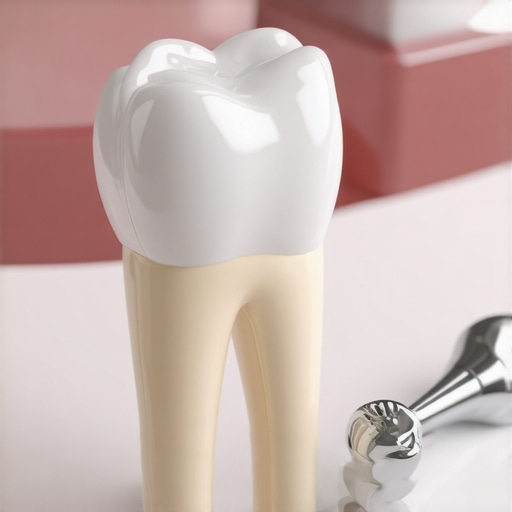
It was a morning like any other when I bit down on that seemingly innocuous crumb and felt a sharp, shocking pain shoot through my tooth. My stomach sank. Suddenly, my smile was a source of worry instead of confidence. I realized that a small fracture, if left untreated, could turn into something much bigger — with painful, costly consequences. Having been in family dentistry for years, I’ve seen how a tiny crack can escalate if not addressed properly. That’s when I discovered the incredible value of dental crowns for large fractures. Today, I want to share why they’re often the smartest choice, not just in theory but in real-life practice. If you’ve ever experienced a break or crack in your tooth and wondered about the best fix, stick around. I’ll guide you through the reasons why crowns are often the hero in these situations.
The Power of Crowns for Large Fractures
A large fracture isn’t just a cosmetic concern; it can compromise the integrity of your tooth, increase sensitivity, and even lead to infection if left untreated. In such cases, many assume that a filling or root canal alone will suffice. However, these options might not provide the durability needed to withstand daily chewing forces. That’s where dental crowns shine. They act as a sturdy cap, encasing the damaged tooth completely to restore its strength and function. Over the years, I’ve seen patients avoid more invasive procedures because crowns offer a minimally invasive yet highly effective solution. Sometimes, a crown can save a tooth that might otherwise be extracted, preserving your natural smile. Want to learn how to spot early signs that your crown might need attention? Check out this helpful guide on [the signs your old crown has a leak](https://periodontistcare.com/the-signs-your-old-crown-has-a-leak-underneath-the-surface).
Is the Hype About Crowns Just Marketing Hype?
I first hesitated when my mentor suggested a crown for a stubbornly cracked molar. I worried about the costs, the time, and the discomfort. Honestly, I made the mistake of dismissing crowns as a last resort, thinking they were only for cosmetic purposes. But experience taught me otherwise. Crowns provide unmatched durability, especially for teeth bearing significant fractures or after root canals. Modern materials, like zirconia, are stronger and more natural-looking than ever before. Before I made up my mind, I learned that ignoring large fractures can lead to bigger complications, including the need for extraction. So, I ask you — have you faced a similar dilemma? Are you avoiding the dental work you know you need because of fears about procedures or costs? It’s worth consulting your family dentist about your specific situation. Crowns might be the best fix you’ve never considered.
In the sections ahead, I’ll unpack the reasons why crowns stand out as the go-to solution for large fractures, share tips to avoid common pitfalls, and help you decide when to act before it’s too late.
Assess and Prepare Your Tooth
Start by gently examining your tooth for fractures or damage. Use a mirror and a flashlight to identify any cracks, chips, or sharp edges. If you notice significant damage, schedule an appointment with your family dentist promptly. During the initial visit, your dentist will take X-rays to evaluate the extent of the fracture and determine if a crown is suitable.
Remove Decay and Clean the Area
Before fitting a crown, the dentist will remove any decayed tissue or old restorative material from the damaged tooth. Think of this step as tidying up your workspace before building – it ensures the crown adheres properly. Proper cleaning prevents future decay underneath the crown, which can cause sensitivity or requite re-treatment. Regular professional cleanings, like the one described here, maintain overall oral health and prevent complications.
Reduce and Shape the Tooth
The next step involves reducing the size of the tooth to create space for the crown. The dentist will carefully file down the tooth’s surface, similar to trimming a rough stone into a smooth gem. This shaping is crucial; if the tooth is too high, it can cause discomfort or bite issues. I recall a patient who came in with a rising sensitivity because her crown was too bulky—adjustments improved her comfort immediately. Accurate shaping ensures the crown fits perfectly and feels natural when you bite down.
Decide on the Crown Material
Selection of the right crown material is key. Zirconia crowns, for example, are exceptionally durable—making them ideal for molars that withstand heavy chewing. Choosing the right material depends on your needs, budget, and aesthetics. Your dentist will recommend options tailored to your situation, considering factors like potential sensitivities here.
Capture Precise Impressions
Once the tooth is prepared, impressions or digital scans are made to create an exact replica of your tooth and surrounding bite. This process is akin to capturing a mold for a custom-fitting piece of jewelry—precision ensures comfort and function. I vividly remember the first time I watched a digital scan replace the messy impression trays; the fit was more precise, leading to fewer adjustments.
Design and Fabricate the Crown
The impressions are sent to a dental lab, where skilled technicians craft your crown using high-quality materials. The turnaround usually takes a few days, during which you’ll have a temporary crown. It’s important to avoid sticky or hard foods during this period, as they can dislodge or damage the provisional restoration. Think of the temporary crown as a placeholder—like a temporary sign until the permanent one is installed.
Seat and Cement the Crown
At the final appointment, the dentist will remove the temporary crown, clean the prepared tooth thoroughly, and fit the permanent crown. Adjustments may be made for optimal bite and comfort. Once satisfied, the crown is cemented into place using a strong dental adhesive. Proper cementing is critical — a poorly fitted crown can cause sensitivities or leakages here.
Follow Up for Longevity
After placement, good oral hygiene is essential. Regular brushing, flossing, and routine check-ups prevent complications. Keep an eye out for any signs of issues, like discomfort or looseness. If you notice your crown feeling high or causing discomfort, consult your dentist promptly for adjustments, much like fine-tuning a piece of custom-fit gear.
Many people believe they understand basic oral hygiene, but in reality, several misconceptions and overlooked nuances can undermine even diligent efforts. One widespread myth is that all dental treatments are purely cosmetic or unnecessary until problems arise. In my practice, I’ve seen that proactive care, like regular cleanings and early intervention with crowns when needed, can save you from invasive procedures later. Fail to address early signs, and you might only discover problems when significant damage has occurred, making treatment more costly and uncomfortable.
Another common mistake is underestimating the importance of how materials used in crowns and fillings affect long-term health. For example, choosing subpar materials or neglecting the quality of the crown can lead to issues like leaks or sensitivity, which could have been prevented with better insight. Regularly, patients dismiss subtle signs like increased sensitivity or a metallic taste, not realizing these could indicate underlying problems such as crown leakage. _Learn more about detecting leaks_ at this resource.
Critics often think that professional cleanings are only about appearance, but the truth is that they prevent the buildup of bacteria that can cause gum disease and decay—issues far more damaging than surface stains. Overlooking the importance of these cleanings or trying to DIY with abrasive pastes like charcoal might do more harm than good, risking enamel erosion. The _truth about charcoal toothpaste_ is worth knowing to avoid unintended damage.
For those with family members, especially children, there’s a myth that primary teeth aren’t worth much because they’ll fall out anyway. In reality, early dental health influences the development of permanent teeth and overall oral health. Neglecting young children’s teeth because of this misconception can lead to cavity development and future orthodontic issues. Check out tips on preventing toddler decay.
Most critically, advanced readers might wonder about the technical intricacies behind these myths—like how crown materials impact durability and health. For instance, zirconia crowns are now considered superior for their strength and biocompatibility, especially for grinding or clenching patients. Ignoring material choices can lead to early crown failure or discomfort, emphasizing the importance of informed decisions.
Avoiding these pitfalls requires awareness of hidden details and common mistakes. Are you aware of how subtle signs like a white spot on your tooth could be precursors to cavities? Learn to tell the difference. Don’t let myths or overlooked nuances compromise your health. _Have you ever fallen into this trap? Let me know in the comments._Maintaining the longevity of your dental crowns and overall oral health requires a strategic approach empowered by the right tools and routines. As a family dentist with years of experience, I recommend investing in a high-quality electric toothbrush, specifically one with pressure sensors like the Oral-B Genius series. These toothbrushes help prevent gum recession caused by excessive brushing force, a common pitfall among patients not aware of their brushing habits. Additionally, I advise using interdental brushes, such as the Soother Interdental Brush, to meticulously clean around crowns and bridges, reaching areas that floss often misses. Regular use of fluoride mouth rinses can fortify your enamel, especially when dealing with sensitive teeth or after crown placement, reducing the risk of secondary decay. To monitor the condition of your crowns, periodic at-home checkups with an intraoral camera, like the Quip Visual Guide, can reveal early signs of leaks or damage—before they become painful issues, as discussed in detail here. Looking ahead, the trend is moving toward integrating smartphone-compatible dental tools that provide real-time feedback, ensuring better self-care and professional oversight.
How do I maintain my crowns and oral health over time?
Consistently using these tools, adhering to regular professional cleanings, and avoiding habits like biting hard objects or using toothpicks improperly will extend the lifespan of your dental work. For example, an ultrasonic scaler, recommended by the American Dental Association, offers superior plaque removal and is especially effective for maintaining gum and crown health. I challenge you to try this tip: incorporate interdental brushes into your daily routine; they are often overlooked but immensely helpful in preventing decay around crowns. In future developments, expect smart toothbrushes with AI technology that can adjust brushing behavior based on your unique needs, making oral maintenance more personalized and effective.
What My Toughest Crown Taught Me About Patient Trust
Early in my career, a patient came in with a fractured crown that I thought was salvageable, but the experience revealed how crucial patient communication is. Explaining the limitations, expected outcomes, and maintenance needs fosters trust and ensures better ongoing care.
How Overlooking Small Details Can Lead to Big Dental Problems
From impression-taking to material selection, I learned that even the tiniest oversight can compromise a crown’s longevity and health benefits. Paying attention to every step ensures durable results and happier patients.
The Surprising Power of Patient Education in Crowning Success
Taking time to educate patients about crown care—like avoiding sticky candies or using interdental brushes—can dramatically extend their lifespan. Knowledge truly empowers patients to protect their investments in their smile.
My Go-To Tools That Make Crown Procedures Smoother
Investing in high-resolution scanners and quality materials, like zirconia, has transformed my practice. These tools not only improve fit and aesthetics but also reduce chair time and increase patient satisfaction.
Where to Go from Here
If you’re contemplating a dental crown, remember that choosing experienced professionals and staying proactive with maintenance is key. Regular check-ups and understanding your crown’s needs can keep your smile shining for years. For personalized advice, consider scheduling a consultation—[your family dentist](#) can guide you through every step.
Your Next Step Starts Today
Your smile deserves expert attention and thoughtful care. Don’t wait for small issues to become costly problems. Take control of your dental health now—your future self will thank you!
Have you ever been surprised by how small details impacted your dental treatments? Let me know your experiences below.
,