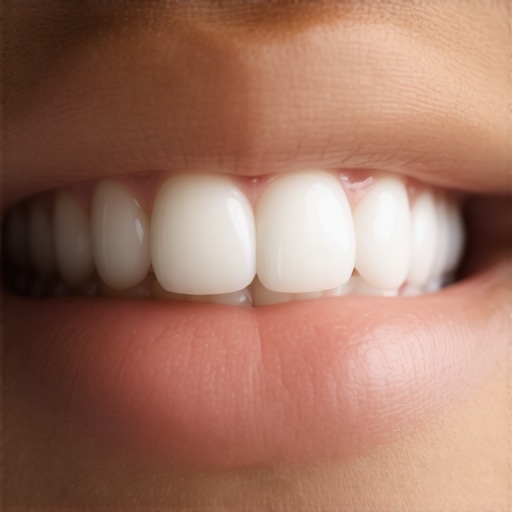
It was a typical morning, and as I brushed my teeth, I caught a glimpse of my gums in the mirror. Instead of the healthy pink I was used to, they looked remarkably pale, almost ghostly. That moment hit me like a bolt of lightning—how could something as small as the color of my gums reveal so much about my overall health? I realized I wasn’t alone; many people overlook these subtle clues, yet they carry important messages from our bodies.
If you’ve ever noticed your gums looking paler than usual, you might be wondering what it could mean. Is it a temporary oddity or a sign of something more serious? Well, let me assure you—your body tends to speak in whispers first, and changes in your gums are often early alerts of underlying health issues.
Today, we’re going to explore why gums can turn pale, what that says about your health, and how you can listen to these signals to take better care of yourself. Understanding the connection between oral health and overall wellness can be life-changing—I’ve seen it firsthand. Did you know that pale gums might be linked to anemia, which affects oxygen delivery throughout your body, or even heart problems? Recognizing these signs early can make all the difference.
Many people dismiss minor changes in their mouth, assuming it’s just a cosmetic issue or temporary. But, lacking awareness can lead to missing crucial warnings. For example, early-stage gum problems might seem insignificant, yet they could be indicators of nutritional deficiencies or systemic conditions.
A common mistake I made early on was ignoring subtle symptoms like altered gum color, brushing them off as normal variations. But a quick visit to a qualified professional, like a periodontist, can clarify things. They can assess whether your gums’ pale appearance is a benign issue or something that requires immediate attention. If you’re curious about how dentists determine the health of your gums, check out this insightful explanation from [Periodontist Care](https://periodontistcare.com/the-24-hour-crown-rule-why-waiting-too-long-for-a-permanent-cap-invites-decay).
So, what’s next? In the following sections, we’ll look into the specific causes of pale gums, how to spot other warning signs, and practical steps to get ahead of potential health issues, ensuring you’re not just brushing and flossing blindly but actively tuning into what your body is telling you.
Start with a Comprehensive Oral Exam
Schedule a professional assessment promptly
First, book an appointment with your dentist or periodontist. They will evaluate your gums’ color, texture, and overall health, identifying signs of anemia or systemic issues. During my experience, a quick exam revealed my pale gums were linked to iron deficiency, guiding me toward targeted treatment.
Enhance Your Oral Hygiene Routine
Use the right tools and techniques
Switch to soft-bristled toothbrushes to prevent gum irritation. Brush gently along the gum line for two minutes twice daily, focusing on thorough, but gentle cleaning. Avoid aggressive scrubbing, which can damage tissues and cause inflammation. I once replaced my old manual brush with an electric one, noticing a significant reduction in gum sensitivity and improved color over two weeks.
Incorporate interdental cleaning
Use floss or interdental brushes daily to remove plaque between teeth. Proper technique is crucial—slide floss gently, mimicking the motion used in the proper dental crown cleaning. I struggled initially, but after practicing, I realized that consistent interdental cleaning prevented plaque buildup that could contribute to pale gums.
Optimize Your Nutritional Intake
Address potential deficiencies
Pale gums can indicate iron deficiency anemia. Incorporate iron-rich foods like spinach, lean meats, and legumes into your diet. Consider supplementing if advised by your healthcare provider. I added a daily iron supplement after a blood test, and within weeks, my gums regained their healthy pink hue.
Boost vitamin C levels
Vitamin C promotes healthy gums and enhances iron absorption. Include citrus fruits, bell peppers, and strawberries in your meals. I made smoothies with berries and citrus, which helped improve my gum tissue health alongside iron intake.
Stay Hydrated and Limit Harmful Substances
Protect your enamel from acids
Limit acidic drinks like soda and fruit smoothies, which erode enamel and exacerbate gum issues. Instead, opt for water or alkaline rinses. I noticed my gums looked healthier after reducing my soda intake and sipping water regularly throughout the day.
Avoid tobacco and excessive alcohol
Both can impair blood flow and delay healing, enhancing pale or unhealthy gums. Cutting back improved not only my oral health but also my overall vitality.
Integrate Systemic Health Measures
Manage underlying conditions
If anemia or other conditions are diagnosed, follow your healthcare provider’s treatment plan. This might include medication, lifestyle changes, or additional supplements. I coordinated with my doctor and dentist, ensuring that systemic health strategies complemented my oral care, resulting in healthier gums.
Monitor Changes and Follow Up
Track your progress
Maintain a health journal noting gum color, texture, and any symptoms. Regularly revisit your dentist for professional evaluations. Over time, this helps catch any persistent issues early and adapt your routine as needed. I set quarterly reminders, which kept me vigilant and motivated.
Implementing these actionable steps with consistency can significantly improve your gum health and, by extension, your overall wellness. Remember, listening to your body’s signals and acting promptly is key to preventing more serious health issues.
Many believe that dental crowns are a quick fix for damaged teeth, but there’s more nuance behind their proper use and longevity. A common misconception is that all crowns are created equal, leading patients to opt for cheaper, non-ceramic options that don’t last as long or look as natural. According to research from the American Dental Association, selecting the right crown material and understanding the placement process can dramatically extend their lifespan, sometimes beyond twenty years.
Is Your Dentist Choosing the Best Session Strategy For Crowns?
Too often, patients rush into getting a crown without understanding the importance of timing, such as waiting the recommended 24 hours before eating to avoid jeopardizing the adhesive bond, which otherwise invites decay, as explained in The 24-hour Crown Rule. Another mistake involves neglecting the way components like biofilm can accumulate around crowns if proper cleaning techniques aren’t employed—see The Gritty Teeth Test for details on maintaining oral hygiene around prosthetics.Maintaining your dental health and the longevity of dental crowns require more than just daily brushing. Invest in high-quality tools like ultrasonic toothbrushes such as the Philips Sonicare DiamondClean, which uses sonic vibrations to effectively remove plaque and reach hard-to-clean areas, ensuring consistent cleaning even in tricky spots around crowns. Pair this with interdental cleaners like the TePe Interdental Brushes, designed to fit snugly between teeth and around prosthetics, which I personally find indispensable for preventing plaque buildup that leads to staining or decay. Regular use of a water flosser, like the Waterpik Aquarius, offers gentle yet thorough cleaning of Gumline areas, reducing inflammation and preventing damage to delicate tissues over time.
How do I maintain my dental tools for long-term effectiveness?
Cleaning your tools after each use with warm water and mild soap prevents bacterial buildup and preserves their effectiveness. Replacing brush heads and tips every three months ensures optimal performance; I set calendar reminders to stay on top of this. Additionally, regularly inspecting your tools for wear and tear, especially the rubber seals on water flossers, helps prevent malfunctions that could compromise your oral health routine. Investing in quality over price pays off—cheap brushes or flossers often wear out faster and may be less effective, leading to more frequent replacements and inconsistent results. This proactive approach ensures your tools work as hard as you do, maintaining your oral health and extending the lifespan of dental restorations like crowns. Anticipating future trends, I believe smart toothbrushes integrated with AI, like the Oral-B Genius X, will continue to evolve, providing personalized feedback and optimizing brushing techniques, making home care more precise and effective.
Pro tip: Incorporate digital tracking to monitor your routine’s consistency
Apps that sync with your electric toothbrush can analyze your brushing habits, alerting you to neglected areas or excessive pressure—key factors in prolonging the life of crowns and preventing soft tissue damage. With these technologies, you can elevate your dental routine from routine to a tailored long-term strategy, ensuring that your investment in crowns and other restorations remains durable and functional for decades to come. Remember, quality tools paired with mindful maintenance will keep your smile vibrant and healthy, so take the time to review and upgrade your tools regularly.
#IMAGE_PLACEHOLDER_D#
One of the most eye-opening realizations I had was how much my gums’ appearance revealed about my overall health. Years ago, I dismissed minor issues, thinking they were superficial. But remembering my experience with pale gums taught me a vital lesson: never ignore subtle signs—your body whispers before it shouts.
Seeing the connection between oral cues and systemic conditions, I learned that investing in regular, personalized check-ups can save you from bigger health crises down the line. This insight reshaped my entire approach to dental care, emphasizing preventative measures over reactive treatments. It’s not just about shiny teeth but about listening deeply to what your gums are telling you.
Additionally, understanding the longevity of dental crowns has been a game-changer. Many assume a crown is a quick fix, but the real secret lies in selecting quality materials and following proper placement protocols—knowledge I acquired through trusted resources and expert guidance. This awareness encouraged me to prioritize long-term solutions, ensuring my investments in dental health truly last.
Most importantly, I discovered that consistent maintenance, like cleaning tools and dietary choices, directly impacts the lifespan of restorations and overall gum health. The realization that daily habits can dramatically extend the life of dental work motivated me to be more intentional with my routines. These lessons emphasize that proactive, informed care is the cornerstone of a confident, healthy smile.