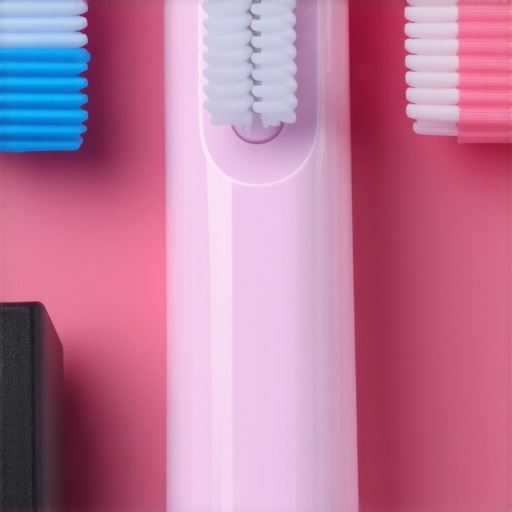
It was a morning just like any other, until I caught a glimpse of my reflection and noticed something unsettling—my teeth looked dull, and I could see the beginnings of staining. I had been relying solely on my electric toothbrush, convinced it was the easiest way to keep my smile bright. But that morning, I wondered: Am I really doing everything I can? Or am I just following the hype?
Breaking the Myths About Toothbrush Power
Many of us believe that an electric toothbrush automatically guarantees a healthier smile, while others swear by the simplicity of manual brushing. I used to fall firmly into the electric camp, thinking it was the superior choice, especially since it seemed to do the hard work for me. But over time, I realized that my approach wasn’t foolproof. Sometimes, I brushed quickly, letting the device do the work without paying attention to technique. Meanwhile, my manual brushing felt more deliberate, though I questioned if I was missing out on the convenience.
The truth is, both methods can be effective if used correctly. The key isn’t just about having the latest gadget; it’s about how you use it. This realization sparked my journey to truly understand the benefits and limitations of each, so I could make informed decisions for my family’s oral health.
Is the Hype About Electric Toothbrushes Actually Worth It?
Early in my research, I made a mistake I see many others repeating—believing that an electric brush will do all the work, without investing time in learning proper technique. This misconception can lead to inadequate cleaning and, paradoxically, worse oral health. According to the American Dental Association, the efficacy of brushing depends largely on brushing technique, duration, and consistency, not just the type of brush.
So, what does this mean for you? Are electric brushes really the miracle they’re made out to be? Or is it the skill you bring to your brushing that makes all the difference? In the sections ahead, I’ll share insights from my own experience and practical tips to help you get the most out of your toothbrush, whether manual or electric. If you’ve ever wondered whether switching devices will truly improve your dental routine, you’re not alone. Let’s uncover the truth together and find a brushing method that actually works for your lifestyle.
Start With a Proper Brushing Technique
When I first decided to take my oral hygiene seriously, I realized that just waving my toothbrush around wasn’t enough. I began by positioning my toothbrush at a 45-degree angle to my gums, aiming to clean the gum line thoroughly. I gently oscillated the brush back and forth using small, circular motions, mimicking the method recommended by dental professionals. This approach ensured I removed plaque effectively without damaging my gums. Remember, the goal isn’t to scrub aggressively but to massage and clean thoroughly. During a messy trial one morning, I accidentally pressed too hard, causing sore gums, but I learned to adjust my pressure for comfort and effectiveness.
Use the Right Brushing Duration
Timing is crucial. I used to rush through my routine, thinking quick was enough. Then I set a timer for two minutes, which is the recommended duration. This gave me a clear goal to brush all areas evenly. I divided my mouth into quadrants and dedicated about 30 seconds to each. This systematic approach replaced my rushed sessions and improved my overall plaque removal. As I stuck to this routine, I noticed less morning buildup and a brighter smile. Consistency beats intensity here—brushing thoroughly for two minutes twice a day is more effective than quick, frantic scrubs.
Master Flossing Like a Pro
Flossing was my Achilles’ heel. I used the floss incorrectly at first—snapping it between teeth and hurting my gums. I learned to gently slide the floss up and down against each side of the tooth, curving around it like a crescent moon. Deliberate, gentle pressure prevents gum irritation and cleans plaque effectively. I made it part of my routine immediately after brushing, which kept my mouth feeling fresh longer. For those who find flossing awkward or painful, try floss picks or water flossers—they can make the process easier and more comfortable. Proper flossing prevents cavities and gum disease, acting as a crucial supplement to brushing.
Clean Around Dental Crowns Carefully
If you’re like me and have crowns, understanding their cleaning needs is vital. Crowns can trap plaque underneath if neglected. I discovered that a soft-bristled toothbrush paired with gentle, circular motions around the crown’s edges prevents decay beneath the surface. Additionally, using interdental brushes can reach tight spaces where regular toothbrushes can’t. Want to ensure your crowns fit comfortably? Check out this article on why some crowns feel bulky and how to fix the fit. During my own cleaning routine, I paid special attention to these areas, leading to fewer discomforts and extending the life of my crowns.
Think Beyond Brushing: Maintain Healthy Gums
Healthy gums are the foundation of a bright smile. I started incorporating a gentle gum massage using my toothbrush and occasionally a soft rubber gum stimulator. This stimulated blood flow and kept my gums firm. I also paid close attention to signs of inflammation or bleeding, addressing issues promptly. Regular professional cleanings are essential; I scheduled visits every six months and found that professional removal of tartar significantly improved my oral health. For more tips on avoiding tartar buildup, visit this article about tartar prevention. With consistent effort, I was able to keep my gums healthy, preventing problems before they escalated.Many patients assume that once a dental crown is placed, their worries about the tooth are over. However, this common misconception can lead to overlooked issues that compromise oral health and the longevity of the restoration. In my experience, a nuanced understanding of crowns and comprehensive oral care reveals the subtleties that can make or break your dental health. One of the most overlooked pitfalls is ignoring the subtle signs of crown misfit, such as high bite or discomfort, which often goes unnoticed until significant problems develop. For instance, a crown that feels perfectly fine initially might be causing micro-movements or uneven pressure distribution, leading to wear, decay, or even fracture over time. Experts warn that these issues are more prevalent than most realize and emphasize the importance of regular check-ups to catch such problems early. According to a recent study published in the Journal of Prosthetic Dentistry, nearly 30% of crowns need adjustments within the first year due to improper fit, yet many patients dismiss minor discomforts as normal.\n
What’s the advanced nuance about crown fit that dentists wish you knew?
Advanced patients should be aware that even a slight misalignment can lead to significant issues like bite imbalance or wear of opposing teeth, which may be mistaken for normal post-placement discomfort. Special attention should be paid to how your crown interacts with your natural bite; a high crown can cause jaw strain and uneven enamel wear. When an uncomfortable or high crown feels abnormal, it’s crucial to have it evaluated promptly. As highlighted in https://periodontistcare.com/why-your-new-crown-feels-high-when-you-bite-down, a crown that feels high can be easily corrected through minor adjustments, restoring comfort and function without the need for a new crown.\n
Another notorious mistake involves neglecting the maintenance of crowns. Many assume that since a crown is made of durable materials like zirconia or porcelain, it requires less care. However, the underlying tooth structure still needs thorough cleaning and monitoring for decay, especially around the margins where plaque can accumulate unnoticed. Overlooking this can result in secondary caries that threaten the stability of the restoration. Regular professional cleanings and diligent home hygiene are essential, yet I often see patients neglect the importance of gentle cleaning around crown edges. A deep understanding of these nuances helps prevent costly repairs and preserves both your natural teeth and restorations longer. Have you ever fallen into this trap? Let me know in the comments. Moreover, patients should be cautious about DIY fixes or ignoring minor symptoms, as even seemingly small issues like a loose crown or unusual taste can suggest underlying problems that demand professional evaluation. Ignorance of these details often results in more complex and invasive treatments down the road, whereas early intervention can save time, money, and discomfort.Maintaining optimal oral health and ensuring your crowns and teeth stay in top condition demands the right tools and consistent routines. Over the years, I’ve refined a set of reliable equipment and methods that genuinely make a difference. One essential item in my arsenal is a **smart electric toothbrush with pressure sensors**. Unlike standard models, it alerts me when I press too hard, preventing gum damage and ensuring gentle, effective cleaning. I personally favor the Sonicare DiamondClean because it offers customizable modes and a built-in timer, ensuring I brush for the full two minutes recommended by dental professionals.**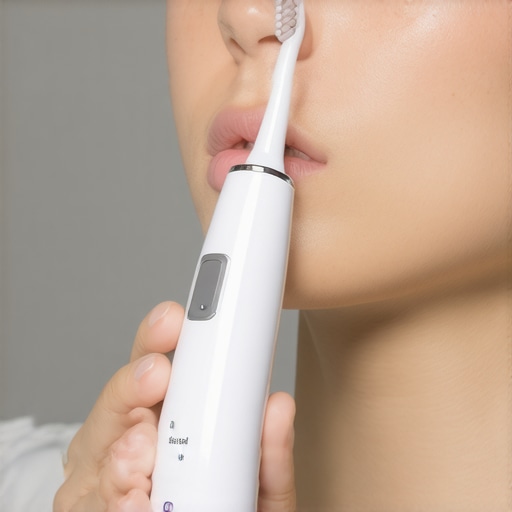 **
**
For interdental cleaning, I switched from traditional floss to **water flossers like the Waterpik Sonic-Fusion**. This device combines a water flosser and a toothbrush, allowing me to target tight spaces effectively, especially around crowns or braces. The pulsating water dislodges plaque without irritating my gums, which I’ve found to be a game-changer, especially after meals.
When it comes to long-term results, consistency and proper technique are paramount. I schedule professional cleanings every six months, but I also incorporate **ultrasonic plaque removers** at home, like the Porterclean Ultrasonic Cleaner, to periodically flush away tartar build-up around my crowns and natural teeth. This supplemental cleaning keeps plaque at bay and helps my dental restorations last longer.
Looking ahead, I believe that integrating **AI-powered toothbrushes** with app-based coaching will become standard. These devices will analyze your brushing patterns, identify neglected zones, and suggest personalized improvements, making home care smarter and more effective.
How do I maintain my dental tools over time? Regular cleaning is crucial. Rinse my brush heads and flosser tips after every use with hot water, and replace the toothbrush head every three months or sooner if the bristles fray. For water flossers, I follow the manufacturer’s instructions to descale and clean the reservoir monthly, preventing bacterial buildup.
Choosing the right tools isn’t just about convenience; it’s about accuracy and long-term health. I also recommend investing in **digital monitoring apps** that sync with your devices, providing feedback on your brushing habits and reminding you of scheduled cleanings. These small tech integrations make a significant difference.
In my experience, switching to high-quality, purpose-built equipment dramatically reduces the risk of issues like crown misfit or gum inflammation. For example, carefully cleaning around crowns with specialized tools can prevent secondary decay, an often-overlooked risk if routine is neglected. For insights on maintaining crowns, check out this article on why your new crown feels high when you bite down.
So, don’t settle for generic solutions. Upgrade your tools today and commit to a disciplined maintenance routine. Try using a pressure-sensitive electric toothbrush paired with an ultrasonic cleaner — it might just revolutionize your oral care regimen. Remember, consistent, precise cleaning today beats expensive repairs tomorrow.
The Hardest Lesson I Learned About crowns,oral health,family dentistry,teeth cleaning
One of the toughest truths I faced was realizing that even the most advanced crowns can fail if neglected. I learned firsthand that a crown isn’t just a quick fix; it requires ongoing vigilance and proper cleaning techniques. Ignoring subtle signs like high bite or discomfort can lead to bigger problems, sometimes costing much more than routine maintenance. The eye-opening moment was understanding that crowns are parts of a larger system—your mouth—and neglecting this system can undo years of work.
3 Myths About crowns,oral health,family dentistry,teeth cleaning That Held Me Back
Believing that crowns are maintenance-free or that flossing around them isn’t necessary are misconceptions I used to hold. These myths delayed my getting proper care and led to secondary issues like decay or gum inflammation. It’s crucial to trust expert advice and recognize that even durable materials like zirconia need diligent home care. Challenging these myths changed my approach and significantly improved my long-term dental health.
What Experts Won’t Tell You About crowns,oral health,family dentistry,teeth cleaning
Many dental professionals can’t emphasize enough that the fit and maintenance of crowns dramatically influence their longevity. Even subtle misalignments can cause bite issues or wear on opposing teeth. I discovered that regular check-ups and paying attention to minor discomforts are essential—things that many patients overlook. For instance, a crown feeling high during biting can be easily corrected through minor adjustments, preventing future complications. Learn more about this process in why your new crown might feel high.
My Essential Toolkit for Crown and Oral Health Mastery
Over the years, I’ve trusted tools that truly make a difference. A pressure-sensitive electric toothbrush like the Sonicare DiamondClean helped me avoid damaging my gums while ensuring thorough cleaning around crowns. Water flossers like the Waterpik Sonic-Fusion have revolutionized interdental cleaning, especially in tight spaces. Additionally, maintaining these tools with proper cleaning routines and timely replacements has helped prolong the life of my dental work. For more insights on effective tools, see how to maintain your smile post-treatment.
It’s Time to Take Action and Protect Your Smile
Understanding the nuances of crowns and maintaining excellent oral hygiene isn’t just for professionals—it’s for everyone who wants to preserve their natural teeth and restorations. Small steps like choosing the right tools and being attentive to early signs can prevent costly repairs and ensure your smile stays healthy and bright. Remember, your oral health is an investment, not an expense. Now’s the moment to act—schedule that check-up, review your routine, and embrace tools that empower you. Have you noticed any subtle signs like a high crown or gum irritation? Share your experiences below and let’s support each other on this journey to optimal oral health.