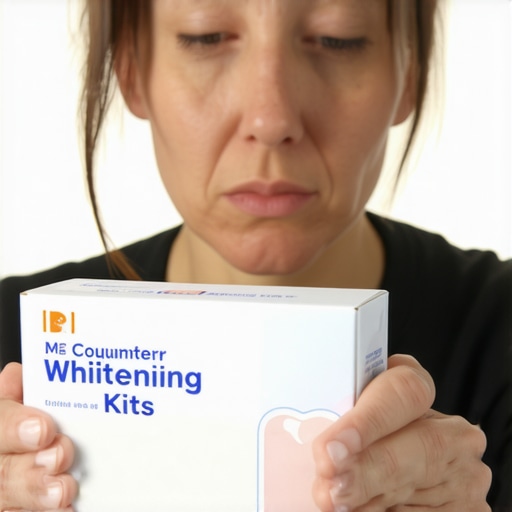
It was a typical Saturday morning when I caught a glimpse of my reflection and noticed something unsettling — my teeth looked noticeably yellower than just a month ago. I had been using those popular over-the-counter whitening strips almost daily, confident that I was achieving that bright, sparkling smile everyone seems to rave about. But deep down, I was starting to feel a twinge of guilt and worry. Was I doing more harm than good? That lightbulb moment hit me: I was overdoing it, and my teeth were paying the price.
Why I Nearly Ruined My Smile Playing Dentist at Home
When it comes to teeth whitening, it’s easy to get caught up in the allure of quick fixes and dazzling results. I was initially drawn in by the promise of affordable, easy-to-use products found in most drugstores. But what I didn’t realize was the potential danger lurking behind those glossy packages. Over-the-counter whitening kits often contain powerful bleaching agents that, if misused or overused, can lead to enamel erosion, increased tooth sensitivity, and even gum irritation.
Early on, I made the mistake of assuming that more frequent application would speed up the whitening process. That assumption couldn’t be further from the truth. Actually, excessive use can weaken your enamel—the protective outer layer of your teeth—making them more vulnerable and prone to staining in the long run. In fact, a study published by the American Dental Association highlights that overuse of whitening products can cause irreversible damage to tooth enamel, emphasizing the importance of moderation and proper usage.
Have You Faced the Same Dilemma?
If you’ve ever found yourself reaching for those whitening strips multiple times a week, I urge you to pause and consider the possible consequences. It’s common to fall into the trap of wanting instant gratification, but in the process, we might be compromising our real long-term health for a temporary cosmetic boost. So, how can we enjoy a brighter smile without risking permanent damage? That’s exactly what we’re going to explore next—safe, effective ways to brighten your teeth while protecting your oral health.
Start with a Professional Consultation
Before attempting any whitening, schedule a visit with your dentist. They can assess your oral health, identify any underlying issues, and recommend safe whitening options. For example, I recall my own first consultation, where the dentist pointed out enamel thinning—that’s when you realize DIY whitening might do more harm than good.
Choose the Right Whitening Method
Opt for professional whitening treatments or dentist-approved at-home kits. Unlike generic products, these are formulated to minimize enamel damage. I once tried a store-bought kit without guidance, and the resulting sensitivity was a harsh wake-up call. Remember, less is more—overusing products can strip away your enamel like a gritty sandpaper.
Understand the Key Ingredients
Look for formulas containing carbamide peroxide or hydrogen peroxide at safe concentrations. High peroxide levels can lead to enamel erosion, which is akin to exposing your teeth to acid rain—destructive over time. Always adhere to the manufacturer’s instructions and avoid excess application.
Follow Proper Application Techniques
Apply whitening gel evenly with a mouth tray or pen, ensuring no excess spills onto your gums. A micro-story here: I practiced careful application after coating a tray, and the first attempt looked messy—yet was effective and reduced mishaps. This meticulous approach prevents gum irritation, which can be as uncomfortable as a sunburn.
Limit Frequency to Protect Enamel
Stick to the recommended treatment schedule—typically once every few days. Overdoing it is like over-polishing a fragile sculpture; it weakens the structure. For instance, I once increased treatments, resulting in heightened tooth sensitivity that lingered for weeks—an indicator I had pushed too hard.
Manage Expectations and Monitor Results
Remember, whitening isn’t a permanent fix; maintaining your results requires good oral hygiene. Keep an eye on your progress, and if you notice increased sensitivity or changes, stop treatment and consult your dentist. If your enamel shows signs of damage, such as white spots or translucency, schedule an exam to assess the damage before proceeding further. For more info on enamel signs, visit this guide.
Complement Whitening with Oral Care Routines
Enhance your bright smile by flossing regularly and using a tongue scraper—these habits remove plaque and bacteria that dull your teeth over time. Using a specialized tool makes the process easier and more effective. Remember, a healthy mouth supports a luminous smile, and it’s as vital as the whitening treatment itself.
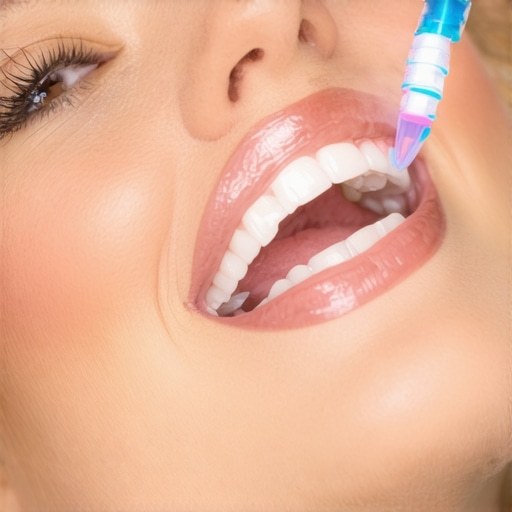
Use a professional dental tray for even whitening application, ensuring safety and effectiveness during your routine.
Many people believe that brushing harder results in a cleaner mouth, but in reality, aggressive brushing can damage your gums and wear down enamel, leading to increased sensitivity and even recession. This misconception often causes individuals to skip gentle, thorough cleaning, thinking they’ve done enough, which can leave plaque behind and promote gum disease. Additionally, a widespread mistake is assuming that all dental cleanings are the same; many overlook that deep cleanings or scaling might be necessary for entrenched tartar, especially below the gum line, which regular brushing can’t reach. This misunderstanding can delay crucial treatment and exacerbate periodontal issues.
Another overlooked aspect is the selection of dental restorations like crowns. Many think that once a crown is placed, it requires no further maintenance. However, improper fit or material choice can lead to complications such as secondary decay beneath the crown or discomfort. An advanced nuance is understanding that some crowns may feel cold or hot when drinking beverages, depending on the material used—zirconia crowns, for example, have different thermal conductivity compared to porcelain. Being aware of such details helps in making informed decisions and prolonging the lifespan of restorations.
What most people fail to realize is the critical role of oral microbiota balance. While brushing and flossing remove harmful bacteria, over-cleaning or using harsh mouthwashes can disrupt the natural flora, leading to issues like bad breath or increased susceptibility to infections. Regular self-care is essential, but it must be balanced with professional guidance to maintain optimal oral health.
Have you ever fallen into this trap? Let me know in the comments.
Why do some crowns cause metallic tastes or feel uncomfortable even when well-placed?
This common question reflects a deeper understanding of material properties and your body’s response. Metal alloys used in some crowns can leach ions over time, especially if the seal isn’t perfect, causing a metallic taste or allergic reactions. Additionally, improper fitting may exert pressure on surrounding tissues, resulting in discomfort. Recognizing these signs and consulting your dentist about material alternatives—like porcelain-fused-to-metal or all-ceramic options—can greatly improve your experience. For more insights on managing metallic tastes, check out this detailed guide.Maintaining your oral health doesn’t have to be overwhelming, especially when equipped with the right tools and techniques. I’ve found that investing in quality equipment not only simplifies routine care but also prevents common issues like plaque buildup and enamel erosion. One of my go-to items is an electric toothbrush with a pressure sensor—mine is the Oral-B Genius X—which helps avoid aggressive brushing that can damage gums and enamel. Its real-time feedback ensures I’m cleaning effectively without harm, according to studies published in the *Journal of Clinical Periodontology*. Additionally, I recommend a water flosser like the Waterpik Ultra, which I’ve personally used to reach stubborn plaque in hard-to-access areas, particularly around crowns or braces; it makes a significant difference in reducing gingival inflammation. For maintaining fresh breath and overall oral microbiota balance, I swear by a tongue scraper such as the Orabrush Tongue Cleaner; it removes biofilm that mouthwashes often miss, supporting better breath and reducing bacteria. Keeping a high-quality, small LED flashlight with a magnifier helps me spot early signs of enamel wear or cavities before they become problematic, echoing preventative strategies emphasized by dental professionals. Looking ahead, I predict that advances in ultrasonic cleaning devices and AI-driven diagnostics will further empower us to take charge of our oral health at home. How do I maintain my tools over time? I make it a habit to replace my electric toothbrush heads every three months and clean my water flosser thoroughly monthly to prevent bacterial buildup—simple habits that keep my equipment functioning optimally. Remember, integrating these advanced tools into your daily routine can significantly boost your long-term oral health and save you from costly dental procedures later. Try incorporating a pressure-sensitive electric toothbrush today and notice how it transforms your brushing experience—your gums will thank you. For more insights on optimizing your dental routines, visit this article.
What I Wish I Knew About Overusing Whitening Products
One of my biggest lightbulb moments came when I realized that more doesn’t always mean better; overdoing whitening treatments can backfire, weakening enamel and increasing sensitivity. This taught me to prioritize moderation and listen to my body’s signals.
Why Professional Guidance Matters More Than Ever
Scheduling regular dental check-ups became a game-changer. Dentists can spot subtle signs of damage early, guiding safer whitening choices and preventing costly repairs down the line. Trusting their expertise saved my smile from unnecessary harm.
Simple Tools Can Make a Big Difference
Investing in quality toothbrushes with pressure sensors and water flossers has elevated my daily routine. These tools help me clean effectively without causing damage, reinforcing the idea that the right equipment is essential for long-term oral health.
My Unexpected Revelation About Oral Care Habits
While focusing on whitening, I discovered that maintaining healthy gums and a balanced microbiome is equally vital. Vigilance with routine routines, like gentle brushing and tongue scraping, can support a brighter smile from the inside out.
Where to Go from Here
If you’re considering teeth whitening, consult with your dentist first. Choose professional or dentist-recommended products, apply them carefully, and monitor your results. Remember, your healthy smile is a lifelong investment, not just a quick fix.
Embrace Your Unique Smile
Ultimately, understanding the nuances of oral health empowers you to make informed decisions. Don’t let misinformation or shortcuts compromise your well-being. The journey to a brighter, healthier smile is built on knowledge, patience, and proper care.
My Essential Toolkit for Safe Whitening
I recommend using a calibrated electric toothbrush like the Oral-B Genius X to prevent gum damage. A quality water flosser such as the Waterpik Ultra helps manage plaque without harshness. And a tongue scraper supports breath freshness—small tools making big impacts in daily care.
Let Your Smile Shine Without Fear
Take action today: schedule that dental appointment, invest in safe tools, and avoid shortcuts that could cost you later. Remember, a confident smile starts with informed, consistent habits. What’s one small change you’re ready to make for your oral health? Share below and motivate others to prioritize their smile longevity.