I remember the moment clearly—seeing my child’s tiny molars after a routine dental check-up, and feeling a flicker of worry. The dentist pointed out some tiny white spots on the chewing surfaces, which I brushed off as harmless. Then the dentist explained that those spots could be early signs of decay, even if there’s no cavity yet. That was my lightbulb moment: prevention isn’t just about fixing what’s broken; it’s about stopping problems before they start.
Protect Your Child’s Smile Before Cavities Do
It’s so tempting to breathe a sigh of relief when our kids go years without cavities. But here’s the thing—cavities are just the tip of the iceberg. The real battle is preventing the early invisible decay that lurks beneath the surface. Sealants act like a shield, covering those deep grooves and pits where toothbrushes often miss. I’ve learned from experience that these little safeguards can make a huge difference in maintaining your child’s oral health.
Is Sealant Therapy Really Worth the Hype?
I used to think that if my child’s teeth looked healthy, no extra treatment was necessary. That was a mistake I quickly corrected after reading about how enamel erosion and early decay can occur silently. According to a study published by the American Dental Association, sealants can reduce the risk of cavities in molars by nearly 80% in children. So, if you’re like I was—wondering whether sealants are really worth the effort—know that early application is a simple, effective step to protect those vulnerable teeth.
I also used to believe that good brushing and flossing alone would keep cavities at bay. But early on, I made the mistake of thinking that sealants were only for kids with a high sugar intake or a history of cavities. Now I realize that applying sealants as a preventive measure for all children, regardless of current dental health, is a smart move. They’re quick to apply, non-invasive, and can save you from more complicated and costly procedures later. Curious how they work? You can learn more about how to tell if your child’s white spots are early cavities by visiting [this detailed guide](https://periodontistcare.com/how-to-tell-if-that-white-spot-on-your-tooth-is-a-cavity).
As we dive further, I will share the practical reasons why sealing those little molars early on is one of the best decisions you can make for your child’s oral health. Because prevention isn’t just a good idea—it’s the foundation of a lifetime of healthy smiles.
Prepare Your Child for Sealant Application
Start by explaining that sealants are like a protective raincoat for their teeth, shielding them from cavities. Schedule a dental appointment during which the dentist will clean and dry the molars, then carefully apply the sealant material into the deep grooves. I once watched my son squirm as the dentist worked quickly, but the entire process took less than ten minutes, and the relief on my child’s face when he saw his shiny new molars was priceless.
Ensure a Dry Surface for Best Results
Before applying sealants, the tooth must be completely dry. Use a cotton loofah or air syringe to remove every drop of saliva. Think of it like painting a wall—you need a smooth, dry surface for the paint to stick. If moisture remains, the sealant might not bond properly, reducing its effectiveness. I learned this the hard way when I forgot to dry my daughter’s molar thoroughly; the sealant didn’t adhere well, and we had to redo it during the next appointment.
Maintain Proper Oral Hygiene to Support Sealants
Even with sealants in place, consistent brushing and flossing are critical. Use a fluoride toothpaste to strengthen enamel—it’s like giving your child’s teeth a shield against acids. Schedule daily routines that include gentle yet thorough brushing at least twice a day, paying special attention to the molars’ grooves where food and plaque hide. I introduced a fun 2-minute timer to make brushing enjoyable; it transformed my son’s routine from a chore into a game and improved his technique significantly.
Introduce the Right Tools for Effective Cleaning
Use soft-bristled toothbrushes tailored for children. They are gentler on delicate gums and more effective at reaching into tiny crevices. Consider using interdental brushes or water flossers designed for smaller mouths, which help remove debris from between teeth without damaging gums. During my last visit, the hygienist emphasized that soft brushes are more gentle, especially for children with emerging teeth or gum sensitivities. You can learn more about proper cleaning techniques by visiting this helpful guide.
Schedule Regular Dental Visits
Professional cleanings are essential to catch issues early. A standard cleaning removes plaque and tartar, but sometimes a deep-scale cleaning is necessary for more stubborn buildup—think of it as giving your child’s teeth a spa day for a thorough refresh. During visits, the dentist can also spot early signs of decay or white spots indicating demineralization, which might be mistaken for harmless spots but deserve attention. To understand if your child’s white spots are early cavities, review this detailed guide.
Avoid Common Pitfalls That Damage Sealants
Stay away from hard candies or sticky treats that can chip or dislodge the sealant. Also, advise your child against using teeth as tools to open packages—it’s like trying to cut with a Swiss Army knife; it risks damage. Additionally, be cautious with habits like thumb-sucking, which can weaken the teeth and compromise the sealants’ placement. If you notice a sealant coming loose, consult your dentist promptly to prevent decay from developing underneath. Regular check-ups help ensure that your child’s smile remains protected.
Many assume that good brushing and regular dental visits are enough to keep teeth healthy, but beneath these basics lie subtle nuances that can make or break your dental health. A common myth is that if your teeth look clean, they are truly healthy; however, early-stage decay may be invisible to the naked eye, lurking underneath the enamel, and only detected through advanced diagnostics or careful examination. Dentists emphasize that relying solely on visual cues can lead to missed early cavities, which, if left untreated, can develop rapidly into more serious issues.
Furthermore, the misconception that crowns are foolproof solutions often leads to neglect of proper maintenance. Crowns are durable but susceptible to underlying issues such as decay or leakage if oral hygiene isn’t meticulous. An advanced mistake many make is neglecting the significance of the cement layer or failing to understand the importance of regular check-ups for crowns, which can mask problems until significant damage occurs. Here’s a sobering fact: studies show that over 20% of crowned teeth develop underlying problems within five years due to overlooked issues, highlighting the importance of routine evaluations.
What advanced signs indicate underlying crown failure—beyond visible damage?
This question is crucial for readers wanting to go beyond surface-level understanding. Indicators like persistent sensitivity, metallic taste, or recurring gum inflammation might signal underlying problems such as cement degradation or microleakage, which aren’t immediately obvious. Recognizing these signs early can prevent the need for more invasive procedures. Regular assessments can detect these hidden issues; see this guide on how to identify issues with old dental work.
A notable nuance in professional teeth cleaning is the distinction between standard cleaning and deep scaling. Many patients think a routine cleaning suffices when in reality, plaque and tartar can build up below the gum line, causing silent damage. Deep-scale cleaning, often overlooked, can be a lifesaver, especially for those with periodontal tendencies. Find out more about when a deep cleaning is necessary here.
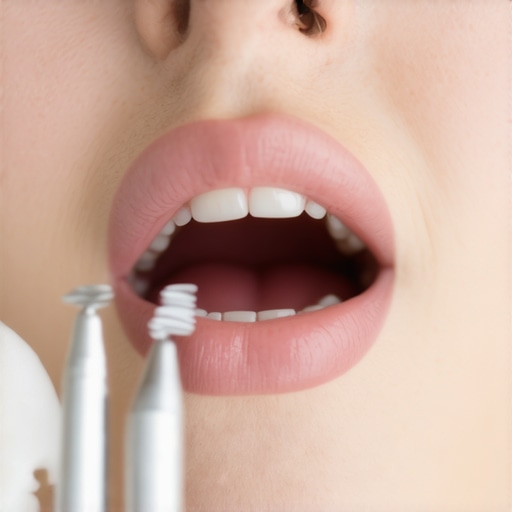
Finally, a common yet overlooked pitfall involves the misconception that whitening is always safe. Overusing whitening products or choosing unregulated DIY kits can damage enamel, leading to increased sensitivity. As research indicates, improper whitening can thin enamel and even cause microfractures, making teeth more vulnerable. For a better understanding of safe whitening practices, consult the comprehensive guide here.
In conclusion, knowing these nuanced truths helps you avoid costly mistakes and supports your journey to lasting oral health. Remember, what you can see is only part of the story—stay vigilant about the silent signals your teeth and gums send. Have you ever fallen into this trap? Let me know in the comments.Maintaining your oral health over the years demands more than just daily brushing; it requires the right tools, mindful techniques, and regular professional care. Personally, I rely on a combination of high-quality electric toothbrushes, water flossers, and smartphone apps that track my brushing habits to stay on top of my dental game. Electric toothbrushes with oscillating-rotating motion, like the Oral-B Genius series, offer superior plaque removal, especially in hard-to-reach areas. I prefer models with built-in timers to ensure I brush for the recommended two minutes, and some even have pressure sensors to prevent gum damage. These thoughtful features make a noticeable difference in long-term gum and enamel health.
For interdental cleaning, I’ve switched to interdental brushes instead of traditional floss. They’re easier to maneuver and more effective at cleaning the tight spaces between teeth, which helps prevent white spots and early decay. When I noticed signs of early demineralization on a molar, my dentist recommended using a fluoride rinse in combination with my daily routine—this trick helps remineralize enamel and stave off cavities. Regular use of fluoride products, along with professional cleanings, forms a robust barrier against decay.
Looking ahead, the future of dental maintenance seems poised to harness smart technology further. Artificial intelligence-driven devices, like app-connected toothbrushes, analyze brushing patterns and offer personalized feedback—making home care more effective than ever. Additionally, innovations in bioactive dental materials aim to deliver better long-term results for crowns, fillings, and sealants, making dental restorations more durable and self-healing.
How do I keep my dental tools and routines effective over time?
To ensure all your tools stay in prime condition, replace brush heads every three months, and regularly disinfect rechargeable devices according to manufacturer guidelines. Using mouthwash with antibacterials can reduce residual plaque, especially in areas you might miss during brushing. Opting for water flossers instead of traditional floss, like the Waterpik, has significantly enhanced my interdental cleaning efficiency, particularly around crowns and bridges. Remember, even the best tools won’t help if not used consistently—set reminders or incorporate them into your daily routine.
Routine check-ups are crucial, especially since many oral issues develop silently beneath the surface. For instance, early signs of crown leakage or microleakage often go unnoticed until discomfort or visible damage appears. Regular assessments linked with advanced diagnostics—such as digital X-rays and intraoral cameras—can detect subtle problems before they escalate, saving you pain and costly repairs. My dentist emphasizes that periodic deep-cleaning sessions, like professional scaling, help maintain soft tissue health and prevent periodontal issues. Find out more about when a deep cleaning is necessary by reading this guide.
Finally, I advise every patient to avoid the temptation of DIY fixes. Using abrasive whitening pastes or DIY whitening kits can wear down enamel and cause sensitivity. Instead, professional whitening options, such as in-office bleaching, ensure safety and lasting results. To sustain whiteness between visits, I recommend limiting staining foods and drinks and rinsing with water after consuming coffee or red wine. Consistent, preventive care is your best bet for a smile that stays bright and healthy for years.
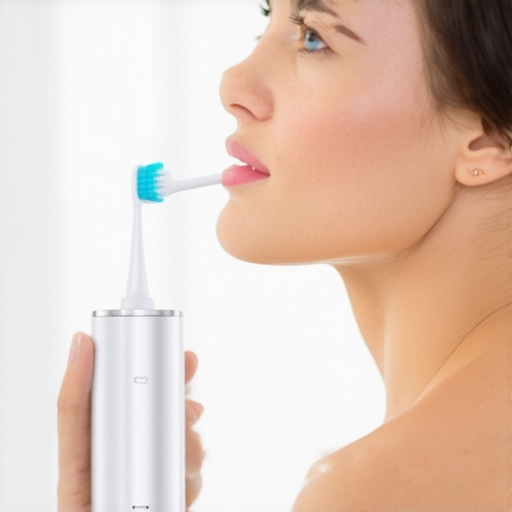
Staying proactive with your dental tools and routines not only preserves your smile but also enhances the longevity of your restorations and crowns. For example, tools like interdental brushes and fluoride rinses are proven to strengthen enamel and prevent decay, especially around restorations. Take control today by incorporating these recommended tools into your daily routine and scheduling regular dental visits—your future self will thank you. Want to elevate your maintenance game? Start by trying a water flosser like the Waterpik, which can be more effective and easier to use for cleaning around crowns and braces. Regular investment in your oral health tools and habits can lead to decades of confident, healthy smiles.
The Hardest Lesson I Learned About Oral Health, Family Dentistry, Teeth Cleaning, Crowns
One crucial insight I wish I had embraced earlier is that preventing dental issues is far more effective than reacting once problems arise. Years ago, I thought good brushing was enough, but ignoring early signs like white spots taught me that proactive measures like sealants and regular check-ups are your best defense against complex problems.
My Essential Toolkit for Maintaining Healthy Smiles
I rely on high-quality electric toothbrushes with timers and pressure sensors, which have transformed my daily routine. Water flossers, especially models like the Waterpik, are game-changers for interdental cleaning, especially around crowns. I’ve also incorporated fluoride rinses suggested by my dentist, which help reinforce enamel between visits. These tools have become indispensable in my quest for optimal oral health.
Your Turn to Take the Next Step
Remember, your smile is an investment that pays dividends over a lifetime. Combining preventive tools, mindful habits, and regular professional care can lead to healthier teeth and gums well into old age. Don’t wait for visible issues—be proactive today. What small change in your dental routine could make a big difference? Share your thoughts below, and let’s support each other in achieving lasting oral health.