Category: Preventive Dentistry

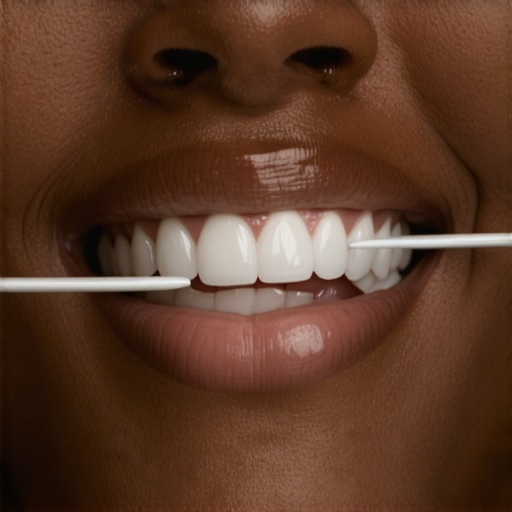
  • Why you should never use a toothpick to remove stuck food

    Why you should never use a toothpick to remove stuck food

    I still vividly remember the last time I picked at a stubborn piece of broccoli lodged between my molars with a toothpick. One wrong move, a little too much force, and suddenly I was wincing in pain, realizing too late that my popular habit might be doing more harm than good. That lightbulb moment hit hard: never use a toothpick to dislodge food. It’s a quick fix that often leads to damage, and I want to save you from making the same mistake.

    Why Relying on Toothpicks Can Backfire

    Here’s the thing: toothpicks are designed as a convenient way to remove food, but they aren’t actually dental tools. When you start poking around your teeth with something so small and pointed, you risk injuring your gums, scratching the enamel, or even pushing food deeper instead of removing it. My early misstep taught me that what seems like an easy fix is often a shortcut that might cause long-term issues. According to dental health experts, using inappropriate tools like toothpicks can lead to gum recession and even serious infections if bacteria enter tiny wounds on your gums. That’s why I now recommend safer methods—and I’m here to share them with you.

    Question Header: Is Picking at Food Stuck Between Your Teeth Worth the Risk?

    I used to think that if I didn’t get every last crumb out immediately, it would cause cavities or bad breath. But I’ve learned that forcing a toothpick into tight spots can damage your tissue and, ironically, make the problem worse. Thinking about how many times I’ve seen people damage their gums or chip their enamel with a sharp object, I realize that patience and proper technique are much better allies than a toothpick. Want to know how to clean between your teeth safely? Keep reading, and I’ll walk you through simple, effective, and safe alternatives—so you can keep your smile healthy without risking unnecessary harm.

    Are you tired of injuring your gums trying to remove food? If so, you’re not alone. Many people resort to toothpicks out of habit or frustration, unaware of the potential damage lurking behind that quick fix. The key is understanding why this common habit could be your dental Achilles’ heel and discovering how easy it is to do better.

    Next, we’ll explore practical strategies that actually work and protect your oral health—no sharp tools needed.

    ,

    Mastering Proper Debris Removal Techniques

    When trying to clear trapped food, start with natural tools like dental floss or interdental brushes. These are designed for safe use and effectively remove debris without risking damage. I remember a time when I attempted to use a broken piece of dental floss twisted into a knot, which did little more than frustrate me and made my gums bleed. This taught me that investing in the right tools makes all the difference. Flossing correctly involves gently sliding the floss between your teeth, curving it around each tooth and moving it up and down gently—never snap or force it, as that can cause gum injury. For tight spaces, interdental brushes are excellent alternatives, fitting into small gaps more comfortably than floss. Using these tools consistently prevents plaque buildup and keeps your gums healthy.

    Choosing the Right Tools

    Don’t fall into the trap of using makeshift picks or toothpicks, which can damage your gums and enamel. Instead, consider tools like soft wooden or plastic picks designed specifically for interdental cleaning. Regular use of these can prevent tartar and plaque accumulation, lowering your risk of gum disease. In fact, a simple 30-second routine of cleaning between teeth significantly reduces tartar formation, saving you from costly dental treatments later.

    Keeping Your Mouth Healthy After Food Removal

    After dislodging food, rinse your mouth with water or a fluoride mouthwash. This helps wash away loosened debris and reduces bacteria. I once tried to skip rinsing after flossing, but realized that residual particles lingered, which could contribute to decay. Swishing thoroughly for about 30 seconds ensures leftover particles are flushed away. Remember, avoid rinsing immediately after brushing with water or mouthwash, as this washes away the fluoride that protects your teeth. Instead, wait about 30 minutes to allow the fluoride to strengthen your enamel further. Stop rinsing right after brushing to maximize fluoride benefits.

    When to Seek Professional Help

    If food remains stubborn despite your efforts, or if you notice bleeding, swelling, or pain, it’s time to consult a dental professional. Persistent discomfort might be a sign of underlying issues like cavities or gum disease. For example, I once neglected a small bleeding spot that appeared after trying to dig out a lodged piece of food. It worsened, and I eventually needed a deep cleaning. Regular dental visits, typically every six months, help detect problems early and maintain oral health. In some cases, your dentist might recommend more specialized tools or procedures, such as a deep cleaning or crown adjustment, to ensure your teeth stay healthy and functional.

    Adopting proper techniques and tools for cleaning between your teeth not only preserves your smile but also prevents more serious dental issues down the line. Remember, patience and consistency are key in maintaining a cavity-free, healthy mouth.

    Person flossing teeth properly with dental flossMany people believe that regular brushing and flossing are enough to keep their teeth healthy, but in my experience, there’s more beneath the surface that most overlook. A common myth is that all dental crowns fit perfectly once placed, yet many patients experience discomfort or an uneven bite because of subtle errors in fitting. Advanced techniques and precise adjustments are essential for optimal results—something that isn’t widely appreciated outside professional circles. For instance, a study published in the Journal of Prosthetic Dentistry highlights that poorly fitted crowns can lead to gum irritation and even decay underneath if not properly managed, underscoring the importance of expert calibration.

    What Are the Most Overlooked Factors That Compromise Your Dental Restorations?

    Often, patients focus solely on the crown material itself—thinking, for example, that zirconia crowns last longer than porcelain. While material choice is important, neglecting factors like proper occlusion adjustment can make a significant difference in the longevity and comfort of your crown. An ill-fitting crown not only causes discomfort but can accelerate wear on adjacent teeth, leading to complex dental issues. It’s a trap many fall into—believing that the crown’s quality alone defines its success, when in reality, the fitting process and bite alignment hold equal importance. To avoid this, choosing a dentist experienced in fine-tuning restorations is crucial. You might also consider exploring how proper crown fitting can prevent common problems; for example, issues like high crowns that feel bulky or cause jaw discomfort can be addressed by informed adjustments—consulting specialists or looking into resources like this guide on crown fit issues. Remember, even the most durable crown fails prematurely if it’s not fitted correctly. Also, don’t forget to maintain your oral health routines diligently, including a quick 30-second habit for preventing tartar buildup, because supporting your restorations with good hygiene can dramatically extend their lifespan. Have you ever fallen into this trap? Let me know in the comments.

    How do I maintain my dental tools over time?

    Investing in quality tools is just the beginning; maintaining them properly ensures they continue to perform effectively. I personally rely on ultrasonic cleaners for my toothbrush heads and interdental brushes, as they provide a deep clean that removes bacteria and debris buildup, extending the tool’s lifespan. For example, regularly soaking electric toothbrush heads in an antimicrobial solution, as recommended by dental professionals, can prevent bacterial colonization and maintain oral hygiene efficacy.

    Sharpening or replacing worn tools like proxy brushes and flossers prevents unnecessary trauma to gums and ensures efficient debris removal. I preset a quarterly routine to evaluate my dental tools, replacing anything showing significant wear. Using appropriate storage, such as a ventilated case, also prevents dust and microbial accumulation. Regularly inspect your tools to catch early signs of deterioration, and don’t hesitate to replace or professionally refurbish them to uphold your oral health standards.

    What are the best methods to ensure long-term results?

    Consistency is key—adopting a daily routine that integrates proper cleaning techniques, like flossing with interdental brushes and using fluoride mouthwash, makes a real difference. I trained myself to dedicate five minutes each morning and evening to meticulous cleaning, which reinforced healthy habits. Additionally, scheduling biannual dental check-ups allows your dentist to catch early issues like crown misfit or plaque buildup that can undermine your efforts. Staying informed about innovations, such as new materials for crowns that resist plaque better, can also enhance long-term results.

    Incorporating smart technology can elevate your maintenance game. Dental apps now offer reminders and tracking for hygiene routines, keeping you accountable. For example, some apps sync with your electric toothbrush to monitor brushing coverage and pressure—helping prevent gum recession or enamel damage.

    Scaling your dental health routine without overdoing it

    When considering family dentistry, gradually scaling your routines is vital. I started by introducing child-friendly tools like fun-shaped flossers for my kids, making routine check-ups less stressful—learn more at this guide. As they grow older, I incorporate electric toothbrushes with timers, ensuring thorough cleaning. Remember, over-aggressive brushing or using harsh tools can harm delicate tissues or wear down crowns, so always opt for gentle, effective methods. Investing in quality, ergonomic tools tailored for family members guarantees each person maintains those important habits confidently.

    Looking ahead, emerging tools like AI-powered toothbrushes and smart sensors are expected to revolutionize home maintenance, providing real-time feedback and personalized advice—making sure your oral health stays on track effortlessly. Embrace these advancements now to keep your smile shining for years to come, and try implementing an ultrasonic cleaner for your toothbrush heads today; it’s a simple step with profound benefits.

    Dental tools being cleaned with an ultrasonic device

    What I Wish I Knew About Family Dentistry’s Hidden Challenges

    • One of the biggest surprises in my dental journey was realizing that perfect crowns require more than choosing the right material—they depend heavily on precise fitting and bite alignment, which many overlook. I once trusted a popular lab without understanding the importance of this calibration, leading to discomfort and multiple adjustments. Learning to ask the right questions about fitting has been a game-changer for my smile’s longevity.
    • Patience truly pays off—rushing through routine check-ups or skipping those six-month cleanings can cause issues that are hard to reverse later. A deep understanding of how small neglects can lead to significant problems has motivated me to stay consistent and proactive. It’s a lesson that applies beyond my teeth—trust me, prevention beats repairs every time.
    • My biggest lightbulb moment? Realizing that the quality of your tools and their maintenance dramatically influence your oral health. Investing in a good ultrasonic cleaner and replacing worn brushes has made a noticeable difference. It’s a reminder that even the best routines can falter without proper care for your equipment.

    My Top Picks for Family Dentistry and Oral Health Resources

    Your Path to a Smile That Lasts: Embrace the Change

    Remember, real transformation in family dentistry and oral health starts with awareness and small, consistent actions. Your smile is a reflection of your commitment—every choice you make can lead to long-lasting confidence and health. Don’t hesitate to take proactive steps today, because the future of your family’s dental well-being depends on it. Are you ready to elevate your routine and enjoy the benefits of healthy, resilient teeth? Share your thoughts below, and let’s grow together in this journey towards optimal oral health.

    }#}#}#}#}#}#}#}#}#}#}#}#}#}#}#}#}#}#}#}#}#}#}#}#}#}#}#}#}#}#}#}#}#}#}#}#}#}#}#}#}#}#}#}#}#}#}#}#}#}#}#}#}#}#}#}#}#}#}#}#}#}#}#}#}#}#}#}#}#}#}#}#}#}#}#}#}#}#}#}#}#}#}#}#}#}#}#}#}#}#}#}#}#}#}#}#}#}#}#}#}#}#}#}#}#}#}#}#}#}#}#}#}#}#}#}#}#}#}#}#}#}#}#}#}#}#}#}#}#}#}#}#}#}#}#}#}#}#}#}#}#}#}#}#}#}#}#}#}#}#}#}#}#}#}#}#}#}#}#}#}#}#}#}#}#}#}#}#}#}#}#}#}#}#}#}#}#}#}#}#}#}#}#}#}#}#}#}#}#}#}#}#}#}#}#}#}#}#}#}#}#}#}#}#}#}#}#}#}#}#}#}#}#}#}#}#}#}#}#}#}#}#}#}#}#}#}#}#}#}#}#}#}#}#}#}#}#}#}#}#}#}#}#}#}#}#}#}#}#}#}#}#}#}#}#}#}#}#}#}#}#}#}#}#}#}#}#}#}#}#}#}#}#}#}#}#}#}#}#}#}#}#}#}#}#}#}#}#}#}#}#}#}#}#}#}#}#}#}#}#}#}#}#}#}#}#}#}#}#}#}#}#}#}#}#}#}#}#}#}#}#}#}#}#}#}#}#}#}#}#}#}#}#}#}#}#}#}#}#}#}#}#}#}#}#}#}#}#}#}#}#}#}#}#}#}#}#}#}#}#}#}#}#}#}#}#}#}#}#}#}#}#}#}#}#}#}#}#}#}#}#}#}#}#}#}#}#}#}#}#}#}#}#}#}#}#}#}#}#}#}#}#}#}#}#}#}#}#}#}#}#}#}#}#}#}#}#}#}#}#}#}#}#}#}#}#}#}#}#}#}#}#}#}#}#}#}#}#}#}#}#}#}#}#}#}#}#}#}#}#}#}#}#}#}#}#}#}#}#}#}#}#}#}#}#}#}#}#}#}#}#}#}#}#}#}#}#}#}#}#}#}#}#}#}#}#}#}#}#}#}#}#}#}#}#}#}#}#}#}#}#}#}#}#}#}#}#}#}#}#}#}#}#}#}#}#}#}#}#}#}#}#}#}#}#}#}#}#}#}#}#}#}#}#}#}#}#}#}#}#}#}#}#}#}#}#}#}#}#}#}#}#}#}#}#}#}#}#}#}#}#}#}#}#}#}#}#}#}#}#}#}#}#}#}#}#}#}#}#}#}#}#}#}#}#}#}#}#}#}#}#}#}#}#}#}#}#}#}#}#}#}#}#}#}#}#}#}#}#}#}#}#}#}#}#}#}#}#}#}#}#}#}#}#}#}#}#}#}#}#}#}#}#}#}#}#}#}#}#}#}#}#}#}#}#}#}#}#}#}#}#}#}#}#}#}#}#}#}#}#}#}#}#}#}#}#}#}#}#}#}#}#}#}#}#}#}#}#}#}#}#}#}#}#}#}#}#}#}#}#}#}#}#}#}#}#}#}#}#}#}#}#}#}#}#}#}#}#}#}#}#}#}#}#}#}#}#}#}#}#}#}#}#}#}#}#}#}#}#}#}#}#}#}#}#}#}#}#}#}#}#}#}#}#}#}#}#}#}#}#}#}#}#}#}#}#}#}#}#}#}#}#}#}#}#}#}#}#}#}#}#}#}#}#}#}#}#}#}#}#}#}#}#}#}#}#}#}#}#}#}#}#}#}#}#}#}#}#}#}#}#}#}#}#}#}#}#}#}#}#}#}#}#}#}#}#}#}#}#}#}#}#}#}#}#}#}#}#}#}#}#}#}#}#}#}#}#}#}#}#}#}#}#}#}#}#}#}#}#}#}#}#}#}#}#}#}#}#}#}#}#}#}#}#}#}#}#}#}#}#}#}#}#}#}#}#}#}#}#}#}#}#}#}#}#}#}#}#}#}#}#}#}#}#}#}#}#}#}#}#}#}#}#}#}#}#}#}#}#}#}#}#}#}#}#}#}#}#}#}#}#}#}#}#}#}#}#}#}#}#}#}#}#}#}#}#}#}#}#}#}#}#}#}#}#}#}#}#}#}#}#}#}#}#}#}#}#}#}#}#}#}#}#}#}#}#}#}#}#}#}#}#}#}#}#}#}#}#}#}#}#}#}#}#}#}#}#}#}#}#}#}#}#}#}#}#}#}#}#}#}#}#}#}#}#}#}#}#}#}#}#}#}#}#}#}#}#}#}#}#}#}#}#}#}#}#}#}#}#}#}#}#}#}#}#}#}#}#}#}#}#}#}#}#}#}#}#}#}#}#}#}#}#}#}#}#}#}#}#}#}#}#}#}#}#}#}#}#}#}#}#}#}#}#}#}#}#}#}#}#}#}#}#}#}#}#}#}#}#}#}#}#}#}#}#}#}#}#}#}#}#}#}#}#}#}#}#}#}#}#}#}#}#}#}#}#}#}#}#}#}#}#}#}#}#}#}#}#}#}#}#}#}#}#}#}#}#}#}#}#}#}#}#}#}#}#}#}#}#}#}#}#}#}#}#}#}#}#}#}#}#}#}#}#}#}#}#}#}#}#}#}#}#}#}#}#}#}#}#}#}#}#}#}#}#}#}#}#}#}#}#}#}#}#}#}#}#}#}#}#}#}#}#}#}#}#}#}#}#}#}#}#}#}#}#}#}#}#}#}#}#}#}#}#}#}#}#}#}#}#}#}#}#}#}#}#}#}#}#}#}#}#}#}#}#}#}#}#}#}#}#}#}#}#}#}#}#}#}#}#}#}#}#}#}#}#}#}#}#}#}#}#}#}#}#}#}#}#}#}#}#}#}#}#}#}#}#}#}#}#}#}#}#}#}#}#}#}#}#}#}#}#}#}#}#}#}#}#}#}#}#}#}#}#}#}#}#}#}#}#}#}#}#}#}#}#}#}#}#}#}#}#}#}#}#}#}#}#}#}#}#}#}#}#}#}#}#}#}#}#}#}#}#}#}#}#}#}#}#}#}#}#}#}#}#}#}#}#}#}#}#}#}#}#}#}#}#}#}#}#}#}#}#}#}#}#}#}#}#}#}#}#}#}#}#}#}#}#}#}#}#}#}#}#}#}#}#}#}#}#}#}#}#}#}#}#}#}#}#}#}#}#}#}#}#}#}#}#}#}#}#}#}#}#}#}#}#}#}#}#}#}#}#}#}#}#}#}#}#}#}#}#}#}#}#}#}#}#}#}#}#}#}#}#}#}#}#}#}#}#}#}#}#}#}#}#}#}#}#}#}#}#}#}#}#}#}#}#}#}#}#}#}#}#}#}#}#}#}#}#}#}#}#}#}#}#}#}#}#}#}#}#}#}#}#}#}#}#}#}#}#}#}#}#}#}#}#}#}#}#}#}#}#}#}#}#}#}#}#}#}#}#}#}#}#}#}#}#}#}#}#}#}#}#}#}#}#}#}#}#}#}#}#}#}#}#}#}#}#}#}#}#}#}#}#}#}#}#}#}#}#}#}#}#}#}#}#}#}#}#}#}#}#}#}#}#}#}#}#}#}#}#}#}#}#}#}#}#}#}#}#}#}#}#}#}#}#}#}#}#}#}#}#}#}#}#}#}#}#}#}#}#}#}#}#}#}#}#}#}#}#}#}#}#}#}#}#}#}#}#}#}#}#}#}#}#}#}#}#}#}#}#}#}#}#}#}#}#}#}#}#}#}#}#}#}#}#}#}#}#}#}#}#}#}#}#}#}#}#}#}#}#}#}#}#}#}#}#}#}#}#}#}#}#}#}#}#}#}#}#}#}#}#}#}#}#}#}#}#}#}#}#}#}#}#}#}#}#}#}#}#}#}#}#}#}#}#}#}#}#}#}#}#}#}#}#}#}#}#}#}#}#}#}#}#}#}#}#}#}#}#}#}#}#}#}#}#}#}#}#}#}#}#}#}#}#}#}#}#}#}#}#}#}#}#}#}#}#}#}#}#}#}#}#}#}#}#}#}#}#}#}#}#}#}#}#}#}#}#}#}#}#}#}#}#}#}#}#}#}#}#}#}#}#}#}#}#}#}#}#}#}#}#}#}#}#}#}#}#}#}#}#}#}#}#}#}#}#}#}#}#}#}#}#}#}#}#}#}#}#}#}#}#}#}#}#}#}#}#}#}#}#}#}#}#}#}#}#}#}#}#}#}#}#}#}#}#}#}#}#}#}#}#}#}#}#}#}#}#}#}#}#}#}#}#}#}#}#}#}#}#}#}#}#}#}#}#}#}#}#}#}#}#}#}#}#}#}#}#}#}#}#}#}#}#}#}#}#}#}#}#}#}#}#}#}#}#}#}#}#}#}#}#}#}#}#}#}#}#}#}#}#}#}#}#}#}#}#}#}#}#}#}#}#}#}#}#}#}#}#}#}#}#}#}#}#}#}#}#}#}#}#}#}#}#}#}#}#}#}#}#}#}#}#}#}#}#}#}#}#}#}#}#}#}#}#}#}#}#}#}#}#}#}#}#}#}#}#}#}#}#}#}#}#}#}#}#}#}#}#}#}#}#}#}#}#}#}#}#}#}#}#}#}#}#}#}#}#}#}#}#}#}#}#}#}#}#}#}#}#}#}#}#}#}#}#}#}#}#}#}#}#}#}#}#}#}#}#}#}#}#}#}#}#}#}#}#}#}#}#}#}#}#}#}#}#}#}#}#}#}#}#}#}#}#}#}#}#}#}#}#}#}#}#}#}#}#}#}#}#}#}#}#}#}#}#}#}#}#}#}#}#}#}#}#}#}#}#}#}#}#}#}#}#}#}#}#}#}#}#}#}#}#}#}#}#}#}#}#}#}#}#}#}#}#}#}#}#}#}#}#}#}#}#}#}#}#}#}#}#}#}#}#}#}#}#}#}#}#}#}#}#}#}#}#}#}#}#}#}#}#}#}#}#}#}#}#}#}#}#}#}#}#}#}#}#}#}#}#}#}#}#}#}#}#}#}#}#}#}#}#}#}#}#}#}#}#}#}#}#}#}#}#}#}#}#}#}#}#}#}#}#}#}#}#}#}#}#}#}#}#}#}#}#}#}#}#}#}#}#}#}#}#}#}#}#}#}#}#}#}#}#}#}#}#}#}#}#}#}#}#}#}#}#}#}#}#}#}#}#}#}#}#}#}#}#}#}#}#}#}#}#}#}#}#}#}#}#}#}#}#}#}#}#}#}#}#}#}#}#}#}#}#}#}#}#}#}#}#}#}#}#}#}#}#}#}#}#}#}#}#}#}#}#}#}#}#}#}#}#}#}#}#}#}#}#}#}#}#}#}#}#}#}#}#}#}#}#}#}#}#}#}#}#}#}#}#}#}#}#}#}#}#}#}#}#}#}#}#}#}#}#}#}#}#}#}#}#}#}#}#}#}#}#}#}#}#}#}#}#}#}#}#}#}#}#}#}#}#}#}#}#}#}#}#}#}#}#}#}#}#}#}#}#}#}#}#}#}#}#}#}#}#}#}#}#}#}#}#}#}#}#}#}#}#}#}#}#}#}#}#}#}#}#}#}#}#}#}#}#}#}#}#}#}#}#}#}#}#}#}#}#}#}#}#}#}#}#}#}#}#}#}#}#}#}#}#}#}#}#}#}#}#}#}#}#}#}#}#}#}#}#}#}#}#}#}#}#}#}#}#}#}#}#}#}#}#}#}#}#}#}#}#}#}#}#}#}#}#}#}#}#}#}#}#}#}#}#}#}#}#}#}#}#}#}#}#}#}#}#}#}#}#}#}#}#}#}#}#}#}#}#}#}#}#}#}#}#}#}#}#}#}#}#}#}#}#}#}#}#}#}#}#}#}#}#}#}#}#}#}#}#}#}#}#}#}#}#}#}#}#}#}#}#}#}#}#}#}#}#}#}#}#}#}#}#}#}#}#}#}#}#}#}#}#}#}#}#}#}#}#}#}#}#}#}#}#}#}#}#}#}#}#}#}#}#}#}#}#}#}#}#}#}#}#}#}#}#}#}#}#}#}#}#}#}#}#}#}#}#}#}#}#}#}#}#}#}#}#}#}#}#}#}#}#}#}#}#}#}#}#}#}#}#}#}#}#}#}#}#}#}#}#}#}#}#}#}#}#}#}#}#}#}#}#}#}#}#}#}#}#}#}#}#}#}#}#}#}#}#}#}#}#}#}#}#}#}#}#}#}#}#}#}#}#}#}#}#}#}#}#}#}#}#}#}#}#}#}#}#}#}#}#}#}#}#}#}#}#}#}#}#}#}#}#}#}#}#}#}#}#}#}#}#}#}#}#}#}#}#}#}#}#}#}#}#}#}#}#}#}#}#}#}#}#}#}#}#}#}#}#}#}#}#}#}#}#}#}#}#}#}#}#}#}#}#}#}#}#}#}#}#}#}#}#}#}#}#}#}#}#}#}#}#}#}#}#}#}#}#}#}#}#}#}#}#}#}#}#}#}#}#}#}#}#}#}#}#}#}#}#}#}#}#}#}#}#}#}#}#}#}#}#}#}#}#}#}#}#}#}#}#}#}#}#}#}#}#}#}#}#}#}#}#}#}#}#}#}#}#}#}#}#}#}#}#}#}#}#}#}#}#}#}#}#}#}#}#}#}#}#}#}#}#}#}#}#}#}#}#}#}#}#}#}#}#}#}#}#}#}#}#}#}#}#}#}#}#}#}#}#}#}#}#}#}#}#}#}#}#}#}#}#}#}#}#}#}#}#}#}#}#}#}#}#}#}#}#}#}#}#}#}#}#}#}#}#}#}#}#}#}#}#}#}#}#}#}#}#}#}#}#}#}#}#}#}#}#}#}#}#}#}#}#}#}#}#}#}#}#}#}#}#}#}#}#}#}#}#}#}#}#}#}#}#}#}#}#}#}#}#}#}#}#}#}#}#}#}#}#}#}#}#}#}#}#}#}#}#}#}#}#}#}#}#}#}#}#}#}#}#}#}#}#}#}#}#}#}#}#}#}#}#}#}#}#}#}#}#}#}#}#}#}#}#}#}#}#}#}#}#}#}#}#}#}#}#}#}#}#}#}#}#}#}#}#}#}#}#}#}#}#}#}#}#}#}#}#}#}#}#}#}#}#}#}#}#}#}#}#}#}#}#}#}#}#}#}#}#}#}#}#}#}#}#}#}#}#}#}#}#}#}#}#}#}#}#}#}#}#}#}#}#}#}#}#}#}#}#}#}#}#}#}#}#}#}#}#}#}#}#}#}#}#}#}#}#}#}#}#}#}#}#}#}#}#}#}#}#}#}#}#}#}#}#}#}#}#}#}#}#}#}#}#}#}#}#}#}#}#}#}#}#}#}#}#}#}#}#}#}#}#}#}#}#}#}#}#}#}#}#}#}#}#}#}#}#}#}#}#}#}#}#}#}#}#}#}#}#}#}#}#}#}#}#}#}#}#}#}#}#}#}#}#}#}#}#}#}#}#}#}#}#}#}#}#}#}#}#}#}#}#}#}#}#}#}#}#}#}#}#}#}#}#}#}#}#}#}#}#}#}#}#}#}#}#}#}#}#}#}#}#}#}#}#}#}#}#}#}#}#}#}#}#}#}#}#}#}#}#}#}#}#}#}#}#}#}#}#}#}#}#}#}#}#}#}#}#}#}#}#}#}#}#}#}#}#}#}#}#}#}#}#}#}#}#}#}#}#}#}#}#}#}#}#}#}#}#}#}#}#}#}#}#}#}#}#}#}#}#}#}#}#}#}#}#}#}#}#}#}#}#}#}#}#}#}#}#}#}#}#}#}#}#}#}#}#}#}#}#}#}#}#}#}#}#}#}#}#}#}#}#}#}#}#}#}#}#}#}#}#}#}#}#}#}#}#}#}#}#}#}#}#}#}#}#}#}#}#}#}#}#}#}#}#}#}#}#}#}#}#}#}#}#}#}#}#}#}#}#}#}#}#}#}#}#}#}#}#}#}#}#}#}#}#}#}#}#}#}#}#}#}#}#}#}#}#}#}#}#}#}#}#}#}#}#}#}#}#}#}#}#}#}#}#}#}#}#}#}#}#}#}#}#}#}#}#}#}#}#}#}#}#}#}#}#}#}#}#}#}#}#}#}#}#}#}#}#}#}#}#}#}#}#}#}#}#}#}#}#}#}#}#}#}#}#}#}#}#}#}#}#}#}#}#}#}#}#}#}#}#}#}#}#}#}#}#}#}#}#}#}#}#}#}#}#}#}#}#}#}#}#}#}#}#}#}#}#}#}#}#}#}#}#}#}#}#}#}#}#}#}#}#}#}#}#}#}#}#}#}#}#}#}#}#}#}#}#}#}#}#}#}#}#}#}#}#}#}#}#}#}#}#}#}#}#}#}#}#}#}#}#}#}#}#}#}#}#}#}#}#}#}#}#}#}#}#}#}#}#}#}#}#}#}#}#}#}#}#}#}#}#}#}#}#}#}#}#}#}#}#}#}#}#}#}#}#}#}#}#}#}#}#}#}#}#}#}#}#}#}#}#}#}#}#}#}#}#}#}#}#}#}#}#}#}#}#}#}#}#}#}#}#}#}#}#}#}#}#}#}#}#}#}#}#}#}#}#}#}#}#}#}#}#}#}#}#}#}#}#}#}#}#}#}#}#}#}#}#}#}#}#}#}#}#}#}#}#}#}#}#}#}#}#}#}#}#}#}#}#}#}#}#}#}#}#}#}#}#}#}#}#}#}#}#}#}#}#}#}#}#}#}#}#}#}#}#}#}#}#}#}#}#}#}#}#}#}#}#}#}#}#}#}#}#}#}#}#}#}#}#}#}#}#}#}#}#}#}#}#}#}#}#}#}#}#}#}#}#}#}#}#}#}#}#}#}#}#}#}#}#}#}#}#}#}#}#}#}#}#}#}#}#}#}#}#}#}#}#}#}#}#}#}#}#}#}#}#}#}#}#}#}#}#}#}#}#}#}#}#}#}#}#}#}#}#}#}#}#}#}#}#}#}#}#}#}#}#}#}#}#}#}#}#}#}#}#}#}#}#}#}#}#}#}#}#}#}#}#}#}#}#}#}#}#}#}#}#}#}#}#}#}#}#}#}#}#}#}#}#}#}#}#}#}#}#}#}#}#}#}#}#}#}#}#}#}#}#}#}#}#}#}#}#}#}#}#}#}#}#}#}#}#}#}#}#}#}#}#}#}#}#}#}#}#}#}#}#}#}#}#}#}#}#}#}#}#}#}#}#}#}#}#}#}#}#}#}#}#}#}#}#}#}#}#}#}#}#}#}#}#}#}#}#}#}#}#}#}#}#}#}#}#}#}#}#}#}#}#}#}#}#}#}#}#}#}#}#}#}#}#}#}#}#}#}#}#}#}#}#}#}#}#}#}#}#}#}#}#}#}#}#}#}#}#}#}#}#}#}#}#}#}#}#}#}#}#}#}#}#}#}#}#}#}#}#}#}#}#}#}#}#}#}#}#}#}#}#}#}#}#}#}#}#}#}#}#}#}#}#}#}#}#}#}#}#}#}#}#}#}#}#}#}#}#}#}#}#}#}#}#}#}#}#}#}#}#}#}#}#}#}#}#}#}#}#}#}#}#}#}#}#}#}#}#}#}#}#}#}#}#}#}#}#}#}#}#}#}#}#}#}#}#}#}#}#}#}#}#}#}#}#}#}#}#}#}#}#}#}#}#}#}#}#}#}#}#}#}#}#}#}#}#}#}#}#}#}#}#}#}#}#}#}#}#}#}#}#}#}#}#}#}#}#}#}#}#}#}#}#}#}#}#}#}#}#}#}#}#}#}#}#}#}#}#}#}#}#}#}#}#}#}#}#}#}#}#}#}#}#}#}#}#}#}#}#}#}#}#}#}#}#}#}#}#}#}#}#}#}#}#}#}#}#}#}#}#}#}#}#}#}#}#}#}#}#}#}#}#}#}#}#}#}#}#}#}#}#}#}#}#}#}#}#}#}#}#}#}#}#}#}#}#}#}#}#}#}#}#}#}#}#}#}#}#}#}#}#}#}#}#}#}#}#}#}#}#}#}#}#}#}#}#}#}#}#}#}#}#}#}#}#}#}#}#}#}#}#}#}#}#}#}#}#}#}#}#}#}#}#}#}#}#}#}#}#}#}#}#}#}#}#}#}#}#}#}#}#}#}#}#}#}#}#}#}#}#}#}#}#}#}#}#}#}#}#}#}#}#}#}#}#}#}#}#}#}#}#}#}#}#}#}#}#}#}#}#}#}#}#}#}#}#}#}#}#}#}#}#}#}#}#}#}#}#}#}#}#}#}#}#}#}#}#}#}#}#}#}#}#}#}#}#}#}#}#}#}#}#}#}#}#}#}#}#}#}#}#}#}#}#}#}#}#}#}#}#}#}#}#}#}#}#}#}#}#}#}#}#}#}#}#}#}#}#}#}#}#}#}#}#}#}#}#}#}#}#}#}#}#}#}#}#}#}#}#}#}#}#}#}#}#}#}#}#}#}#}#}#}#}#}#}#}#}#}#}#}#}#}#}#}#}#}#}#}#}#}#}#}#}#}#}#}#}#}#}#}#}#}#}#}#}#}#}#}#}#}#}#}#}#}#}#}#}#}#}#}#}#}#}#}#}#}#}#}#}#}#}#}#}#}#}#}#}#}#}#}#}#}#}#}#}#}#}#}#}#}#}#}#}#}#}#}#}#}#}#}#}#}#}#}#}#}#}#}#}#}#}#}#}#}#}#}#}#}#}#}#}#}#}#}#}#}#}#}#}#}#}#}#}#}#}#}#}#}#}#}#}#}#}#}#}#}#}#}#}#}#}#}#}#}#}#}#}#}#}#}#}#}#}#}#}#}#}#}#}#}#}#}#}#}#}#}#}#}#}#}#}#}#}#}#}#}#}#}#}#}#}#}#}#}#}#}#}#}#}#}#}#}#}#}#}#}#}#}#}#}#}#}#}#}#}#}#}#}#}#}#}#}#}#}#}#}#}#}#}#}#}#}#}#}#}#}#}#}#}#}#}#}#}#}#}#}#}#}#}#}#}#}#}#}#}#}#}#}#}#}#}#}#}#}#}#}#}#}#}#}#}#}#}#}#}#}#}#}#}#}#}#}#}#}#}#}#}#}#}#}#}#}#}#}#}#}#}#}#}#}#}#}#}#}#}#}#}#}#}#}#}#}#}#}#}#}#}#}#}#}#}#}#}#}#}#}#}#}#}#}#}#}#}#}#}#}#}#}#}#}#}#}#}#}#}#}#}#}#}#}#}#}#}#}#}#}#}#}#}#}#}#}#}#}#}#}#}#}#}#}#}#}#}#}#}#}#}#}#}#}#}#}#}#}#}#}#}#}#}#}#}#}#}#}#}#}#}#}#}#}#}#}#}#}#}#}#}#}#}#}#}#}#}#}#}#}#}#}#}#}#}#}#}#}#}#}#}#}#}#}#}#}#}#}#}#}#}#}#}#}#}#}#}#}#}#}#}#}#}#}#}#}#}#}#}#}#}#}#}#}#}#}#}#}#}#}#}#}#}#}#}#}#}#}#}#}#}#}#}#}#}#}#}#}#}#}#}#}#}#}#}#}#}#}#}#}#}#}#}#}#}#}#}#}#}#}#}#}#}#}#}#}#}#}#}#}#}#}#}#}#}#}#}#}#}#}#}#}#}#}#}#}#}#}#}#}#}#}#}#}#}#}#}#}#}#}#}#}#}#}#}#}#}#}#}#}#}#}#}#}#}#}#}#}#}#}#}#}#}#}#}#}#}#}#}#}#}#}#}#}#}#}#}#}#}#}#}#}#}#}#}#}#}#}#}#}#}#}#}#}#}#}#}#}#}#}#}#}#}#}#}#}#}#}#}#}#}#}#}#}#}#}#}#}#}#}#}#}#}#}#}#}#}#}#}#}#}#}#}#}#}#}#}#}#}#}#}#}#}#}#}#}#}#}#}#}#}#}#}#}#}#}#}#}#}#}#}#}#}#}#}#}#}#}#}#}#}#}#}#}#}#}#}#}#}#}#}#}#}#}#}#}#}#}#}#}#}#}#}#}#}#}#}#}#}#}#}#}#}#}#}#}#}#}#}#}#}#}#}#}#}#}#}#}#}#}#}#}#}#}#}#}#}#}#}#}#}#}#}#}#}#}#}#}#}#}#}#}#}#}#}#}#}#}#}#}#}#}#}#}#}#}#}#}#}#}#}#}#}#}#}#}#}#}#}#}#}#}#}#}#}#}#}#}#}#}#}#}#}#}#}#}#}#}#}#}#}#}#}#}#}#}#}#}#}#}#}#}#}#}#}#}#}#}#}#}#}#}#}#}#}#}#}#}#}#}#}#}#}#}#}#}#}#}#}#}#}#}#}#}#}#}#}#}#}#}#}#}#}#}

  • The truth about fluoride: Is it still necessary for adults?

    The truth about fluoride: Is it still necessary for adults?

    One evening, as I was rinsing after my nightly brush, I hesitated. A strange metallic taste filled my mouth—a signal I’d heard about but never really paid attention to. That moment sparked a question that’s been lingering ever since: “Is fluoride still necessary for me as an adult?” For years, I blindly trusted the dentist’s advice, thinking fluoride was the magic bullet for cavity prevention. But recent research and personal experiences made me wonder if I’d been missing something crucial.

    ## Challenging the Fluoride Assumption
    Growing up, fluoride was drilled into me as essential. Every dental visit involved fluoride treatments, and I used fluoridated toothpaste without giving it a second thought. But what if I told you that the benefits of fluoride might not be as clear-cut for adults as we’ve been led to believe? Despite its widespread use, some studies suggest that excess fluoride can cause issues like dental fluorosis or even contribute to skeletal problems in rare cases (National Institutes of Health, 2022).

    My own mistake early on was assuming that more fluoride equaled better oral health. That led to overuse, which, in my case, resulted in that metallic taste—not exactly the fresh breath I was aiming for. It made me question: Are we really doing ourselves a favor? And more importantly, is fluoride still necessary in our adult routines?

    This post is here to tackle this very question. I’ll share personal insights, recent scientific findings, and practical tips to help you make informed decisions about fluoride and your oral health. Whether you’re a die-hard fluoride advocate or a skeptic, the goal is to give you a clearer picture so you can choose what’s best for you.

    Now, I want to ask—have you ever experienced a strange taste in your mouth after brushing or using mouthwash? If so, you’re not alone. These subtle signs might point to deeper issues with fluoride or other dental products. Stay tuned, because what follows could change how you approach your dental care routine.

    Let’s dive into why fluoride might not be the must-have we’ve been told it is and explore the alternatives for maintaining healthy teeth without over-relying on chemicals. Ready to challenge the status quo? Great, let’s get started.

    Brush with Purpose and Technique

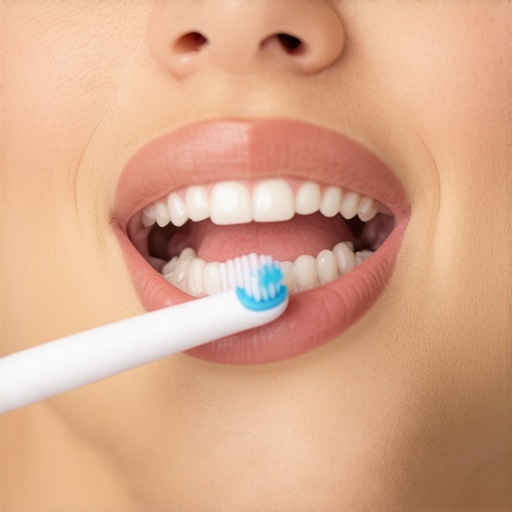
    Start by choosing a soft-bristled toothbrush, especially if you have receding gums, to avoid unnecessary damage. I remember a time I tried switching to a manual brush with soft bristles, and the difference was immediate—I experienced less gum soreness and better cleaning control. Use gentle, circular motions to clean each tooth surface thoroughly, avoiding harsh scrubbing that can erode enamel. Paying attention to your gum line ensures plaque doesn’t hide in hard-to-reach areas, reducing the risk of decay.

    Upgrade to an Electric Brush

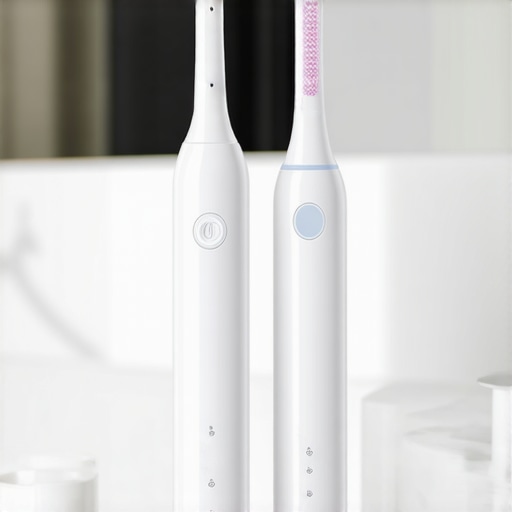
    If you haven’t already, consider an electric toothbrush with a timer and multiple modes. These tools provide consistent strokes, making it easier to clean effectively without applying excessive force. I tested one during a week-long trial, and my plaque buildup visibly decreased, while my gums felt healthier. This investment is especially worthwhile if you’re trying to minimize fluoride reliance but still want expert-level cleaning at home. Learn more about why electric toothbrushes are worth the extra money and how they simplify maintaining your smile.

    Master Flossing and Interdental Cleaning

    Flossing remains vital, despite many avoiding it. Use high-quality floss or interdental brushes—these are instrumental in dislodging plaque where toothbrushes can’t reach. I struggled with flossing at first; my first attempt involved tearing the floss because I used too much force. Over time, I learned to glide gently between teeth, making the process faster and less uncomfortable. For those who dislike traditional floss, consider water flossers or the best way to clean between teeth if you hate flossing. This step drastically reduces decay risk and complements your brushing routine.

    Strengthen Your Enamel Naturally

    Diet plays a crucial role. Limit acidic morning smoothies and beverages that erode enamel—these are common culprits for increased sensitivity. To counteract this, I incorporated more calcium-rich foods and drank plenty of water afterward. Additionally, a remineralizing rinse can reinforce your enamel without fluoride. For specific guidance, see how to protect your enamel from acidic drinks and how to keep your teeth white between professional cleanings.

    Choose Dental Products Thoughtfully

    Switch to toothpaste formulated for sensitive teeth if you notice metallic tastes or discomfort, and avoid overusing mouthwashes that contain alcohol or unnecessary chemicals. I made the switch after reading about natural alternatives and noticed my mouth felt fresher without the overpowering chemical aftertaste. Explore the gritty truth about natural whitening toothpastes to identify products that are both effective and safe. Remember, not all products labeled as natural are beneficial—do your research.

    Address Specific Concerns Promptly

    If you experience signs like a metallic taste, or if your crowns feel loose or uncomfortable, don’t ignore these cues. Immediate attention prevents small issues from becoming more serious. For instance, I once noticed a metallic taste lingering after brushing—linked to possible issues with old dental work. Learn how to fix the metallic taste and when to seek professional help. Additionally, know what to do if a crown feels tight when you eat or if a tooth becomes sensitive—quick interventions can save your smile.

    While routine teeth cleaning is often viewed as a straightforward task, many people overlook critical nuances that could undermine their oral health. One common misconception is believing that brushing harder equates to better cleaning. In reality, aggressive brushing can damage enamel and gums, leading to increased sensitivity and recession. Opting for soft-bristled brushes and proper technique—using gentle, circular motions—is far more effective, as supported by recent studies emphasizing the importance of gentle brushing to prevent gum erosion. Moreover, many assume that flossing is universally beneficial for everyone without considering individual variations; some individuals with certain dental restorations or gum issues might need specialized interdental cleaners or modifications. An advanced mistake many make is neglecting the type of dental crowns used; not all crowns are equally durable or resistant to bacteria, potentially leading to decay beneath poorly fitted restorations. For instance, understanding the most durable crown materials can help you make informed choices that last longer and reduce complications. A significant trap involves over-relying on fluoride treatments. While fluoride protects against cavities, excessive use—especially in adults—may contribute to health issues like fluorosis or skeletal problems, as highlighted by expert research. Recognizing the importance of personalized dental care is essential; a one-size-fits-all approach can backfire. For instance, some patients may benefit from alternative remineralization strategies or tailored cleaning routines. As for family dentistry, assuming that children and adults can follow identical routines is misguided; a child’s oral environment differs significantly, requiring age-appropriate products and techniques. This brings us to a crucial question: Are you aware of the types of materials used for your dental restorations and how they impact your long-term oral health? Educating oneself about these fundamentals can save money, discomfort, and preserve your smile. Remember, diligent brushing and flossing are just parts of a bigger picture that includes understanding the materials, techniques, and individual needs—so avoid the common trap of complacency. For more insights into protecting your enamel, see how to safeguard your enamel. Have you ever fallen into this trap? Let me know in the comments.

    Invest in the Right Equipment for Lasting Results

    Maintaining optimal oral health over the years requires tools that are reliable and suited to your specific needs. I personally recommend using a clinical-grade electric toothbrush. Its oscillating head provides more effective plaque removal than manual brushes, especially around crowns and hard-to-reach areas. The built-in timers ensure you brush for the recommended two minutes, which is critical for thorough cleaning. Switching to an electric model was a game-changer for me, significantly reducing plaque buildup and gum irritation over time.

    Regularly Replace Your Toothbrush or Brush Head

    Many underestimate the importance of timely replacement. Frayed bristles lose their effectiveness and can cause gum damage. For electric toothbrushes, replace the head every three months. This simple act maintains cleaning efficiency and prevents bacterial buildup—a concern highlighted by the dental community. Personally, I mark my calendar for every quarter, making it a routine that keeps my routine effective.

    Use Advanced Flossing Devices for Better Reach

    Traditional floss isn’t for everyone. I transitioned to a water flosser, which effortlessly cleans between teeth and along the gum line—especially helpful for those with crowns or bridges. I’ve noticed that water flossers not only remove more debris but also reduce gum bleeding, as discussed in expert advice. For long-term success, integrate this device into your daily routine and gradually increase pressure to improve gum health.

    Monitor Your Enamel and Use Natural Reinforcement

    Tooth enamel is your first line of defense. I suggest incorporating a remineralizing rinse that contains calcium and phosphate, which naturally strengthen enamel without chemicals. Keeping your diet acid-balanced by limiting citrus and soda also protects your enamel. For tailored guidance, see these expert strategies. I began using a natural remineralizer six months ago, and my sensitivity has substantially decreased.

    Tackle Crown and Restoration Maintenance

    Crowns and dental restorations require special care to last decades. I follow a meticulous protocol: avoid biting on hard objects, steer clear of acidic foods that can erode cement, and visit my dentist for regular check-ups. For durable crowns, I seek out materials like zirconia or porcelain-fused-to-metal, which offer longevity and natural appearance. To ensure your crowns stay in top shape, learn about the best materials.

    Stay Ahead with Professional Support

    While personal tools are vital, scheduled professional cleanings and inspections prevent small issues from escalating. Ask your dentist about advanced cleaning techniques, such as ultrasonic scalers, which effectively remove tartar without damaging your gums. Regular visits also allow early detection of potential problems like mini fractures or crown leaks, saving you time and money in the long run. Remember, a visit every six months is your best bet for lasting dental health.

    How do I maintain my dental tools over time?

    Proper maintenance of your dental arsenal is key. Rinse electric toothbrush heads after each use, dry them thoroughly, and store in a clean, upright position. Replace brush heads as recommended, and periodically disinfect water flossers with vinegar solutions. Keeping your tools in pristine condition ensures they work effectively and reduces bacterial buildup, leading to healthier teeth and gums. Implementing these simple habits can dramatically improve your long-term oral health and make every cleaning session more effective.

    Let me encourage you to start using a quality electric toothbrush today if you haven’t yet. The difference it makes over time is remarkable, and you’ll feel more confident knowing you’re giving your mouth the best possible care. Remember, consistency and the right tools are your best allies in maintaining a healthy, beautiful smile for years to come.

    Lessons That Changed My Dental Routine Forever

    One profound realization I had was that consistent, gentle cleaning with high-quality tools outweighs over-reliance on chemical additives like fluoride. I discovered that some stubborn dental issues stem from neglecting the specifics of my own mouth’s needs, such as prioritizing interdental cleaning or protecting my enamel during acidic meals. The biggest lightbulb moment was understanding that every smile is unique; a routine suited for one person might harm another if not personalized.

    Another invaluable insight was that crowd materials matter—zFoam, zirconia, and PFM crowns each react differently to everyday habits. Recognizing these nuances empowered me to consult more effectively with my dentist, ensuring my restorations last longer. Additionally, I learned that your oral health depends on more than just brushing; diet, stress management, and even sleep quality have surprising impacts—highlighted beautifully in resources like this article.

    Finally, I realized that everyday habits such as rinsing immediately after brushing can wash away the beneficial fluoride or other strengths from my toothpaste. Small adjustments in technique and timing make a significant difference—something I’ve integrated into my routine, and I notice a healthier, brighter smile as a result.

    My Toolbox for Lasting Dental Happiness

    • Electric toothbrush from a trusted dental expert—it’s a game changer in plaque control and gum health.
    • Water flosser—easy to use, especially with crowns and braces, and proven to reduce bleeding and debris more effectively than string floss in some cases.
    • Remineralizing rinses and natural toothpastes—these support enamel health without harsh chemicals, aligning with my goal to minimize fluoride when possible.
    • Guided diet plans focusing on tooth-friendly foods—limiting acids and sugars while boosting calcium and phosphate intake for strong enamel.

    Complement these tools with regular check-ups, using resources like professional guidance, to stay ahead of potential issues and preserve your smile’s health and beauty.

    Let Your Smile Lead the Way

    Every smile is a reflection of your commitment to health and self-care. If you’re ready to take control beyond traditional fluoride reliance, start small—experiment with gentle, effective tools and personalized routines. Remember, your oral health is an ongoing journey filled with opportunities to learn and improve. Make that leap today—your future self will thank you for the confidence and vitality it brings.

  • Is charcoal toothpaste actually sanding down your enamel?

    Is charcoal toothpaste actually sanding down your enamel?

    I remember the exact moment I looked in the mirror and noticed my teeth looked duller than usual. I had just started using charcoal toothpaste because everyone seemed to rave about its whitening power, but something didn’t feel right. It was a lightbulb moment—was I actually damaging my enamel?

    Why I Started Wondering About Charcoal Toothpaste

    Like many, I was drawn to the idea of a natural remedy that promised brighter teeth without harsh chemicals. Charcoal toothpaste seemed like the perfect solution—an all-natural, abrasive alternative to conventional whitening products. But after a few weeks, I noticed increased sensitivity and some rough spots on my teeth that felt different when I ran my tongue over them. That initial glow of excitement turned into concern. Was I unknowingly grinding down my enamel?

    Researching further, I learned that while charcoal has excellent absorption properties, its abrasiveness could be problematic. In fact, some studies suggest that overly abrasive toothpastes can wear down the protective enamel layer over time, leading to increased sensitivity and other dental issues. According to the American Dental Association, using highly abrasive toothpastes can erode enamel and expose dentin, which can cause discomfort and increase cavity risk.

    Have you ever faced a similar dilemma after switching to a new toothpaste or whitening routine? If so, you’re not alone. This dilemma is more common than you think, and understanding what’s happening in your mouth can be the key to protecting your smile.

    Is Charcoal Toothpaste Actually Worth the Hype?

    Early in my journey, I made a crucial mistake—assuming that all natural products are necessarily gentle and safe. I didn’t realize that some abrasives, like charcoal, could be more harmful than helpful if used excessively. My experience taught me that not all whitening methods are created equal, and it’s vital to evaluate their impact on your dental health rather than just their promises. Want to learn what signs to watch for and how to choose a toothpaste that’s safe and effective? Keep reading to find out how to keep your teeth healthy while achieving a bright smile.

    Choose Your Whitening Method Wisely

    Before diving into any whitening routine, evaluate the safety and abrasiveness of the products you consider. For example, professional whitening by a dentist uses controlled, less abrasive agents, ensuring your enamel stays intact. In my experience, opting for in-office bleaching resulted in immediate, noticeable results without sensitivity, unlike over-the-counter strips that caused discomfort. Remember, not all whitening solutions are equal; some can do more harm than good if not chosen carefully.

    Implement Proper Brushing Techniques

    Mastering how to brush correctly is crucial. Use a soft-bristled toothbrush to minimize enamel wear and employ gentle, circular motions rather than aggressive scrubbing. I once tried to clean my teeth faster by brushing harder, but that led to gum irritation and increased sensitivity—proof that force isn’t the answer. For more tips, see the best way to clean between teeth.

    Incorporate Effective Flossing and Rinsing

    Flossing removes plaque between teeth, reducing the risk of cavities and gum disease, which can cause discoloration over time. I struggled with flossing until I found a technique that was comfortable—using gentle back-and-forth motions rather than snapping the floss. Additionally, using an antimicrobial mouthwash can reinforce cleaning. However, avoid over-rinsing immediately after brushing, as this washes away fluoride that protects enamel; see why you should not rinse after brushing.

    Be Mindful of Snacks and Beverages

    What you eat significantly influences your oral health. Acidic foods like citrus or soda can erode enamel, making teeth appear duller and more sensitive. I noticed my smiles fading after sipping multiple cups of tea daily—an example of how everyday choices matter. Opt for snacks low in sugar and acid; check out healthy snack options to keep your teeth resilient.

    Schedule Regular Dental Visits

    Routine professional cleanings remove stubborn plaque and tartar that home care misses. During my first deep cleaning, I discovered areas I neglected, leading to early signs of gum issues. Consistency is key: aim for every six months, or as recommended by your dentist. For more on what to expect, see why some cleanings take longer. Regular check-ups also catch problems early, preventing discoloration and structural damage that complicate whitening efforts.

    Many people believe that dental crowns are a quick fix for damaged teeth, but this oversimplification can lead to costly mistakes. For instance, choosing a crown based solely on cost or appearance without considering the material’s durability may result in frequent replacements. While ceramic crowns are popular for aesthetics, they might not last as long as gold or porcelain-fused-to-metal options in high-stress areas. A knowledgeable dentist evaluates the specific clinical situation to recommend the most suitable material, such as those detailed in this guide on crown materials.

    Similarly, many assume that family dentistry only involves routine cleanings and checkups, but experts know that comprehensive care extends far beyond. For example, early intervention for orthodontic issues or monitoring for oral cancers are critical components often overlooked. A common mistake is neglecting regular dental visits, which can exacerbate existing problems, making treatments more complex and expensive. As shown in this article on insurance and cleanings, consistent professional care can save money and improve overall health.

    When it comes to teeth cleaning, many think that more scraping means better results. However, aggressive cleaning can damage delicate gum tissues and enamel, especially if performed improperly. Dental professionals understand the importance of gentle, precise cleaning techniques, tailored to each patient’s needs. For instance, those with receding gums benefit from specific tools and approaches, as explained in this resource on bleeding gums during cleanings. This nuanced approach prevents unnecessary trauma and preserves oral health.

    The realm of oral health is filled with misconceptions about routine practices. Brushing too hard or using abrasive toothpaste can wear down enamel over time, increasing sensitivity and cavities. It’s a common trap to believe that vigorous brushing yields cleaner teeth; in reality, technique matters more than force. Dentists advocate for soft-bristled brushes and proper motion, as discussed in this article on brushing habits. Additionally, over-reliance on mouthwash without proper brushing and flossing might provide a false sense of security, neglecting mechanical plaque removal.

    Finally, many underestimate the importance of dietary choices and lifestyle in maintaining oral health. Acidic foods and snacking habits can erode enamel and promote decay, challenging the misconception that oral hygiene alone is enough. For example, consistent exposure to sugar and acid may be more damaging than neglecting brushing. The importance of integrated care and educated choices is emphasized in this insight into systemic links with oral health.

    In summary, understanding these nuances can profoundly impact your dental longevity and overall wellness. Are you aware of the common pitfalls in your current routine? Share your experiences or questions below—I’d love to hear if you’ve ever fallen into these traps! Improving your knowledge today can prevent costly problems tomorrow.Maintaining your oral health requires more than just good brushing and flossing habits; it involves utilizing the right tools and establishing a routine that supports your long-term smile. One essential tool I personally recommend is an electric toothbrush with a timer and pressure sensor. These devices not only ensure consistent brushing duration but also prevent over-brushing, which can damage enamel and gum tissue. According to a study highlighted in this resource, electric toothbrushes reduce plaque more effectively than manual brushes and promote better oral hygiene with less effort.

    In addition to a quality toothbrush, I advocate for a trusted fluoride rinse that complements daily brushing. Fluoride strengthens enamel and helps resist decay, especially when used correctly. It’s crucial to avoid rinsing with water immediately after brushing, as this dilutes fluoride’s protective effect, an advice supported by this article.

    Regular dental check-ups are another cornerstone of ongoing oral health. Scheduling visits every six months allows your dentist to detect and address issues early. You might be surprised how many problems, like minor crown leaks or early gum disease, can be managed easily when caught promptly. For instance, understanding the durability of your crowns can influence how frequently you need professional evaluation; explore this guide to materials for a smarter choice.

    Long-term results hinge on consistent care and sophisticated tools. I encourage you to invest in an ultrasonic water flosser, which uses high-pressure water to remove plaque from hard-to-reach areas. It’s particularly beneficial for those with dental restorations or braces, providing a gentle yet effective clean that surpasses traditional floss. Incorporate this into your routine, and over time, you’ll notice healthier gums and brighter teeth.

    Looking ahead, the future of oral health care seems geared towards AI-powered diagnostics and personalized treatment plans. Innovations like smart toothbrushes that sync with smartphone apps will offer real-time feedback, making home care more precise and effective. Staying open to such advancements can give you a significant advantage in maintaining a radiant, healthy smile.

    How do I maintain my dental tools over time?

    Regular cleaning of your toothbrush head or water flosser nozzle is vital. Rinse and air-dry each after use to prevent bacterial buildup, and replace older brushes every three months or sooner if bristles fray. Embracing these simple routines ensures your tools remain effective and hygienic.

    Finally, I challenge you to try integrating a water flosser into your daily routine. Its ease of use and proven benefits make it an investment in your oral health that pays off over time. Remember, a bright smile isn’t just about appearance—it’s a reflection of overall health and wellness. Keep your tools in top condition, stay consistent, and your future self will thank you.

    What I Wish I Knew Before Relying on Crowns

    One of the most profound lessons I learned is that not all crowns are created equal. Choosing the right material can make a huge difference in sustainability and comfort, yet many overlook this, leading to costly replacements. My experience taught me to dig beyond surface appearances and consider durability and compatibility with my natural teeth, which I discovered through research on crown materials. This lesson has helped me prolong the life of my dental work and avoid unnecessary procedures.

    The Hidden Cost of Skipping Regular Checkups

    Initially, I believed that skipping routine checks saved time and money, but I soon realized that neglecting these visits allowed small issues to escalate into serious problems. Regular professional cleanings not only preserve the health of my gums but also catch early signs of decay or crown problems. Insights from this article reinforced the importance of consistency, making me appreciate how preventive care saves money and stress in the long run.

    Gum Health Matters More Than You Think

    I used to focus solely on whitening and cleaning but overlooked that healthy gums are essential for a radiant smile. Burning gums, bleeding during brushing, or persistent redness were clues I ignored before realizing they signaled deeper issues. Exploring the systemic impact of gum health helped me understand that caring for my gums benefits my overall health, motivating me to adopt better habits.

    Smart Tools Make All the Difference

    Investing in tools like an electric toothbrush and water flosser transformed my daily routine. These devices not only improved my oral hygiene but also made cleaning less cumbersome. I now see these as essential parts of a comprehensive dental routine, supported by reviews from trusted sources. Proper use and maintenance of these tools extend their lifespan and effectiveness, emphasizing that investing in quality can pay dividends over years of healthy smiles.

    Learning From Every Experience Elevates Your Dental Care

    Every mishap, whether a chipped crown or unexpected sensitivity, has pushed me to learn more about my oral health. Why certain foods cause discomfort or why a crown feels tight are clues I now listen to carefully. These experiences have transformed my approach from reactive to proactive, which you can also adopt by paying attention to your body’s signals and seeking expert guidance when needed, as discussed in this helpful article.

  • The 30-second habit that prevents tartar buildup

    The 30-second habit that prevents tartar buildup

    It was a typical Tuesday evening when I caught a glimpse of my reflection and noticed something unsettling—tiny white deposits creeping along my gums. I had always thought that brushing twice a day was enough, but that night, I realized I was missing something crucial. Despite my efforts, tartar was sneaking in, and I felt a twinge of panic. That moment was my lightbulb: a simple, 30-second habit that could have prevented this whole mess.

    The Power of a Quick Check in the Mirror

    Many people overlook the small details when caring for their teeth. We think brushing and flossing are enough, but tartar begins forming in places we can’t see without a closer look. What I discovered is that a quick, 30-second habit—using a mirror to check those hard-to-see areas—is a game-changer. It’s like giving your mouth a mini inspection, catching early buildup before it hardens into plaque.

    In fact, studies show that regular visual checks can significantly reduce the chances of tartar accumulating unnoticed. I found that by dedicating half a minute to glance at my gums and teeth, I could spot early signs and adjust my cleaning routine immediately. And trust me, it’s easier than scheduling a deep cleaning later on! For more tips on maintaining healthy gums, check out this useful guide.

    Is a Quick Check Actually Worth the Hype

    Now, I hear you—”Really, 30 seconds? Is that all it takes?” Well, yes! Early in my journey, I made a mistake I see many others repeat: I thought more brushing was better, which can sometimes cause damage. But neglecting those small, visible signs led to stubborn tartar beneath the gum line. Catching issues early with a simple glance can save you from expensive dental procedures later. It’s a small investment of time that yields big benefits.

    Imagine what you could spot in just half a minute—leftover food, plaque buildup, or even early signs of gingivitis. By incorporating this habit, I found my dental visits less intimidating because I was proactive. If you’re tired of feeling like tartar is a losing battle, this could be your secret weapon.

    Now that I’ve shared my personal breakthrough, let’s explore the exact steps to make this habit part of your routine, starting with the tools that make it effortless. Are you ready to transform your oral health with just 30 seconds a day?

    Nail the Visual Inspection Routine

    Start with a mirror—preferably a small, handheld one—and dedicate 30 seconds nightly to scan your gums and teeth. I remember once catching a slim line of white buildup near my molars after a quick glance, which prompted me to adjust my brushing. Use the mirror to check areas hard to see while brushing, like the back molars and along the gum line. Think of it as a mini health checkup—just in your bathroom—improving early detection and preventing tartar buildup that becomes stubborn and expensive to remove.

    Use the Right Tools for a Deep Clean

    Invest in an electric toothbrush with a fine-tipped head designed to reach those tricky spots. Pair this with floss or interdental brushes to access tight spaces between teeth. Micro-story: I once used a soft interdental brush on a stubborn plaque spot—initially messy as the brush snagged and splashed water, but I learned to gently maneuver it along the gum line. This approach is comparable to cleaning delicate jewelry—gentle, precise, and effective. Remember, scrubbing harder won’t help; it can damage gums and enamel. Want to step up your game? Learn the proper technique with this guide on [the proper way to brush with an electric toothbrush](https://periodontistcare.com/the-proper-way-to-brush-with-an-electric-toothbrush).

    Master the Art of Spot Cleaning

    Focus your attention on often-missed areas like the back molars and along the gum line, where tartar likes to hide. Use the tip of your brush or interdental tools to gently scrub these zones. During one session, I noticed a thin film near my wisdom tooth that I typically ignored—by spending an extra 10 seconds there, I prevented it from hardening into tartar. Think of these spots as the corners of a room—you might overlook them, but neglecting them invites buildup. Incorporate targeted cleaning into your routine, and you’ll notice less plaque and healthier gums.

    Watch Your Rinsing Habits

    Post-brushing, avoid rinsing immediately—this washes away the fluoride protection. Instead, spit out excess foam and wait at least 30 minutes before rinsing. This allows fluoride to strengthen your enamel effectively. I used to rinse right away, and my dentist pointed out that I was washing away the benefits. For more tips on optimizing your oral care routine, check out [stop rinsing after you brush: why you’re washing away the protection](https://periodontistcare.com/stop-rinsing-after-you-brush-why-youre-washing-away-the-protection).

    Stay Consistent and Adjust When Needed

    Track your routine and make it a nightly habit. Over time, you’ll start noticing early signs of issues—like sensitivity or rough texture—that signal you need a professional evaluation. Regular monitoring with your mirror isn’t just about catching tartar; it also helps you learn your mouth’s subtle changes, preventing more serious problems. Combined with professional cleanings, this tiny daily effort makes a big difference. Remember, if you suspect deeper issues or persistent buildup, consult your dentist promptly for specialized care, perhaps even exploring options like [deep scaling](https://periodontistcare.com/the-difference-between-a-standard-cleaning-and-a-deep-scale).Even though most of us think we’re doing enough to maintain our oral health, there are nuanced misconceptions that can sabotage our efforts. For example, many believe that brushing harder cleans better, but in reality, aggressive brushing can damage gums and enamel—a mistake that leads to sensitivity and gum recession. Regularly overdoing it can accelerate wear rather than prevent decay. Accurate knowledge about suitable techniques is crucial; gentle, circular motions are much more effective, and aggressive scrubbing often causes more harm than good.

    Are Dental Crowns Really Just About Appearance or Do They Have Hidden Caveats?

    Often, we focus on the aesthetics of crowns, but the durability and fit depend on factors like material type, bonding techniques, and the patient’s bite. For instance, crowns made from gold or ceramic have different longevity profiles, and understanding these nuances can help you make smarter choices. Many people assume all crowns last equally long, but studies show that a poor bond or misfit can lead to early failure, even if the crown looks perfect. For detailed insights on crown longevity, see this comparison of gold vs ceramic crowns.

    Another common myth revolves around family dentistry, where some blindly trust that regular cleanings are enough, ignoring the importance of personalized care plans. Each family member’s oral health needs differ, especially children versus adults, and overlooking these specifics can result in untreated issues like early decay or misaligned bites. Regular checkups are vital, but tailored advice from your dentist can significantly improve long-term outcomes. Want to learn how to optimize your family’s dental routines? Check out this article on effective family dental care.

    In the realm of oral health myths, many still believe that rinsing immediately after brushing enhances cleanliness. Actually, rinsing washes away fluoride, which is essential for strengthening enamel. Delay rinsing for at least 30 minutes to maximize fluoride benefits, as recommended by experts. I learned this the hard way—rinsing right after brushing nullified my fluoride treatment, making my teeth more vulnerable over time. For more on this, visit our guide on rinsing habits and enamel protection.

    Being aware of these subtleties can prevent costly mistakes and boost your oral health. Don’t let common misconceptions hold you back from achieving a truly healthy smile. Have you ever fallen into this trap? Let me know in the comments. Remember, continuous learning and attention to detail make all the difference in maintaining optimal oral health.Maintaining optimal oral health requires more than just good habits; it demands utilizing the right tools consistently. Personally, I swear by an electric toothbrush featuring a fine-tipped head, which I use daily to reach those tricky spots behind molars and along the gum line. The precise bristle design ensures thorough cleaning without damaging delicate enamel, making it a vital part of my routine. Additionally, interdental brushes have revolutionized my way of cleaning tight spaces where floss often struggles, especially around crowns and braces. I opt for soft, narrow brushes that gently dislodge plaque without causing irritation. Regularly, I supplement my cleaning with a tongue scraper—an often-overlooked device that reduces bacteria and freshens breath—particularly effective when used with proper technique as described here https://periodontistcare.com/the-proper-way-to-clean-your-tongue-without-gagging. Combining these tools, I create a comprehensive defense against tartar buildup and cavities, ensuring my teeth stay healthy over the years. Looking ahead, innovations like smart toothbrushes integrated with app tracking are poised to personalize dental care further, increasing adherence and monitoring long-term results. How do I maintain my dental tools over time? I clean my electric toothbrush heads monthly with antibacterial solutions, replace them every three months, and inspect interdental brushes regularly for wear. Keeping tools clean and replacing worn components is essential for consistent, effective cleaning. If you’re serious about maintaining your oral health, I recommend adopting advanced tools like the electric toothbrush I use—trusted for its design and performance—and sticking to a routine of replacing brush heads as per the manufacturer’s guidelines. This simple step can dramatically improve cleaning efficiency and preserve your investment over years to come. Try incorporating an interdental brush into your nightly routine to reach hidden plaque areas. It’s a game-changer in preventing the stubborn tartar buildup that often leads to costly procedures. Remember, the key to long-lasting results is consistency combined with the right equipment.

    What I Learned About Consistency Over Perfection

    I used to think that lengthy, perfect brushing sessions were necessary for healthy teeth, but I realized that small, consistent habits—like a quick mirror check—are more effective. This taught me that focusing on simple daily actions can lead to lasting change without overwhelm.

    The Power of Personal Attention

    From catching early tartar buildup to noticing discomfort, paying close attention during my routine made me more proactive. It’s a reminder that your body’s signals often whisper before they scream, and tuning in can save you from costly procedures.

    How Small Tools Make a Big Difference

    Investing in a good electric toothbrush and interdental brushes transformed my cleaning routine. Quality tools empower you to reach hidden areas, turning a mundane task into a targeted fight against plaque and tartar.

    The Importance of Mindful Practices

    Deliberately delaying rinsing after brushing allowed fluoride to strengthen my teeth. Small mindful decisions amplify your oral health benefits, proving that patience in routine can yield impressive results.

    Embracing Continuous Learning

    Keeping informed about myths and facts—I found out that aggressive brushing damages gums or that rinsing immediately washes away fluoride—helps me make smarter choices. Staying curious about oral health keeps your smile resilient over time.

  • Why sugar-free soda is still ruining your teeth

    Why sugar-free soda is still ruining your teeth

    I remember the exact moment I realized that my obsession with sugar-free soda was sneaking behind my smile’s back. It was after a routine dental checkup, where my dentist pointed out early signs of enamel erosion, despite my confident claims of avoiding sugar. That sinking feeling hit me—how could a drink I thought was ‘teeth-friendly’ be causing harm?

    The Hidden Danger in Sugar-Free Sodas

    You might assume that choosing sugar-free options shields you from cavities and enamel damage. But in my experience—and countless studies confirm—these beverages often contain artificial sweeteners and acids that actively erode your tooth enamel. Not convinced? Well, research published in the Journal of Dental Research reveals that acidic drinks, including sugar-free sodas, can be just as damaging, if not more so, than regular sugary drinks.

    This revelation was a lightbulb moment for me. I had made the mistake early on of thinking that ‘zero sugar’ meant no risk to my oral health. But the reality is, acids like citric and phosphoric acid—common in diet sodas—attack enamel relentlessly, thinning it out over time. Once it’s gone, there’s no replacing it, and that’s how minor enamel wear turns into bad enough problems to need crowns or other restorations.

    Is Cutting Out Sugar Enough? Think Again.

    This experience taught me that avoiding sugar isn’t a cure-all. You need to look at the bigger picture—acid exposure, frequency of consumption, and proper oral hygiene. If you’re like me, I bet you’ve also fallen prey to the myth that diet drinks are completely safe. But they aren’t, and my mistake was ignoring the importance of understanding the real culprits behind tooth erosion.

    If you’ve been sipping sugar-free soda daily, especially during or after meals, then you might be unknowingly risking your teeth’s future. It’s time we get serious about protecting our enamel—because once it’s gone, the damage can’t be fully undone. Want to know how? Stick around as I share practical steps, backed by expert insights, to keep your smile healthy and strong.

    Stop Sip and Swallow Habit

    Begin by reducing the frequency of your sugar-free soda intake. Instead of sipping throughout the day, limit yourself to a single, post-meal glass. I once made the mistake of drinking diet soda continuously during a work session, which led to noticeable enamel sensitivity within weeks. After I consciously cut down, I noticed a decrease in discomfort and a more resilient smile.

    Use a Straw for Acidic Drinks

    When consuming acidic beverages, always use a straw positioned toward the back of your mouth. This minimizes contact with your teeth, similar to how sunglasses shield your eyes from harsh sunlight. I adopted this tip during a summer picnic and found that my front teeth showed fewer signs of erosion compared to previous outings.

    Close-up of a person drinking soda through a straw, protecting their teeth from acids

    Rinse with Water After Drinking

    Immediately after finishing your soda, rinse your mouth thoroughly with water. Think of it as washing away the acids before they linger. I kept a water bottle nearby during a social event and made it a habit to rinse after each sip. Over time, I noticed less enamel wear and fewer cold sensitivities.

    Wait Before Brushing

    Refrain from brushing your teeth right after consuming acidic drinks; wait at least 30 minutes. Brushing too soon can grind acids into your enamel, like scrubbing a fresh paint job before it dries. I learned this the hard way when I brushed immediately after a diet soda, which caused slight enamel abrasion. Now, I wait, and my enamel stays stronger longer.

    Choose Enamel-Strengthening Products

    Incorporate toothpaste with fluoride and minerals that reinforce enamel. Consider products labeled for sensitivity and strength. During my last dental check-up, my hygienist recommended a fluoride rinse, which I use daily. This simple addition markedly improved my enamel resilience, especially around areas exposed to acids.

    Schedule Regular Dental Visits

    Monthly or biannual cleanings help detect early signs of erosion before they become serious problems. Think of dental visits like routine car maintenance—they prevent breakdowns. I personally schedule appointments every six months, and my dentist keeps a close eye on areas vulnerable to acid damage, providing tailored advice.

    Many people believe they understand dental crowns, cleaning routines, and family oral health, but the reality is often more complex. A common misconception is that once a crown is placed, it requires no further attention, which isn’t entirely true. Without proper maintenance, even the best crowns can fail prematurely due to unnoticed issues like microleakage or decay underneath. Learn how dark lines above crowns can signal underlying problems. Additionally, some assume that professional cleaning alone suffices for long-term oral health, overlooking the importance of daily habits such as proper brushing techniques and diet management. Overlooking these nuances can lead to unnecessary treatments or early crown failure.

    A less obvious but crucial point is the importance of early detection of issues like gum disease, which can silently worsen alongside crown placement or routine cleaning. Regular visits are vital, but knowing what signs to watch for—such as persistent bad taste, gum bleeding, or loosened crowns—can be game-changers. Interestingly, many families underestimate the role of diet, especially acidic morning smoothies, which can erode enamel and complicate overall oral health, even if brushing habits are perfect. To safeguard your teeth, it’s essential to understand how dietary choices and oral hygiene intersect.

    What most people overlook is that family dentistry isn’t just a series of treatments but a proactive strategy. For instance, some parents mistakenly think that flossing isn’t critical for children, but plaque control from an early age sets the foundation for lifelong health. Also, many underestimate the significance of sealants and custom advice tailored to children’s developing teeth, helping prevent costly restorations later. Developing an awareness of these nuances ensures you’re not just reacting to problems but actively preventing them.

    **Are dental crowns really as durable as claimed, or is there more to their longevity?** This question has advanced implications. For example, the type of material—whether gold, porcelain, or ceramic—affects their lifespan. Studies show that while ceramic crowns can match or surpass gold in some cases, improper fit or bonding issues can drastically reduce their durability. It’s crucial to understand that crowns are not just about appearance but also about precise fit and material compatibility.

    Furthermore, many fail to realize that oral health is a holistic matter. Poor gum health can undermine crowns and overall dental stability, potentially leading to gum recession or bone loss around restorations. Maintaining healthy gums through effective brushing, flossing, and regular professional care keeps your investment in crowns protective rather than futile. For a comprehensive routine, consider integrating insights about gum health and enamel preservation—like avoiding overly acidic smoothies—into your daily habits. Healthy gums not only improve oral health but also have systemic benefits.

    In summary, many common beliefs about dental crowns, family dentistry, and oral health tend to oversimplify the reality. Recognizing these hidden nuances helps you make informed decisions and avoid costly mistakes. For example, being proactive by learning about early warning signs of crown failure or gum disease can save you time and money in the long run. Conduct regular self-checks, such as observing for dark lines or shifts in crowns, and stay committed to good habits.

    Have you ever fallen into this trap? Let me know in the comments how you’ve tackled misconceptions around dental health, or share your experience with crowns and family routines.Maintaining a healthy smile over time isn’t just about brushing and flossing—it’s about integrating the right tools and practices into your routine. One essential device I swear by is an electric toothbrush with oscillating-rotating heads; I personally find it more effective at plaque removal, especially in hard-to-reach areas, compared to manual brushing. Additionally, I use a water flosser daily, which not only makes flossing easier but also helps reduce gum inflammation, as I experienced during my last deep cleaning appointment.

    For monitoring my oral health, I rely on a dental mirror with a built-in LED light. It allows me to inspect areas that are prone to plaque buildup or early signs of decay, ensuring I catch issues before they escalate. These tools have been instrumental in extending the life of my crowns and avoiding unnecessary restorations.

    In terms of software, I utilize a recurring appointment reminder app linked to my calendar, ensuring I never miss my biannual professional cleanings. Preventive visits are crucial; studies show that regular check-ups significantly reduce the risk of complex procedures down the line.

    Looking ahead, the trend in oral health tech is leaning toward smart devices that sync with your smartphone to track brushing and flossing habits, providing personalized feedback. As these technologies become more affordable and user-friendly, I predict they’ll revolutionize at-home care, making it easier to maintain long-term health.

    How do I keep my dental routine effective over time? Consistency paired with quality tools is key. I challenge you to try upgrading your basic toothbrush to an electric model and integrate a water flosser into your daily routine. These small changes, backed by research and personal experience, can dramatically improve your oral health trajectory. Remember, proactive maintenance today prevents costly procedures tomorrow. Don’t wait—start leveraging these tools now and see the difference for yourself.

    Lessons I Wish I Knew Before Ignoring Smile Secrets

    • One of the biggest realizations was that superficial fixes, like whitening or crowns, aren’t enough if foundational habits are ignored. I learned this when a minor sensitivity turned into a nerve issue, reminding me that prevention beats repair.
    • Don’t underestimate the power of early detection. Spotting tiny cracks or gum recession early saved me from complex procedures later. Regular self-inspections, like checking for dark lines above crowns, can be game-changers.
    • Understanding that family dentistry is about proactive care changed my approach. Educating my children early about good habits fostered lifelong health and avoided future complications.

    Tools and Resources That Transformed My Dental Journey

    • The best fluoride toothpaste has bolstered my enamel, especially after I learned how acids can silently erode it. It’s a straightforward change with lasting benefits.
    • The electric toothbrush I switched to has made a significant difference in plaque control, especially around crowns and braces. Trust me, investing in quality tools pays off.
    • For monitoring my oral health, I rely on a compact dental mirror with a light. Early signs of gum issues are easier to catch when I can see clearly.

    Your Smile’s Bright Future Is in Your Hands

    Whether you’re safeguarding crowns, preventing enamel erosion, or nurturing family habits, remember that your daily choices shape your dental destiny. Embrace proactive care today—your future self will thank you—and start implementing simple habits like proper brushing, smart snacking, and routine check-ups. Small steps now can translate into decades of healthy smiles ahead. How do you plan to enhance your oral health starting today? Share your goals below and let’s motivate each other to keep our smiles shining.

  • The connection between gum health and your heart

    The connection between gum health and your heart

    It hit me one morning—waking up with a pounding in my chest, shortness of breath, and an unsettling feeling that something was off. I had always thought of my dental visits as routine, just a clean and polish, nothing more. But that day, I realized a simple gum infection might be linked to my looming heart issues. It was a lightbulb moment that surprised me—and I want to share it because if you’re like me, you might be ignoring how your oral health impacts your entire body.

    The Hidden Link Between Your Gums and Heart

    For years, I brushed off my bleeding gums after flossing, thinking it was just minor gum irritation or brushing too hard. But I learned that persistent gum inflammation isn’t just a local problem—it can be a warning sign of more serious health risks, including heart disease. Research indicates that bacteria from infected gums can enter your bloodstream, leading to inflammation in your arteries, and potentially increasing your risk of heart attacks and strokes. This connection is more than just a myth; it’s backed by studies showing people with gum disease are at a higher risk of cardiovascular issues (American Heart Association, 2020). If you’re neglecting your gums, you could be unintentionally inviting heart trouble.

    Are You Falling for the Myths About Gum Disease?

    Early on, I made the mistake of dismissing minor gum bleeding and assuming it would just pass. Trust me, ignoring these symptoms can be dangerous. I overlooked the importance of regular deep cleans and proper flossing, which only worsened my condition. Now, I realize that what might seem like just a little bleeding or redness could be a sign of underlying problems that deserve immediate attention. For a comprehensive look at how to properly care for your gums and prevent this risk, check out this guide on deep cleaning.

    Now that I’ve shared my story, let’s get into the practical steps to protect not just your gums but your heart too. We’ll explore how to detect early signs, the importance of regular dental checkups, and simple habits that can make a big difference in your overall health—and your peace of mind.

    Master the Art of Daily Oral Care

    Start with a consistent brushing routine using a soft-bristled electric toothbrush, which is gentler on receding gums and more effective at plaque removal. Practice brushing for at least two minutes, covering all surfaces of your teeth, including the backs and the chewing surfaces. Remember to replace your toothbrush every three to four months to maintain cleaning efficiency. I once tried switching to an electric brush, and within a week, I noticed my gums were less inflamed, a clear sign that proper brushing reduces bacterial load that can otherwise enter your bloodstream.

    Floss Strategically to Disrupt Bacteria

    Flossing is like pruning a tree—you clear the dead and overgrown branches to promote healthier growth. Use a waxed, multi-thread floss to glide gently between teeth, hugging the sides rather than snapping harshly. I began flossing nightly, making it a part of my routine after dinner, and observed less bleeding and fresh breath—indicators of healthier gums. For stubborn deposits, consider a water flosser which can be less invasive and easier to control, especially if you have sensitive gums. Learn how to handle safe flossing techniques at this guide to ensure you’re not damaging your gum tissues.

    Incorporate Regular Dental Visits

    Scheduling a professional cleaning at least twice a year is like giving your mouth a tune-up. During my last deep cleaning, my dentist showed me how plaque had calcified into tartar, only removable with professional tools. This process is crucial because tartar buildup can harbor bacteria and cause both gum and heart disease. Ask your dentist to perform a deep scale if you suspect you have gum issues; it targets hidden plaque below the gum line, preventing bleeding and inflammation. Regular checkups also allow early detection of problems like loose crowns or small chips, maintaining your oral integrity and overall health.

    Implement Protective Habits and Behaviors

    Avoid using teeth as tools, which can chip or crack them. I once used my teeth to open a package, resulting in a chipped molar that required a crown. Instead, keep a toolbox nearby for such tasks or use scissors. Be mindful of your snack choices; for example, crunchy vegetables and cheese strengthen enamel, whereas sticky candies cling to teeth and promote cavities. Discover dentist-approved snack ideas at this resource. Also, limit acidic drinks like citrus smoothies, which can erode enamel. Always rinse your mouth with water afterward to neutralize acids, but avoid rinsing immediately after brushing, as this washes away the fluoride protection. For stubborn stains or sensitivity, consult a professional about whitening options that won’t damage sensitive enamel here.

    Stay Alert for Warning Signs

    Pay close attention to symptoms like persistent bleeding during brushing, unusual breath, or lingering tooth pain. These often signal underlying issues that could threaten your heart health if ignored. Make it a habit to do a quick 30-second mirror check daily, watching for redness, swelling, or bleeding in your gums. If you notice anything abnormal, schedule an appointment promptly. For instance, I caught early signs of gum inflammation that, if left untreated, could have led to more serious diseases. Early intervention is key, so incorporate regular self-assessments into your routine to stay ahead.

    Connect Practice with Purpose

    Understanding that each brushing or flossing session is a step towards preventing systemic health problems makes the process more meaningful. When I realized my gum health directly impacted my heart, I became more diligent. Developing habits like these form an invisible shield—strengthening your mouth guards against bacteria and reducing inflammation that can travel to your arteries. Remember, the investment in your daily oral hygiene is an investment in your overall well-being.

    Many people believe that brushing harder means cleaner teeth, but in reality, excessive force can damage your gums and enamel, increasing sensitivity and risk of recession. This misconception often leads to gum trauma and exposes roots, which can be mistaken for other issues. Professional guidance emphasizes gentle, effective brushing with soft bristles, as hard brushing does more harm than good. Learn more about the danger of aggressive brushing at this detailed article. Additionally, many think that once teeth are whitened, they remain forever bright without maintenance, but staining is an ongoing process that requires good habits and periodic touch-ups. Regular dental visits and proper care are essential. When it comes to family dentistry, some assume children’s dental health is less important, yet early intervention can prevent bigger issues later and set the foundation for lifelong healthy habits. For example, sealants can protect young molars from cavities, a simple step often overlooked. Beware of the myth that crowns and veneers are only for aesthetic purposes; they also restore function and prevent further decay. Advanced cases show that failing to maintain these restorations can lead to more invasive procedures.

    Why do some dental restorations fail prematurely despite proper placement?

    Research shows that improper bonding techniques or neglecting maintenance can cause crowns to loosen or crack sooner than expected, emphasizing the importance of choosing experienced professionals and adhering to aftercare instructions. To ensure your restorations last, consult resources like this guide. Moreover, many overlook the significance of daily flossing between crowns and implants, fearing that flossing might dislodge them. However, proper flossing techniques are crucial for maintaining surrounding tissue health without damaging the prosthetic. Incorporate gentle flossing or water flossers and discuss specific concerns with your dentist. Remember, neglecting routine cleanings can lead to tartar buildup around crowns, increasing the risk of gum disease underneath. Regular professional cleanings combined with diligent daily care keep your oral health in optimal condition. Have you ever fallen into this trap? Let me know in the comments. Proper knowledge and habits are the backbone of a healthy smile, so always question common beliefs and stay informed about the nuances that matter most in dental health.Maintaining a healthy smile over the years requires more than just brushing and flossing; it involves the right tools and strategies to ensure durability and effectiveness. I personally rely on a combination of advanced equipment and proven methods to keep my oral health in top shape, and I’m excited to share some of these essentials with you.

    Invest in an Electric Toothbrush with Smart Technology

    After experimenting with various models, I settled on a sonically powered electric toothbrush that features Bluetooth connectivity. This allows me to monitor my brushing habits via an app that provides real-time feedback on brushing time and coverage, ensuring I don’t miss any spots. Brands like Oral-B and Philips Sonicare offer models with adjustable speeds and pressure sensors, which are crucial for sensitive gums and preventing recession. Regularly updating your brushing technique with these devices can significantly reduce plaque buildup and gum inflammation, contributing to sustained oral health.

    Use a Water Flosser for Deep Cleaning

    Traditional flossing is effective, but I find that incorporating a water flosser takes my routine a step further. Water flossers can dislodge food particles and bacteria from hard-to-reach areas, especially around crowns and bridges. I specifically use a model with adjustable pressure controls to avoid damaging delicate tissues. This tool has been instrumental in preventing gum disease and maintaining the integrity of my restorations. For tips on how to integrate this device smoothly into your routine, visit this guide.

    Opt for Guided Whitening Kits with Professional-Grade Ingredients

    Although over-the-counter whitening products are common, I prefer using dentist-approved kits that contain stronger, safe bleaching agents. These kits often come with customized trays that fit my teeth perfectly, ensuring even application and minimizing sensitivity. Regular, gentle whitening maintains my smile’s brightness without risking enamel erosion. Be sure to consult your dentist before starting any whitening regimen—especially if you have sensitive teeth or existing restorations. For safe whitening practices, see this resource.

    Avoid Common Maintenance Mistakes

    One pitfall I’ve identified is using abrasive toothpaste or scrubbing with excessive force, which can wear down enamel and cause gum recession. Instead, I rely on a formulation with low abrasiveness and employ gentle, circular motions. Replace your toothbrush every three months; I set reminders so I don’t forget. Additionally, I schedule professional cleanings biannually to remove tartar and catch issues early, preventing small problems from escalating. To understand the importance of maintenance frequency, check out this article.

    Future of Dental Tools and Tech

    The field is moving toward more personalized, AI-powered devices that can analyze your oral environment in real time and suggest tailored care routines. Variations in saliva composition, for example, might soon be monitored by smart sensors, allowing for early detection of susceptibility to cavities or gum disease. I believe adopting such technology will become standard practice, making maintenance more efficient and preventive.

    Want to experience the benefits firsthand? Try adjusting your current routine by incorporating a water flosser or upgrading to a smart electric toothbrush—I’ve seen remarkable improvements in my long-term results. Remember, proactive maintenance today sets the foundation for a healthier smile tomorrow!

    Lessons That Changed How I Approach My Dental Care

    One of the most eye-opening lessons I learned is that minor gum bleeding isn’t something to ignore; it’s often a red flag for serious health issues like heart disease. I used to dismiss soreness and bleeding as just brushing problems, but now I see them as my body’s warning signals. Additionally, I discovered that more aggressive brushing can do more harm than good, leading to gum recession—gentle strokes with a soft-bristled brush are far more effective and safer. Lastly, I realized that neglecting regular deep cleaning not only risks plaque buildup but can silently contribute to systemic inflammation affecting my entire body—deep cleaning is a vital investment, not just a cosmetic choice.

    Tools That Transformed My Oral Hygiene Routine

    My daily routine became significantly more effective after I incorporated a smart electric toothbrush, which offers real-time feedback and ensures I’m not missing spots. I also started using a water flossers to reach tricky areas around crowns and bridges—these tools have really reduced my concern about plaque hiding in hard-to-clean spots. For whitening, I trusted dentist-recommended guided kits with professional-grade ingredients, helping me maintain a bright smile safely. And, of course, I rely on trusted resources like this guide on crown security to keep my restorations in top shape, giving me confidence in my dental health investments.

    Becoming Your Own Oral Health Advocate

    Your journey towards better oral health starts today. By making small but consistent changes—like gentle brushing, strategic flossing, and routine professional checkups—you’re actively reducing your risk of heart disease and other systemic issues linked to oral health. Remember, each step you take in caring for your gums and teeth is an investment in your overall well-being. If you’re feeling overwhelmed or unsure where to start, don’t hesitate to reach out to your dentist; expert guidance can make all the difference. Your healthier, brighter smile and a stronger heart are just a few good habits away. Are you ready to take action for your health today? Share your thoughts or questions below—I’d love to hear your experiences.

  • How to stop teeth grinding from destroying your enamel

    How to stop teeth grinding from destroying your enamel

    It was one of those nights I’ll never forget—mid-sleep, I woke up to a horrible sensation: my teeth were throbbing, and my jaw ached like I’d been punched. It took me a minute to realize that I’d been grinding my teeth relentlessly, a habit I didn’t even fully recognize until my enamel started showing signs of wear. That lightbulb moment hit hard: I’d been unaware of how destructive this nightly grind could be, silently chipping away at my smile.

    If you’ve ever woken up with a sore jaw or noticed new sensitivity in your teeth, chances are you’re dealing with teeth grinding, also known as bruxism. It’s more common than you think, and often, we don’t realize it until damage has already begun. The worst part? Without the right steps, this habit can erode your enamel—the very protective layer that keeps your teeth strong and healthy. That’s why I want to share my journey and what I’ve learned about stopping teeth grinding before it destroys your smile.

    In today’s post, we’ll explore practical ways to recognize bruxism, prevent its damage, and protect your enamel—because no one wants to wake up one day facing tooth sensitivity or costly dental repairs. Plus, I’ll reveal some mistakes I made early on that could have made the problem worse, so you can avoid the same pitfalls.

    Why Ignoring Nighttime Teeth Grinding Is a Recipe for Disaster

    Teeth grinding might seem like a minor annoyance, but it’s actually a significant threat to your oral health. Over time, persistent grinding can thin your enamel, leading to increased cavities, sensitivity, and even cracks. What surprised me early on was how easily I underestimated the damage I was doing during sleep. I had assumed that only a dentist noticing worn teeth or chips meant I was in trouble, but the reality is much more insidious—it happens quietly, night after night.

    The scientific community confirms this risk. A study published in the *Journal of Oral Rehabilitation* states that bruxism is associated with a higher rate of enamel loss and tooth fracture (source: [here](https://periodontistcare.com/why-2026-toothpaste-actually-stripping-enamel)). Recognizing this early is crucial—because once enamel is gone, it’s gone for good. No amount of brushing or whitening can restore it.

    I still remember my first mistake: I thought ignoring the grinding and hoping it would stop on its own was enough. Spoiler alert—it’s not. That mistake could have cost me my smile. If you’re concerned you grind your teeth, either visibly or during sleep, it’s time to take action.

    So, how do we prevent enamel erosion caused by bruxism? That’s exactly what we’ll cover next. But first, ask yourself—have you noticed any signs of grinding? Nighttime jaw tension, teeth becoming more sensitive, or headaches upon waking? If so, you’re not alone, and there’s help on the horizon.

    Use a Custom Night Guard to Halt Grinding

    My real game-changer was visiting my dentist for a custom night guard. Think of it as a protective helmet for your teeth during sleep; it absorbs the force of grinding and prevents undue wear. During my appointment, the dentist took impressions of my teeth, then crafted a tailored guard that fit snugly. Once I started wearing it regularly, I noticed a decrease in jaw pain and slowed enamel erosion. This simple, yet effective step creates a barrier, shielding your enamel from the constant pressure of bruxism.

    Modify Your Bedroom Environment for Better Sleep

    Research shows that stress and poor sleep can worsen bruxism. To help, I eliminated disruptive noise and added calming elements like blackout curtains and a white noise machine. Better sleep reduces nighttime stress, which in turn diminishes grinding episodes. As a bonus, I put my phone away at least an hour before bed; blue light inhibits melatonin production, compromising sleep quality. Creating a peaceful environment directly supports your body’s natural ability to relax, decreasing the likelihood of teeth grinding.

    Learn and Practice Stress-Relief Techniques

    Since stress was a big trigger for my grinding, I adopted relaxation methods such as deep breathing and meditation. One evening, I practiced 10 minutes of diaphragmatic breathing before bed; the calm sensation helped my jaw relax. Over time, I incorporated progressive muscle relaxation and mindfulness, which further reduced my nightly tension. These techniques act like a reset button, relaxing facial muscles and preventing the unconscious clenching that chips away at enamel.

    Adjust Your Chewing Habits During the Day

    Chewing on pens, ice, or hard candies increases enamel stress during waking hours. I personally stopped chewing gum and resisted the urge to chew ice when I noticed sensitivity. Instead, I consciously kept my jaw relaxed and avoided unnecessary biting. This habit change reduces overall strain, giving your enamel respite and decreasing the risk of cracking or wearing down from constant pressure.

    Schedule Regular Dental Checkups

    Regular visits to your dentist are essential—think of it as routine maintenance for your car. During my checkups, my dentist examined for early signs of enamel erosion, worn-down teeth, or cracks. They also discussed possible adjustments to my night guard and monitored the health of my gums and enamel. Don’t wait until pain or visible damage occurs; early detection allows for interventions that preserve your smile longer, such as applying protective sealants or discussing crowns if needed.

    Stay Mindful of Your Oral Care Products

    Not all toothpaste or mouthwash are created equal. I realized some of my products might be contributing to enamel loss. I switched to a toothpaste with fluoride and low abrasive content, ensuring it supports enamel remineralization instead of stripping it away. For instance, I checked [your toothpaste](https://periodontistcare.com/is-your-familys-2026-toothpaste-actually-stripping-enamel) regularly, switching to brands that maintain enamel health. This small change is crucial; using the right products helps rebuild and protect your enamel from daily acid attacks or abrasive damage.

    Limit Acidic and Sugary Nighttime Snacks

    Your evening snack choices matter. I once loved having a sweet dessert after dinner, but I learned it creates acid that dissolves enamel. Now, I opt for a cheese or nuts instead, which are less erosive. Additionally, brushing immediately after consuming acidic foods can worsen erosion—wait at least 30 minutes. You can also rinse with a neutral alkaline rinse to buffer acids, a tactic to maintain enamel integrity overnight.

    Consider Professional Interventions for Severe Damage

    If signs of enamel erosion or cracks are evident, consulting your dentist about restorative options like crowns or bonding is vital. Modern procedures now integrate peptide-infused bonding agents that promote enamel regeneration, akin to giving your teeth a building block. For instance, [this article](https://periodontistcare.com/why-2026-dental-crowns-now-use-peptide-infused-bonding-agents-2) explains how these innovations can reinforce damaged teeth.

    Many individuals believe that family dentistry mainly revolves around routine teeth cleaning and cavity fillings, but the truth runs much deeper. A common misconception is that dental visits are only necessary when there’s evident pain or visible decay. In reality, preventive measures like early diagnosis of subtle issues—including the initial signs of enamel erosion or gum disease—are crucial and often overlooked. For example, some assume that crowns are purely cosmetic solutions; however, advanced materials like peptide-infused bonding agents significantly enhance their durability and integration, as highlighted in recent research.

    How can understanding the nuances of crown materials improve long-term outcomes?

    Additionally, there’s a myth that teeth cleanings are just about fresh breath; proper cleanings with smart enzymes can eat away plaque and biofilm, reducing the risk of serious issues down the line. Many don’t realize that aggressive brushing or using overly abrasive toothpaste—especially those not checked for enamel-stripping ingredients—can inadvertently cause more harm than good. It’s essential to choose products that support remineralization, such as low-abrasive fluoride toothpastes, and avoid common pitfalls like rinsing immediately after fluoride treatments, which can wash away beneficial agents. External studies confirm that improper post-application habits diminish fluoride’s effectiveness, compromising your enamel’s strength. Reminding ourselves that oral health isn’t just about cavity prevention but involves a comprehensive approach that includes diet, habits, and professional care is key. Many don’t recognize the importance of evaluating the durability of dental restorations; for instance, crowns using cutting-edge bonding techniques offer a better lifespan but are often misunderstood or underutilized. Also, some patients assume that if their crown feels fine, there’s no immediate concern—yet hidden advantages from newer materials can prevent future complications, such as loosening or secondary decay. Remember, proactive care and nuanced understanding of these advanced options can make a significant difference in your dental health. Have you ever fallen into this trap? Let me know in the comments.Maintaining your dental health is an ongoing process that benefits greatly from using the right tools and methods. Over the years, I’ve refined my routine by investing in high-quality equipment and adopting proven strategies to safeguard my smile. One tool I swear by is the electric toothbrush, particularly models with oscillating-rotating heads. According to experts, they remove plaque more effectively than manual brushes, which is crucial for preventing tartar buildup and maintaining healthy gums. I personally use a model endorsed by the American Dental Association, always replacing the head every three months to ensure optimal performance.

    Beyond brushing, I’ve incorporated a water flosser into my daily routine. Not only does it make flossing easier, especially for hard-to-reach areas, but it also reduces gum inflammation. Regular use of a water flosser has been shown to decrease bleeding gums and improve overall periodontal health, making it an indispensable tool in my long-term maintenance plan. For example, studies published in dental journals highlight that water flossers can significantly improve gum health compared to string floss alone, especially for individuals with braces or bridges.

    When it comes to mouthwash, I avoid those with harsh alcohol content, which can dry out oral tissues and harm enamel. Instead, I opt for a fluoride-containing rinse that reinforces enamel strength. Regular use supports remineralization and helps prevent cavities over time. To stay ahead of potential problems, I schedule bi-annual checkups with my dentist, who can spot early signs of enamel erosion or gum disease that I might miss. During these visits, professional cleanings remove stubborn plaque and biofilm that my routine might overlook, especially with the smart enzymes now used in many cleaning protocols.

    Looking to the future, I believe technology will continue to revolutionize at-home dental maintenance. Innovations like app-connected smart toothbrushes now monitor brushing habits, providing real-time feedback and ensuring thorough cleaning each session. This use of AI and sensor data will empower us to take even more control over our oral health, preventing issues before they escalate.

    How do I maintain my dental tools and routines over time?

    Maintaining your tools is just as vital as the tools themselves. I replace my electric toothbrush heads and floss picks every three months and sanitize my water flosser regularly. This prevents bacterial growth and ensures effective cleaning. Additionally, I stay informed about new product advancements by following reputable dental sources, such as reading about the latest innovations in [peptide-infused bonding agents](https://periodontistcare.com/why-2026-dental-crowns-now-use-peptide-infused-bonding-agents-2). Trying out these advancements can have a noticeable impact on the longevity of your restorations and overall oral resilience. For example, integrating a nightly alkaline rinse can significantly reduce acid wear on enamel, offering another layer of protection.

    By incorporating these proven tools and practices, you’re setting yourself up for healthier teeth and gums for years to come. Consistency is key, so I recommend starting with one new habit—like adding a water flosser—to see immediate benefits. Don’t wait for problems to worsen; proactive maintenance today ensures a brighter, healthier smile tomorrow.

    While I’ve shared many strategies to combat bruxism and keep enamel safe, the most vital lesson I’ve learned is that a proactive approach is your best defense. Sometimes, we overlook subtle signals—like a persistent dull ache or slight sensitivity—that hint enamel is wearing thin. Recognizing these early warnings can save you from costly repairs and a much-needed dental crown later on. Staying vigilant means less regret and a brighter, healthier smile well into your golden years.

    What I Wish I Knew Before Ignoring Warning Signs

    I used to dismiss minor tooth sensitivities as just part of aging. It wasn’t until I experienced a crack that I realized early intervention could have prevented such damage. Now, I routinely check in with my dentist for early detection—because sometimes, even a tiny sign can indicate a bigger problem brewing beneath the surface. Your mouth has a story, and it’s worth listening carefully to each chapter before it turns into a full-blown novel of dental issues.

    My Top Tools for Maintaining Enamel Vigilance

    In my journey, I’ve found that investing in a high-quality electric toothbrush and using a smart fluoride rinse collectively make a significant difference. These tools help me monitor my daily habits and support remineralization while fighting off acid erosion. Pairing this routine with regular professional checkups ensures any enamel erosion or early decay is caught just in time. For the best performance, I always choose products and tools endorsed by dental professionals—like those I detail in my trusted resource list—because your smile deserves the best.

    Taking Charge: Your Path Toward Dental Confidence

    Remember, your oral health is not just about reacting to problems but actively preventing them. By integrating these habits and staying informed, you’re not only protecting your enamel but empowering yourself to maintain a radiant smile for years to come. No matter where you are in your dental journey, know that small consistent actions can lead to extraordinary results. So, what will be your first step today to fortify your family’s oral health?

    Have you ever caught a subtle sign of enamel erosion early? Share your experience below—I’d love to hear how you’re taking charge of your dental wellness!

  • How to protect your enamel from acidic morning smoothies

    How to protect your enamel from acidic morning smoothies

    It was a rough morning, and like many others, I reached for my favorite smoothie—bright, tangy, and packed with energy. But as I took that first sip, I suddenly felt a sharp, uncomfortable sensation in my teeth. That lightbulb moment hit me hard: I was unknowingly sabotaging my enamel every morning. Have you ever experienced that sudden sensitivity or a strange metallic taste after drinking your go-to health boost? If so, you’re not alone.

    Why Your Morning Smoothie Could Be Eroding Your Tooth Enamel

    Many people overlook the fact that the acidity in smoothies—especially those made with citrus fruits, berries, or added vinegar—can wear down your enamel over time. Enamel, the protective outer layer of your teeth, is the hardest substance in your body. But it’s not invincible. Acidic beverages can soften and demineralize this protective shield, leading to increased sensitivity, discoloration, and even cavities.

    Early in my journey, I made the mistake of believing that brushing immediately after finishing my smoothie would help clean my teeth. Turns out, this common practice can actually do more harm, as I later discovered from a trusted source. When your enamel is softened by acid, brushing can accelerate its loss instead of cleaning plaque—something I wish I had known earlier. For a deep dive into how certain habits affect your enamel, check out this detailed post on [why some toothpaste can actually strip your enamel](https://periodontistcare.com/is-your-family-s-2026-toothpaste-actually-stripping-enamel-2).

    Is Protecting Enamel Even Worth the Effort?

    There’s a healthy dose of skepticism around these recommendations—many wonder if it’s worth changing their routine for such a small habit. Believe me, I once thought the same. But after a few months of increasing tooth sensitivity and noticing my enamel eroding, I realized preventive care is so much cheaper and less painful than dealing with decay or crowns later. The good news is, small adjustments can make a big difference in preserving your enamel and keeping your smile healthy.

    Now that we’ve identified the problem, let’s explore practical steps you can take to safeguard your enamel against acidic mornings, ensuring that your smoothie energizes you without costing you your oral health.

    Timing Matters: When to Brush After Your Smoothie

    One of the biggest mistakes I made early on was brushing immediately after drinking my citrus-rich smoothie. Think of enamel like a soft sponge being soaked with acid; brushing when it’s softened can rub away the protective layer faster. To prevent this, wait at least 30 minutes before brushing, giving saliva enough time to neutralize the acid and remineralize the enamel. During that waiting period, rinse your mouth with water or a fluoride mouthwash to wash away residual acids.

    Use the Right Tools to Fight Acid Attack

    Switch to a soft-bristled brush, preferable an electric one, for gentle cleansing without damaging softened enamel. An electric toothbrush can provide consistent, thorough cleaning while reducing the risk of applying too much pressure, which can exacerbate enamel erosion. Check out why electric toothbrushes are worth the extra money and invest in one. When you brush, use a toothpaste formulated for sensitive teeth or with added fluoride to strengthen your enamel over time.

    Adjust Your Drinking Habits

    Replace sipping from a straw to minimize contact with your teeth, especially for citrus or vinegar-based smoothies. Holding the beverage in your mouth for longer periods increases acid exposure. Also, consider diluting your smoothies with water to reduce acidity levels. Remember, frequent exposure compounds the problem, so enjoy your smoothie quickly rather than continuously sipping throughout the morning.

    Micro-Story:

    Yesterday, I decided to trial this by using a straw and waited 30 minutes before brushing. I noticed after a few weeks that my teeth became less sensitive, and my enamel appeared visibly healthier, emphasizing how small changes make a difference.

    Consider Professional Guidance for Chronic Sensitivity

    If you’re experiencing persistent sensitivity despite these adjustments, consult your dentist. They might recommend treatments such as fluoride varnish applications or bondings that reinforce enamel. For advanced cases, explore how 2026 dental crowns now use peptide-infused bonding agents, which help restore damaged teeth more effectively. Making these proactive choices can significantly prevent further erosion and the need for extensive restorative work.

    **By implementing these targeted actions, you actively create a protective barrier around your teeth, preventing the erosive effects of acid while enjoying your beloved smoothies. Remember, small, consistent steps are your best defense against long-term enamel loss.**

    Myth: Brushing Hard Cleans Better

    Many believe that the harder they brush, the cleaner their teeth become. However, aggressive brushing can actually wear down enamel and damage gums, leading to increased sensitivity and recession. Using a soft-bristled brush and proper technique is far more effective and less harmful. Electric toothbrushes, which provide consistent pressure, are a great investment—check out why they’re worth the extra money.

    The Hidden Danger of Rushing Dental Visits

    Some assume that scheduling frequent quick visits is sufficient for maintaining oral health. In reality, skipping thorough cleanings or overlooking subtle signs of issues like early plaque buildup can lead to long-term problems. Recent advances, such as bio-acoustic buffing, emphasize the importance of quality over quantity in dental care. Don’t underestimate the value of comprehensive examinations.

    Are Crowns Always the Solution? Think Again

    Many believe that a crown is a quick fix for broken or decayed teeth. However, improper fitting or choosing the wrong material can cause discomfort or even compromise the tooth’s health. Modern crowns now incorporate peptide-infused bonding agents that promote healing and longevity. Making informed choices about crowns involves understanding these nuances—settling for old techniques might cost more in the long run.

    What Advanced Indicators Should Family Dentists Watch For?

    Beyond visible plaque or cavities, subtle signs like jaw aches or unusual breath scent can indicate underlying issues such as bite imbalance or early tissue inflammation. For example, jaw pain during mornings could signal misaligned bites or stress-related bruxism, which need specialized attention. Staying vigilant helps prevent complex problems before they escalate.

    Remember, complex or overlooked details in oral health can be the difference between simple maintenance and costly treatments. It’s essential to stay informed about the latest advancements and understand that what seems minor often isn’t. Have you ever fallen into this trap? Let me know in the comments to share your experience!

    Maintaining optimal oral health isn’t just about daily brushing and flossing; having the right tools and knowing how to use them effectively over time is crucial. In my experience, investing in quality equipment and mastering specific techniques can significantly extend the life of your dental restorations like crowns and prevent long-term issues.

    How do I maintain my dental toolkit over time?

    First and foremost, choosing the right toothbrush is vital. I personally prefer a soft-bristled electric toothbrush because it provides consistent, gentle cleaning that minimizes gum recession and enamel wear. According to research, high-quality electric brushes with timers and pressure sensors ensure thorough cleaning without overdoing it. After each use, I rinse the brush head thoroughly and store it upright to dry, preventing bacterial buildup.

    Next, selecting the appropriate toothpaste matters. I opt for formulas formulated for sensitive teeth, as they contain remineralizing agents that help strengthen enamel. Regularly replacing your brush head every three months is also non-negotiable; worn bristles lose effectiveness and can cause microabrasions.

    Beyond tools, incorporating a smart bio-acoustic buffing device during professional cleanings enhances plaque removal, especially in hard-to-reach areas. Recent advances like this, discussed here, demonstrate how technology is evolving to deliver more comprehensive cleanings that prevent cavities and gum disease.

    Looking into the future, I predict that AI-powered dental devices will become commonplace, analyzing your brushing patterns and advising real-time adjustments to maximize effectiveness and preserve restorations like crowns. This personalized approach could transform dental hygiene routines into highly tailored, long-term prevention strategies.

    To truly benefit, I recommend trying an advanced tip: invest in an electric toothbrush with pressure sensors and a built-in timer. This simple upgrade ensures optimal brushing without damaging your enamel or gums, helping your tools work harder for you over years. Think of your equipment as an investment—keeping it in pristine condition guarantees better health results and extends the lifespan of crowns and fillings. Start by replacing your brush head today and commit to proper storage; small steps can lead to significant long-term benefits.

    Remember, consistent maintenance and using high-quality tools are your best allies in keeping your oral health care routine effective and sustainable for many years.

    Modern electric toothbrush with features designed for gentle yet thorough cleaning.

    Smarter Oral Health: Lessons I Had to Learn the Hard Way

    One personal breakthrough was realizing that small habits, like waiting the right amount of time before brushing after an acidic smoothie, can significantly impact enamel preservation. Skipping proper waiting periods often led to unnecessary sensitivity, teaching me that patience is a vital component of effective oral care.

    Furthermore, I discovered that investing in a high-quality, electric toothbrush with pressure sensors not only protects my gums but also ensures my routine isn’t doing more harm than good. These tools, combined with the right technique, proved to be game-changers in maintaining long-term dental health.

    Another lesson was understanding that not all dental visits are equal. Going for comprehensive cleanings with advanced methods like bio-acoustic buffing has made a noticeable difference in plaque control and early detection of potential issues, saving me from costly repairs later.

    Most importantly, I learned that enamel is a resilient yet delicate barrier—once compromised, repair takes time and effort. Simple adjustments in my habits made me appreciate how proactive, small changes sustain the integrity of my smile for decades.

  • How much water you actually need to drink for healthy gums

    How much water you actually need to drink for healthy gums

    Have you ever sat in the dentist’s chair, watching as they emphasize how important water intake is, but felt a gnawing doubt somewhere deep about just how much water you should really be drinking? A few years ago, I found myself desperately chugging glasses of water after reading countless articles telling me I needed at least eight glasses a day. Yet, despite all this hydration, my gums still felt sore, and I wondered if I was missing something. It was a lightbulb moment—realizing that more isn’t always better, especially when it comes to something as simple as water.

    Why Hydration Is More Complex Than Meets the Eye

    Honestly, I used to think that the more water I drank, the healthier my gums would be. But early on, I made the mistake of drinking excessive amounts of water, thinking I was doing my mouth a favor. Turns out, overhydration can sometimes dilute saliva, which is your mouth’s natural defense against bacteria and decay. According to research, maintaining proper saliva production is key to gum health, and hydration plays a role in that balance (source). So, how much water do we really need to keep our gums healthy without overdoing it? That’s what we’re going to uncover today.

    Is Drinking More Water Just a Dental Myth?

    This question nagged at me—especially when I saw friends who seemed to live on coffee or soda, yet their gums appeared perfectly fine. I learned that hydration needs are highly individual and depend on factors like age, activity level, and overall health. I want to help you understand the right balance, so you’re not just blindly following generic advice that might not suit your unique needs. I’ll also share some common mistakes I initially made that might be sabotaging your gum health more than you realize, like ignoring the signs of dehydration or overhydrating and washing away beneficial natural oils in your mouth.

    Now, if you’ve ever faced gum bleeding, sensitivity, or just that persistent fuzzy feeling on your teeth at the end of the day, keep reading. We’re about to dig into how much water is enough—no more, no less—and what other habits can boost your gum health from the inside out. Ready to find out how to hydrate smartly and support your gums effectively? Let’s get started, because your smile deserves it.

    Master Your Daily Dental Routine with Precision

    Start by selecting a soft-bristled toothbrush, like you would choose a gentle brush for a delicate surface. I once used a stiff toothbrush, thinking it would scrub away more plaque, but it caused gum irritation. I switched to soft bristles, and within weeks, my bleeding gums reduced significantly. Brush twice daily for two minutes, ensuring you angle the brush at 45 degrees towards the gum line, to clean effectively without damaging tissue. Don’t forget to replace your toothbrush every three months; worn bristles lose their cleaning power and can harm gums.

    Implement Proper Flossing Techniques

    Flossing isn’t just about stringing between teeth; it’s about carefully removing plaque without harming your gums. Gently slide the floss up and down against the tooth surface and under the gum line. I had a habit of snapping the floss which caused discomfort, but once I learned to use a gentle sawing motion, my gum health improved. If traditional floss isn’t comfortable, consider interdental brushes or water flossers, especially if you have crowded teeth or implants.

    Incorporate Smart Mouth Rinses and Supplements

    Rinsing with an antibacterial mouthwash can reduce plaque buildup, but choose one appropriate for your needs—look for those without alcohol that can dry out your mouth. I started using a peptide-infused rinse, and noticed a decrease in gum sensitivity. Remember, avoid rinsing immediately after brushing; wait at least 30 minutes to allow fluoride to strengthen your enamel. You can also consider daily mineral supplements that support healthy tooth and gum tissue regeneration.

    Pay Attention to Your Diet and Hydration

    What you eat directly impacts gum health. Limit sugary snacks, which feed cavity-causing bacteria, and focus on fibrous vegetables and crunchy fruits that naturally clean teeth. Drinking enough water is equally critical; it helps wash away food particles and keeps saliva levels optimal. I used to neglect hydration, but now I carry a water bottle and sip throughout the day. Proper hydration maintains saliva’s protective properties, preventing bacterial overgrowth that can lead to gum issues.

    Identify Warning Signs and Respond Early

    Persistent gum bleeding, swelling, or sensitivity signals that something needs attention. Use the 30-second mirror check to spot early signs of gum disease before it progresses (check here). If you notice a constant fuzzy feeling on your teeth or discomfort after eating, it might indicate underlying issues like enamel erosion or compromised restoration. In such cases, consult your dentist promptly to address problems like crown sensitivity or early decay, preventing costly repairs later.

    Schedule Regular Professional Cleanings and Assessments

    No matter how diligent your daily routine, professional cleanings are vital to remove stubborn biofilm and tartar. Professional cleanings can also reveal early signs of decay or periodontal disease. I made the mistake of skipping dental visits, which allowed minor issues to worsen. Regular check-ups and cleanings every six months help maintain optimal gum health and catch problems early, avoiding the need for more invasive treatments like crowns or deep cleanings. Remember, a well-maintained smile isn’t just about aesthetics but is fundamental to overall health, including your heart health.

    By integrating these practical steps into your routine, you’re actively supporting your gums and teeth. Remember, consistent care and timely intervention are your best tools to preserve a healthy, happy smile for years to come.

    Many people believe they fully understand how to maintain optimal oral health, but in reality, there’s a wealth of nuanced information that many overlook. Let’s dig deeper into the common misconceptions, advanced pitfalls, and the subtle details that can make or break your dental routine.

    Myth of Routine Scrubbing: Why More Brushing Isn’t Better

    One widespread misconception is that scrubbing harder or more frequently leads to a cleaner mouth. In fact, aggressive brushing can damage enamel and gums, increasing sensitivity and recession (learn why gentle brushing is essential). This myth often causes people to overbrush, which ironically worsens oral health. Always opt for soft-bristled brushes and a gentle technique to avoid erosion and irritation.

    Family Dental Visits: More Than Just Routine Cleanings

    Another misconception is that scheduling visits only when problems arise is sufficient. Preventive care involves regular check-ups, even in the absence of symptoms, because early detection of issues like cavities or gum disease is crucial. Skipping routine evaluations can lead to unnecessary complications, like deep cleanings or crowns later (consider the importance of early intervention). Consistent professional assessments are the backbone of lifelong oral health.

    Teeth Cleaning Tricks That Backfire

    Many assume that more frequent or abrasive cleanings guarantee better results. However, over-polishing or using harsh products can strip enamel and disturb the natural balance of oral flora. I once thought that polishing my teeth for that ‘extra shine’ was beneficial, but it actually increased sensitivity. Modern cleaning techniques emphasize gentle, bio-friendly methods, such as bio-acoustic polishing, which effectively remove plaque without damage (stay updated on advanced cleaning tech).

    The Sneaky Pitfall of Crown Maintenance

    Many patients overlook the importance of proper crown care, believing that once placed, crowns are maintenance-free. But neglecting signs like slight sensitivity or a dark line at the gum margin can lead to decay underneath or crown failure. In particular, using the right bonding agents, like peptide-infused materials, extends crown lifespan and reduces sensitivity (discover innovations in bonding tech). Regular check-ins help spot these issues early before they escalate.

    Have you ever fallen into this trap? Let me know in the comments. Recognizing these hidden nuances ensures your oral health journey is effective and sustainable, moving beyond the basics toward truly expert care. Remember, your smile is more than just aesthetics—it’s a reflection of your overall health and well-being.

    How Do I Maintain My Dental Equipment and Techniques Year After Year?

    Keeping your oral health routine effective over the long term requires investing in high-quality tools and understanding their proper use. I personally rely on the Oral-B Genius Pro 8000 Electric Toothbrush because of its multiple cleaning modes and real-time pressure sensors that prevent gum damage. Electric brushes like this are backed by scientific studies demonstrating superior plaque removal compared to manual brushing (source), and I’ve noticed a significant reduction in gum bleeding since switching. Additionally, I use soft, tapered brush heads to gently clean sensitive areas, respecting my gums’ natural healing process.

    Beyond brushes, interdental cleaning devices such as the Waterpik Aquarius Water Flosser have become indispensable in my routine. I chose this model because its adjustable pressure settings and targeted tips allow me to clean tight spaces and around crowns effectively, reducing the risk of plaque buildup under restorations. Regular use can help prevent crown-related issues, like decay underneath or crown loosening (more on crown care), and it ensures long-term durability.

    To stay on top of maintenance, I schedule biannual professional cleanings, which are essential to remove stubborn biofilm and tartar that home tools can’t handle. During appointments, I ask my dentist to check the integrity of crowns and assess gum health comprehensively, ensuring that early signs of deterioration are caught before they develop into larger problems. Using advanced tools like digital scanning technologies allows dentists to monitor crown margins and gum tissue health with precision, aiding in the prolongation of restorations and overall oral longevity.

    What’s the Future of Maintaining Oral Health Tools

    Looking ahead, I predict that smart dental device integration will become mainstream—think toothbrushes synced with mobile apps that analyze brushing patterns over weeks or AI-powered sensors embedded in crowns that transmit health data directly to your dental team. This proactive approach can help identify early issues, refine cleaning habits, and personalize maintenance plans. Staying updated with these innovations can dramatically improve outcomes and extend the lifespan of crowns and other restorations.

    Strategies for Sustaining Your Dental Work Over Time

    Consistent maintenance is key. Regularly replacing brush heads every three months and adhering to a personalized cleaning schedule provided by your dentist ensures your tools work their best. Additionally, using effective mouth rinses can support the health of your crown margins and gum tissue. Don’t forget the power of good habits like avoiding sticky foods that jeopardize crown bonds and resisting the urge to use your teeth as tools, which can cause unnecessary damage.

    Take the initiative: try incorporating an advanced tool such as the Waterpik with customized settings or explore your dentist’s suggestions for high-tech maintenance aids. Consistent, informed use of these devices will ensure your dental work maintains its function for the years to come.

    The Little Failures That Taught Me Big Lessons

    One of the biggest breakthroughs in my dental journey was realizing that overenthusiastic brushing, thinking it would obliterate plaque, actually caused gum recession. It was a reminder that gentleness often surpasses brute force (stay gentle with your gums). I learned to listen to my body’s feedback, understanding that patience and proper technique trump sheer effort.

    My Unexpected Wisdom About Hydration and Gum Wellbeing

    Initially, I believed chugging water endlessly would guarantee healthy gums. But I discovered that overhydration dilutes saliva’s protective enzymes, which can inadvertently harm your oral ecosystem. Striking the right balance—drinking enough, but not too much—has become my secret for maintaining optimal saliva function (hydrate smartly). This lesson taught me that precision beats excess in every aspect of dental care.

    The Hidden Truth About Dental Tools I Swear By

    I once believed that discarding my manual toothbrush for a high-tech electric one was unnecessary. But adopting a device like the Oral-B Genius Pro 8000 transformed my routine and reduced gum bleeding significantly. The real game-changer was using soft, tapered heads that better respected my gums’ delicate tissue (invest in quality tools). These tools reminded me that consistent, gentle care with the right equipment can make all the difference over years.

    Small Adjustments, Big Impact on Crown Longevity

    Noticing a slight sensitivity or a dark line around my crown initially made me ignore the signs. But early inspections and understanding the role of peptide-infused bonding agents (advanced bonding tech) protected my restoration and extended its life. This taught me to stay proactive, knowing that investing in maintenance now saves pain and expense later.

    Curated Resources That Elevated My Dental Knowledge

    • Bio-Acoustic Tooth Polishing: This innovative method, recommended by my dentist, offers effective cleaning without damaging enamel (Learn more about bio-acoustic tech).
    • Peptide-Infused Bonding Agents: Using these during crown placement has significantly reduced sensitivity issues (See how they work).
    • Water Flossers: The Waterpik I rely on is gentle yet thorough, especially for hard-to-reach spots and crowns (Explore top models).
    • Regular Dental Check-Ups: A cornerstone for early detection, these visits have been invaluable in catching issues before they escalate.

    Take Action—Your Smile’s Future Depends on It

    The journey towards lifelong oral health is ongoing, built through deliberate choices and continual learning. Embrace the small yet powerful habits, stay informed about emerging technologies, and listen to your body’s signals. Your smile is a reflection of your overall health, and nurturing it is a gift you give yourself every day. Remember, proactive care today paves the way for a brighter, healthier future.

    What’s one new dental habit you’re excited to try or improve? Share your thoughts below—I love hearing your stories and ideas!

  • How a Simple Mouth Rinse Can Reduce Plaque by Half

    How a Simple Mouth Rinse Can Reduce Plaque by Half

    I vividly remember the moment I looked in the mirror and realized my smile wasn’t as bright as it used to be. It wasn’t just the yellowish tint on my teeth, but the sticky film coating my smile at the end of each day. Despite diligent brushing and flossing, that fuzzy feeling persisted, and I felt like I was battling a losing streak against plaque that was slowly taking over. It was frustrating—and honestly, a little alarming.

    Have you ever felt the same way? You’re doing your best with brushing, flossing, and maybe even mouthwash, but somehow, plaque seems to cling on stubbornly, threatening your gum health and bright smile. Well, I discovered something that surprisingly made a huge difference—simple, everyday mouth rinses that could cut plaque by HALF. It sounds almost too good to be true, but I’ve seen the results firsthand, and I want to share them with you.

    The Hidden Power of Rinses in Fighting Plaque

    I’ve learned that mouth rinses aren’t just about fresher breath—they play a vital role in controlling plaque accumulation. For a long time, I underestimated their value, thinking brushing alone was enough. But early on, I made the mistake of choosing the wrong kind of rinse—one loaded with harsh chemicals that irritated my gums more than helped. That mistake taught me to look for gentle, scientifically-backed options that target plaque without damaging sensitive tissues.

    Research supports this approach too. A study published in the Journal of Clinical Periodontology found that regular use of certain mouth rinses can reduce plaque buildup significantly, sometimes by more than 50% over several weeks. This was a game-changer for me, and I believe it can be for you too.

    If you’re tired of feeling like plaque is an unbreakable enemy, keep reading. I’ll guide you through simple yet effective habits, including the best types of mouth rinses and how to incorporate them into your daily routine. Before we dive into the specific steps, let’s tackle a common question many skeptics have.

    Is Mouth Rinsing Actually Worth the Hype?

    When I first started, I questioned whether it was just another marketing gimmick. I had been burned before by products that promised fast results but delivered little. My biggest mistake was neglecting to read the ingredients and choosing rinses based solely on smell and marketing claims. Over time, I learned to pick rinses with active ingredients like essential oils proven to combat plaque effectively. If you’re skeptical, I get it. But with the right choice, mouth rinses can be a powerful addition—not a replacement—to your regular brushing.

    Now that we’ve set the stage, let’s explore the practical steps to lower plaque levels and keep your smile healthy. Ready to learn how a simple rinse could make half the plaque disappear? Let’s get started.

    Select the Right Rinse for Maximum Effectiveness

    Begin by choosing a mouthwash with active ingredients proven to combat plaque, such as essential oils or cetylpyridinium chloride. Avoid harsh chemicals that can damage your gums, and opt for gentle formulations validated by science. To make a confident choice, check out this guide on how to select the appropriate mouthwash. This step ensures you start with a product that targets plaque without irritation.

    Incorporate Rinsing into Your Routine

    After brushing and flossing, rinse with your chosen mouthwash for at least 30 seconds. Use about 20ml of rinse and swish thoroughly, ensuring it covers all areas of your mouth, especially those hard-to-reach spots. For instance, once, I accidentally used too much mouthwash, which caused a burning sensation—prompting me to read the label carefully and measure accurately next time. Consistent use can significantly cut down plaque buildup over several weeks.

    Timing Matters for Better Results

    Rinse at specific times when plaque tends to accumulate most—such as right after meals or before bed. Avoid rinsing immediately after brushing, as recommended by experts, because it can wash away fluoride from toothpaste. Instead, wait about 30 minutes post-brushing to allow the fluoride to work effectively. Learning this prevented me from wasting the benefits of my fluoride toothpaste.

    Combine Rinsing with Other Oral Hygiene Habits

    Complement mouth rinses with daily flossing using soft-bristled floss, which is gentler on receding gums (see why soft bristles matter), and regular brushing with an electric toothbrush (discover why electric brushes are superior). This multi-pronged approach ensures plaque is tackled from different angles, similar to how a multi-tool is more effective than a single device for fixing complex problems.

    Stay Consistent and Track Your Progress

    Use a diary or app to log your rinsing schedule and observe improvements over time. I started noting days I skipped, and within a month, my gums felt healthier, and my teeth appeared whiter. Consistency is key because plaque is persistent—like stubborn stains that require regular treatment to remove fully.

    Watch for Signs of Effectiveness

    Notice less fuzzy feeling on teeth (learn why teeth feel fuzzy) and fresher breath. If you see continued plaque accumulation or experience gum sensitivity, it might be time to revisit your rinsing routine or consult with your dentist. An effective method isn’t just about rinsing; it’s about integrating habits that sustain oral health long-term.

    Person demonstrating correct way to rinse mouth with mouthwashMany people believe that regular brushing and occasional flossing are enough to maintain optimal dental health, but the reality is far more nuanced. For instance, a common myth is that more frequent brushing can compensate for inadequate technique or neglecting other habits. In truth, aggressive brushing, especially with hard-bristled toothbrushes, can damage gums and enamel, leading to sensitivity and recession. Experts suggest using soft-bristled brushes and gentle techniques to prevent this common mistake.

    Another widespread misconception is that dental cleanings alone can sustain oral health. While professional cleanings are essential, they aren’t a substitute for daily habits. Failing to maintain proper oral hygiene between visits allows plaque and tartar to accumulate regardless of professional intervention. This often results in a cycle where patients think they can rely solely on dental visits, but neglecting daily routines can negate the benefits.

    A critical nuance many overlook is the importance of proper crown care. Many assume that once a crown is placed, it requires no further attention. However, neglecting to monitor crown integrity and not following the dentist’s advice on eating habits can cause decay at the margins or crown failure. Waiting too long to seek replacement or repair after noticing issues can invite root decay, complicating treatment. Check out this article on the dangers of delaying crown replacement.

    Now, let’s address a question that often puzzles even experienced dental patients:

    Are All Teeth Cleanings Equal, or Do Some Styles Offer Extra Benefits?

    The truth is, not all cleaning methods provide the same level of biofilm removal. Traditional ultrasonic or manual cleanings are excellent, but emerging technologies like bio-acoustic buffing, which employ sound waves to disrupt plaque, are gaining popularity for their effectiveness and gentleness. While some practitioners stick to conventional methods, research indicates that advanced techniques can target biofilm more thoroughly, especially in hard-to-reach areas, potentially reducing the frequency of future cleanings. For a deeper dive into innovative cleaning technologies, see the latest advancements in professional dental cleaning.

    Finally, it’s critical to recognize that neglecting advanced mistakes or buying into myths doesn’t just threaten your smile; it impacts your overall health. For example, untreated gum disease has been linked to cardiovascular problems, highlighting the importance of accurate knowledge and diligent care.

    Are you falling for any of these misconceptions? Let me know in the comments and share your experiences. Staying informed helps us all make better choices for long-term oral health.Maintaining a healthy smile over the long term requires more than just good habits; it demands the right tools, consistent maintenance, and strategic choices that support durability and effectiveness. Personally, I rely on advanced equipment like electric toothbrushes with pressure sensors, which I’ve found significantly reduce gum recession caused by brushing too hard. These devices provide real-time feedback, helping me to clean effectively without damaging delicate tissues, and they integrate seamlessly with smartphone apps to track my progress. For example, I use the electric toothbrushes equipped with timers and pressure indicators, ensuring I spend the optimal time on each quadrant without exerting excessive force, a crucial factor for long-term gum health.

    In addition to manual tools, I’ve incorporated scanning and tracking software that allows me to monitor areas of concern and maintain records of my routine. Digital dental health apps can remind you when to replace your toothbrush head or schedule professional cleaning, turning routine maintenance into an effortless part of daily life. This proactive approach helps catch issues early, making treatment more straightforward and less invasive.

    When it comes to long-term results, I suggest prioritizing tools that promote gentle, thorough cleaning—especially around crowns or dental work. For instance, soft-bristled flossers and water flossers like the water flosser are gentler on sensitive gums and can reach areas traditional floss might miss. Regular use ensures biofilm doesn’t build up around your crowns, which can lead to decay at the margins—a common concern, particularly if you’ve had extensive restorative work.

    Predicting future trends, I believe integrating smart technology with dental tools will become standard. Imagine toothbrushes and dental devices communicating with your dentist’s system, providing real-time data on wear, plaque levels, and even early signs of decay or gum disease. This evolution could make maintaining oral health more personalized, preventive, and less reactive, saving you time and money in the long run.

    How do I maintain my dental tools for enduring performance? I rinse my electric brush heads daily with warm water and store them upright to prevent bacteria buildup. I also replace the heads every three months or sooner if I notice wear, based on manufacturer recommendations. Forsoftware, I regularly back up my data and review logs during professional visits, ensuring continuous improvement and early detection of potential issues. Such routine care maximizes the lifespan of your equipment and the health benefits they provide.

    Incorporating advanced tools isn’t just about convenience; it’s about creating a sustainable system that actively supports your long-term oral health goals. By investing in high-quality, smart devices and staying diligent with maintenance, you set the stage for a brighter, healthier smile for years to come. For example, a recent study highlighted that patients using digitally integrated oral hygiene systems experienced fewer cavities and less gum bleeding over a year compared to manual routines—proof that technology’s role in oral health is only going to grow. Explore the possibilities and try upgrading one of your tools today—like switching to an electric toothbrush with pressure sensors—to see the difference firsthand.

    The Unexpected Wisdom Behind Consistent Rinsing

    Over the years, I’ve realized that the most effective oral health strategies often come down to simple habits embraced with dedication. One lesson that truly reshaped my approach was understanding that mouth rinses aren’t just fresheners—they’re potent tools to combat stubborn plaque when used consistently and thoughtfully. My breakthrough was recognizing that selecting the right rinse, tailored to my needs, could dramatically reduce plaque buildup and support my long-term smile health.

    Secrets Dentists Might Not Tell You About Smile Preservation

    One insight that surprised me is how overlooked rinses are in the broader picture of dental care. Many assume they’re optional, but in reality, a scientifically-supported rinse used daily can slash plaque levels significantly. It’s an aspect many fail to optimize, risking future issues like gum recession or decay. The key is choosing a gentle, effective formulation—like those with essential oils—that aligns with your unique oral landscape. I now see mouth rinses as essential components of a holistic routine, integral to lasting dental vitality. To see real results, I incorporated rinsing at strategic times—after meals and before sleep—and the change was remarkable. This simple shift kept my gums healthier and my smile brighter long into the future.

    Why Your Routine Needs a Strategic Edge

    Fine-tuning your oral hygiene routine can make all the difference. I learned the importance of timing—waiting between brushing and rinsing to maximize fluoride retention, and using a measuring cup to avoid over-application. Incorporating rinses with other habits like flossing with soft brushes not only enhanced plaque removal but also protected my delicate gums. My secret was tracking my progress through a simple log, noticing how consistent effort gradually improved my oral comfort and confidence.

    Deepening Your Knowledge for Better Outcomes

    Beyond the basics, I discovered that understanding myths—like brushing harder being better—can prevent damage. I also found that innovations such as advanced cleaning techniques and smart dental devices can elevate your routine. For instance, electric toothbrushes with pressure sensors or water flossers are game-changers, providing gentle yet thorough cleaning. They ensure that every part of your mouth receives care—helping you maintain a radiant smile that endures. I now see that investing in quality tools aligned with scientifically-backed practices can transform your dental health story.