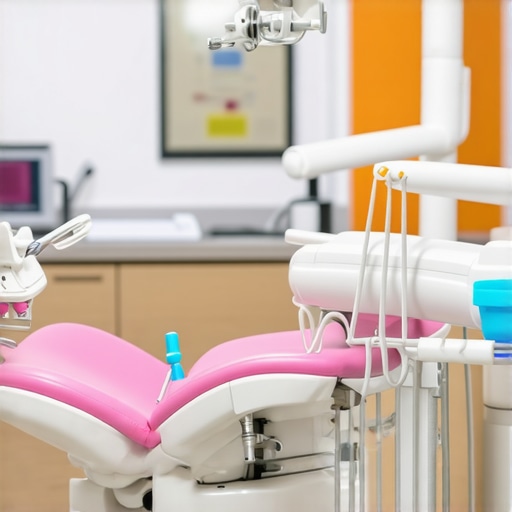
Ever sat in the dental chair and wondered, *Why is this cleaning taking forever today when previous visits were so quick?* I’ve had moments where I felt like I was stuck in an endless cycle of ultrasonic devices and flossing, just to hear the dreaded countdown to finish. That feeling of frustration, combined with the uncertain question—”Did I do something wrong?”—used to bother me a lot. But after some experience, I realized there’s more to it than just the dentist’s speed.
Unraveling the Mystery of Variable Cleaning Times
First off, I want to assure you, it’s not your fault. Your dental cleaning duration can vary for several reasons, which often have more to do with your oral health than how well you brush. Sometimes, factors like the buildup level, gum condition, or even the types of procedures scheduled can make a typical appointment stretch into a longer session. Interestingly, even the time of day can influence how long your cleaning takes. Later in the afternoon, when gums might be more inflamed or sensitive, your dental provider might need to proceed more cautiously.
But here’s the real kicker—did you know that dental professionals sometimes have to tailor their approach based on your unique oral environment? For example, if you’re prone to plaque buildup or tartar, the cleaning process naturally takes longer. This isn’t a sign of neglect or poor oral hygiene; it’s just how your mouth responds to various circumstances. And yes, even your level of dental anxiety can play a part—if you’re tense, your muscles tighten, making the procedure seem prolonged.
Have you ever left your appointment feeling like the cleaning dragged on unexpectedly? If so, you’re not alone. Many people only discover later that their longer visits are a sign of underlying health factors or preventative needs. The good news is, understanding these reasons can help you manage expectations and even prepare better for each visit. Plus, knowing what influences your appointment length can motivate you to maintain oral health routines that might make future cleanings quicker.
If this resonates with you, then get ready. In the next section, I’ll share what you can do to make your dental visits more predictable and possibly shorter, ensuring you spend less time in the chair—and more time smiling.
For example, consistent and effective brushing combined with regular flossing can reduce stubborn plaque, making cleanings less time-consuming. Worried about gum health? Check out this article on [the connection between gum health and your heart](https://periodontistcare.com/the-connection-between-gum-health-and-your-heart). It’s fascinating how interconnected these issues are, and addressing one often benefits the other.
Now, let’s dive into practical steps to help you prepare for your next cleaning and perhaps even minimize the appointment duration!
Prepare Your Mouth Before the Appointment
Start by brushing your teeth thoroughly at least twice a day using a fluoride toothpaste, making sure to reach all surfaces. Floss to remove debris between teeth—consider trying alternative flossing methods if traditional flossing feels uncomfortable. For instance, I once used interdental brushes to clean tight spaces, which significantly reduced plaque buildup and shortened my cleaning time.
Schedule Smartly for Quieter Appointments
If possible, book early in the morning or mid-week, when clinics tend to be less busy. Less crowded appointments can sometimes translate to more attentive care, especially if your gums are sensitive. I remembered scheduling a midday appointment and realized that the dental hygienist had more time to focus on thorough cleaning, which kept my session efficient and comfortable.
Communicate Your Concerns Clearly
Inform your dentist about specific sensitivities or worries before starting. If you’re concerned about gum inflammation or tooth sensitivity, mentioning this allows your dentist to adjust instruments or techniques, potentially speeding up the process. I once told my dentist I was anxious about excessive pressure, leading to a gentler, quicker cleaning session.
Maintain Good Oral Habits Between Visits
Consistently rinsing with an antimicrobial mouthwash can reduce bacteria and plaque, lessening the workload during professional cleanings. For example, I incorporated a daily rinse with a proven mouthwash, which made my subsequent cleanings shorter and more effective. Additionally, avoid snacking on sugary or acidic foods that can increase plaque and tartar formation.
Set Realistic Expectations and Follow Advice
Understand that some visits require more time due to your oral health status. For instance, if you have tartar buildup, it naturally takes longer to remove compared to routine plaque removal. My last appointment was slightly longer because I had forgotten to mention that I’d been neglecting flossing; the hygienist had to work extra to clean stubborn deposits. Following recommendations from your dentist on oral care routines and scheduling regular cleanings can help keep appointments more predictable and shorter over time.
Practice Your Post-Cleaning Care
Post-appointment routines matter. Avoid eating or drinking for at least 30 minutes after fluoride treatments to maximize their benefit—learned this the hard way after rushing to eat immediately and reducing fluoride effectiveness. Check out this guide for timing tips. Maintaining your oral health diligently decreases cleaning complexity, making future visits quicker and smoother.
Many assume that good oral hygiene is solely about brushing twice daily and avoiding sweets, but the reality is far more complex. A common misconception is that brushing harder equates to better cleaning—however, aggressive brushing can erode enamel and damage gums, leading to increased sensitivity and recession. According to a study published in the Journal of Clinical Periodontology, overbrushing is a significant contributor to gum recession and enamel wear, which can paradoxically worsen oral health over time. So, the key is effective, gentle cleaning rather than brute force.
Another widespread myth involves the effectiveness of whitening products. While many believe that over-the-counter whitening kits are equally safe and effective as professional treatments, in reality, they often contain harsh abrasives or high concentration bleaching agents that can cause enamel erosion or gum irritation if misused. For example, DIY whitening kits can temporarily improve appearance but might lead to lasting damage, especially if used excessively or improperly. Always consult your dentist before embarking on whitening routines, and consider professional options for safer, longer-lasting results.
What are the nuances that differentiate professional crowns from DIY solutions, and why does it matter?
When it comes to crowns, a common mistake is assuming they are a one-size-fits-all solution. Many underestimate the importance of proper fit and bonding. A poorly fitting crown can lead to gaps, making it prone to bacteria invasion, decay, and eventual failure. Conversely, high-quality crowns, properly bonded and adjusted, can last decades. This is why choosing a skilled dentist and understanding the bonding process is crucial. For insights into why some crowns may pop off while others endure, explore this article.
Misconceptions about fluoride also abound. Some parents fear fluoride harms developing teeth, but in fact, fluoride is vital in strengthening enamel and preventing decay, especially in children. The key is the right dosage and application. Using fluoride-containing toothpaste appropriately and consulting your dentist ensures optimal benefits without risk—learn more about fluoride’s critical role in this resource.
Lastly, a frequent oversight involves understanding that oral microbiome balance is essential for true health. Many focus solely on eliminating bacteria with harsh mouthwashes, inadvertently disrupting beneficial flora. Maintaining a balanced oral environment involves gentle cleaning, a healthy diet, and sometimes probiotic routines. Evidence suggests that supporting your microbiome can reduce inflammation and gum disease risk more effectively than aggressive antiseptics.
In summary, many misconceptions stem from simplified advice or anecdotal claims. To truly optimize your oral health, it’s crucial to recognize these nuances and seek personalized, professional guidance. Do you fall prey to any of these myths? Let me know in the comments. For more detailed insights on treatment longevity, check out this article and continue your journey toward healthier teeth.Maintaining long-term oral health requires more than just consistent brushing and flossing; it involves investing in the right tools and techniques that support your specific needs. One device I personally swear by is the Philips Sonicare DiamondClean Electric Toothbrush. Its sonic technology delivers 62,000 brush strokes per minute, providing a thorough clean that surpasses manual brushing, especially in hard-to-reach areas. I found that switching from traditional brushes to an electric model significantly reduced plaque buildup and improved gum health, which in turn shortened my regular cleanings.
For interdental cleaning, I recommend Trying the Waterpik Aquarius Water Flosser. Unlike traditional floss, the water flosser reaches deeper into periodontal pockets and between teeth with adjustable pressure settings. Personally, I notice a marked difference when I incorporate it into my routine; my gums feel healthier, and I experience fewer bleeding episodes. Regular use of this tool can dramatically decrease tartar accumulation, making professional cleanings quicker and more effective over time.
When it comes to monitoring your oral health, I rely on the Oral-B iO Series 9 Smart Electric Toothbrush, which syncs with my smartphone to track brushing habits. The app provides real-time feedback on pressure, coverage, and duration, helping me ensure I brush effectively every time. Consistent, targeted brushing supported by digital tools is the future of personalized dental care and will become increasingly important as trends suggest more integration of technology into daily routines.
As for long-term results, I recommend scheduling routine virtual check-ins with your dentist, especially if you’re using advanced tools or have specific concerns. This proactive approach can uncover emerging issues early, allowing for timely adjustments to your oral hygiene plan. Additionally, maintaining a detailed journal of your routines and any changes in oral health can facilitate better communication with dental professionals during visits.
Prediction-wise, the future of oral health technology points toward more customization, with tools that analyze your saliva or microbiome and suggest tailored routines. AI-powered diagnostic devices may soon identify plaque or tartar accumulation at home, prompting you to schedule professional cleanings before issues escalate.
How do I maintain my tools for optimal performance? Regularly replace brush heads and tips—every three months is ideal—to prevent bacteria buildup and ensure effective cleaning. I also disinfect my electric toothbrush head weekly by soaking it in hydrogen peroxide, a simple step that keeps my device hygienic and running smoothly. For the water flosser, following the manufacturer’s cleaning instructions and replacing the water reservoir regularly extends its lifespan and maintains peak performance.
Make it a habit to clean your dental devices thoroughly after each use. For example, I keep my electric toothbrush in an open holder to air dry—this prevents mold growth and preserves the brush’s effectiveness. Investing in a UV sanitizing device for your toothbrush can also provide extra peace of mind. These tips may seem small, but they vastly improve the longevity of your tools and ensure you’re always getting the best results.
Don’t forget that the effectiveness of your tools depends on proper technique. For instance, using an electric toothbrush with the correct pressure—guided by the app—can prevent gum recession. Learn more about the dangers of brushing too hard in this article. If you’re curious, try increasing your water flosser’s pressure gradually until you find a comfortable yet effective setting. Combining these advanced tools with mindful techniques creates a powerful routine that safeguards your health over years.
In summary, choosing high-quality equipment tailored to your needs and maintaining them diligently makes all the difference in your oral health journey. Incorporate smart technology, stay consistent, and always follow device-specific cleaning routines. If you’re ready to elevate your routine, start with one of these tools today and see how it transforms your dental experience.
Lessons That Changed My Perspective on Oral Care
One of the biggest revelations I had was realizing that not all cavities are caused by neglect; sometimes, genetics and diet play significant roles. This understanding motivated me to adjust my nutritional habits and seek personalized dental advice, rather than relying solely on brushing routines.
Another eye-opening experience was discovering how crucial the microbiome balance is for long-term oral health. Overusing antibacterial mouthwashes might do more harm than good by disturbing beneficial bacteria, leading to unexpected issues like dry mouth or increased sensitivity. Embracing gentle, natural cleaning methods became a game-changer for me.
I’ve also learned that regular check-ups are not just about fixing problems—but about prevention. Early detection of subtle changes can save you from complex procedures later, making every visit an investment in your future smile.
Tools That Elevated My Dental Routine
My go-to resource has become the Philips Sonicare DiamondClean Electric Toothbrush. Its sonic technology offers a superior clean that I couldn’t achieve manually, especially around tricky spots. Pairing it with the Waterpik Aquarius Water Flosser transformed my interdental care—reaching areas traditional floss can’t, and reducing my reliance on string floss.
Additionally, the Oral-B iO Series 9’s smart technology provides real-time feedback, helping me brush more effectively and avoid common mistakes like applying too much pressure. These tools, trusted by professionals, have empowered me to take control of my oral health in ways I never thought possible.
Embracing Change: Your Journey Starts Now
Your smile is a reflection of your overall health and confidence. Taking small, informed steps—like choosing the right tools and understanding the nuances—can lead to remarkable improvements over time. Remember, oral health isn’t a destination but a continuous journey that deserves attention and care. If you’re ready to elevate your routine, start today and watch how your habits develop into lifelong confidence.
What new oral care habit are you excited to try first? Share your thoughts below—I love hearing about your journey to better health!