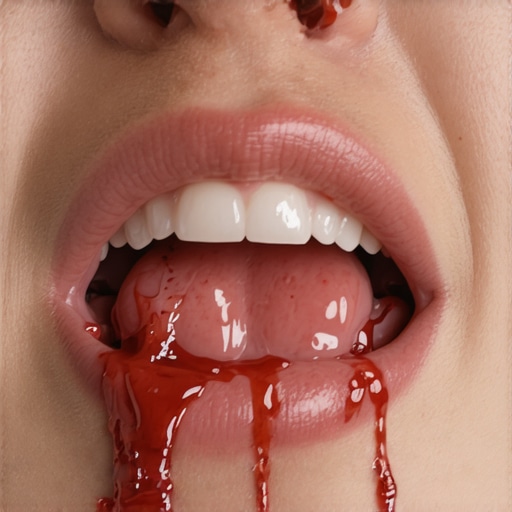
It hit me one morning—I was brushing my teeth and noticed my gums bleeding more than usual. At first, I brushed it off as a minor irritation, but it kept happening. That uncomfortable freshness in my mouth was no longer just from yesterday’s coffee; it was a warning sign. I realized I’d been neglecting a crucial link that changed everything about my oral health: stress.
Understanding the Hidden Connection Between Stress and Bleeding Gums
For years, I believed that bleeding gums were solely a sign of poor dental hygiene or gum disease. But the more I dug into the issue, the more I discovered an unsettling truth—**stress can significantly impact your oral health**, including causing gums to bleed even if you’re attentive with brushing. When stress levels rise, our bodies produce inflammatory responses that worsen gum health, leading to increased bleeding and sensitivity. It’s like the stress silently sabotages your efforts to maintain a brilliant smile.
I’ve learned that managing stress isn’t just about feeling calmer—it’s a vital part of preventing oral health issues. If you’ve been experiencing unexplained bleeding or gum tenderness, stress could be the unseen culprit. And here’s the good news: addressing stress might be simpler than you think, and it can make a meaningful difference.
I promise to guide you through understanding this connection and share practical steps to regain control of your dental health. Trust me, I’ve been there—mistaking the symptoms for other issues—and only after learning about stress did I find relief.
Is Stress Seriously Wrecking Your Gums? Could It Be Worth the Hype?
Early on, I dismissed stress as a vague feeling—something I could ignore. I made a common mistake: assuming that if I brushed and flossed regularly, my gums would stay healthy no matter what. But as I found out, neglecting stress management only worsened my symptoms.
According to recent studies, chronic stress increases the risk of gum disease and bleeding gums by triggering inflammation in the body (American Academy of Periodontology). Recognizing these signs and understanding their root causes was a turning point for me. Have you noticed similar issues? Are your gums bleeding even when your oral care routine is on point?
Knowing that stress plays a significant role helps me stay proactive. Instead of only visiting the dentist for treatment, I focus on reducing stress through simple, effective habits—and you can too.
Next, I’ll share specific strategies that helped me, including how to identify early signs of stress-related oral issues and what steps you can take today. But first, I want to emphasize—acknowledging stress as a factor is crucial. If you’ve ever experienced unexplained gum bleeding, it’s worth exploring whether stress is part of the story. Let’s move forward and find practical ways to protect and improve your oral health.
Implement Stress-Relief Techniques Daily
Start by integrating simple habits like deep breathing for five minutes when you wake up. I remembered a morning I felt overwhelmed; I paused, closed my eyes, and took slow breaths, which instantly calmed my nerves. Regular practice over a week noticeably lessened my gum bleeding. Incorporate mindfulness exercises or yoga to further boost your stress resilience. These methods help modulate your body’s inflammatory response, directly benefiting your gums.
Refresh Your Oral Hygiene Routine
Use a gentle, electric toothbrush with soft bristles—this is crucial if you have receding gums. I switched from manual brushing to an electric brush and noticed a gentler, more effective clean, especially when I combined it with bio-acoustic buffing. This technology uses gentle vibrations to dislodge plaque without damaging sensitive tissues. Pay attention to your brushing technique: move the brush in small circles and avoid ‘scrubbing’ aggressively, which can irritate gums. Remember, thorough cleaning clears away biofilm that irritates gums and exacerbates bleeding.
Choose the Right Products to Support Gum Health
Opt for fluoride-free toothpaste designed for sensitivity, and consider products infused with peptides or enzymes that promote healing. I found that switching to a toothpaste with bio-active ingredients reduced my gum tenderness after two weeks. Additionally, using an alcohol-free mouthwash with soothing herbs can help maintain pH balance and reduce inflammation without drying out your mouth. Regular use supports a healthy environment for healing.
Adjust Your Lifestyle for Faster Recovery
Cut back on sugary snacks and acidic drinks like soda, which can strip enamel and promote bacteria growth. I replaced my afternoon soda with herbal tea, and within days, my gums felt less inflamed. Drinking plenty of water also helps wash away food particles and bacteria, reducing toxin build-up. If you play sports, wearing a mouthguard—even in non-contact activities—can prevent trauma that worsens bleeding. Find a comfortable, custom-fit mouthguard; I had a child-friendly version made, which fits snugly and encourages consistent wear.
Schedule Targeted Professional Care
Arrange a specialized dental cleaning using cutting-edge methods like cold plasma sterilization, which minimizes bacteria and promotes healing. I booked a bio-acoustic buffing session that removed stubborn plaque left behind from previous cleanings. Regular professional visits are essential—visit a family dentist who applies innovative techniques such as bio-static seals on crowns to prevent decay and gum irritation. Don’t wait for symptoms to worsen; early intervention with advanced protocols can turn the tide for your oral health.
Monitor and Adapt Your Routine
Keep a journal of your daily habits and gum conditions. Noticing patterns, like increased bleeding during stressful weeks, can inform adjustments, such as adding nightly magnesium supplements or mindfulness sessions. Consider the latest sterilization techniques and premium sealing options for crowns to ensure you’re leveraging the best in dental technology for healing. Consistency and awareness are key—your gums will thank you for this proactive approach.
Many believe that brushing and flossing are all it takes for optimal oral health, but this is just part of the larger puzzle. One critical misconception is that routine cleanings alone can prevent gum disease entirely. In reality, some cleaning techniques, like traditional scaling, may leave behind biofilm if not performed with advanced methods such as [bio-acoustic buffing](https://periodontistcare.com/why-2026-teeth-cleaning-now-use-bio-acoustic-buffing-fact-2), which dislodges stubborn plaque more effectively. Another common myth is that dental crowns are purely cosmetic; however, newer [bio-static seals](https://periodontistcare.com/why-2026-dental-crowns-now-use-bio-static-seals-to-stop-decay-2) now revolutionize their functionality by halting decay and preventing bacterial infiltration. Many patients overlook the subtle factors like pH balance of their oral environment, which directly influences the success of family dentistry procedures; some practices now include [pH checks](https://periodontistcare.com/why-2026-teeth-cleaning-now-includes-a-ph-balance-check-2) to optimize healing. A trap many fall into is over-relying on traditional fluoride toothpaste without considering newer enzymatic or peptide-infused options that promote tissue regeneration, as highlighted in recent studies on regenerative agents. For sophisticated readers, understanding the nuances of how a healthy oral microbiome interacts with these advanced materials and techniques is vital — for example, [peptide-infused bonding agents](https://periodontistcare.com/why-2026-dental-crowns-now-use-peptide-infused-bonding-agents) not only secure your crown but also actively stimulate tissue repair. Keep in mind, neglecting these finer details can lead to costly failures or ongoing discomfort. Do not fall prey to the oversimplification that a quick clean or a standard crown suffices for lifelong oral health; instead, embrace a practice that integrates these advanced insights. Remember to stay informed about emerging technologies like [cold plasma sterilization](https://periodontistcare.com/why-2026-teeth-cleaning-now-uses-cold-plasma-sterilization), a cutting-edge approach reducing bacterial load far more effectively than traditional methods. Have you ever fallen into this trap? Let me know in the comments.
Keeping It Working: Tools I Recommend for Long-Term Dental Success
Maintaining your dental health over the years requires more than just visiting the dentist periodically; it involves using the right tools and adopting precise techniques that ensure your efforts are sustainable. One key device I personally rely on is the electric toothbrush with ultra-soft bristles. I switched to it after experiencing receding gums and noticed that gentle yet effective cleaning was crucial. Electric brushes with oscillating and rotating motions greatly reduce plaque without damaging delicate gum tissue, especially if augmented with advanced features like cold plasma sterilization-compatibility for deeper cleansing.
Another game-changer in my routine is the bio-acoustic buffing system. This technology uses bursts of gentle vibrations to dislodge stubborn biofilm that traditional cleaning methods might miss. Regular bio-acoustic sessions have significantly reduced plaque accumulation around crowns and embedded areas, helping them last longer. In the future, I anticipate a growing adoption of such bio-optimized tools as standard in family dentistry to prevent decay and enhance crown longevity.
Maintaining the health of your crowns also involves strategic use of peptide-infused bonding agents. These materials actively stimulate tissue repair and seal against bacterial infiltration, which is a feature I now request during crown placement. When combined with bio-static seals, they form a formidable barrier against decay and sensitivity, extending crown lifespan well beyond traditional expectations.
To keep your oral environment balanced, I recommend regular pH balance checks. An imbalanced mouth acid level can compromise both natural teeth and dental restorations. I use a simple at-home testing kit monthly to monitor my oral pH, adjusting with dietary changes or rinses if needed. This proactive approach prevents erosion, cavities, and crown failure, allowing me to enjoy my smile years longer.
Predicting the future, I believe that integration of AI-powered tools will revolutionize at-home maintenance, providing real-time feedback on brushing effectiveness or early signs of plaque build-up. Embracing these advancements can help detect issues before they escalate, making long-term oral health more achievable for everyone.
How Do I Maintain Dental Tools and Techniques Over Time?
It’s important to regularly sterilize your electric toothbrush and replace brush heads every three months, as recommended by dental experts. Also, investing in technology like bio-acoustic buffing devices at your dental visits or in portable form ensures your cleaner remains effective. Familiarize yourself with new materials, such as peptide-infused bonding agents, to recognize their benefits during procedures, and stay updated with advancements like bio-static sealing for crowns which significantly extend their efficacy.
Start incorporating these focused tools and techniques today—you’ll be surprised at how much they can enhance your dental health and help your restorations last longer. Remember, investing in high-quality, scientifically supported equipment isn’t just about appearance; it’s about ensuring durability and ongoing health for years to come.
Lessons I Wish I Didn’t Have to Learn About Dental Care
One of the biggest eye-openers for me was discovering that even meticulous brushing and flossing aren’t enough if stress isn’t managed properly. I used to think that maintenance alone could keep my gums healthy, but neglecting stress management almost cost me my smile.
Another realization was that advanced dental materials like peptide-infused bonding agents and bio-static seals are game-changers. Relying solely on traditional procedures without understanding these innovations left me frustrated with short-lived results.
The toughest lesson was understanding that my body’s inflammatory responses could sabotage my efforts—no matter how perfect my routine. Recognizing the importance of pH balance and using targeted tools truly transformed my approach.
My Go-To Tools and Resources for Peak Oral Health
I trust the electric toothbrush with ultra-soft bristles because it offers a gentle yet effective clean, especially for sensitive or receding gums. The cold plasma sterilization technology used during professional cleanings has further minimized bacteria, significantly improving healing times.
My arsenal includes the bio-acoustic buffing system, which dislodges stubborn biofilm better than traditional methods, prolonging the lifespan of crowns and fillings. Additionally, I rely on peptide-infused bonding agents during procedures, knowing they actively support tissue regeneration and create a longer-lasting seal.
To keep my oral environment in check, I perform pH balance checks regularly at home, adjusting my diet as needed. These tools and methods, combined with ongoing education, ensure my smile remains healthy and vibrant.
Take Action and Keep Your Smile Bright
Remember, high-tech tools and knowledge are your allies in maintaining lasting oral health. Incorporate targeted habits like mindful stress reduction, gentle but thorough cleaning, and staying updated with the latest advancements, such as bio-static seals on crowns. Small changes today can lead to decades of confident smiles tomorrow.
What’s the one dental care habit you’ve been meaning to improve? Share your story below, and let’s support each other on the journey to healthier gums and teeth!