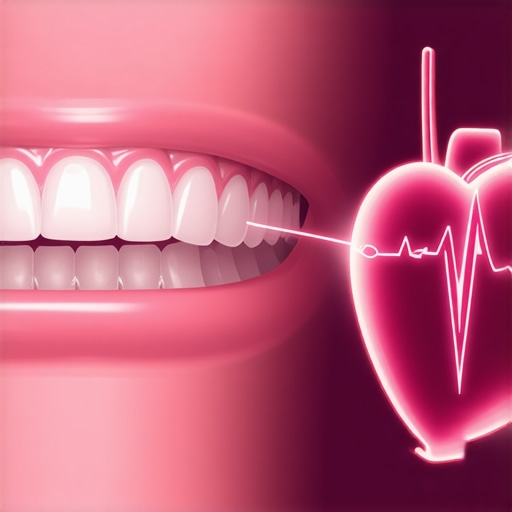
It hit me one morning—waking up with a pounding in my chest, shortness of breath, and an unsettling feeling that something was off. I had always thought of my dental visits as routine, just a clean and polish, nothing more. But that day, I realized a simple gum infection might be linked to my looming heart issues. It was a lightbulb moment that surprised me—and I want to share it because if you’re like me, you might be ignoring how your oral health impacts your entire body.
The Hidden Link Between Your Gums and Heart
For years, I brushed off my bleeding gums after flossing, thinking it was just minor gum irritation or brushing too hard. But I learned that persistent gum inflammation isn’t just a local problem—it can be a warning sign of more serious health risks, including heart disease. Research indicates that bacteria from infected gums can enter your bloodstream, leading to inflammation in your arteries, and potentially increasing your risk of heart attacks and strokes. This connection is more than just a myth; it’s backed by studies showing people with gum disease are at a higher risk of cardiovascular issues (American Heart Association, 2020). If you’re neglecting your gums, you could be unintentionally inviting heart trouble.
Are You Falling for the Myths About Gum Disease?
Early on, I made the mistake of dismissing minor gum bleeding and assuming it would just pass. Trust me, ignoring these symptoms can be dangerous. I overlooked the importance of regular deep cleans and proper flossing, which only worsened my condition. Now, I realize that what might seem like just a little bleeding or redness could be a sign of underlying problems that deserve immediate attention. For a comprehensive look at how to properly care for your gums and prevent this risk, check out this guide on deep cleaning.
Now that I’ve shared my story, let’s get into the practical steps to protect not just your gums but your heart too. We’ll explore how to detect early signs, the importance of regular dental checkups, and simple habits that can make a big difference in your overall health—and your peace of mind.
Master the Art of Daily Oral Care
Start with a consistent brushing routine using a soft-bristled electric toothbrush, which is gentler on receding gums and more effective at plaque removal. Practice brushing for at least two minutes, covering all surfaces of your teeth, including the backs and the chewing surfaces. Remember to replace your toothbrush every three to four months to maintain cleaning efficiency. I once tried switching to an electric brush, and within a week, I noticed my gums were less inflamed, a clear sign that proper brushing reduces bacterial load that can otherwise enter your bloodstream.
Floss Strategically to Disrupt Bacteria
Flossing is like pruning a tree—you clear the dead and overgrown branches to promote healthier growth. Use a waxed, multi-thread floss to glide gently between teeth, hugging the sides rather than snapping harshly. I began flossing nightly, making it a part of my routine after dinner, and observed less bleeding and fresh breath—indicators of healthier gums. For stubborn deposits, consider a water flosser which can be less invasive and easier to control, especially if you have sensitive gums. Learn how to handle safe flossing techniques at this guide to ensure you’re not damaging your gum tissues.
Incorporate Regular Dental Visits
Scheduling a professional cleaning at least twice a year is like giving your mouth a tune-up. During my last deep cleaning, my dentist showed me how plaque had calcified into tartar, only removable with professional tools. This process is crucial because tartar buildup can harbor bacteria and cause both gum and heart disease. Ask your dentist to perform a deep scale if you suspect you have gum issues; it targets hidden plaque below the gum line, preventing bleeding and inflammation. Regular checkups also allow early detection of problems like loose crowns or small chips, maintaining your oral integrity and overall health.
Implement Protective Habits and Behaviors
Avoid using teeth as tools, which can chip or crack them. I once used my teeth to open a package, resulting in a chipped molar that required a crown. Instead, keep a toolbox nearby for such tasks or use scissors. Be mindful of your snack choices; for example, crunchy vegetables and cheese strengthen enamel, whereas sticky candies cling to teeth and promote cavities. Discover dentist-approved snack ideas at this resource. Also, limit acidic drinks like citrus smoothies, which can erode enamel. Always rinse your mouth with water afterward to neutralize acids, but avoid rinsing immediately after brushing, as this washes away the fluoride protection. For stubborn stains or sensitivity, consult a professional about whitening options that won’t damage sensitive enamel here.
Stay Alert for Warning Signs
Pay close attention to symptoms like persistent bleeding during brushing, unusual breath, or lingering tooth pain. These often signal underlying issues that could threaten your heart health if ignored. Make it a habit to do a quick 30-second mirror check daily, watching for redness, swelling, or bleeding in your gums. If you notice anything abnormal, schedule an appointment promptly. For instance, I caught early signs of gum inflammation that, if left untreated, could have led to more serious diseases. Early intervention is key, so incorporate regular self-assessments into your routine to stay ahead.
Connect Practice with Purpose
Understanding that each brushing or flossing session is a step towards preventing systemic health problems makes the process more meaningful. When I realized my gum health directly impacted my heart, I became more diligent. Developing habits like these form an invisible shield—strengthening your mouth guards against bacteria and reducing inflammation that can travel to your arteries. Remember, the investment in your daily oral hygiene is an investment in your overall well-being.
Many people believe that brushing harder means cleaner teeth, but in reality, excessive force can damage your gums and enamel, increasing sensitivity and risk of recession. This misconception often leads to gum trauma and exposes roots, which can be mistaken for other issues. Professional guidance emphasizes gentle, effective brushing with soft bristles, as hard brushing does more harm than good. Learn more about the danger of aggressive brushing at this detailed article. Additionally, many think that once teeth are whitened, they remain forever bright without maintenance, but staining is an ongoing process that requires good habits and periodic touch-ups. Regular dental visits and proper care are essential. When it comes to family dentistry, some assume children’s dental health is less important, yet early intervention can prevent bigger issues later and set the foundation for lifelong healthy habits. For example, sealants can protect young molars from cavities, a simple step often overlooked. Beware of the myth that crowns and veneers are only for aesthetic purposes; they also restore function and prevent further decay. Advanced cases show that failing to maintain these restorations can lead to more invasive procedures.
Why do some dental restorations fail prematurely despite proper placement?
Research shows that improper bonding techniques or neglecting maintenance can cause crowns to loosen or crack sooner than expected, emphasizing the importance of choosing experienced professionals and adhering to aftercare instructions. To ensure your restorations last, consult resources like this guide. Moreover, many overlook the significance of daily flossing between crowns and implants, fearing that flossing might dislodge them. However, proper flossing techniques are crucial for maintaining surrounding tissue health without damaging the prosthetic. Incorporate gentle flossing or water flossers and discuss specific concerns with your dentist. Remember, neglecting routine cleanings can lead to tartar buildup around crowns, increasing the risk of gum disease underneath. Regular professional cleanings combined with diligent daily care keep your oral health in optimal condition. Have you ever fallen into this trap? Let me know in the comments. Proper knowledge and habits are the backbone of a healthy smile, so always question common beliefs and stay informed about the nuances that matter most in dental health.Maintaining a healthy smile over the years requires more than just brushing and flossing; it involves the right tools and strategies to ensure durability and effectiveness. I personally rely on a combination of advanced equipment and proven methods to keep my oral health in top shape, and I’m excited to share some of these essentials with you.
Invest in an Electric Toothbrush with Smart Technology
After experimenting with various models, I settled on a sonically powered electric toothbrush that features Bluetooth connectivity. This allows me to monitor my brushing habits via an app that provides real-time feedback on brushing time and coverage, ensuring I don’t miss any spots. Brands like Oral-B and Philips Sonicare offer models with adjustable speeds and pressure sensors, which are crucial for sensitive gums and preventing recession. Regularly updating your brushing technique with these devices can significantly reduce plaque buildup and gum inflammation, contributing to sustained oral health.
Use a Water Flosser for Deep Cleaning
Traditional flossing is effective, but I find that incorporating a water flosser takes my routine a step further. Water flossers can dislodge food particles and bacteria from hard-to-reach areas, especially around crowns and bridges. I specifically use a model with adjustable pressure controls to avoid damaging delicate tissues. This tool has been instrumental in preventing gum disease and maintaining the integrity of my restorations. For tips on how to integrate this device smoothly into your routine, visit this guide.
Opt for Guided Whitening Kits with Professional-Grade Ingredients
Although over-the-counter whitening products are common, I prefer using dentist-approved kits that contain stronger, safe bleaching agents. These kits often come with customized trays that fit my teeth perfectly, ensuring even application and minimizing sensitivity. Regular, gentle whitening maintains my smile’s brightness without risking enamel erosion. Be sure to consult your dentist before starting any whitening regimen—especially if you have sensitive teeth or existing restorations. For safe whitening practices, see this resource.
Avoid Common Maintenance Mistakes
One pitfall I’ve identified is using abrasive toothpaste or scrubbing with excessive force, which can wear down enamel and cause gum recession. Instead, I rely on a formulation with low abrasiveness and employ gentle, circular motions. Replace your toothbrush every three months; I set reminders so I don’t forget. Additionally, I schedule professional cleanings biannually to remove tartar and catch issues early, preventing small problems from escalating. To understand the importance of maintenance frequency, check out this article.
Future of Dental Tools and Tech
The field is moving toward more personalized, AI-powered devices that can analyze your oral environment in real time and suggest tailored care routines. Variations in saliva composition, for example, might soon be monitored by smart sensors, allowing for early detection of susceptibility to cavities or gum disease. I believe adopting such technology will become standard practice, making maintenance more efficient and preventive.
Want to experience the benefits firsthand? Try adjusting your current routine by incorporating a water flosser or upgrading to a smart electric toothbrush—I’ve seen remarkable improvements in my long-term results. Remember, proactive maintenance today sets the foundation for a healthier smile tomorrow!
Lessons That Changed How I Approach My Dental Care
One of the most eye-opening lessons I learned is that minor gum bleeding isn’t something to ignore; it’s often a red flag for serious health issues like heart disease. I used to dismiss soreness and bleeding as just brushing problems, but now I see them as my body’s warning signals. Additionally, I discovered that more aggressive brushing can do more harm than good, leading to gum recession—gentle strokes with a soft-bristled brush are far more effective and safer. Lastly, I realized that neglecting regular deep cleaning not only risks plaque buildup but can silently contribute to systemic inflammation affecting my entire body—deep cleaning is a vital investment, not just a cosmetic choice.
Tools That Transformed My Oral Hygiene Routine
My daily routine became significantly more effective after I incorporated a smart electric toothbrush, which offers real-time feedback and ensures I’m not missing spots. I also started using a water flossers to reach tricky areas around crowns and bridges—these tools have really reduced my concern about plaque hiding in hard-to-clean spots. For whitening, I trusted dentist-recommended guided kits with professional-grade ingredients, helping me maintain a bright smile safely. And, of course, I rely on trusted resources like this guide on crown security to keep my restorations in top shape, giving me confidence in my dental health investments.
Becoming Your Own Oral Health Advocate
Your journey towards better oral health starts today. By making small but consistent changes—like gentle brushing, strategic flossing, and routine professional checkups—you’re actively reducing your risk of heart disease and other systemic issues linked to oral health. Remember, each step you take in caring for your gums and teeth is an investment in your overall well-being. If you’re feeling overwhelmed or unsure where to start, don’t hesitate to reach out to your dentist; expert guidance can make all the difference. Your healthier, brighter smile and a stronger heart are just a few good habits away. Are you ready to take action for your health today? Share your thoughts or questions below—I’d love to hear your experiences.