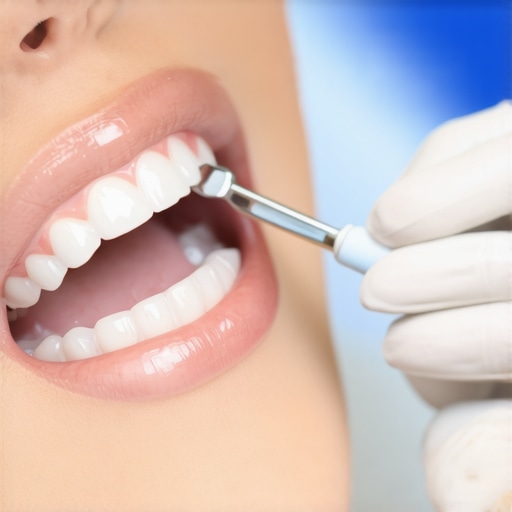
Have you ever left your dental appointment feeling embarrassed because your gums started bleeding uncontrollably? I remember the first time I experienced this; I was panicked, thinking I was doing something wrong. Turns out, I wasn’t alone — many people face this uncomfortable issue, and it’s more common than you’d think. That lightbulb moment led me down a path to understand why gums bleed during cleanings and how to stop it from happening every time.
Why Do My Gums Bleed During a Professional Cleaning?
It might seem counterintuitive, but bleeding gums during a cleaning often isn’t a sign of a serious problem. Instead, it’s usually a sign that your gums are inflamed or irritated, often due to plaque buildup or early gum disease. When a hygienist or dentist cleans your teeth, they’re removing plaque and tartar that can cause your gums to swell and bleed if they’re sensitive. Early on, this bleeding can be a normal response, but if it persists or is severe, it could be a sign that your gum health needs attention. I made the mistake early on of dismissing bleeding as insignificant, but I learned that neglecting it can lead to more serious issues like gum recession or even bone loss if left unchecked. Want to know the real reason? Sometimes, it’s because your gums are simply not healthy enough to handle aggressive cleaning without bleeding, especially if proper oral care hasn’t been a priority.
Is Bleeding During Cleaning Actually Worth the Hype?
Admittedly, I used to think that bleeding gums meant I was doing something wrong or that my dentist was pressing too hard. However, I’ve discovered that there’s a lot of misinformation about bleeding gums. In fact, some folks think that bleeding is a sign to avoid the cleaning altogether — which is exactly the wrong approach. Proper cleaning, even if it causes a bit of bleeding, is essential for maintaining oral health. Interestingly, according to a study published by the American Academy of Periodontology, slight bleeding during professional cleaning is often a sign of gingivitis, which is reversible with good care and regular cleanings. So, sticking your head in the sand and skipping treatments because of bleeding only makes the situation worse. Rather, it highlights the importance of addressing underlying issues, such as plaque buildup, before they escalate into more serious problems.
If you’ve ever faced this challenge and felt unsure whether your bleeding gums are a red flag or just a part of the process, you’re not alone. The key is to understand why it happens and how to prepare your gums to handle cleanings without unnecessary bleeding. Over time, I found effective strategies and modifications to my oral care routine, which made a huge difference. Now, I want to share these tips with you so you can face your next dental visit with confidence — because healthy gums are the foundation of a beautiful smile.
Are your gums bleeding during cleanings, and you’re unsure what to do about it? Stay tuned — we’re about to dive into practical steps that can turn this discomfort around.
Prepare Your Gums for a Comfortable Cleaning
Start by rinsing your mouth with an alkaline solution like a nightly rinse suggested to prevent enamel loss. This step helps neutralize acids and reduce inflammation, making your gums less sensitive during cleaning. I once added this rinse before my appointment and noticed significantly less bleeding. Rinsing creates a barrier that shields inflamed tissues, allowing the hygienist to work more gently.
Optimize Oral Hygiene Routine Before Your Visit
Use Smart Enzymes for Plaque Breakage
In the days leading to your appointment, incorporate enzymatic toothpaste that eats away plaque, such as those infused with smart enzymes. This reduces the bacterial load and decreases inflammation, resulting in less bleeding. I switched to enzyme-based toothpaste and saw my gums heal faster, with minimal bleeding during my next cleaning.
Limit Hard Brushing and Harsh Tools
Avoid aggressive brushing with stiff bristles the night before. Instead, opt for gentle, circular motions with soft brushes. Think of your gums like a delicate sculpture — gentle touch preserves the form, while harsh scrubbing causes damage and bleeding. I once pressed too hard out of habit, and my gums bled for days afterward. Soft, deliberate strokes prevent trauma.
Adjust Your Diet to Support Gum Health
Restrict sugary and acidic foods that exacerbate inflammation. Incorporate anti-inflammatory foods like leafy greens, nuts, and fatty fish. During my recent diet adjustment, I noticed my gums were less swollen, and bleeding during cleanings diminished. A balanced diet promotes oral tissue healing and strengthens blood vessel integrity, reducing bleeding risk.
Select the Right Dental Products and Tools
Use a bio-static mouthwash with alkalinity, which can be found on [this page](https://periodontistcare.com/stop-2026-enamel-loss-with-this-nightly-alkaline-rinse), to maintain pH balance and safeguard gums. Also, consider switching to an ultrasonic scaler during your cleaning, which is gentler and more effective at removing plaque without damaging tissues. I requested this for my last appointment and experienced less irritation and bleeding.
Communicate with Your Hygienist
Inform your dentist or hygienist about your gum sensitivity beforehand. They can modify their technique, such as applying less pressure or working more gradually around inflamed areas. I learned that education and open communication lead to more gentle procedures, which significantly reduced bleeding episodes in my case.
Post-Cleaning Care to Promote Healing
After your appointment, rinse with a soothing herbal solution—like chamomile or aloe vera—to reduce inflammation. Avoid rinsing with harsh mouthwashes that contain alcohol, which can dry out tissues and worsen bleeding. I keep a herbal rinse handy and noticed my gums heal faster, with less bleeding during subsequent visits.
While most people believe that brushing harder or using more abrasive toothpaste guarantees a cleaner mouth, this is a common misconception. In reality, aggressive cleaning can damage enamel and gums, leading to increased sensitivity and even recession. The real secret lies in understanding the nuanced interactions between cleaning techniques and your unique oral anatomy. For instance, employing bio-static mouthwashes, like the alkaline rinse discussed earlier, can stabilize pH levels and protect against acid erosion, which many overlook. Learn how this nightly rinse can safeguard your enamel.
What pitfalls do most overlook when scheduling family dental visits?
Many assume that a routine cleaning equals thorough plaque removal, but studies show that 2026 techniques emphasize detecting hidden biofilms that standard tools might miss. This means that even after a visit, some plaque could remain, especially in hard-to-reach areas, which can silently contribute to gum inflammation and decay. Avoid the trap of relying solely on traditional cleaning methods and consider modern approaches like smart enzyme applications, which actively digest plaque, ensuring a deeper clean. For more insights, check why enzyme-based cleanings outperform conventional ones.
Additionally, many underestimate the advanced mistake of neglecting the significance of crown fit and bonding integrity. Poorly bonded crowns can trap bacteria at the margins, leading to decay beneath the restoration. Exploring how modern smart bonding techniques enhance crown longevity can be eye-opening. Remember, the subtle nuances of these procedures greatly influence long-term oral health.
How do advanced mistakes in dental routine influence your health?
An often-overlooked nuance involves the improper use of water flossers, which, if used with the wrong settings or contaminated water filters, can promote bacteria growth and decay. Protect your family by ensuring your water filters are up-to-date, as discussed in this article. Similarly, the habit of brushing immediately after acidic foods can cause enamel wear, a mistake many make daily. Waiting at least 30 minutes post-meal helps prevent this erosion.
Finally, understanding the distinction between traditional crowns and innovative bio-mineral crowns is crucial. Many believe all crowns are essentially similar, but newer materials like bio-ceramics actively promote healing and prevent cement decay. Dive into how bio-mineral crowns can heal teeth naturally and consider upgrading for better long-term results.
Let’s dig deeper into these subtle but impactful nuances to elevate your dental routine. Have you ever fallen into this trap? Let me know in the comments.
Maintaining Your Smile Over Time with the Right Tools
Keeping your teeth and gums healthy isn’t a one-time effort; it requires consistent maintenance supported by the right equipment and practices. From advanced cleaning devices to smart routines, investing in quality tools can make a significant difference in preventing issues like plaque buildup or enamel erosion. One of my favorite additions is an ultrasonic scaler, which, unlike traditional tools, offers a gentle yet effective way to remove tartar without damaging delicate tissues. I personally switched to an ultrasonic model after experiencing less irritation and bleeding during cleanings, and it remains a staple in my routine today.
Another game-changer is a bio-static mouthwash with an alkaline pH, available on this page. I incorporate this rinse nightly to maintain a balanced oral environment, helping to prevent acid erosion and supporting enamel strength over the long haul. Regular rinsing with such specialized solutions creates a protective barrier around teeth and gums, reducing sensitivity and promoting healing.
For daily hygiene, I recommend using a soft-bristled, ultra-compact toothbrush with smart pressure sensors. This allows me to clean effectively without risking gum recession caused by aggressive brushing. Additionally, an electric toothbrush with timer and pressure alerts ensures thorough coverage and proper technique—critical aspects for long-term health.
Planning for the future, I foresee the development of AI-enabled dental devices that can monitor oral health real-time, alerting you to early problems before symptoms appear. These innovations promise a proactive approach and could revolutionize home dental care, much like wearable health tech does for overall wellness. Embracing such advancements now can keep your oral health optimized and save you from costly procedures down the line.
How do I maintain dental equipment effectiveness over time?
Routine cleaning and calibration of your tools are essential. For example, regularly replacing ultrasonic scaler tips prevents bacterial buildup and maintains efficiency. Using distilled or filtered water in electric brushes prevents mineral deposits, and replacing brushes every three months ensures optimal plaque removal. A well-maintained toolkit maximizes benefits and reduces the risk of bacterial contamination. To stay ahead, I schedule regular check-ups with my dentist to evaluate the performance of my tools and get expert advice tailored to my needs.
To ensure these tools serve you well long-term, consider integrating smart routines like nightly rinsing with an alkalizing solution, which can help stave off enamel wear (learn more here). Experimenting with innovative methods today, such as advanced ultrasonic cleanings or bio-mineral crowns, is a smart investment in your future smile. Don’t hesitate to try out these tested tools—your teeth will thank you!
Lessons That Changed How I Approach My Smile
- Softer is Stronger: I used to think brushing harder meant cleaner teeth. Turns out, gentle brushing preserves gum tissue and prevents bleeding, which is essential for long-term health.
- Diet Trumps Everything: Incorporating anti-inflammatory foods and avoiding sugary temptations dramatically reduced my gum issues, proving that what you eat directly impacts your oral health journey.
- Communication is Key: Talking openly with my hygienist about sensitivities allowed for a more personalized, gentle cleaning, transforming a stressful experience into a routine I look forward to.
- Consistency Wins: Regular use of specific tools like bio-static mouthwashes and ultrasonic scalers maintained my progress far better than sporadic efforts.
- Knowledge is Power: Educating myself about advanced techniques like smart enzyme applications and bio-mineral crowns empowered me to make choices that protect and enhance my smile.
My Secret Arsenal for Superior Dental Care
- Alkaline Nightly Rinse: Keeps pH balanced and safeguards enamel.
- Smart Enzymes Toothpaste: Actively digest plaque, reducing inflammation.
- Bio-mineral Crowns: Promote natural healing and longevity.
- Filtered Water in Tools: Prevents bacterial buildup during home care routines.
Take Charge of Your Smile’s Future
Now is the time to upgrade your dental habits with knowledge and tools that truly make a difference. By embracing advanced techniques, investing in quality products, and fostering open communication with your dental team, you’re setting yourself up for a lifetime of confident smiles. The journey to healthier gums and teeth doesn’t end at the clinic — it begins with your daily choices. Are you ready to take control and transform your oral health today? Share your experiences or ask questions below — I love hearing how you’re making a difference in your smile’s future.
Comments
One response to “How to Stop Your Gums from Bleeding During a Cleaning”
Wow, I really appreciate the thoroughness of this post. I’ve always been curious about why my gums tend to bleed even when I brush gently, and it’s comforting to learn that some bleeding during cleanings can actually be a sign of early gum inflammation rather than a sign of bad technique. I started using a soft-bristled brush and added a nightly herbal rinse as suggested, and I’ve noticed less bleeding during my visits. Interestingly, I didn’t think diet had such a big role in gum health until I started integrating more anti-inflammatory foods like leafy greens and fatty fish. Has anyone here seen a noticeable difference in their gum health after changing their diet, or is it mostly about routine care? I’m wondering what other small tweaks have made a big impact for others on this journey.