
It hit me unexpectedly—my teenager was complaining about persistent jaw pain, and suddenly I wondered, could this be about those wisdom teeth everyone’s always talking about? That moment made me realize how confusing and overlooked these signs can be, even for seasoned parents like me. I knew I had to figure out when those third molars become more trouble than they’re worth.
Why Recognizing Wisdom Teeth Problems Early Saves You Stress and Money
Wisdom teeth issues aren’t just about having a sore mouth—they can lead to misaligned teeth, cysts, or infections if ignored. Early detection means less invasive treatment and a smoother recovery for your teen. But here’s the thing: many parents miss the subtle signs until pain becomes unbearable. I learned this the hard way when my own child avoided the dentist for months, dismissing discomfort as normal teenage angst. That mistake delayed treatment, and the issue worsened—something I definitely don’t want other parents to experience.
Is Fear of the Dentist Justified?
Many parents ask me whether they should be concerned about the necessity of wisdom teeth extraction. Honestly, I once thought, ‘Why make my child go through surgery if they can manage?’ But ignoring or delaying the signs can cause more serious complications down the line. Trust me, I learned that the hard way. Research indicates that impacted wisdom teeth can contribute to periodontal issues, which may affect overall health. Recognizing the early signs isn’t just about convenience; it’s about protecting your child’s future smile.
So, if you’ve noticed your teen complaining about biting, swelling, or jaw pain, you’re not alone—and these might be signs that their wisdom teeth need attention now. Understanding what to look for will help you decide when to seek professional care and avoid unnecessary discomfort or expense.
Inspect Regularly and Spot Signs Early
Start by visual examination of your teen’s mouth each week. Use a flashlight in a well-lit room, and gently pull back their cheek to see the back molars. Look for swelling, redness, or noticeable holes. I once caught an infection early when I noticed an unusual swelling in my son’s gum; quick action saved him from more invasive procedures. Consistent inspection helps you recognize issues before they escalate.
Encourage Good Oral Hygiene Habits
Teach your teen to brush thoroughly around the wisdom teeth area. Think of teeth as a busy city—plaque is like pollution that can clog the streets. Use a soft-bristled brush and angle it at 45 degrees to clean along the gum line and around the back teeth. Make sure they spend at least two minutes brushing, and guide them to clean every surface. Proper technique prevents bacterial buildup and reduces infection risk. For tips on cleaning dental crowns effectively, visit this guide.
Monitor and Minimize Risk Factors
Limit sugary foods and drinks that feed harmful bacteria, increasing cavity risk around wisdom teeth. Encourage your teen to rinse or brush after meals, especially if they snack frequently. Additionally, discourage thumb sucking or any habits that could misalign their teeth, which can worsen the impact of erupting wisdom teeth. For guidance on addressing habits impacting dental alignment, check this article.
Schedule Routine Dental Check-Ups
Regular visits to the dentist are crucial, especially between ages 16 and 25 when wisdom teeth usually emerge. Dentists can take panoramic X-rays to assess how the teeth are coming in and whether they might cause crowding or impaction. My dentist explained this process during our annual checkup, and I realized how vital these assessments are in preempting complications. Consistent professional evaluations help you plan timely extractions if necessary.
Know When to Seek Professional Advice
If your teen complains of persistent pain, swelling, or difficulty opening their mouth, don’t delay. These are signs that professional intervention is needed immediately. Impacted or infected wisdom teeth can cause serious discomfort and lead to abscesses if untreated. Remember, quick consultation with a family dentist can save you both money and pain in the long run. To gauge if pain might be related to a broken or loose crown, you can perform the crown stability test.
Many people assume that once a dental crown is placed correctly, it requires no further maintenance or consideration. However, this oversimplification can lead to overlooked issues that compromise your oral health over time. One prevalent myth is that crowns are invincible; in reality, their longevity depends heavily on proper care and understanding the nuances of how they interact with your natural teeth. Ignoring these differences can result in crowns popping off or deterioration, which is often preventable with informed habits. For instance, some believe that brushing with abrasive toothpaste won’t harm crowns—wrong, as harsh abrasives can erode the porcelain or bonding material, leading to loose or damaged crowns. Regular inspections and gentle cleaning, like using techniques outlined here how to clean your crown properly, are crucial for longevity.
Another misconception revolves around the supposed permanence of crowns. Some think that if a crown feels fine, it doesn’t need checking—yet, issues like micro-leakage or minor cracks often go unnoticed until symptoms like sensitivity or discomfort appear. Advanced problems, such as a cracked crown or underlying decay, are often missed because patients dismiss early warning signs. A study published in the Journal of Prosthetic Dentistry emphasizes that regular professional evaluations are vital to catch these subtleties before they lead to more extensive and costly repairs more about recognizing crown cracks. Additionally, many underestimate the impact of habits like grinding or biting hard foods, which can stress crowns and cause them to detach prematurely. Ensuring your bite is correctly aligned and avoiding damaging foods can significantly extend crown life.
Which leads to an often overlooked nuance: bonding quality. Not all crowns are bonded equally; poor bonding can lead to rise in instances of crowns popping off, especially in areas with less saliva or moisture control issues. The science behind durable bonding involves both material science and skillful application—a topic many patients are unaware of. For example, the choice of cement and the preparation process immensely influence outcome; see here for insights on how bonding affects crown longevity.
Now, you might wonder: How does this knowledge affect your dental routine? The answer is simple but powerful. By understanding these details, you can have more meaningful conversations with your dentist, ensuring that your crowns and overall oral health are properly cared for over the years. Remember, a crown isn’t just a quick fix—it’s a long-term investment in your smile. Do you believe your current dental routine addresses these nuances? Or could you benefit from a more informed approach?
Have you ever fallen into this trap? Let me know in the comments.Maintaining your oral health long-term requires more than just routine brushing and flossing; it involves using the right tools and adopting effective methods that safeguard your investments like dental crowns and prevent future issues. I personally rely on a combination of electric toothbrushes with advanced features and professional-grade cleaning aids to keep my teeth in top shape. For example, I prefer the Philips Sonicare DiamondClean, as its sonic technology effectively dislodges plaque even in hard-to-reach areas, reducing the risk of gum disease and extending the lifespan of restorations.
Another essential aspect is regular professional cleanings complemented by at-home maintenance. I schedule deep cleanings twice a year with my dentist and incorporate adjunct devices like water flossers, which significantly reduce plaque buildup around crowns and bridges. The Waterpik Aquarius, for instance, offers pulsating water jets that effectively remove debris and bacteria, especially around dental appliances, without damaging delicate surfaces. I find incorporating this tool into my daily routine makes a noticeable difference in my oral health.
How do I maintain my dental work over time?
Rich, detailed cleaning isn’t just about convenience; it directly impacts longevity. Gently cleaning crowns without scratching the porcelain is crucial, and I always use soft-bristled brushes combined with specific techniques. Learning the proper way to brush around crowns, such as holding the brush at a 45-degree angle and moving in small circular motions, minimizes damage and stains. For more tips on this, visit this guide.
In addition, I pay close attention to bonding integrity. Regularly performing the bonding check helps detect any micro-leaks or cracks early, preventing crown detachment or decay underneath. My dentist recommends a simple visual inspection and the tapping test to ensure crowns are secure, which I do monthly at home.
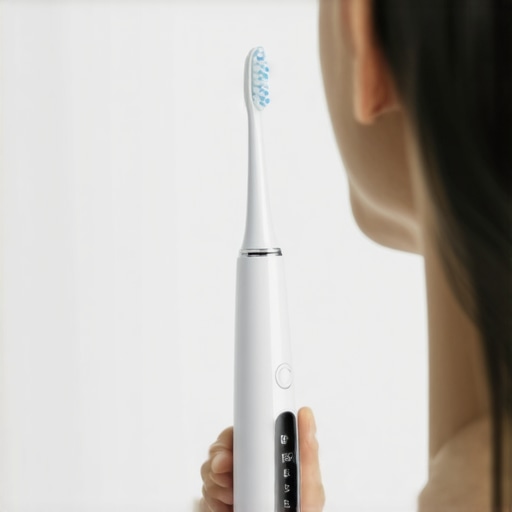
Understanding the importance of proactivity, I also invest in high-quality fluoride rinses and avoid habits like biting hard objects. The combination of advanced tools and habits makes it easier to uphold excellent oral health long-term. For instance, including a professional-grade fluoride rinse can further protect enamel, especially around restorations. I suggest trying out this step to see how it helps strengthen your teeth against acid wear and decay. For more guidance, check this article.
Innovations in dental technology continue to evolve, hinting at new materials and smarter tools that will make maintenance even easier. I anticipate that future treatments will involve bioactive materials that promote natural repair, reducing the need for frequent interventions. For now, combining the latest tools with vigilant habits ensures your smile remains resilient and radiant for years to come. Ready to upgrade your routine? Start with a water flosser or an electric toothbrush with pressure sensors—your future self will thank you.
Lessons No Dentist Will Tell You About Keeping Smiles Strong
One of the biggest lessons I learned is that proactive attention to wisdom teeth can prevent years of discomfort and costly procedures. Waiting until pain strikes often means rushing into urgent treatment, which isn’t ideal for anyone. I realized that regular self-inspections and early professional consultations are the secret weapons in managing family dental health effectively. Another eye-opener was discovering how habits like teeth grinding can silently damage crowns, underscoring the importance of personalized advice from your dentist. Lastly, I found that investing in better tools and routines—not just reacting to problems but preventing them—has saved my family stress and money while keeping our smiles brighter.