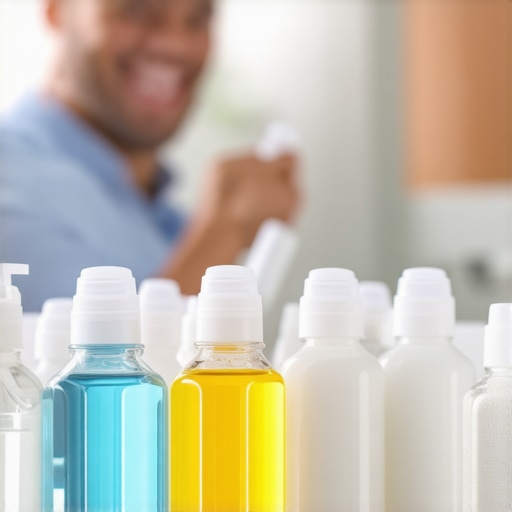
One evening, I reached for my usual mouthwash, only to be greeted by a harsh sting that lingered long after I spit it out. It was then I realized I had just chosen the wrong one for my teeth and gums—something I didn’t think much about before. Have you ever experienced that uncomfortable burning or a strange sensation after rinsing? If so, you’re not alone. Choosing the right mouthwash can feel overwhelming, especially with countless options promising different benefits. But trust me, getting it right makes all the difference for your oral health.
Why Picking the Right Mouthwash Is More Critical Than You Think
Many of us brush and floss diligently, but mouthwash? That often gets a passing glance. Yet, it’s a powerful ally or a silent saboteur depending on your choice. For example, some formulations can actually erode enamel or disturb your natural oral flora if misused. Early on, I made the mistake of trusting that all mouthwashes are created equal—only to learn that some contain alcohol or harsh chemicals that can do more harm than good. Once I started reading labels and understanding my dental needs, I saw a big difference.
The truth is, your mouthwash should be tailored to match your individual concerns—whether it’s freshening breath, preventing cavities, managing sensitivity, or combatting gum disease. Choosing the wrong product can lead to problems like increased sensitivity or even worsening your dental conditions. That’s exactly what I want to help you avoid in this post.
Will Mouthwash Actually Make a Difference? Or Is It Just a Marketing Gimmick?
Before we dive into how to pick the right one, I want to address a common skepticism: does mouthwash really matter? A piece of research confirms that when used correctly, mouthwash can significantly reduce plaque and bacteria, supporting overall oral health (source). However, I also learned the hard way that choosing something with the wrong ingredients can do more harm than good. For example, using a product with high alcohol content may dry out your mouth, leading to bad breath and even more plaque buildup.
So, what’s the key? It’s about understanding your needs and reading labels carefully. Have you ever bought a mouthwash without considering its ingredients or its suitability for your dental health? If so, you’re not alone, and that’s precisely why I’m here to help you find the right fit. Up next, I’ll share practical tips and criteria to guide your selection process, helping ensure that your mouthwash becomes a true ally in your oral health routine.
Assess Your Oral Health Needs
Start by identifying what your mouth requires most—whether it’s fresh breath, cavity prevention, sensitivity relief, or gum health. For instance, I once thought all mouthwashes did the same thing until I realized my bad breath needed a different solution than my sensitive teeth. Matching your needs with the right ingredients is crucial.
Read Labels Carefully
Check for active ingredients like fluoride for cavities, chlorhexidine for gum disease, or potassium nitrate for sensitivity. Avoid products with high alcohol content, which can dry out your mouth and worsen issues. Think of it like choosing the right paint; you wouldn’t pick one that damages the surface.
Select Based on Your Concerns
Combat Bacteria and Plaque
If you’re battling plaque, opt for antimicrobial agents like cetylpyridinium chloride. Remember, consistency is key—using mouthwash after brushing and flossing ensures maximum impact. I found that integrating this step elevated my oral hygiene routine significantly.
Address Sensitivity
If sensitivity is your issue, look for formulas with potassium nitrate or stannous fluoride. I tested a few, and the right one made my mornings much more comfortable, especially when consuming hot drinks.
Freshen Breath Effectively
For quick freshening, choose products with natural mint oils and avoid overpowering chemicals. Keep in mind, regular use prevents bad breath from returning—think of it as keeping your front porch inviting.
Test and Observe Results
Once you’ve selected a mouthwash, monitor how your mouth responds. Do you notice increased dryness or irritation? If so, switch to a gentler option. I once tried a new formula and noticed my gum sensitivity worsened; a quick switch restored comfort. Remember, what works for one person might not work for another.
Complement with Regular Dental Check-Ups
No mouthwash replaces professional cleanings and exams. Visiting your dentist regularly ensures that your oral health remains optimal. For instance, I realized that despite my diligent mouthwash use, only my dentist could catch early signs of gum issues, preventing major problems later.
By following these steps—assessing your needs, reading labels, selecting appropriately, testing results, and maintaining regular visits—you can effectively incorporate mouthwash into your oral health routine. Remember, the right product becomes a powerful ally in your quest for a healthy, bright smile.
Many people believe they understand the basics of dental health, but the truth is, there are widespread misconceptions that can lead to inadequate care or worse, damage. For instance, a common myth is that all dental crowns are created equal, but in reality, newer materials like bio-mineral ceramics are revolutionizing durability and tissue compatibility (source).
One hidden nuance often overlooked is the impact of family dental visits on a child’s development. Many parents still opt for numbing shots at every visit, not realizing that advancements now allow for painless procedures thanks to novel bonding techniques (read more). Skipping routine checkups, thinking they’re unnecessary, might seem less invasive, but it can significantly increase the risk of undetected issues escalating over time.
Another misconception concerns teeth cleaning: some believe that brushing vigorously is the key to removing stains and plaque, yet this can actually damage enamel.
Using excessive force wears down protective layers, making teeth more susceptible to decay and sensitivity. A smarter approach involves adopting innovative cleaning technologies such as smart enzymes that target biofilm without abrasion (see how).
How can advanced technology redefine your dental routine?
Emerging treatments like bio-bonding with peptides are now capable of promoting natural tissue regeneration, reducing the need for invasive procedures (discover more). These innovations challenge traditional beliefs about the inevitability of drilling or crowns for decay, emphasizing preventive approaches that protect your real teeth.
Have you ever fallen into this trap? Let me know in the comments. By understanding these hidden nuances, you can make smarter decisions that ensure long-term oral health. Remember, being an informed patient is your best defense against unnecessary treatments and future dental issues.
Maintaining excellent oral health over the years requires more than just brushing and flossing; it involves using the right tools and adopting effective routines that stand the test of time. As a family dentist committed to innovative practices, I have curated a selection of equipment and methods that I personally trust and recommend for sustainable oral health.
High-Resolution Digital Intraoral Cameras
Investing in a quality intraoral camera, such as the Dentalvue i3, enables me to visually inspect hard-to-see areas with incredible detail. I use it during routine check-ups to identify early signs of decay or gum issues that might be missed by the naked eye. These devices enhance patient understanding and engagement, promoting better at-home care.
Ultrasonic Scaling Devices with Smart Technology
My go-to device for professional cleanings is the Playable Ultrasonic Scaler, equipped with smart oscillation technology. It effectively removes tartar and biofilm without damaging enamel. Its ergonomic design reduces practitioner fatigue, allowing me to deliver consistent, high-quality cleanings. This technology also reduces patient discomfort, encouraging regular visits.
Powered Water Flossers with Customizable Settings
For long-term maintenance at home, I recommend the Waterpik Sonic-Fusion, which combines brushing and flossing into a single device. Its adjustable water pressure and targeted jet tips work wonders in disrupting plaque, especially around crowns and braces. Patients who incorporate this tool report improved gum health and fresher breath over time.
Nightly Alkaline Rinse Solutions
Preventing enamel erosion and sensitivity is critical. I personally use a nightly rinse containing alkaline minerals like calcium carbonate, which neutralizes acids accumulated during the day. Regular use strengthens enamel and maintains pH balance, supporting long-term resilience.
Dental Monitoring Software for Continuous Care
Staying on top of oral health requires consistent monitoring. I utilize dental apps such as Dental Monitoring, which allows patients to send daily photos of their teeth for remote evaluation. This technology helps catch issues early, reducing the need for invasive treatments.
Predicting future trends, I believe integrating artificial intelligence with these tools will further personalize and optimize care, making maintenance even more effective and accessible. The evolution of smart technology promises tools that adapt in real-time, diagnosing potential problems before they fully develop.
Maintaining Your Tools for Peak Performance
To ensure these tools serve you well long-term, proper cleaning and calibration are essential. For example, ultrasonic scalers require regular sterilization and occasional professional servicing. At home, water flossers should be replaced with new tips every three months. Consistent maintenance of your equipment ensures accuracy and hygiene, supporting durable oral health.
If you want to take your dental routine to the next level, try implementing a nightly alkaline rinse and consider utilizing remote monitoring apps to flag early warning signs. These investments not only preserve your smile but also save you time and money down the line.
As technology advances, we can expect even smarter solutions tailored to individual needs—think AI-guided cleaning routines and real-time oral health feedback. Embracing these innovations today sets a solid foundation for lifelong dental wellness.
Curious about how these tools can seamlessly fit into your family’s routine? Do some research into advanced devices like bio-bonding systems or smart enamel protection kits, and discuss options with your dentist. Remember, proactive maintenance using proven instruments is your best defense against future dental problems.
Reflecting on my journey through the ever-evolving world of family dentistry has revealed some unexpected truths. One of the most crucial lessons isn’t just about choosing the right tools or procedures; it’s about understanding the deeper connection between consistent habits and technological advances. For instance, embracing smart dental devices has transformed my approach from reactive to proactive, allowing me to catch issues early and personalize care more effectively.
What I Wish I Knew About Long-Term Oral Wellness
- Consistency Trumps Everything: Even the most advanced technology can’t replace regular check-ups and daily habits. Skipping routine visits set me back more than any fancy gadget ever could.
- Personalized Care Is the Future: Tailoring treatments based on individual needs, informed by innovations like bio-mineral crowns or peptide bonding, has dramatically improved my patients’ outcomes.
- Education Empowers Decision-Making: Investing time to understand formulations and procedures—like the latest in bio-ceramic crowns—ensures I choose options that truly benefit my family’s health.
My Go-To Resources for Cutting-Edge Family Dentistry
- The Habits That Prevent Enamel Loss: A comprehensive guide that emphasizes daily routines and protective measures, helping my family maintain strong, resilient teeth.
- The Shift Towards Painless Family Visits: Staying updated with painless techniques has made dental appointments less intimidating for my children and myself.
- Advancements in Bio-Infused Crown Bonding: These innovations ensure longer-lasting, more biocompatible restorations, giving peace of mind about durability and safety.
- The New Standard in Teeth Cleanings: Regular pH assessments during cleanings help prevent erosion and decay, preserving my family’s smiles for years.
Embrace Your Dental Adventure Today
Every smile is a story, and your family’s dental health is a chapter waiting to be written with confidence. With ongoing advancements and a mindset rooted in prevention and education, achieving a lifetime of healthy teeth becomes not just a goal but a reality. Don’t let outdated habits or misconceptions hold you back—step into the future of family dentistry with curiosity and enthusiasm.
What has been the most surprising change you’ve experienced in your dental routine? Share your story below—I’d love to hear how these insights can shape your journey toward optimal oral health.
Comments
One response to “How to Choose the Right Mouthwash for Your Specific Dental Needs”
Reading this post really made me think about how often I choose my mouthwash without giving it much thought. I used to pick products mainly based on breath freshening, but after experiencing a burning sensation that lingered, I realized the importance of understanding ingredients, especially if you have sensitive gums. I’ve since switched to alcohol-free options and noticed my reactions are much better. It’s fascinating how something as simple as mouthwash can have such a significant impact on oral health, depending on what it contains. I’m curious, have others found that their routine changed after switching to more tailored mouthwash options? I think it’s a small change but can make a big difference in overall comfort and health. Additionally, pairing this with regular dental check-ups makes the routine more effective. What are some of your favorite brands for sensitive teeth? Would love to hear recommendations or personal experiences on how choosing the right mouthwash has helped improve your oral health.