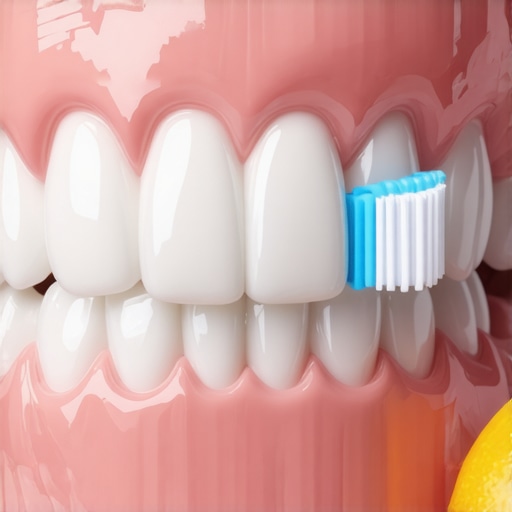
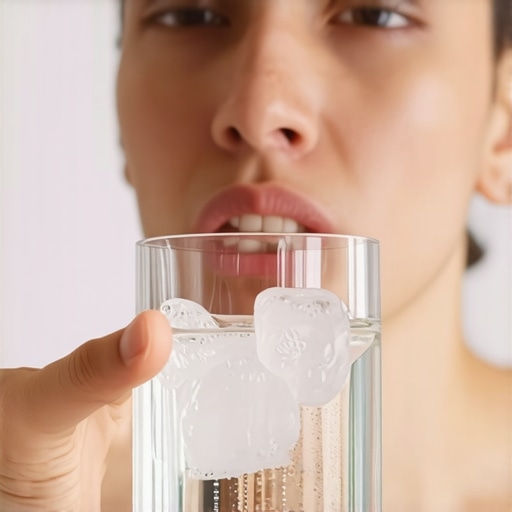
I’ll never forget the cold sweat I felt when my dentist, Dr. Miller, sighed while looking at my molars last year. I’d always been a “gold star” patient—or so I thought. I was that person who brushed three times a day with the stiffest brush I could find, practically scouring my teeth like I was cleaning a cast-iron skillet. I even sipped on lemon water all day for “detox” and used every DIY whitening hack I found on social media. Then came the “zing.” That sharp, lightning-bolt pain when I took a sip of iced tea. It wasn’t a cavity. I had literally scrubbed my enamel into oblivion. It turns out, some of our most “healthy” routines are actually silent killers for our teeth. Today, I’m going to show you how to audit your daily habits so you can stop the damage before you end up needing a mouth full of crowns and professional interventions just to eat an apple. We’re going to dive into the five specific things I was doing that were actually wrecking my smile, and how I turned it around.
Stop Sandpapering Your Smile Every Morning
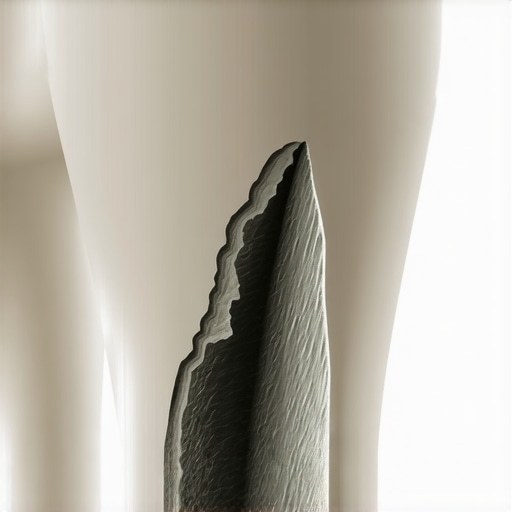
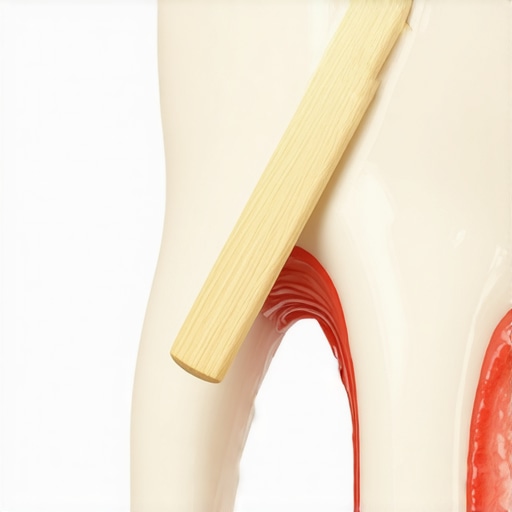
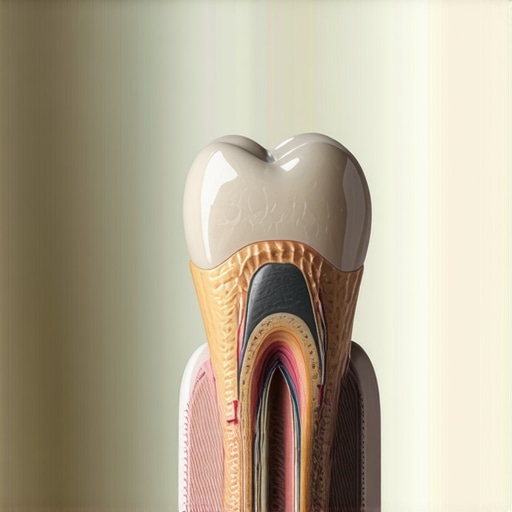
It sounds counterintuitive, doesn’t it? We’re told to brush to stay healthy, but understanding why hard brushing actually makes your teeth look darker was a lesson I learned the hard way. When you use too much pressure, you’re not just removing plaque; you’re thinning the translucent enamel and exposing the yellowish dentin underneath. I spent years thinking I was getting them whiter by scrubbing, but I was doing the exact opposite. If you’re like me and thought “harder is better,” you need to switch to a soft-bristle brush immediately. It’s a simple change, but it’s the cornerstone of a proper oral health routine that actually protects your smile rather than stripping it away. I used to love that “squeaky clean” feeling, but now I know that “squeaky” is actually the sound of my enamel crying for help.
Is my enamel gone for good once it starts thinning?
This was my biggest fear when I saw the wear on my canine teeth. I sat in that chair thinking I’d ruined my mouth forever and that I’d be stuck with sensitivity for the rest of my life. According to the American Dental Association, enamel is the hardest substance in the human body, but it’s not bone—it doesn’t grow back. Once those minerals are stripped away, your body can’t just manufacture more cells to repair the gap. However, you can remineralize what you have left and stop the progression of the damage. Have you ever noticed your teeth feeling extra sensitive after a “deep clean” at home, or wondered why your gums seem to be retreating even though you brush constantly? Let me know in the comments if you’ve felt that mysterious sensitivity! We often blame age or genetics, but more often than not, it’s our own hands doing the work. You might also want to look into the truth about the charcoal whitening trend because those “natural” abrasives I tried were just as bad as my old stiff toothbrush. We need to move from a “scrubbing” mindset to a “nourishing” one if we want our teeth to last, and that starts with recognizing that our teeth aren’t meant to be polished with the intensity of a diamond cutter.
Ditch the Scrubbing Mentality Once and for All
To fix my smile, I had to completely re-learn how to hold a toothbrush. Think of your teeth not as dirty floor tiles to be scoured, but as delicate silverware that needs a gentle polish. When I first made the switch, it felt like I wasn’t doing enough. I was so used to aggressive friction that a light touch felt like I was cheating. However, the goal of a proper oral health routine isn’t to create friction; it’s to disrupt the biofilm of bacteria without collateral damage.
The 45-Degree Angle That Saves Your Gums
I used to brush straight on, flat against the tooth. Now, I angle the bristles at 45 degrees toward the gum line. This allows the soft bristles to slide just under the edge of the gum, which is where the real trouble starts. Instead of long, sawing motions, I use tiny, circular vibrations. It took me a month to break the habit of ‘sawing,’ but the result was a massive reduction in the inflammation I’d been ignoring for years. It’s a core principle in family dentistry focus: teach the technique correctly once, and you save a lifetime of gum recession.
Protect Your Enamel from the Acid Bath
One of my most destructive ‘healthy’ habits was brushing immediately after my morning lemon water or a bowl of fruit. Acid softens your enamel temporarily. By brushing right away, I was essentially sandpapering my teeth while they were in their most vulnerable state. I vividly remember a morning where I ate a bowl of tart strawberries and immediately scrubbed; my teeth felt physically rough and ‘thin’ afterward. Now, I wait at least 30 minutes. This gives my mouth time to neutralize. It turns out that why your saliva is your best defense against decay is because it acts as a natural buffer, remineralizing those soft spots before you ever pick up a brush.
Why You Should Stop Rinsing Immediately After Brushing
This was the hardest habit to break. I loved the minty-fresh rinse-and-spit routine. But when you rinse with water right after brushing, you wash away the concentrated fluoride that is meant to sit on your teeth and strengthen the enamel. Now, I just spit out the excess toothpaste and go about my day. It feels weird at first, but why you should stop rinsing with water immediately after brushing becomes clear when you realize you’re essentially giving your teeth a ‘leave-in conditioner’ treatment for minerals.
Clear the Hidden Trash Between Your Teeth
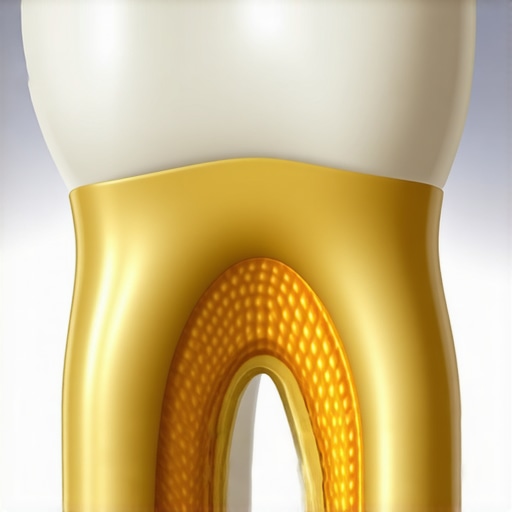
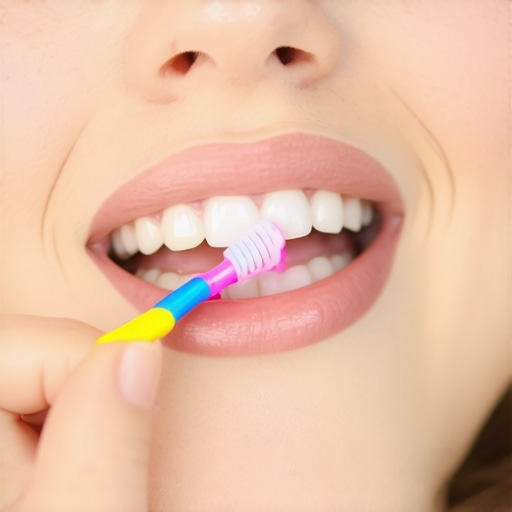
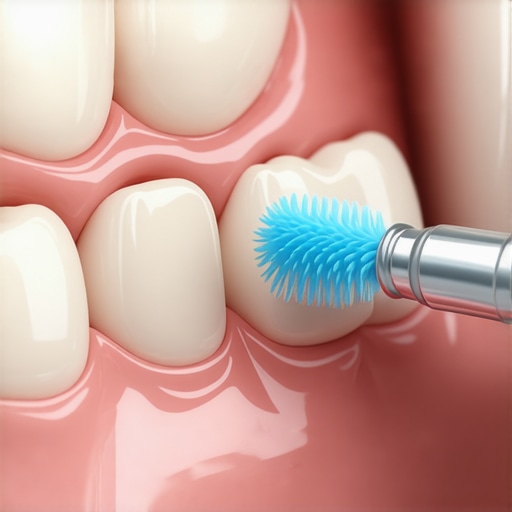
I used to think flossing was optional if my ‘scrubbing’ was thorough enough. I was wrong. The surfaces between your teeth account for nearly 40% of your tooth surface area. If you aren’t cleaning there, you’re leaving nearly half the job undone. I struggled with traditional floss because my teeth are tight, so I switched to interdental brushes. Learning the proper way to use interdental brushes for best results changed everything. It’s like using a tiny bottle brush for your teeth; it catches the debris that string floss often skips over. While home care is vital, I also realized that the impact of regular teeth cleaning on overall oral wellness cannot be overstated. A professional can reach the calcified plaque, or tartar, that no amount of gentle brushing or interdental work can budge once it sets.Most people assume that once a tooth is capped, it’s basically immortal. I certainly did. I thought my porcelain-covered molars were now immune to the sugary snacks and occasional flossing lapses that used to haunt me. But here’s the contrarian truth: a crowned tooth is actually more high-maintenance than a natural one. While the porcelain itself can’t decay, the tiny sliver of natural tooth at the gum line—the ‘margin’—is a magnet for bacteria.
Stop Treating Your Dental Crowns Like Kevlar Armor
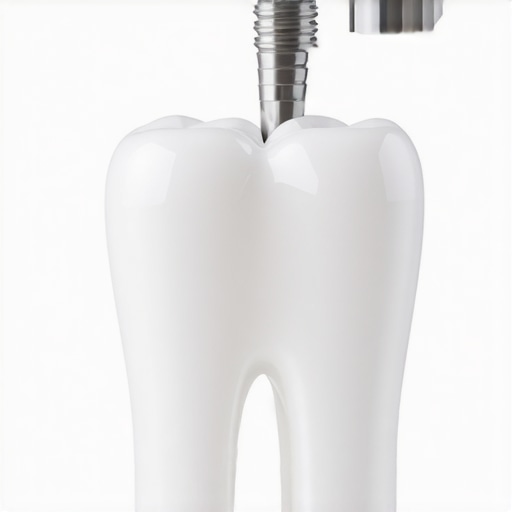
It’s a common misconception that understanding the role of crowns in modern smile makeovers means buying a ‘get out of jail free’ card for your oral hygiene. If anything, maintaining your dental crowns requires a more surgical precision than your natural teeth ever did. When I got my first crown, I relaxed. I stopped being so diligent with the interdental brushes in that specific corner. That was a massive ‘oops’ moment. A study published in the Journal of Clinical Medicine highlights that secondary caries—new cavities forming under old work—is one of the most frequent reasons for crown failure. If you aren’t cleaning that microscopic seam where the crown meets your gum, you’re essentially leaving a back door open for plaque to walk right in.
Why does my dental crown smell like old food despite brushing?
This is a question that most people are too embarrassed to ask their dentist, but it’s a critical red flag. If you’ve noticed a lingering odor, you might be dealing with a ‘trap’ where the seal of the crown has been compromised. I’ve learned that why your new crown smells and how to fix it usually comes down to ‘micro-leakage.’ Food particles and bacteria can get wedged in the tiniest gaps that a standard toothbrush simply cannot reach. This is where expert advice on crowns and teeth cleaning for lasting results becomes life-saving for your wallet. It’s not just about brushing; it’s about the specific way you navigate those boundaries. #IMAGE_PLACE_HOLDER_C#
The Professional Cleaning Trap to Avoid
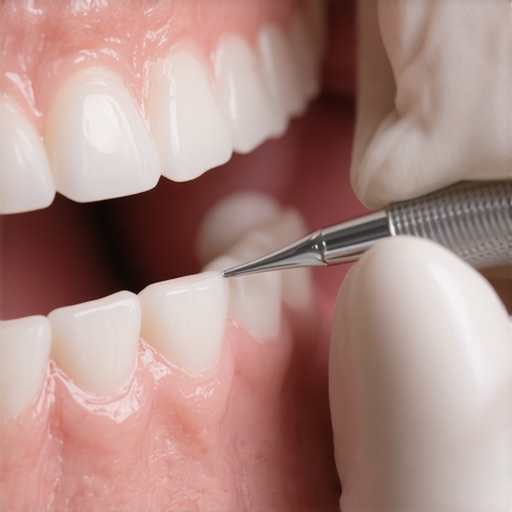
Many patients make the mistake of thinking that home care replaces the need for a professional, or vice versa. In the world of family dentistry focus, we see a recurring pattern: people who are ‘over-brushers’ at home but skip their six-month appointments. They think they’ve done the work, but they are missing the hard calculus that builds up under the gum line. I used to be one of them until I realized that teeth cleaning secrets only work if you have a clean slate to start from. A professional ‘scale and polish’ isn’t just a cosmetic luxury; it’s a mechanical reset for your gums. Have you ever felt like you were doing everything right, only to be told you have a new cavity at your check-up? It’s incredibly frustrating! Have you ever fallen into this trap? Let me know in the comments below, and let’s talk about how to pivot your routine. Another nuance often missed is how to prevent cavities between teeth where you can’t see, especially near existing dental work. You need to be aware of the ‘shadow’ areas where your brush simply cannot go. By shifting from a ‘scrubbing’ mindset to a ‘protective’ mindset, you can ensure your investments in your smile actually last a lifetime.
I realized that caring for crowns required more than just hope; it required precision tools that could do what my clumsy hands couldn’t. After my ‘enamel-scrubbing’ epiphany, I stopped buying the cheapest brush on the shelf and started looking at my bathroom counter as a mini-dental lab. If you’ve invested thousands in your teeth, using a $2 manual brush is like taking a Ferrari through a gravel car wash. You need to upgrade your toolkit if you want to maintain that family dentistry focus for the long haul.
Upgrade Your Arsenal Beyond the Basics
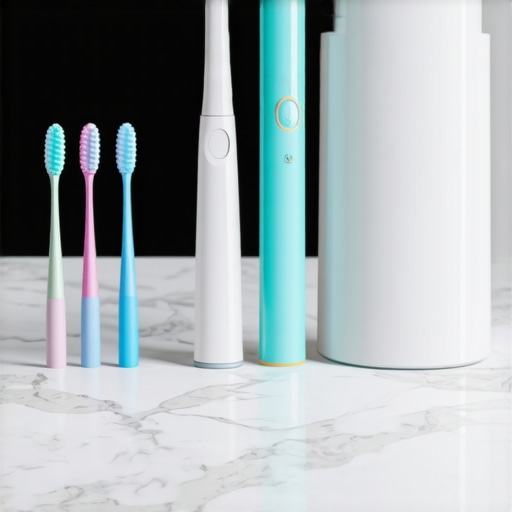
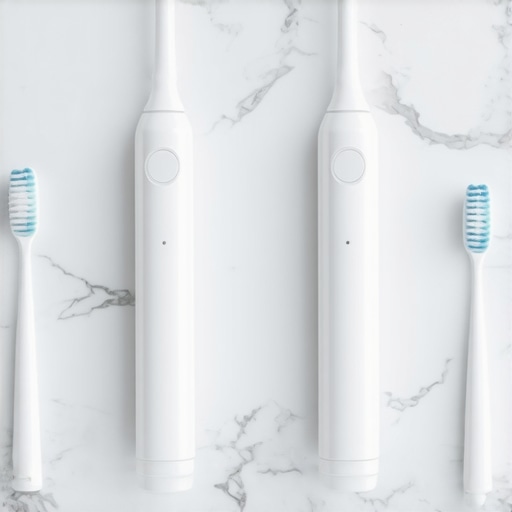
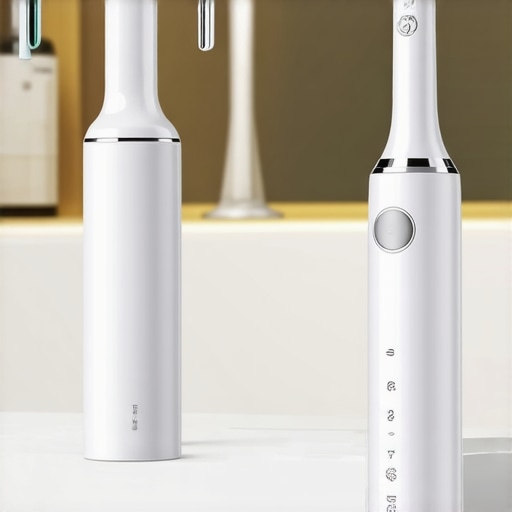
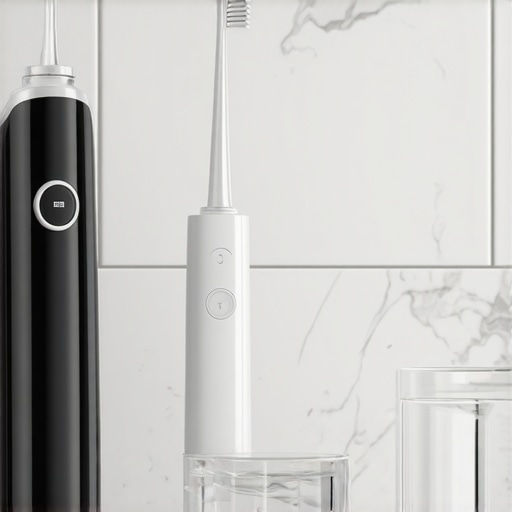
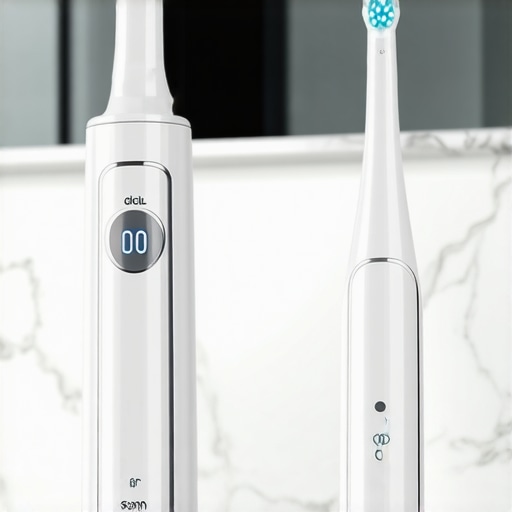
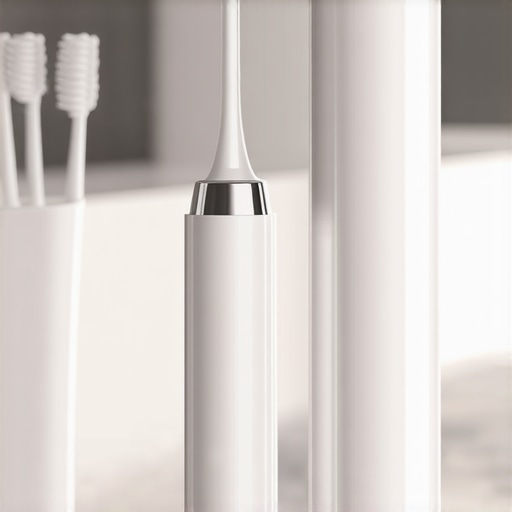
The single biggest game-changer for me was the switch to a high-end sonic toothbrush with a built-in pressure sensor. I’m a high-achiever by nature, which translated to ‘aggressive brusher’ in the bathroom. My new brush literally flashes a red ring of light when I’m pressing too hard, forcing me to back off. This isn’t just marketing fluff; it’s a mechanical guardrail for your enamel. According to the Cochrane Library, which conducts systematic reviews of health evidence, powered toothbrushes—specifically those with an oscillating-rotating motion—demonstrated a 21% reduction in plaque over three months compared to manual brushing. I’ve noticed that oral health routine strengthening becomes much easier when the tool does the vibrating for you.
How do I maintain my professional cleaning results over time?
The ‘honeymoon phase’ after a professional visit usually lasts about two weeks before the tea and coffee stains start creeping back. To stretch that fresh-from-the-dentist feeling, I’ve started using a water flosser every single night before bed. If you have crowns or bridges, this is non-negotiable. It flushes out the ‘biofilm’ that settles into the margins where your crown meets the gum. I also recommend checking out how to clean between teeth if you have tight spacing if you find that regular string floss shreds or gets stuck. The water flosser reaches into those tight gaps and cleans the ‘shadow zones’ that lead to decay under existing work. Remember, maintaining your dental crowns is about consistency, not intensity.
The Future of Smart Oral Health is Already Here
I predict that within the next five years, our toothbrushes won’t just vibrate; they’ll analyze our saliva in real-time. We’re already seeing AI-driven apps that map your mouth and tell you exactly which molar you’re neglecting. This shift toward ‘preventative data’ will change everything. Instead of waiting for a ‘zing’ of pain to tell you something is wrong, your phone will alert you that your pH levels are too acidic or that you’re missing a specific spot behind your back molars. This is the ultimate evolution of the impact of regular teeth cleaning on overall oral wellness—moving from reactive fixing to proactive monitoring. If you want to get ahead of the curve, I challenge you to try this: for the next week, brush with your non-dominant hand. It forces you to pay attention to every angle and break the ‘autopilot’ scrubbing that causes so much damage. It’s a simple, high-impact way to reset your technique today.
I’ll never forget the cold sweat I felt when my dentist, Dr. Miller, sighed while looking at my molars last year. I’d always been a “gold star” patient—or so I thought. I was that person who brushed three times a day with the stiffest brush I could find, practically scouring my teeth like I was cleaning a cast-iron skillet. I even sipped on lemon water all day for “detox” and used every DIY whitening hack I found on social media. Then came the “zing.” That sharp, lightning-bolt pain when I took a sip of iced tea. It wasn’t a cavity. I had literally scrubbed my enamel into oblivion. It turns out, some of our most “healthy” routines are actually silent killers for our teeth. Today, I’m going to show you how to audit your daily habits so you can stop the damage before you end up needing a mouth full of crowns and professional interventions just to eat an apple. We’re going to dive into the five specific things I was doing that were actually wrecking my smile, and how I turned it around.
Stop Sandpapering Your Smile Every Morning
It sounds counterintuitive, doesn’t it? We’re told to brush to stay healthy, but understanding why hard brushing actually makes your teeth look darker was a lesson I learned the hard way. When you use too much pressure, you’re not just removing plaque; you’re thinning the translucent enamel and exposing the yellowish dentin underneath. I spent years thinking I was getting them whiter by scrubbing, but I was doing the exact opposite. If you’re like me and thought “harder is better,” you need to switch to a soft-bristle brush immediately. It’s a simple change, but it’s the cornerstone of a proper oral health routine that actually protects your smile rather than stripping it away. I used to love that “squeaky clean” feeling, but now I know that “squeaky” is actually the sound of my enamel crying for help.
Is my enamel gone for good once it starts thinning?
This was my biggest fear when I saw the wear on my canine teeth. I sat in that chair thinking I’d ruined my mouth forever and that I’d be stuck with sensitivity for the rest of my life. According to the ADA, enamel is the hardest substance in the human body, but it’s not bone—it doesn’t grow back. Once those minerals are stripped away, your body can’t just manufacture more cells to repair the gap. However, you can remineralize what you have left and stop the progression of the damage. Have you ever noticed your teeth feeling extra sensitive after a “deep clean” at home, or wondered why your gums seem to be retreating even though you brush constantly? Let me know in the comments if you’ve felt that mysterious sensitivity! We often blame age or genetics, but more often than not, it’s our own hands doing the work. You might also want to look into the truth about the charcoal whitening trend because those “natural” abrasives I tried were just as bad as my old stiff toothbrush. We need to move from a “scrubbing” mindset to a “nourishing” one if we want our teeth to last, and that starts with recognizing that our teeth aren’t meant to be polished with the intensity of a diamond cutter.
Ditch the Scrubbing Mentality Once and for All
To fix my smile, I had to completely re-learn how to hold a toothbrush. Think of your teeth not as dirty floor tiles to be scoured, but as delicate silverware that needs a gentle polish. When I first made the switch, it felt like I wasn’t doing enough. I was so used to aggressive friction that a light touch felt like I was cheating. However, the goal of a proper oral health routine isn’t to create friction; it’s to disrupt the biofilm of bacteria without collateral damage.
The 45-Degree Angle That Saves Your Gums
I used to brush straight on, flat against the tooth. Now, I angle the bristles at 45 degrees toward the gum line. This allows the soft bristles to slide just under the edge of the gum, which is where the real trouble starts. Instead of long, sawing motions, I use tiny, circular vibrations. It took me a month to break the habit of ‘sawing,’ but the result was a massive reduction in the inflammation I’d been ignoring for years. It’s a core principle in family dentistry focus: teach the technique correctly once, and you save a lifetime of gum recession.
Protect Your Enamel from the Acid Bath
One of my most destructive ‘healthy’ habits was brushing immediately after my morning lemon water or a bowl of fruit. Acid softens your enamel temporarily. By brushing right away, I was essentially sandpapering my teeth while they were in their most vulnerable state. I vividly remember a morning where I ate a bowl of tart strawberries and immediately scrubbed; my teeth felt physically rough and ‘thin’ afterward. Now, I wait at least 30 minutes. This gives my mouth time to neutralize. It turns out that why your saliva is your best defense against decay is because it acts as a natural buffer, remineralizing those soft spots before you ever pick up a brush.
Why You Should Stop Rinsing Immediately After Brushing
This was the hardest habit to break. I loved the minty-fresh rinse-and-spit routine. But when you rinse with water right after brushing, you wash away the concentrated fluoride that is meant to sit on your teeth and strengthen the enamel. Now, I just spit out the excess toothpaste and go about my day. It feels weird at first, but why you should stop rinsing with water immediately after brushing becomes clear when you realize you’re essentially giving your teeth a ‘leave-in conditioner’ treatment for minerals.
Clear the Hidden Trash Between Your Teeth
I used to think flossing was optional if my ‘scrubbing’ was thorough enough. I was wrong. The surfaces between your teeth account for nearly 40% of your tooth surface area. If you aren’t cleaning there, you’re leaving nearly half the job undone. I struggled with traditional floss because my teeth are tight, so I switched to interdental brushes. Learning the proper way to use interdental brushes for best results changed everything. It’s like using a tiny bottle brush for your teeth; it catches the debris that string floss often skips over. While home care is vital, I also realized that the impact of regular teeth cleaning on overall oral wellness cannot be overstated. A professional can reach the calcified plaque, or tartar, that no amount of gentle brushing or interdental work can budge once it sets.Most people assume that once a tooth is capped, it’s basically immortal. I certainly did. I thought my porcelain-covered molars were now immune to the sugary snacks and occasional flossing lapses that used to haunt me. But here’s the contrarian truth: a crowned tooth is actually more high-maintenance than a natural one. While the porcelain itself can’t decay, the tiny sliver of natural tooth at the gum line—the ‘margin’—is a magnet for bacteria.
Stop Treating Your Dental Crowns Like Kevlar Armor
It’s a common misconception that understanding the role of crowns in modern smile makeovers means buying a ‘get out of jail free’ card for your oral hygiene. If anything, maintaining your dental crowns requires a more surgical precision than your natural teeth ever did. When I got my first crown, I relaxed. I stopped being so diligent with the interdental brushes in that specific corner. That was a massive ‘oops’ moment. A study published in the Journal of Clinical Medicine highlights that secondary caries—new cavities forming under old work—is one of the most frequent reasons for crown failure. If you aren’t cleaning that microscopic seam where the crown meets your gum, you’re essentially leaving a back door open for plaque to walk right in.
Why does my dental crown smell like old food despite brushing?
This is a question that most people are too embarrassed to ask their dentist, but it’s a critical red flag. If you’ve noticed a lingering odor, you might be dealing with a ‘trap’ where the seal of the crown has been compromised. I’ve learned that why your new crown smells and how to fix it usually comes down to ‘micro-leakage.’ Food particles and bacteria can get wedged in the tiniest gaps that a standard toothbrush simply cannot reach. This is where expert advice on crowns and teeth cleaning for lasting results becomes life-saving for your wallet. It’s not just about brushing; it’s about the specific way you navigate those boundaries. #IMAGE_PLACE_HOLDER_C#
The Professional Cleaning Trap to Avoid
Many patients make the mistake of thinking that home care replaces the need for a professional, or vice versa. In the world of family dentistry focus, we see a recurring pattern: people who are ‘over-brushers’ at home but skip their six-month appointments. They think they’ve done the work, but they are missing the hard calculus that builds up under the gum line. I used to be one of them until I realized that teeth cleaning secrets only work if you have a clean slate to start from. A professional ‘scale and polish’ isn’t just a cosmetic luxury; it’s a mechanical reset for your gums. Have you ever felt like you were doing everything right, only to be told you have a new cavity at your check-up? It’s incredibly frustrating! Have you ever fallen into this trap? Let me know in the comments below, and let’s talk about how to pivot your routine. Another nuance often missed is how to prevent cavities between teeth where you can’t see, especially near existing dental work. You need to be aware of the ‘shadow’ areas where your brush simply cannot go. By shifting from a ‘scrubbing’ mindset to a ‘protective’ mindset, you can ensure your investments in your smile actually last a lifetime.
I realized that caring for crowns required more than just hope; it required precision tools that could do what my clumsy hands couldn’t. After my ‘enamel-scrubbing’ epiphany, I stopped buying the cheapest brush on the shelf and started looking at my bathroom counter as a mini-dental lab. If you’ve invested thousands in your teeth, using a $2 manual brush is like taking a Ferrari through a gravel car wash. You need to upgrade your toolkit if you want to maintain that family dentistry focus for the long haul.
Upgrade Your Arsenal Beyond the Basics
The single biggest game-changer for me was the switch to a high-end sonic toothbrush with a built-in pressure sensor. I’m a high-achiever by nature, which translated to ‘aggressive brusher’ in the bathroom. My new brush literally flashes a red ring of light when I’m pressing too hard, forcing me to back off. This isn’t just marketing fluff; it’s a mechanical guardrail for your enamel. According to the Cochrane Library, powered toothbrushes demonstrated a 21% reduction in plaque over three months compared to manual brushing. I’ve noticed that oral health routine strengthening becomes much easier when the tool does the vibrating for you.
How do I maintain my professional cleaning results over time?
The ‘honeymoon phase’ after a professional visit usually lasts about two weeks before the tea and coffee stains start creeping back. To stretch that fresh-from-the-dentist feeling, I’ve started using a water flosser every single night before bed. If you have crowns or bridges, this is non-negotiable. It flushes out the ‘biofilm’ that settles into the margins where your crown meets the gum. I also recommend checking out how to clean between teeth if you have tight spacing if you find that regular string floss shreds or gets stuck. The water flosser reaches into those tight gaps and cleans the ‘shadow zones’ that lead to decay under existing work. Remember, maintaining your dental crowns is about consistency, not intensity.
The Future of Smart Oral Health is Already Here
I predict that within the next five years, our toothbrushes won’t just vibrate; they’ll analyze our saliva in real-time. We’re already seeing AI-driven apps that map your mouth and tell you exactly which molar you’re neglecting. This shift toward ‘preventative data’ will change everything. Instead of waiting for a ‘zing’ of pain to tell you something is wrong, your phone will alert you that your pH levels are too acidic or that you’re missing a specific spot behind your back molars. This is the ultimate evolution of the impact of regular teeth cleaning on overall oral wellness—moving from reactive fixing to proactive monitoring. If you want to get ahead of the curve, I challenge you to try this: for the next week, brush with your non-dominant hand. It forces you to pay attention to every angle and break the ‘autopilot’ scrubbing that causes so much damage. It’s a simple, high-impact way to reset your technique today.
The Three Biggest Lies I Told My Mouth
Looking back, I realize how much misinformation I swallowed along with my minty toothpaste. First, I genuinely believed that if my gums were bleeding, I needed to scrub them harder to ‘clean’ the infection. In reality, that was the signal to be more gentle and use the proper way to use interdental brushes to clear the bacteria without the trauma. Second, I thought my dental work was a shield. But how crowns can transform your dental confidence depends entirely on how well you treat the natural tooth underneath. Finally, I didn’t realize that my own saliva was a better ‘whitener’ than half the DIY kits I bought, simply because it protects the enamel that keeps teeth looking young.
The Survival Kit for Your Enamel
If you’re ready to stop the cycle of ‘repair and repeat’ at the dentist, you need a curated toolkit. I highly recommend investing in a water flosser—it’s been the only way I can truly learn how to stop your crown from smelling like old food by clearing the margins daily. Additionally, keep a pack of soft-bristled, tapered brushes in your car or bag. If you can’t brush after a meal, just a quick sweep with water can disrupt the acid. Most importantly, I’ve made it a rule to do the one thing you must do before your next dental cleaning: track your sensitive spots. It helps the professional focus their work and gives you a roadmap for your home care.
It’s Never Too Late to Protect What’s Left
My journey from a ‘scrubber’ to a ‘protector’ wasn’t overnight. It took a few painful ‘zings’ and a very patient dentist to show me that less is often more. Your teeth are the only part of your body that can’t heal itself, but they are incredibly resilient if you just stop getting in their way. By focusing on a gentle oral health routine strengthening your smile every day, you’re not just avoiding a bill; you’re preserving your ability to enjoy life’s simple pleasures—like a cold glass of lemonade or a crunchy apple—for decades to come. Have you ever felt a sharp ‘zing’ after brushing too hard, or noticed your teeth getting darker despite all that scrubbing? Let me know in the comments below!
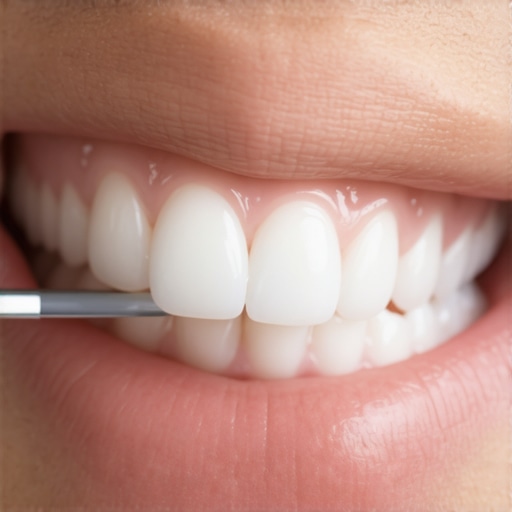
 Once that crown is in place, you have to treat it like a luxury vehicle. This means mastering your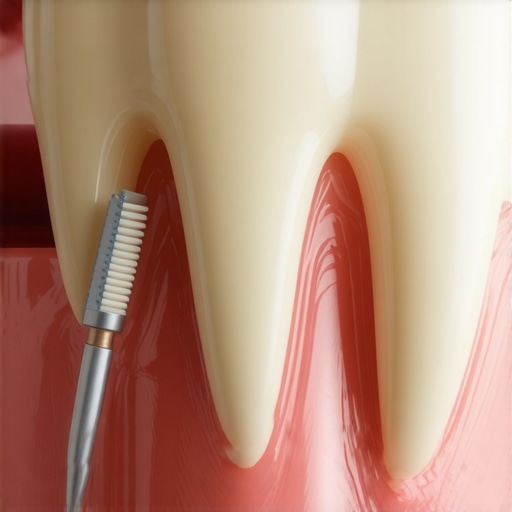
 I predict that within the next five years, we will see AI-integrated toothbrushes that specifically map out the margins of your dental work, alerting you via an app if those areas aren’t being cleaned thoroughly enough. We are moving toward a future where