I remember the exact moment I realized that my obsession with sugar-free soda was sneaking behind my smile’s back. It was after a routine dental checkup, where my dentist pointed out early signs of enamel erosion, despite my confident claims of avoiding sugar. That sinking feeling hit me—how could a drink I thought was ‘teeth-friendly’ be causing harm?
The Hidden Danger in Sugar-Free Sodas
You might assume that choosing sugar-free options shields you from cavities and enamel damage. But in my experience—and countless studies confirm—these beverages often contain artificial sweeteners and acids that actively erode your tooth enamel. Not convinced? Well, research published in the Journal of Dental Research reveals that acidic drinks, including sugar-free sodas, can be just as damaging, if not more so, than regular sugary drinks.
This revelation was a lightbulb moment for me. I had made the mistake early on of thinking that ‘zero sugar’ meant no risk to my oral health. But the reality is, acids like citric and phosphoric acid—common in diet sodas—attack enamel relentlessly, thinning it out over time. Once it’s gone, there’s no replacing it, and that’s how minor enamel wear turns into bad enough problems to need crowns or other restorations.
Is Cutting Out Sugar Enough? Think Again.
This experience taught me that avoiding sugar isn’t a cure-all. You need to look at the bigger picture—acid exposure, frequency of consumption, and proper oral hygiene. If you’re like me, I bet you’ve also fallen prey to the myth that diet drinks are completely safe. But they aren’t, and my mistake was ignoring the importance of understanding the real culprits behind tooth erosion.
If you’ve been sipping sugar-free soda daily, especially during or after meals, then you might be unknowingly risking your teeth’s future. It’s time we get serious about protecting our enamel—because once it’s gone, the damage can’t be fully undone. Want to know how? Stick around as I share practical steps, backed by expert insights, to keep your smile healthy and strong.
Stop Sip and Swallow Habit
Begin by reducing the frequency of your sugar-free soda intake. Instead of sipping throughout the day, limit yourself to a single, post-meal glass. I once made the mistake of drinking diet soda continuously during a work session, which led to noticeable enamel sensitivity within weeks. After I consciously cut down, I noticed a decrease in discomfort and a more resilient smile.
Use a Straw for Acidic Drinks
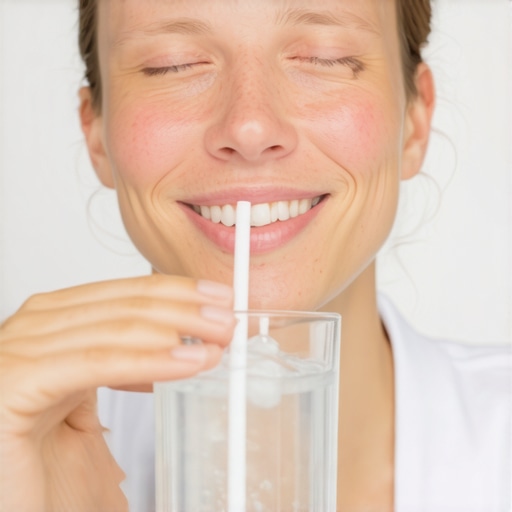
When consuming acidic beverages, always use a straw positioned toward the back of your mouth. This minimizes contact with your teeth, similar to how sunglasses shield your eyes from harsh sunlight. I adopted this tip during a summer picnic and found that my front teeth showed fewer signs of erosion compared to previous outings.
Rinse with Water After Drinking
Immediately after finishing your soda, rinse your mouth thoroughly with water. Think of it as washing away the acids before they linger. I kept a water bottle nearby during a social event and made it a habit to rinse after each sip. Over time, I noticed less enamel wear and fewer cold sensitivities.
Wait Before Brushing
Refrain from brushing your teeth right after consuming acidic drinks; wait at least 30 minutes. Brushing too soon can grind acids into your enamel, like scrubbing a fresh paint job before it dries. I learned this the hard way when I brushed immediately after a diet soda, which caused slight enamel abrasion. Now, I wait, and my enamel stays stronger longer.
Choose Enamel-Strengthening Products
Incorporate toothpaste with fluoride and minerals that reinforce enamel. Consider products labeled for sensitivity and strength. During my last dental check-up, my hygienist recommended a fluoride rinse, which I use daily. This simple addition markedly improved my enamel resilience, especially around areas exposed to acids.
Schedule Regular Dental Visits
Monthly or biannual cleanings help detect early signs of erosion before they become serious problems. Think of dental visits like routine car maintenance—they prevent breakdowns. I personally schedule appointments every six months, and my dentist keeps a close eye on areas vulnerable to acid damage, providing tailored advice.
Many people believe they understand dental crowns, cleaning routines, and family oral health, but the reality is often more complex. A common misconception is that once a crown is placed, it requires no further attention, which isn’t entirely true. Without proper maintenance, even the best crowns can fail prematurely due to unnoticed issues like microleakage or decay underneath. Learn how dark lines above crowns can signal underlying problems. Additionally, some assume that professional cleaning alone suffices for long-term oral health, overlooking the importance of daily habits such as proper brushing techniques and diet management. Overlooking these nuances can lead to unnecessary treatments or early crown failure.
A less obvious but crucial point is the importance of early detection of issues like gum disease, which can silently worsen alongside crown placement or routine cleaning. Regular visits are vital, but knowing what signs to watch for—such as persistent bad taste, gum bleeding, or loosened crowns—can be game-changers. Interestingly, many families underestimate the role of diet, especially acidic morning smoothies, which can erode enamel and complicate overall oral health, even if brushing habits are perfect. To safeguard your teeth, it’s essential to understand how dietary choices and oral hygiene intersect.
What most people overlook is that family dentistry isn’t just a series of treatments but a proactive strategy. For instance, some parents mistakenly think that flossing isn’t critical for children, but plaque control from an early age sets the foundation for lifelong health. Also, many underestimate the significance of sealants and custom advice tailored to children’s developing teeth, helping prevent costly restorations later. Developing an awareness of these nuances ensures you’re not just reacting to problems but actively preventing them.
**Are dental crowns really as durable as claimed, or is there more to their longevity?** This question has advanced implications. For example, the type of material—whether gold, porcelain, or ceramic—affects their lifespan. Studies show that while ceramic crowns can match or surpass gold in some cases, improper fit or bonding issues can drastically reduce their durability. It’s crucial to understand that crowns are not just about appearance but also about precise fit and material compatibility.
Furthermore, many fail to realize that oral health is a holistic matter. Poor gum health can undermine crowns and overall dental stability, potentially leading to gum recession or bone loss around restorations. Maintaining healthy gums through effective brushing, flossing, and regular professional care keeps your investment in crowns protective rather than futile. For a comprehensive routine, consider integrating insights about gum health and enamel preservation—like avoiding overly acidic smoothies—into your daily habits. Healthy gums not only improve oral health but also have systemic benefits.
In summary, many common beliefs about dental crowns, family dentistry, and oral health tend to oversimplify the reality. Recognizing these hidden nuances helps you make informed decisions and avoid costly mistakes. For example, being proactive by learning about early warning signs of crown failure or gum disease can save you time and money in the long run. Conduct regular self-checks, such as observing for dark lines or shifts in crowns, and stay committed to good habits.
Have you ever fallen into this trap? Let me know in the comments how you’ve tackled misconceptions around dental health, or share your experience with crowns and family routines.Maintaining a healthy smile over time isn’t just about brushing and flossing—it’s about integrating the right tools and practices into your routine. One essential device I swear by is an electric toothbrush with oscillating-rotating heads; I personally find it more effective at plaque removal, especially in hard-to-reach areas, compared to manual brushing. Additionally, I use a water flosser daily, which not only makes flossing easier but also helps reduce gum inflammation, as I experienced during my last deep cleaning appointment.
For monitoring my oral health, I rely on a dental mirror with a built-in LED light. It allows me to inspect areas that are prone to plaque buildup or early signs of decay, ensuring I catch issues before they escalate. These tools have been instrumental in extending the life of my crowns and avoiding unnecessary restorations.
In terms of software, I utilize a recurring appointment reminder app linked to my calendar, ensuring I never miss my biannual professional cleanings. Preventive visits are crucial; studies show that regular check-ups significantly reduce the risk of complex procedures down the line.
Looking ahead, the trend in oral health tech is leaning toward smart devices that sync with your smartphone to track brushing and flossing habits, providing personalized feedback. As these technologies become more affordable and user-friendly, I predict they’ll revolutionize at-home care, making it easier to maintain long-term health.
How do I keep my dental routine effective over time? Consistency paired with quality tools is key. I challenge you to try upgrading your basic toothbrush to an electric model and integrate a water flosser into your daily routine. These small changes, backed by research and personal experience, can dramatically improve your oral health trajectory. Remember, proactive maintenance today prevents costly procedures tomorrow. Don’t wait—start leveraging these tools now and see the difference for yourself.
Lessons I Wish I Knew Before Ignoring Smile Secrets
- One of the biggest realizations was that superficial fixes, like whitening or crowns, aren’t enough if foundational habits are ignored. I learned this when a minor sensitivity turned into a nerve issue, reminding me that prevention beats repair.
- Don’t underestimate the power of early detection. Spotting tiny cracks or gum recession early saved me from complex procedures later. Regular self-inspections, like checking for dark lines above crowns, can be game-changers.
- Understanding that family dentistry is about proactive care changed my approach. Educating my children early about good habits fostered lifelong health and avoided future complications.
Tools and Resources That Transformed My Dental Journey
- The best fluoride toothpaste has bolstered my enamel, especially after I learned how acids can silently erode it. It’s a straightforward change with lasting benefits.
- The electric toothbrush I switched to has made a significant difference in plaque control, especially around crowns and braces. Trust me, investing in quality tools pays off.
- For monitoring my oral health, I rely on a compact dental mirror with a light. Early signs of gum issues are easier to catch when I can see clearly.
Your Smile’s Bright Future Is in Your Hands
Whether you’re safeguarding crowns, preventing enamel erosion, or nurturing family habits, remember that your daily choices shape your dental destiny. Embrace proactive care today—your future self will thank you—and start implementing simple habits like proper brushing, smart snacking, and routine check-ups. Small steps now can translate into decades of healthy smiles ahead. How do you plan to enhance your oral health starting today? Share your goals below and let’s motivate each other to keep our smiles shining.