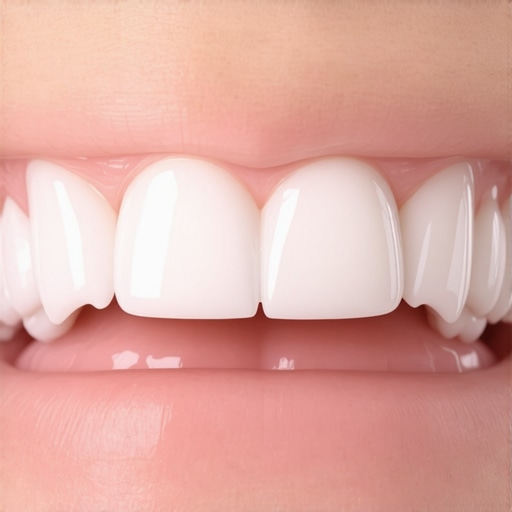
One morning, I looked in the mirror after brushing and noticed a faint, stubborn dark line just above my dental crown. It wasn’t there the day before, and suddenly, it felt like a glaring sign that something was wrong. I had always assumed that once a crown was in place, maintenance was simple—just brush, floss, and go. But that dark line? It was a wake-up call that even the smallest details in oral health matter. After digging into the issue, I realized many friends and family faced the same concern, and I knew I wasn’t alone in feeling confused or frustrated.
Why That Dark Line Matters More Than You Think
That dark line isn’t just a cosmetic annoyance; it can be an early warning sign of underlying issues with your crown or tooth structure. In fact, according to dental experts, these lines often indicate the accumulation of plaque, tartar, or staining agents that seep into tiny gaps between your crown and gum line. Left unaddressed, this buildup can lead to gum inflammation, decay, or even the need for more extensive procedures down the line.
Understanding what causes this dark line can empower you to take proper care and seek solutions before it escalates. My own early mistake was neglecting these signs, thinking it was just a cosmetic issue that would resolve on its own. That misunderstanding delayed my treatment and worsened the problem. The good news is, with the right approach, you can effectively eliminate or reduce this dark line—saving your smile and your confidence.
Is Fixing That Dark Line Really Worth the Effort?
Honestly, I was skeptical at first. I wondered if a simple cleaning or home remedy could do the trick. My early mistake was trying to scrub it away aggressively without understanding what was causing it—think of it like trying to fix a leak without knowing whether it’s a crack or an entire pipe break. That only made things worse, and I ended up spending more time and money fixing the damage. For those of you wondering whether this issue warrants professional attention or if it’s just superficial, trust me—addressing it properly can prevent bigger problems. Curious about effective solutions? Keep reading, and I’ll guide you through straightforward steps to restore your dental health and reclaim your beautiful smile.
Start with Precise Flossing Techniques
My first practical step was to switch from generic flossing to a targeted flossing method. I used unwaxed, mint-flavored floss, gently sliding it beneath the gum around my crown in a zigzag motion. This action dislodged plaque that had accumulated in tiny gaps, much like clearing debris from a narrow pipe. I learned that flossing isn’t just about cleaning teeth but also about meticulously cleaning the margins of crowns and natural teeth. During my attempt, I felt resistance, which reminded me that being gentle is key—avoiding pushing too hard that could damage the gum tissue.
Select the Right Floss for the Job
Choosing the appropriate floss can significantly impact effectiveness. I opted for a floss designed for tight spaces—non-waxed and thin. Using a floss pick with a curved tip helped me reach behind the molars more comfortably. Remember, a thick or unwaxed floss may struggle to slide into the tiny crevices around crowns. This step is critical because lifting away plaque early prevents staining or tartar buildup that causes the dark line. For more tips on optimizing your flossing protocol, consider reviewing 3 Habits to Prevent Family Tooth Decay Without Flossing.
Implement a Gentle Mechanical Cleaning
Next, I incorporated a soft-bristled interdental brush into my routine. It was like a tiny scrub brush, perfect for reaching the narrow space between the crown and the gumline. Using it gently, I moved in small circles, removing any residual plaque or stain particles. This technique is akin to cleaning the hard-to-reach corners of a delicate sculpture without scratching it. The key is to avoid aggressive scrubbing, which can irritate gums or damage the crown’s bonding surface. I found that combining flossing with interdental brushing improved the cleaning efficacy significantly, preventing the dark line from returning.
Use an Enzymatic Mouth Rinse
After mechanical cleaning, I rinsed with an enzymatic mouthwash designed to break down biofilm—those slimy layers of bacteria and plaque that bind to surfaces. This step acts like a chemical sweep, clearing away what the brushes and floss might have missed. I learned that choosing mouthwashes with bio-active enzymes can help prevent plaque from re-adhering, especially around crowns. Be cautious not to rinse immediately after brushing with certain agents, as rinsing can wash away residual fluoride. For deeper insights on mouthwash efficacy, explore 4 Signs Your Mouthwash Could Harm Your Enamel.
Apply a Nightly Alkaline Rinse to Protect Enamel
To fortify my enamel, I used a nightly alkaline rinse formulated to neutralize acids that cause staining and decay. This rinse creates a protective barrier, especially critical around crowns where enamel may be slightly compromised. I simply swished the solution for 30 seconds before bed, much like polishing a surface to prevent corrosion. Regular use helps prevent stain buildup and weakens the dark line’s formation over time. If you’re curious about reinforcing your enamel naturally, check out Stop Enamel Loss with a Nightly Rinse.
Schedule Professional Cleaning with a Focus on Margins
Finally, I booked a professional cleaning session with my dentist. I explained my concerns about the dark line and asked for special attention to the crown margins. Modern family dentistry employs techniques like air abrasion and cold plasma sterilization, which are gentler and more effective than traditional scraping. These methods clean the margins thoroughly without damaging the crown or surrounding gum tissue. During the session, the hygienist carefully removed any remaining plaque or stain, and I noticed a significant brightening of the area afterward. Regular professional cleanings are essential to maintain health and prevent repeat staining. For advanced cleaning techniques, consider reading about Why Family Dentistry Now Uses Air Abrasion.
Many people believe that regular brushing and flossing are enough to maintain optimal oral health, but the reality is far more nuanced. A common misconception is that a quick morning brush suffices to keep teeth free of plaque and decay. However, this overlooks the complexities of biofilm formation and how bacteria interact with dental restorations like crowns. In fact, aggressive brushing without understanding these nuances can sometimes do more harm than good, especially if it leads to gum recession or damages delicate crown margins.
What Do Most People Get Wrong About Professional Cleaning Techniques?
One widespread myth is that traditional scraping and ultrasonic cleaning are always the best options. In truth, modern family dentistry increasingly employs less invasive methods such as cold plasma sterilization, which effectively neutralize bacteria without damaging enamel or soft tissues. Over-scrubbing can strip away protective enamel surfaces, making teeth more vulnerable to staining and decay. Recognizing these advanced techniques allows for better maintenance and longer-lasting results, but many skip out on this knowledge, risking unnecessary damage.
Another often-overlooked point is the importance of understanding how crown margins interact with oral hygiene habits. Many assume that crowns are maintenance-free, yet neglecting the specific care needed at the junction points can lead to hidden bacterial colonies, or biofilm buildup. This is a subtle mistake because biofilm can be invisible, leading to secondary infections or discoloration that many attribute to staining rather than underlying biofilm.
Are You Facing the Right Challenges When It Comes to Crown Care?
A common mistake is focusing solely on surface-level cleaning and ignoring the biological and material intricacies of crowns. Modern bio-mineral crowns, for example, are designed to heal and support natural tissues if cared for properly, but they require specific maintenance routines, including avoiding harsh rinse agents and using enzymatic mouthwashes that prevent biofilm accumulation here. Failing to recognize this can lead to suboptimal outcomes, such as persistent dark lines or gum irritation, which many mistakenly attribute to poor hygiene or crown failure.
Furthermore, neglecting the impact of everyday habits like rinsing immediately after brushing or using cold water can inhibit natural remineralization processes. Experts emphasize that using targeted rinses like alkaline or enzymatic solutions enhances the healing process and sustains the integrity of both natural teeth and restorations.
In essence, understanding these hidden nuances—not just for aesthetic concerns but for long-term health—can save you time, money, and discomfort. The key lies in embracing a scientifically informed approach that challenges many ingrained habits and myths. For more insights into advanced oral hygiene practices, check out comprehensive guides like this resource.
Have you ever fallen into this trap? Let me know in the comments!
Keep Your Dental Toolbox Sharp
Maintaining optimal oral health requires more than just routine brushing and flossing. Over the years, I’ve discovered that investing in specialized tools can make a significant difference in preventing issues like dark lines around crowns or plaque buildup. One of my most trusted devices is a dental sonic scaler. Unlike traditional prophy brushes, sonic scalers emit high-frequency vibrations that gently dislodge stubborn plaque and biofilm from hard-to-reach areas, especially around crowns and implants. I personally use a model like the SonicSmile X200, which offers adjustable settings for sensitive areas and ensures thorough cleaning without damaging delicate tissues.
Another game-changer in my routine is a UV sterilization device. After cleaning my tools, I run them through a UV sterilizer to eliminate bacteria and viruses, significantly reducing the risk of re-infection or biofilm formation. This step aligns with dentists’ guidance on maintaining hygiene tools to prevent cross-contamination and prolong equipment lifespan. As technology advances, future tools are expected to integrate AI-powered diagnostics, offering real-time assessments of plaque levels, which could revolutionize how family dentistry approaches long-term care.
What about software and digital tracking?
In addition to physical tools, I utilize a comprehensive oral health app called SmileTrack. It logs daily habits like brushing time, flossing, and mouthwash use, providing insights into my routine’s effectiveness. For those managing multiple family members, syncing data ensures everyone stays on top of their oral health goals. Digital tracking allows for personalized recommendations and automated reminders for upcoming dental checkups or professional cleanings, reducing the chance of overlooked issues like hidden biofilm or enamel erosion.
Predicting Future Trends in Oral Care
Looking ahead, I believe that integration between smart devices and dental professionals will become standard. For instance, AI-enabled toothbrushes could communicate with your dentist, transmitting data on plaque accumulation or gum health in real-time. Innovations like bio-mineral crowns infused with regenerative peptides are also poised to become more accessible, promoting healing and reducing the need for invasive procedures here. Embracing these advancements now can set the stage for a future where oral health maintenance is proactive, personalized, and restorative rather than reactive.
How do I maintain long-term results with these tools?
Consistency is key. Regularly sterilizing your tools, tracking your habits, and scheduling professional checkups help sustain the benefits of your investments. Don’t underestimate the power of a nightly alkaline rinse, which creates a protective barrier against staining and decay try making it a nightly ritual. By pairing high-quality devices with disciplined routines, you’ll optimize your chances of maintaining a bright smile and healthy gums for decades. Remember, long-term oral health isn’t achieved through quick fixes but through continuous, informed maintenance.
The Hidden Truths That Transformed My Dental Approach
One profound realization I had was that small details, like the proper flossing technique or choosing the right mouthwash, can significantly impact long-term oral health. I learned that rushing through routine steps often leaves bacteria lurking, which can lead to stubborn dark lines or gum issues. Discovering the importance of targeted cleaning tools and professional advice opened my eyes to a more mindful dental routine that truly makes a difference.
Tools and Resources That Make a Difference
Investing in high-quality interdental brushes and enzymatic rinses has revolutionized my home care. I trust guides from reputable sources like modern family dentistry techniques because they emphasize gentle, effective methods that preserve the health of crowns and natural teeth alike. These tools, coupled with professional cleanings using cutting-edge techniques, ensure my smile stays bright and healthy for years to come.
Empowering Your Dental Journey Starts Today
The future of oral health is in your hands—embrace proven practices and innovative tools to prevent future issues like staining or decay. Remember, consistent, informed care is your best ally in maintaining a radiant smile and healthy gums. Don’t wait for the dark line to become a problem—take control now! How do you plan to upgrade your dental routine? Share your thoughts below and join a community committed to lifelong oral wellness.
Comments
One response to “How to Fix the Dark Line Showing Above Your Dental Crown”
This article resonates with my own experience of noticing a dark line above my crown and initially thinking it was just staining. What I found particularly helpful was the emphasis on proper interdental cleaning techniques and using the right kind of floss, which I overlooked before. I started incorporating interdental brushes and enzymatic rinses, and the visible improvement was remarkable. It’s easy to underestimate the importance of gentle mechanical cleaning around crowns to avoid gum irritation or damaging the bonding surface. Has anyone else experienced a recurrence of this issue even after professional cleaning? I’d love to hear about what routines or products have helped others maintain a clean, stain-free crown margin long-term.