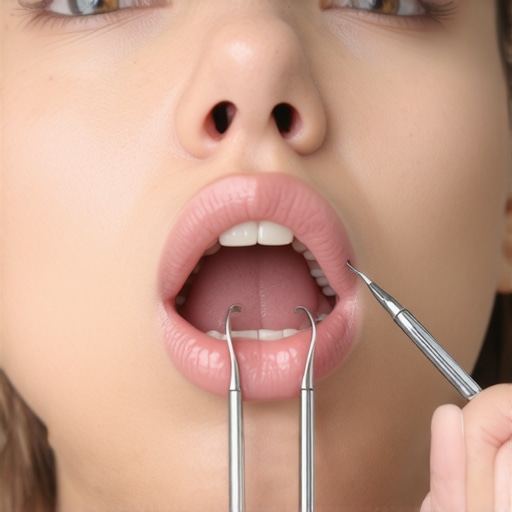
Imagine sitting at your dinner table, savoring your favorite meal, when suddenly, there’s a strange, Metallic taste lingering on your tongue. It’s unsettling, isn’t it? I remember the first time I experienced it—confusing and a little alarming. I thought maybe I had swallowed something bad or that I was coming down with a bug. But then I realized, it wasn’t going away, and I couldn’t ignore that bizarre flavor anymore. That was my lightbulb moment—discovering that a metallic taste can stem from various oral health issues, especially related to dental restorations like crowns.
Why Am I Still Experiencing That Unpleasant Metallic Flavor?
Dealing with a persistent metallic taste in the mouth can be incredibly frustrating. It’s not just about the weird flavor—it’s a sign that something in your oral environment might be off. From poor hygiene to reactions with dental materials, several factors could be at play. I’ve learned that sometimes, it’s just a minor adjustment or cleaning; other times, it signals a more serious issue needing professional attention.
But before jumping to worst-case scenarios, let’s explore some common causes and simple fixes that I’ve personally found effective. Addressing this issue early can prevent more significant problems down the line. Trust me, catching it sooner rather than later saves you a lot of discomfort and money.
Are you tired of that lingering metallic taste disrupting your day? Do you wonder if your dental work is the culprit or if there’s a quick fix? Well, you’re not alone. Many people face this peculiar problem, and there are proven methods to eliminate it.
*Did you know that certain dental materials, like amalgam fillings, can cause a metallic taste, especially if they’re deteriorating or reacting with other metals in your mouth?* According to research published by the CDC, dental amalgams have been associated with taste disturbances in some individuals—highlighting the importance of timely dental checkups.
Now that we understand the importance, let’s set the stage for practical solutions. First, we need to identify whether your situation is related to dental crowns, fillings, or perhaps other factors such as medication or diet. The good news is, many cases are straightforward to resolve with the right steps. Ready to dive into the fixes? Let’s go!
Inspect and Adjust Your Dental Restorations
Start by examining your dental crowns and fillings for any signs of deterioration or loose fit, which can cause metal ion release leading to that metallic flavor. I vividly recall a time when I noticed my crown felt slightly loose after a meal. I visited my dentist promptly, and they checked it using the tapping test—a simple method to see if the crown is secure or needs adjustment. Ensuring your dental work fits perfectly prevents metal exposure and minimizes unpleasant tastes.
Prioritize Oral Hygiene with Precision Cleaning
Effective cleaning removes plaque and residual food particles that might interact with dental materials causing metallic sensations. Use a soft-bristled toothbrush and gentle techniques—rough brushing can scratch porcelain crowns, making issues worse. I once tried scrubbing vigorously, thinking I was cleaning better, but it only increased sensitivity and taste issues. Instead, I adopted a gentle brushing routine and learned how to clean a dental crown without scratching the porcelain by following guidelines from this detailed guide. Consistency is key, and regular cleaning ensures your oral environment remains balanced, reducing metallic tastes.
Manage Metal Interactions with Proper Material Choices
If you’re experiencing metallic taste due to amalgam fillings or combos of different metals, discuss with your dentist about replacing or isolating these materials. Modern practices like using peptide-infused bonding agents and opting for ceramic crowns reduce metal exposure. During my last replacement, my dentist explained that choosing these innovative materials minimizes metal ion leaching. This adjustment not only stops the metallic flavor but also offers a healthier, more aesthetic smile.
Maintain Optimal pH Balance in Your Mouth
Saliva plays a vital role in neutralizing acids that can cause metal ions to leach from dental restorations. Regularly checking your mouth’s pH with this simple pH balance check helps prevent conditions that promote metal release. I learned that after an unbalanced diet high in acidic foods, I experienced an intensified metallic taste. Adjusting my diet and conducting pH checks helped restore natural balance, reducing unpleasant flavors.
Review Your Resting Habits and Nighttime Practices
Habits like grinding or clenching teeth can wear down crowns and expose underlying metals. Using a mouthguard during sleep can prevent this. I bought a custom-fit guard after noticing my crown felt loose and sensitive in the morning. Regularly inspecting your crowns’ stability with the tapping test can alert you to early signs of loosening, which may increase contact with metal and lead to a metallic taste.
Schedule Professional Checkups Promptly
Periodontal and restorative specialist visits ensure your dental work remains in top shape. A quick check-up can identify early corrosion or deterioration. I experienced a persistent metallic flavor after a year with my crown. My dentist performed a thorough examination and recommended a cleaning and minor adjustments, which alleviated the problem immediately. Regular visits help catch issues before they escalate, keeping your oral health and taste buds happy.
When it comes to family dentistry, many believe that routine cleanings and regular checkups are all that’s needed to maintain oral health. However, this mindset often blinds us to subtle nuances that can significantly impact long-term dental wellness. One common myth is the idea that all dental restorations, like crowns and fillings, are foolproof once placed. In reality, many individuals overlook that even the most advanced materials require meticulous maintenance and understanding of how they interact with oral chemistry over time.
Are You Falling for the Oversimplification of Dental Material Durability?
Contrary to popular belief, not all dental materials age equally or respond the same way to everyday factors such as diet, oral hygiene habits, or even fluctuations in saliva pH levels. For instance, while ceramic crowns have become the standard for aesthetic restorations, they are not completely immune to wear and microfractures, especially if proper technique and material selection aren’t prioritized. An important point often missed is that newer bonding techniques, like those using peptide-infused agents, provide enhanced longevity and integration, reducing the likelihood of complications like crown loosening or secondary decay. According to recent research, these innovations can extend the lifespan of restorations significantly, but many practitioners and patients remain unaware of their benefits or neglect their importance.
Another area where misconceptions prevail involves the emphasis placed on mechanical removal of plaque. While aggressive brushing might seem like a quick fix, overdoing it can do more harm than good by damaging enamel or receding gums. Gentle, targeted cleaning techniques often outperform brute force, especially when combined with tools like bio-acoustic buffing, which precisely targets plaque without harming enamel. Many patients are surprised to learn that over-brushing or wrong brushing angles can accelerate enamel erosion, negating the purpose of regular cleaning rituals.
Additionally, a critical oversight lies in the interactions between different dental materials in the mouth. Metal amalgam fillings, for example, can catalyze corrosion or release ions that create metallic tastes—a common complaint that’s frequently dismissed. Opting for newer, peptide-infused bonding agents and ceramic options not only eliminates taste disturbances but also enhances overall oral health by preventing galvanic reactions within the mouth.
It’s also essential to recognize the impact of lifestyle choices and habits on oral health. Nighttime snacking, for instance, fosters acid production that erodes enamel and weakens restorative materials. I’ve seen cases where patients ignore these habits, only to face unnecessary crown replacements or decay. Being vigilant about these subtle triggers, such as avoiding destructive snacks and managing stress-induced bruxism, can save you substantial costs and discomfort in the long run.
So, what are some pitfalls you should be wary of? First, assuming that every dental restoration is permanent without regular professional evaluation can lead to unnoticed deterioration. Second, neglecting the nuanced chemistry of your mouth—like pH fluctuations—can accelerate material breakdown and cause undesirable tastes or sensitivities. To stay ahead, schedule periodic assessments and discuss emerging materials or techniques, such as smart bonding or bioactive agents, with your dentist.
Have you ever fallen into this trap? Let me know in the comments! Remember, understanding these complexities ensures smarter decisions and healthier, longer-lasting smiles.Maintaining your dental restorations and oral health over time requires more than regular brushing and flossing. Investing in the right tools can make a significant difference in extending the lifespan of crowns, fillings, and implants while preventing common issues like metallic tastes or crown loosening. One of my go-to instruments is an ultrasonic scaler, which I use weekly to gently remove plaque build-up without damaging delicate porcelain surfaces. This device vibrates at high frequency, effectively dislodging biofilm while preserving the integrity of your restorations, which manual flossing alone may miss. Regular use of an ultrasonic scaler, combined with a bio-compatibility-friendly toothpaste, helps me maintain a clean and healthy mouth, reducing the likelihood of complications like secondary decay or staining.
The Hardest Lesson I Learned About Family Dentistry and Oral Health
Early in my journey, I believed that once a crown was placed, my dental worries would be over. However, I soon realized that maintaining restorations requires ongoing vigilance, from regular checkups to mindful habits. Neglecting this can lead to unforeseen issues, like persistent metallic tastes or crown loosening, which took me by surprise. Recognizing that dental health is an ongoing relationship, not a one-time fix, was a crucial turning point—reminding me to stay proactive rather than reactive with my oral care.
What I Wish I Knew About Materials and Their Longevity
Initially, I thought all dental materials were equally durable. My mistake was trusting that newer doesn’t always mean better if I didn’t understand their chemistry. Discovering that peptide-infused bonding agents and ceramic options can significantly extend the lifespan of restorations changed my approach. These insights highlighted the importance of discussing innovative materials with your dentist, ensuring your restorations are not just aesthetically pleasing but also resilient against time and chemical interactions.
The Biggest Myth That Nearly Cost Me Comfort
I used to believe that aggressive brushing was the best way to keep my teeth clean. Turns out, this often does more harm than good, especially around crowns and delicate enamel. Gentle, targeted cleaning—like using proper technique and tools like bio-acoustic buffing—proved more effective and safer. This correction in my mindset prevented sensitivity and preserved my restorations, emphasizing that smart rather than hard work makes the difference in long-term oral health.
Where Personal Habits Intersect with Dental Well-being
One lightbulb moment was realizing how nighttime habits, such as grinding or consuming acidic snacks, directly impact the integrity of dental restorations. Using a custom mouthguard and understanding the effects of diet on mouth pH helped me prevent unnecessary crown damage and metallic tastes. Small lifestyle adjustments, reinforced by regular professional evaluations, can safeguard your smile and reduce expensive repairs over time—showing that consistent, conscious habits are your best allies.