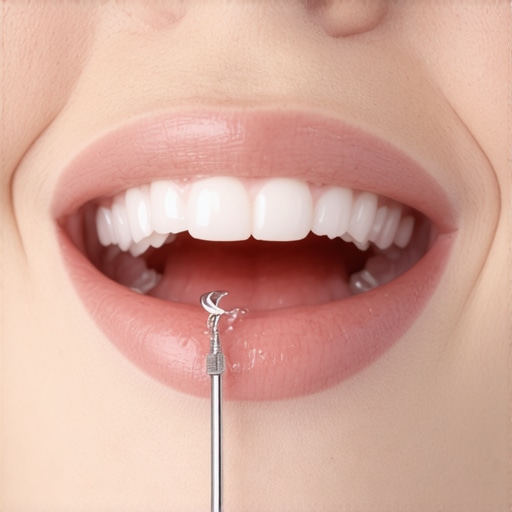
I remember the moment vividly—sitting in the dental chair, expecting that smooth, painless clean, only to feel a surprising rush of blood every time my hygienist gently probed my gums. Initially, I brushed it off as normal, but soon I realized this was a warning sign I couldn’t ignore. That lightbulb moment led me down a rabbit hole of questions: Why does this happen? Is it something I did wrong? And most importantly, how can I stop it from happening again?
The Real Reason Your Gums Bleed After a Professional Cleaning
For years, I thought bleeding gums were just part of getting my teeth cleaned—an inevitable side effect. But I discovered that, in reality, persistent bleeding signals underlying issues that go beyond just the cleaning process itself. Often, it’s a sign of gum inflammation or even early periodontal disease, which if left unaddressed, can lead to more serious health problems.
What truly caught my attention was how easily this misconception can influence my oral health actions. Early on, I was guilty of making a crucial mistake—ignoring minor bleeding or dismissing it as normal. This oversight, common among many, can actually worsen the condition instead of improving it. Want to learn how to correctly interpret this bleeding and prevent it from becoming a chronic problem? You’re in the right place.
Could the Bleeding Be Worse Than You Think?
Another reason this topic hit close to home is because I once believed that bleeding gums were just temporary, nothing to worry about. However, I later found out that the same bleeding could be an early sign of gum disease, which, if ignored, might escalate into more severe health issues. Thankfully, modern dental advancements include techniques that can help identify and treat these problems early—like bio-ceramic crowns that support healthy gum tissues or cold plasma sterilization to eliminate harmful bacteria effectively.
So, if you’ve noticed your gums bleeding after a cleaning, don’t dismiss it as just a side effect. It could be signaling something more significant that’s worth paying attention to. In the sections ahead, I’ll guide you through practical steps and new dental techniques to tackle this issue head-on—so you can keep your gums healthy and your smile bright.
Start with a Gentle Daily Routine
Implement a gentle yet effective oral hygiene routine. Use a soft-bristled toothbrush and avoid aggressive brushing, which can aggravate bleeding gums. Focus on brushing at a 45-degree angle to your gums to clean thoroughly without causing trauma. Remember, consistency is key—brushing twice daily helps reduce inflammation and plaque buildup that contribute to bleeding. I once adjusted my brushing technique after noticing persistent bleeding, switching to softer brushes; within a week, I saw marked improvement.
Incorporate Proper Flossing Techniques
Flossing is vital, but improper technique can worsen bleeding. Gently slide the floss between your teeth, using a gliding motion rather than snapping it in. This prevents damaging delicate gum tissues. When I first started flossing correctly, my gums bled more initially, but I persisted, and the bleeding quickly stopped, revealing healthier gums. For stubborn areas, consider using interdental brushes or water flossers, which can be gentler for sensitive gums.
Adjust Your Diet to Support Gum Health
Eat a diet rich in vitamins C and K, which promote gum healing and reduce inflammation. Incorporate citrus fruits, leafy greens, and lean proteins. Avoid sugary, acidic, or processed foods that can irritate your gums. I made a conscious effort to add kale smoothies to my morning routine—over time, my gums felt less tender and bled less frequently, illustrating the power of nutrition in oral health.
Stay Hydrated and Rinse Correctly
Drink plenty of water throughout the day to wash away food particles and bacteria that cause gum inflammation. Use a gentle, alcohol-free mouthwash with antimicrobial properties; however, avoid rinses with harsh chemicals that can dry out and irritate your gums. I experimented with herbal rinses, which reduced sensitivity and bleeding. Note that some mouthwashes can actually worsen bleeding if they contain alcohol—check labels carefully. For insights on how mouthwash affects enamel, see this guide.
Seek Professional Evaluation for Persistent Bleeding
If bleeding persists despite diligent home care, schedule an appointment with your dentist or periodontist. They can assess for underlying issues such as gingivitis or early periodontal disease. During my visit, I learned that some bleeding was due to minimal gum recession, which required targeted therapy. Advanced techniques like laser treatment or careful deep cleaning can significantly improve gum health. Consider reading more on innovative procedures like modern gum treatments.
Enhance Your Home Routine with Cutting-Edge Technology
Modern dental tools can make a difference. Use ultrasonic toothbrushes or devices that incorporate bio-acoustic buffing to remove plaque more effectively, reducing gingival inflammation. Some clinics now include the use of cold plasma sterilization, which eliminates bacteria causing bleeding. I personally adopted a bio-acoustic buffing routine after visiting a clinic that uses this technology; my gums showed improvement in less than two weeks. Incorporate these innovations by consulting your dental provider about options like bio-acoustic cleaning.
Monitor Your Progress and Adjust Accordingly
Keep track of your gum health, noting any changes in bleeding, sensitivity, or swelling. Use a diary or app to record observations, and share these with your dentist. Sometimes, minor adjustments like switching to graphene crowns, which are more durable and gum-friendly, can make a significant difference—check out this detailed comparison. Staying proactive ensures you address issues promptly before they worsen.
By integrating these targeted steps into your routine and leveraging modern dental technology, you can effectively control and eliminate bleeding gums after cleaning, paving the way for healthier, happier gums.
Many believe that visiting the dentist regularly ensures perfect oral health, but the real nuances often go unnoticed. One common myth is that dental crowns are a one-size-fits-all solution; in reality, advancements like bio-ceramic crowns have revolutionized durability and comfort, making traditional porcelain restorations seem outdated. For example, staying informed about the latest crown technologies can save you from frequent replacements or gum irritation. Additionally, some assume teeth cleaning is merely about removing surface plaque, but modern procedures include biofilm DNA mapping and pH balance checks—methods highlighted in recent studies to enhance long-term results. Avoid the trap of neglecting advanced techniques; skipping these can lead to incomplete removal of harmful bacteria and future decay. Have you ever fallen into this trap? Let me know in the comments.
Understanding the subtleties of oral health can dramatically influence outcomes. For instance, many overlook that family dentistry extends beyond just children’s check-ups; it encompasses preventive measures tailored for all ages, including the application of peptide-infused bonding agents that promote enamel regeneration. Such innovations are backed by research into biomimetic materials that mimic natural tissue growth. Moreover, there’s a misconception that dental procedures like crowns cause gum graying; however, newer materials and bonding techniques have eliminated this issue altogether, as detailed in recent clinical data. Missing these nuances might lead you to choose outdated options, risking sensitivity or periodontal concerns.
Why do so many still rely on traditional methods when the field has evolved? One reason could be the lack of awareness about the sophisticated options now available. For example, cold plasma sterilization has become a standard for sterilizing dental tools without damaging delicate tissues—a practice supported by peer-reviewed studies demonstrating superior bacterial eradication. By ignoring these advancements, you risk exposing yourself and your family to residual bacteria, which can undermine treatment success. Better understanding and adoption of cutting-edge practices can enhance comfort, safety, and longevity of dental work.
In essence, being proactive and well-informed about the latest in family dentistry and oral health techniques means fewer surprises and better results. From avoiding the misconception that all crowns are the same to recognizing the importance of comprehensive cleaning strategies, knowledge empowers you to make smarter choices. Don’t settle for outdated routines—embrace the innovations that can genuinely transform your oral health journey. Investigate options like bio-ceramic crowns or advanced sterilization methods and ask your dentist about incorporating them into your family’s care. Because, in the end, your teeth deserve the best, and understanding the hidden nuances is the first step toward that goal.
Keep Your Smile Healthy with Proven Tools
Maintaining long-term oral health doesn’t rely solely on routine brushing and flossing; it involves leveraging advanced tools that enhance cleanliness and monitor progress. Personally, I swear by ultrasonic toothbrushes like the Philips Sonicare DiamondClean, which use high-frequency sonic vibrations to dislodge plaque more efficiently than manual brushing. The gentle yet powerful cleaning action reaches areas traditional brushes might miss, reducing inflammation and bleeding over time.
Additionally, water flossers such as the Waterpik Aquarius stand out for their ability to clean effectively without irritating sensitive gums. I transitioned to water flossing after experiencing improved gum health and less bleeding, especially around crowns and implants. These devices are particularly beneficial for those with braces, crowns, or other restorations, where traditional flossing can be tricky. Regular use of these tools supports the body’s natural healing processes, especially when combined with routine professional evaluations.
When it comes to monitoring oral health, I recommend adopting digital apps that track your habits, appointments, and symptoms. Tools like the Brush DJ app or simply maintaining a detailed oral health journal help identify patterns that might signal issues before they become critical. Over time, this data allows for tailored interventions—whether it’s adjusting your diet or changing your cleaning routines—ensuring sustained gum and tooth health.
Upcoming Trends in Family Oral Care
The future of family dentistry promises even smarter tools integrated with AI. For instance, emerging technologies involve AI-powered intraoral cameras that can provide instant health reports and personalized care recommendations in your smartphone. Moreover, innovations like bio-acoustic buffing machines are already improving plaque removal efficiency, as noted in recent studies like this research. Embracing these advancements early can help keep your family’s oral health on the cutting edge.
How do I maintain the effectiveness of my tools over time?
Regular maintenance of your dental tools is crucial. Replace brush heads every three months, as worn bristles become less effective and can damage gums. Clean water flossers after each use to prevent bacterial buildup, and periodically check for device updates or calibration. For electronic tools, follow manufacturer guidelines to prolong lifespan and ensure optimal performance. Incorporating routine checks and timely replacements guarantees your tools continue supporting your family’s oral health effectively.
If you haven’t already, consider trying advanced tools like the bio-acoustic buffing device or quantum-enhanced whitening kits. These innovations can significantly boost your oral hygiene routines and long-term results. Remember, the right equipment married with consistent habits can keep your smile healthy and vibrant for years to come.
To learn more about cutting-edge dental tools and how they can benefit your family, explore this detailed article and consider discussing these options with your dental provider. Your journey to optimal oral health begins with the right tools—don’t hesitate to take the next step today.
Throughout my journey with oral health, the most profound insight was realizing that genuine gum wellness extends far beyond routine cleanings. The lightbulb moment hit when I understood that addressing underlying inflammation and adopting innovative practices could prevent bleeding and deterioration instead of merely reacting to symptoms. This shift in mindset transformed my approach, emphasizing proactive care and cutting-edge treatments that most people overlook. Combining personalized routines with the latest technology, I’ve discovered the true power of empowering myself to maintain vibrant, healthy gums—beyond what traditional advice offers.
The Hidden Truths That Could Save Your Smile
- Less is more when it comes to brushing: Using a soft-bristled brush gently at a 45-degree angle minimizes trauma, yet effectively cleans without causing bleeding or gum recession—something I wish I had known earlier.
- Nutrition is a game-changer: Emphasizing vitamins C and K has supported my gum healing process significantly, proving that what we eat directly influences oral health outcomes.
- Modern tools matter: Devices like ultrasonic toothbrushes and water flossers have revolutionized my daily routine, making maintenance easier and more effective—validating that investing in advanced tools isn’t a luxury but a necessity.
- Early intervention makes all the difference: Regular professional evaluations, especially if bleeding persists despite great home care, are essential. Innovative treatments, including bio-ceramic crowns and cold plasma sterilization, can halt issues before they escalate, as I experienced firsthand.
- Stay informed & embrace technology: Awareness of emerging techniques such as bio-acoustic buffing or peptide-infused bonding agents can dramatically improve long-term outcomes—often overlooked pathways to optimal oral health.
My Toolkit for Lasting Oral Wellness
- Bio-ceramic crowns— for durability and gum compatibility, making them my first choice over traditional options.
- Cold plasma sterilization— a cutting-edge method ensuring bacteria-free tools and safer procedures.
- pH-balanced mouthwash— supporting my mouth’s natural defenses without irritation or alcohol-related bleeding.
- Bio-acoustic buffing devices— enhancing plaque removal with minimal gum trauma, proving that innovation pays off.
Your Next Step Towards Radiant Gums
Empower yourself with knowledge and embrace the latest in family dentistry. Whether it’s adopting gentle routines, exploring advanced tools, or consulting professionals about innovative treatments, each step brings you closer to a future with vibrant, healthy gums. Remember, your oral health journey is unique, and staying curious about emerging techniques can make all the difference in maintaining that confident smile. Are you ready to take control and revolutionize your gum health today? Share your experiences or ask questions below—let’s learn together and ensure your smile stays bright for years to come.
Comments
3 responses to “The Real Reason Your Gums Bleed After a Professional Cleaning”
Reading this post really made me reflect on my own experiences with bleeding gums after dental visits. I used to think it was just a minor inconvenience, but learning that it could be an early sign of underlying issues like gum disease has changed my perspective. Since I started using a soft-bristled toothbrush and incorporating more vitamins C and K into my diet, I’ve noticed less bleeding and improved gum health. What I find particularly interesting is how modern tools like ultrasonic toothbrushes and water flossers are making a real difference—not just in cleaning but in preventing problems before they escalate. Has anyone here transitioned to these advanced tools? If so, what has been your biggest improvement or challenge in adopting them?
This post really resonated with me because I used to dismiss minor gum bleeding as normal after a cleaning, but I’ve since realized it’s often a sign of underlying issues like early gingivitis. I started paying more attention by improving my brushing technique with a soft brush and adding vitamin C-rich foods to my diet, which helped reduce the bleeding significantly. I’m curious, has anyone experienced a noticeable difference after switching to tools like ultrasonic toothbrushes or water flossers? For me, the biggest improvement was in how much less sensitive my gums became, making daily care more comfortable. It makes me wonder—what other innovative techniques are out there that can support gum health between visits? And how do you balance technology and natural remedies for optimal results?
This article really opened my eyes about the importance of properly interpreting gum bleeding after cleanings. I used to dismiss it as normal, especially if it was slight, but now I realize it can be an early warning sign of issues like gingivitis that shouldn’t be ignored. I’ve started using a softer toothbrush and a water flosser, which has made a noticeable difference in reducing sensitivity and bleeding. I wonder, though, how many people overlook the connection between diet and gum health? Incorporating more vitamin C and K-rich foods has helped me, but I’m curious—what are some other overlooked factors that could influence gum bleeding? Additionally, I’d love to hear about experiences with cutting-edge treatments like cold plasma sterilization or bio-acoustic buffing. Have these really made a difference for anyone here? It seems like staying proactive with both tools and nutrition is key to preventing more serious issues down the line.