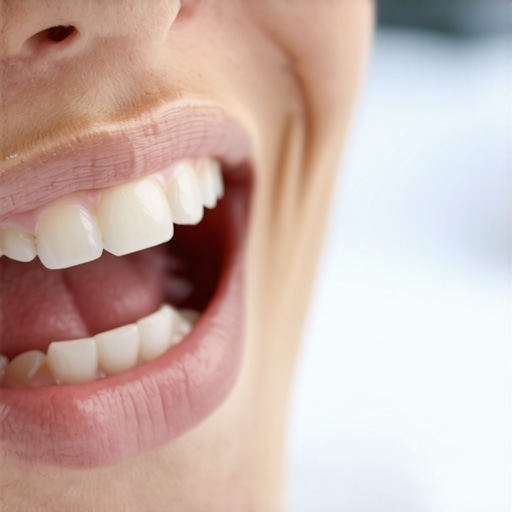
It hit me one chilly morning during a walk—my teeth ached fiercely just when I stepped outside. That sharp, shooting pain became a frustrating hallmark of winter for years. No matter how much I brushed or flossed, my teeth seemed to turn against me when the temperature dropped. Ever experienced that icy, almost stabbing sensation when sipping a cold drink or even breathing in the crisp air? If so, you’re not alone.
Winter’s chill can make existing dental issues feel worse, and if you’re like I was, it might leave you asking, “Why now?” Well, here’s the thing—cold temperatures can cause your teeth to become more sensitive, especially if your enamel has weakened over time. That enamel, the protective layer of your teeth, acts as a shield against hot, cold, sweet, and acidic foods. When it’s compromised, even the everyday cold air can cause discomfort.
So, what can you do about it? That’s what we’re diving into today. I’ll share personal insights along with proven strategies to soothe that wintertime teeth sensitivity and prevent it from ruining your season.
Understanding Why Cold Weather Worsens Tooth Sensitivity
First off, let’s talk about what’s happening inside your mouth when winter rolls around. Your enamel can thin over the years due to factors like diet, grinding habits, or even from brushing too aggressively. When enamel is thin or damaged, the underlying dentin—the layer beneath—becomes exposed. Dentin contains tiny tubules that connect directly to nerve endings, making your teeth hypersensitive to temperature changes.
In cold weather, the air itself can stimulate these nerves, resulting in that sharp, painful jolt. It’s a common scenario I’ve seen in many patients, especially during dry, winter months when mouth dryness amplifies the problem. Plus, the cold can cause blood vessels in your gums to constrict, compounding the discomfort.
Interestingly, according to a study published in the Journal of Endodontics, the primary cause of tooth hypersensitivity is the exposure of dentinal tubules, often due to enamel erosion or recession. Understanding this helps us realize that restoring or protecting enamel could be the key to relief.
If you’re tired of that biting pain every winter, you’re probably wondering if there are simple steps you can take at home or if you need professional intervention. Rest assured, there are effective ways to fortify your enamel and manage sensitivity—more on that coming up. But first, let me share a mistake I made early in my own journey that could have made things worse.
Strengthen Your Enamel with Targeted Care
Use Protective Toothpaste
Switch to a desensitizing toothpaste containing potassium nitrate or stannous fluoride. When I first started using desensitizing toothpaste, I noticed a decrease in sharp pain within two weeks. Regular brushing and patience are key. Remember, consistency beats quick fixes; a durable layer of fluoride forms over your enamel, acting as a shield against cold triggers. For more insights, visit this guide.
Minimize Acidic Food Exposure
Limit beverages like fruit smoothies, natural juices, or sodas, especially in the morning. Acid erodes enamel, leaving dentin exposed. To protect your teeth from acid attack, rinse your mouth with water after consuming such drinks. This helps neutralize pH levels and shields your enamel from erosion. An effective approach I adopted involved drinking through a straw; it reduced direct contact with teeth, noticeably decreasing sensitivity. For detailed strategies, check this article.
Refine Daily Oral Hygiene Habits
Gentle Brushing Techniques
Replace aggressive scrubbing with soft-bristled toothbrushes and gentle strokes. Hard brushing can wear down enamel and gum tissue, worsening sensitivity. I used to think more pressure cleaned better, but I learned that a light, thorough brushing was more effective and gentler. Consider using an electric toothbrush with a timer to prevent over-brushing. For recommendations on choosing the right device, visit this resource.
Focus on Flossing Properly
Flossing helps remove plaque that can cause recession and enamel erosion. When I started flossing carefully, I avoided snapping the floss into my gums, which can cause bleeding and recession. Proper technique involves sliding the floss gently between teeth and curving it around each tooth. Regular flossing keeps gums healthy, preventing sensitivity caused by gum recession exposing dentin. Find more tips at this guide.
Incorporate Protective Measures During Exposure
Wear a Mouthguard at Night
Teeth grinding, especially during sleep, exacerbates enamel wear, leading to increased sensitivity. I invested in a custom-fitted nightguard, which significantly decreased my morning discomfort and prevented further damage. A mouthguard acts like a bumper, absorbing shocks and preventing abrasion. Explore options on this page for children and adults alike. Proper use can make a noticeable difference in sensitivity and overall dental health.
Limit Exposure to Cold Air
Cover your mouth with a scarf or mask when walking outside in winter. Think of it as a barrier, akin to insulating your home to prevent heat loss. This simple step can keep cold air from directly hitting your teeth, reducing painful jolts. I started doing this during my daily walk, and the reduction in discomfort was immediate. For more ideas on winter dental protection, see this article.
Consult a Dental Professional for Long-Term Solutions
If sensitivity persists despite these measures, consulting your dentist is essential. Procedures like fluoride treatments or bonding can seal exposed dentin. During one appointment, my dentist applied a fluoride varnish that created a more resilient enamel surface, giving me relief in harsh weather. Never ignore ongoing discomfort; professional interventions can provide lasting protection and help you conquer winter’s chill with confidence.
,When it comes to dental crowns and oral health, many individuals operate under misconceptions that could be costing them long-term results. A common myth is that crowns are a quick fix and don’t require ongoing care. While crowns are durable restorations, they demand proper maintenance, including careful cleaning techniques, to ensure longevity. Overlooking this can lead to complications like secondary decay or crown failure. For example, many assume that brushing with abrasive toothpaste is safe, but it can scratch porcelain surfaces and accelerate wear. Instead, selecting the right cleaning tools and techniques is crucial—consider reading about how to properly clean a crown.
Another misconception revolves around family dentistry, where some believe that children’s dental visits are unnecessary until problems arise. However, early and regular checkups can prevent cavities, monitor bite development, and instill healthy habits. A subtle but significant nuance is understanding that early intervention can reduce the need for complex treatments later. Be cautious of delaying these visits; they are critical for maintaining lifelong oral health.
People also often underestimate the importance of professional teeth cleaning, perceiving it as purely cosmetic. In reality, routine cleanings remove plaque and tartar that home brushing alone can’t eliminate, significantly lowering the risk of gum disease. Neglecting these appointments can result in unnoticed periodontal issues that might require invasive procedures. Your dentist might suggest specific measures if you have sensitivity or other underlying concerns—like using specialized mouthguards or tailored cleaning strategies.
Now, for the more nuanced point—many assume that all crown materials behave identically and that one type suits every patient. Yet, selecting the optimal material involves considering factors like bite force, aesthetics, and tooth location. For front teeth, porcelain offers a natural look, while zirconia provides strength for molars. Don’t fall into the trap of choosing a crown solely based on cost; instead, consult with your dentist to understand the best material for your specific needs, as explained in this guide.
Making informed decisions means recognizing the subtle differences that impact your oral health outcomes. Are you aware of how your habits influence crown longevity or how routine care prevents major issues? The truth is, mastering these nuances can save you time, money, and discomfort in the long run.
Ever fallen into this trap of assumptions? Let me know in the comments, and remember—staying educated is a vital part of maintaining optimal oral health.Maintaining optimal oral health over the long term requires more than just regular brushing and flossing; it involves using the right tools and adopting effective techniques. As someone deeply invested in dental care, I’ve found that investing in high-quality equipment can make a significant difference in preventing issues like sensitivity, decay, and crown complications. One of my top choices is the **electric toothbrush with customizable settings**. Unlike manual brushes, electric models with oscillating-rotating heads provide more consistent cleaning, especially around crowns and bridges, reducing plaque buildup—an essential factor in maintaining long-term restorations and gum health.
For example, I personally use the **Philips Sonicare ProtectiveClean**, which features a pressure sensor to prevent overbrushing—a common mistake that can wear down enamel and gum tissue. Its gentle yet effective sonic vibrations ensure thorough cleaning without the abrasiveness that can erode enamel prematurely, as discussed in a study published in the Journal of Clinical Periodontology. Regularly replacing the brush heads, approximately every three months, is crucial to ensure optimal performance and prevent bacterial build-up.
Another essential tool I swear by is a **water flosser**, like the Waterpik Aquarius. It’s particularly beneficial for cleaning around implants and crowns where traditional floss might struggle to reach. I noticed a stark reduction in gum inflammation after integrating daily water flossing into my routine, especially in those tricky areas that tend to harbor plaque.
Regarding long-term maintenance, using **desensitizing toothpaste** consistently plays a pivotal role, especially if you’re prone to sensitivity. As highlighted in a detailed guide by periodontists, potassium nitrate-based toothpastes can depolarize nerve endings over time, providing relief from cold-induced discomfort and sharpening the durability of your enamel against future erosion.
Furthermore, investing in a **loupes or magnifying mirror** makes a surprisingly big difference. I use a cordless LED dental loupes to inspect hard-to-see spots during my routine cleaning, catching early signs of recession or decay before they escalate. This habit allows me to address minor issues early, avoiding costly dental procedures later.
So, how do I maintain these tools over time? Regular cleaning and replacement are key. The electric toothbrush heads should be swapped out every three months, and keeping your water flosser free of mineral build-up ensures consistent performance. For wind resistance when outside, I now always cover my mouth with a scarf, especially during winter, which complements the use of these tools by reducing cold air exposure that can trigger sensitivity.
Looking ahead, I believe the trend will shift toward **smart dental devices** that sync with mobile apps to track and improve your brushing and flossing habits. These technologies can offer personalized feedback and reminders, making preventive care more accessible.
If you want to optimize your long-term dental health, I highly recommend trying a high-quality electric toothbrush combined with water flossing—these are immediate upgrades that deliver noticeable benefits. Remember, consistency with these tools, paired with professional checkups, lays the foundation for a healthier, happier smile. For more advanced care tips, check out this resource.
The Hardest Lessons I Learned About Crowns, Oral Health, Family Dentistry, and Teeth Cleaning
One of the most eye-opening experiences was realizing that small habits, like choosing the right toothpaste or avoiding aggressive brushing, could dramatically impact my oral health in winter. I used to dismiss sensitivity as inevitable, but now I see it as a sign to refine my routine. Additionally, I learned that trusting professional advice over quick-fix remedies truly makes a difference—such as opting for specific dental materials for crowns or understanding the importance of early family dental visits. These lessons underscore that proactive care and continuous learning are your best tools against winter discomfort.
My Essential Toolkit for Combating Winter Dental Sensitivity
- Desensitizing Toothpaste: I rely on potassium nitrate formulations, and they have become my first line of defense. They help block nerve signals, offering relief from cold triggers. For trusted options, check this guide.
- Electric Toothbrush with Soft Bristles: A gentle but effective cleaning device keeps my enamel intact while removing plaque that can lead to sensitivity. I recommend models like Philips Sonicare—consistent, reliable, and gentle on sensitive teeth.
- Water Flosser: This tool reaches tricky spots around crowns and bridges, preventing plaque buildup that exacerbates sensitivity. I’ve noticed fewer discomforts since incorporating it into my daily routine.
- Mouth Coverage Strategies: Wearing a scarf or mask when outside minimizes cold air exposure, reducing the icy shocks to teeth. Simple, but remarkably effective.
What Surprised Me About Oral Care and Crown Choices
I was surprised to realize that not all crown materials behave identically; zirconia crowns, for instance, are more durable for back teeth, while porcelain suits front teeth for aesthetic reasons. I often underestimated how crucial professional guidance is when selecting the best material for my smile. Delaying proper care or choosing the cheapest option can lead to faster wear or sensitivity over time. Learning from experts, like reading this resource, helped me make smarter, lasting decision.
Your Turn to Try
Facing winter’s cold without discomfort takes intention and care. Whether it’s using the right toothpaste, protecting your mouth outdoors, or consulting your dentist about crown materials, small steps accumulate into lasting comfort. Remember, your oral health is an ongoing journey—it rewards patience and education. Keep exploring, stay consistent, and don’t be afraid to ask your dentist about personalized strategies that fit your needs. Your smile deserves it!
Which of these tips are you planning to try first? Share your thoughts below—I love hearing your stories and questions!
,