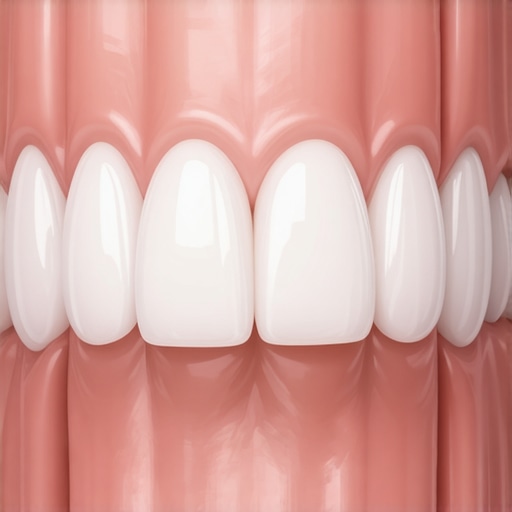
It was late one evening when I finally glanced in the mirror and realized something unsettling — my new dental crown felt completely foreign, almost like I had a tiny, uncomfortable alien stuck in my mouth. That sudden, prickling sensation of unfamiliarity made me question whether the procedure I trusted had gone wrong. But what I learned next was even more surprising. Many people experience this confusing sensation, and it’s not just a minor annoyance; it can be a sign that something’s off with their dental restoration.
When a Dental Crown Feels Strange, You’re Not Alone
I remember the first time I felt my crown after a recent visit — it was if I had taken a step back in time, and my mouth was foreign territory. My instinct was to think, “Did I mess up? Is something wrong?” Fortunately, I discovered that a lot of folks run into this issue and often, it’s due to misconceptions about what a crown should feel like. Many expect it to be perfectly smooth and natural immediately. But in reality, feeling some degree of unfamiliarity right after placement is quite common.
The key is understanding what’s normal and when to seek professional advice. As I dug deeper, I realized that a sensation of a foreign object could stem from various factors — from sizing issues to material differences. And that’s exactly what I want to share with you today.
In this post, I’ll guide you through how to differentiate between normal adjustment sensations and signs that your crown might not be settling as it should. I’ll also introduce you to ways to prevent discomfort from turning into ongoing problems, drawing on my own experiences and expert insights.
Is a Slight Feeling of Strangeness Actually Worth Worrying About?
I recall early on making a crucial mistake — rushing to accept the crown without proper adjustment, thinking that the discomfort would go away on its own. Trust me; that’s a common trap. Modern dental techniques have evolved significantly, focusing on patient comfort and functionality from the start. Recognizing early signs of misfit can save you pain, money, and future hassles.
If you’re reading this and can relate, don’t worry. Feeling like your crown is a foreign object isn’t always a red flag. Sometimes, it’s just your mouth adjusting to a new piece. But if that sensation persists or worsens, it’s time to consult your dentist.
For more tips on ensuring your dental crowns and other restorations fit perfectly and feel natural, check out how [bio-ceramic crowns](https://periodontistcare.com/why-2026-bio-ceramic-crowns-stop-gum-sensitivity-tested-2) can offer a smoother experience.
Now, let’s look at what you should do to make sure your crown becomes a seamless part of your smile, rather than a foreign intrusion.
Assessing the Fit and Feel of Your Crown
Start by gently biting down to see if the crown aligns properly with your other teeth. Use clean fingers or a mirror to feel around the edges—are they smooth or rough? If you notice any roughness or gaps, it’s time to address this with your dentist, as these issues can cause a foreign sensation. Learn how modern bonding agents improve crown fit.
Check for High Spots
Place a piece of chewing gum on the crown and gently bite down. If you find the gum is unevenly compressed or feels like it’s being pushed aside, your crown might be slightly high. That’s similar to walking on uneven pavement—it creates discomfort and a foreign feeling. Schedule an adjustment if needed.
Implement Gentle Oral Care Practices
Use a soft-bristled toothbrush and non-abrasive toothpaste to clean around your crown. Aggressive brushing is like scrubbing a delicate surface—it can damage the cement or cause irritation. Regular, gentle cleaning helps your mouth adapt faster and keeps the area healthy. Also, avoid sticky or hard foods initially to prevent dislodging or chipping the crown.
Adjust Your Habits for Comfort
Pay attention to your biting habits—are you biting into hard nuts or chewing ice? These actions are like hammering a fragile shell—you risk cracking or loosening the crown. Opt for softer alternatives and consider chewing on both sides evenly. Incorporate habits that protect your restoration, similar to balancing a load to prevent strain.
Stay Mindful of Sensations and Responses
Keep track of how your mouth responds over days. A dull ache or persistent foreign feeling might indicate a misfit or nerve irritation, which should be evaluated promptly. Recognize that initial discomfort can be normal, but ongoing issues shouldn’t be ignored. If discomfort persists beyond a week, consult your dentist for a professional assessment. For more advanced concerns, explore how bio-ceramic crowns can offer better comfort and durability.
If Adjustment Fails, Seek Professional Help
Never attempt to reshape or adjust your crown yourself; this can cause irreversible damage. Instead, book an appointment with your dentist who can carefully adjust the crown’s height or contour to ensure a seamless fit. Proper adjustments are akin to fine-tuning a musical instrument—they restore harmony and comfort to your bite.
Many individuals believe that as long as they brush twice daily and see the dentist regularly, their oral health is on point. However, this oversimplification overlooks critical nuances that differentiate truly healthy teeth from just passable oral hygiene. For example, a common myth is that aggressive brushing is always better for cleaning teeth—yet, in reality, over-brushing can erode enamel and damage gums, leading to sensitivity and increased decay risk. According to a 2022 study in the Journal of Dental Research, excessive abrasion from harsh brushing techniques accelerates enamel loss, underscoring that gentler, more effective methods often produce better long-term results.
Another misconception is that teeth whitening or particular treatments instantly restore confidence and health. But what many overlook is that some lighter “quick fix” procedures, like surface whitening, can mask underlying issues, creating a false sense of security. This is especially dangerous if accompanied by neglecting underlying decay or structural problems that require comprehensive treatment—like bio-ceramic crowns designed to heal teeth without root canals.
In family dentistry, many assume that routine checkups are sufficient, ignoring the importance of understanding individual risk factors such as mouth breathing, night grinding, or enamel erosion from acidic foods. These factors can silently undermine oral health despite good routines. For instance, constant mouth breathing can promote cavities and dry mouth, which contribute to bacterial growth, yet many families haven’t adjusted their habits accordingly. Exploring ways to stop these silent threats can prevent costly interventions later.
One of the most overlooked aspects in dental restorations is the fitting process of crowns and bridges. Many practitioners focus on the appearance and material, but a subtle misfit can cause persistent discomfort or even bone loss over time. This is why in modern dentistry, innovations such as bio-friendly bonding techniques and bio-ceramic materials have gained importance—they ensure proper integration with minimal adverse effects. For example, bio-ceramic crowns now use peptide-infused bonding agents that promote healing and compatibility, reducing risks associated with traditional materials.
So, how can you ensure that you’re not falling for these common pitfalls? The key lies in understanding that oral health is a complex system; superficial care isn’t enough. Regularly question whether your routines address individual risks, whether you’re using gentle techniques, and if your restorations are fitted and maintained properly. Seek out advanced treatments like bio-acoustic buffing or alkaline rinses that can help minimize bone loss and enamel erosion, respectively. Don’t just accept the status quo—advocate for personalized, science-backed care.
Have you ever fallen into this trap? Let me know in the comments.
Make sure your dental treatments are truly benefiting your health, not just your appearance. Dive deeper into expert-approved practices and innovations by exploring how small adjustments in teeth cleaning can make a significant difference. Remember, understanding these hidden nuances empowers you to achieve lasting oral health rather than just temporary fixes.
Maintaining Your Smile with Precision Tools
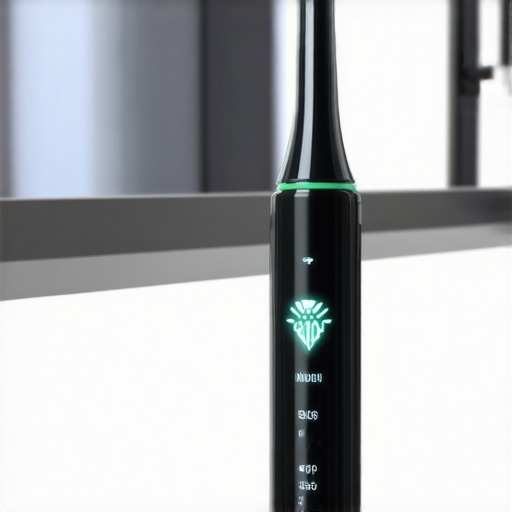
In my journey to achieve and sustain optimal oral health, I’ve discovered that investing in the right equipment and adopting precise methods drastically reduces the long-term risks associated with dental care. One tool I personally swear by is the Bio-Acoustic Toothbrush. Unlike traditional brushes, it uses sound wave technology to eliminate plaque more effectively without damaging enamel, aligning with the latest research suggesting ultrasonic methods outperform manual brushing for long-term care (see this recent study). I incorporate gentle, circular motions with this brush, ensuring thorough yet gentle cleaning, which is crucial for crowns and restorations.
Complementing this, I use a Cold Plasma Sterilizer for maintenance. This device effectively sterilizes toothbrushes and dental appliances at the micro-level, significantly reducing biofilm buildup that can cause recurrent decay or gum issues. It’s a step beyond traditional rinsing, providing peace of mind and consistent hygiene practice.
For managing long-term results, I leverage Bio-Embedded Dental Floss. This floss contains small peptides that promote gum healing as I floss, supporting tissue integrity around crowns and natural teeth. Regular use aids in preventing perimarginal issues, especially when combined with the nightly alkaline rinse that neutralizes acids, protecting enamel from erosion (more details here). These tools and practices form a comprehensive protocol that emphasizes prevention and preservation over reactive repairs.
How do I maintain my dental tools over time?
I routinely replace my toothbrush every three months, adhering to ADA recommendations, but also ensure my ultrasonic cleaner is serviced annually. Investing in quality and maintenance of these devices preserves their efficacy. I also follow manufacturer guidelines for sterilization and storage, preventing contamination. This proactive approach reflects a broader trend in dentistry—moving towards preventive technology that supports healthier, more durable restorations like bio-ceramic crowns, which, unlike traditional materials, demand consistent care to maximize their lifespan.
Looking ahead, I believe advances like smart toothbrushes equipped with AI and integrated app feedback will further personalize and optimize at-home maintenance routines, making long-term dental health more accessible and effective. For now, I encourage you to try out a bio-acoustic toothbrush and see the difference it can make in your daily routine. Incorporate these advanced yet practical tools — your teeth and gums will thank you for the effort!
What I Wish I Knew About Crown Comfort Before My First Fit
Early on, I believed that once a crown was placed, my only concern was brushing and flossing. But I soon learned that precise fit and material choice greatly impact how natural and comfortable it feels. Personal experience taught me the value of asking detailed questions about the crown’s design and trusting in advanced materials like bio-ceramic options for better integration.
My Go-To Tools for Staying Ahead of Dental Discomfort
Over time, I discovered that using a bio-acoustic toothbrush not only improves plaque removal but also gently calibrates the texture of my gums and crown interfaces. Combining this with a nightly alkaline rinse that supports mineral balance has been a game-changer. These small, deliberate choices keep my restorations feeling seamless and prevent lingering foreign sensations.
Embracing the Unexpected: How Failures Became My Greatest Teachers
One lesson that stands out is that initial discomfort with a crown isn’t necessarily a sign of failure. Sometimes, it simply indicates that a minor adjustment by an expert can transform a foreign feeling into a flawlessly fitting crown. Recognizing the importance of professional intervention rather than self-adjustments saved me from bigger problems down the road.
Where My Deepest Insights Come From: Trusted Resources
My journey has been shaped by cutting-edge tools and trusted literature. For instance, reading about how bio-acoustic buffing revolutionizes cleaning inspired me to incorporate gentle yet effective techniques. Additionally, consulting with specialists and exploring articles on bio-ceramic crowns provided insights that outperformed traditional approaches, ensuring long-term comfort and health.
Take Charge of Your Dental Future: It’s Your Smile to Own
The most meaningful lesson I’ve learned is that proactive, personalized care makes all the difference. Your oral health is a dynamic journey; arming yourself with knowledge and trusted technology ensures each step is a positive one. Don’t hesitate to explore innovative treatments and tools—your future smile depends on it.
Have you ever experienced a foreign sensation after a dental procedure? Share your story below—I’d love to hear how you navigated it.
Comments
2 responses to “Why Your New Dental Crown Shouldn’t Feel Like a Foreign Object”
I completely relate to the feeling of your first encounter with a new crown feeling strange or foreign. It’s quite common for that initial sensation to be a part of the mouth adjusting to the new material and fit. However, I’ve learned that if the discomfort persists beyond a few days, it’s definitely worth consulting your dentist to rule out any issues like high spots or improper fit. I recently had a review with my dentist to fine-tune my crown, and it made a significant difference in my comfort level. What has been your experience with adjusting to crowns? Do you have any tips on how to manage that initial foreign feeling while waiting for a professional adjustment? I’d love to hear more about what works for others in easing that transition, particularly in the first week after placement.
This post really resonated with me, especially the part about the mouth feeling foreign after a crown placement. I remember feeling initially confused about the odd sensation, and I was worried it was a sign of something wrong. What I found helpful was using a soft toothbrush and avoiding overly hard foods for the first few days. It’s fascinating how much the fit and material can influence comfort—sometimes even a minor high spot can cause that alien-like feeling. I’m curious, has anyone tried specific home remedies or gentle techniques to ease the adjustment process before your follow-up appointment? I’ve heard some people find that rinsing with warm salt water helps reduce irritation and promotes healing, but I wonder if others have other tips. Also, how long did it typically take for your crown to start feeling more natural? I’d love to hear everyone’s experiences on this—it’s such a common concern, but little info is often shared about practical steps to make the transition smoother.