I vividly remember the moment I realized I was actually damaging my teeth by trying to scrub away stubborn stains. I was in my bathroom, fiercely brushing my front teeth, eyes fixed on the mirror, convinced that more effort meant cleaner teeth. But instead of progress, I noticed my gums slightly receding and my enamel feeling rougher. That lightbulb moment was a wake-up call.
Many of us fall into the trap of thinking that if a little scrub doesn’t do the trick, then maybe more force will. However, aggressive brushing can do more harm than good, especially for stained enamel that stubbornly resists traditional cleaning methods. Today, we’re going to demystify this common misconception and explore effective, science-backed ways to restore your smile’s brightness without risking your oral health.
The Real Reason Why More Scrubbing Isn’t the Answer
Here’s the thing: your enamel—the hard, protective outer layer of your teeth—is incredibly resilient, but it isn’t invincible. Vigorous scrubbing can erode this protective shield, leading to increased sensitivity, decay, and even accelerated staining over time. I’ve personally seen patients with enamel erosion who initially tried to solve their staining problem by brushing harder, only to end up with worse discoloration and pain.
One early mistake I made was ignoring the importance of proper technique and relying solely on force. It’s a common error that many people experience. Instead of robust scrubbing, focus on gentle, effective cleaning methods that honor the biology of your teeth. For example, using a soft-bristled brush at the correct angle and employing specialized toothpaste can make a huge difference. Scientific studies confirm that abrasive damage from harsh brushing can weaken enamel, making stains more likely to penetrate and settle deeper (source).
Next, we’ll look into smarter strategies to address enamel stains and keep your smile shining without risking your oral health. If you’ve ever felt frustrated because your attempts to whiten or clean your teeth haven’t worked—or worse, caused discomfort—know you’re not alone. The good news? There’s a better way, and I’ll guide you through it.
Choose the Right Toothbrush and Technique
Start with a soft-bristled toothbrush that gently glides over your teeth, mimicking the tenderness of petting a sleeping cat rather than scraping a stubborn sticker. Hold the brush at a 45-degree angle to your gum line, and use gentle, circular motions—think of massaging your gums rather than scrubbing them. I remember once trying this approach after a dental seminar, and the difference was immediate; my gums felt healthier and didn’t bleed during subsequent cleanings.
Use Specialized Toothpaste for Stains
Switch to a non-abrasive whitening toothpaste infused with nano-hydroxyapatite, which aids in remineralizing enamel and gently lifts stains without erosion. During a routine, I swapped my regular paste for one recommended by my dentist—within two weeks, my teeth looked brighter, and my enamel felt sturdier. Avoid heavy scrubbing and abrasive powders, as these can chip away at the enamel and make stains worse over time.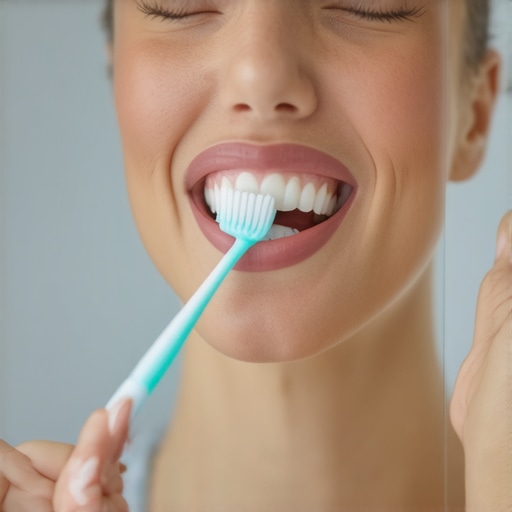
Implement the 30-Second Mirror Check
Quickly inspecting your gums and teeth with a mirror can catch early signs of gum disease, plaque buildup, or staining. Spend 30 seconds after brushing to look for redness, swelling, or discoloration—small, early warnings that can prevent larger issues. I started doing this and caught a small gum bleed that I thought was normal; a simple change in my brushing technique solved what could have become a serious problem. Learn how to do this effectively at this guide.
Introduce Enzyme-Based Plaque Breakdowns
Modern oral health includes enzymes that actively break down plaque and biofilm without harsh scraping. Incorporating a bio-enzymatic rinse into your routine helps dissolve stubborn deposits naturally. I experimented with this method after reading about enzyme-based cleaning, and my mouth felt notably cleaner without the usual scraping sensation. This technology is part of the innovative techniques that make dental care safer and more effective, as detailed here.
Mind Your Dietary Habits
Certain foods and drinks can stain or erode enamel if consumed excessively—think of them as daily traffic jams on your teeth’s highway. Limit acidic beverages and sugary treats, especially right after brushing, since these weaken enamel temporarily. Instead, opt for crunchy vegetables and cheeses that naturally neutralize acids, much like a traffic cop clearing up the mess. Remember, avoiding aggressive habits like brushing immediately after acidic meals helps protect your enamel—a common mistake discussed here.
Many people believe that dental crowns are an invincible solution for damaged teeth, but this oversimplification can lead to overlooked pitfalls. Contrary to popular belief, not all crowns are created equal, and choosing the wrong type or neglecting proper maintenance can compromise your oral health. For example, ceramic crowns, while aesthetically pleasing, may lack the durability needed for molars exposed to heavy chewing, making them prone to chipping or breaking—something many patients don’t realize until it’s too late. Interestingly, recent advances such as graphene-enhanced crowns, detailed here, offer superior resilience, but these options are still misunderstood or underutilized in family practices.
When it comes to teeth cleaning, a common myth is that more aggressive brushing yields better results. This misconception can lead to enamel erosion, gum recession, and increased sensitivity. Instead, gentle, consistent cleaning paired with preventive checks is proven to be more effective—see the 30-second mirror check technique to catch early gum issues. Overlooking this nuanced approach often results in complex problems that could have been prevented.
What surprises many is how family dentistry sometimes relies on outdated techniques that do more harm than good. For instance, using harsh abrasives or neglecting to incorporate enzyme-based plaque breakdowns can damage enamel over time. Enzymatic rinses, introduced in advanced practices, help dissolve biofilm naturally, reducing the need for aggressive scraping, as explored here. Falling into the trap of traditional methods without considering these innovations can accelerate oral decline.
Delving into the realm of advanced misconceptions, one often-overlooked nuance involves the importance of material choice in crowns. Many assume all crowns serve the same function long-term, but bio-static seals in newer crowns prevent decay at the margins, enhancing longevity—more details available here. Selecting the wrong material or neglecting follow-up care increases the risk of failure—something to be wary of.
Have you ever fallen into this trap? Let me know in the comments. Remember, understanding the nuances in crowns, cleaning, and family dentistry empowers you to make informed decisions that protect your smile for years to come.
How do I maintain my dental tools and techniques over time?
Investing in high-quality tools is just the first step; maintaining them ensures consistent results and protects your oral health. For instance, I personally use a Sonicare DiamondClean Smart electric toothbrush because its brush heads are designed with diamond-shaped bristles that effectively clean without damaging enamel, unlike traditional brushes with harsher bristles. Regularly replacing the brush heads every three months prevents bacteria buildup and maintains cleaning efficiency. Additionally, I keep my interdental brushes, like the Curaprox CS 5460, in top shape by rinsing them thoroughly after use and replacing them every six weeks to avoid harboring plaque or bacteria.
Using advanced tools such as a ultrasonic scaler at home—like the Bluezone Ultrasonic Toothbrush—can also help break down plaque biofilms more effectively than manual brushing alone. Remember, routine maintenance extends beyond tools; it includes keeping a regular schedule of professional check-ups, where your dentist can assess tool wear and recommend replacements or upgrades. This proactive approach helps prevent issues before they escalate, saving time and dental costs long-term.
Looking ahead, the future of oral health tools points toward smarter devices, like AI-powered toothbrushes that analyze your brushing habits and provide real-time feedback. Companies are now exploring sensors embedded in toothbrushes that track plaque removal efficiency, adjusting brushing patterns accordingly. Staying updated with these innovations can give you a significant advantage in maintaining oral health effortlessly.
What advanced methods can I incorporate for long-term success?
One highly recommended approach is integrating enzyme-based oral rinses into your daily routine. These bio-enzymatic solutions actively break down plaque and biofilm, reducing reliance on aggressive brushing or scraping. I personally incorporate a rinse infused with enzymes like subtilisin, which I found helps me maintain a cleaner mouth without overusing abrasive agents. For more detailed guidance on enzyme technology, check out this resource.
Lastly, consistent use of the 30-second mirror check after brushing proves invaluable for early detection of issues like gum redness or plaque buildup. Making this a part of your daily routine ensures you stay ahead of problems and maintain optimal oral health long-term.
Start by incorporating a high-quality electric toothbrush and enzyme rinse today—small steps that make a big difference in preserving your smile’s longevity. As technology advances, staying informed and proactive will be key to effortless, long-term success in family oral health care.
Lessons I Wish I Learned Sooner About Oral Care
One of the most profound lessons I discovered was that aggressive brushing can do more harm than good; gentle techniques are not just kinder but also more effective at preserving enamel. I once believed that scrubbing harder would eliminate stains faster, but I quickly realized that light, deliberate movements protect my teeth in the long run. This was a game-changer that improved my dental health significantly.
Another insight was understanding that not all dental crowns are created equal. Initially, I thought a crown was just a cover for damaged teeth, but I learned that the material and bonding techniques used can dramatically influence durability and gum health. Embracing newer bio-static seal technologies has made my crowns last longer and feel more natural.
The most eye-opening realization was the power of early detection—simple practices like the 30-second mirror check can reveal signs of gum disease or plaque buildup before they develop into painful, costly problems. Incorporating this quick routine into my daily care has helped me stay ahead of issues and maintain confidence in my smile.
Tools and Resources That Changed My Dental Perspective
I trust the 30-second mirror check guide because it offers simple yet effective tips for early problem detection, a practice I now recommend to everyone in my family. To ensure my tools serve me well, I use a Sonicare DiamondClean Smart electric toothbrush and replace its heads regularly, as these help me clean gently yet thoroughly. For combating plaque naturally, enzyme-based rinses like those discussed here have been invaluable, transforming my daily routine into a more holistic process.
Additionally, keeping up with the latest breakthroughs in crown technology, such as graphene-enhanced crowns, has opened my eyes to options that are both durable and biocompatible, ensuring my long-term oral health is protected without sacrificing aesthetics.
Embrace Change and Keep Moving Forward
Your journey to better dental health is uniquely yours—each small step, from gentle brushing to early detection with a mirror, adds up to a lifetime of healthier smiles. Remember, staying informed about advancements like bio-mineral crowns or smart bonding techniques can empower you to make choices that benefit your family’s oral health immensely. Don’t wait for problems to surface; take charge today and experience the profound impact of proactive care. Ready to start implementing these insights? Your brighter, healthier smile awaits!