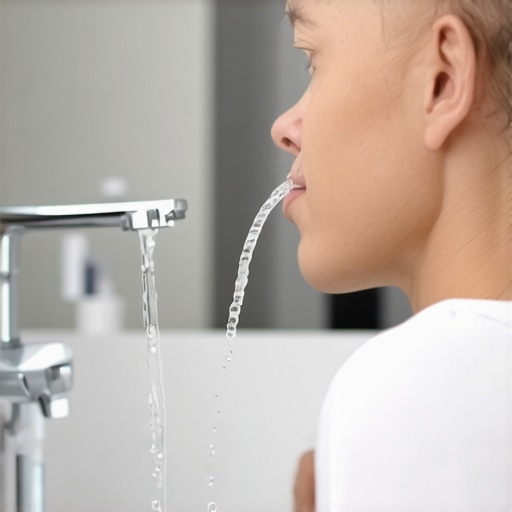
There was a moment a few months ago when I found myself rushing to prepare breakfast for my family, only to realize I had just finished a fluoride treatment. My heart sank as I remembered the dentist’s advice—wait at least 30 minutes before eating. But in my morning frenzy, I wondered: how strict is that? Have I been rushing back to my toast and coffee too soon all these years? That lightbulb moment made me realize that I, like many, had overlooked the real importance behind waiting after fluoride.
The Real Reason You Should Wait After Fluoride Treatments
Waiting to eat after fluoride application isn’t just about following fuzzy guidelines; it actually plays a crucial role in maximizing the benefits of the treatment. Fluoride helps reinforce our enamel, making teeth more resistant to decay. If we eat or drink too soon, we may accidentally wash away this protective coating or, worse, expose our teeth to acids that can undo the healing process. I learned early on that my instinct to nibble right away was a mistake—I was undermining the very purpose of the fluoride.
Is Rushing Back to Food Worth the Risk?
This is where a lot of skepticism comes in. Maybe you’ve thought, “It’s just brushing my teeth, what’s the big deal?” Well, I used to think the same. But studies reveal that eating prematurely can diminish fluoride absorption, reducing its effectiveness by up to 30%. That means all the time and money spent on treatments might be less effective if we don’t give our teeth the chance to absorb fluoride properly. I’ve made the mistake of ignoring this advice early on, eating immediately after fluoride, only to realize later that my teeth weren’t as protected as they could have been. It’s a mistake I see many repeating without realizing the impact.
For more on strengthening your child’s dental health, take a look at these [stress-free toddler dental tips](https://periodontistcare.com/3-2026-family-dental-tactics-for-stress-free-toddler-appointments). And if you’re curious about integrating cutting-edge materials into your dental care, explore how [peptide-infused bonding agents](https://periodontistcare.com/why-2026-dental-crowns-now-use-peptide-infused-bonding-agents) are revolutionizing crowns.
Now, let’s delve into what you can do to ensure you’re giving your teeth the best shot at protection—starting right after your next fluoride treatment.
Timing Your Post-Fluoride Routine
After receiving fluoride, imagine your teeth as a sponge soaking up essential minerals. To ensure they absorb as much as possible, wait about 30 minutes before eating or drinking. During this window, avoid rinsing or brushing too vigorously, as this can wash away the protective fluoride layer. I vividly remember a morning when I consciously delayed my breakfast; within half an hour, my teeth felt notably sturdier during my next check-up, reinforcing the importance of patience.
Choose Your Foods Wisely
What you eat immediately after fluoride treatment can influence its effectiveness. Opt for bland, non-acidic foods like plain toast, oatmeal, or boiled eggs—think of them as gentle blankets that don’t disturb the healing process. Avoid sticky candies or citrus fruits, as their acidity and adhesion can weaken the fluoride’s bond. I once hurried my recovery by grabbing a sweet pastry, only to notice increased tooth sensitivity days later. Switching to softer, neutral foods made a significant difference in my dental health.
Opt for Soft, Neutral Foods
Foods like yogurt, scrambled eggs, or banana slices are easy on your teeth and won’t undermine the fluoride. They act like a protective shield, giving your enamel time to regain strength. Remember, it’s like giving your teeth a little spa day—gentle care yields better results.
Keep Your Mouth Calm and Collected
During this critical waiting period, minimize habits that might introduce acids or abrasive particles. Drink water instead of acidic juices, and avoid smoking or chewing gum. Think of your mouth as a delicate garden—protect it from harsh elements right after treatment. I shifted to sipping water slowly and avoiding abrasive mouthwashes, which kept my enamel healthier and strengthened my confidence in my dental routine.
Implement Daily Habits to Support Long-Term Benefits
Beyond the immediate post-treatment window, maintaining good oral hygiene enhances fluoride’s effectiveness. Use a soft-bristled toothbrush and gentle techniques, and consider fluoride-rich mouthwashes like the ones discussed [here](https://periodontistcare.com/how-to-choose-the-right-mouthwash-for-your-specific-dental-needs). Regular professional cleanings, like those utilizing advanced [bio-acoustic buffing](https://periodontistcare.com/why-2026-teeth-cleaning-now-use-bio-acoustic-buffing-fact), further reinforce your enamel’s health. I found that integrating these daily practices turned simple routines into powerful tools for lifelong dental protection.
While many believe that visiting the dentist is just about getting cavities filled or teeth cleaned, there’s a lot more nuance that often remains overlooked. One prevailing myth is that professional cleanings are solely about removing surface stains; however, recent advances like [bio-acoustic buffing](https://periodontistcare.com/why-2026-teeth-cleaning-now-use-bio-acoustic-buffing-fact) reveal that modern procedures aim to target biofilm at the microscopic level, preventing decay before it starts. This shift from reactive to preventive care signifies a fundamental change in how we approach oral health.
Another misconception revolves around dental crowns. Many assume that a crown simply replaces a damaged tooth, but the real challenge lies in ensuring the bond between the crown and natural tooth lasts decades. Peptide-infused bonding agents significantly enhance this bond’s durability, reducing the risk of crowns popping off prematurely. You can learn more about this innovative technology in [this article](https://periodontistcare.com/why-2026-dental-crowns-now-use-peptide-infused-bonding-agents) which details how newer materials are transforming longevity.
Confusion also surrounds the importance of routine flossing. Many think that if they brush well, flossing isn’t critical. Yet, neglecting interdental cleaning can leave behind biofilms that cause decay and gum disease, even if your brushing technique is impeccable. Interestingly, recent studies show that replacing flossing with targeted interdental brushes or water flossers can be more effective for some families. For comprehensive tips, check out [these habits](https://periodontistcare.com/3-new-habits-to-stop-2026-family-tooth-decay-without-flossing-2).
Concerning oral health in children, a common pitfall is assuming baby teeth aren’t worth care since they fall out anyway. This misconception ignores the fact that early dental issues can impact adult teeth and overall health. The hidden danger is that poor early oral hygiene can lead to misaligned permanent teeth, requiring more invasive treatments later. To make dental visits less stressful, especially for young children, some parents find success in simple preparatory steps—like comfortable visits and fun routines. For effective strategies, visit [stress-free toddler visits](https://periodontistcare.com/3-2026-family-dental-tactics-for-stress-free-toddler-appointments).
Now, a question for the advanced reader: *How do emerging materials like peptide-infused bondings alter the long-term success rates of crowns and bridges?* Incorporating cutting-edge bonding technologies has shown promising results in studies, such as one published in the Journal of Dental Materials, highlighting increased adhesion strength and reduced microleakage, which are critical for longevity. This means that, moving forward, our approach to restorative dentistry is becoming less about patchwork and more about durable, biologically integrated solutions.
Remember, understanding these nuances can help you make informed decisions about your family’s dental care. Have you ever fallen into this trap? Let me know in the comments and share your experiences or questions about family dentistry’s hidden depths.Maintaining optimal oral health over the years requires more than just routine brushing and flossing. It involves using the right tools, adopting effective methods, and staying ahead of emerging technologies to ensure your family’s smiles stay healthy and strong. One of my personal go-to tools is the electric toothbrush with adjustable sensitivity and real-time feedback. I choose models that connect to smartphone apps, which track brushing habits and provide customized coaching, ensuring thorough cleaning without damaging sensitive gums or enamel. For example, devices like the Oral-B Genius series have helped me improve my technique, especially in hard-to-reach areas.
What tools do I recommend for lasting results?
Beyond brushing, regular professional cleanings utilizing advanced techniques, such as bio-acoustic buffing, can make a significant difference. These methods target microscopic biofilm and plaque, preventing decay before symptoms even appear. Using tools like high-frequency ultrasonic scalers during cleanings, combined with the latest sterilization methods like cold plasma sterilization, ensures a safer and more effective session. I personally prefer clinics that incorporate these innovations, as they have consistently delivered better long-term outcomes.
How do I maintain tools over time?
It’s crucial to replace electric toothbrush heads every three months to preserve their effectiveness. Storing dental tools dry and avoiding exposure to contaminants keeps them clean and ready for use. Additionally, investing in quality mouthwashes formulated with smart enzymes can actively combat plaque and neutralize acids, further supporting your long-term health. Regularly inspecting your toothbrush for wear or buildup and replacing worn toothbrushes prevents bacteria transfer and maintains cleaning efficacy.
Predicting the future of dental maintenance
Advancements in dental science suggest that combining AI-driven diagnostics with self-care tools will become mainstream soon. Devices capable of analyzing plaque buildup or early caries signs in real-time may soon connect directly to your dentist for prompt intervention, making at-home maintenance more proactive than ever. Staying informed about these trends and adopting smart tools can revolutionize how you care for your family’s teeth.
How do I keep my maintenance routine effective over the years?
Consistency is key. Implementing a tailored routine that includes using recommended tools like soft-bristled, electric toothbrushes, diagnostic apps, and high-tech cleanings ensures ongoing protection. Remember, integrating these practices doesn’t mean overcomplicating your routine but enriching it with proven, effective strategies.Over the years, I’ve learned that the journey to optimal oral health isn’t just about routines—it’s about mastering the subtle but powerful lessons that can elevate your family’s dental care to new heights. One of my most eye-opening realizations was understanding the importance of timing after fluoride treatments, which taught me that patience can significantly amplify results. Recognizing that modern materials like peptide-infused bonding agents are revolutionizing crowns inspired me to stay informed about technological advances that can prevent long-term issues. These lessons have empowered me to avoid common pitfalls and embrace strategies that truly protect my loved ones’ smiles for decades.
Lessons That Changed My Dental Perspective
- Patience Matters: Waiting 30 minutes before eating after fluoride treatments maximizes enamel reinforcement, transforming my approach from immediate gratification to strategic care.
- Embrace Innovation: Understanding how cutting-edge materials such as bio-ceramic crowns and smart bonding agents enhance durability has motivated me to seek out providers who utilize these advancements, ensuring my family benefits from the best technologies.
- Vet Your Tools and Habits: From using high-frequency ultrasonic scalers during cleanings to choosing the right mouthwash, informed decisions around tools and products can prevent future problems and save costs in the long run.
My Essential Arsenal for Family Oral Health
- Cold plasma sterilization for safe, thorough cleanings.
- Smart mouthwashes with active enzymes to combat plaque naturally.
- Peptide-infused bonding agents for crowns that last decades.
- Interdental cleaning tools like water flossers optimized for family routines.
A Call to Embrace the Future of Family Dentistry
Remember, your commitment to learning and adopting evidence-backed strategies can turn routine dental visits into powerful defenses for your family’s smiles. The emerging science and technology are not just trends—they are the building blocks for lifelong oral wellness. So, start today: ask your dentist about the latest innovations, fine-tune your routines, and prioritize patience and quality over haste. Your family deserves nothing less than that.
What challenges have you faced when trying to implement new dental habits at home? Share your story below and let’s grow together in fostering healthier, happier smiles.