It happened late on a typical evening. I was brushing my teeth, as I did every night, when I suddenlynoticed a dull ache in my chest. A moment of panic. Turns out, that minor gum bleeding from earlier was part ofa much bigger story—your oral health might be silently affecting your heart. I used to dismiss gum issues as justcosmetic or minor inconveniences, but over time, I realized they could be a warning sign of something more serious.
Why Your Mouth Could Be Telling You Something About Your Heart
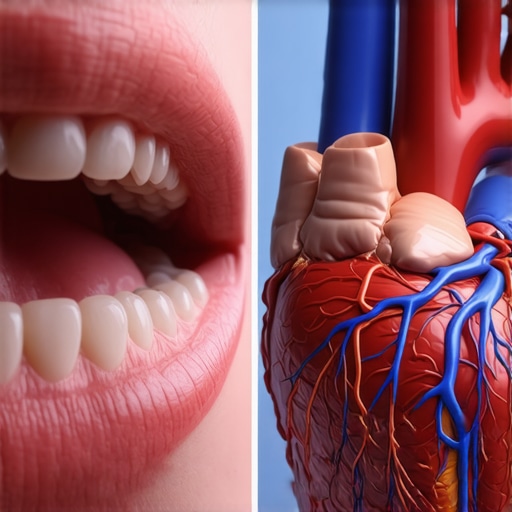
Research increasingly shows a strong connection between gum disease and cardiovascular problems. Chronic gum inflammationcan contribute to the formation of arterial plaque, which can lead to heart attacks or strokes. Think about it—your mouth isconnected to your body in more ways than you might imagine. If you’ve ever ignored bleeding gums or persistent bad breath, youare risking much more than just your smile. It’s time to pay attention and take proactive steps.
Facing Doubts: Is Gum Disease Actually WORTH the Hype?
Early in my journey, I made the mistake of dismissing minor gum irritation as no big deal. That was a costly oversight. It’s easy to brush off bleeding gums or inflamed gums as mere nuisances until it’s too late. Scientific studies support this concern; for example, a 2020 study revealed that people with gum disease are twice as likely to experience heart disease compared to those with healthy gums. That’s a statistic that truly made me reconsider how neglecting oral health impacts overall wellness.
Master Your Daily Oral Hygiene Routine
Start with a consistent routine that includes brushing twice daily with a soft-bristled toothbrush to avoid gum irritation. Use fluoride toothpaste and replace your brush every three months to maintain effectiveness. Incorporate interdental cleaning by flossing daily, making sure to reach the tight spaces between teeth where plaque hides—think of flossing as sweeping the corners of a room before vacuuming the floor.
To simplify your routine, consider using an electric toothbrush, which can remove more plaque than manual brushing if used properly. When brushing, use gentle circular motions for at least two minutes, ensuring you cover all surfaces of each tooth. This approach reduces the risk of gum recession and helps prevent periodontal issues linked to heart disease.
Adopt Effective Home Care Practices for Crowns and Restorations
If you have dental crowns, proper care is essential for longevity. Use a non-abrasive toothpaste and a soft brush to clean around your crowns daily. Floss carefully around the margins to prevent plaque buildup underneath. Remember, neglecting crown maintenance can lead to decay at the tooth interface, increasing inflammation that might influence your cardiovascular health. For more tips, review caring for crowns.
When cleaning around a crown, avoid using overly hard picks or abrasive products that can damage the porcelain or underlying tooth structure. Instead, opt for interdental brushes or water flossers, which gently remove debris and reduce gum inflammation—another step toward a healthier mouth and heart.
Implement a Family-Oriented Dental Approach
Set a foundation for lifelong oral health by involving your family in daily routines. Use engaging techniques to motivate children, like turning flossing into a fun game or choosing colorful toothbrushes. Regular family visits to the dentist ensure early detection of issues that can escalate into serious health concerns. Remember, early intervention in dental care correlates strongly with reduced risks of systemic diseases.
Also, educate your loved ones about the importance of avoiding sugary snacks and drinks, which feed cavity-causing bacteria and promote gum disease. Stock healthy alternatives such as raw vegetables, cheese, or nuts. These choices support strong enamel and healthy gums, directly benefiting your overall well-being. For tailored advice, explore family oral health tips.
Schedule Regular Professional Cleanings and Checkups
Periodic professional cleanings remove hardened plaque (tartar) that home care can’t reach. These sessions also screen for early signs of gum disease and decay. A deep cleaning procedure, called scaling and root planing, targets subgingival plaque and helps prevent inflammation that could influence your cardiovascular health.
During visits, discuss any concerns about sensitivity, bad breath, or bleeding gums. Your dentist may recommend additional procedures like crown adjustments or fluoride treatments to strengthen enamel. Consistent professional care complements your daily efforts and cements your defenses against oral and systemic health issues.
Stay Mindful of Lifestyle Choices
Beyond brushing and professional care, lifestyle plays a vital role. Limit alcohol consumption, avoid tobacco, and maintain a balanced diet rich in vitamins and minerals essential for oral tissue repair and immune function. Hydrate well, preferably with soft water, to prevent dry mouth, which increases bacterial growth.
Implementing these concrete steps has made a difference in my own journey; I found that meticulous daily care combined with regular dental visits significantly reduced my gum issues and boosted my confidence. Remember, small consistent actions can cascade into profound health benefits, safeguarding both your smile and your heart.
Many people hold misconceptions about oral health that can inadvertently lead to costly mistakes. For example, the widespread belief that more aggressive brushing cleans better is actually detrimental—gentle, brushing with proper technique is far more effective and safer for your gums. Overbrushing can erode enamel and cause gum recession, which ironically increases sensitivity and risk of decay. A study published in the Journal of Dental Research emphasizes the importance of using soft-bristled brushes and proper technique to avoid such harm.
Are You Falling for the Overzealous Flossing Myth?
It’s common to think that flossing aggressively will dislodge more plaque, but this is a trap. Excessive force can damage delicate gum tissue, causing bleeding and recession, which creates pockets for bacteria. The real goal is gentle, effective flossing that clean the contact points without injuring the tissue. For more insights on proper flossing, check this guide.
Another nuance many overlook involves crowns. A common mistake is neglecting regular checkups for crowns, assuming they’re maintenance-free. Incorrect care can lead to decay at the margins, which is a silent threat that may jeopardize your entire restoration. Proper hygiene around crowns involves gentle cleaning and regular professional evaluations to ensure their longevity. To ensure your crowns last, visit these essential tips.
Now, considering family dentistry, a prevalent misconception is that dental visits are only necessary when problems arise. In reality, early detection through routine checkups can prevent many issues, including those that silently threaten your cardiovascular health. Educating your loved ones on consistent care and regular visits helps build a foundation for lifelong wellness. Not sure what to look for? Explore family-friendly strategies.
Let’s be honest—are you still clinging to any of these myths? If so, you may be risking more than you think. Small misconceptions can lead to big health impacts, but learning the correct practices makes all the difference. I encourage you to review trusted sources and consult your dentist regularly to stay on top of the latest insights. Remember, knowledge is your best defense against oral health pitfalls. Have you ever fallen into this trap? Let me know in the comments!
Maintaining your oral health over the long term requires not only consistent routines but also investing in the right tools that can make your daily care effective and straightforward. I personally swear by electric toothbrushes like the Oral-B Genius X, which offers AI-powered brushing guidance. Its oscillating-rotating technology effectively removes plaque, especially in hard-to-reach areas, and its built-in pressure sensor alerts me if I brush too hard—a key factor since overbrushing can cause gum recession. For those with crowns or restorations, the Waterpik Ultra Water Flosser is a game-changer. It gently flushes debris from around crowns and bridges, reducing plaque accumulation without risking gum damage from traditional floss. I recommend this device because it simplifies maintaining those tricky areas and promotes healthier gums, in turn protecting your cardiovascular health. When it comes to long-term results, integrating an ultrasonic scaler into your professional cleanings can minimize tartar buildup effectively, especially if you’re prone to plaque accumulation. Recent studies indicate that sonic and ultrasonic devices improve plaque removal compared to manual tools, reflecting a trend toward technological integration in dental care. Looking ahead, I predict a rise in smart toothbrushes that sync with mobile apps to analyze your brushing patterns continuously, making personalized recommendations to optimize your routine. How do I maintain these tools over time? Regularly replace brush heads every three months, calibrate electronic devices per manufacturer instructions, and keep them clean by rinsing thoroughly after use. Remember, a good tool is only as effective as your commitment to using it correctly—consider scheduling periodic professional evaluations to ensure your practices remain on track. For a comprehensive approach, supplement your routine with quality interdental tools, such as silicone interdental brushes, which are gentle yet effective. They help maintain healthy gums and prevent the accumulation that could lead to systemic issues like heart disease. To keep your tools in prime condition, I follow the cleaning tips outlined in this expert guide, which emphasizes sterilization and proper storage techniques. Incorporating these advanced tools into your daily routine can dramatically improve your oral health outcomes, making maintenance easier and more effective. Don’t forget—regular professional cleanings are vital, especially since they reach areas that your home tools might miss. If you’re serious about keeping your smile bright and healthy for decades to come, I encourage you to give an ultrasonic scaler a try during your next dental appointment, as highlighted in [this detailed review](https://periodontistcare.com/how-professional-cleanings-reach-what-your-electric-toothbrush-misses). Consistently using the right tools not only preserves your dental work like crowns and implants but also supports your overall systemic health by reducing inflammation. Remember, technology and proper technique together are your best allies in the journey to lifelong oral wellness.
The Hardest Lesson I Learned About Oral Health, Teeth Cleaning, Crowns, Family Dentistry
Early on, I underestimated the importance of gentle handling in my daily oral care routine. Using excessive force while flossing or brushing left me with recession and sensitivity—reminders that patience and proper technique trump intensity. This lesson taught me that consistent, mindful habits matter more than brute force, especially when caring for crowns and delicate gum tissue.
What I Wish I Knew About Crowns and Long-Term Care
I used to think crowns lasted forever without much maintenance, but regular checkups and precise cleaning are vital for their longevity. Discovering that plaque buildup at the margins could jeopardize my restorations made me realize preventive care isn’t just about aesthetics—it’s about conserving my investment in health. Reading authoritative guides, like caring for crowns, helped shift my mindset from reactive to proactive.
Family Dentistry: Building a Foundation for Lifelong Wellness
Involving my loved ones in daily routines and emphasizing early professional evaluations transformed our collective health. Seeing my children learn to floss with enthusiasm and understanding the impact of early intervention confirmed that education and engagement are our best tools against future issues. As I discovered through family oral health strategies, fostering good habits now pays dividends in health and confidence later.
Action Speaks Louder Than Words: Prioritize Your Oral and Heart Health
The connection between oral health and cardiovascular wellness is profound—small daily actions can protect your heart as much as your smile. I encourage you to assess your routines, ask questions during dental visits, and embrace the tools that make care easier and more effective. Remember, each mindful choice builds towards a healthier future for you and your loved ones. For tips on strengthening your routine, visit your daily oral health routine.
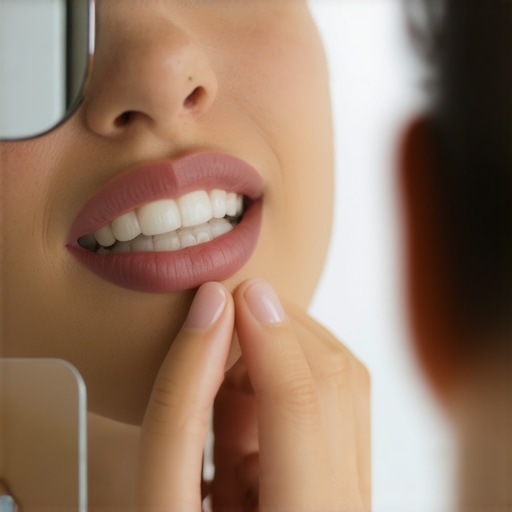
 Many people believe that visiting the dentist twice a year is enough to keep their teeth and gums healthy, but this is a common misconception. Regular professional cleanings are essential, but they must be complemented with proper daily hygiene and awareness of emerging issues. For instance, some assume that teeth whitening treatments are safe for everyone, yet individuals with restorations like crowns or veneers need tailored advice because certain whitening products can damage or discolor these materials. Understanding the nuances of your dental restorations is crucial;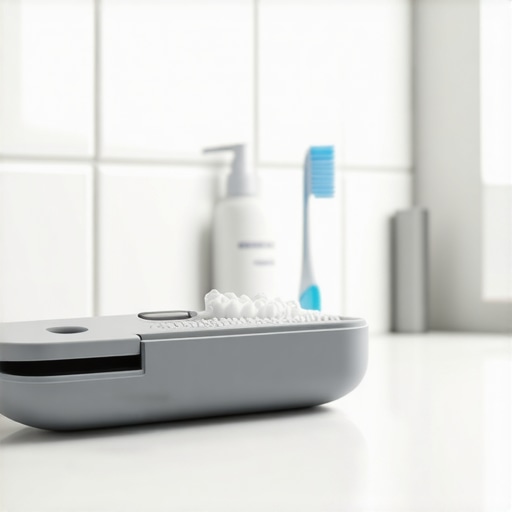
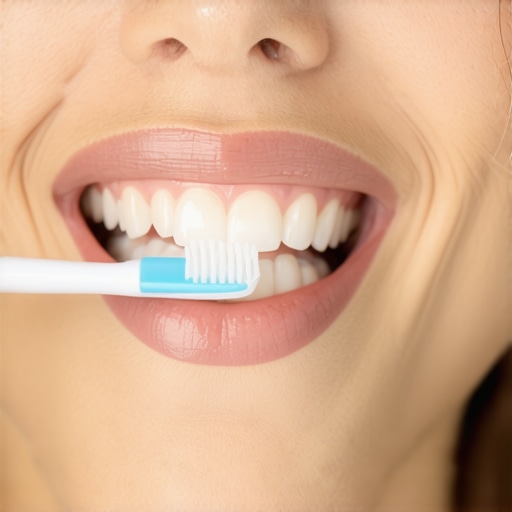
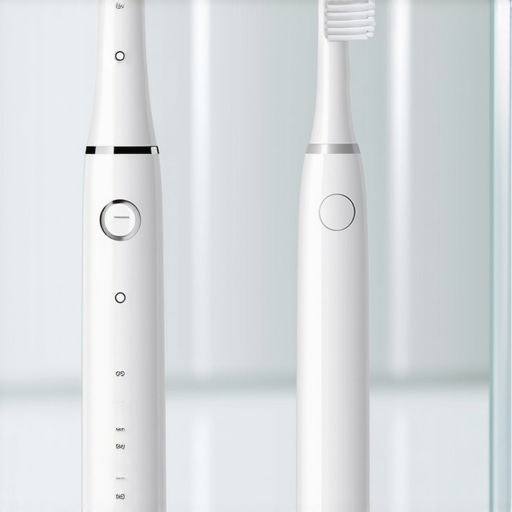
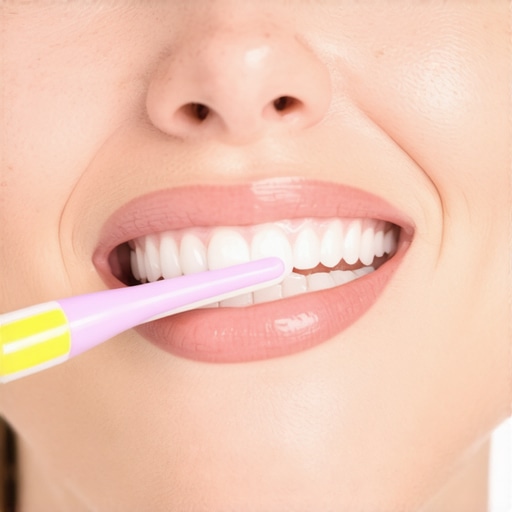 Many people believe that brushing once a day suffices or that all dental procedures are equally routine. However, these misconceptions can mask nuanced realities that impact your long-term oral health. For instance, the notion that manual brushing is just as effective as using an electric toothbrush is a myth; recent research indicates electric brushes can remove up to 21% more plaque when used correctly, especially around hard-to-reach areas. Yet, some still underestimate their importance, risking persistent plaque buildup that can lead to gum disease.
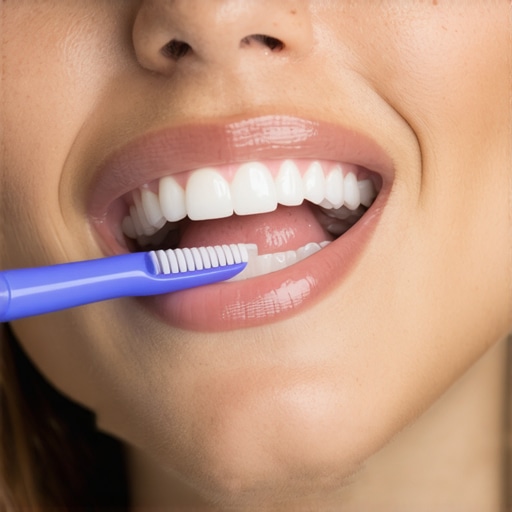
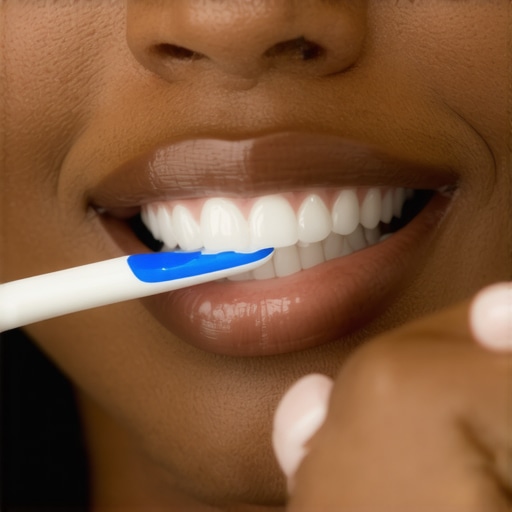 Many people think they know everything about oral health, but even experienced individuals often fall prey to misconceptions that can harm their teeth and gums. For example, a widespread belief is that more frequent or aggressive brushing cleans better. However, overbrushing or using excessive force during brushing can lead to gum recession and enamel erosion. It’s a common trap to think that brushing harder compensates for imperfect technique, but gentle, thorough brushing with proper tools is far more effective. This nuance is often overlooked, and ignoring it can result in long-term damage.